Gig Harbor Natural Holistic and Alternative Health

Heal Naturally. Live Fully.
  • Home
  • Categories
  • Top Chiropractor for Back Pain in Gig Harbor
  • Holistic Spas and Day Retreats in Gig Harbor
  • Yoga, Tai Chi, and Movement Classes Near You
  • Mind‑Body Therapy, Hypnosis, and Stress Relief
  • Holistic Stores, Herbs, and Natural Remedies
  • Discover Adventures and Treasures with Mark
  • Featured Gig Harbor Area Businesses
September 06.2025
1 Minute Read

Back Pain in Gig Harbor? Here's What You Should Know

Are you feeling like back pain, neck pain, or joint aches are stealing joy from your days in beautiful Gig Harbor? If you’re overwhelmed, frustrated, or simply searching for real answers, you’re not alone. Many of your neighbors are on the same journey—balancing work, family, and an active lifestyle here in the Pacific Northwest while dealing with aches that just don’t go away. Imagine waking up with less pain, moving freely again, and rediscovering energy you thought you’d lost. This guide shows you how the right chiropractor in Gig Harbor can help you reclaim your life—with compassion, expertise, and a path toward lasting wellness.

Feeling Back Pain in Gig Harbor? Discover Your Local Solutions

Back pain hits hard at the worst times—whether you’re trying to enjoy the waterfront, play with your kids, or simply make it through the workday. Luckily, Gig Harbor offers local solutions designed for your unique needs. A chiropractor in Gig Harbor isn’t just for people with chronic pain; it’s for anyone wanting quick, lasting relief, better movement, and long-term wellness. By focusing on the nervous system, range of motion, and your body’s natural ability to heal, a harbor chiropractor helps restore more than function—they help restore hope.

Whether your pain stems from an auto accident, repetitive stress, sports injuries, or years of poor posture, your local chiropractic clinic can create customized treatment plans. These plans use proven chiropractic techniques, massage therapy, and physical therapy to deliver both fast and sustainable pain relief. No one should settle for living with discomfort when Gig Harbor’s best chiropractic care is just around the corner and ready to help.

“Pain shouldn’t define your life — expert chiropractic care in Gig Harbor paves the way to renewed mobility and lasting relief.”

Chiropractor in Gig Harbor modern clinic interior with smiling staff greeting patient at reception, Gig Harbor scenery through windows.

Understanding Your Back Pain: Causes and Symptoms

Before you find relief, it’s important to understand where your pain is coming from. Back pain in Gig Harbor doesn’t just show up overnight; it can be a result of your daily routine, an accident, or underlying conditions. Many local residents experience pain from sitting at a desk too long, weekend adventures, or even minor auto accidents on the bustling Harbor streets. When ignored, these issues can develop into more complicated problems like reduced range of motion, chronic pain, or lasting injuries.

  • Auto accident injuries

  • Sports medicine issues

  • Prolonged sitting or physical therapy needs

  • Poor range of motion or posture

Symptoms can range from a dull ache to sharp, stabbing pain, often impacting your neck, back, or hips. Some feel tingling caused by nerve compression, while others notice increasing weakness as time goes on. Whatever your experience, addressing these symptoms early with chiropractic care is key to regaining full mobility and preventing more severe health challenges. A skilled Gig Harbor chiropractor understands these pain patterns and provides targeted care to improve your life.

For those interested in a more holistic approach to pain management, exploring natural and alternative health options in Gig Harbor can complement chiropractic care and support your overall wellness journey.

What You'll Learn: Benefits of Seeing a Chiropractor in Gig Harbor

What You'll Learn

Why It Matters

Signs you need chiropractic care

Catch problems before they worsen

Key treatments offered by a harbor chiropractor

Know your options before you call

How to choose the best Gig Harbor chiropractor

Make a confident, informed decision

Doctor explaining digital spine chart to a family in Gig Harbor chiropractic clinic, patient education and comfort.

How a Chiropractor in Gig Harbor Delivers Effective Pain Relief

The best part about choosing a chiropractor in Gig Harbor is their commitment to non-invasive, whole-body healing. By considering your lifestyle, hobbies, and specific pain points, your chiropractor customizes their approach to your unique needs. From spinal adjustments to integrated physical therapy, the focus is always on getting you back to what you love—without relying on medication or risky procedures. You’re not just another patient on a chart; you’re a valued member of the local community with your own story and goals.

This all starts with a thorough assessment: your chiropractor will review your history, discuss your daily routine, and complete hands-on tests to identify the root causes of your pain. Then, together, you build a treatment plan that often blends chiropractic adjustments, massage therapy, and targeted exercises. By improving your nervous system function and working with your body’s natural healing abilities, Gig Harbor chiropractic clinics offer real, lasting pain relief—so you can feel empowered and start living pain-free.

Chiropractic Treatment: Non-Invasive Solutions for Lasting Relief

Chiropractic treatment is well known for its non-invasive approach to healing. Instead of masking symptoms with medications, your harbor chiropractor uses proven techniques like spinal adjustments, gentle mobilizations, and muscle work. This approach enhances your body’s nervous system and helps improve flexibility, relieve tension, and restore proper function. These adjustments are personalized—whether you’re dealing with chronic lower back pain, acute injuries, or ongoing discomfort from everyday activities in Gig Harbor.

Chiropractor in Gig Harbor performing spinal adjustment on relaxed patient in professional clinic setting.

What makes chiropractic care so trusted in the community is its focus on the long-term. Instead of quick fixes, your chiropractor aims to prevent future pain and help you build a healthier lifestyle. With regular check-ins and smart adjustments, you’ll often see improvements after just one session—and even better results as you continue your personalized treatment plan. This proactive focus is one of the main reasons families, athletes, and professionals alike turn to a Gig Harbor chiropractor for ongoing health and mobility.

Chiropractic Care for Neck and Back Issues

The neck and back are central to everything you do—from turning your head at the wheel to carrying groceries from the store. Pain in these areas often points to problems with the nerves, discs, or muscles, which can restrict movement and make everyday activities a challenge. Chiropractic care addresses the entire kinetic chain, strengthening weak areas and helping the nervous system communicate correctly with your muscles and joints. That’s why so many people with neck and back pain find real answers at their local Gig Harbor chiropractic clinic.

  • Spinal adjustments

  • Physical therapy integration

  • Sports medicine assessments

  • Chiropractic wellness guidance

By using hands-on chiropractic adjustments and supportive therapies like massage or physical therapy, your chiropractor not only relieves pain but also helps you regain lost range of motion and function. For some, the relief is immediate. For others, a series of treatments—combined with at-home exercises—offers the most dramatic improvements. Either way, the goal is clear: enable your body to heal naturally and help you reclaim your healthiest, most active self.

Chiropractic Offerings in Gig Harbor: Comprehensive Services for All Ages

The best chiropractor in Gig Harbor goes beyond basic adjustments—they offer a range of services for every generation in your family. From pediatric chiropractic care and physical therapy for growing kids, to sports medicine and wellness plans for athletes, to gentle treatments designed specifically for seniors, the variety of services ensures everyone benefits from customized care. You’ll also discover that many clinics provide massage therapy, ergonomic consultations, and fitness advice, making them a hub for community health and wellness.

Many Gig Harbor residents appreciate how their chiropractor incorporates multiple therapies to treat pain at its source. Whether you’re an office worker battling chronic posture issues, an athlete recovering from a sprain, or a parent concerned about your child’s spinal health, you’ll find specialized care designed just for you. If you’ve tried traditional chiropractic or physical therapy before without success, a personalized approach from a leading Gig Harbor clinic could be the life-changing difference you’re looking for.

Physical Therapy Meets Chiropractic Care

Modern chiropractic treatment often includes a strong element of physical therapy. These two health systems work hand-in-hand to address the root causes of pain and improve long-term function. Your chiropractor may teach you simple, effective exercises to do at home, or guide you through professional stretches and strength training in the clinic. This blend allows for more thorough recovery from injuries, speeding up healing and helping prevent relapses later on.

Whether you’re healing from an auto accident, struggling with chronic pain, or looking to improve your range of motion, this dual focus maximizes outcomes. It also ensures that everyone—kids, adults, and seniors—receives the safest and most effective treatment. Simply put, Gig Harbor chiropractor clinics are committed to blending what works best for your needs, delivering health and wellness results you can feel.

Sports Medicine: Supporting Athletes and Active Lifestyles

Gig Harbor’s outdoor lifestyle means lots of residents are runners, cyclists, or weekend warriors. As any athlete knows, staying pain-free and injury-free is crucial to enjoying the activities you love. Sports medicine services at your local chiropractic clinic cover everything from injury prevention and physical therapy to real-time advice on posture, mobility, and gear. Whether you’re recovering from a sports injury or want to maximize your performance, your chiropractor tailors care to your specific athletic goals.

Chiropractor in Gig Harbor provides sports medicine care to athlete in energetic therapy suite, stretching and assessment.

Treatment may include advanced therapies like myofascial release, taping for joint support, sports massage, and guided rehab exercises. Because sports can challenge every part of your body—from the feet and ankles up to the neck and back—experts in sports medicine understand both acute injuries and how to prevent them. If you’re passionate about maintaining a healthy, active lifestyle in Gig Harbor, working with a chiropractor who specializes in sports medicine keeps you moving at your very best.

Auto Accident Recovery and Chiropractic Wellness

Car accidents, even minor ones, can cause lingering injuries nobody expects—whiplash, misalignments, or nerve pain may emerge days or weeks later. A Gig Harbor chiropractor experienced in auto accident recovery can help you navigate the aftermath with confidence. From documenting injuries for insurance claims to providing gentle yet effective chiropractic treatment, they work with your body’s natural processes to reduce inflammation, restore movement, and speed healing.

Your plan may include spinal adjustments, soft tissue therapy, physical therapy, and supportive modalities that reduce swelling and pain. Many clinics also partner with massage therapists, providing full-circle care to heal your body after trauma. Quick evaluation and intervention are crucial—don’t wait to address neck pain, back pain, or stiffness after a collision in Gig Harbor. The sooner you start chiropractic care, the faster you’ll return to pain-free living.

Why Choose a Gig Harbor Chiropractor for Personalized Care?

Not all clinics are created equal—and your health deserves the very best. Gig Harbor chiropractors are known for offering more than just chiropractic treatment: they deliver truly personalized care. A good chiropractor takes time to learn about your lifestyle, goals, and health challenges, creating a partnership that goes beyond ordinary visits. This patient-centered philosophy, combined with cutting-edge technology and proven results, sets Gig Harbor clinics apart from others.

“Our expertise in neck pain, back pain, and holistic pain relief starts with understanding your lifestyle and goals.”

  • Customized chiropractic treatment plans

  • Modern chiropractic technology

  • Patient-focused philosophy

  • Proven outcomes for improved range of motion

Whether you need care for acute pain or want to enhance your entire family’s health and wellness, choosing a harbor chiropractor means you’re getting thoughtful, innovative solutions every step of the way. If you feel like you’re not getting real answers or not seeing results at your current clinic, it might be time to discover the difference that a leading Gig Harbor chiropractor can make.

Comparing Harbor Chiropractor Clinics: Choosing the Best Fit

Clinic Name

Chiropractic Services

Pain Relief Success

Specialties

Clinic A

Back, neck, and sports medicine

High

Auto accidents, family care

Clinic B

Physical therapy, chiropractic treatment

Moderate

Seniors, athletes

Your Clinic

All above + custom plans

Exceptional

Personalized wellness

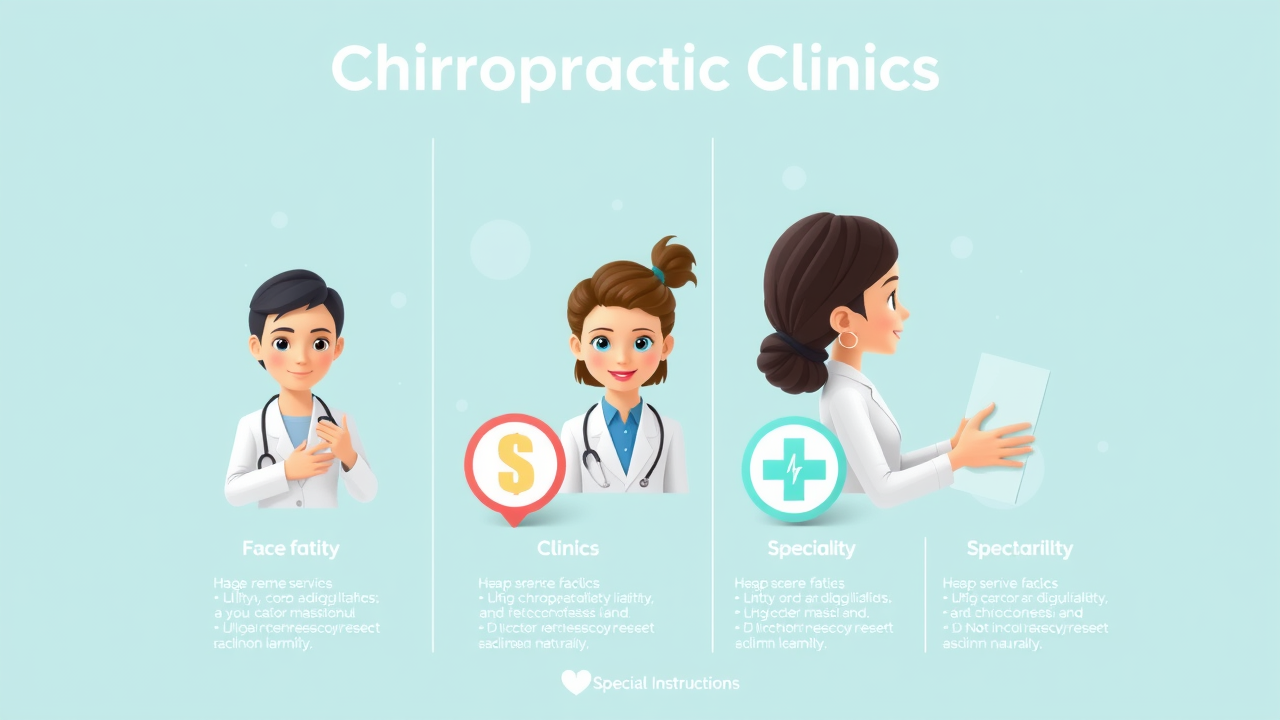
Infographic comparing chiropractic clinics in Gig Harbor with specialties, pain relief outcomes, and service offerings.

When choosing a chiropractor in Gig Harbor, consider not only their experience but also their commitment to individualized, patient-centered care. The best clinic for you is one that listens, adapts, and uses modern techniques to address your unique needs—whether that means a treatment plan for chronic pain, recovering from an auto accident, or optimizing health for lifelong activity.

Chiropractor in Gig Harbor: Steps to Lasting Pain Relief

  1. Review your symptoms for signs that you need chiropractic care

  2. Download our free guide for expert insights

  3. Book a consultation with a Gig Harbor chiropractor

  4. Begin your tailored chiropractic treatment plan

Optimistic patient completing chiropractic consultation form in welcoming waiting room of Gig Harbor clinic.

Taking these steps brings you closer to a pain-free, healthier future—no matter where you are in your journey. Starting with our expert guide gives you clarity and prepares you to ask the right questions during your first appointment. With each step, you’re choosing empowerment over frustration and health over discomfort.

Watch as a compassionate Gig Harbor chiropractor welcomes you into their clinic, guiding you through your first appointment, from assessment to the introduction of chiropractic treatment techniques. This video answers common questions, shows you what comfort-focused care can look like, and helps eliminate any nervousness before your visit.

Key Takeaways: Finding the Best Chiropractor in Gig Harbor

  • Back pain and neck pain can often be managed with chiropractic care

  • The right chiropractor in Gig Harbor delivers integrated pain relief

  • A free guide can help you navigate your choices and start healing

When you know what to look for in a Gig Harbor chiropractor, it’s easy to make informed, confident decisions to improve your health today and for years to come.

People Also Ask: Chiropractor in Gig Harbor

What conditions do chiropractors in Gig Harbor treat?

Answer: Chiropractors in Gig Harbor address back pain, neck pain, sports medicine injuries, auto accident injuries, reduced range of motion, headaches, and overall wellness. They create personalized plans for pain relief and improved quality of life.

Is chiropractic treatment in Gig Harbor safe for all ages?

Answer: Yes. Chiropractic care is adapted for children, adults, and seniors. Highly trained harbor chiropractors tailor methods for safety and effectiveness at every age.

How soon can I expect pain relief with chiropractic care in Gig Harbor?

Answer: Many patients experience pain relief after their first session, with more lasting results achieved through a series of customized treatments from an experienced Gig Harbor chiropractor.

Hear firsthand how others in Gig Harbor reclaimed their pain-free lives through dedicated chiropractic care—see their transformations, and know that you, too, can take the first step toward lasting relief.

Frequently Asked Questions (FAQ): Chiropractor in Gig Harbor

  • What should I expect during my first chiropractic treatment?

  • Do I need a referral to see a chiropractor in Gig Harbor?

  • How does chiropractic care support long-term wellness?

  • What makes your practice different from other Gig Harbor chiropractor clinics?

Still have questions? Explore our full guide or call us today to speak with a team dedicated to helping you regain the health and vitality you deserve.

Conclusion: Begin Your Journey to Pain Relief with a Chiropractor in Gig Harbor

“Your path to pain-free living in Gig Harbor starts with informed choices — and the right chiropractor by your side.”

Call to Action

Whether you’re new to chiropractic care or thinking about switching, our free guide is your best first step. Download it today.

As you continue your journey toward better health, consider how integrating mindfulness and self-care practices can further enhance your recovery and overall well-being. Discovering mindfulness techniques tailored for Gig Harbor residents can help you manage stress, support your body’s healing process, and cultivate a more balanced lifestyle. By combining expert chiropractic care with mindful self-care, you’re setting the stage for lasting vitality and resilience. Take the next step and explore how these holistic strategies can empower you to thrive in every season of life.
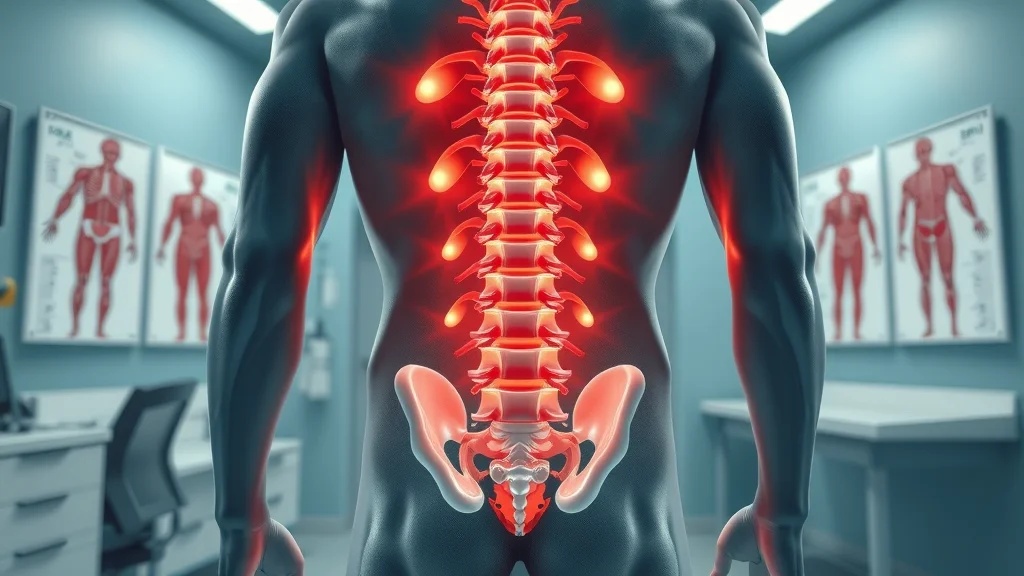

Top Chiropractor for Back Pain in Gig Harbor

1 Views

0 Comments

Write A Comment

*
*
Please complete the captcha to submit your comment.
Related Posts All Posts
08.24.2026

Why Does My Lower Back Hurt When I Bend Over?

Have you ever reached down to pick up your shoes, only to feel a sharp twinge or aching discomfort in your lower back? You're not alone. Lower back pain when bending over is one of the most common complaints among adults in the Gig Harbor area—and it can impact everything from tying your shoes to enjoying your favorite activities. Understanding what’s behind this pain, how to address it naturally, and when to seek expert holistic care is key to living life pain-free. In this in-depth guide, you’ll discover holistic strategies and actionable insights tailored for those seeking natural solutions for back pain. A Common Experience: Lower Back Pain When Bending Over “Many people in the Gig Harbor area notice their lower back pain when bending over to tie their shoes, pick something up, or even during simple daily movements. But why does it happen, and what can you do about it naturally?” Lower back pain when bending over can strike suddenly or worsen gradually—affecting your quality of life and day-to-day comfort. For many, this discomfort isn’t just a fleeting annoyance; it can become a persistent challenge that limits daily tasks, family activities, or even restful sleep. Whether the pain is sharp, dull, or causes muscle spasms, it’s important to recognize the triggers and explore holistic options for relief and recovery. In the Gig Harbor community, many individuals are now turning to natural health professionals to find lasting relief and avoid repeated flare-ups. While muscle strain and poor posture are frequent culprits, issues like spinal stenosis or a herniated disc can also contribute. Recognizing the underlying factors can shift your approach from temporary fixes to long-term solutions that nurture your body as a whole. Let’s dive into the essentials of what’s really going on in your low back when you bend over—and, most importantly, how holistic care can help you regain comfort and confidence in your daily movements. What You'll Learn in This Guide to Lower Back Pain When Bending Over Key reasons for lower back pain when bending over Holistic and natural approaches to identifying causes Red flags to watch for with lower back pain Expert insights from holistic practitioners Steps to manage and relieve back pain naturally Our goal is to empower you with expert advice, give clarity on common causes and red flags, and inspire you with a holistic approach so you can take charge of your back health. Understanding Lower Back Pain When Bending Over The Anatomy of Lower Back and How It Causes Pain When Bending The lower back, or lumbar region, is a marvel of strength, flexibility, and support—but also a common site for discomfort. This area includes five vertebrae (L1-L5), disks that cushion the spine, powerful core muscles, and complex networks of nerves such as the sciatic nerve. When you bend forward, these structures interact to support your body and allow smooth motion, but they can easily become strained by poor posture, weak core muscles, or improper movement patterns. Even simple actions like tying your shoes can cause pain when your back is unprepared or overworked. Muscle pain, such as that from overuse or sudden movements, is a frequent source of lower back pain when bending over. But it isn’t always just about muscles—your spinal discs can also be involved. Discs can bulge or herniate, pressing on nerves and resulting in shooting pain, numbness, or tingling. People with back pain who experience pain that radiates down the legs may be feeling symptoms related to disc or nerve compression, such as spinal stenosis. Knowing what’s responsible—muscle vs. disc—guides the best path to relief. Common Causes of Lower Back Pain When Bending Over Muscle strain or sprain Herniated or bulging discs Spinal stenosis Degenerative disc disease Facet joint dysfunction Poor posture and improper movement Muscle strains are often the result of lifting heavy objects incorrectly or overexertion during sports or chores. Herniated or bulging discs, common in those who sit for long periods or have a history of back strain, may cause intense pain when bending forward or twisting. Spinal stenosis, which is the narrowing of the spinal canal, can put pressure on nerves and cause aching, shooting, or burning sensations, particularly when moving or bending. Facet joint dysfunction and degenerative disc disease contribute to stiffness or sharp pain when bending or getting up from a seated position. Even poor posture from working at a desk or repeated improper bending can create chronic strain on the lower back, gradually leading to discomfort during daily activities. Each cause may require a nuanced and personalized approach, making a holistic perspective invaluable for lasting back health. For those seeking gentle, restorative movement to complement their back care routine, exploring Yin Yoga for sore hips can be a valuable addition. This practice not only supports hip flexibility but also encourages mindful movement patterns that may ease tension in the lower back. Key Differences: Lower Back Pain vs. Other Back Pain When Bending How Lower Back Pain When Bending Over Differs from General Back Pain Not all back pain is created equal. Lower back pain when bending over is often localized and sharp, typically triggered by movement patterns involving bending, lifting, or twisting. In contrast, general back pain may present as diffuse aching or stiffness, possibly affecting the upper or mid-back, and is often aggravated by long periods of inactivity or poor sitting posture. Recognizing these differences helps you tailor your approach to find relief and avoid unnecessary treatments. Understanding the differences between pain located in the low back and more general, non-specific back discomfort is crucial. Natural solutions for sharp lower back pain often focus on stretching, chiropractic care, or massage to address soft tissue and muscular imbalances. General back aches may respond better to postural retraining, yoga, or broader holistic care that involves mindfulness and movement. Reviewing these distinctions with a healthcare provider or holistic practitioner makes your recovery more targeted and effective. Back Pain Type Symptoms Aggravating Activities Natural Solutions Lower back pain when bending over Sharp pain in low back Bending, lifting Stretching, chiropractic, massage General back pain Aching, stiffness Sitting, movement Posture work, yoga, holistic care Red Flags of Low Back Pain When Bending Over What Are 5 Red Flags of Low Back Pain? Unrelenting pain/night pain Loss of bowel or bladder control Progressive leg weakness History of cancer Unexplained weight loss While most low back pain when bending over is not dangerous, these red flags indicate a need for urgent evaluation by a healthcare provider. Unrelenting pain, especially at night, can indicate a more serious underlying condition. Any sudden changes in bowel or bladder habits or progressive leg weakness could suggest nerve involvement or spinal cord compression. If you have a history of cancer or are experiencing unexplained weight loss along with your back pain, it is crucial to seek medical attention immediately. Recognizing these warning signs empowers you to act quickly and seek the appropriate level of care. Why Are These Red Flags Important? Red flags are essential because they help distinguish typical, self-limited back pain from conditions requiring immediate medical intervention. Ignoring severe symptoms can lead to lasting damage or missed underlying diseases that could be treated more effectively if caught early. Holistic and natural therapies are wonderful tools for most pain when bending, but always partner with a knowledgeable practitioner who knows when additional assessment or referral is necessary. Your safety is the foundation of holistic health, and recognizing these warning signs is a vital part of the journey to wellness. Muscle or Disc: How to Tell the Source of Lower Back Pain When Bending Over How Do You Tell If Lower Back Pain Is Muscle or Disc? Pain location and type differences Telltale signs of muscle strain vs. disc issue How holistic practitioners differentiate between tissue types Distinguishing between muscle and disc-related lower back pain when bending over is crucial for finding the right approach. Muscle pain typically stays localized in the low back area, feels sore or achy, and is aggravated by specific movements or direct pressure. It might come on after a certain activity, such as heavy lifting or yard work. In contrast, disc pain often comes with shooting pain, numbness, or tingling that travels down the leg — a sign of nerve irritation or compression from a herniated or bulging disc. The pain might get worse when sitting or bending forward and ease with gentle walking or stretching. Holistic practitioners often use movement assessments, palpation, and your history to differentiate these tissue types. For example, if bending forward triggers pain that radiates below the knee, this suggests a possible disc issue impacting the sciatic nerve. On the other hand, if discomfort stays in the muscle area and improves with ice and heat or gentle movement, a soft tissue injury is likely. Knowing the source allows for targeted, non-invasive natural treatments and helps avoid unnecessary medical procedures or imaging. When to Seek Medical Evaluation in Gig Harbor It can be confusing to know when to seek medical or holistic evaluation for your lower back pain when bending over. If you experience severe pain that doesn't improve with gentle self-care, pain that radiates down your leg, numbness, or any of the red flags listed earlier, it’s wise to reach out promptly to a healthcare provider or holistic practitioner. Likewise, if your symptoms return repeatedly or interfere with daily life, a thorough assessment can rule out more serious issues while guiding you toward the most effective natural relief options available in the Gig Harbor area. Physical therapists, chiropractors, and skilled natural health practitioners use comprehensive assessments to pinpoint the cause—ensuring you get safe, holistic, and person-centered care. Being proactive about new or worsening symptoms maximizes your chances for a full recovery without delay. Natural and Holistic Approaches to Lower Back Pain When Bending Over Physical Therapy, Holistic Chiropractic, and the Role of Movement Integrative and holistic therapies provide a natural, person-centered way to restore function and ease lower back discomfort. Physical therapy focuses on improving core strength, flexibility, and alignment through carefully guided exercises and manual techniques. Holistic chiropractic care goes beyond traditional adjustments—instead supporting the entire person by addressing posture, ergonomics, soft tissue release, and lifestyle factors. Movement therapies such as yoga and Pilates are popular additions, empowering you to build resilience in your low back with mindful, pain-free movement. Physical therapists and holistic practitioners also teach strategies for body awareness and daily movement that relieve pain and reduce the risk of flare-ups. Rather than masking symptoms, a natural approach aims to rebalance the whole body, address emotional stress, and support your long-term health. This collaborative model incorporates breathwork, stretching routines, and gentle core engagement—helping you return to your favorite activities without fear of recurring injury. Physical Therapists and Holistic Practitioners in Gig Harbor How integrative therapy addresses pain when bending Benefits of a holistic, multi-disciplinary approach The Gig Harbor area is home to a vibrant community of skilled physical therapists, chiropractors, and holistic health professionals—all passionate about providing non-pharmaceutical pathways to recovery. Integrative therapy looks at your body as a connected system, exploring how daily stress, posture, sleep, and emotional well-being influence physical pain. By working together, these practitioners create a custom care plan that may include hands-on modalities, corrective exercise, education, and self-care strategies. A holistic, multi-disciplinary approach helps you address pain when bending by tuning into your body’s signals and actionable self-care. Many patients report improved mobility, reduced flare-ups, greater calm, and boosted quality of life. Whether you’re new to holistic medicine or looking to deepen your current wellness journey, integrating these practices can provide relief and resilience for years to come. Decompressing Your Lower Back Naturally How Do You Decompress Your Lower Back? Gentle stretching and yoga Massage and acupuncture Ergonomic adjustments at home and work Mindfulness practices and stress reduction Decompression of the lower back can relieve tension, improve mobility, and promote natural healing without medication. Gentle stretching routines and yoga postures such as child’s pose, cat-cow, or supported forward bends create space between vertebrae, gently easing stiffness or muscle spasms. Massage therapy and acupuncture complement these methods by increasing circulation and reducing inflammation in both soft tissue and deeper spinal structures. Small ergonomic tweaks—like using supportive chairs, adjusting desk height, or practicing safe lifting—further minimize back strain during everyday activities. Incorporating mindfulness and stress-reduction practices encourages deeper relaxation, balancing your nervous system and reducing the influence of psychological tension on muscle pain. Regular attention to these areas lays the groundwork for lifelong low back health and comfort. “Natural therapies can help restore low back function and reduce pain, often without medication or surgery.” The 'Big 3' Exercises for Lower Back Pain When Bending Over What Are the Big 3 for Lower Back Pain? McGill Curl-Up Bird Dog Side Plank The ‘Big 3’ exercises, popularized by spine experts, are safe foundational movements designed to build core endurance and support your lower back. The McGill Curl-Up gently activates abdominal muscles without stressing the spine; the Bird Dog strengthens stability by coordinating movement between your arms and legs; and the Side Plank challenges the core and side body, supporting optimal spinal alignment. Regularly performing these exercises—ideally under the guidance of a holistic physical therapist or chiropractic practitioner—can markedly reduce pain when bending, enhance movement safety, and lower your risk of recurring flare-ups. They are highly adaptable and appropriate for a variety of fitness levels, making them a core piece of natural back pain relief protocols. How to Perform Each Exercise Safely Safe performance of the ‘Big 3’ begins with mindful setup and gradual progression. For the McGill Curl-Up, lie on your back with one leg bent, hands under your low back, and gently lift your head and shoulders a few inches—avoiding strain or forcing the movement. Bird Dog requires a hands-and-knees position, slowly extending opposite arm and leg, keeping your core engaged without swaying. Side Plank is performed on your side, propped on your forearm or hand, while lifting hips off the ground and holding your body in a straight line. Integrating these exercises consistently—aiming for short repetitions done with focus—supports back resilience and strengthening. A physical therapist or experienced holistic practitioner can demonstrate optimal technique, offer modifications tailored to your needs, and ensure that you’re progressing safely for the greatest results in overcoming lower back pain when bending over. Prevention and Management of Lower Back Pain When Bending Over Daily Habits for a Healthy Lower Back Building robust daily habits is the most effective prevention strategy for lower back pain when bending over. Regular physical activity—such as walking, swimming, or low-impact home exercises—keeps muscles limber and core strong. Incorporate stretching and mini breaks throughout prolonged sedentary periods, whether at home or in the office, to disrupt patterns that fuel back strain and fatigue. Maintaining a healthy weight through balanced nutrition and mindful movement also reduces pressure on your spine. Staying hydrated is a surprising yet valuable tool for spinal health, as it keeps the discs between your vertebrae supple and resistant to injury. Daily posture checks, mindful breathing, and time outdoors significantly benefit your back and your overall well-being. Encouraging family or co-workers to join in regular movement and safe habits builds a supportive community around your journey to better back health. How to Avoid Back Pain When Bending in Everyday Life Proper lifting techniques Staying hydrated Regular movement breaks Proper lifting technique—using your legs, keeping a neutral spine, and keeping objects close to your body—dramatically reduces your risk of sudden pain when bending over. Practicing this technique every time, from moving furniture to picking up a grocery bag, transforms a daily necessity into an opportunity to support your body well. Even mundane activities like gardening or laundry benefit from thoughtful, spine-friendly movement patterns. Avoiding back pain also means listening to your body: stop or modify activities at the first sign of discomfort, rather than pushing through lingering pain. Setting reminders for movement and hydration, using ergonomic chairs, and staying attuned to your body’s signals make back care a natural, unconscious part of your lifestyle. Empowerment comes from small, daily choices repeated over time. When to Seek a Holistic Practitioner for Lower Back Pain When Bending Over What to Look for in a Natural Health Professional Choosing the right natural health practitioner is a key step in overcoming persistent lower back pain. Look for someone experienced in holistic care, with training in physical therapy, chiropractic, or integrative modalities relevant to back pain when bending. Compassion, a collaborative philosophy, and a commitment to individualized care plans set outstanding practitioners apart. Word-of-mouth, reviews, and personalized initial consultations can help you feel confident in your choice. Ask if the practitioner takes a whole-person approach—considering lifestyle, movement, stress, and nutrition—in addition to the specific injury. A great holistic provider is committed not just to your back health but to enhancing your overall quality of life with natural, evidence-based strategies. Questions to Ask Before Your First Appointment Preparing for your first consultation maximizes the benefit of holistic care. Before booking, consider asking: What is your experience with lower back pain when bending over? Which therapies do you recommend for muscle, disc, or nerve-related pain? How do you customize care for each client? Do you offer education on self-care, movement, and ergonomics? How do you coordinate care if my symptoms need additional medical evaluation? Your practitioner should welcome these questions, demonstrating a transparent, collaborative spirit and a genuine commitment to your recovery and holistic well-being. People Also Ask About Lower Back Pain When Bending Over What are 5 red flags of low back pain? The five key red flags for low back pain include: unrelenting or night pain, sudden loss of bowel or bladder control, progressive leg weakness, a personal history of cancer, and unexplained weight loss. If you notice any of these symptoms, seek immediate evaluation from a healthcare provider, as they may signal a serious underlying condition beyond typical muscle or disc pain. How do you tell if lower back pain is muscle or disc? Muscle pain in the lower back usually feels localized, sore, and tends to worsen after specific activities or direct pressure. Disc-related pain may be sharper, with shooting sensations, numbness, or tingling spreading down your leg (hinting at nerve involvement, such as sciatic pain). Holistic practitioners assess movement patterns and symptom history to distinguish between muscle and disc involvement for tailored care. How do you decompress your lower back? You can decompress your lower back by engaging in gentle stretches, yoga poses such as child’s pose or cat-cow, receiving massage therapy or acupuncture, and making targeted ergonomic adjustments at home and work. Mindfulness and stress reduction methods also play a role in naturally easing tension and promoting healing. What are the big 3 for lower back pain? The "Big 3" exercises for lower back pain are the McGill Curl-Up, Bird Dog, and Side Plank. These movements safely activate and strengthen your core muscles, providing crucial support and reducing strain on your low back when bending, lifting, or performing daily tasks. Practicing these under professional guidance optimizes results and minimizes risk. Frequently Asked Questions About Lower Back Pain When Bending Over Is it safe to exercise with lower back pain when bending over? Gentle, guided movement is often beneficial, but always consult a practitioner if you’re unsure or if the pain is severe. Can natural therapies really help my chronic back pain? Yes—many clients in holistic and natural practices experience pain relief, improved function, and fewer recurrences. How quickly can I expect relief from holistic treatments? Relief timing varies, but many people feel notable improvement within a few sessions or weeks with consistent, individualized care. How do I know if I need additional testing or imaging? Seek evaluation if pain persists, worsens, or is accompanied by red flags. A holistic practitioner can direct you to the appropriate next steps. Key Takeaways for Managing Lower Back Pain When Bending Over Holistically Listen to your body and identify early signs of back pain when bending Safe, natural, and holistic therapies are available in the Gig Harbor area Expert-guided intervention is encouraged for ongoing symptoms Prevention through mindful movement and self-care is key If you’re inspired to deepen your journey toward holistic wellness, consider how mindful movement practices can transform not just your back, but your entire body. Exploring approaches like Yin Yoga for sore hips can unlock new levels of flexibility and comfort, supporting your spine and hips in harmony. By integrating these gentle, restorative techniques into your routine, you’ll discover a more resilient foundation for daily life. For those ready to embrace a broader spectrum of healing movement, discover how Yin Yoga can ease discomfort and promote lasting well-being as part of your holistic health journey. Ready to Live Pain-Free? Find the Right Natural Holistic Health Practitioner Near Gig Harbor Today Take charge of your back health by connecting with a caring, expert holistic practitioner near you. Book an appointment today and step confidently toward a future of comfort, activity, and lasting well-being—free from the worry of lower back pain when bending over.

08.22.2026

Lower Back Pain When Walking: What Could It Mean?

Ever wondered why your lower back pain suddenly flares when you’re out for a simple stroll? This common discomfort isn’t just inconvenient—it can be a sign that something deeper is going on. Discover the powerful truth behind lower back pain when walking and how holistic strategies can put you back in motion, naturally and confidently. Exploring Lower Back Pain When Walking: An Everyday Dilemma For many residents of Gig Harbor and those seeking a better quality of life, lower back pain when walking is more than a fleeting annoyance—it’s a frequent obstacle that interferes with daily activity, family time, and enjoyment of the beautiful outdoors. Understanding why your back hurts during walks is the first step toward finding relief. Back pain when walking can arise from various sources, including muscle imbalance, improper biomechanics, or deeper issues involving the lumbar spine or low back muscles. As this pain persists, it can contribute to chronic low back pain if left unaddressed. If you’re experiencing discomfort, it’s essential to approach the issue holistically, considering both physical and lifestyle factors. By doing so, you open the door to not just temporary relief, but long-lasting healing and resilience. Exploring the root causes—as well as immediate and preventative strategies—empowers you on your journey to pain-free living. Whether you’re new to natural and holistic health or have previously sought care from alternative practitioners, understanding the factors behind your lower back pain when walking allows you to make informed decisions. With the right approach, you can address current pain, prevent future problems, and keep moving with ease. This article provides you with a comprehensive look at the issue, so you can identify the steps necessary to regain comfort and wellness for the long haul. What You'll Learn About Lower Back Pain When Walking The primary causes of lower back pain when walking How natural and holistic approaches can help What to look for in a holistic health practitioner in Gig Harbor Effective strategies for pain relief and prevention Understanding Lower Back Pain When Walking: Is It More Than Just Fatigue? Sometimes, lower back pain when walking might seem like an inevitable part of aging or a result of simply doing too much. However, pain when walking is often a crucial signal from your body that something is out of balance. Distinguishing between what’s normal and what’s not requires insights into your body’s biomechanics, the structural health of your lumbar spine, and your lifestyle habits. When your back hurts each time you step out for a walk, it’s rarely “just fatigue. ” Recurring discomfort deserves attention because, over time, minor issues can lead to more persistent and chronic low back pain. Many of the root causes behind lower back pain when walking are preventable—or at least manageable—through targeted holistic interventions. Seeking appropriate support early on, such as seeing a physical therapist or holistic practitioner, means you can get to the bottom of what’s causing your pain and start a plan that focuses on whole-body wellness. Understanding triggers and risk factors is crucial: are you dealing with muscle fatigue, muscle imbalance, or something more serious like spinal stenosis? Let’s break down the most common causes so you can feel empowered to act. For those interested in gentle, restorative movement, exploring practices like Yin Yoga for sore hips can complement your back care routine and support overall mobility. When Lower Back Hurts: Common Causes of Lower Back Pain When Walking Muscle fatigue and muscle imbalance Poor posture and walking mechanics Degenerative disc disease Spinal stenosis Inflammation and nerve irritation Understanding the structure of your low back, including the lumbar spine, back muscles, and connective tissues, is vital in recognizing why your back hurts during activity. Consider watching expert physical therapists break down how various anatomical components—discs, muscles, nerves—play a role in back pain when walking. Educational videos like these can deepen your awareness, making it easier to communicate concerns to your holistic health provider in Gig Harbor. Remember, the more you know, the better equipped you are for recovery. Back Pain When Walking: Warning Signs and When to Seek Help While most cases of lower back pain when walking resolve with self-care and attention to movement, certain red flags indicate the need for prompt medical advice. It's crucial to distinguish between benign causes and potential signs of a more serious medical condition. Recognizing these warning symptoms early helps you avoid complications and sets you on the path to the most effective treatment options. Be mindful that chronic low back pain which suddenly worsens, is accompanied by neurological symptoms, or dramatically interferes with daily life, demands professional evaluation. If you experience any of the following red flags, consult a healthcare provider or qualified holistic practitioner right away. Your health—and future mobility—depend on it. Back Pain Red Flags: What to Be Aware Of Sudden onset of severe pain Numbness or tingling down the leg Loss of bladder or bowel control Unexplained weight loss History of cancer or trauma Table: Red Flags of Lower Back Pain When Walking Red Flag What It Means Next Step Severe pain not improving Potential serious condition Seek urgent medical attention Neurological symptoms Nerve involvement Consult a practitioner Unexplained weight loss Possible underlying disease Further evaluation needed Physical Therapist Insights: Holistic Views on Lower Back Pain When Walking "A holistic approach means looking beyond just the pain to uncover imbalance and patterns in movement — this is key to lasting relief from lower back pain when walking." How a Physical Therapist Approaches Lower Back Pain When Walking Evaluating walking mechanics and movement Assessing muscle fatigue and core strength Importance of postural alignment Expert physical therapists understand that the reasons your back hurts while walking extend far beyond simple soreness. By carefully observing your gait, movement patterns, and posture, they can identify subtle muscle imbalances, chronic low back strain, or nerve-related issues in the lumbar spine. The focus is not just on symptom relief but on correcting root causes—improper movement, muscle fatigue, or core weaknesses. A holistic practitioner or physical therapist will typically conduct a thorough assessment, including your walking mechanics and lifestyle factors. This comprehensive view allows them to create a plan with targeted exercises, ergonomic tips, and supportive therapies. Whether you’re seeking natural pain management or preventive care, this integrative approach is central to lasting improvement and prevents issues from escalating in the future. The Most Common Causes of Lower Back Pain When Walking Muscle Fatigue and Imbalance: Impact on Lower Back Pain When Walking Muscle fatigue and imbalance are leading contributors to lower back pain when walking. When certain muscle groups, like the lower back muscles or core, become weak, tired, or overcompensate for other inactive muscles, biomechanical stress builds up in the lumbar spine. These imbalances can come from long periods of sitting, poor posture, or previous injuries, leading to tightness in some muscles and weakness in others. As a result, the natural movement patterns become disrupted—each step places uneven pressure on your low back and supporting structures. Addressing muscle fatigue requires targeted exercises and mindful movement practices to restore balance. A physical therapist may recommend strengthening routines focusing on core strength and flexibility of the lower back, as well as stretches that promote blood flow and muscle recovery. Paying close attention to posture, both during daily activity and while walking, helps prevent these imbalances from recurring and encourages a healthy, stable gait. Spinal Stenosis and Nerve Irritation: How They Affect Pain When Walking Spinal stenosis, a narrowing of the spinal canal in the lumbar spine, is another common source of pain when walking. This condition puts pressure on the nerves exiting the spine, often resulting in discomfort, tingling, or numbness radiating down the legs. People with spinal stenosis typically notice that walking or standing for extended periods increases their symptoms but find relief when they sit or bend forward. Nerve irritation often presents as sharp, shooting pain or persistent aches, making each step uncomfortable. If you experience such symptoms, obtaining expert evaluation and working with a healthcare provider or holistic practitioner can make all the difference. They may recommend gentle stretching, postural adjustments, and therapies that promote nerve health and improve overall movement patterns, helping you get back to staying active without discomfort. Degenerative Disc Disease and Low Back Pain When Walking Degenerative disc disease involves the gradual thinning or dehydration of spinal discs in your low back, a common part of the natural aging process. While this doesn’t always cause symptoms, it can contribute to lower back pain when walking if nerve roots become compressed or spinal alignment is altered. The result may be pain that grows worse during activity and improves with rest. Management of degenerative disc pain focuses on supporting lumbar spine health through gentle movement, anti-inflammatory nutrition, mindfulness, and soft tissue therapies. Holistic practitioners often incorporate multiple modalities—such as targeted exercises, postural training, and stress reduction—to help foster healing and maintain function, even as spinal discs change with age. Natural and Holistic Approaches for Lower Back Pain When Walking Holistic Back Pain Relief: Beyond Conventional Treatments Yoga and stretching for the lower back Mindfulness and stress reduction Manual therapy techniques Nutrition and anti-inflammatory support For those seeking sustainable, drug-free solutions, natural and holistic approaches to lower back pain when walking focus on addressing the body as a whole. Gentle yoga and stretching routines improve flexibility and blood flow, supporting recovery from muscle fatigue and preventing pain. Mindfulness practices—such as guided meditation and deep breathing—help reduce stress and tension, both of which are known to exacerbate low back pain and discomfort during activity. Manual therapies, like massage or myofascial release, target the muscles or tendons around the spine, relieving tightness and restoring normal movement patterns. Nutrition also plays a vital role: anti-inflammatory diets rich in fruits, vegetables, and healthy fats support tissue healing and reduce chronic low back pain. Working with a practitioner who combines these strategies ensures a well-rounded path to relief and long-term resilience. Viewing step-by-step demonstrations of key stretches, postural techniques, and mindfulness exercises can jump-start your journey to addressing lower back pain when walking naturally. These resources often highlight the best moves for promoting recovery in the lumbar spine, boosting core strength, and unlocking tight back muscles—all with the guidance of holistic practitioners. Taking an active approach with visual aids ensures that you’re performing these techniques safely and effectively. Back Pain When Walking: Tips for Immediate and Long-Term Relief Practical Strategies and Natural Remedies for Lower Back Pain When Walking Proper warm-up and cool-down routines Footwear and walking surfaces Daily core strengthening exercises Ergonomic tips for daily routines Whether pain strikes during a walk or lingers afterward, immediate and long-term strategies are available—no matter your starting point. Always begin with a gentle warm-up and end with a cool-down to support blood flow and reduce injury risk. The surface on which you walk matters: stick to level, cushioned paths whenever possible to minimize impact on your low back. Choosing supportive footwear with adequate cushioning further protects your lumbar spine from jarring forces and reduces back pain when walking. Daily core strengthening and posture awareness go a long way toward preventing and managing discomfort. Simple exercises targeting your lower back and abdominal muscles increase stability, while ergonomic adjustments—like adjusting your work setup or practicing mindful movement—insulate against stress and fatigue. Integrating these strategies into your routine not only addresses existing back pain but also prevents future flare-ups, helping you stay active and comfortable longer. Why Local Holistic Practitioners Are Essential for Treating Lower Back Pain When Walking Selecting a holistic practitioner near Gig Harbor provides more than just convenience—it ensures you receive personalized, attentive care tailored to your unique challenges with lower back pain when walking. Local experts offer in-depth knowledge of regional wellness resources, weather-related factors, and community-based solutions that support sustained recovery. They can craft comprehensive care plans blending targeted exercise, manual therapy, nutrition, and mindfulness, all to keep you pain-free and thriving. Working with local holistic professionals also means faster follow-up, responsive adjustments to your treatment plan, and access to a supportive network. Whether you’re new to alternative health or considering a switch, choosing a practitioner with an integrative, whole-person philosophy is a pivotal step toward overcoming back pain and enjoying all the natural beauty and activity that Gig Harbor has to offer. Preventing Lower Back Pain When Walking: Lifestyle and Wellness Building Resilience in the Low Back: Integrative Lifestyle Changes Regular low-impact exercise Posture awareness in daily activities Staying hydrated and supporting joint health A proactive approach to wellness is your best defense against lower back pain when walking. Engage in low-impact exercises—such as walking on soft trails, swimming, or cycling—which reduce joint stress and strengthen the muscles of the lumbar spine. Cultivating posture awareness, both at home and on the go, helps distribute forces evenly through your back muscles and prevents chronic strain. Hydration is often overlooked but essential for maintaining the health of spinal discs and connective tissues. Supporting joint health with nutrient-rich foods, especially those high in omega-3s and antioxidants, builds resilience against inflammation and reduces your risk for low back injuries. With consistent attention to these lifestyle habits, you’ll find it much easier to remain active, energetic, and pain-free at any age. Choosing the Best Holistic Practitioner in Gig Harbor for Lower Back Pain When Walking What to Look for in a Natural Holistic Health Practitioner Credentials and experience in treating lower back pain when walking Whole-person treatment philosophy Individualized care plans Community reputation and patient testimonials When selecting a holistic health practitioner near Gig Harbor, prioritize those with proven experience and board-recognized credentials in addressing lower back pain when walking. Look for practitioners who embrace a whole-person, individualized approach—someone who will listen deeply to your history and goals, not just treat your symptoms. Reading reviews and requesting patient testimonials gives you a sense of a practitioner’s community reputation and their ability to deliver real results. A great practitioner will design a treatment plan that adapts as you progress, incorporating physical therapy, targeted exercises, manual therapies, and lifestyle recommendations. They understand that your journey to a pain-free life is unique, and they strive to guide you with compassion, expertise, and holistic insight every step of the way. Hearing a physical therapist or holistic expert discuss real-world strategies and success stories can be highly motivating as you seek solutions for lower back pain when walking. Video interviews with local professionals often provide valuable tips, educate on movement mechanics, and clarify what to expect during your first consultation. These resources can give you the confidence needed to pursue holistic care tailored to your needs. FAQs on Lower Back Pain When Walking How do I stop my lower back from hurting when I walk? To minimize lower back pain when walking, focus on warming up with gentle stretches before you start, wear supportive footwear, and choose even walking surfaces. Incorporate core and back strengthening exercises into your daily routine, practice proper posture, and take short breaks if discomfort arises. If pain persists, consider seeing a holistic practitioner or physical therapist near Gig Harbor for an assessment and personalized treatment plan. What are 5 red flags of low back pain? Major warning signs of low back pain include sudden, severe pain that doesn't improve, numbness or tingling radiating down one or both legs, loss of bladder or bowel control, unexplained weight loss, and a personal history of cancer or recent trauma. If you notice any of these symptoms, it’s crucial to seek medical advice or holistic healthcare right away to rule out serious conditions. What causes a lower back ache when walking? Lower back aches while walking commonly result from muscle fatigue, muscle imbalance, poor posture, or nerve irritation as seen in spinal stenosis or degenerative disc disease. Less often, issues like inflammation or the effects of old injuries contribute. It’s important to have an expert, such as a physical therapist or holistic practitioner, assess your unique situation for proper diagnosis and targeted treatment options. How do you treat lower back pain? Treating lower back pain often involves a holistic approach—combining physical therapy, targeted exercises, yoga, manual therapies, mindfulness, and nutrition. Heat or cold therapy may offer immediate relief for acute flare-ups, while lifestyle changes and ergonomic improvements support long-term health. For persistent pain, working closely with a practitioner experienced in natural, integrative treatments ensures your path to recovery is both safe and sustainable. Key Takeaways for Addressing Lower Back Pain When Walking Lower back pain when walking can have a variety of causes, but natural holistic solutions are widely effective Physical therapist insights and multidisciplinary approaches produce long-term results Choosing a skilled holistic practitioner near Gig Harbor is crucial to your pain-free journey Ready for a Pain-Free Life? Schedule Your Consultation with a Top Holistic Practitioner Today Take the first step toward lasting relief—reach out to the best local holistic health practitioners in Gig Harbor and begin your journey to a healthier, pain-free back now. If you’re inspired to deepen your understanding of holistic movement and want to explore additional ways to support your body, consider learning about the benefits of Yin Yoga for hip and back health. This gentle practice can be a valuable complement to your back care routine, offering restorative movement and mindful relaxation. For those seeking a broader perspective on holistic wellness, exploring integrative approaches to movement and self-care can unlock new levels of resilience and vitality. Continue your journey by discovering how mindful practices and targeted therapies can transform not only your back health but your overall well-being.

08.21.2026

Why Does My Lower Back Hurt When I Stand Up?

Ever stood up, only to be met with a sharp ache in your lower back—and wondered what your body is really telling you? Whether it’s a daily nuisance or a sudden new symptom, lower back pain when standing up can be perplexing and disruptive, especially if you strive for holistic health. In this comprehensive guide, we’ll uncover the root causes behind this pain, how it differs from general back pain, and—most importantly—how natural, holistic strategies in Gig Harbor can make a lasting difference in your well-being. Are You Experiencing Lower Back Pain When Standing Up? Lower back pain when standing up isn’t just common—it’s a signal from your body, prompting you to pay attention before the pain becomes chronic. For many adults in the United States, discomfort in the lower back upon rising can disrupt daily routines, productivity, and even emotional well-being. If you find that back pain when standing occurs more often than you’d like, you’re not alone. Research shows that persistent lower back pain affects millions, particularly those who spend long hours standing upright or moving from seated to standing positions. But what does this specific type of pain mean for you? Unlike generalized discomfort in the back, pain when standing often points to a blend of lifestyle issues, muscle imbalances, and potential alignment problems. By understanding exactly what’s causing your pain and how your daily habits and environment contribute to it, you position yourself to choose the smartest—most natural—healing path possible. This article, tailored for the Gig Harbor community, uncovers expert-endorsed holistic and alternative solutions so you can achieve lasting relief while living vibrantly. The Unseen Connection Between Daily Habits and Back Pain When Standing It’s easy to overlook the subtle impact your everyday choices have on your lower back health. Something as simple as the way you rise from a chair or stand for long stretches can create unnecessary strain on your back muscles. Daily activities, like working at a desk, lifting small children, or even carrying groceries, add up—slowly altering your posture and the way your lower back and back muscles work together. Over time, these micro-strains may lead to discomfort or notable pain when standing. The shift from sitting to standing causes a rapid redistribution of weight and pressure on the spine and supporting muscles. If your core muscles lack strength or there’s a misalignment in your lower spine, your body compensates in ways that can lead to pain. The pain when standing up may not appear immediately after these activities, but gradually, repetitive actions and poor posture can inflame tissue, strain nerve roots, and create muscle tightness. Recognizing and correcting these patterns early is a cornerstone of both prevention and holistic management, which ensures a healthier lower back in the long run. What You'll Learn About Lower Back Pain When Standing Up The most common causes of lower back pain when standing up Key differences between lower back pain when standing and general lower back pain Natural and holistic approaches to managing back pain when standing Red flags that require prompt professional attention Expert strategies for choosing a holistic health practitioner in Gig Harbor Understanding Lower Back Pain When Standing Up Understanding why your back hurts specifically when you stand up requires a deeper look at your anatomy and overall health. Not all back pain is created equal. Pain that’s closely tied to standing or transitioning from a seated position often involves specific movement and support patterns among your lower back, core, and legs. This type of pain is your body’s way of alerting you to issues with balance, posture, or even underlying musculoskeletal dysfunction. In Gig Harbor, where many pursue natural, functional health, it’s especially valuable to understand the origins of your pain for more targeted, lasting relief. Holistic practitioners stress that the root of lower back pain when standing up is often more than just muscle strain. It might involve imbalances in the nervous system, chronic tension in the back muscles, or issues in the spinal canal itself such as spinal stenosis or nerve compression. The nature, timing, and triggers of your pain help guide the correct approach—whether that’s gentle physical therapy, integrative therapies, or lifestyle guidance to facilitate self-healing. How Lower Back and Back Muscles Contribute to Pain When Standing The lower back is a complex area, home to layers of muscle, ligaments, and crucial nerve roots. When standing up, intense pressure can be placed on these structures, especially if the back muscles are weak, tight, or out of balance. Straining as you rise from a chair or holding poor posture when upright puts extra load on the lower spine. Over time, this increased pressure leads to discomfort, muscle spasms, and nerve irritation—contributing to that sharp or dull pain you feel when getting up. Muscle strain, microtears, and inflammation in the surrounding soft tissues often intensify if not addressed early. Physical therapy identifies these underlying muscle imbalances and helps retrain your body’s response—relieving existing pain and preventing future episodes. For residents in Gig Harbor, combining individualized strength exercises, stretches, and mindful movement strategies with holistic care can restore function, alleviate tension in the back muscles, and address common reasons for back pain when standing up. For those seeking gentle, restorative ways to address muscle tightness and improve mobility, incorporating practices like yin yoga can be especially beneficial. In fact, exploring yin yoga for sore hips may help release tension in the hips and lower back, supporting a more holistic recovery from pain when standing up. Type of Pain: Distinguishing Lower Back Pain When Standing from Other Pain How can you tell if the pain you’re feeling is unique to standing or just another episode of everyday back discomfort? Lower back pain when standing up tends to have sharp, focused characteristics and may intensify the longer you remain upright. In contrast, general lower back pain is often diffuse and present during various activities, not tied to a specific posture change. Recognizing this distinction aids both in diagnosis and in crafting a more precise, holistic healing strategy. Some people note immediate aching or stiffness the moment they stand, while others experience a delayed throbbing or gradual tightness when walking or moving about. For others, pain when standing might only occur after prolonged periods of being seated or following exertion during physical therapy or exercise. Pinpointing the type of pain, affected area, and movement patterns allows a holistic practitioner to recommend the most effective therapies and lifestyle modifications for your specific needs. Common Causes of Lower Back Pain When Standing Up The causes of lower back pain when standing up are multifaceted, involving a variety of structural, muscular, and neurological components. Understanding these root causes helps you and your holistic practitioner develop a tailored solution that goes beyond masking symptoms—leading to real, lasting pain relief. In Gig Harbor, where a proactive and natural wellness community thrives, these causes inform cutting-edge, integrative approaches for back pain when standing. Some of the most common reasons for lower back pain when standing up include muscle strain, spinal issues like spinal stenosis, and cumulative effects from poor posture and alignment. Often, these factors interact—meaning you benefit most from holistic treatments that address both immediate symptoms and underlying imbalances. Let’s break down each major contributor to this all-too-familiar pain. Back Muscle Strain and Tightness Back muscle strain from overuse, improper lifting, or prolonged sitting is among the leading causes of pain when standing up. When these back muscles become tight, weak, or strained, they can no longer offer adequate support to your lower spine. This imbalance may result in dull aches, spasms, or sharp, stabbing pain during transitions from seated to standing positions. Over time, repetitive micro-injuries in the back muscles from daily habits can inflame tissue and even irritate the surrounding nerve roots—resulting in a chain reaction that amplifies discomfort. Physical therapy helps counteract these problems by restoring flexibility and strength, while integrative therapies target muscle recovery, relax chronically tight areas, and promote healthy blood flow. Recognizing the subtle signs of back muscle strain early allows for quicker, longer-lasting pain relief and resilience. Spinal Stenosis: Narrowing of the Spinal Canal Spinal stenosis, or narrowing of the spinal canal, is another frequent cause of lower back pain when standing up—especially among older adults. As the spinal canal narrows, it can compress nerve roots and lead to pain, numbness, and weakness in the lower back and legs. This pain often intensifies when standing upright or walking for extended periods, as the added spinal load crowds already sensitive structures in your lower spine. Symptoms of spinal stenosis typically include a deep, aching pain, sometimes accompanied by tingling or numbness, which may improve when you lean forward or sit down. If left unaddressed, the narrowing of your spinal canal can cause persistent, disabling symptoms. A holistic evaluation by an expert can identify whether spinal stenosis or another condition is leading to pain, and guide you toward natural therapies like movement-based rehabilitation, targeted physical therapy, or integrative treatments aimed at restoring nerve flow and musculoskeletal function. Other Causes of Back Pain When Standing Herniated disc and nerve compression Facet joint dysfunction Poor posture and alignment Degenerative disc disease Prolonged standing and muscle fatigue Herniated or bulging discs can press on local nerve roots, translating into severe back pain when standing or transitioning between positions. Facet joint dysfunction—where the small joints along your back become inflamed—may also cause sharp, localized lower back pain, particularly after periods of inactivity or poor alignment. Poor posture increases strain on your lower spine and supporting back muscles, while degenerative disc disease and prolonged standing for long periods can accelerate joint and muscle fatigue. These causes often require a combination of lifestyle adjustments, specific exercises and stretches, and holistic guidance to achieve sustainable pain relief and prevent recurrence. Natural and Holistic Approaches to Lower Back Pain When Standing Up If you prefer to address back pain when standing through natural means, you’re in good company. Holistic practitioners in Gig Harbor tailor therapies to treat your whole self—not just the pain. These approaches blend evidence-based interventions from physical therapy with complementary wellness practices. The goal is to address root causes, re-pattern daily movement, and promote healing that supports your life well into the future. Whether you are new to alternative health or a seasoned believer, incorporating holistic solutions such as targeted exercise, acupuncture, mindful movement, and nutritional support can dramatically increase your results. This multifaceted approach helps you find pain relief and builds the foundation for a pain-free, active lifestyle. Lifestyle Changes and Physical Therapy for Back Pain When Standing Adopting healthier movement habits and participating in individualized physical therapy sessions are cornerstones of natural back pain relief. Simple shifts—like using ergonomic furniture, taking frequent breaks from standing for long periods, and practicing mindful posture—protect your lower back from unnecessary strain. These changes, paired with expert-guided exercises, can correct muscular imbalances and restore functional movement patterns. A physical therapist in Gig Harbor can design a program tailored to your daily life, whether you stand for work, manage children at home, or want to stay active as you age. The focus is on building core and back muscle strength, enhancing flexibility, and ensuring smooth, safe transitions from sitting to standing. You’ll also learn which routines fit into your schedule, making it easy to maintain long-term back health and well-being as part of your holistic lifestyle. Integrative Therapies: Acupuncture, Chiropractic Care, and Mindfulness Beyond exercise and daily habits, integrative therapies offer additional relief for lower back pain when standing up. Acupuncture, for example, is well-regarded for reducing inflammation, loosening tight muscles, and supporting the natural healing of nerves and tissues. Chiropractic care focuses on restoring alignment in your lower spine, which can relieve excess stress on back muscles and nerve roots, unlocking mobility and comfort. Mindfulness-based practices—from structured breathing to guided meditation—help retrain your nervous system’s response to pain, reducing tension and improving your awareness of body mechanics. In Gig Harbor, holistic practitioners often merge these approaches, ensuring your care not only alleviates current discomfort but also fosters resilience against future pain episodes. Nutrition and the Lower Back: Healing from Within Nutrition plays a foundational role in healing lower back pain when standing up. Eating a diet rich in anti-inflammatory foods such as leafy greens, berries, seeds, and healthy fats can reduce swelling, promote tissue repair, and support the health of your back muscles and spinal canal. Certain vitamins and minerals, including magnesium, vitamin D, and omega-3 fatty acids, may assist in nerve healing and reduce sensitivity to pain. A holistic practitioner can recommend foods or supplements that best support your individual needs, taking into account any sensitivities or metabolic factors that may affect your lower back or overall musculoskeletal health. Simple changes to hydration and meal timing can also modulate inflammation, making nutrition a vital pillar in any all-natural back pain relief strategy. "Many patients find that holistic strategies address not just the symptoms, but the underlying cause of their back pain when standing." Recognizing Warning Signs: When Lower Back Pain When Standing Up Requires Immediate Attention While most lower back pain when standing up can be managed naturally, some symptoms demand urgent evaluation. Serious underlying health concerns, such as nerve root compression or spinal injury, might initially resemble routine discomfort but quickly worsen without prompt intervention. Knowing when back pain is more than a minor annoyance helps protect your long-term mobility and ensures your safety as you seek holistic care. Any pain accompanied by neurological changes, sudden severity, or symptoms that disrupt bodily functions indicates a need for immediate assessment. In the context of Gig Harbor’s holistic approaches, these warning signs still warrant prompt collaboration with both natural and conventional health practitioners for the safest and most effective recovery. 5 Red Flags of Low Back Pain Red Flag Possible Significance Sudden, severe pain Serious injury or nerve involvement Loss of bowel or bladder control Neurological emergency Numbness or tingling in the legs Nerve compression Unexplained weight loss Systemic illness Pain after trauma (e.g., fall, accident) Fracture or structural damage If you notice these warning signs, including pain following a car accident, sudden severe pain, or any loss of function, seek an immediate holistic consultation. A practitioner will guide you on next steps, which may blend alternative therapies with any necessary emergency care for your safety and prompt pain relief. Expert Strategies: Preventing and Managing Lower Back Pain When Standing Up True relief from lower back pain when standing up begins with actionable strategies you can implement daily—and the guidance of a knowledgeable holistic health practitioner in Gig Harbor. Prevention is as important as treatment, and customizing your care ensures that the methods you choose fit naturally into your routine, providing durable results. This approach centers on building habits that safeguard your back muscles, strengthen your core, and teach you to move with awareness. Below, you’ll find key tactics that, when practiced consistently, can reduce your likelihood of back pain and support an active, vibrant lifestyle. Daily Routines to Reduce Back Pain When Standing Consistency is the secret weapon against back pain when standing. Start with mindful posture: keep your head aligned above your shoulders and avoid slouching or hyper-extending your back. Take frequent breaks from standing for long durations, and switch positions regularly to avoid muscle fatigue. Setting up ergonomic workspaces—whether at a standing desk or home office—reduces strain on your lower spine and encourages healthy movement habits throughout your day. Incorporate gentle movement breaks that focus on stretching your hip flexors, hamstrings, and lower back, all of which play a crucial role in supporting healthy posture. Hydrate regularly and avoid holding static positions for too long. These strategies, combined with routines recommended by holistic practitioners, help maintain strength in your back and core muscles, ensuring long-term pain relief and prevention. Physical Therapy Exercises for Lower Back Pain When Standing Up Gentle stretching routines Strengthening the core and back muscles Ergonomic tips for standing and moving Physical therapy exercises designed for lower back pain when standing up are best done consistently. Gentle stretching routines targeting the hamstrings, hip flexors, and lumbar area alleviate muscle tension, while strengthening exercises—such as the McGill Big 3 (see below)—improve spinal stability and core support. A holistic, individualized plan, created with the expertise of a Gig Harbor practitioner, makes these practices both enjoyable and effective. Beyond exercises and stretches, learning how to set up your standing and sitting workstations ergonomically ensures reduced strain on your back muscles and lower spine. Your practitioner will demonstrate simple posture resets and movement patterns to protect your nervous system and maximize daily comfort, empowering you to live pain-free. People Also Ask About Lower Back Pain When Standing Up What are the big 3 for lower back pain? The 'Big 3' exercises—McGill curl-up, side plank, and bird-dog—are foundational movements recommended by holistic health and physical therapy experts in managing lower back pain. These target the core and lower back muscles, supporting spinal stability. What are 5 red flags of low back pain? The five red flags include sudden severe pain, loss of bowel/bladder control, numbness or tingling in the legs, unexplained weight loss, and pain following trauma. If you experience any of these, seek evaluation from a holistic practitioner promptly. Why can I hardly walk when I first get up? Difficulty walking after standing up can be caused by overnight stiffness, poor posture, reduced mobility, or underlying conditions like spinal stenosis. Gentle stretching and holistic evaluation may provide relief. How do I stop my back from hurting while I stand up? To reduce lower back pain when standing up, adopt proper posture, stretch regularly, strengthen core muscles, and consider holistic therapies like chiropractic care or massage. Personalized guidance from a local holistic practitioner ensures optimal results. Frequently Asked Questions About Lower Back Pain When Standing Up How can natural therapies help with lower back pain when standing up? Natural therapies, including physical therapy, acupuncture, and chiropractic adjustments, target the root cause of pain. These approaches not only reduce inflammation and restore movement, but also support whole-body healing, making them suitable for both chronic and new pain when standing. Is physical therapy safe for chronic lower back pain? Yes, physical therapy is widely recommended for treating chronic lower back pain. Under the guidance of an experienced practitioner, individualized plans can safely restore strength, flexibility, and resilience, reducing the risk of future flare-ups. Can back pain when standing be related to stress or mental health? Absolutely. Mental health plays a critical role in physical well-being. Chronic stress can lead to muscle tension, postural changes, and heightened sensitivity to pain. Mindfulness and stress-reduction strategies support both emotional well-being and physical back health. What should I expect from a holistic consultation for back pain? During a holistic consultation, your practitioner will review your lifestyle, posture, movement patterns, and medical history. You’ll receive a personalized care plan, including hands-on therapies, education, and natural strategies for long-term pain relief and resilience. Essential Takeaways: Managing Lower Back Pain When Standing Up Lower back pain when standing up often stems from manageable lifestyle and musculoskeletal factors. Holistic and natural therapies offer effective support for chronic and acute back pain. Know the red flags that signal the need for immediate attention. Partnering with an expert holistic practitioner in Gig Harbor ensures comprehensive, individualized care. Begin Your Path to a Pain-Free Life in Gig Harbor Ready to experience real relief? Schedule a consultation with a top holistic health practitioner in Gig Harbor and take the first step toward lasting back health today. If you’re inspired to take your holistic wellness journey even further, consider exploring how mindful movement practices can complement your back care routine. Techniques like yin yoga not only target sore hips but also foster greater flexibility and relaxation throughout the lower back and pelvis. By integrating these gentle approaches with your current strategies, you can unlock deeper healing and resilience. Discover more about the benefits of healing movement and how it can transform your comfort and mobility by visiting this guide to yin yoga for sore hips in Gig Harbor—your next step toward a more balanced, pain-free lifestyle.

Community Business Network (CBN)

CBN boosts the online visibility of independent business owners, helping them grow a large audience of prospective customers by being recognized as a local influencer for their expertise.

CBN Builds local media channels making business owners the star they are as they become the most credible local authority and go-to source for their niche in their community.

CBN

  • Privacy Policy
  • Terms of Use
  • Advertise
  • Menu 5
  • Menu 6

CONTACT US

Website
https://cbn.media/

Email: Mark@CBN.media

Gig Harbor, Washington

MARK CLAYTON
EDITOR-IN-CHIEF


The statements and information on this website, including the statements and information contained in the videos on this website, have not been evaluated by the Food and Drug Administration. This website is offered as a public service for the reader’s informational and educational purposes only; it is not meant to substitute for medical care, prescribe treatment for any specific health condition, or diagnose, treat, cure, or prevent any disease or illness. This website has NOT verified, and does not warrant, the information listed. These listings do not constitute either an endorsement or recommendation of any practitioner or modality. This website is not liable for any act or omission of the listed practitioners, who are solely responsible for their own practice, and for the accuracy and completeness of their personal and professional information, credentials, and claims.

© 2026 CompanyName All Rights Reserved. Address . Contact Us . Terms of Service . Privacy Policy

Terms of Service

Privacy Policy

Core Modal Title

Sorry, no results found

You Might Find These Articles Interesting

T
Please Check Your Email
We Will Be Following Up Shortly
*
*
*