


Did you know that approximately one in four adults over age 65 experience a fall each year, but the underlying reasons for balance decline often go overlooked? If you live in Gig Harbor or its surrounding areas, understanding the unique risks that lead to balance distress is crucial. This article reveals not just the “why” behind balance decline—but also shows you how holistic approaches to fall prevention can restore your confidence and safeguard your quality of life.
“Approximately one in four adults over age 65 experience a fall each year, but the underlying reasons for balance decline often go overlooked.”
An Unconventional Truth: Why Balance Declines in Gig Harbor
When exploring why balance declines in Gig Harbor, many people are surprised to learn that local lifestyle and environmental factors play a bigger role than they might expect. While aging is widely known to impact stability, the charm of coastal living, changes in terrain, and even the moist Pacific Northwest climate can subtly influence your fall risk. These factors—combined with the natural aging of body systems—make Gig Harbor’s older adults particularly susceptible to balance problems. Recognizing and understanding these regional nuances is an unconventional, yet essential, step for anyone seeking to prevent falls and maintain independence.
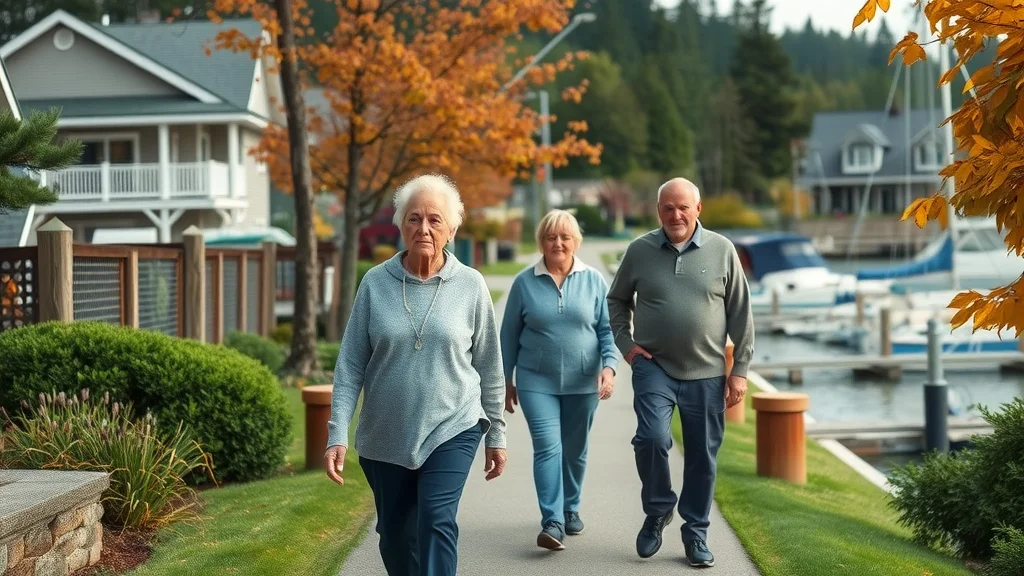
Gig Harbor’s beautiful walking paths, residential slopes, and abundant outdoor activities are a boon for active living. Yet, even the healthiest routines in this scenic town can unmask the hidden risk factors contributing to balance disorder. The prevalence of balance decline is not just about age; it touches on sensory system shifts, muscle weakness, and subtle changes in the nervous system. By identifying these local influences, you’ll better understand your personal risk and be more empowered to take preventive steps with the support of qualified physical therapists and holistic health practitioners right here in Gig Harbor.
What You'll Learn About Balance Decline and Fall Prevention
- The primary causes of balance disorders in Gig Harbor
- Natural strategies for fall prevention
- How body systems contribute to balance problems
- Steps to seek holistic treatment from a physical therapist
- Insights for older adults and those at risk for balance decline
The Science Behind Why Balance Declines in Gig Harbor
How Gig Harbor's Environment and Lifestyle Affect Balance Disorders
The unique blend of coastal weather, hilly neighborhoods, and the active-living ethos in Gig Harbor significantly influences how residents experience balance decline. The area’s uneven sidewalks, wet leaves, and scenic waterfronts, while beautiful, can pose subtle challenges to stability—especially for older adults. Keeping up with community hobbies such as boating or gardening means that physical and sensory system demands are ever-present and evolving. For those in living communities or active aging programs, these natural and lived elements can surprisingly tip the scale toward increased fall risk, despite otherwise “good balance. ”
Even seasonal changes play a role. With the region’s hallmark rainfall and shifting outdoor conditions, the sensory system—especially the visual system—must constantly adapt. Older adults may notice they need to pay more attention to navigation, as body systems like the vestibular system and muscular system work overtime to compensate for environmental demands. Recognizing how lifestyle and surroundings in Gig Harbor impact your personal balance problem is key to proactive fall prevention and maintaining mobility in everyday life. For those seeking additional ways to support joint health and flexibility, incorporating gentle movement practices such as yin yoga can be especially beneficial. In fact, exploring healing movement like yin yoga for sore hips may complement your balance routine and further reduce discomfort associated with aging or activity.
Body Systems Involved in Balance Decline
Several critical body systems converge to maintain balance—making them all potential contributors to balance decline in older adults. The sensory system provides key input about your environment, including what you see (visual system), what you feel underfoot, and how your inner ear senses head movement (vestibular system). The muscular system propels you upright, while the nervous system integrates and coordinates messages from brain to muscle, ensuring smooth, purposeful eye movement and posture. Disruptions in any of these areas—perhaps from side effects of medication, joint stiffness, weight loss, or even a sudden drop in blood pressure—can quickly turn a minor balance problem into a recurrent risk for fall.
As we age, our body systems may lose efficiency, but Gig Harbor’s population can take advantage of local resources to address these changes directly. Proactive assessment of the sensory system, muscle strength, and reaction times helps to pinpoint “hidden” risk factors unique to you. Early intervention with a physical therapist, or through specialized balance classes in Gig Harbor, can make a significant difference in supporting aging body systems and improving overall quality of life while reducing the risk of falls.
Age-Related Factors in Balance Disorders for Older Adults
Age brings about gradual changes in the body that can increase susceptibility to balance disorders. For older adults in Gig Harbor, the most significant contributors include the natural decline in muscle mass, diminished reaction times, joint stiffness, and less responsive sensory input from the feet and ears. Deterioration in the vestibular system can subtly erode stability, while certain chronic conditions—such as diabetes or cardiovascular concerns—raise the risk of dizziness and sudden unsteadiness. Sometimes, medications prescribed for unrelated issues may also cause lightheadedness or blurred vision, further challenging one’s good balance.
While these age-related shifts are normal, their impact is profound: falls are the leading cause of injury and loss of independence among older adults in the United States. In a community setting, subtle warning signs—like feeling unsteady while rising from a chair or losing balance when turning—should never be ignored. Recognizing these changes early is essential for effective fall prevention and can help older adults in Gig Harbor stay active, engaged, and confident in their everyday activities for years to come.
Recognizing the Signs: When a Balance Problem Becomes a Balance Disorder
Common Symptoms of Balance Decline in Older Adults
Spotting a balance problem early is the foundation of successful fall prevention, particularly for older adults who may overlook seemingly minor changes. Symptoms to watch for include frequent dizziness, an unsteady gait, or feeling unsteady when changing positions. Some older people experience brief episodes of spinning or disorientation, especially upon standing quickly—often linked to fluctuating blood pressure. Others notice a gradual increase in joint stiffness, muscle weakness, or reduced stability when walking on uneven ground.
In Gig Harbor, where active aging and outdoor recreation are common, these symptoms can be easy to dismiss as a normal side effect of “just getting older. ” However, when these signs appear regularly or begin to limit your daily activities, they strongly indicate a developing balance disorder. Paying attention to these physical cues allows you—and your loved ones—to seek help before a fall occurs and supports a proactive approach to holistic wellness and fall risk reduction.

Physical Therapy: Assessment of Balance Risk Factors
A thorough assessment by a trained physical therapist is the gold standard for evaluating balance decline and personal fall risk. In Gig Harbor, your physical therapist will conduct a combination of strength, flexibility, and gait tests, alongside analyzing your sensory system’s responsiveness. These professionals use evidence-based screening tools to evaluate how well your body systems work together under different situations—ensuring potential problems are identified before they result in injury.
This holistic assessment includes everything from reviewing your past medical history and current medications, to evaluating functional mobility, observing gait and posture, and performing balance-specific tests. Understanding your unique combination of risk factors enables your physical therapist to create a personalized plan, incorporating local balance classes, strength training, or home-based exercises as needed. With active participation and expert guidance, you can make meaningful strides in reducing your risk of falls and enjoying a higher quality of life.
| Symptom | Possible Cause | Recommended Action |
|---|---|---|
| Frequent dizziness | Inner ear disorder | Consult a holistic physical therapist |
| Unsteady gait | Muscle weakness or neuropathy | Join a local balance class |
| Falling unexpectedly | Body systems impairment | Natural fall prevention strategies |
Natural and Holistic Approaches to Fall Prevention in Gig Harbor
Physical Therapy Modalities for Fall Risk and Balance Decline
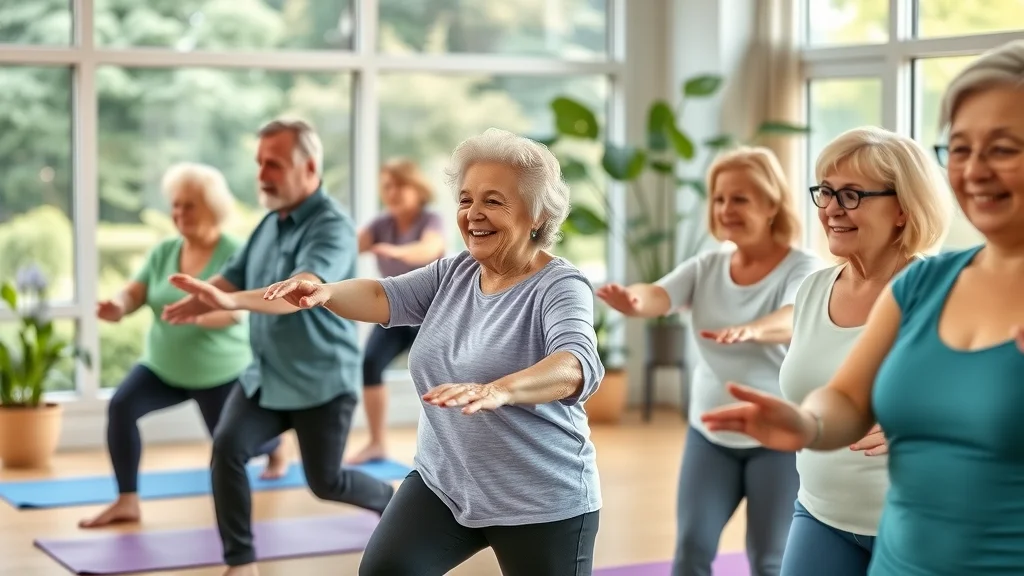
In Gig Harbor, natural and holistic approaches for managing balance decline set the region apart. Physical therapy is central, with specialized modalities such as proprioceptive training, agility exercises, and tailored movement routines that reduce the risk of falls. Your physical therapist may use balance boards, resistance bands, and gentle stretching to target weakened muscles and improve communication between sensory systems and the brain.
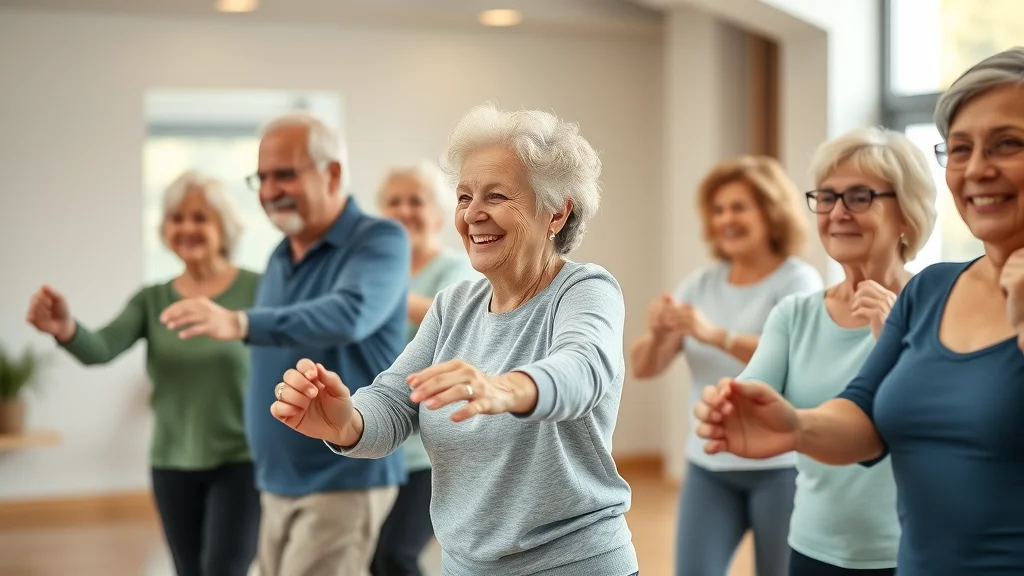
These techniques are especially effective for older adults, as they prioritize gradual progress and safety while building confidence. Group sessions, such as balance classes in Gig Harbor, foster peer support and accountability within a living community environment. Consistent participation in these evidence-based interventions not only addresses fall risk directly, but also enhances energy levels, mood, and overall quality of life through a supportive, inclusive approach.
Incorporating Alternative Medicine and Natural Therapies
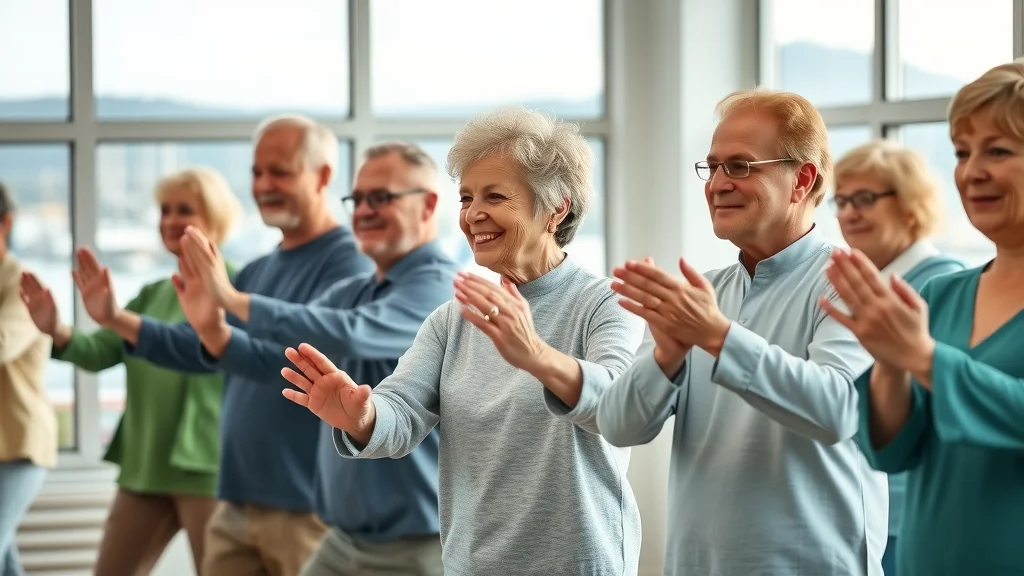
Many residents in Gig Harbor are turning to natural therapies to complement their physical therapy regimen. Some popular holistic options include acupuncture, yoga, tai chi, and herbal supplements designed to support nervous system and inner ear health. Practices like mindfulness meditation have been shown to enhance focus and body awareness—crucial skills for balance and stability among older adults. By integrating both alternative and traditional therapies, older adults discover a more comprehensive path to fall prevention that addresses both mind and body.
Holistic health practitioners in the Gig Harbor area often collaborate with physical therapists to ensure every aspect of an individual’s well-being is addressed. These professionals work together to craft a truly personalized care plan—one that goes beyond symptom management and aims for sustainable improvement in balance, mobility, and daily confidence.
Lifestyle Adjustments to Address Balance Disorder
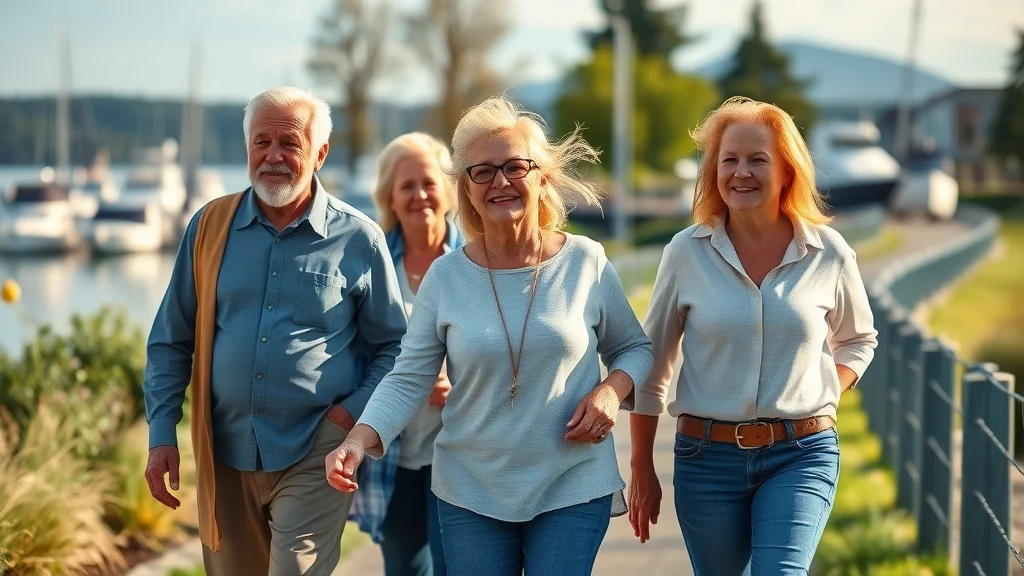
Simple lifestyle changes can have a profound impact on balance disorder and overall fall risk reduction. Prioritizing daily movement routines—such as gentle stretching, neighborhood walks on even terrain, and basic balance exercises—strengthens the muscular system and keeps joints flexible. Many physical therapists recommend rearranging furniture, improving home lighting, and placing secure handrails in bathrooms and hallways to make your living environment safer and more accessible.
Nutrition also plays a critical role. Eating a balanced diet rich in antioxidants, vitamins D and B12, and staying hydrated supports nervous system function and inner ear health. For those with complex medical histories, managing blood pressure and glucose levels is equally vital. By approaching balance decline holistically, older adults in Gig Harbor are empowered to reduce the risk of falls and maintain their cherished independence.
Why Balance Declines: The Hidden Factors You Can Control
- Nutrition for neurological health: Eating foods that boost brain and nerve cell function helps reduce balance decline.
- Daily movement routines recommended by physical therapists: Simple activities like balancing on one foot or rising from a chair help strengthen balance daily.
- Mind-body practices and mindfulness for stability: Mindfulness practices, such as yoga and meditation, improve concentration and body coordination.
Expert Insights: Advice from Professional Physical Therapists
“Identifying your unique fall risk factors is the first step towards regaining confidence and mobility.”
Local physical therapists emphasize the importance of early intervention and personalized assessment. Geriatric physical therapy has evolved to include a variety of holistic tools, ranging from neuromuscular re-education to functional strength-building exercises, all aiming to restore good balance and reduce the risk of falls. Therapists often highlight that many factors contributing to balance problems—like underactive muscles, vision changes, or side effects of medication—are modifiable with the right strategy.
Older adults are encouraged to communicate openly with health professionals regarding any changes in mobility, fear of falling, or loss of independence. The sooner a tailored regimen is implemented—one that fits your health goals and daily life—the more effective prevention becomes. By addressing each client’s unique needs, the path to greater safety, mobility, and peace of mind becomes achievable right here in Gig Harbor.
Case Studies: Addressing Balance Decline in Older Adults
-
Case 1: Overcoming a long-term balance disorder with natural therapies
After years of struggling with unsteady gait and dizziness, a retired Gig Harbor resident found relief through a mix of acupuncture, balance classes, and nutritional counseling. Consistent practice and ongoing coaching led to enhanced confidence and fewer falls. -
Case 2: Holistic solutions for fall prevention in Gig Harbor seniors
A group of older adults identified at high fall risk enrolled in a community-based balance program combining physical therapy, yoga, and peer support. Over several months, they reported better mobility, stronger muscles, and renewed social engagement. -
Case 3: Combining alternative and medical approaches for severe balance problems
Following repeated falls, one older adult worked with both a physical therapist and a holistic practitioner. Their integrative plan addressed body system impairments and included daily movement, targeted exercises, and lifestyle modifications. The result was a significant reduction in anxieties and a notable improvement in daily function.
People Also Ask: Answers on Balance Disorders and Fall Prevention
What disease starts with loss of balance?
Answer: Diseases such as vestibular disorders, Parkinson's disease, and peripheral neuropathy often begin with balance problems, particularly in older adults.
What illnesses cause loss of balance?
Answer: Inner ear problems, Meniere’s disease, stroke, diabetes, and certain neurological conditions can lead to balance disorder and increase fall risk.
Why do I lose my balance and fall forward?
Answer: Loss of balance and falling forward is commonly associated with changes in body systems, muscle weakness, or underlying balance disorders—especially prevalent in older adults.
Is there a cure for loss of balance?
Answer: While some causes can be reversed or managed, a collaborative approach with holistic and physical therapy can significantly reduce risk and improve stability.
Holistic Fall Prevention: Balance Classes and Community Resources
Balance Classes in Gig Harbor and Natural Alternatives
Gig Harbor offers a variety of balance classes that address fall prevention from both functional and holistic perspectives. Programs often emphasize gentle movement, core stability, and flexibility—all shown to significantly enhance balance for older adults. Many classes also integrate alternative practices such as tai chi or meditation, designed to improve your mind-body connection for greater everyday stability.
These balance classes are not only about exercise; they serve as valuable community hubs for older adults seeking connection, motivation, and support. Both new and returning participants quickly notice improvements in their confidence and willingness to engage in more activities—further reducing feelings of isolation and loss of independence often associated with balance disorders.
Community Support for Older Adults with Balance Disorder
- Local holistic health centers offering fall prevention classes
- Peer support groups and education for balance disorders
Community resources make a lasting difference in preventing balance decline. Participating in peer support or educational workshops normalizes conversations around balance problem and fall risk, helping older adults in Gig Harbor share experiences, learn best practices, and access trusted holistic practitioners. The sense of collective empowerment is invaluable for anyone striving to maintain or regain good balance and mobility with age.
By collaborating with a network of professionals and leveraging local groups, you ensure a holistic, ongoing approach to well-being that can adapt as your needs change. Whether it’s a structured balance class, informal walking group, or a monthly seminar, these resources reduce barriers to care and foster a proactive culture of health for everyone in the community.
Frequently Asked Questions about Why Balance Declines in Gig Harbor
- What natural options are best for balance disorders? Holistic solutions like tai chi, yoga, nutrition-focused support, and regular physical therapy offer effective, gentle interventions for balance decline.
- Do balance classes help with fall prevention? Yes. Structured local balance classes provide supervised exercise and professional support that can dramatically reduce the risk of falls.
- How can older adults reduce their fall risk naturally? Incorporating daily movement, mindfulness practices, and holistic physical therapy regimens is highly recommended.
- When should you see a physical therapist for balance decline? If you experience regular dizziness, unsteadiness, or have had a recent fall, consult a physical therapist immediately for assessment and tailored solutions.
- Are there simple steps for daily balance improvement? Yes. Standing on one foot, heel-to-toe walking, and mindful movement are safe and effective routines to practice at home.
Key Takeaways for Preventing Balance Decline in Gig Harbor
- Early recognition of balance problems is crucial.
- Natural and alternative therapies can complement traditional physical therapy.
- Community resources play a significant role in ongoing fall prevention.
- Consult holistic practitioners for a tailored approach.
Empower Your Mobility: Take the Next Step Toward Holistic Balance Decline Solutions in Gig Harbor
Ready to regain your confidence, mobility, and peace of mind? Schedule a consultation with a top holistic physical therapist in Gig Harbor today—your journey to fall prevention and better living starts now.
Stay proactive. Your health and independence await!
If you’re interested in expanding your approach to holistic wellness and mobility, consider exploring additional resources that address flexibility, pain relief, and mindful movement. Our guide on embracing healing movement through yin yoga for sore hips in Gig Harbor offers practical strategies that can complement your balance journey. By integrating these advanced techniques, you’ll not only support your body’s stability but also enhance your overall sense of well-being—empowering you to live more actively and confidently every day.

Write A Comment