Gig Harbor Natural Holistic and Alternative Health

Heal Naturally. Live Fully.
  • Home
  • Categories
  • Top Chiropractor for Back Pain in Gig Harbor
  • Holistic Spas and Day Retreats in Gig Harbor
  • Yoga, Tai Chi, and Movement Classes Near You
  • Mind‑Body Therapy, Hypnosis, and Stress Relief
  • Holistic Stores, Herbs, and Natural Remedies
  • Discover Adventures and Treasures with Mark
  • Featured Gig Harbor Area Businesses
August 12.2026
1 Minute Read

Can Back Pain Make You Afraid to Move?

Imagine greeting the morning sun, but instead of excitement for the day ahead, you pause—hesitant, wary of the ache in your back and the fear that moving might make it worse. This scenario is familiar to countless individuals living with fear of movement back pain. The discomfort of chronic back pain is frustrating, but the anxiety it triggers about simple actions—walking, bending, reaching—can truly steal life’s richness. In this article, we’ll uncover how the cycle of pain and fear shapes decisions, reveal natural and holistic strategies for resilience, and help you reclaim your freedom to move, especially if you’re considering expert, whole-person care in the Gig Harbor, WA area.

Facing the Fear of Movement Back Pain: A Day in the Life

For someone with chronic low back pain or persistent back pain, every action is a negotiation—should you get out of bed quickly or move slowly and brace for that sharp reminder in your lower back? The silent anxiety that arises before each movement morphs into a deeper pattern over time. This daily negotiation isn’t just about managing pain intensity; it's also battling the emotional weight of fear avoidance and avoidance behavior. Many back pain patients even find themselves skimming the official website of every physical therapist or holistic health clinic nearby, desperate for answers.

These patterns are especially felt by low back pain patients who’ve experienced pain for months or even years. They develop specific fear around movement—a fear group that researchers have linked to chronic pain and decreased participation in daily activities. This can result in what’s known as the cycle of pain, where pain experience feeds fear, which in turn reduces movement, resulting in weaker spinal muscles and greater discomfort over time. If you’re in or near Gig Harbor, WA, you might be wondering if there’s a natural or holistic answer—and you’re not alone.

Somber adult sitting on edge of bed, gently reaching for their low back—fear of movement back pain, photorealistic, soft morning light, cozy room with muted tones

How Fear of Movement Back Pain Shapes Our Everyday Decisions

Everyday choices—from turning to pick up a dropped item to accepting a walk with friends—are profoundly influenced by fear of movement back pain. This fear, often called kinesiophobia, can sometimes be even more incapacitating than back pain itself. People with high levels of low fear may still attempt gentle movement, but those with high fear may limit themselves so much that they can’t enjoy basic activities. The result? Social withdrawal, reduced participation in hobbies, and a growing sense of loss.

For chronic back pain sufferers, physical therapists and pain patients alike observe that avoidance beliefs take root. Even well-meaning advice from friends or family can reinforce the avoidance model, leading people to assume that rest is safest. Low back pain patients may become reluctant to trust their bodies, which only increases feelings of vulnerability. Recognizing this connection between pain and fear is the critical first step in breaking the cycle—particularly for those open to holistic, mind-body approaches.

Exploring gentle movement modalities can be a powerful way to break the cycle of fear and avoidance. For example, practices like yin yoga are specifically designed to support healing and mobility in a safe, mindful manner—especially for those dealing with chronic discomfort. If you're interested in how targeted movement can ease tension and restore confidence, you may find value in learning about yin yoga for sore hips and holistic movement strategies available in Gig Harbor.

Experiencing Chronic Low Back Pain: Emotional and Physical Toll

The emotional burden of chronic low back pain goes far beyond physical discomfort. Many back pain patients report anxiety, frustration, and even depression as they struggle to find relief. Researchers highlight how high levels of fear avoidance can predict not only disability but also a poorer quality of life overall. It isn’t just about the body—it’s about the whole person. That’s why more and more people in Gig Harbor, WA are turning toward holistic practitioners who view health through a comprehensive lens, including mental, physical, and spiritual well-being.

Living with a chronic pain condition like this often means facing the world with invisible struggles. The constant fear of aggravating pain means missing out on moments that matter: playing with grandchildren, joining friends for local events, or simply strolling through the park. Acknowledging both the emotional and physical toll allows individuals to seek support that addresses all facets of their experience.

Middle-aged person with chronic low back pain, pausing on a city sidewalk, illustrating fear of movement and the emotional toll, photorealistic, warm city scene

What You'll Learn About Fear of Movement Back Pain

  • How fear and anxiety increase chronic back pain discomfort
  • Why the fear of movement can be more limiting than back pain itself
  • Natural and holistic strategies to address both pain and the underlying fear
  • Expert insights for overcoming the cycle of low back pain and chronic back issues

Understanding Back Pain, Low Back Pain, and the Fear of Movement

To truly address fear of movement back pain, it’s essential to understand how pain, fear, and behavior intersect. Low back pain, in particular, is among the most common reasons people seek care, often lingering well beyond the initial injury. Research into chronic low back pain shows that avoidance behavior and specific fear around movement—not just the pain itself—can keep recovery at arm’s length. This is where holistic approaches can have an edge over conventional methods, empowering patients to challenge their perceptions and rebuild confidence in their bodies.

The avoidance model, studied in both physical therapists' and pain patients’ experiences, illustrates how the pain experience is shaped by both physical and emotional factors. Chronic low back pain often ignites a complex interplay between the nervous system, spinal muscles, and psychological beliefs. Addressing these dynamics—with the support of a trusted holistic health expert—provides a pathway toward real and sustained change for low back pain patients in Gig Harbor and beyond.

The Link Between Chronic Back Pain and Fear of Movement

Chronic back pain is not just a problem in the body—it’s a dialogue between body and mind. When pain persists, each movement can set off an alarm in the nervous system, signaling danger and heightening the fear of pain. For patients with chronic low back pain, this connection is powerful. Many develop “fear avoidance beliefs,” convinced that moving will lead to further harm or more severe pain, despite medical evidence showing that movement is often essential to healing.

Multiple studies confirm that low back pain patients who score higher on specific fear measures—like the Tampa Scale for Kinesiophobia—tend to report greater pain intensity and greater limitations in daily activities. The cycle of pain and avoidance becomes self-reinforcing: the less one moves, the weaker spinal muscles become, and the more sensitive the nervous system remains to even minor signals. Holistic practitioners recognize this and are skilled at guiding patients through gentle movement and mindfulness to tip the cycle back toward recovery and normalcy.

Doctor and patient discussing chronic back pain—link between chronic pain and fear of movement, realistic modern clinic scene

When Low Back Pain Becomes Chronic: Breaking the Fear–Pain Cycle

If acute back pain is like a storm, chronic low back pain is the lingering clouds—persistent, unpredictable, and mentally exhausting. What transforms acute discomfort into chronic pain is often not the initial injury, but the ensuing fear and reduction of movement. This is known as the fear–pain cycle. Avoidance behavior, such as skipping activities or guarding the back during any movement, soon becomes ingrained. Over time, this can increase muscle tension, reduce blood flow, and actually worsen the pain experience itself.

Breaking this fear–pain cycle requires more than just pain relief. It involves addressing the underlying avoidance beliefs and rebuilding trust in your own body. Holistic approaches—rooted in gentle movement, mindfulness, and supportive care—empower patients to make gradual, safe transitions back into normal life. This is especially valuable for chronic low back pain patients who may have exhausted conventional options and are ready for a truly whole-person approach.

Pain is inevitable, but suffering is optional—when we fear movement, we limit our body's innate ability to heal.

Why Chronic Low Back Pain Triggers Fear of Movement

Chronic low back pain doesn't just occur in isolation—it reshapes how you approach every part of life. The fear of movement is a natural, even protective, response to pain, but when it persists, it can cause lasting limitations far beyond the original injury. Patients with chronic and persistent symptoms develop high levels of vigilance. Even after physical healing, avoidance beliefs may keep them “stuck”—afraid to exercise, stretch, or even maintain their posture during daily activities.

For those seeking holistic answers near Gig Harbor, WA, understanding the deep impact of chronic low back pain on daily routine is crucial. By looking beyond symptoms and considering mental, emotional, and physical dimensions, a holistic practitioner is uniquely equipped to address both pain and the complex “fear of movement” layer that often comes with it.

The Impact of Chronic Low Back Pain on Mental Health

The link between chronic pain and mental health is undeniable. Studies show that ongoing pain—especially in the low back—can lead to chronic stress, anxiety, and even depression. The fear avoidance model describes how high levels of fear of pain result in reduced physical activity, decreased self-efficacy, and increased distress. For many back pain patients, this mental burden compounds the physical limitations, further decreasing their willingness to engage in daily activities.

Mental health professionals and holistic health practitioners emphasize treating the whole person. Addressing anxiety, stress, and avoidance patterns can spur meaningful improvements in both pain ratings and overall well-being. In the supportive, client-centered approach typical of holistic care, patients discover the confidence to explore new movements and reclaim their quality of life—an approach increasingly sought by patients in Gig Harbor who value comprehensive, integrative care.

Person with chronic back pain seeking counseling—emotional impact and holistic care, photorealistic, cozy therapy office

Behavioral Patterns: Avoidance and Guarding Movements

Avoidance and guarding behaviors are frequent responses to chronic low back pain. Patients with chronic pain often become vigilant, anticipating discomfort with every movement. Simple tasks such as reaching overhead or bending to tie shoes are done slowly, cautiously, and sometimes not at all. Over months or years, this withdrawal leads to reduced mobility, muscular weakness, and a narrowing of life’s experiences.

The cycle can be broken by addressing avoidance beliefs and reintroducing gentle, graded movement. A holistic health practitioner can guide patients in exploring safe ways to move, moving beyond the rigid restrictions set by fear. Incorporating techniques such as mindful stretching, breathwork, or even somatic therapies can help back pain patients develop a renewed sense of trust in their body, setting the stage for real recovery.

Holistic Health Perspectives on Chronic Back Pain

A holistic health perspective recognizes that chronic back pain and fear of movement are not just physical issues, but reflections of a larger story—your environment, history, emotions, and beliefs. Practitioners specializing in holistic health often blend natural therapies, mindful movement, nutritional advice, and emotional support to create comprehensive plans for chronic low back pain relief.

Instead of masking symptoms or focusing solely on the painful area, holistic practitioners seek to restore balance in the nervous system, address avoidance behavior, and empower patients to view themselves as partners in their own healing. Whether through yoga, acupuncture, therapeutic massage, or nutritional counseling, this “big picture” approach has helped countless people in Gig Harbor and beyond return to the activities they love.

Group practicing yoga for chronic back pain—holistic health strategies for fear of movement, photorealistic, tranquil sunny studio

What Can Be Mistaken for Lower Back Pain?

Lower back pain is an extremely common complaint, but what feels like chronic low back pain can actually originate from sources outside the spine. Understanding what can be mistaken for lower back pain helps ensure you get the right treatment—especially when seeking holistic care.

Some common conditions that mimic low back pain include hip joint problems, sacroiliac joint dysfunction, kidney issues, digestive disorders, and even referred pain from the pelvis or abdomen. Sometimes, pulled muscles or tight connective tissues in the pelvis or hamstrings can present symptoms nearly identical to classic back pain. A skilled holistic practitioner will assess the whole body, identifying the true source and offering targeted relief strategies.

Common Conditions That Mimic Low Back Pain

The most prevalent culprits of “false” low back pain include sciatica (compression of the sciatic nerve), piriformis syndrome, hernias, endometriosis, and urinary tract infections. These can all cause pain that radiates into the lower back and hips. In some cases, issues such as fibromyalgia or myofascial pain syndrome may result in widespread or shifting pain sensations.

This is why a comprehensive, whole-person evaluation—looking at alignment, movement patterns, and underlying health conditions—is critical to finding lasting relief from back pain symptoms. In Gig Harbor, holistic health experts use thorough assessments to precisely identify the root of pain and create effective, individualized care plans.

Answer: What can be mistaken for lower back pain?

Lower back pain can be mistaken for issues arising from hip, pelvis, sacroiliac joint, kidneys, or digestive organs. Symptoms may also be caused by nerve compression (like sciatica), muscle tightness, or inflammation in adjacent areas. Always seek a professional assessment, ideally from a holistic practitioner, to ensure an accurate diagnosis and effective, natural treatment.

How to Loosen Tight Lower Back Muscles Naturally

Tight lower back muscles are both a consequence and contributor to the cycle of chronic low back pain and avoidance. Holistic and natural strategies offer practical and highly effective ways to loosen these muscles, supporting greater comfort and flexibility. Whether your movement is restricted by pain or fear, gentle approaches can provide significant relief.

Back pain patients often find that natural movement therapies—yoga, tai chi, mindful stretching—combined with breathwork, massage, and nutritional support dramatically reduce symptoms. These therapies improve blood flow, relax the nervous system, and gently strengthen the spinal muscles, inviting gradual, safe movement back into daily routines. Incorporating these modalities is especially beneficial for low back pain patients seeking holistic options in the Gig Harbor region.

Movement, Stretching, and Holistic Techniques For Chronic Low Back Pain

Safe movement is the cornerstone of any holistic pain management plan. Guided yoga, gentle stretching routines, and tai chi are all effective for restoring flexibility, releasing tension, and reestablishing a sense of confidence in motion. Breathwork practices foster relaxation and reduce anxiety about pain, while therapeutic massage releases chronically tight soft tissue. Working with an expert in holistic health ensures that low fear or high fear barriers can be navigated mindfully, promoting steady progress.

Over time, these strategies help retrain the body to move freely without triggering high levels of pain rating or fear. Integrating them with nutritional counseling and mindfulness can further improve resilience and well-being, setting the stage for long-term freedom from back pain and the cycle of avoidance.

Holistic fitness instructor demonstrating gentle back stretch—natural strategies for tight lower back muscles, photorealistic, inviting living room

Answer: How to loosen tight lower back muscles?

Loosen tight lower back muscles naturally with gentle stretches—such as knee-to-chest, cat-cow, or child's pose—combined with mindful breathing. Holistic techniques including yoga and therapeutic massage, alongside hydration and good nutrition, reduce tension and restore healthy movement patterns. Begin slowly and seek guidance from a holistic health expert, prioritizing gradual, comfortable gains over forceful movements.

How to Live with Chronic Back Pain—And Reduce the Fear of Movement Back Pain

Living with chronic back pain is a daily test of patience and adaptability. The key to reducing the fear of movement—and ultimately regaining your life—is developing a toolbox of effective, natural strategies that address both the pain and its emotional impact. Integrating holistic therapies into your care plan can empower you to move through life with greater ease.

Holistic practitioners often combine movement, mindfulness, and nutritional guidance to treat chronic pain at its root. In the supportive, one-on-one setting of natural health care, you can learn to navigate both pain and fear, rebuild confidence, and develop habits that support lifelong resilience and well-being.

Integrating Natural and Alternative Therapies

Natural and alternative therapies—such as acupuncture, chiropractic, massage, herbal remedies, and mindfulness practices—have become mainstays for many managing chronic low back pain. These approaches not only address physical discomfort but can also help reduce the fear group mentality around pain, encouraging a more empowered, optimistic mindset.

Working with a trusted holistic practitioner ensures you receive individualized care and expert guidance. Together, you’ll explore safe movement, address avoidance behavior, and implement supportive nutritional changes, forming a comprehensive strategy that is especially valuable for those in Gig Harbor, WA seeking an alternative to generic pain relief solutions.
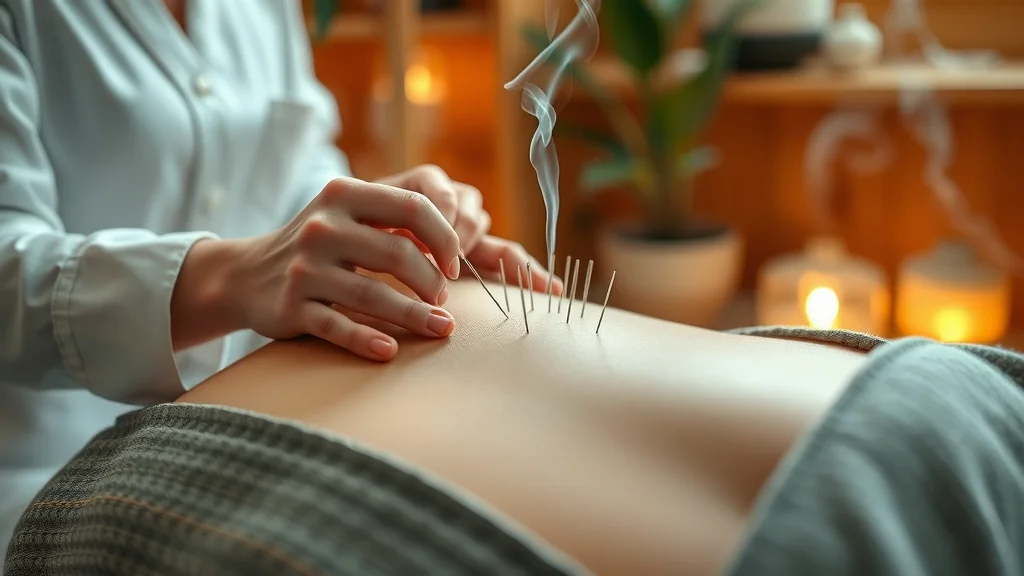
Holistic therapist performing acupuncture for chronic back pain—integrating natural therapies, photorealistic, tranquil wellness clinic

Answer: How to live with chronic back pain?

You can live well with chronic back pain by integrating holistic therapies—movement (like yoga and tai chi), mindfulness, nutritional adjustments, and supportive care from natural health professionals. Adopting these tools fosters resilience, reduces pain, and helps you break free from the cycle of fear and limited movement. It’s about building a customized, whole-person plan with the help of an expert holistic health practitioner.

How to Stop Worrying About Back Pain and Start Moving Again

Worrying about back pain can sometimes be more limiting than the pain itself. The stop-start, “what-if” mindset prevents people from engaging in enjoyable activities, feeds the fear–pain cycle, and erodes confidence. Fortunately, there are expert-backed holistic approaches to help you overcome anxiety about movement and rebuild trust in your body.

The first step is to acknowledge the worry—then gently counter it with evidence-based movement strategies, breathwork, and professional support. With consistent practice and expert guidance, your nervous system becomes less reactive, and your confidence grows. Soon, activities that once triggered concern can be approached with optimism and curiosity, rather than dread.

Building Confidence and Trust in Your Body Using Holistic Approaches

Confidence is built one small step at a time. Holistic practitioners teach mindful movement and graded exposure—a process of gradually increasing activity in a controlled, reassuring way. Combined with practices like meditation, somatic therapies, and nutritional support, these methods help retrain both the mind and body to function with less pain and more security.

This approach isn’t just about symptom management; it’s about empowering you to reclaim life’s joys. Back pain patients working with holistic experts often discover a newfound sense of vitality and possibility—breaking the grip of fear and resuming a life of full, meaningful activity in places like Gig Harbor and beyond.

Empowered individual walking in park confidently—regaining trust in movement after fear of movement back pain, photorealistic, natural light

Answer: How to stop worrying about back pain?

Stop worrying about back pain by working with a holistic practitioner to develop a gradual, supportive movement plan. Incorporate mindfulness techniques, breathwork, and positive reinforcement to build trust in your body. Over time, consistent progress will help dissolve fear, allowing you to enjoy movement and life again with renewed confidence.

Holistic Strategies for Managing Fear of Movement Back Pain

  1. Mindful movement: Incorporate yoga, tai chi, or gentle stretching into your daily routine—focusing on safety and awareness, not force.
  2. Breathwork: Practice focused breathing to reduce anxiety and calm the nervous system—minimizing the intensity and emotional charge of pain.
  3. Consultation with a holistic practitioner: Get an individualized assessment and treatment plan targeting both pain and fear of movement back pain.
  4. Nutritional changes: Support healing and lower inflammation by adopting an anti-inflammatory, nutrient-dense diet recommended by a holistic health expert.

Comparing Holistic & Conventional Approaches to Fear of Movement Back Pain

Approaches to Managing Chronic Low Back Pain and Fear of Movement
Aspect Holistic Approach Conventional Approach
Focus Whole-person—physical, emotional, lifestyle Primarily symptom management
Interventions Movement, nutrition, mindfulness, natural therapies Medications, surgery, physical therapy
Mind-Body Connection Central—emphasis on breaking fear–pain cycle Often secondary or overlooked
Support Individualized, relationship-based care Protocol-based care, less focus on emotions or fears
Goal Restore balance, build resilience, empower patients Reduce symptoms, restore function

Expert Quote on Overcoming Chronic Low Back Pain and Fear of Movement

Choosing holistic care means addressing not just the pain, but the whole person—mind, body, and spirit.
Animated explainer: The cycle of fear and pain in chronic back pain, holistic solutions shown through gentle movement, therapeutic interventions, and confidence-building activities (30-60 sec, calm narration, uplifting tone, clean graphics, no text overlays, diverse characters, natural settings)

Key Takeaways: Managing Fear of Movement Back Pain Holistically

  • Fear of movement back pain often causes greater disruption than back pain alone
  • Natural and holistic strategies empower lasting relief and resilience
  • Seeking expert advice accelerates recovery and confidence
  • A whole-person approach can break the cycle of chronic low back pain

FAQs About Fear of Movement Back Pain and Holistic Health

Can natural practitioners help with chronic back pain and fear of movement?

Yes, natural and holistic health practitioners offer comprehensive approaches that address both the physical pain and the psychological factors, like fear avoidance, contributing to the cycle of chronic back pain. By integrating movement therapies, mindfulness, individualized care, and nutrition, they help you regain confidence and restore functional movement in a supportive, whole-person manner.

Is it normal to be afraid to move with low back pain?

Absolutely! Fear of movement is common among those with low back pain, especially when pain is chronic or severe. This fear is the body’s way of protecting you, but if left unchecked, it can lead to reduced movement and worsen symptoms. Acknowledging this fear, then working with a holistic expert, is the first step toward lasting relief.

How long does it take to overcome the fear of movement in chronic low back pain?

The timeline to overcome fear of movement varies for each individual, depending on the duration of pain, personal history, and the type of interventions used. Steady, consistent progress with expert guidance can lead to improvement in weeks or months, especially when holistic, whole-person strategies are embraced.

Ready to Take the First Step? Book an Appointment with a Holistic Health Expert Today

Don’t let fear of movement back pain control your life. Reclaim your freedom, confidence, and vitality. Book an appointment with a holistic health expert in the Gig Harbor area today—and step into a new chapter of empowered, pain-free living.

If you’re inspired to take your healing journey further, consider exploring how mindful movement and holistic practices can transform not just your back, but your entire approach to well-being. Techniques like yin yoga offer a gentle, restorative path to reconnect with your body and ease discomfort, especially for those struggling with chronic pain or stiffness. By embracing these integrative strategies, you open the door to greater mobility, resilience, and a renewed sense of possibility. For a deeper dive into how healing movement can support your recovery, discover the benefits of yin yoga and holistic movement for lasting relief—and take the next step toward a more vibrant, pain-free life.


Top Chiropractor for Back Pain in Gig Harbor

0 Views

0 Comments

Write A Comment

*
*
Please complete the captcha to submit your comment.
Related Posts All Posts
08.10.2026

Back Pain After a Car Accident: What Should You Know?

Imagine getting home after a seemingly minor car accident, only to wake up the next day with a deep ache in your lower back. Back pain after a car accident can sneak up on anyone, sometimes days after the crash, leaving you worried, uncomfortable, and unsure of what to do next. Whether the pain is immediate or delayed, understanding your options—and especially how natural, holistic care can help—is essential. This expert guide will help you identify your symptoms, understand holistic approaches, and empower you to make the best decisions for your health in the Gig Harbor, WA area. Understanding Back Pain After a Car Accident Back pain after a car accident is more common than many realize, affecting individuals of all ages and backgrounds. The force generated during even a minor collision often transfers directly into the spine and surrounding soft tissues. As a result, both acute back pain—which appears immediately—and symptoms that manifest a few days later can occur. Recognizing the type and severity of back injuries is essential for proper recovery and preventing chronic back pain. People often think that only high-speed accidents cause significant back injuries, but even minor fender-benders can jolt the body, leading to muscle strains, herniated discs, or facet joint problems. If you’re experiencing back pain after a car accident, don’t ignore even mild discomfort—it could signal underlying soft tissue or spinal issues. Early intervention using natural and holistic pain management has been shown to support faster, more complete healing, helping residents of Gig Harbor and beyond regain comfort and confidence in their daily movement. What You'll Learn About Back Pain After a Car Accident The most common types of back injuries after a car accident How to distinguish acute back pain from chronic back pain following car accidents Which symptoms signal the need for immediate medical attention Natural and holistic ways to support healing from back pain after car accidents What to expect when seeking natural holistic health care in Gig Harbor, WA How to choose the best practitioner for holistic pain management What Causes Back Pain After a Car Accident? Back pain after a car accident can stem from a wide range of injuries that impact the muscles, discs, joints, and ligaments of the spine. Whether you’re dealing with sudden, sharp discomfort or a dull, lingering ache, understanding the root causes of this pain can help guide your next steps. The sudden acceleration and deceleration in a collision often causes unnatural movement in the spine, resulting in muscle strains, back injuries, and even spinal cord involvement in some cases. It’s important to note that not all back pain relates to obvious trauma. Sometimes, the combination of adrenaline and shock means you don’t immediately notice symptoms. When you’re assessing back pain following a car accident, pay attention to changes in your body over the hours and days that follow. Seeking timely, holistic pain management—including a thorough evaluation from a natural healthcare provider—can prevent minor issues from developing into chronic back pain. Common Back Injuries After a Car Accident Muscle strains and sprains Herniated discs Facet joint injuries Spinal cord involvement Soft tissue injuries Each of these injury types—ranging from muscle strains to herniated discs—can cause varying degrees of discomfort and functional limitation. Muscle strains and sprains often result in short-term pain, stiffness, and swelling but typically respond well to natural therapies like gentle movement, heat, and massage. In contrast, injuries such as herniated discs or facet joint damage may produce radiating pain, numbness, or tingling, indicating that nerves in the spinal column are being affected. The most severe cases involve the spinal cord, which require immediate and comprehensive attention from both conventional and complementary practitioners. Soft tissue injuries, such as those involving the ligaments or fascia around your spine, can linger long after a car accident, creating ongoing discomfort that may not resolve without dedicated care. Back pain after a car accident should never be ignored, especially when symptoms persist, intensify, or interfere with your usual activities. Residents near Gig Harbor should consider holistic care early on to address both the physical root of pain and the body’s overall healing processes. Why Back Pain After a Car Accident Can Be Delayed Many people expect to feel back pain immediately after an auto accident, but delayed symptoms are surprisingly common. The body’s natural stress response—adrenaline and endorphins—can temporarily mask pain, swelling, and limited mobility. Additionally, some back injuries like soft tissue strains or disc injuries may take hours or days to fully reveal themselves. It’s not uncommon for individuals to wake up days later with increased stiffness, new aches, or trouble moving after what seemed like a minor collision. Delayed back pain after a car accident can lead to misunderstandings about the source or seriousness of your symptoms. This is why staying vigilant in the days following an accident—and seeking prompt evaluation even if pain seems mild or develops gradually—is crucial. Practitioners specializing in natural, holistic health can assess subtle changes in alignment, muscle function, and nerve health, providing guidance to address the root cause before it turns into chronic back pain. For those seeking gentle, restorative movement to complement their recovery, exploring practices like yin yoga can be especially beneficial for easing tension and supporting mobility after an accident. Discover how targeted approaches such as yin yoga for sore hips can help relieve discomfort and promote healing, particularly when integrated with holistic care strategies. Signs and Symptoms of Back Pain After a Car Accident Acute versus chronic back pain Radiating pain, numbness, or tingling Loss of range of motion or stiffness Pain after movement or rest Red flags: severe pain, incontinence, weakness, or loss of sensation After a car accident, back pain can present in many ways. Some people experience sharp, immediate discomfort—often called acute back pain—while others notice a gradual onset that lingers, signaling the start of recurring or chronic back pain. It’s important to pay attention to symptoms like radiating pain down the legs (sciatica), persistent numbness or tingling, and a marked loss of range of motion in your back. These signs can indicate involvement of the spinal cord or nerve roots, requiring professional assessment as soon as possible. Other symptoms, such as back pain that worsens after moving, sitting, or standing still, may point toward muscle strain or facet joint issues. Watch for "red flags" like severe, unrelenting pain, sudden weakness, incontinence, or any loss of sensation. These may be signs of more serious back injuries that demand urgent medical attention. Experiencing back pain after a car accident should never be dismissed—seeking care from a holistic practitioner ensures that both obvious and subtle symptoms are thoroughly addressed. Diagnosing Back Injuries: What to Expect Effective recovery begins with a thorough and accurate diagnosis of any back injuries following a car accident. Holistic practitioners in Gig Harbor and similar areas focus on understanding not just your pain, but also your posture, lifestyle, and overall health. Initial assessments typically include a combination of physical examination, medical imaging, and hands-on evaluation to pinpoint the type and extent of injury—whether it’s a common back muscle strain, herniated disc, or facet joint issue. The goal of early diagnosis is not only to relieve pain, but also to tailor a customized, natural treatment plan for your unique needs. Several practitioners use chiropractic and functional assessments alongside traditional tools like X-rays or MRI scans, ensuring that they don’t just treat symptoms but promote whole-body recovery. This comprehensive approach gives you the best chance of avoiding long-term, chronic pain after a car accident. Medical Evaluation for Back Pain After a Car Accident Physical examination Imaging: X-rays, MRI, and CT scans Chiropractic and functional assessments A physical examination is the foundational step—your provider will look for signs of muscle spasm, check your range of motion, and identify tender spots or swelling. Medical imaging such as X-rays, MRI, and CT scans can reveal hidden injuries like herniated discs or vertebral fractures. In holistic settings near Gig Harbor, chiropractic assessments may include spinal alignment checks and gentle manual testing to evaluate movement of facet joints and the health of soft tissue. Functional assessments determine the impact of your back injury on daily life—how you move, bend, lift, and rest. This whole-body view allows natural health professionals to craft integrated care plans, using techniques that support natural healing and minimize risk of chronic back pain post-accident. If you’re ever in doubt, seek medical attention promptly—quick diagnosis helps set the stage for optimal recovery. Working With Natural and Holistic Practitioners in Gig Harbor Choosing to work with a holistic practitioner after experiencing back pain from a car accident can be a game-changer for your recovery. In the Gig Harbor area, natural health providers often blend advanced diagnostic tools with gentle, non-invasive therapies, focusing on restoring your body’s balance while minimizing side effects. These practitioners look beyond the injury itself to understand your overall lifestyle, stress levels, and health goals. Holistic practitioners pride themselves on individualized care—whether you need acupuncture, gentle chiropractic adjustments, or targeted massage, your treatment plan will be designed specifically for your condition. They may also recommend movement therapies and nutritional changes, understanding that true healing requires support on every level. When you work with an experienced holistic provider, you gain access to a community dedicated to your long-term wellness, not just short-term pain relief. Natural & Holistic Approaches to Back Pain After a Car Accident Natural and holistic therapies are at the forefront of contemporary pain management, offering powerful options for those experiencing back pain after a car accident. These approaches focus on supporting the body’s innate healing mechanisms, reducing reliance on pharmaceuticals, and preventing chronic back conditions. Options such as mind-body practices, physical movement, nutrition, and gentle manual therapies are all tailored to reduce discomfort and speed recovery. In Gig Harbor’s vibrant holistic health community, practitioners will work with you to find the best combination of therapies for your unique circumstances. Whether you’re starting your recovery journey or have struggled with chronic back pain after a car accident, embracing a natural healing path can help you regain energy, mobility, and confidence. Mind-Body Approaches for Pain Management Meditation and mindfulness Gentle yoga and stretching Breathwork for pain relief Mind-body approaches form a critical foundation for holistic pain management after a car accident. Meditation and mindfulness practices calm the nervous system, reduce anxiety, and lessen the emotional stress that often accompanies back pain. Gentle yoga and stretching encourage gradual movement, helping restore flexibility and range of motion without overwhelming sensitive tissues. Practitioners often teach simple breathwork techniques that reduce discomfort and promote mental clarity, reinforcing the body's natural healing processes. Many Gig Harbor residents find that these mind-body interventions increase body awareness, making it easier to identify what triggers flare-ups and which activities accelerate recovery. The combination of restorative exercise, relaxation, and guided breathing fosters resilience—helping you manage not only the acute pain after a car accident, but also the risk of developing long-term, chronic pain conditions. Physical Therapies and Movement Modalities Chiropractic care Massage therapy Acupuncture Physical therapy and corrective exercises Physical therapies play a direct role in healing the musculoskeletal system following car accident injuries. Chiropractic care can restore proper alignment to the spine, relieve pressure on facet joints, and enhance nerve function, all of which are vital for back pain relief. Massage therapy relaxes tense muscles, improves circulation, and hastens recovery of soft tissue injuries. Many practitioners also offer acupuncture, which can reduce inflammation and modulate pain signaling. Physical therapy and specifically-designed corrective exercises help rebuild strength, correct posture, and prevent future injury. Movement modalities are adjusted to your tolerance and phase of recovery, and Gig Harbor’s holistic specialists ensure that you progress safely and confidently, decreasing the chance of chronic back pain long after your initial car accident. Nutrition and Supplements for Back Pain After a Car Accident Anti-inflammatory foods Herbal supplements and natural remedies Nutrition plays an often-underestimated role in holistic recovery from back injuries and pain after a car accident. Consuming anti-inflammatory foods—such as leafy greens, berries, omega-3 rich fish, and nuts—can reduce swelling and promote cellular repair. Holistic practitioners in the Gig Harbor area may suggest integrating turmeric, ginger, and other natural remedies, known for their pain-modulating effects, into your daily diet. Herbal supplements and thoughtfully selected vitamins can also support healing tissues and maintain healthy nerve function. As always, discuss any supplements or remedies with your practitioner before starting them to make sure they’re appropriate for your specific injury and health profile. Addressing diet alongside manual therapies and mind-body practices ensures a comprehensive recovery strategy for those dealing with back pain after a car accident. Why Choose Holistic Pain Management After Car Accidents? "Holistic approaches to pain after a car accident consider not just the injury, but your entire lifestyle, supporting faster and more complete recovery." — Leading Holistic Practitioner Opting for holistic pain management provides a broader, more integrative approach to healing than traditional models that focus solely on symptoms. In the aftermath of a car accident, a holistic provider addresses your unique lifestyle, nutrition, emotional wellness, and movement patterns, giving you the best chance at a rapid and sustained recovery from back pain. By prioritizing non-invasive, natural therapies, Gig Harbor residents can avoid the cycle of chronic pain management and instead focus on building lifelong resilience. Key Factors in Selecting the Best Holistic Practitioner for Back Pain After a Car Accident Credentials and experience with back injuries post-car accident Availability for urgent assessments Personalized, whole-body treatment planning Patient reviews and testimonials Shared values around natural healing, safety, and long-term health Choosing the right practitioner is a critical step in your recovery journey. Look for professionals with substantial experience treating back injuries from car accidents as well as robust credentials in chiropractic, physical therapy, naturopathy, or massage. Seek out practices that prioritize prompt scheduling for new injuries, allowing you to start holistic care immediately. Also consider their use of personalized, whole-body treatment plans—these are hallmarks of leading natural pain management specialists in and around Gig Harbor. Reading genuine patient reviews and testimonials can provide insight into the practitioner’s bedside manner, quality of customer support, and outcomes for others in similar situations. Most importantly, select a provider whose philosophy around natural health, wellness, and personal safety matches your values. This alignment ensures the supportive partnership you need for a smooth, empowering recovery from back pain after a car accident. People Also Ask About Back Pain After a Car Accident How long after a car accident can back pain occur? Back pain can develop immediately at the time of impact or may be delayed by hours or even several days after a car accident. This delay is frequently due to adrenaline and the body's self-protective mechanisms masking symptoms right after the event. It’s important to monitor your body closely in the days following any auto accident, and to consult with a holistic practitioner even if discomfort appears late, as this may prevent more serious chronic back pain. How to relieve lower back pain after a car accident? Relieving lower back pain after a car accident often requires a combination of rest, gentle movement, and natural therapies. Applying ice or heat, practicing light stretching, and visiting a practitioner for chiropractic care, massage therapy, or acupuncture can be especially helpful. Holistic approaches also support healing through nutrition and mind-body strategies, making them ideal for alleviating lower back pain while minimizing reliance on medications. What are the red flags after a car accident? Seek immediate medical attention if you experience severe or worsening back pain, loss of control over bladder or bowels (incontinence), progressive muscle weakness, loss of sensation, or any symptoms suggesting possible spinal cord injury. These "red flags" could indicate serious back injuries that require urgent intervention. If in doubt, consult a medical professional right away to safeguard your health. Should I go to the doctor after being rear-ended? Yes—regardless of how minor your car accident may seem, it’s wise to undergo a professional evaluation after being rear-ended. Even low-speed impacts can result in soft tissue injuries, whiplash, or delayed back pain. Early diagnosis and intervention by a holistic practitioner can prevent issues from becoming chronic, support your body’s healing, and ensure safe, pain-free movement in the future. Table: Types of Back Injuries After a Car Accident Type Recovery Symptoms Muscle Strain/Sprain Usually requires natural, holistic therapy Muscle tightness, pain with movement Herniated Disc May need integrative care Radiating pain, numbness, tingling Facet Joint Injury Chiropractic/manual therapy often effective Localized joint pain Spinal Cord Injury Urgent specialist and holistic care Severe pain, weakness, neurological changes Top Tips for Preventing Chronic Back Pain After a Car Accident Start holistic care as soon as possible Maintain gentle movement within pain limits Follow practitioner advice on rest and nutrition Track symptoms and report any changes promptly FAQs: Back Pain After a Car Accident Can natural treatments fully resolve back injuries after a car accident? Natural treatments can be highly effective—especially when started early and tailored to your condition. In many cases, they fully resolve back injuries, though some serious injuries may require integrative or specialist care alongside natural therapies. What should I expect during my first holistic health visit? Your first holistic visit typically includes a comprehensive assessment, hands-on examination, and a review of your lifestyle and health goals. The practitioner will recommend a personalized plan that may incorporate gentle therapies, movement, and nutritional advice. How long does recovery typically take? Recovery time varies with injury severity and individual health factors. Many people notice improvement within days to weeks with consistent holistic care, while more complex back injuries may require longer, ongoing support for full healing. Are natural therapies safe for all ages after a car accident? Yes, natural therapies such as chiropractic, massage, and gentle exercise are generally safe for most ages. Providers always tailor treatments to match the needs of children, adults, and older individuals to ensure safety and optimal outcomes. Key Takeaways: Back Pain After a Car Accident Always take back pain after a car accident seriously—even if it seems mild at first Addressing back pain and injuries promptly with a holistic practitioner promotes optimal healing Natural therapies can significantly reduce pain and prevent chronic issues associated with car accidents Take Healthy Action Today If you’re experiencing back pain after a car accident near Gig Harbor, take the next step—book an assessment with a trusted holistic health practitioner and start your journey toward healthy, pain-free living now. As you continue your recovery, remember that holistic healing is a journey that often benefits from a variety of supportive practices. If you’re interested in expanding your toolkit for pain relief and mobility, consider learning more about how gentle movement therapies like yin yoga can complement your back care routine. Exploring healing movement for sore hips may offer valuable insights and new strategies for easing discomfort, enhancing flexibility, and fostering long-term wellness. Taking these next steps can empower you to move forward with confidence and resilience, no matter where you are on your path to recovery.

08.08.2026

Back Pain and Weight Gain: How the Pain Cycle Starts

Imagine waking up with a sore, aching lower back that makes even the simplest movement feel burdensome. Over time, this discomfort discourages you from staying active, which silently leads to added pounds around your waist. In turn, the extra weight puts even more pressure on your spine, deepening your discomfort—and suddenly, you’re caught in a cycle that seems impossible to break. This loop between back pain and weight gain is more than just a physical struggle; it’s a challenge that can impact every area of your life. But you have the power to change your story, starting with the expert advice and holistic support found right here near Gig Harbor. Understanding the Connection Between Back Pain and Weight Gain To truly grasp the link between back pain and weight gain, it’s important to look at how closely our bodies are intertwined. When someone develops low back pain, their natural response may be to reduce activity—often without even realizing it. Over the weeks and months, this decrease in physical activity can lead to weight gain, especially if paired with poor postural habits or unbalanced nutrition. Not only does carrying extra weight make it harder to move comfortably, but it also places increased stress on the lumbar spine, the critical hub of our body’s motion and stability. This dual burden, both physical and emotional, is one reason why people who are overweight are more likely to report chronic lbp (chronic low back pain). The interplay between weight and pain creates what many practitioners refer to as a “vicious cycle. ” As weight gain occurs, the body’s center of gravity shifts, leading to postural compensation—often enlarging the risk for lower back strain and tension. Unfortunately, this can further discourage movement, fueling the risk of chronic lbp and even more excess weight. Breaking this cycle requires understanding both the biological and lifestyle factors in play—an integrative, compassionate approach that addresses root causes, not just symptoms. Observing the Vicious Cycle of Back Pain and Weight Gain It’s all too common for individuals suffering from low back pain to cut back on their favorite activities—from hiking Pacific Northwest trails to enjoying a simple evening stroll. This inactivity may seem protective at first, but it has hidden consequences. Research routinely finds that people who reduce their physical activity due to discomfort gradually put on extra pounds, which further limits mobility and adds more stress to their spinal health. This “rest equals healing” mindset quickly becomes a trap; inactivity contributes to weight change and makes it increasingly harder to return to a pain-free life. In addition, the emotional toll of persistent pain often leads some to comfort eating or reach for quick, calorie-dense foods. As body weight climbs, so does the physical burden on the spinal column—particularly on intervertebral discs that cushion and stabilize each vertebra. The result? An increased risk of chronic lbp that feels harder and harder to escape. Recognizing this cycle is the first, empowering step toward regaining control and seeking lasting solutions. For those looking to gently reintroduce movement and support hip and back health, exploring practices like yin yoga can be especially beneficial. Discover how targeted healing movement can ease discomfort and restore mobility in this guide to embracing yin yoga for sore hips in Gig Harbor. How Extra Weight Impacts Low Back Health The low back, or lumbar spine, is designed to be both strong and flexible. However, when you carry excess weight—especially around the midsection or “belly fat”—the normal load on the lumbar spine intensifies. This can accelerate wear and tear on intervertebral discs and surrounding ligaments, heightening the risk of not only back pain but also conditions like herniated discs or degeneration. Multiple studies have noted the increased risk of back complications in people who are overweight or experience sudden weight change. The more body weight you carry, the higher the odds ratio for developing persistent pain and functional limitation. This mechanical stress—made worse by a sedentary lifestyle—can spiral into long-term inactivity, fatigue, and emotional struggles, underscoring the need for a holistic health approach. Understanding how extra weight affects your spine is crucial to making sustainable changes and protecting your well-being. What You’ll Learn About Back Pain and Weight Gain How weight gain can trigger low back pain Why back pain can make it difficult to lose weight The holistic approach to breaking the pain cycle The Anatomy of Low Back Pain Related to Weight Gain Body Weight and Its Effects on the Spine Carrying extra body weight puts more stress on the spine than many realize. Each additional pound increases the force on the lumbar spine and surrounding structures—particularly the intervertebral discs. Over time, this consistent overload can accelerate disc degeneration and compress nerve roots, making the back not only ache but also vulnerable to chronic lbp. It’s important to note that weight gain is not distributed equally. Abdominal or “belly fat” disproportionately loads the lumbar spine, overstretching ligaments and tilting the pelvis forward. This postural shift changes the mechanics of everyday movements, making tasks from gardening to household chores sources of unexpected pain. Even small adjustments in body weight can influence spinal health, while significant, sustained gains are strongly associated with an increased risk of chronic back pain. Fortunately, understanding this anatomy can inspire proactive choices, like tailored movement or mindful nutrition, to relieve discomfort. Excessive Weight and Low Back Pain: What the Experts Say Many holistic health practitioners emphasize the profound impact of excessive weight on the low back. According to experts, the strain isn’t just mechanical; it also triggers inflammation throughout the body, further irritating spinal tissues and prolonging recovery from injuries. Some even consider back pain a “barometer” of overall health, signaling when the body is headed toward imbalance. “Extra weight can put significant strain on the low back, creating a feedback loop of pain and inactivity.” Additionally, the journey to lasting relief is rarely one-dimensional. While conventional medical options—like pain medication or invasive surgery—address symptoms, they often overlook the lifestyle factors contributing to both weight gain and back pain. In contrast, holistic practitioners view the mind-body connection as essential for treatment, aiming to empower patients through education, mindful movement, and nutrition. This comprehensive approach addresses not just pain relief, but a path to renewed vitality and freedom from the discomfort that excessive weight can bring. How Lifestyle and Everyday Habits Contribute to Back Pain and Weight Gain Sedentary routines Poor postural habits Unbalanced nutrition Modern life often encourages behaviors that perpetuate both back pain and weight gain. Working from home or spending long hours on the computer can foster sedentary routines, depriving the body of the movement needed to maintain spinal health. Inactivity allows core muscles to weaken, removing essential support for the spine and fueling the risk of chronic lbp. Equally, poor postural habits—like slouching or sitting with unsupported lower back—can subtly undermine the integrity of the lumbar spine. Combined with unbalanced nutrition, such as frequent consumption of processed foods high in sugar and unhealthy fats, the body easily accumulates excess weight and inflammation. Over time, these compounded factors increase the odds ratio of developing persistent pain and reduce motivation to start healthy routines, highlighting why holistic interventions often go beyond symptom relief to address these foundational aspects of daily life. Breaking the Cycle of Back Pain and Weight Gain: Natural Holistic Approaches Movement, Mindfulness, and Weight Loss for Low Back Relief If you’ve experienced the frustration of back pain and weight gain, hope can feel distant—but good news: holistic solutions are within reach for those near Gig Harbor. Gentle forms of movement, such as yoga, Pilates, or guided stretching, can rebuild muscular support and flexibility in the lumbar spine without aggravating sensitive tissues. These low-impact exercises help spark gradual weight loss while increasing oxygen and nutrient flow to hard-to-reach spinal tissues. Equally powerful is the practice of mindfulness, which addresses both emotional and physical dimensions of pain. Mindful movement approaches, such as breathwork or tai chi, help deepen your connection to bodily signals, reducing the urge for unhealthy, stress-driven snacking and making every step toward health purposeful. Holistic practitioners often recommend pairing movement with tailored nutrition plans focused on anti-inflammatory, wholesome foods, creating a virtuous cycle that fosters long-term weight loss and resilience against future back problems. Holistic Health Practitioner Strategies to Manage Back Pain and Weight Gain Experienced holistic health practitioners offer individualized care that goes far beyond “quick fixes. ” Their approach typically starts with a thorough assessment of your physical activity patterns, postural behaviors, eating habits, and daily stressors. Treatments are then tailored, integrating techniques like movement therapy, targeted nutrition support, and stress management strategies to address the root causes of discomfort and weight gain. Key recommendations may include establishing a gentle, consistent movement routine, swapping out processed foods for nourishing options, and utilizing holistic wellness tools—such as herbal teas, essential oils, or mindfulness practices. By collaborating with a knowledgeable practitioner, you gain an ally whose expertise guides you step by step toward lasting weight loss and back pain relief. This partnership can be especially motivating for those new to holistic health, as it encourages sustainable change and fosters the accountability needed for transformation. Table: Comparing Conventional and Holistic Approaches to Back Pain and Weight Gain Approach Focus Methods Conventional Symptom relief Medication, surgery Holistic Root cause Movement therapy, nutrition, stress management People Also Ask About Back Pain and Weight Gain What can cause sudden rapid weight gain? Sudden rapid weight gain may stem from lifestyle changes, fluid retention, medication side effects, or underlying health conditions. Consulting with a holistic health practitioner can help address the root causes naturally. By exploring dietary shifts, sleep patterns, and emotional wellbeing, you can uncover hidden factors and develop a safe, sustainable plan for lasting change. Why does my back hurt when I am overweight? Excessive body weight increases stress on the spine and low back, which may result in chronic back pain. Developing a plan for gradual weight loss with holistic support can help reduce discomfort. Holistic practitioners can help address both physical stressors and lifestyle patterns to empower you toward long-term relief. Will my lower back pain go away if I lose weight? Many people experience back pain relief with healthy weight loss, especially when coupled with movement therapy and postural improvements under a holistic practitioner’s guidance. Gradual changes in body weight can relieve stress on the lumbar spine, and holistic care enhances these improvements by supporting overall spinal health and emotional resilience. Why is my stomach getting bigger and my back hurts? An increase in abdominal fat can shift your posture and center of gravity, straining the low back. Addressing both nutrition and movement can help break this pain cycle. Holistic approaches support the reduction of belly fat and the restoration of balanced spinal mechanics for pain-free living. FAQs About Back Pain and Weight Gain Can holistic health practitioners help with both weight gain and back pain? What natural remedies support a healthy low back when struggling with weight? How long does it take to see improvement in back pain after weight loss? Can holistic health practitioners help with both weight gain and back pain? Absolutely. Holistic practitioners are trained to assess the whole person, not just isolated symptoms. They can guide you toward movement routines, mindful eating, and stress reduction, all of which play a vital role in breaking the cycle. What natural remedies support a healthy low back when struggling with weight? Natural solutions often include gentle exercise like yoga or walking, anti-inflammatory foods, mindfulness practices, and supportive therapies such as massage or chiropractic care—all tools a holistic practitioner may recommend. How long does it take to see improvement in back pain after weight loss? The timeline varies, but many people begin to notice reduced discomfort within weeks to months of gradual weight loss, especially when changes are paired with movement therapy and postural improvements guided by an expert. Key Takeaways for Managing Back Pain and Weight Gain Holistically Extra weight and low back pain often reinforce each other. Holistic approaches aim to address the mind-body connection. Working with an expert holistic practitioner can help you achieve lasting results. Ready to Break Free from the Cycle? Book Your Consultation with a Top Holistic Practitioner Near Gig Harbor Today If you feel trapped by back pain and weight gain, know that expert holistic support in the Gig Harbor area is just a step away. Take the first action in reclaiming your well-being—reach out to a leading natural holistic health practitioner, and start your transformation journey today. Watch how a welcoming holistic practitioner in Gig Harbor demonstrates effective, client-first techniques for relieving back pain and supporting healthy weight loss through movement, nutrition, and empowerment. Explore easy, practical movements and mindful routines you can do at home—guided by a holistic health expert—to support your lumbar spine and begin breaking the pain-gain cycle today. Conclusion: Take Control of Your Health and Well-being With an expert, holistic approach, you can break free from the cycle of back pain and weight gain—and rediscover an active, pain-free life that feels vibrant every day. If you’re inspired to take the next step in your wellness journey, consider expanding your toolkit with gentle, restorative practices that nurture both body and mind. Exploring modalities like yin yoga not only supports hip and back flexibility but also fosters a deeper sense of healing and balance. For those seeking to enhance their recovery and prevent future discomfort, learning about the benefits of mindful movement can be a transformative addition to your holistic routine. Discover more about how yin yoga can ease sore hips and complement your back pain relief efforts by visiting this in-depth resource on healing movement in Gig Harbor. Your path to lasting comfort and vitality may be just one mindful stretch away.

08.07.2026

Can Back Pain Affect Balance and Walking?

Imagine stepping out of bed in the morning, expecting a smooth start to your day—only to find each stride unsteady, your body subtly adjusting with each movement because of a nagging ache in your back. For many in Gig Harbor and beyond, this scenario is more common than they’d like to admit. If you’ve ever wondered whether your back pain could be throwing off your balance or changing the way you walk, you’re not alone. This article dives deep into back pain and balance: the science, symptoms, common causes, and—most importantly—natural, holistic solutions. Read on to discover what you need to know to reclaim stable, pain-free movement. Understanding Back Pain and Balance: A Holistic Perspective What is back pain and balance? How back pain and balance are connected Why Gig Harbor residents should pay attention to balance issues Back pain is more than just discomfort. It can signal deeper health challenges and is often intertwined with essential functions such as stability and coordination. Balance is the body’s ability to maintain upright posture and control movement, largely managed by the brain, nerves, muscles, and spinal column. When we discuss back pain and balance, we’re referring not just to the discomfort in the back, but how it affects the way you move, walk, and stand each day. If the backbone—our body’s central support system—is compromised, so too is our stability. How are back pain and balance connected? The spinal cord, surrounded by vertebrae, carries nerve signals vital for movement and balance. Any disruption, like nerve compression or muscle strain from back pain, can tamper with how you walk or stand. Even mild discomfort may lead to muscle compensation, causing misalignment and throwing off your gait. For residents in the Gig Harbor area, these subtle changes aren’t just uncomfortable—they can signal underlying issues that, if left unaddressed, may increase the risk of falls, chronic pain, or limited mobility. "When the spine is out of alignment, even simple movements like walking can throw off our balance and cause unexpected pain." What You'll Learn about Back Pain and Balance How back pain can cause balance issues Common causes of back pain and balance problems Natural and holistic ways to improve balance and spine health When to seek expert help for back pain and balance In this guide, you’ll gain a practical understanding of the relationship between back pain and balance. You’ll discover how spinal and nerve health impact stability, what signs to watch for, and how to take action using natural, holistic approaches, especially if you live near Gig Harbor. Plus, you’ll learn when it’s critical to seek professional holistic care for personalized support and lasting relief. The Connection Between Back Pain and Balance Issues How Back Pain Can Affect Balance and Walking The impact of spinal cord and nerve health Role of muscle compensation and alignment Why people with back pain develop balance problems Your spine plays a starring role in keeping you upright and steady. When back pain strikes, it doesn’t just hurt—it can disrupt the pathways between your spinal cord and muscles. Imagine your brain and body like a finely tuned orchestra; if the conductor (your spine) falters, the rest falls out of sync. Back pain, often caused by muscle strain or nerve irritation, can result in muscle guarding (where some muscles compensate for weakness elsewhere), altering posture and gait. This compensation creates a domino effect, disrupting the body’s center of gravity and making you feel less steady. It’s common for people with persistent lower back or even neck pain to unconsciously adjust their steps or posture, which may lead to frequent tripping, stumbling, or an uneven walking pattern. Over time, this can escalate into a balance problem, risking falls and making everyday activities daunting. Nerve damage, especially affecting the spinal cord or pathways within the spinal canal, further impairs communication between the muscles and the brain, heightening unsteadiness. For those seeking gentle, restorative movement to support both hip flexibility and spinal health, exploring practices like yin yoga can be especially beneficial. In fact, incorporating yin yoga for sore hips may help ease tension, improve mobility, and contribute to better balance—making it a valuable addition to your holistic routine. Spinal Cord Involvement: Cord Compression and Balance Issues What is cord compression and how does it relate to back pain? How spinal cord compression leads to balance problems Understanding spinal stenosis and its effect on balance Spinal cord compression occurs when something—such as a herniated disc, bone spur, or thickened ligament—compresses or pinches the spinal cord within the spinal canal. This pressure disrupts the flow of nerve signals, often resulting in back pain and sometimes radiating discomfort in the neck or limbs. Crucially, these nerve disruptions can severely affect your body’s balance and coordination. For many, balance issues become the first noticeable symptom—sometimes before pain even becomes severe. Spinal stenosis, a narrowing of the spinal canal, is a frequent cause of cord compression. People with spinal stenosis or other causes of cord compression often walk with a shuffling gait, may experience numbness or weakness, or may feel sudden unsteadiness. Because these symptoms greatly impact quality of life and independence, it’s vital to catch them early and address the root cause—ideally through natural, holistic methods combined with professional guidance. Common Spine Conditions That Cause Balance Problems Degenerative disc disease and balance issues Spinal stenosis and gait disturbance Herniated disc and the risk for unsteady walking Scoliosis, kyphosis, and core stability Not all back pain is the same, nor are all balance issues. Some common spine conditions in adults, particularly those approaching midlife or older, are more likely to result in instability. Degenerative disc disease is a natural part of aging where discs between vertebrae break down, sometimes pinching nerves and throwing off alignment, resulting in both pain and a higher risk of wobbly or uneven walking. Spinal stenosis, as discussed, narrows the canal and can compress the spinal cord, leading to pronounced balance problems or even chronic gait disturbance. A herniated disc—when the jelly-like interior of a spinal disc pushes out against a nerve—may cause shooting pain, tingling, or numbness that affects your footing and stance. Likewise, curvature conditions such as scoliosis (sideways curvature) or kyphosis (forward rounding) can weaken the core, compromise balance, and create long-term stability challenges. Knowing which condition is at play can guide you toward the right treatment option and set you on a path toward a safer, steadier life. Common Spine Conditions and Their Effects on Balance Condition Effect on Balance Typical Symptoms Degenerative Disc Disease Weakens core, increases fall risk Lower back pain, stiffness, instability Spinal Stenosis Can cause gait disturbance, unsteady walking Pain, numbness, difficulty maintaining even step Herniated Disc May trigger nerve irritation and imbalance Radiating pain, tingling, muscle weakness Scoliosis/Kyphosis Affects center of gravity and balance Visible curvature, back pain, loss of balance Symptoms to Watch For: Back Pain and Balance Problems Frequent tripping or stumbling Difficulty maintaining an even gait Feelings of dizziness or instability Lower back pain linked with sudden loss of balance Balance issues creep up subtly but can escalate quickly. If you find yourself frequently tripping, needing extra support on furniture, or struggling to keep a smooth rhythm while walking, don’t dismiss these signs. An even gait—where both feet step the same distance at the same speed—is a strong indicator of spinal and nerve function. Back pain, especially in the lower region, often signals that the support system is weakened and nerves may not be communicating effectively. Other warning signs include persistent dizziness, instability when standing from a chair or bed, and situations where a sharp or sudden twinge in your back is accompanied by a sense of unsteadiness. These symptoms aren’t just inconvenient—they’re your body’s way of alerting you to a balance disorder that may require holistic care and intervention. Natural and Holistic Approaches to Improve Back Pain and Balance The role of physical therapy for balance issues Mind-body therapies: yoga, tai chi, and meditation Chiropractic care and spine alignment Massage therapy for muscle relaxation and pain relief Lifestyle changes: sleep, hydration, and nutrition Embracing holistic spine care means looking beyond symptoms to rebuild strength, flexibility, and coordination. Physical therapy is foundational for restoring posture, retraining movement, and teaching specific exercises to address weakness or compensation patterns. Mind-body therapies like yoga and tai chi foster gentle movement and increased body awareness—strengthening core muscles vital for balance and reducing stress that can exacerbate pain. Meditation can help interrupt the mind-body pain cycle, diminishing tension and improving overall well-being. Beyond movement therapies, chiropractic care addresses misalignments in the spine, allowing nerve signals to travel freely and muscles to work in harmony. Massage therapy aids in muscle relaxation and reduces pain-causing trigger points. Don't underestimate the power of lifestyle changes, including adequate sleep, proper hydration, and a nutrient-dense diet to support recovery and optimal spine health. Many individuals near Gig Harbor find this integrative approach not only eases pain but restores confidence in steady, strong movement. Personalized Treatment Options for Back Pain and Balance Issues Custom assessments to identify root causes Home exercises and self-care routines Natural pain management therapies No two bodies are the same, so your approach to tackling back pain and balance should reflect your unique needs. A comprehensive, personalized assessment—including lifestyle, movement patterns, and holistic health history—guides your practitioner to the most effective strategies. This might include hands-on therapy, targeted strength exercises, or guided stretching routines you can do at home for lasting results. Natural pain management therapies such as heat, cold, acupressure, and herbal remedies may complement your plan. By addressing both the pain and underlying movement issues, you maximize your chances of a full, sustainable recovery. Home exercises—carefully chosen and demonstrated—empower you to take charge of your health daily, keeping pain at bay and promoting better balance with every step. "A holistic health practitioner will look beyond the symptoms—addressing lifestyle, movement patterns, and overall spine health to restore balance and reduce pain." How to Choose the Right Holistic Health Practitioner for Back Pain and Balance in Gig Harbor Key qualities of an expert holistic practitioner Questions to ask when scheduling a consultation Importance of a personalized, hands-on approach Selecting a practitioner for your back pain and balance journey is a pivotal step toward relief. Look for a collaborative, experienced provider who listens to your concerns, answers your questions, and offers an individualized approach. The best holistic practitioners in the Gig Harbor area combine medical knowledge with natural therapies, placing your comfort and goals at the center of the process. When scheduling a consultation, ask about their assessment techniques, success stories, and philosophy on minimizing medications. Seek out a hands-on, respectful approach that encompasses more than just symptom management, emphasizing core stability, movement retraining, and sustainable life changes. Your practitioner should act as a coach and care team leader—partnering with you for long-term spine health and balance. People Also Ask Can back pain make you feel off balance? Back pain can lead to muscle compensation, nerve irritation, and altered movement patterns that may make you feel off balance or unsteady. In some cases, poor spinal alignment changes how weight is distributed through your body, requiring extra effort from muscles and joints—eventually manifesting as problems with balance and stability. If you notice these effects, a holistic assessment can help pinpoint contributing factors and guide you toward recovery. What disease starts with balance issues? Several conditions such as peripheral neuropathy, Parkinson’s disease, and spinal cord compression can present first with balance issues. If you have new or worsening symptoms, consult a medical professional promptly. Early intervention is key, and balance issues—whether related to spinal, neurological, or inner ear problems—warrant a thorough evaluation to rule out serious causes and plan appropriate care. Can GLP-1 cause lower back pain? GLP-1 medications are not commonly associated with back pain, but any sudden pain or side effects should be discussed with your healthcare provider. If you’re taking new medications and experience back pain, it’s important to inform your provider so that your care team can determine if further investigation or an alternative treatment is needed. What are three common medical conditions that may cause balance issues? Common medical conditions include vestibular disorders, neuropathy, and spinal stenosis—all of which can contribute to balance problems alongside back pain. These conditions impact communication between the brain and body, or interfere with the sensory and nerve pathways that help maintain upright posture and a steady gait. Lists: Top Tips for Maintaining Spine Health and Balance Maintain a strong core with gentle, targeted exercises to support your back and prevent injury. Stay active with low-impact activities like walking, swimming, or cycling, which keep muscles and joints flexible. Seek early intervention for any signs of back pain or balance problems to avoid escalation into more serious conditions. Partner with a holistic health practitioner who can provide a tailored plan that addresses your unique health goals and challenges. FAQs about Back Pain and Balance How does back pain cause balance problems? Back pain can disrupt the way your muscles, nerves, and joints work together to keep you steady. Pain may cause you to shift your posture or walk differently, creating muscle imbalance, nerve signal misfires, and—in turn—problems staying upright or coordinated. What are signs I should seek help for balance issues? If you notice frequent stumbles, sudden loss of balance, dizziness, or difficulty walking evenly, it’s time to consult a holistic health professional. Early attention prevents small problems from escalating into bigger risks for falls or injuries. Are there natural treatments for back pain and balance issues? Absolutely. Physical therapy, gentle movement disciplines like yoga and tai chi, chiropractic adjustments, massage therapy, and lifestyle changes such as improving sleep and hydration all provide natural, supportive ways to improve back pain and balance. Is back pain always linked with balance problems? Not always. Some back pain stems from muscle fatigue or minor strains that don’t impact balance. However, if pain causes muscle compensation, nerve involvement, or changes to how you walk, balance issues may follow. Getting a proper diagnosis helps guide effective treatment for your specific needs. Key Takeaways for Managing Back Pain and Balance Back pain often disrupts balance and affects walking There are safe, natural options for relief and recovery A personalized, holistic care plan best serves lasting well-being Ready to Live Pain-Free? Schedule a Consultation with a Holistic Health Expert Near Gig Harbor Today Your journey to steadier steps and a pain-free back starts with choosing a practitioner who truly understands the link between back pain and balance. If any of the symptoms or solutions discussed here resonate with you, don’t wait—schedule a consultation with a holistic health expert in the Gig Harbor area. Take this opportunity to invest in your well-being, discover natural healing, and stride confidently toward a healthier, more balanced life. If you’re inspired to take your recovery further, consider exploring additional holistic movement practices that target flexibility and joint health. Our guide on embracing healing movement with yin yoga for sore hips offers practical insights for those seeking gentle, restorative ways to support the spine and lower body. By broadening your approach to include mindful movement, you can unlock new levels of comfort, mobility, and confidence—empowering you to move through life with greater ease and resilience.

Community Business Network (CBN)

CBN boosts the online visibility of independent business owners, helping them grow a large audience of prospective customers by being recognized as a local influencer for their expertise.

CBN Builds local media channels making business owners the star they are as they become the most credible local authority and go-to source for their niche in their community.

CBN

  • Privacy Policy
  • Terms of Use
  • Advertise
  • Menu 5
  • Menu 6

CONTACT US

Website
https://cbn.media/

Email: Mark@CBN.media

Gig Harbor, Washington

MARK CLAYTON
EDITOR-IN-CHIEF


The statements and information on this website, including the statements and information contained in the videos on this website, have not been evaluated by the Food and Drug Administration. This website is offered as a public service for the reader’s informational and educational purposes only; it is not meant to substitute for medical care, prescribe treatment for any specific health condition, or diagnose, treat, cure, or prevent any disease or illness. This website has NOT verified, and does not warrant, the information listed. These listings do not constitute either an endorsement or recommendation of any practitioner or modality. This website is not liable for any act or omission of the listed practitioners, who are solely responsible for their own practice, and for the accuracy and completeness of their personal and professional information, credentials, and claims.

© 2026 CompanyName All Rights Reserved. Address . Contact Us . Terms of Service . Privacy Policy

Terms of Service

Privacy Policy

Core Modal Title

Sorry, no results found

You Might Find These Articles Interesting

T
Please Check Your Email
We Will Be Following Up Shortly
*
*
*