
Picture this: You bend over one morning and, instead of discomfort limited to your back, there’s a sudden weakness in your leg. Many individuals chalk up these sensations to regular fatigue or a poor night’s sleep, but persistent sciatica leg weakness can signal deeper issues with your nerves. Whether you’re new to holistic solutions or looking for the best options near Gig Harbor, understanding these symptoms—and acting early—could be your key to living an active, pain-free life.
Understanding Sciatica Leg Weakness: Symptoms and Impact
Sciatica leg weakness isn’t just about pain radiating down the leg. It’s a collection of symptoms that can strongly influence your mobility, independence, and quality of life. The link between sciatica and leg weakness primarily stems from irritation or compression of the largest nerve in your body: the sciatic nerve. Recognizing the difference between ordinary aches and true nerve pain is critical, as early intervention can mean a faster return to normal activity—and better long-term outcomes with the right natural therapies available near Gig Harbor, WA.
Sciatica usually presents as shooting or burning pain down one leg, but when it escalates to leg weakness, this indicates actual nerve root involvement. This weak feeling may manifest as difficulty climbing stairs, trouble rising from a chair, or even noticeable muscle weakness that impacts daily tasks. Unchecked, persistent leg weakness may also hint at more serious nerve compromise, such as from a herniated disc, spinal stenosis, or other conditions affecting the lower back or spinal canal.
What Is Sciatica? Overview of Sciatic Nerve and Sciatica Leg Weakness
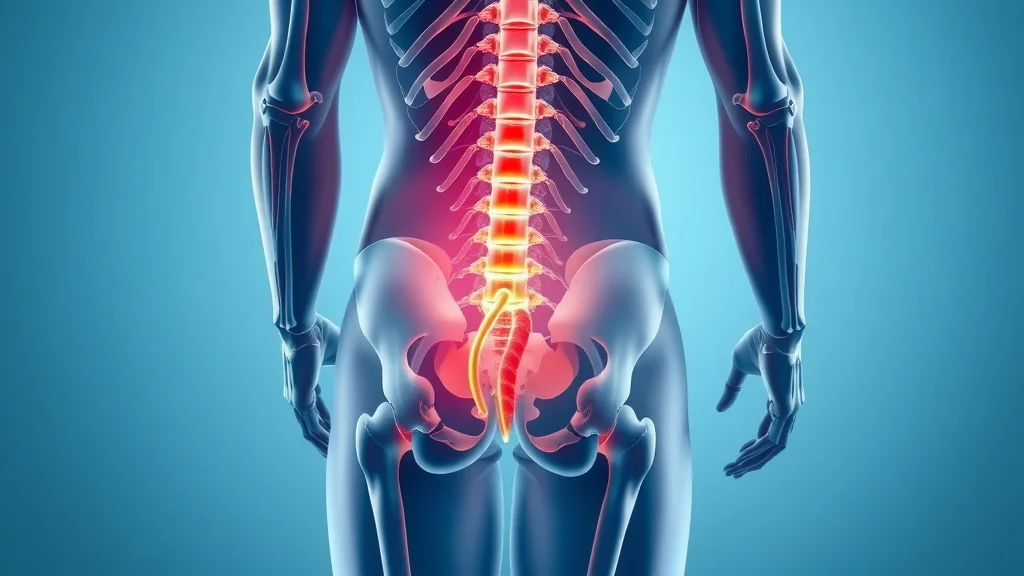
The term sciatica refers to pain and neurological symptoms along the course of the sciatic nerve, which starts in the low back and travels through the buttock, down the back of the thigh, and into the lower leg. Sciatica leg weakness is a sign that not only pain fibers but also movement-controlling nerve fibers—responsible for leg strength—are being affected. When this nerve becomes compressed or inflamed, signals to the muscles of the affected leg may be reduced or disrupted, sometimes leading to actual muscle loss or difficulty walking.
Common Symptoms: Distinguishing Sciatica and Leg Weakness
While leg pain is often a hallmark of sciatica, the addition of true leg weakness sets it apart from simple back pain or muscular soreness. Signs to watch for include a feeling that one leg is “giving out,” noticeable muscle weakness in the thigh, calf, or foot, or difficulty standing on tiptoes or heels. These symptoms differ from the tingling or numbness that may accompany other nerve problems: true weaknesses reflect disrupted nerve function, often due to significant nerve compression in the lower back.
Sciatica-related symptoms may worsen with certain activities, such as prolonged sitting or sudden twisting. Pay attention if the pain is persistent or if leg weakness appears without obvious cause. Since the sciatic nerve’s route connects the spinal canal to the back and buttock, symptoms may also be accompanied by low back pain, making it important to differentiate between nerve-driven symptoms and those caused by simple musculoskeletal strain.
Observational Signs: When Leg Weakness May Signal Sciatica Nerve Pain
Unlike basic soreness or tiredness, sciatica leg weakness often manifests as an observable change in the way you walk, rise from seating, or bear weight on one leg. Friends or family might notice that you limp, drag your foot, or need extra support to stand up. These observations are more than cosmetic—they may indicate that the nerve roots controlling your leg strength are struggling to keep up. Left unchecked, these symptoms can evolve into chronic instability or risk for falls, especially in those over 40 living active lifestyles around Gig Harbor.
Monitoring for subtle changes early on can help you differentiate between simple muscle tiredness and underlying sciatica leg weakness. If these signs persist or progressively worsen, it’s vital to consult with practitioners skilled in both holistic and mainstream evaluation to diagnose and address the root cause, thus supporting the best natural recovery possible.
The Importance of Early Recognition for Effective Treatment
Recognizing leg weakness as an early component of sciatica gives you the advantage of early intervention—a key step for anyone interested in natural, long-term solutions. When sciatic nerve issues are addressed promptly, damage to nerve roots can often be minimized, and natural therapies have the chance to help restore balance and function without the need for invasive interventions. Early holistic care supports not only leg strength but also overall wellness, mobility, and prevention of chronic pain syndromes commonly observed in the Gig Harbor area.
What You’ll Learn About Sciatica Leg Weakness
- How sciatica causes leg weakness
- Key symptoms and warning signs
- Holistic strategies for managing sciatica and leg weakness naturally
- Ways to find the best natural practitioners near Gig Harbor
The Sciatic Nerve: Structure, Function, and Role in Sciatica Leg Weakness
Anatomy of the Sciatic Nerve and Its Connection to Leg Function
The sciatic nerve is the body’s largest nerve, formed from multiple nerve roots in the lower spine (L4-S3). It travels from the low back through the pelvic region and down the back of each leg. Its primary job is to supply both sensation and muscle control to the lower extremity—so when anything disrupts its pathway, both nerve pain and leg weakness can result. The nerve’s size means it’s uniquely prone to irritation or compression, whether from a bulging/herniated disc, spinal stenosis, or soft tissue injury like piriformis syndrome.
Any changes in movement, strength, or sensation in the affected leg can typically be traced back to disruption along this nerve’s route. Since the sciatic nerve supplies key muscles needed for walking, rising, and posture, even minor compression can significantly affect daily life, from simple chores to recreational activities enjoyed by Gig Harbor’s active residents.
How Sciatic Nerve Compression Leads to Sciatica and Leg Weakness
Compression of the sciatic nerve can occur at various points along its course, but most often at the spinal canal or as it passes through the pelvis. Common causes include disc herniation, where a spinal disc protrudes and presses against the nerve roots, and spinal stenosis, the narrowing of nerve passageways. These conditions reduce the nerve’s ability to transmit signals properly, leading to symptoms from mild tingling and numbness to serious sciatica leg weakness and muscle loss.

Prolonged nerve compression does not only cause pain but can lead to nerve damage if left untreated. This is why persistent, unexplained leg weakness demands quick attention from a qualified practitioner familiar with holistic and conventional approaches, especially to preserve nerve function and maintain independence in everyday activities.
For those seeking practical ways to support hip and lower back health, incorporating gentle movement practices can be especially beneficial. Exploring approaches like Yin Yoga for sore hips may help ease tension and improve flexibility, which can complement holistic strategies for managing sciatica and leg weakness.
Back Pain, Spinal Stenosis, and their Relationship to Sciatic Nerve Pain
Much of what we perceive as back pain can actually be traced to sciatic nerve irritation or compression. Spinal stenosis, for instance, reduces the space within the spinal canal, squeezing the nerve roots that eventually form the sciatic nerve. This can cause not only pain in the back and buttock regions but also radiating symptoms down the leg, including numbness, pins-and-needles, or outright leg weakness.
Those who suffer from chronic low back pain may not realize that evolving symptoms in the leg—especially reduced strength, heaviness, or foot drop—signal more than a simple muscular issue. Keeping an eye out for these changes and opting for early holistic assessment can help prevent progressive nerve damage and allow for non-invasive solutions tailored to your needs as an individual seeking natural care near Gig Harbor.
“Many individuals overlook mild leg weakness as a simple fatigue issue, when in reality, it could be an early warning sign of sciatica affecting the nerves.”
Key Causes of Sciatica Leg Weakness
Root Causes: Piriformis Syndrome, Herniated Discs, and Spinal Stenosis
Multiple factors may contribute to sciatica leg weakness. Herniated discs are the most common cause, where pressure from a disc in the lower spine directly compresses the sciatic nerve roots. Spinal stenosis, or narrowing of the spine’s bony canal, can squeeze nerve roots gradually, appearing as both back pain and increasing difficulties with walking or standing due to muscle weakness. Another frequent culprit is piriformis syndrome, where a small muscle in the buttock irritates the sciatic nerve as it passes by.
Other contributors include traumatic injuries, tumors, or metabolic conditions (such as diabetes) that physically or chemically affect nerve roots. Because these root causes can have overlapping symptoms—pain, numbness, tingling, and especially leg weakness—a precise diagnosis is crucial. This is where holistic health practitioners can provide a whole-person evaluation, looking for interconnected factors of sciatica and leg weakness beyond just medical imaging.
How Lifestyle and Postural Factors Exacerbate Sciatica and Leg Weakness
Life in today’s digital age brings new risk factors—long hours at a desk, driving, or using mobile devices can all worsen sciatica leg weakness for residents of Gig Harbor and beyond. Prolonged poor posture places extra pressure on the lower spine, contributing to prolonged nerve compression. Sedentary habits, weak core muscles, and inflexible hip muscles can each strain the back and buttock regions, increasing your risk for chronic leg pain and neurological symptoms.

Conversely, regular movement, stretching routines, and ergonomic adjustments can help mitigate these risks. Many individuals find that integrating holistic practices into their daily routine can keep their spines healthy and drastically reduce the likelihood of sciatic nerve irritation. If left unaddressed, however, these lifestyle factors can allow sciatica symptoms—and especially leg weakness—to become entrenched and resistant to simple remedies.
Holistic and Natural Health Risk Factors Local to the Gig Harbor Community
Unique local factors can also play a role in sciatica leg weakness risk near Gig Harbor. Outdoor lifestyles, gardening, hiking, and water sports can all place repetitive strain on the lower back and pelvic regions. At the same time, colder Northwest winters can lead to less movement and increase the effects of sedentary behavior. Local holistic health practitioners are tuned into these factors, offering advice and treatment options that fit your specific environment and activity level.
Awareness of these community-specific risks equips you to be proactive rather than reactive. Early holistic intervention, ergonomic adjustments at home or work, and individualized care plans can help prevent sciatica and leg weakness from interfering with your active lifestyle in picturesque Gig Harbor and the surrounding region.
Sciatica and Leg Weakness: How Does Nerve Pain Manifest?
Pathways of Nerve Pain and Its Effects on Leg Muscles
Nerve pain originating from the sciatic nerve often begins as tingling or numbness before progressing to noticeable changes in leg strength. The nerve’s pathway means that weakness can show up in the gluteal muscles, thigh, calf, or even into the foot and toes. Because these messages control both movement and sensation, compromised nerves may manifest as everything from odd muscle twitches to a heavy, “dead leg” feeling.

Observers might note that those affected move more slowly, have trouble balancing, or can’t fully engage in physical activities like walking, stair climbing, or gardening. Left untreated, nerve pain can transition to chronic weakness or even nerve damage. Holistic strategies—including physical therapy, gentle movement, and anti-inflammatory lifestyle measures—can help restore function, provided that care is timely and tailored to each individual’s needs in the Gig Harbor area.
Comparing Back Pain, Nerve Pain, and Leg Weakness Symptoms
Low back pain by itself is incredibly common, but not everyone with back pain will develop sciatica or leg weakness. Nerve pain, by contrast, often radiates from the back down the leg, following the nerve’s path. The unique quality of sciatica-related symptoms lies in the fact that pain, numbness, and weakness can all be present either together or separately.
If your symptoms include sharp, shooting pain down into your calf or foot, burning sensations, or significant muscle weakness, this typically signals a sciatic nerve or nerve root issue, rather than a simple pulled muscle. Early distinction enables a more targeted, effective intervention—especially when integrating natural modalities esteemed in holistic health circles around Gig Harbor.
Unique Indicators: What Makes Sciatica Leg Weakness Different
The difference between sciatica leg weakness and other forms of leg discomfort is primarily neurological. It’s not just tiredness after a long hike, but a sudden or progressive inability to perform normal movements. For example, you may struggle to rise from a squat, climb stairs, or maintain balance. You might feel your affected leg suddenly buckling, or notice visible muscle wasting over time.
What sets true leg weakness from sciatica apart is how it fails to improve with rest or “walking it off. ” Muscle testing (often part of a physical exam) may reveal weakness with little or no pain, underscoring the need to evaluate nerve function rather than just muscle strain. Tracking these indicators and sharing them with your healthcare provider—especially those versed in holistic and natural approaches—can be the difference-maker for effective care near Gig Harbor.
Natural Holistic Health Strategies for Sciatica Leg Weakness
Lifestyle Adjustments: Movement, Stretching & Ergonomics
One of the first steps for addressing sciatica leg weakness naturally is to adjust how you move and position your body day-to-day. Regular gentle stretching, mindful movement, and attention to proper posture are crucial. Incorporate daily activities like walking, yoga, or physical therapy protocols designed to relieve pressure from the lower spine and strengthen supporting muscles. Thoughtful ergonomic designs at your workspace and in your car—lumbar supports, standing desks, and proper shoe choices—all play a key role in reducing nerve pain and supporting leg strength.

These small, sustainable changes help reduce daily strain and support healing from the inside out. Many holistic practitioners in Gig Harbor offer posture assessments and personalized movement routines as foundational pieces of a comprehensive care plan for sciatica and leg weakness.
Holistic Therapies: Acupuncture, Chiropractic, and Massage for Sciatica Leg Weakness
Holistic therapies have gained significant attention for their ability to address the root of sciatica leg weakness with minimal side effects. Acupuncture works by stimulating specific points to support nerve function and alleviate nerve pain. Chiropractic care can help correct misalignments that compress the sciatic nerve or strain the lower back. Therapeutic massage often eases muscle tension, improves circulation, and supports healing in the back and buttock regions.
These therapies are frequently used in combination—and under the supervision of experienced holistic practitioners—to promote faster, safer recovery. They can be tailored to your personal needs, ensuring interventions address everything from posture and biomechanics to underlying inflammation and stress.
Mind-Body Approaches: Stress Reduction and Mindfulness
The connection between emotional wellbeing and physical pain is well established. Chronic nerve pain and leg weakness can be made worse by stress, anxiety, or poor sleep. Mindfulness, meditation, breathing techniques, and gentle movement practices like tai chi can help reset your nervous system’s response to pain. These mind-body approaches are a vital component of a balanced care plan, supporting both the body’s natural healing abilities and your personal resilience against recurring episodes of sciatica leg weakness.
Many holistic clinics in the Gig Harbor area offer mind-body workshops or integrate stress management into their protocols. The result? A comprehensive approach that empowers you to manage symptoms and maintain an energetically healthy lifestyle—even during recovery.
Nutrition and Anti-Inflammatory Diet Tips
Nutrition impacts nerve health and inflammation at many levels. An anti-inflammatory diet rich in leafy greens, berries, omega-3s (from fish or flaxseed), and healthy fats helps reduce systemic inflammation that can irritate the sciatic nerve. Reducing processed foods, added sugars, and unhealthy fats may further support nerve function and recovery from nerve damage.
Supplementing with magnesium, B-vitamins, and other nutrients known to support nervous system health can also be part of an individualized plan — guided by knowledgeable practitioners near Gig Harbor who blend nutritional advice with holistic and lifestyle interventions. As part of your routine, a restorative diet may not only help ease leg pain but also build resilience against future episodes of sciatica and leg weakness.
| Approach | Primary Benefit | Best For | Integration |
|---|---|---|---|
| Movement & Stretching | Improves strength, flexibility | Daily maintenance | Home/expert-guided |
| Acupuncture | Reduces pain, supports nerve health | Acute & chronic symptoms | Practitioner office |
| Chiropractic Care | Corrects spinal alignment | Nerve root causes | Office-based/manual |
| Massage Therapy | Relieves muscle tension | Secondary pain/relaxation | Practitioner/at-home |
| Mind-Body Practices | Reduces stress, supports healing | All stages of recovery | Anywhere, anytime |
| Anti-Inflammatory Diet | Decreases systemic inflammation | Long-term prevention | Home-focused |
Best Practices: Choosing a Natural Health Practitioner for Sciatica and Leg Weakness Near Gig Harbor
Qualities to Look For in Holistic Practitioners
Choosing the right practitioner is pivotal for managing sciatica leg weakness holistically. Seek professionals who blend evidence-based assessments with natural interventions and who prioritize collaboration and communication. Key qualities include experience with sciatica, nerve pain, and leg weakness, strong clinical intuition, compassionate care, thorough physical exams, and the ability to craft individualized care plans. Warmth, clear credentials, and willingness to coordinate with your other healthcare providers matter as well.
How to Assess Experience Treating Sciatica Leg Weakness
Experience counts when it comes to sciatica and leg weakness. Ask potential practitioners about specific cases they have managed, their training in holistic and functional approaches, and how they approach complex nerve issues. Practitioners should be knowledgeable about anatomy, nerve roots, common causes like disc herniation or spinal stenosis, and possess the practical skills to tailor movement, nutritional, and manual therapies.

Review testimonials and seek referrals from community members who have addressed similar issues. The best practitioners encourage active patient involvement, offer clear explanations, and are open to integrating both traditional and alternative therapies into your healing plan.
Exploring Local Options in the Gig Harbor, WA Region
The Gig Harbor region is home to a vibrant community of integrative and holistic health practitioners adept at treating sciatica leg weakness. Clinics and solo practitioners in the area frequently offer services such as chiropractic care, acupuncture, therapeutic massage, mind-body coaching, and personalized exercise programs. When exploring your options, look for practitioners committed to continuous learning and familiar with the unique health challenges of the Pacific Northwest’s active, outdoor-loving population.
You may consult online directories, check local wellness groups, or ask for personal recommendations. Many practitioners also provide virtual consultations, making care accessible even if you live outside central Gig Harbor. Remember, your goal is to find the practitioner who aligns with your values, explains your options, and works with you to achieve lasting relief and improved leg strength naturally.
People Also Ask: Your Sciatica Leg Weakness Questions Answered
How can I improve my sciatica leg weakness?
Improving sciatica leg weakness involves a holistic approach that incorporates targeted exercises and stretches to support the lower back and leg muscles, attention to correct posture, and regular physical activity. Many benefit from dietary adjustments focused on reducing inflammation, as well as therapies like acupuncture or chiropractic care that address nerve pain at its source. Working with a skilled practitioner ensures your plan is individualized, maximizing your chances for a full recovery and stronger legs.
How long does leg weakness last with sciatica?
The length of time leg weakness lasts in the setting of sciatica varies depending on what’s causing the nerve to be compressed and how promptly you address it. Mild cases may resolve in a matter of days, while longer-lasting or severe weakness can persist for weeks or longer. Commitment to a holistic treatment plan—including movement, therapy, and nutrition—greatly influences your recovery speed.
Can sciatica feel like a dead leg?
Absolutely, sciatica leg weakness can produce symptoms that mimic a “dead leg”—feelings of heaviness, numbness, or even partial inability to move the limb. This “dead leg” sensation results from reduced nerve signals being transmitted to the muscles of the affected leg, underscoring the need for prompt, expert assessment and appropriate care.
What are stage 4 sciatica symptoms?
Stage 4 sciatica symptoms are rare but serious, marked by severe, unrelenting pain, significant and persistent leg weakness, marked loss of mobility, and possible changes in control of bladder or bowel function. These are considered medical emergencies—if you experience these symptoms, it’s vital to seek immediate evaluation to rule out conditions like cauda equina or equina syndrome and pursue both holistic and mainstream care urgently.
Recognizing When Sciatica Leg Weakness Requires Immediate Medical Evaluation
Red Flag Symptoms: Severe Weakness, Numbness, or Loss of Bladder/Bowel Control
While many cases of sciatica leg weakness respond well to natural care, there are critical “red flag” symptoms that require urgent medical evaluation. Watch for sudden or rapidly progressing leg weakness, severe numbness, or any loss of control over bowel or bladder habits. These may hint at dangerous conditions like cauda equina syndrome, which can cause permanent nerve damage if not treated immediately. Holistic practitioners in Gig Harbor will work collaboratively with mainstream providers to ensure you receive the safest, quickest care possible for these emergencies.
When to Consider Both Holistic and Mainstream Medical Approaches
For most, integrating holistic care with appropriate conventional medical evaluation is the best way to address sciatica leg weakness, especially if symptoms worsen or new red flags appear. Initial holistic interventions may include movement and nutrition, but new or worsening signs—persistent muscle weakness, abnormal sensations, or bladder/bowel concerns—warrant timely consultation with a healthcare provider skilled in both natural and mainstream diagnostics. This balanced approach keeps your health at the center while maximizing your options for recovery and prevention.
Top 7 Takeaway Tips for Managing Sciatica Leg Weakness Naturally
- Don’t ignore persistent leg weakness or sciatic nerve pain
- Seek holistic assessment if symptoms linger
- Integrate movement, posture, and diet changes
- Explore acupuncture and hands-on therapies
- Practice daily stress reduction
- Customize your care plan with a Gig Harbor area practitioner
- Listen to your body and monitor changes closely
Frequently Asked Questions: Sciatica and Leg Weakness
Can diet and exercise really help with sciatica leg weakness?
Yes. A nutritious, anti-inflammatory diet and regular exercise can reduce swelling, bolster nerve function, and promote healing. In combination with therapies like stretching and movement, these changes are powerful tools in managing and resolving sciatica and leg weakness naturally, often with faster and longer-lasting results than medications alone.
What holistic therapies are best for sciatica and leg weakness?
Holistic favorites for sciatica leg weakness include acupuncture, chiropractic adjustments, massage therapy, mindful movement practices (like yoga or tai chi), and nutritional counseling. The best results come from a collaborative, individualized plan crafted with help from an experienced holistic practitioner.
How do nerve pain symptoms differ from muscular injury?
Nerve pain symptoms—as seen in sciatica leg weakness—typically involve sharp, shooting sensations, tingling, or numbness radiating down the leg, along with possible muscle weakness. Muscular injuries usually cause localized, dull aches, tenderness, or swelling without the radiating, electrical quality or profound changes in strength seen with nerve involvement.
Can natural approaches fully resolve sciatica leg weakness?
Many individuals achieve lasting relief from sciatica leg weakness using natural methods—especially when interventions begin early and are consistently applied. However, the best outcomes come from personalized care and, when needed, integrative collaboration between holistic and conventional practitioners for both prevention and lasting recovery.
Move Forward: Book a Consultation With a Trusted Holistic Practitioner for Sciatica Leg Weakness in Gig Harbor
Discover personalized, natural solutions for sciatica leg weakness. Take the next step towards a longer, healthier, and pain-free life—schedule your holistic assessment today.
Take action—don’t let sciatica leg weakness define your lifestyle. Connect with a holistic expert in Gig Harbor and start your personalized healing journey now.
If you’re inspired to take your recovery further, consider exploring additional holistic movement practices that support not just your back, but your entire body’s resilience. Techniques such as Yin Yoga can be a gentle yet powerful way to nurture flexibility and ease discomfort, especially for those managing chronic pain or stiffness. By broadening your approach to include mindful movement and restorative routines, you’ll be better equipped to maintain long-term mobility and comfort. For more ideas on integrating healing movement into your wellness journey, discover how embracing Yin Yoga for sore hips can complement your holistic strategy for sciatica and leg weakness.






Write A Comment