Gig Harbor Natural Holistic and Alternative Health

Heal Naturally. Live Fully.
  • Home
  • Categories
  • Top Chiropractor for Back Pain in Gig Harbor
  • Holistic Spas and Day Retreats in Gig Harbor
  • Yoga, Tai Chi, and Movement Classes Near You
  • Mind‑Body Therapy, Hypnosis, and Stress Relief
  • Holistic Stores, Herbs, and Natural Remedies
  • Discover Adventures and Treasures with Mark
  • Featured Gig Harbor Area Businesses
June 17.2025
2 Minutes Read

Exploring Sciatica: Natural Relief Strategies from a Dallas Expert

Group exercising for chiropractic sciatica relief at home.

Understanding Sciatica: A Pain You Shouldn’t Ignore

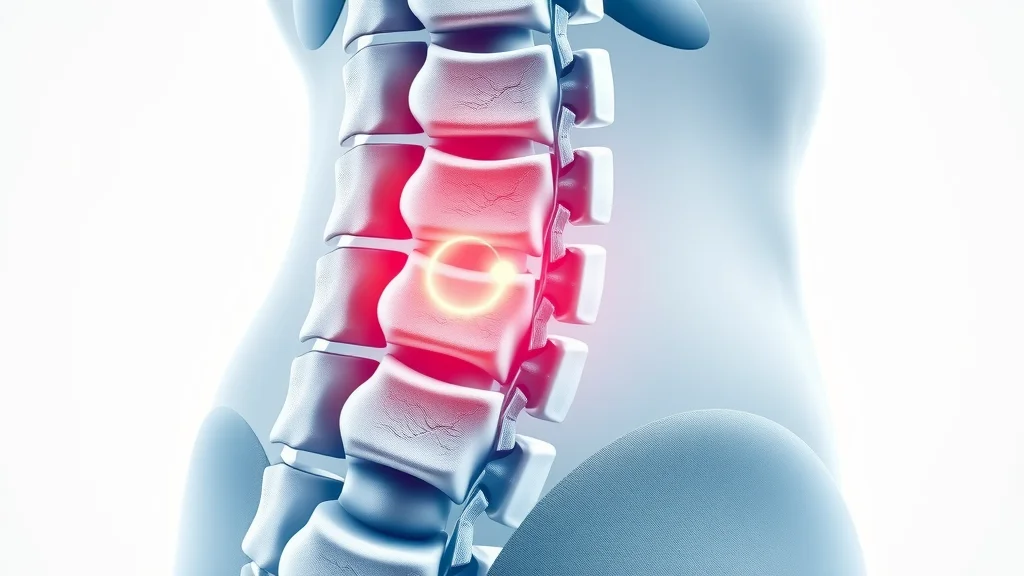
Nearly everyone experiences back pain at some point in their life, but sciatica is a unique challenge. Denoting a set of symptoms rather than a singular condition, sciatica results from the irritation or compression of the sciatic nerve—the longest nerve in the body. The most distinctive feature of sciatica is the sharp, burning pain, often radiating from the lower back through the buttock and down a leg.

Coping with Sciatica Naturally

Many individuals who suffer from sciatica feel trapped in a cycle of conventional treatments such as surgery or spinal injections. However, chiropractic care has emerged as a promising alternative. Research indicates that chiropractic methods can provide pain relief on par with surgical options, yet free of the associated risks and recovery times. This is crucial for wellness-focused individuals who prefer natural remedies over medications, especially between the ages of 35 and 70.

The Holistic Approach to Relief

Our chiropractic practice in North Dallas focuses on a holistic strategy to alleviate sciatica. This includes gentle spinal adjustments, targeted rehabilitation exercises, massage therapy, and lifestyle modifications that enhance postural alignment—key aspects that contribute to long-term recovery and prevention of future complications.

Why It Matters: Listening to Your Body

Pain often serves as a warning signal from your body, especially with conditions like sciatica. Ignoring it can lead to ongoing discomfort, as the root cause may fester beneath the surface. Common underlying issues include herniated discs, tight ligaments, bone spurs, or improper alignment from everyday activities. Recognizing these signs early can facilitate timely intervention and reversible damage.

Your Path to Wellness: Making Informed Decisions

By understanding the implications of sciatic pain and embracing a natural approach to treatment, patients can drastically improve their quality of life. It is vital to inquire about tailored rehabilitation plans that not only address immediate discomfort but also focus on mobility restoration and inflammation reduction. Whether following through with adjustments or engaging in preventive strategies, informed decisions can lead to lasting relief and better health.

The Role of Chiropractic Care

In an era where reliance on medications for pain management is prevalent, chiropractic care represents an empowering alternative. Individuals who value a wellness-focused, medication-free pathway can benefit significantly from understanding how chiropractic interventions work. Careful consideration of the mechanics of pain and appropriate treatments is essential in overcoming challenges associated with sciatica.

What To Do Next?

If you’re experiencing the sharp, shooting pain characteristic of sciatica, consider visiting a chiropractor to explore natural treatment options. Your body deserves attention and care tailored to your needs—getting to the root of your discomfort could change your life.

Top Chiropractor for Back Pain in Gig Harbor

5 Views

0 Comments

Write A Comment

*
*
Please complete the captcha to submit your comment.
Related Posts All Posts
10.09.2026

Can a Chiropractor Help With Sciatica?

Have you ever wondered if visiting a chiropractor for sciatica could be the key to ending your relentless sciatic nerve pain? Sciatic pain can be disruptive and overwhelming, often pushing those who suffer to seek answers beyond conventional medicine. But can chiropractic care truly offer the natural, lasting relief you crave? In this guide, we’ll unlock what makes chiropractic treatment a trusted, holistic solution for sciatica pain—and how making the right choice could change your life near Gig Harbor. Unlocking the Mystery: Can Visiting a Chiropractor for Sciatica Truly Alleviate Your Pain? If you’re experiencing sciatic nerve pain that radiates from your lower back down your leg, you know just how challenging daily life can become. Chiropractic care offers a natural approach to sciatica pain relief by focusing on the root causes instead of masking symptoms. For those seeking holistic health options in the Gig Harbor area, a chiropractor for sciatica offers an alternative to pain medications or surgery, using techniques proven to relieve pain and improve your quality of life. The journey to healing isn’t one-size-fits-all, and understanding your options can empower you toward lasting relief. Chiropractic treatment for sciatica emphasizes restoring spinal health and reducing pressure on the sciatic nerve. Through spinal adjustments, soft tissue therapy, and lifestyle advice, chiropractors aim to reduce inflammation and support the body’s natural healing process. Whether you have already tried physical therapy or are exploring natural pain relief for the first time, visiting a chiropractor could provide you with the expert care needed to address both acute and long-term sciatic pain. Let’s explore how this approach differs from conventional options and what benefits it holds for you. For those interested in a deeper dive into holistic strategies and expert insights on managing sciatica, you might find it helpful to review additional natural relief approaches from specialists in the field. Explore more about sciatica natural relief strategies from a Dallas expert to complement your understanding of chiropractic care options. What You'll Learn About Chiropractor for Sciatica in This Guide What causes sciatic nerve pain and who it affects How chiropractic treatment for sciatica pain works Comparison of chiropractic care and physical therapy for sciatica Natural approaches for sciatica pain relief When to see a chiropractor for sciatic nerve pain Understanding Sciatica Pain and the Sciatic Nerve What Is Sciatica and What Causes Sciatic Nerve Pain? The sciatic nerve is the longest nerve in the human body, running from your lower back down to your legs. Sciatica pain occurs when this nerve is compressed or irritated, often by a herniated disc, spinal misalignment, or muscle tension. The resulting nerve pain can range from mild discomfort to severe, disabling pain that radiates down one or both legs. Common causes of sciatic nerve pain include spinal disc injuries, poor posture, physical stress, and even age-related degeneration. Anyone can experience sciatic nerve pain, but certain factors increase your risk; these include physically demanding jobs, sedentary lifestyles, or previous back injuries. Understanding what triggers sciatica symptoms is the first step to finding the most effective treatment for sciatica. By addressing the underlying causes, a chiropractor for sciatica aims to relieve pain through techniques designed to reduce inflammation and remove pressure on the sciatic nerve. This holistic perspective is especially valuable for those committed to a natural, wellness-focused approach to health near Gig Harbor. Common Symptoms of Sciatica Pain Sharp, shooting pain down the leg (sciatic pain) Tingling, numbness, or weakness along the nerve pathway Difficulty standing or sitting due to nerve pain "The sciatic nerve is the largest nerve in the body. When inflamed, it can lead to profound discomfort and disruptions in daily life." – Expert Chiropractor in Holistic Health How Does a Chiropractor for Sciatica Approach Sciatic Nerve Pain? Chiropractic Care Vs. Conventional Physical Therapy for Sciatica When comparing chiropractic care to physical therapy for sciatica pain, both offer unique benefits, but their approaches differ. Chiropractic treatment focuses on restoring alignment and optimal nerve function through spinal adjustment and soft tissue therapy. This addresses sciatic nerve pain at its source, aiming to reduce inflammation and relieve sciatic pressure directly. Physical therapy, on the other hand, emphasizes strengthening the muscles that support the spine and enhancing mobility through targeted exercises and stretching routines. Both options may provide relief, but chiropractic care is often sought by those who desire a natural, non-invasive approach or want to avoid medications and surgery. Choosing a chiropractor for sciatica may be ideal if you are looking for a holistic, hands-on treatment plan tailored to your body’s needs. For many in Gig Harbor interested in natural health practices, combining chiropractic care with select physical therapy exercises can optimize recovery and support long-term spinal health. Ultimately, both methods aim to relieve pain and improve function, but the personalized, root-cause focus of chiropractic care makes it a compelling choice for many sciatica patients. Method Focus Typical Techniques Chiropractic Care Alignment and nerve function Spinal adjustments, soft tissue therapy Physical Therapy Muscle strengthening and mobility Targeted exercises, stretching routines Chiropractic Treatment Strategies for Sciatic Nerve Pain Spinal adjustment and decompression Targeted soft tissue therapy Lifestyle and posture advice for pain relief Chiropractic treatment for sciatica pain leverages a blend of spinal adjustments, spinal decompression, and targeted soft tissue therapy to address nerve irritation. Spinal manipulation helps correct misalignments, reducing pressure on the sciatic nerve and promoting the body's natural healing process. Soft tissue techniques focus on relieving muscle tension and inflammation that could be compressing the nerve. Often, a chiropractor will also provide guidance on proper posture, daily movement, and lifestyle adaptations that complement the treatment plan, ensuring long-term relief and healthy spinal function. By integrating these methods, chiropractors offer sciatica patients a comprehensive treatment option that supports the body’s ability to heal, emphasizing pain relief and improved function without reliance on medication. This natural, expertise-driven approach aligns perfectly with those who value holistic health and want to manage their pain effectively near Gig Harbor or similar communities. Spinal Adjustments: Key to Sciatica Pain Relief with a Chiropractor for Sciatica What Is a Spinal Adjustment and How Can It Relieve Sciatic Pain? A spinal adjustment is a precise manual technique used by chiropractors to restore proper alignment of the spine. By correcting spinal misalignments, this technique helps alleviate pressure on the sciatic nerve, one of the leading causes of sciatic nerve pain. Spinal adjustments not only target acute sciatic pain but also contribute to long-term spinal health and mobility. For sciatica patients, the benefits often include reduced inflammation, decreased nerve irritation, and restored movement in the lower back and legs. For many seeking a chiropractor for sciatica in the Gig Harbor area, spinal adjustments prove to be an effective treatment option that does not rely on medication or surgery. This therapy is tailored to each individual’s unique physical structure and symptom pattern. When paired with lifestyle modifications and soft tissue therapy, spinal adjustment forms the foundation of a comprehensive chiropractic treatment plan aimed at providing ongoing pain relief and preventing future episodes of sciatic pain. Is Spinal Decompression a Safe Treatment for Sciatica Pain? Spinal decompression is a non-invasive therapy designed to gently stretch the spine and relieve pressure on the sciatic nerve. Unlike surgical interventions, chiropractic spinal decompression uses specialized equipment to create space between vertebrae, promoting circulation, reducing nerve compression, and encouraging disc healing. This approach is generally considered safe for most patients and can be particularly beneficial for those who wish to avoid surgery or medications for long-term relief. When considering spinal decompression as a treatment for sciatica pain, it is essential to work with a chiropractor who performs thorough evaluations and tailors care to your specific needs. Not only does this therapy target the source of sciatic pain, but it also fits well into a holistic healing process, supporting overall wellness and recovery. Patients in holistic health-focused communities, like Gig Harbor, often report improvement in mobility, reduced pain, and a greater sense of well-being following this approach. Soft Tissue Therapy and Chiropractic Care for Sciatica How Soft Tissue Therapy Complements Chiropractic Treatment for Sciatic Nerve Pain Soft tissue therapy is an integral part of many chiropractic treatment plans for sciatica, targeting the muscles, ligaments, and fascia that support the spine. Tight muscles or connective tissue may compress the sciatic nerve, contributing to the severity of nerve pain and limiting mobility. Techniques like myofascial release, trigger point therapy, and massage work to relax and lengthen these tissues, further reducing pressure on the sciatic nerve and supporting the effectiveness of spinal adjustments. In combination, soft tissue therapy and spinal adjustment address both structural and muscular contributors to sciatic pain. This comprehensive approach not only helps relieve pain in the short term but can also improve posture and movement patterns, protecting against future flare-ups. For holistic-minded individuals, these therapies support whole-body wellness and long-term relief without dependence on pharmaceuticals. The Role of Tissue Therapy in Relieving Sciatic Pain Beyond immediate pain relief, tissue therapy also plays a crucial role in the healing process for sciatica patients. Regular sessions help reduce inflammation, increase blood flow, and promote the restoration of healthy nerve function. For those who have struggled with chronic sciatic pain, incorporating tissue therapy into a chiropractic treatment plan can enhance recovery and speed up the healing process. It supports the body in achieving optimal nerve health and resilience against future injury. The personalized care you receive from a chiropractor for sciatica—especially when including soft tissue therapy—can often make the difference between prolonged discomfort and true recovery. If you value a natural, expert-guided approach to health, this integrated method is a top choice for sustainable sciatic pain relief. Holistic Health Approaches: Natural Sciatica Pain Relief and Lifestyle Tips Postural improvements for sciatic nerve pain relief Gentle stretching exercises for nerve pain Nutrition and wellness tips for long-term relief Alongside professional chiropractic treatment for sciatica, adopting holistic health strategies in your daily life can significantly enhance pain relief and recovery. Postural improvements, such as maintaining an ergonomic workstation or practicing mindful sitting and standing, help reduce unnecessary strain on your lower back and sciatic nerve. Gentle stretching exercises tailored to sciatic nerve pain—like the piriformis stretch, hamstring stretches, or yoga poses—foster flexibility, alleviate tension, and increase mobility over time. Nutrition and wellness habits also play a major support role. Consuming anti-inflammatory foods, staying well-hydrated, and prioritizing restorative sleep enable the body’s natural healing processes. When you combine chiropractic care and lifestyle adjustments, you’re investing in a comprehensive plan for long-term, sustainable pain relief. This is especially powerful for those in holistic, natural health communities like Gig Harbor, where well-rounded wellness is a way of life. "Consistency in care and holistic lifestyle adaptations often provide the greatest relief for people managing sciatic nerve pain." – Holistic Chiropractor People Also Ask Is chiropractic effective for sciatica? Chiropractic care is often effective for many people with sciatica, particularly when the pain stems from spinal misalignments or nerve compression in the lower back. Through spinal adjustments, decompression, and soft tissue therapy, chiropractors can help relieve pain, improve mobility, and support the healing process naturally. However, results can vary, so it’s crucial to seek personalized care from a qualified practitioner to ensure the best outcome for your sciatica symptoms. How to release a trapped sciatic nerve? Releasing a trapped sciatic nerve typically involves reducing the pressure and inflammation around the nerve. Chiropractic treatment for sciatica may use spinal adjustments, soft tissue therapy, and decompression techniques to free the nerve and relieve pain. In addition, gentle stretches and postural improvements at home can also be beneficial. It’s important to consult a chiropractor for sciatica to determine the most effective combination of therapies for your condition. Can a chiropractor fix sciatica in one visit? While some patients experience significant pain relief after just one chiropractic session, most cases of sciatica benefit from a series of treatments. Sciatic nerve pain is often the result of complex factors, and long-term improvement usually requires ongoing care that targets the root causes. Your chiropractor will develop a treatment plan based on your specific symptoms to support both rapid and lasting results. How long does it take a chiropractor to fix a sciatic nerve? The length of time needed to resolve sciatic nerve issues with chiropractic care varies for each person. Some people see improvements in a few weeks, while others may require more extensive care over several months, depending on the severity of the nerve pain and any underlying factors. A personalized treatment plan, consistency in care, and lifestyle changes are key to achieving sustainable sciatica pain relief. FAQ: Chiropractor for Sciatica and Nerve Pain Who is a good candidate for chiropractic care for sciatica? Most people experiencing sciatic nerve pain—from mild to severe—are candidates for chiropractic care, especially if they prefer non-invasive approaches to health. Individuals with lower back pain, nerve pain down the leg, or those seeking to avoid medication or surgery may benefit most. However, those with certain medical conditions should consult their healthcare provider before beginning chiropractic treatment for sciatica. Are there risks associated with chiropractic treatment for sciatic nerve pain? Chiropractic care for sciatica is generally safe when performed by a qualified practitioner. Mild soreness or fatigue may occur after treatment, similar to what’s felt after exercise. Rarely, some people may experience temporary increases in pain or discomfort. It’s important to choose a chiropractor who will tailor therapy to your unique needs and health history to minimize risks and maximize benefits. What should I expect during my first visit for sciatica treatment? During your initial appointment, the chiropractor will review your medical history, ask about your sciatica symptoms, and perform a physical examination to assess spinal alignment and nerve function. They may take diagnostic images if needed. Your chiropractor will explain your diagnosis, outline a customized treatment plan, and discuss what to expect from spinal adjustments, tissue therapy, and lifestyle changes. The goal is to ensure you feel informed and confident in your path to pain relief. Educational explainer: Animated overview showing how spinal adjustments and decompression target sciatica pain relief, including before-and-after spine and nerve visuals, briefly comparing with physical therapy. Key Takeaways on Seeking a Chiropractor for Sciatica Chiropractic care offers a natural path to sciatica pain relief by focusing on spinal alignment, reducing nerve pressure, and integrating holistic lifestyle changes. Personalized treatment strategies—which may include spinal adjustments, soft tissue therapy, and decompression—can help many individuals achieve lasting comfort and improved mobility. Remember, consistency and expert guidance are crucial for sustainable results. Your Next Step: Choose the Right Chiropractor for Sciatica Pain Relief Near Gig Harbor If you’re ready to address your sciatic nerve pain naturally and restore your quality of life, take the step to book an appointment with a holistic chiropractor near Gig Harbor. Prioritize your well-being with expert, gentle care—start your journey to living pain-free today! As you continue your journey toward lasting relief, remember that understanding the full spectrum of natural pain management can empower you to make the best choices for your health. For a broader perspective on holistic pain relief and advanced strategies, consider exploring additional resources that delve into expert-backed approaches for sciatica and beyond. Expanding your knowledge with insights from specialists can help you craft a truly personalized wellness plan—one that supports not just pain relief, but your overall vitality and resilience. Take the next step and discover how a comprehensive, natural approach can transform your experience with sciatica and support your long-term well-being.

10.07.2026

Herniated Disc and Sciatica: What's the Connection?

Imagine waking up to a sharp, radiating pain shooting from your lower back down your leg, leaving you hobbling—and wondering how to find relief that lasts. If you’re in Gig Harbor and seeking answers about herniated disc and sciatica, you are not alone. This comprehensive guide dives deep into the real causes of nerve pain, unravels how disc problems trigger sciatica, and spotlights holistic solutions trusted by your neighbors. Whether you’re curious about what’s happening in your spine or ready to take the next step in your recovery, this article offers clear, practical advice to help you live pain-free again. The Essential Link Between Herniated Disc and Sciatica "Many residents in the Gig Harbor area have found themselves sidelined by a sudden pain shooting down the leg, leaving them searching for natural, lasting solutions." Define herniated disc and sciatica: A herniated disc occurs when the soft inner gel of a spinal disc pushes out through a crack in the tough outer layer, often in the lumbar spine. Sciatica refers to nerve pain that originates in the lower back and radiates down the leg, typically along the pathway of the sciatic nerve. Brief overview: how a herniated disc causes sciatica: When a disc herniation happens, it can press on nearby nerves, especially the sciatic nerve, leading to the sharp, shooting pain known as sciatica. Role of lumbar disc herniation and disc herniation in nerve pain: Lumbar disc herniation is the most common cause of sciatica, as the lower back is especially prone to wear-and-tear and injury, causing nerve root compression and inflammation. What You'll Learn About Herniated Disc and Sciatica What herniated discs and sciatica are Common symptoms and causes The latest alternative and holistic treatment options How to find a top holistic practitioner in Gig Harbor Understanding Herniated Disc and Herniated Discs: Anatomy and Causes Anatomy of the Lumbar Disc: Why Herniation Happens Structure of the lumbar disc How and why lumbar disc herniation occurs What makes disc herniation and degenerative disc disease common The lumbar disc is a critical structure in the lumbar spine, acting as a cushion between each vertebra. Each disc contains a gel-like center (nucleus pulposus) surrounded by a tough outer ring (annulus fibrosus). Everyday activities—like bending, lifting, or even sitting for long periods—can put stress on these discs. Over time, the tough outer layer may weaken, allowing the inner gel to bulge or leak out, creating what’s called a herniated disc or disc herniation. This bulged disc can press on nearby nerves, particularly the nerve root that forms the sciatic nerve, sparking pain, numbness, or tingling down the leg. The structure of the spinal disc naturally makes the lower back more vulnerable to these issues, especially with repetitive strain or improper posture. Both degenerative disc disease and age-related changes increase the risk of lumbar disc herniation. The discs lose water content as we get older, becoming less flexible and more prone to tears in the outer layer. This process not only leads to chronic back pain and limited mobility but also raises the likelihood of a sudden herniation. That’s why active individuals in Gig Harbor and beyond can find themselves dealing with unexpected pain. Understanding the underlying anatomy helps clarify why herniated discs and sciatica often go hand in hand. Degenerative Disc and Risk Factors for Herniated Discs Aging and disc disease Risk factors for herniated disc in Gig Harbor’s active population Spinal stenosis and its relationship to disc herniation Aging naturally impacts the health of spinal discs, bringing about degenerative disc disease. As discs lose hydration, their ability to absorb shock decreases and they become more prone to cracks in the outer wall, which can lead to herniated discs. While genetics do play a role, daily habits, repeated lifting, high-impact sports, or jobs that require lots of bending or twisting also increase your risk. Even frequent drivers—common in the Gig Harbor area—might face extra stress on their lumbar discs due to prolonged sitting and vibration. Other risk factors include poor core strength, obesity, and a sedentary lifestyle, all of which can not only hasten disc disease but also lead to conditions like spinal stenosis—a narrowing of the spinal canal that can compress nerves and compound the effects of disc herniation. Recognizing these risk factors empowers you to take preventive action, seek targeted care, and make lifestyle adjustments that protect your spinal health for the long term. For those seeking gentle, movement-based strategies to support spinal health and ease discomfort, exploring practices like yin yoga can be especially beneficial. Discover how targeted yin yoga poses may help relieve tension and promote healing for sore hips and lower back by visiting this guide to yin yoga for sore hips in Gig Harbor. Sciatica and Herniated Disc: Symptoms to Watch For Classic signs and nerve pain pathway Why sciatica and herniated discs commonly appear together Lumbar disc herniation and nerve root compression The hallmark symptom of sciatica triggered by a herniated disc is a sharp, electric pain that radiates from the lower back, through the glute, and down the back of the leg—sometimes all the way to the foot. Other classic symptoms can include tingling, numbness, or muscle weakness in the affected leg. This pain follows the route of the sciatic nerve—the body's longest nerve, formed by several nerve roots branching from the lumbar spine. Why do sciatica and herniated discs so often go together? Because when a lumbar disc herniation or disc herniation presses on the nerve root, it creates both inflammation and mechanical pressure. This not only disrupts normal nerve function but also sends pain signals down the leg. If you feel that classic shooting pain and it worsens after sitting, bending, or coughing, a compressed nerve root is often to blame. Early recognition of these symptoms is vital for getting effective, natural relief and preventing lasting nerve damage. How a Herniated Disc Causes Sciatica: The Science Explained Lumbar Disc Herniation and the Sciatic Nerve What happens when herniated discs press on nerves Physical changes and inflammation Difference between lumbar disc and cervical disc herniation When a herniated disc in the lumbar spine bulges or ruptures, the escaping disc material often directly presses on one or more nerve roots that make up the sciatic nerve. This nerve root compression triggers an inflammatory response—swelling and irritation in the tissue that amplify the sensation of pain. Nerve root compression can quickly lead to chronic back pain and reduce your quality of life. Lumbar disc herniation is the classic culprit behind sciatica because of its proximity to the nerve pathways that serve the legs. This is distinct from cervical disc herniation, which more often causes pain or symptoms in the shoulders, arms, or hands, not the legs. The specific physical changes in lumbar disc herniation—pressure, swelling, and chemical irritation—can lead to persistent symptoms unless addressed naturally and holistically. Practitioners trained in alternative health approaches understand these processes and craft care plans to reduce both inflammation and nerve compression, offering true relief for sciatica from a herniated disc. Herniated Disc and Sciatica: Holistic Diagnosis Methods Physical examination approaches from natural practitioners Role of imaging and patient history Holistic assessment versus conventional evaluation A trusted holistic or natural practitioner approaches diagnosis by first listening deeply to your story—paying close attention to where, when, and how your pain appears. A thorough physical exam, including gentle movement and nerve function tests, reveals where nerve roots might be irritated by a herniated disc. Instead of focusing only on symptoms, holistic providers investigate posture, stress, movement patterns, and past injuries to understand the root causes. While imaging tests like MRI or CT scans may be recommended to visualize the herniation or nerve root involvement, holistic assessments place equal value on lifestyle and movement factors. By assessing your overall spinal health, muscle balance, and daily habits, holistic practitioners provide a more complete picture than a conventional evaluation focused on quick fixes. This approach ensures that treatment goes beyond symptom management and supports total healing. Comparing Treatment Options for Herniated Disc and Sciatica Traditional vs. Holistic Approaches to Disc Herniation Conventional medical routes Natural therapies: chiropractic, massage, acupuncture Lifestyle modifications and pain management Conventional treatments usually begin with medications for pain and inflammation, physical therapy, or even steroid injections to calm nerve irritation. For persistent or severe cases, surgery may be considered. While these methods can help in the short term, they may not address the deeper imbalances, movement issues, or lifestyle factors behind disc herniation and sciatica. Holistic care, on the other hand, focuses on long-term healing. Therapies like chiropractic adjustments, targeted massage, acupuncture, and gentle stretching can provide relief by realigning the spine, soothing muscle tension, and encouraging natural healing. Lifestyle changes—such as mindful movement, nutrition, and posture correction—are core to natural pain management. People in Gig Harbor who prioritize prevention and root-cause healing often find that holistic approaches deliver more sustainable, empowering outcomes than symptomatic treatment alone. Natural and Holistic Remedies for Herniated Disc and Sciatica Alternative therapies popular in Gig Harbor, WA Mind-body interventions (yoga, meditation, stretching) Supplements and anti-inflammatory diets Long-term wellness plans Holistic healing offers a variety of gentle, effective remedies for herniated disc and sciatica. Chiropractic care is popular in the Gig Harbor area for its focus on spinal alignment and nerve health. Therapeutic massage helps ease muscle spasms and improve circulation near the injured area. Acupuncture—the ancient practice of stimulating healing points—has growing scientific support for relieving nerve-based pain and promoting well-being. Mind-body interventions such as gentle yoga, stretching, and guided meditation foster flexibility and reduce stress, key contributors to back pain flare-ups. Nutrition also plays a pivotal role; many practitioners recommend anti-inflammatory diets high in leafy greens, berries, salmon, and herbs like turmeric. These foods support tissue repair and help manage chronic pain without side effects. A thoughtful, long-term wellness plan crafted with a holistic practitioner can keep you moving comfortably and confidently—far beyond just treating symptoms. "Clients seeking relief from herniated disc and sciatica often benefit most from an integrated, holistic healing plan tailored to their unique health goals." – Local Holistic Practitioner Lists of Dos and Don’ts for Managing Herniated Disc and Sciatica Top activities to avoid with a herniated disc: Heavy lifting, bending, or twisting motions High-impact activities like running or jumping Sitting for extended periods without moving Best daily habits for sciatica prevention: Regular gentle stretching and mindful movement Maintaining good posture especially when sitting Staying hydrated and eating anti-inflammatory foods Error-prone advice to watch for: Self-diagnosing with internet advice Pushing through severe pain during activity Ignoring early symptoms of nerve pain or numbness Tables Comparing Treatment Options for Herniated Disc and Sciatica Treatment Approach Methods Expected Outcomes Best For Conventional Medicine Medications, physical therapy, steroid injections, surgery Symptom relief, possible side effects, short- and long-term results vary Severe acute episodes, unmanageable pain, failed conservative care Holistic & Natural Care Chiropractic, massage, acupuncture, yoga, nutrition, lifestyle counseling Addresses root cause, minimal side effects, enhances wellness and prevention Chronic or recurrent cases, prevention, those seeking sustainable health Key Takeaways for Those Living in Gig Harbor with Herniated Disc and Sciatica Herniated disc and sciatica are connected, but effective relief is possible. Natural and holistic care may provide sustainable results. Expert guidance in Gig Harbor is available for long-term recovery. People Also Ask: Your Questions Answered About Herniated Disc and Sciatica Does sciatica from a herniated disc go away? Sciatica caused by a herniated disc can improve with proper care and time, especially when holistic treatments and lifestyle changes are included. The body often heals minor herniations naturally, but ignoring ongoing symptoms can increase the risk of chronic pain. With expert guidance—particularly from practitioners taking a whole-person approach—many people experience lasting relief and prevent recurrences. How painful is a herniated disc on a scale of 1 to 10? Pain from a herniated disc varies widely based on the severity and the degree of nerve compression. Some describe it as a mild, nagging ache (3–4 out of 10), but others feel sharp, incapacitating pain (8–10 out of 10) when the nerve root is severely irritated. The good news: addressing the cause with holistic therapies can rapidly lower your pain score and restore your quality of life. What's the worst thing you can do for sciatica? Ignoring severe symptoms, pushing through the pain, or continuing high-impact activity are some of the worst choices for sciatica. Overexertion can exacerbate nerve irritation and even worsen disc herniation. It’s crucial to listen to your body, rest when needed, and seek a professional holistic assessment if your pain persists. How to relieve sciatica from a herniated disc? Relieving sciatica from a herniated disc often involves a mix of gentle stretching, targeted therapies like chiropractic care or massage, and adopting an anti-inflammatory diet. Many in Gig Harbor find that ongoing self-care, guided by a holistic health practitioner, brings the fastest and most sustainable relief. Custom recovery plans ensure your unique needs are addressed for true healing. Frequently Asked Questions About Herniated Disc and Sciatica Can herniated discs heal without surgery? Many herniated discs respond to conservative, natural treatments and resolve over time without the need for surgery. How does degenerative disc disease relate to sciatic pain? Degenerative disc changes can weaken spinal discs, leading to disc herniation and increased risk of nerve compression, often resulting in sciatic pain. What lifestyle changes help manage lumbar disc herniation? Regular stretching, mindful movement, ergonomic workspaces, and anti-inflammatory diets help manage and prevent future issues. Are holistic treatments for herniated disc safe during pregnancy? Many gentle therapies, such as certain types of massage and posture-focused yoga, can be adapted for pregnant women—always check with your provider. How can I prevent recurrent herniated disc and sciatica episodes? Maintaining spinal strength, practicing regular movement, and addressing stress are key to long-term spinal health and pain-free living. A short documentary-style interview with a holistic practitioner in a modern clinic, explaining the connections between herniated disc and sciatica and demonstrating gentle diagnostic and treatment techniques. Hear directly from a Gig Harbor-area resident on their journey of healing from herniated disc and sciatica using holistic, natural methods—highlighting hope and success after setbacks. Making the Next Move: Find an Expert in Herniated Disc and Sciatica Near Gig Harbor If you’re ready to start your journey toward true healing and sustainable relief, connecting with a trusted holistic practitioner can make all the difference. Book a consultation with an experienced natural health expert near Gig Harbor today—your path to pain-free living begins with one informed step. As you continue your journey to lasting relief, remember that holistic healing is about more than just addressing pain—it's about restoring balance and empowering your body to thrive. If you're interested in expanding your toolkit for spinal health, consider exploring gentle movement therapies that complement your recovery. For a deeper dive into how mindful practices like yin yoga can support hip and lower back comfort, take a look at this resource on yin yoga for sore hips in Gig Harbor. Embracing a holistic approach opens the door to advanced techniques and lifestyle shifts that can help you move with greater ease and confidence every day.

10.05.2026

Can a Bulging Disc Cause Sciatica?

Imagine waking up one morning with a sharp jolt of pain shooting from your lower back down your leg, turning everyday movements—like walking or sitting—into challenging and sometimes unbearable tasks. For many in Gig Harbor and beyond, bulging disc sciatica disrupts life quietly at first, then suddenly with every step. If you’re seeking natural, holistic solutions for this condition—whether you’re new to alternative health or already exploring holistic care—this comprehensive guide will give you the expert insights and actionable steps you need to relief and lasting wellness. Understanding Bulging Disc Sciatica: The Connection Between Spinal Health & Nerve Pain Bulging disc sciatica occurs when the cushion-like spinal disc between your vertebrae slips or bulges out of its usual alignment, pressing on nerves—including the sciatic nerve—and causing a spectrum of symptoms, from mild back pain to severe leg pain and numbness. Many individuals face confusion distinguishing a bulging disc from a herniated disc, yet understanding their differences is crucial for effective treatment. The pain can stem from the disc’s outer layer pressing directly onto nerve roots in the lumbar spine, leading to radiating leg pain or tingling down one side of the body, sometimes called “sciatica. ” For those focused on holistic health, exploring the root causes, risk factors, and natural interventions for bulging disc sciatica is key. Early awareness and targeted, natural therapies can help prevent chronic discomfort and improve quality of life—without the immediate need for medications or invasive surgical treatments. In this article, you’ll find practical, evidence-informed advice that blends medical knowledge and holistic care, empowering you to make confident choices as you seek relief in the Gig Harbor area. What You'll Learn: Definition of bulging disc sciatica How a bulging disc relates to sciatica symptoms Differences between bulging disc, herniated disc, and herniated disk Natural and holistic treatment options for lasting relief Identifying risk factors and preventive steps Frequently asked questions answered by holistic health experts Opening Observational: Recognize the Signs—Are You Experiencing Bulging Disc Sciatica? It often starts subtly—maybe you twist to pick up laundry or tie your shoes, then suddenly feel a jolt of pain lancing across your lower back. Over days, the ache evolves: aching back pain radiates down your leg, a tingling sensation in your calves, numbness or weakness each time you rise from your chair. These are hallmark signs of bulging disc sciatica: when irritation or compression from a bulging disc triggers pressure on spinal nerves and impacts your daily movement. Personal experiences bring this challenge to life. One patient describes, “I couldn’t lift my child without wincing—it was like a shock down my leg every time I moved. ” These struggles often make once-simple routines daunting, creating anxiety around daily activities. It’s stories like these that fuel a search for healing beyond temporary fixes. If these patterns sound familiar, know that seeking holistic care early—incorporating practices such as chiropractic adjustments, acupuncture, or therapeutic movement—can dramatically improve your outcome with bulging disc sciatica. The earlier you address the root causes with natural support, the greater the chance of restoring comfort, mobility, and long-term spinal health. Common scenarios: sudden back pain, radiating leg pain, tingling, and numbness Personal stories: When everyday movements become painful Why seeking holistic care early can change outcomes What Is Bulging Disc Sciatica? Key Medical & Holistic Perspectives How the Spinal Disc Works: Structure, Function, & Vulnerabilities The spinal disc is a crucial piece of your spinal column’s natural design, acting like a shock absorber between the bony vertebrae and supporting flexibility and movement. Each disc features a firm but flexible outer layer (annulus fibrosus) and a softer, gel-like center (nucleus pulposus). Healthy discs allow you to bend, twist, or move with ease, while protecting the delicate spinal cord and nerves nearby. However, the disc is vulnerable to wear and tear, age-related changes, or acute strain. When pressure causes the outer layer to bulge or protrude, it can impinge on nerve roots—most commonly in the lumbar spine—leading to nerve pain that radiates outward. For many, these changes occur slowly, with pain and dysfunction only emerging when nerve involvement rises. Holistic practitioners focus on supporting the body’s healing and reducing inflammation naturally, addressing both pain and the sources of spinal stress. For those seeking gentle, restorative movement to complement holistic therapies, incorporating practices like yin yoga can be especially beneficial for easing tension and supporting spinal health. Discover how targeted yin yoga poses can help relieve discomfort and promote healing for sore hips and lower back by exploring healing movement techniques in Gig Harbor. Bulging Disc vs. Herniated Disc: What’s the Difference? Though often confused, a bulging disc and a herniated disc represent distinct spinal conditions. In a bulging disc, the entire disc expands outward evenly—usually without a full tear in the outer layer—whereas a herniated disc, also termed a “herniated disk” or “disc herniation,” occurs when part of the disc’s inner gel leaks out through a torn annulus, increasing the pressure on adjacent nerves. Bulging discs are more likely to develop with age, marked by mild to moderate symptoms that may worsen over time or with certain movements. In contrast, herniated discs can cause more intense or acute pain if the gelatinous center directly irritates or compresses the spinal nerve roots. Both conditions, however, may result in leg pain, numbness, or even weakness, especially if inflammation worsens or the nerve is compressed. Disc Herniation, Herniated Discs, and Sciatica: Defining the Terms The language around spinal conditions can seem complicated: while a “disc herniation” is specifically the rupture or significant tear of the disc’s outer shell with subsequent leakage, both bulging and herniated discs can lead to sciatica symptoms. Sciatica itself isn’t a diagnosis; it describes the sensation—pain, tingling, or “pins and needles”—along the course of the sciatic nerve (from the lower back down to feet and toes). Whether through a bulge or a herniation, pressure on the sciatic nerve triggers characteristic signs: back pain, radiating leg discomfort, numbness, or muscle weakness. Holistic practitioners aim to clarify the source of pain, working collaboratively with patients for accurate diagnosis and tailored natural solutions—be it through gentle manual therapies, targeted exercises, or integrative approaches to calm nerve irritation and promote healing. How Does a Bulging Disc Cause Sciatica? Understanding the Mechanism What Causes Sciatica and Herniated Disc Pain? The pain of sciatica frequently arises when a bulging disc intrudes into the spinal canal or compresses specific nerve roots responsible for sensation and movement in the lower body. In many cases, repeated stress, movement imbalances, or age-related disc changes combine to create vulnerabilities in the disc’s protective outer layer. If weakened, the disc can bulge outward, affecting nearby nerve roots and causing inflammation or direct nerve compression. The result is a cascade of symptoms: from dull lower back aches to severe pain that radiates down the buttocks, thighs, or legs. This pain can be constant or triggered by movement, and may worsen when sitting for long periods, bending, or lifting. The presence of sciatica and herniated discs often signals more extensive nerve involvement, so identifying and addressing the true cause—rather than just numbing symptoms—is essential for holistic, lasting relief. Nerve Compression: The Role of the Spinal Disc A bulging disc exerts pressure on the spinal nerve, which runs through the vertebral column. When this nerve is compressed, it interrupts the brain’s signals to the leg and foot, resulting in radiating pain, numbness, tingling, or leg weakness. In some cases, nerve compression can even affect bladder or bowel control, particularly when the “cauda equina”—a bundle of nerves at the base of the spine—is involved. Unlike acute injury, bulging disc sciatica typically develops over time, as the disc continues to protrude with activities like lifting, poor sitting posture, or repetitive strain. Holistic practitioners prioritize non-invasive solutions, including improving posture, strengthening supporting muscles, and modalities aimed at reducing nerve compression without surgical intervention—helping restore function and comfort for the long term. Signs & Symptoms of Bulging Disc Sciatica: When to Seek Holistic Help The classic presentation of bulging disc sciatica includes persistent back pain, sharp or burning leg pain, and sensations of numbness or tingling—especially in the lower limbs. Additional symptoms might involve muscle weakness in the legs, making it difficult to stand, walk, or climb stairs. In contrast to herniated discs, bulging discs may produce less severe symptoms but can worsen gradually if not addressed. Unique indicators may help differentiate bulging discs from herniated ones: bulging disc sciatica often produces milder, more diffuse discomfort over time, while a herniated disc tends to present with sudden, severe pain and more focal neurological symptoms. Regardless of symptom type, prompt attention and early intervention with holistic therapies—instead of immediately relying on pain-relief drugs or surgery—offer the best chances for full recovery and prevention of chronic pain patterns. Back pain Radiating leg pain Numbness or tingling Weakness in lower limbs Symptoms unique to bulging discs vs. herniated discs Key Risk Factors for Bulging Disc Sciatica in Gig Harbor, WA Several risk factors predispose individuals to developing bulging disc sciatica. Commonly, lifestyle and posture habits play a central role—prolonged sitting, poor ergonomics at home or work, and repetitive lifting or twisting all stress spinal discs. Genetics and natural aging increase susceptibility by causing gradual changes in the disc’s structure, reducing resilience over time and making it easier for them to bulge or herniate. Physical activity, or lack thereof, can also affect spinal health. Individuals with sedentary jobs or those who perform repetitive motions under load are at increased risk for disc injuries. Environmental and holistic health factors—whether chronic stress, poor nutritional status, or inadequate hydration—impact the healing and durability of the spinal disc itself. By correcting these risk factors with holistic strategies and mindful habits, many patients find they experience fewer flare-ups and maintain overall spinal well-being. Lifestyle and posture-related causes Genetics and aging Physical activity and workplace habits Environmental and holistic health considerations How Natural and Holistic Approaches Address Bulging Disc Sciatica Overview of Natural and Alternative Therapies: Chiropractic, Acupuncture, Physical Therapy Holistic strategies for bulging disc sciatica focus on restoring natural alignment, soothing nerve inflammation, and enhancing the body’s own healing abilities. Chiropractic care provides gentle spinal adjustments aiming to reduce nerve compression and improve mobility. Physical therapy designs tailored exercises to strengthen core and back muscles, correct movement imbalances, and improve posture—targeting the root causes, not just the symptoms. Meanwhile, acupuncture offers a time-tested approach to managing nerve pain and stimulating the body's healing response. Holistic practitioners might also incorporate manual therapies, such as myofascial release, along with lifestyle education. These methods provide natural relief, often reducing reliance on medications and supporting sustainable change. By integrating these therapies, those struggling with bulging disc sciatica can achieve meaningful recovery and better quality of life. Lifestyle Adjustments: Ergonomics, Mind-Body Practices, and Self-Care Beyond hands-on therapies, holistic care encourages lifestyle adjustments that support healthy spinal discs. This includes upgrading workspace ergonomics, mindful stretching breaks, and regular movement to decrease disc pressure. Mind-body practices, such as yoga or tai chi, foster spinal flexibility and reduce muscle tension, while meditation and breathwork decrease the impact of stress—another trigger for flare-ups in nerve and back pain. Self-care routines may include targeted stretching or strengthening exercises, application of heat or cold, and ensuring proper hydration and nutrition to nourish the discs’ tissue. Holistic practitioners often empower patients by teaching them daily tools that help prevent recurrences, restoring confidence in body movement and maintaining consistent relief from bulging disc sciatica. Integrative Care: Combining Conventional and Holistic Methods for Lasting Relief For many in Gig Harbor, the ideal approach merges natural therapies with conventional medicine for a truly integrative strategy. Conservative treatment might begin with non-surgical practices like physical therapy, chiropractic care, or acupuncture, progressing to medical options—such as pain-relief medications, epidural steroid injections, or, rarely, surgical treatment—only if holistic measures prove insufficient. Effective integrative care is collaborative, ensuring that every aspect of healing—from functional movement to stress management—is addressed. Holistic practitioners may work alongside primary care physicians, spine surgeons, or orthopedic specialists as needed. This cooperative method supports the lasting health of the spine and surrounding nerves, promoting resilience and reducing the chance of symptoms returning. Comparing Conventional Treatments to Holistic Alternatives for Bulging Disc Sciatica Treatment Option Medical (Conventional) Natural (Holistic) Goal Reduce pain and inflammation, stabilize symptoms Address root causes, restore alignment, promote healing Common Interventions Medications (pain relievers, muscle relaxants, steroids), physical therapy, possible surgery Chiropractic adjustments, acupuncture, manual therapy, corrective exercise, nutrition counseling Risks/Side Effects Medication side effects, surgical complications Minimal, typically non-invasive Long-Term Focus Manage symptoms Prevent recurrence and enhance quality of life Patient Involvement Often passive Active lifestyle involvement encouraged Finding a Holistic Health Practitioner for Bulging Disc Sciatica in Gig Harbor Choosing the right holistic health practitioner is critical for those seeking gentle, natural relief from bulging disc sciatica. Look for professionals who emphasize a personalized, integrative approach and have proven experience with spinal disc issues—not just general back pain. Qualifications may include advanced certifications in chiropractic, acupuncture, or therapeutic movement, and a clear commitment to continuing education in sciactica and herniated discs. Before booking, ask about their philosophies, experience with disc-related pain, and willingness to collaborate with other health providers if needed. The best practitioners listen attentively and encourage active engagement in your own care. Their expertise in holistic and alternative options ensures you receive compassionate, effective care—aligned with your values and focused on achieving sustainable results, naturally. What to look for in a holistic practitioner Questions to ask before booking Importance of experience with sciatica, herniated disc, and spinal disc issues Preventing Bulging Disc Sciatica: Natural Lifestyle Modifications Prevention is the cornerstone of successful, long-term management of bulging disc sciatica. A key element is improving posture—both while sitting and standing—to reduce excess pressure on the spinal discs. This often involves ergonomic workspace setups, mindful head and neck alignment, and conscious movement habits throughout the day to break up periods of inactivity. Routine stretching and strengthening exercises, tailored to stabilize the back and abdomen, protect the disc and reduce the risk of injury. Focus also on mindful movements—yoga, Pilates, or gentle walking—which train body awareness and ease tension in the lower back. Finally, nutrition and adequate hydration nourish spinal disc tissues, supporting their resilience and flexibility. By embracing these simple yet powerful lifestyle shifts, Gig Harbor residents can safeguard against episodes of sciatica and enjoy lasting spinal health. Posture improvement strategies Stretching and strengthening exercises Mindful movements and stress reduction Nutrition and hydration for spinal disc health Bulging Disc Sciatica: Real Patient Success Stories with Holistic Healing "After months of pain, holistic therapies finally brought me relief. Choosing a practitioner who listened made the difference." – Local patient Personal success stories resonate deeply for those navigating their own bulging disc sciatica journey. Many in Gig Harbor find that blending holistic therapies—such as chiropractic care, acupuncture, and tailored stretches—not only relieves pain but also builds confidence and resilience for the future. Consistent, compassionate support from an experienced practitioner can make all the difference, empowering patients to move forward pain-free and rediscover the activities they love. While every experience is unique, the recurring theme is clear: holistic healing is not just about symptom management but restoring long-term health, freedom of movement, and a renewed sense of well-being for people with bulging disc sciatica. Watch an expert-guided overview on what causes bulging disc sciatica, learn about disc and nerve compression, and discover practical holistic strategies to reduce pain and improve mobility. Explore gentle stretches and targeted movements tailored for individuals with bulging disc sciatica. Learn how guided mobility work can prevent flare-ups, minimize discomfort, and support natural spinal healing—all demonstrated by holistic practitioners. FAQs: Bulging Disc Sciatica and Holistic Solutions How do you treat a bulging disc with sciatica? Treating bulging disc sciatica naturally begins with an accurate diagnosis of the disc and nerve situation. Holistic and alternative therapies—such as chiropractic adjustments, personalized physical therapy routines, acupuncture, and at-home practices like stretching and self-care—help reduce nerve irritation, restore movement, and prevent recurrence. An integrative plan, built with an experienced practitioner, ensures your care addresses not only symptoms but also the specific root causes and risk factors. Exploring effective holistic and natural treatment options for bulging disc sciatica, including chiropractic care, physical therapy, acupuncture, and home remedies tailored to individualized needs. Effective holistic treatment for bulging disc sciatica starts with a personalized assessment. Guided interventions may blend chiropractic care to align the spine, physical therapy for muscle strength and flexibility, acupuncture for pain relief, and lifestyle guidance (ergonomics, movement breaks, nutrition). Home remedies include heat/ice therapy, gentle stretching, and relaxation techniques, all tailored to your unique presentation and preferences for natural healing and recovery. What are stage 4 sciatica symptoms? Stage 4 sciatica represents advanced nerve compression, often from a bulging disc or herniated disc. Symptoms include severe pain radiating down the leg, numbness, weakness, loss of reflexes, and in rare cases, loss of bladder or bowel control. Early holistic intervention can prevent symptoms from progressing, making timely, natural care crucial to avoid complications and maintain spinal health. Detailed review of advanced sciatica symptoms involving severe nerve compression due to bulging disc or herniated disc, and how early holistic intervention can prevent progression. When bulging disc sciatica advances, severe nerve root compression may cause persistent burning pain, significant muscle weakness, and profound numbness in the affected leg. Advanced symptoms may implicate additional neural pathways, challenging mobility and independence. Early holistic support—focused on reducing inflammation, decompressing nerves, and restoring musculoskeletal balance—can halt or reverse known complications before they threaten long-term function. What's the worst thing you can do for sciatica? The worst actions for sciatica—especially linked to a bulging disc—include prolonged inactivity (bed rest), poor posture, repetitive heavy lifting, and ignoring persistent pain signals. These behaviors can increase nerve pressure and delay healing. Instead, prioritize gradual, gentle movement, correct alignment, and consistent engagement with holistic self-care strategies for protection and recovery. Discussing activities and behaviors that may aggravate bulging disc sciatica—including inactivity, poor posture, and ignoring pain—and holistic alternatives for protection and healing. Activities like sitting slouched for long periods, lifting heavy objects improperly, or remaining completely inactive can worsen bulging disc sciatica symptoms. Ignoring escalating pain may also cause further nerve damage. Holistic alternatives include posture correction, micro-breaks for movement, use of adaptive supports, and engaging in restorative practices like gentle yoga and mindful walking. Does bulging disc pain ever go away? For many people, the pain from a bulging disc can resolve with conservative, holistic methods—often without surgery. Natural treatments relieve nerve compression, restore function, and prevent recurrence. Consistent commitment to holistic care, movement, and supportive lifestyle changes can result in sustainable, pain-free living for most individuals. Answering whether bulging disc sciatica can resolve naturally, and what role holistic treatments may play in sustainable, pain-free living. Bulging disc sciatica pain can diminish or fully resolve—sometimes naturally—especially when supported by holistic interventions. Regular chiropractic, acupuncture, targeted exercises, posture refinement, and a healthy anti-inflammatory lifestyle are all proven elements in helping patients return to normal activity and sustain long-term spinal health, without dependency on medications or invasive procedures. Key Takeaways: Achieving Relief from Bulging Disc Sciatica Through Holistic Health A bulging disc can cause sciatica by compressing spinal nerves Holistic therapies provide natural relief for bulging disc sciatica Prevention and early intervention are crucial Choosing a qualified practitioner in Gig Harbor can lead to better outcomes Ready for Relief? Book Your Consultation with a Holistic Health Practitioner in Gig Harbor If you’re ready to find freedom from bulging disc sciatica, don’t wait—reach out to an experienced holistic health practitioner in Gig Harbor today. Taking this step could be the beginning of your journey to lasting, natural relief, and a pain-free, active life. As you continue your journey toward holistic relief, consider expanding your toolkit with gentle movement practices that nurture both your spine and hips. Exploring yin yoga for sore hips can be a transformative next step, offering deep release and improved flexibility that complements your recovery from bulging disc sciatica. By integrating mindful movement with holistic therapies, you empower your body to heal more fully and prevent future discomfort. For a deeper dive into these restorative techniques and their benefits, visit the guide on embracing healing movement in Gig Harbor—and take the next step toward lasting comfort and vitality.


Community Business Network (CBN)

CBN boosts the online visibility of independent business owners, helping them grow a large audience of prospective customers by being recognized as a local influencer for their expertise.

CBN Builds local media channels making business owners the star they are as they become the most credible local authority and go-to source for their niche in their community.

CBN

  • Privacy Policy
  • Terms of Use
  • Advertise
  • Menu 5
  • Menu 6

CONTACT US

Website
https://cbn.media/

Email: Mark@CBN.media

Gig Harbor, Washington

MARK CLAYTON
EDITOR-IN-CHIEF


The statements and information on this website, including the statements and information contained in the videos on this website, have not been evaluated by the Food and Drug Administration. This website is offered as a public service for the reader’s informational and educational purposes only; it is not meant to substitute for medical care, prescribe treatment for any specific health condition, or diagnose, treat, cure, or prevent any disease or illness. This website has NOT verified, and does not warrant, the information listed. These listings do not constitute either an endorsement or recommendation of any practitioner or modality. This website is not liable for any act or omission of the listed practitioners, who are solely responsible for their own practice, and for the accuracy and completeness of their personal and professional information, credentials, and claims.

© 2026 CompanyName All Rights Reserved. Address . Contact Us . Terms of Service . Privacy Policy

Terms of Service

Privacy Policy

Core Modal Title

Sorry, no results found

You Might Find These Articles Interesting

T
Please Check Your Email
We Will Be Following Up Shortly
*
*
*