Gig Harbor Natural Holistic and Alternative Health

Heal Naturally. Live Fully.
  • Home
  • Categories
  • Top Chiropractor for Back Pain in Gig Harbor
  • Holistic Spas and Day Retreats in Gig Harbor
  • Yoga, Tai Chi, and Movement Classes Near You
  • Mind‑Body Therapy, Hypnosis, and Stress Relief
  • Holistic Stores, Herbs, and Natural Remedies
  • Discover Adventures and Treasures with Mark
  • Featured Gig Harbor Area Businesses
September 16.2026
1 Minute Read

Lower Back Pain Red Flags You Should Never Ignore

Imagine standing in your kitchen when you’re suddenly struck by an intense pain in your lower back. For most people, back aches are common—but sometimes, severe or persistent pain signals something much more serious. Understanding lower back pain red flags could protect your well-being and ensure a healthier, pain-free life. This article guides you through essential signs, expert advice, and actionable steps to take, especially if you value natural, holistic solutions in the Gig Harbor area.

Concerned adult experiencing sudden lower back pain, standing and holding lower back, photorealistic modern kitchen, natural soft daylight, 50mm lens

Lower Back Pain Red Flags: Understanding the Critical Warning Signs

When back pain strikes, it’s easy to assume rest or a gentle stretch will bring relief. However, certain symptoms—known as lower back pain red flags—can reveal serious underlying conditions, such as nerve root compression, spinal infections, or even cauda equina syndrome. Recognizing these red flags early is crucial for anyone, whether you’ve been exploring holistic approaches or are new to natural health. Signs and symptoms like sudden severe pain not relieved by rest, unexplained weight loss, or changes in bowel or bladder control should never be ignored. Understanding these warning signs empowers you to seek prompt, appropriate care, integrating the best of holistic and conventional treatments for your long-term health and safety.

Those living near Gig Harbor, Washington, are fortunate to have access to a thriving community of integrative and alternative practitioners. By staying informed, you can ensure your journey to pain-free living is not only natural and effective but also rooted in medical safety. This guide provides you with detailed information on critical lower back pain red flags, how they’re evaluated in holistic care, and clear next steps for peace of mind and optimal health.
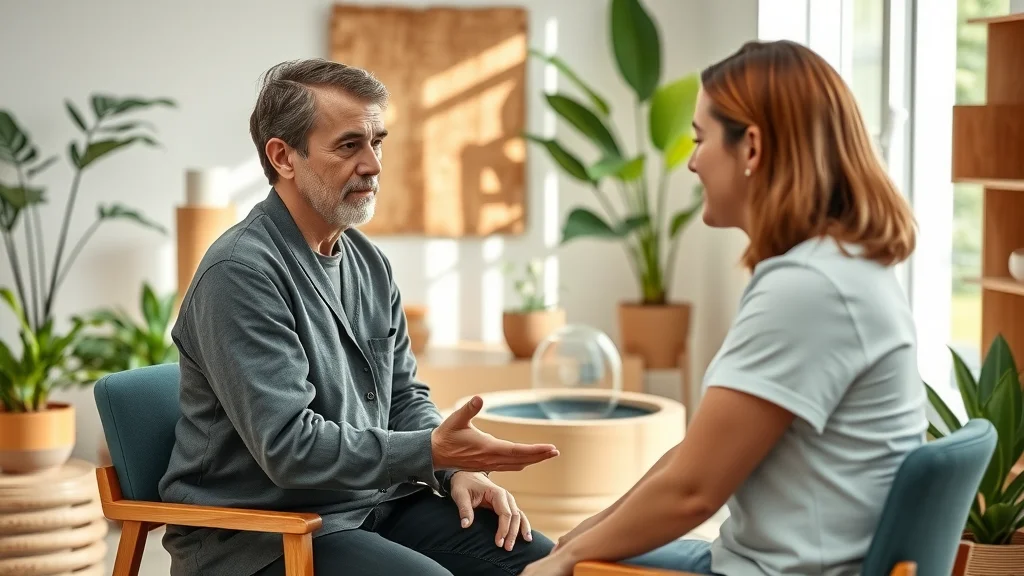
Professional holistic practitioner consulting with patient about back pain, photorealistic bright holistic clinic with natural decor, 35mm lens

What You’ll Learn About Lower Back Pain Red Flags

  • The essential lower back pain red flags to watch for
  • Why recognizing these red flags is vital for your health
  • How natural and holistic health strategies can help
  • When it’s time to seek expert help near Gig Harbor, Washington

Defining Lower Back Pain Red Flags in Holistic Care

In holistic and alternative health, a red flag is any symptom or combination of symptoms that strongly suggests a serious underlying condition—one that may not respond to natural therapies alone and might require urgent medical intervention. Examples include severe pain not responsive to rest, acute neurological changes, unexplained weight loss, fever, or new onset bowel or bladder changes accompanying low back pain. Holistic practitioners, including chiropractors and naturopaths, are rigorously trained to identify these red flags during the history and physical exam. Recognizing and acting on these warning signs ensures you receive the right care at the right time, blending the strengths of holistic and conventional medicine for a complete approach to spine health.

While many cases of low back pain result from muscle strain, mechanical issues, or stress, immediate integration with medical doctors is warranted when serious patterns—such as rapid neurological loss or indications of infection—are suspected. This collaborative approach prioritizes patient safety and ensures that those considering or using integrative solutions do not put their health at risk while benefiting from the holistic view.

Professional holistic practitioner consulting about back pain, photorealistic, bright holistic clinic, natural wood and plants, 35mm lens

For those interested in gentle, restorative movement as part of their holistic approach—especially when red flags are absent—exploring practices like Yin Yoga for sore hips can offer additional relief and support for overall mobility and comfort.

Top 5 Critical Red Flags for Back Pain and Low Back Pain

Severe or Unremitting Pain: When Back Pain Isn’t Normal

Persistent and severe pain that does not respond to rest, gentle movement, or natural therapies should never be brushed off as “just another backache. ” When back pain remains constant—especially if not relieved by rest, position changes, or holistic interventions like massage and anti-inflammatory nutrition—it can indicate a serious condition such as a spinal infection, fracture, or malignancy pressing on nerve roots or the spinal cord. Such pain may also stem from a herniated disc causing critical nerve compression, or even rare spinal pathologies requiring immediate evaluation. In holistic practice, practitioners will always conduct a thorough history and physical examination, looking for these key red flags. If severe pain is identified as out of the ordinary for your usual low back symptoms, a prompt referral to conventional care is essential, as delays could risk worsening nerve injury or untreated infection.

Worried mid-aged person wincing in pain while stretching for back pain on yoga mat, photorealistic, morning sunlight in peaceful living room, 85mm lens

Back Pain with Unexplained Weight Loss or Fever

Another red flag is back pain associated with unexplained weight loss or fever, which may indicate a systemic illness, spinal infection, or even cancer. Natural and holistic practitioners know that unexplained weight loss, especially rapid or unintentional, can signal an underlying disease process rather than simply being a result of lifestyle or diet changes. When fever accompanies low back pain, there’s a risk of a spinal infection (such as discitis or osteomyelitis), which can rapidly threaten the nervous system. The presence of these signs requires close monitoring, advanced imaging, and immediate referral to medical specialists. Although natural therapies can help strengthen overall immunity, prompt conventional assessment is the foundation for safe, integrative care in these cases.

Loss of Bowel or Bladder Control: A True Red Flag

Signs of bowel or bladder dysfunction in the context of back pain are among the most urgent red flags recognized by both holistic and conventional health professionals. This combination points toward possible cauda equina syndrome—a rare but life-threatening compression of the cauda equina nerve roots at the lower end of the spinal cord. Symptoms can include difficulty starting urination, loss of sensation “saddle anesthesia,” inability to control bowels, or profound numbness between the legs. In holistic care, practitioners act quickly; even if their approach is natural, they understand the absolute necessity of emergency referral and co-management with spine specialists if these symptoms appear.

Urgent medical care for back pain, holistic practitioner and nurse attending concerned patient with back pain, photorealistic modern holistic clinic, 35mm documentary lens

Progressive Weakness or Numbness in Legs

When back pain is combined with progressive weakness, loss of coordination, or numbness spreading through the legs, it is a crucial red flag for possible nerve root or spinal cord involvement. Such “neurological deficits” often suggest issues like nerve root compression, expanding herniated disc, or even spinal stenosis or tumor. Holistic assessment starts with a detailed neurological check—including evaluating strength, reflexes, and straight leg raise tests. If there’s clear evidence the problem is advancing, immediate collaboration with medical doctors becomes a priority. Both natural and conventional providers agree that early action here is essential to prevent permanent loss of function or mobility—delays are simply not an option.

Back Pain with a History of Cancer or Immune Suppression

Those with a history of cancer, immune suppression, or chronic infections—including patients with recent severe illness or on immune-lowering medications—should be especially vigilant about back pain. In these cases, even mild symptoms may merit thorough imaging or blood work, as there’s a higher risk of metastatic spinal disease, infection, or other complicated processes. In the holistic health field, practitioners screening for these risk factors will always refer quickly to ensure no time is lost, while offering supportive care to manage pain, build resilience, and promote overall healing in close partnership with the broader medical team.

Table: Major Lower Back Pain Red Flags and Associated Conditions

Red Flag Possible Underlying Condition Holistic Response
Severe pain Fracture, infection Immediate referral
Loss of bladder/bowel Cauda equina syndrome Co-management, emergency referral
Unexplained weight loss Systemic illness or cancer Close monitoring, referral
Progressive weakness/numbness Neurologic compromise Integrated care, referral
Fever and back pain Infection Emergency evaluation

How Natural Holistic Approaches Evaluate and Respond to Low Back Pain Red Flags

Holistic and natural practitioners excel at treating musculoskeletal discomfort, but above all, they are trained to prioritize safety when red flags arise. A holistic assessment typically combines a detailed patient history with careful physical examination, looking for neurological deficits, sudden changes, or patterns suggestive of infection or systemic illness. If there’s any suspicion of cauda equina syndrome, spinal fracture, or infection, holistic providers immediately refer patients to primary care, urgent care, or emergency specialists for advanced imaging and intervention. In the Gig Harbor area, this means you benefit from a collaborative, integrative approach—receiving the best of both worlds: gentle natural therapies for minor issues and rapid medical backup when emergencies are suspected. Your well-being and safety always come first.

This patient-centered process includes ongoing monitoring and co-management when possible. Holistic practitioners also educate their patients on what to watch for—so they feel both empowered and supported, no matter where they are on their low back pain journey. For most cases absent of red flags, the natural path offers remarkable relief and long-term preventive benefits, but patient safety is always paramount.

Holistic practitioner reviewing diagnostic reports with a patient, consultation table with natural sunlight and calming decor, ultra-realistic, 50mm lens

People Also Ask: What are 5 red flags of low back pain?

The 5 major red flags of low back pain are: severe, persistent pain; unexplained weight loss; fever or recent infection; loss of bowel or bladder control; and progressive leg weakness or numbness. Any one of these—especially in combination—should prompt you to seek urgent evaluation by a holistic or conventional healthcare provider, as they may indicate spinal infection, cauda equina syndrome, cancer, or significant nerve compression.

People Also Ask: How can I tell if my lower back pain is serious?

Lower back pain is serious if it starts suddenly, isn’t relieved by rest or natural remedies, or is accompanied by numbness, weakness, unexplained weight loss, fever, or bowel/bladder dysfunction. Holistic and conventional practitioners recommend immediate evaluation to rule out emergencies and avoid further nerve or spinal cord damage. Early intervention can be life-saving, especially for those with additional risk factors such as a past cancer diagnosis or immune system concerns.

People Also Ask: How to relieve severe lower back pain?

When red flags are absent and your provider confirms it’s safe, natural therapies can be remarkably effective for severe low back pain. Techniques include gentle stretching, anti-inflammatory nutrition (such as turmeric and omega-3-rich foods), targeted herbal remedies, therapeutic massage, and mindfulness-based pain management. Holistic practitioners tailor these strategies to your unique needs—always advising that persistent, worsening, or unusual pain requires prompt medical review. Remember, no therapy should delay urgent care if red flags are present.

People Also Ask: How to lay down with lower back pain?

For support during low back pain, try lying on your back with a pillow under your knees or on your side with a pillow between your knees. These positions help relax spinal nerve roots and relieve pressure, especially when combined with mindful deep breathing or gentle body scanning. Holistic practitioners may suggest these positions as part of a personalized plan, helping you find comfort while ruling out serious conditions.
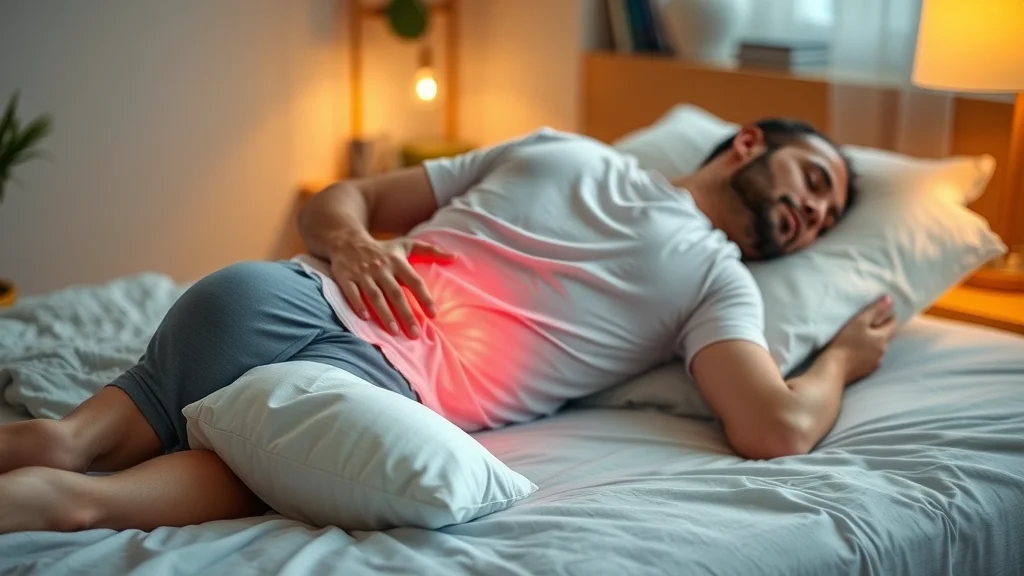
Person lying on back with pillow under knees for low back pain relief, peaceful home, photorealistic, warm bedside lighting, 50mm lens

Holistic and Natural Therapies for Low Back Pain (When No Red Flags Are Present)

  • Herbal anti-inflammatories
  • Therapeutic massage
  • Chiropractic and osteopathic adjustments
  • Mindfulness, yoga, and breathwork
  • Acupuncture and acupressure
  • Functional movement and posture retraining

When to Seek Immediate Help: Responding to Lower Back Pain Red Flags

If you notice any of the lower back pain red flags listed above, immediate evaluation by a professional is essential—even if you prefer natural and holistic therapies. In the Gig Harbor region, holistic practitioners are dedicated to collaborative care, working closely with primary care and specialists to ensure you receive the right treatment at the right time. Your safety and health must always come first, so listen to your body and act promptly if a warning sign appears.

Quote: Expert Insight on Recognizing Lower Back Pain Red Flags

"Patients new to holistic health often underestimate the seriousness of red flag symptoms. Early recognition and timely action—like consulting a qualified practitioner—can literally be life-saving."

Lists: Quick Checklist for Lower Back Pain Red Flags

  • Sudden, severe, or unrelenting pain
  • Bowel or bladder dysfunction
  • Fever or recent infections
  • Unexplained weight loss
  • Increasing weakness or numbness in the legs
  • History of cancer, immune suppression, or trauma

FAQs: Addressing Common Concerns about Lower Back Pain Red Flags

  • Can natural therapies help if I have a red flag symptom?
    Natural therapies are excellent for musculoskeletal back pain, but if you have red flag symptoms (such as loss of bowel/bladder control or unexplained weight loss), see a medical professional immediately. Holistic care can support your recovery but shouldn’t delay emergency medical evaluation.
  • How do holistic practitioners in Gig Harbor collaborate with medical doctors?
    Trusted holistic practitioners in the area work closely with primary care doctors and specialists, ensuring information is shared and your care is fully coordinated. They’ll refer you to medical services when red flags are detected while continuing to support your long-term wellness naturally.
  • What should I do if my pain worsens overnight?
    If your back pain increases substantially overnight or you develop loss of sensation, strength, or bowel/bladder function, seek emergency care without delay. Holistic practitioners recommend erring on the side of caution—don’t risk your nerve roots or spinal health by waiting.

A short educational video explaining what lower back pain red flags look like and how holistic practitioners approach assessment and collaborative care.

Demonstrates gentle, evidence-informed movements that provide relief for mild low back discomfort when red flags are absent. Use these stretches to improve mobility and comfort—but always check with your provider before starting if you have concerning symptoms.

Key Takeaways: Lower Back Pain Red Flags and Holistic Health

  • Never ignore lower back pain red flags—early intervention saves lives.
  • Holistic care complements conventional emergency assessment.
  • Choosing a natural integrative practitioner in Gig Harbor means having a partner for lifelong spine wellness.

Ready to Listen to Your Body? Book With a Trusted Holistic Health Practitioner Near Gig Harbor Today.

Take the next step toward a pain-free, vibrant life. If you recognize any lower back pain red flags, or simply seek guidance on safer, more natural ways to boost your spinal wellness, reach out to a local holistic health practitioner today. Your body will thank you for giving it the care, attention, and expertise it deserves.

If you’re eager to deepen your understanding of holistic movement and discover new ways to support your body’s healing, consider exploring how mindful practices like Yin Yoga can complement your back care routine. By integrating gentle, restorative movement into your wellness plan, you can address not only lower back discomfort but also related issues such as hip tightness and overall flexibility. For a comprehensive look at how these approaches can enhance your journey to pain-free living, visit our guide on embracing healing movement with Yin Yoga in Gig Harbor. Your path to holistic health is just beginning—take the next step with confidence and curiosity.
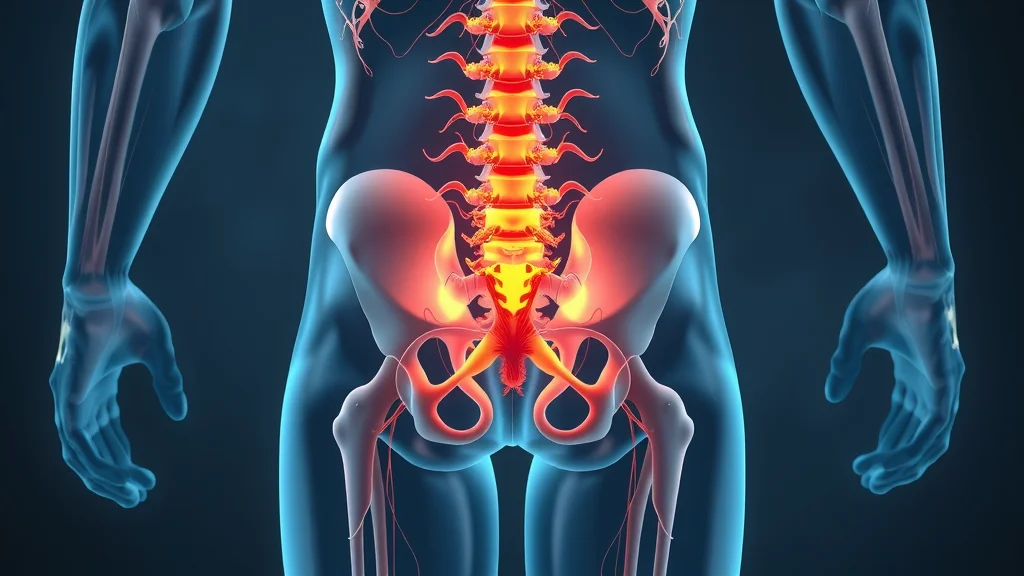

Top Chiropractor for Back Pain in Gig Harbor

1 Views

0 Comments

Write A Comment

*
*
Please complete the captcha to submit your comment.
Related Posts All Posts
09.14.2026

Can Lower Back Pain Cause Leg Pain or Numbness?

Imagine waking up to a dull ache in your lower back, only to find that as the day goes on, your leg starts to feel numb or tingling. If you’re nodding along, you’re not alone—many people in Gig Harbor and surrounding areas experience lower back pain and leg numbness together, yet few realize just how connected these symptoms are. That tingling sensation down your leg might be your body’s way of signaling a deeper spinal or nerve issue. Learning what these signs mean is the first step to lasting, holistic relief that goes beyond temporary fixes. Start Here: Recognizing the Connection Between Lower Back Pain and Leg Numbness Lower back pain and leg numbness often go hand-in-hand because of how nerve pathways travel from your spine down to your legs. When nerves in the lower spine become irritated, compressed, or pinched, symptoms like numbness and tingling can develop anywhere along the nerve’s path. This is why people experiencing lower back pain sometimes notice leg pain, weakness, or even a pins-and-needles sensation. For many in the Gig Harbor area, this frustrating cycle can disrupt daily activities—from walking to sitting at work, or even simply trying to relax at home. The key to relief lies in understanding why this happens and how to address the root causes with holistic, natural solutions tailored to your unique health journey—not just masking pain with temporary remedies. How Lower Back Pain Can Lead to Leg Numbness and Tingling When you experience lower back pain, it’s often due to some kind of irritation or compression of nerves—most notably the sciatic nerve, which runs from the lower spine through your hips and down your legs. Any pressure, swelling, or disc problem in the lumbar spine can pinch these nerves, leading not just to discomfort in the back, but also leg pain and numbness or tingling. For example, a herniated disc may bulge out and directly press on nearby nerve roots, sending abnormal signals down the leg. Similarly, conditions like spinal stenosis (narrowing of the spinal canal) often result in chronic nerve pain or burning sensations that radiate away from the lower back. Understanding these patterns is crucial if you want an accurate diagnosis and a care plan that helps support your natural recovery—not just a quick fix for surface symptoms. For those seeking gentle, movement-based relief, incorporating practices like yin yoga can be especially beneficial for easing tension in the hips and lower back. Discover how targeted yin yoga poses can help soothe sore hips and support your healing journey by exploring healing movement for sore hips with yin yoga in Gig Harbor. Daily Experiences: When Back and Leg Symptoms Disrupt Quality of Life Back and leg pain, along with numbness, can have a significant effect on your quality of life. Simple movements—such as standing up after sitting, taking a walk, or bending to pick something up—can suddenly trigger shooting pain or tingling down the leg. This type of discomfort doesn’t just interfere with daily activities or work; it can disrupt sleep, exercise routines, and even impact your mental well-being. For many, this ongoing cycle creates a sense of frustration and worry about whether permanent relief is possible. If you find yourself avoiding enjoyable activities or feeling anxious about another painful episode, holistic approaches can help restore confidence and comfort. Addressing the underlying cause, not just masking the pain, allows you to regain freedom and maintain a more active, joyful life in the Gig Harbor area. What You’ll Learn About Lower Back Pain and Leg Numbness How lower back pain and leg numbness are connected Common causes such as sciatic nerve pressure, spinal stenosis, and herniated disc Holistic and natural relief practices available in Gig Harbor, WA When to seek professional care for back and leg pain Common Causes of Lower Back Pain and Leg Numbness The main reason lower back pain and leg numbness tend to occur together lies in the complex web of nerves that pass through your spine and travel down each leg. These symptoms are frequently caused by a handful of root conditions, such as sciatic nerve compression, herniated discs, and spinal stenosis. Sometimes, muscle strain or chronic inflammation can also put indirect pressure on nerves, contributing to both lower back and leg pain. In other cases, spinal cord changes or structural abnormalities can trigger a domino effect, resulting in weakness or numbness. For lasting relief, it’s essential to identify the source of discomfort—a step that can often be overlooked when treating only the superficial pain. The Role of the Sciatic Nerve in Back and Leg Pain The sciatic nerve is the largest nerve in your body. It runs from the lower part of your back, through your hips, and continues down each leg. When this nerve becomes compressed or irritated—often by a herniated disc or tight muscles—consistent nerve pain can develop, radiating from the back down the leg. This is known as sciatica pain, and it is notorious for causing burning, numbness, and even muscle weakness in severe cases. If you’ve been diagnosed with sciatica or suspect you have these symptoms, holistic care options such as chiropractic adjustments and therapeutic movement can respond directly to the source of irritation, supporting both immediate relief and long-term healing. Understanding Nerve Pain: Herniated Discs and Spinal Stenosis A herniated disc occurs when the inner gel-like material of a spinal disc bulges out or ruptures, pressing against nearby nerves. This often results in sudden or chronic lower back pain, which may be accompanied by numbness or tingling that travels down a leg. Spinal stenosis, on the other hand, is when the spinal canal becomes narrow, compressing not only the nerves but sometimes the spinal cord itself. Pain caused by these conditions frequently worsens with walking or standing for long periods, and may ease with rest or forward bending. Both conditions are leading causes for people seeking care in Gig Harbor and require a nuanced approach for natural relief—ranging from gentle stretching to guided therapies that ease nerve compression without invasive procedures. Spinal Cord Health and Its Impact on Leg Numbness Your spinal cord acts like a central communication highway for signals sent between your brain and the rest of your body. Any disruption—whether through inflammation, degenerative changes, or trauma—can affect sensation and movement in both the back and legs. In severe cases, nerve compression or damage may cause muscle weakness or persistent leg numbness, which, if left unchecked, can interfere with balance and mobility. That’s why early assessment and holistic support for spinal health are vital. Integrative care, including bodywork, postural education, and supportive nutrition, helps restore balance and encourages the nervous system to heal naturally—helping you move forward confidently and comfortably in your daily routine. Recognizing Symptoms: Leg Pain, Tingling, or Numbness Linked to Back Pain It’s not always easy to tell when regular aches and pains turn into something that needs intervention. However, if you’re experiencing lower back pain along with recurring leg pain or numbness, there are symptoms that suggest a deeper nerve issue may be at play. These include sudden increases in back pain, persistent tingling, or weakness in the legs. Awareness of these signs can help you make informed decisions about when to seek help from a qualified holistic practitioner. Early action not only helps ease discomfort but also supports prevention of more serious nerve complications down the line. Severe or persistent leg numbness Sudden increase in back pain Loss of bladder or bowel control Muscle weakness in legs Natural and Holistic Treatment Options for Lower Back Pain and Leg Numbness For many Gig Harbor residents dealing with lower back pain and leg numbness, turning to holistic treatment options can be highly effective. These approaches address not just the symptoms but also the underlying imbalances in the body. Movement-based therapies, manual adjustments, and targeted lifestyle changes are designed to support nerve health naturally. By integrating these strategies, you don’t just manage pain; you help support the body’s innate ability to heal itself, laying the groundwork for long-term resilience and freedom from discomfort. Stretching, Movement, and Body Alignment for Nerve Pain Relief Gentle stretching and mindful movement are foundational when it comes to easing nerve pain from conditions like a pinched nerve or irritations in the spinal area. Simple routines, such as guided yoga stretches and postural exercises, help improve flexibility, increase blood flow, and support proper alignment. Regular movement helps relieve pressure on the sciatic nerve and reduces the severity of both lower back and leg pain. Many natural health practitioners in Gig Harbor recommend integrating these practices into your daily routine to enhance healing and prevent recurrence. Small changes in the way you sit, stand, or move can create a lasting difference in overall comfort and nerve health. Holistic Approaches: Chiropractic, Acupuncture, and Massage Integrative therapies like chiropractic adjustments, acupuncture, and therapeutic massage go beyond treating obvious symptoms. Chiropractic care helps restore spinal alignment, easing pressure on nerves and supporting overall spinal cord health. Acupuncture is used to reduce inflammation and enhance circulation, helping the body’s natural energy pathways function optimally. Massage therapy provides relief for tight muscles and fascia, which often contribute to nerve pain or pinched nerves. These modalities, especially when combined, help many Gig Harbor residents experience reduced pain, improved mobility, and greater well-being—all without relying on invasive procedures or medications. Always consult with a trained care provider to determine which combinations are best for your specific needs and health goals. Herbal and Lifestyle Solutions for Back and Leg Pain Herbal medicine and smart lifestyle choices can offer additional support for those living with chronic lower back and leg pain. Many holistic health experts recommend anti-inflammatory herbs and supplements to help manage swelling around the nerves. Practicing good sleep hygiene, maintaining a healthy weight, and reducing stress each day have a positive effect on the nervous system and spinal health. Integrating gentle movement, mindful nutrition, and hydration into your routine allows the body the best chance to repair itself. Working with a natural health practitioner in the Gig Harbor area means you’ll receive personalized suggestions on the safest, most effective herbal and lifestyle changes for your unique health needs. Table: Quick Reference—Lower Back Pain, Leg Pain, and Numbness Causes and Holistic Remedies Symptom Common Causes Natural Solutions Lower back pain Muscle strain, herniated disc Stretching, acupuncture, chiropractic care Leg numbness and tingling Sciatic nerve pressure, spinal stenosis Holistic alignment, herbal supplements Back and leg pain Spinal cord involvement, pinched nerve Massage therapy, yoga, healthy posture Expert Insight: Why Natural Health Practitioners Recommend Integrative Approaches “Holistic care focuses on the whole person—helping you restore not only spinal balance but also overall wellness,” says a Gig Harbor natural health expert. This expert perspective highlights the value of integrative and natural options, which aim to heal your body at every level. By looking at the whole person—not just the site of pain—holistic practitioners provide a path toward lasting relief and greater quality of life. Watch: People Also Ask: Should I go to the hospital for back pain with leg numbness? When Immediate Medical Attention is Necessary for Lower Back Pain and Leg Numbness While most cases of lower back pain and leg numbness can be managed with holistic or conservative therapies, there are a few red flags that require urgent attention. Seek immediate medical care if you suddenly lose bladder or bowel control, experience severe pain, or have complete loss of strength or sensation in your legs. These could indicate a serious issue with the spinal cord or nerves that must be evaluated by a spine specialist right away. Otherwise, recurring numbness or moderate discomfort often responds well to integrative care, but don’t hesitate to consult a care provider if you’re unsure. People Also Ask: How to stretch out a pinched nerve in the lower back? Safe and Effective Stretches for Lower Back Pain and Leg Numbness If you suspect a pinched nerve is causing your back and leg symptoms, start with gentle stretches that target the lower back and hamstrings. Avoid any movements that increase pain caused by nerve compression. Safe stretches include knee-to-chest, cat-cow, and gentle hamstring extensions, which can often be done on a yoga mat at home. Stretch slowly, never forcing your body into discomfort, and breathe deeply to maximize relaxation. Remember, stretching is most effective as part of a holistic program—it should be paired with professional guidance from a natural health expert in Gig Harbor for best and safest results. People Also Ask: Will sciatica numbness go away? Natural Recovery and Holistic Strategies for Sciatica-Related Numbness Sciatica numbness often improves with consistent, holistic care. Techniques that relieve nerve pressure, such as targeted movement, posture correction, and therapies like chiropractic or acupuncture, support the body’s ability to heal. In most cases, when the root cause—such as a herniated disc or sciatic nerve impingement—is resolved, numbness and tingling fade. However, long-lasting numbness or muscle weakness suggests more severe nerve involvement and should be evaluated quickly. Early intervention and regular care can greatly increase your odds of full recovery. People Also Ask: What is the fastest way to cure sciatica? Optimal Relief Methods: Addressing Sciatica, Lower Back Pain and Leg Numbness Holistically The most effective path to fast relief from sciatica pain is an integrative care plan. Combine gentle movement, such as yoga or stretching, with professional manual therapies like massage and chiropractic adjustments. Many experts also recommend addressing inflammation with anti-inflammatory foods and stress management. In Gig Harbor, working with a practitioner trained in multiple holistic modalities helps you customize your plan and address the unique causes of your pain, leading to faster, longer-lasting relief without over-reliance on medication. Watch: Top Natural Lifestyle Tips to Prevent Lower Back Pain and Leg Numbness Maintain good posture at work and home Take frequent breaks to walk and stretch Incorporate anti-inflammatory foods into your diet Stay hydrated and manage stress Consult a natural health practitioner regularly FAQs on Lower Back Pain and Leg Numbness What’s the most common cause of leg numbness from back pain? The most common cause is nerve compression in the lower spine—often from a herniated disc or sciatica—that disrupts normal sensation and sends tingling or numbness down the leg. Can natural remedies completely resolve nerve pain? Holistic therapies often help manage and even resolve nerve pain, especially when paired with movement, nutrition, and lifestyle changes, but severe cases may need ongoing or additional care. Are yoga and pilates beneficial for back and leg pain? Yes, yoga and pilates build core strength, improve flexibility, and promote alignment, helping to reduce back and leg pain by relieving pressure on nerves and supporting healthy movement patterns. How often should I see a natural health practitioner? Frequency depends on your symptoms and goals—many benefit from weekly or biweekly sessions at first, then shift to monthly maintenance as pain and numbness improve. Key Takeaways for Managing Lower Back Pain and Leg Numbness Holistically Lower back pain and leg numbness are often connected through nerve impingement. Holistic strategies—such as movement, expert bodywork, and nutrition—can support long-term relief. Early intervention and regular care with a qualified practitioner in Gig Harbor support a pain-free, active lifestyle. Begin Your Holistic Healing Journey: Book Your Consultation Today to Start Relieving Lower Back Pain and Leg Numbness Ready to reclaim your comfort and mobility naturally? Connect with a skilled holistic practitioner in the Gig Harbor area and begin your journey to lasting relief from lower back pain and leg numbness today. If you’re inspired to take your healing journey further, consider exploring additional holistic movement practices that target not only the lower back but also the hips and surrounding areas. Embracing modalities like yin yoga can deepen your body’s resilience and flexibility, offering a gentle yet powerful way to address chronic discomfort. For a comprehensive look at how mindful movement can transform your well-being, visit our guide on embracing healing movement for sore hips with yin yoga in Gig Harbor. This resource provides valuable insights and practical steps to help you move with greater ease and confidence as you continue your path toward holistic health.

09.12.2026

Lower Back Pain After Exercise: Sore or Injured?

Imagine you’ve just wrapped up an energizing workout—maybe a tough round of strength training or an invigorating yoga class. As the adrenaline fades, a twinge in your lower back starts to surface. Is it just the muscle fatigue you expect after challenging your body, or is this discomfort signaling a potential injury? In the pursuit of greater fitness, the difference isn’t always clear—and in a holistic, health-conscious community like Gig Harbor, knowing the difference is key to pain-free living. Understanding Lower Back Pain After Exercise Exploring the difference between soreness and injury in the lower back after exercise Why lower back pain is common after physical activity Risk factors for low back pain and back pain after strength training and lifting weights Lower back pain after exercise is an all-too-common experience, especially among those increasing their activity level or venturing into new fitness routines. The lower back, or lumbar region, is a major player in nearly every activity you perform, making it susceptible to stress, tight muscles, or even injury if not properly cared for. Distinguishing between normal muscle soreness—a natural part of building strength—and a painful injury is crucial for anyone who wants to stay active without setbacks. Muscle soreness in the lower back after strength training or lifting weights generally indicates your muscles are adapting and getting stronger. This process, called delayed onset muscle soreness (DOMS), is normal and often resolves with rest and holistic self-care. However, certain risk factors—like improper lifting form, overexertion, tight hamstrings, or weak core muscle groups—can increase your odds of experiencing low back pain that goes beyond just feeling sore. Understanding back pain, its root causes, and how it can affect your daily activities empowers you to make wise decisions for your health and wellness journey. For those seeking additional ways to address post-exercise discomfort, incorporating gentle movement practices can be especially beneficial. Exploring approaches like Yin Yoga for sore hips may offer relief not only for hip tension but also support overall flexibility and recovery, complementing your lower back care routine. What You'll Learn in This Guide to Lower Back Pain After Exercise Recognize when lower back pain after exercise is a normal response or a sign of injury Discover holistic and natural recovery strategies for sore or injured low back muscles Learn when to consult a healthcare provider, physical therapist, or holistic expert in Gig Harbor Whether you're new to physical fitness, a seasoned athlete, or exploring holistic health for the first time, this guide will clarify the difference between healthy muscle fatigue and signals that may indicate a deeper concern. You'll find trusted natural treatment strategies, tips on prevention, and guidance on when to seek expert advice. By the end, you'll have actionable steps to help you prevent lower back pain, accelerate healing, and find the best healthcare provider for your holistic needs in the Gig Harbor area. Is Lower Back Pain After Exercise Normal or a Cause for Concern? It’s only natural to wonder: Is this twinge a normal part of working out, or should it raise a red flag? Most mild lower back pain after exercise stems from muscle fatigue or tight muscles, particularly after unfamiliar or strenuous activities. However, some types of discomfort are signs that your body needs more than rest—they’re warning you of strains, sprains, or even more serious concerns. Recognizing these nuances is essential to recovery, long-term health, and injury prevention. Back pain is common after exercise, but ignoring persistent or severe symptoms can risk further damage. If your pain is mild, localized, and eases within a few days, it likely reflects normal muscle recovery. In contrast, pain that lasts longer, feels intense or radiates down your leg may signal injury to deeper structures like discs or nerves. Acting on these cues—by resting, seeking physical therapy, or consulting a holistic healthcare provider— helps people in Gig Harbor and beyond heal quickly and avoid chronic back pain. Signs of Typical Lower Back Soreness After Exercise Muscle fatigue in the lower back Mild stiffness in the low back Gradual onset post strength training or lifting weights Typical muscle soreness often appears as a dull ache or feeling of tightness, emerging within 12 to 48 hours after activity. You might notice muscle fatigue in the lower back after exercises like squats or deadlifts, with symptoms intensifying as you move or bend. This kind of soreness generally improves with gentle movement, light stretching, or heat applications that boost blood flow and help muscles back heal naturally. The key sign: the discomfort is manageable and fades within a few days as your core muscles adapt. If you only feel sore and there’s no sharp pain, debilitating weakness, or radiating symptoms, your low back is likely just responding to increased demands. Normal post-exercise tightness should allow you to perform most daily activities, even if they feel a bit more challenging. Staying consistent with your warm-up, focusing on posture and alignment, and gradually increasing activity level are some of the best holistic techniques for preventing low back pain in the future. Warning Signs Your Low Back Pain May Indicate Injury Sharp or stabbing back pain Tingling, numbness, or weakness in legs Pain persisting more than 72 hours Difficulty standing or moving Low back pain that emerges suddenly during exercise or that feels sharp, stabbing, or radiates into the legs may point to an injury. Warning signs such as tingling, numbness, or weakness in your legs often indicate nerve involvement—which requires timely attention from a healthcare provider or physical therapist. Pain that lasts longer than 72 hours, gets worse, or makes it difficult to stand, walk, or perform everyday movements is another significant red flag. Ignoring such symptoms can delay recovery and potentially lead to chronic issues, so don’t hesitate to consult a holistic expert in Gig Harbor if you notice these warning signs. You deserve peace of mind and effective, natural care—it’s always better to stop moving and seek guidance than to “work harder” through questionable pain. The right care team can perform a thorough assessment, offer individualized treatment, and get you back to your activity level safely and efficiently. Comparing Soreness and Injury: Table of Lower Back Pain after Exercise Aspect Muscle Soreness Injury Onset Gradual (12–48 hours after exercise) Sudden, during or right after activity Quality of Pain Dull, achy, or tight (muscle fatigue) Sharp, intense, or radiating pain Duration Improves within 2–4 days Persists more than 72 hours or worsens Movement Impact Stiff but manageable; daily activities possible May limit range of motion; difficulty standing or moving Additional Symptoms Mild tenderness, no nerve changes Tingling, numbness, weakness in legs Self-Care Response Responsive to rest, gentle stretching, heat/cold therapy Limited or no improvement with self-care; needs professional input Most Common Causes of Lower Back Pain After Exercise Improper form while lifting weights Overuse or overtraining of the lower back Sudden increase in physical activity or strength training Underlying conditions such as muscle imbalances or prior back pain Improper lifting form—especially during strength training or lifting weights—places unwarranted stress on the lower back muscles, quickly leading to pain or even injury. Rounding your back during deadlifts or not engaging your core muscle groups appropriately can produce strain and tight muscles. Overtraining, or doing too much too soon, doesn’t give your back muscles, ligaments, or discs enough time to recover, making it easier for pain to linger or worsen. Returning to the gym after a break or rapidly increasing your activity level can also cause lower back pain. Rapid changes in routine may overload muscles that aren’t adequately conditioned, making injury more likely. Additionally, underlying physical issues—tight hamstrings, muscle imbalances, or a history of back pain—can set the stage for future discomfort. Identifying these causes, and addressing them with holistic strategies and the expertise of a healthcare provider, is a proactive way to stay strong and mobile for years to come. When Should You Seek Expert Help for Lower Back Pain After Exercise? Role of holistic healthcare providers and physical therapists When natural or alternative treatment is effective Indicators that specialist intervention is needed While most cases of lower back pain will resolve with time, there are moments when expert help is the wisest choice. Holistic healthcare providers and physical therapists in the Gig Harbor area are equipped to evaluate your condition, provide hands-on treatments, and develop a customized rehabilitation plan tailored to your needs. Consulting a professional is essential if your pain is severe, prolonged, or paired with symptoms like numbness, tingling, or muscle weakness. Natural and alternative treatments—including manual therapy, functional movement assessment, or gentle bodywork—are often effective for mild-to-moderate back pain. These approaches can complement your self-care routine or form the foundation of a more comprehensive plan. However, should your symptoms fail to improve or if your daily activities become restricted, specialist intervention becomes critical for a safe and complete recovery. “Listening to your body and understanding the difference between muscle soreness and real injury is key to maintaining a healthy, active lifestyle,” says a leading natural health expert in the Gig Harbor area. Natural Treatment Options for Lower Back Pain After Exercise Home Care and Holistic Remedies for Lower Back Pain Gentle stretching for the low back Heat and cold therapy Mindful movement and posture correction Herbal and alternative supplements for muscle recovery Home care is often the first line of defense in managing lower back pain after exercise. Incorporate gentle stretching routines focusing on the low back, hips, and tight hamstrings to ease stiffness and improve range of motion. Alternating heat and cold therapy helps reduce inflammation and encourages blood flow—a crucial factor in muscle recovery. Pay attention to posture during all activities, from sitting to lifting weights, as mindful movement prevents recurring stress on vulnerable areas. Holistic remedies such as herbal teas (like ginger or turmeric), magnesium-rich foods, and topical applications of natural oils can further support recovery. Supplements and bodywork that promote muscular health may also relieve symptoms, provided they’re cleared by your healthcare provider. Remember, holistic healing is about treating the whole body—not just the symptom—so consider your stress level, sleep quality, and nutrition as vital components in your recovery process. Physical Therapy and Natural Rehabilitation for Back Pain Benefits of holistic physical therapy approaches Manual therapy and guided exercise for low back pain relief Integrating bodywork, massage, and functional movement in healing Physical therapy, especially when guided by a practitioner who merges holistic and conventional strategies, can fast-track healing and reduce future risk of back pain. Treatment plans may include manual therapy techniques, myofascial release, and targeted exercises to build strength in the core, glutes, and lower back. Holistic physical therapy looks beyond the symptom, addressing contributing factors like flexibility, movement mechanics, and stress habits. Adding massage, bodywork, and restorative movement sessions enhances recovery by increasing blood flow, easing muscle tension, and improving your body’s natural healing response. Your physical therapist will likely suggest functional exercises that mirror real-life activities to ensure the low back is truly ready for a return to higher-intensity movement. A commitment to this type of natural rehabilitation—tailored to your unique needs and guided by a holistic specialist—delivers long-term relief, keeps you active, and reduces the likelihood that pain is common after each workout. Preventing Lower Back Pain After Exercise: Expert Strategies Proper warm-up and cool-down techniques for the lower back Strength training routines to build core and back stability Adjusting workout intensity and frequency Prevention is always better than cure—especially when it comes to the lower back. Start every session with a dynamic warm-up, focusing on hip mobility, abdominal muscle activation, and gentle stretches for the lumbar muscles. Simple actions, like pelvic tilts and bird-dogs, prepare the back muscles to work harder without undue strain. After your workout, take time to cool down, stretch, and use mindful breathing to encourage recovery and reduce tightness. Building a routine that emphasizes core and glute strength is one of the most effective ways to prevent lower back pain after exercise. Integrate exercises that stabilize the spine, improve range of motion, and boost overall body awareness. Maintain balance between activity and recovery by staying consistent yet flexible; adjust your workout intensity and rest as needed to avoid overuse injuries. These principles are cornerstones of a proactive, holistic lifestyle for anyone eager to stay pain-free in Gig Harbor or anywhere else. “Prevention is about proactive balance. Focusing on core strength and mindful movement helps minimize low back pain risk,” advises a Gig Harbor holistic practitioner. Lifestyle Factors That Impact Lower Back Pain After Exercise The role of diet and hydration in muscle health Stress management and its effect on back pain Importance of sleep in recovery and prevention Your lifestyle choices have a powerful influence on your body’s ability to manage and recover from lower back pain. Staying hydrated and choosing a diet rich in whole foods, lean proteins, and minerals such as magnesium support muscle health, reduce the risk of cramping, and lessen inflammation. Fresh fruits and vegetables not only fuel recovery but also provide the antioxidants your body needs to manage physical stress. Chronic stress can cause or exacerbate back pain by tensing muscles, disrupting sleep, and reducing your body’s healing power. Implement relaxation techniques—such as mindfulness meditation, focused breathing, or yoga—to ease tension, improve posture, and support emotional well-being. Never underestimate the role of restorative sleep; this is when damaged tissues are repaired, energy is replenished, and your body fully heals from daily activities and physical training. Choosing a Holistic Healthcare Provider in Gig Harbor for Lower Back Pain after Exercise What to look for in a natural healthcare provider Questions to ask about holistic back pain management Integrating alternative therapy and physical therapy Finding the right holistic healthcare provider is a vital step towards long-term relief and sustainable wellness for lower back pain. Look for practitioners with specialized experience in back pain, strength training, and rehabilitation. They should take a whole-body approach, considering not only the pain but its contributing factors—activity level, nutrition, postural habits, and stress. Don’t hesitate to ask about their approach to combining physical therapy with alternative therapies like acupuncture, bodywork, or herbal remedies. When interviewing a potential provider, inquire about their philosophy on movement, injury prevention, and the integration of mind-body strategies. A qualified holistic practitioner will equip you with tools to prevent lower back pain, teach you how to ease stiffness, and create a tailored care plan that supports you at every stage. Trust, communication, and a shared commitment to natural healing are essential in your journey to staying active and pain-free in Gig Harbor and beyond. People Also Ask: Lower Back Pain After Exercise How to get rid of lower back pain after working out? Adopt gentle stretches and mindful movement routines for the lower back after exercise Apply ice or heat based on body response Consider holistic interventions like acupuncture or massage in the Gig Harbor area To manage lower back pain after exercise, start with gentle stretching and slow, mindful movement to promote blood flow and reduce tight muscles. Alternating between ice and heat can help based on what your body responds best to—cool packs reduce inflammation while heat loosens stiffness. If soreness persists, holistic therapies such as acupuncture, massage, or bodywork offered in Gig Harbor may further relieve discomfort and speed your return to pain-free movement. Always listen to your body and adjust your activity level accordingly. Does lifting weights hurt your back? Lifting weights with poor form or excessive load increases risk of lower back pain Proper technique and individualized strength training reduce injury risk Lifting weights does not have to hurt your back if performed with proper technique and appropriate loads. The risk arises when you use improper form—arching your back, letting your core muscles disengage, or attempting to lift too much weight. Focusing on gradual progression, building strength in the core and glutes, and seeking guidance from a coach or healthcare provider dramatically reduces your chance of back pain after exercise and supports a safe, effective fitness journey. Should you still exercise with lower back pain? Mild soreness may benefit from gentle exercise and stretching Persistent or severe pain warrants a pause and consultation with a healthcare provider or physical therapist If your pain is mild and feels like typical muscle soreness, gentle movement, stretching, and mindful exercise often help your back heal. However, if your lower back pain is sharp, persistent, or accompanied by symptoms like numbness or weakness, it’s safer to stop moving and consult a healthcare provider or physical therapist. They’ll help you understand the root cause and design a recovery plan tailored for you, preventing further aggravation of your low back pain. How to heal lower back strain? Rest and avoid aggravating activity in the early days Start gradual movement and holistic physical therapy as tolerated Use natural anti-inflammatory strategies when indicated Healing a lower back strain begins with rest—avoid activities that make your pain worse during the first few days. Once initial discomfort subsides, introduce gentle movements and holistic physical therapy to restore strength and flexibility. Nutritional strategies, herbal supplements, and topical anti-inflammatory remedies can support the back heal process when used with professional guidance. Listen to your body and progress at a pace that feels safe for you, seeking expert help in Gig Harbor if your symptoms don’t improve or if you’re unsure how to proceed. FAQs about Lower Back Pain After Exercise Can low back pain from exercise resolve on its own? Yes, most cases of mild soreness or minor muscle strains resolve naturally in a few days with rest, gentle stretching, and self-care. Persistent or worsening pain should be evaluated by a healthcare provider or physical therapist. Which exercises are safest for back pain prevention? Core stabilization moves (like bird-dogs and planks), hip bridges, and gentle stretching routines are safest. Focus on form and avoid high-impact or loaded bending movements until strength is built. What alternative therapies help manage lower back pain long-term? Acupuncture, massage, herbal medicine, mindful movement (such as yoga), and integrative physical therapy are all proven holistic strategies for long-term back pain management. When should I see a holistic provider instead of self-treating my lower back pain? Seek a holistic provider if your pain lasts longer than 72 hours, limits daily activities, worsens, or causes numbness/weakness. Expert assessment ensures you receive personalized and effective solutions for lasting wellness. Key Takeaways for Managing Lower Back Pain After Exercise Most cases of lower back pain after exercise improve with holistic care and mindful movement Differentiating soreness from injury can save time and expedite healing Proactive prevention, guided rehab, and choosing the right provider in Gig Harbor are vital Take the Next Step Toward Natural Healing for Lower Back Pain After Exercise Ready to begin your holistic healing journey? Book a consultation with a trusted natural healthcare expert near Gig Harbor today and start moving pain-free! If you’re inspired to deepen your holistic approach to movement and recovery, consider broadening your toolkit with practices that nurture both flexibility and resilience. Techniques like Yin Yoga not only target sore hips but can also enhance your body’s overall adaptability, making it easier to prevent and manage discomfort in the future. By exploring healing movement through Yin Yoga in Gig Harbor, you’ll discover new ways to support your back, hips, and entire musculoskeletal system. Embrace the next step in your wellness journey—integrate mindful movement, restorative practices, and holistic care for a truly balanced, pain-free lifestyle. Watch this short educational clip to learn expert-approved stretches and warm-up routines that prevent lower back pain after exercise. Follow along as the holistic specialist demonstrates safe movements in a bright, uplifting studio, suitable for beginners and experienced athletes alike.

09.11.2026

Lower Back Pain After Gardening: Why Does It Happen?

Imagine spending a satisfying day outside, planting flowers or trimming shrubs, only to have your achievement overshadowed by persistent lower back pain after gardening. This scenario is all too familiar to garden enthusiasts near Gig Harbor and beyond. Whether you’re a longtime gardener or just starting out, that stubborn ache in your lower back can sap the joy from your favorite hobby and limit your daily activities. In this guide, we’ll help you understand the underlying reasons for back pain caused by gardening, and introduce effective, natural approaches to prevent and relieve discomfort—so you can nurture both your garden and your health. A Common Experience: Lower Back Pain After Gardening Activities Too many gardeners experience lower back pain after gardening. Imagine finishing a rewarding day planting or pulling weeds, only to be greeted by a stubborn ache in your lower back. This article will help you understand why this happens and how you can address it holistically. What You'll Learn About Lower Back Pain After Gardening The most common causes of lower back pain after gardening Preventive strategies to avoid pain after gardening Natural and holistic approaches to healing and support When to seek professional help for your lower back pain Why Does Lower Back Pain After Gardening Happen? Physical Mechanics: How Gardening Motions Cause Lower Back Pain Repetitive bending and twisting Poor posture during tasks such as planting or weeding Lifting heavy objects without hip or leg support Gardening involves a lot of motion that, over time, puts stress on your lumbar spine and back muscles. Simple joys like tending to bulbs or raking leaves require frequent bending, twisting, and reaching, often in awkward positions. If your posture isn’t upright or if you tend to bend from your waist (rather than your knees and hips), you increase the pressure on the lower back, making it susceptible to mild strain or even back injuries. Lifting heavy pots, bags of soil, or garden tools without using proper body mechanics can easily result in pain or stiffness that lingers long after your outdoor work is finished. Many gardeners do not realize how seemingly gentle tasks like weeding or mowing the lawn can put a strain on critical structures—muscles, ligaments, and discs—of the lower back. Over time, poor body mechanics compound the issue, meaning a single day of gardening might be all it takes for new aches and pains to emerge. Recognizing and addressing the root causes can make every gardening session safer and more enjoyable. Who Is Most Likely to Experience Back Pain Caused by Gardening? Age-related factors Physical fitness and core strength Previous injuries or chronic conditions The risk for lower back pain after gardening increases with age, as our bodies naturally lose flexibility and muscle strength over time. Individuals with a history of back pain, chronic musculoskeletal conditions, or previous back injuries are more likely to experience back pain caused by gardening. Lack of core strength can also make the lumbar spine more vulnerable during physical activity. Even if you’re generally fit, poor conditioning of your back and core muscles can mean your daily activities put more load on your spine during repetitive or strenuous gardening tasks. Additionally, factors like improper footwear, unergonomic gardening tools, or a garden setup that requires excessive kneeling or bending add risk, especially for older adults. These underlying causes aren’t always obvious until you experience back pain, but with a mindfulness approach, you can start to identify triggers and protect your back with every season. While strengthening your core and improving flexibility are essential for preventing lower back pain, it's also important to address tightness in surrounding areas like the hips. Incorporating practices such as Yin Yoga for sore hips can complement your gardening routine by enhancing mobility and reducing overall discomfort. The Link Between Gardening and Lower Back Strain How muscles, ligaments, and discs react to gardening Recognizing early signs of pain after gardening When you’re deep in your garden work, it’s easy to lose track of posture and body mechanics. Stress on the lumbar spine during gardening can lead to stretching or small tears in the muscle fibers, inflammation of ligaments, or irritation of the discs that cushion your vertebrae. You might notice dull aches, localized sharp pains, or stiffness that intensifies after a long day outdoors. Early warning signs include pain after gardening that lasts more than a few hours or overnight soreness that affects your ability to move comfortably the next day. Noticing these signs early—like aching when transitioning from kneeling to standing or a dull throb after lifting heavy objects—can mean catching minor issues before they turn into persistent problems. Understanding these links is the first step toward holistic healing and long-term prevention, which in turn allows you to enjoy your garden for years to come. Natural and Holistic Solutions for Lower Back Pain After Gardening Stretching and Mobility Exercises for Lower Back Pain Relief Gentle Yoga Poses Dynamic Warm-ups Before Gardening Post-Gardening Cool Down Stretches Consistent, gentle movement is a cornerstone of natural pain relief. Stretch your muscles before and after gardening to increase blood flow and support joint health. For instance, starting with dynamic warm-ups like hip circles or gentle forward folds prepares the body for extended periods of bending or kneeling. Following gardening tasks, cooling down with gentle yoga poses—such as child’s pose or cat-cow—helps relieve tension in the lower back muscle and promotes flexibility in the lumbar spine. These stretches aren’t time-consuming and can prevent mild strain from progressing to more severe back injuries. Mindful movement not only supports number one goal—returning to activity—but also helps you recognize limits. Gradually integrating these rituals into your gardening routine can yield transformative results, leaving you less prone to aches, pains, and stiffness. If you are unsure where to start, local holistic practitioners near Gig Harbor can guide you with routines tailored to your needs and goals. The Role of Nutrition and Hydration in Preventing Lower Back Pain Importance of anti-inflammatory foods Staying hydrated to support spinal health Natural supplements for joint support What you put into your body truly affects how you feel after gardening. Anti-inflammatory foods—like leafy greens, berries, fatty fish, and nuts—can play a critical role in pain relief by reducing systemic inflammation, especially in the lower back. Staying well-hydrated supports disc health in the lumbar spine, helping to cushion and protect your vertebrae during physical activities like gardening, mowing the lawn, or even simple bending and reaching. Natural supplements such as turmeric, omega-3, or collagen may offer extra support for joint health, aiding the healing process. Focusing on a nutrient-rich diet, drinking plenty of water throughout the day, and being mindful of your body’s unique nutritional needs can accelerate recovery and reduce the risk of re-injury. Lakefront produce and local health markets near Gig Harbor are great spots to source fresh, healing ingredients to keep both your garden and your body thriving. Seeking Guidance from a Physical Therapist or Holistic Practitioner When professional evaluation is needed How physical therapists in the Gig Harbor area can tailor natural plans What to expect from a holistic assessment If your lower back pain after gardening becomes persistent, is accompanied by tingling or numbness, or limits your ability to perform daily tasks, it’s important to consult a physical therapist or holistic health practitioner. In the Gig Harbor area, many practitioners specialize in combining modern therapy approaches with holistic traditions to create individualized, natural pain management plans. These plans may feature targeted stretches, hands-on bodywork, and nutritional recommendations aimed at restoring optimal body mechanics and long-term health. During a holistic assessment, you can expect a thorough evaluation of your posture, movement patterns, and lifestyle. The practitioner will help you identify triggers, teach you proper lifting techniques, and suggest ergonomic tools for future gardening sessions. Working with a professional ensures your recovery is both supported and sustainable. “Visiting a practitioner who blends modern therapy with holistic traditions can make your journey to a pain-free back more supported and sustainable.” Prevention Strategies: How to Avoid Lower Back Pain After Gardening Proper lifting techniques tailored for gardening tasks Using ergonomic gardening tools Setting time limits and taking mindful breaks Wearing supportive footwear and using a garden kneeler The best way to experience back pain relief is to prevent pain from occurring in the first place. Start by learning how to lift with your legs instead of your back—bending your knees, keeping items close to your body, and avoiding twisting while lifting. Upgrading to ergonomic tools designed for gardeners can reduce the strain on your back muscle and lower back, especially for tasks that require repetitive motion or leverage, like digging or weeding. Taking regular breaks, even if you feel fine, allows your lower back to recover and your joints to decompress. Supportive footwear and a padded garden kneeler make a huge difference for those who experience back pain from kneeling or standing on hard surfaces for long periods. Small adjustments like dividing big gardening projects into several short sessions help prevent overuse injuries and allow your lumbar spine time to rest between tasks. Remember, adopting new habits can make a long time impact on your comfort and the enjoyment you get from your garden. Real Stories: Gig Harbor Residents Conquer Lower Back Pain Caused by Gardening “I never realized how much difference a few changes and natural therapies could make until I started working with a holistic practitioner in the Gig Harbor area.” Many gardeners around Gig Harbor have transformed their lives and outdoor routines by seeking holistic guidance for their lower back pain. By integrating personalized stretches, dietary changes, and ergonomic adjustments, these residents report marked improvements in both comfort and mobility. Whether it’s the satisfaction of finishing a day in the sun without pain or regaining confidence in a previously painful movement, their stories highlight the power of natural, supportive therapies and the value of working with a knowledgeable practitioner to guide your healing journey. Most report that regular sessions, lifestyle tweaks, and ongoing support made a substantial difference—no more giving up cherished hobbies due to recurring back pain caused by gardening. Their journeys prove it’s possible to reclaim every gardening moment with ease and joy. Exploring Alternative Therapies for Lower Back Pain After Gardening Acupuncture and its benefits for lower back pain relief Massage, bodywork, and craniosacral therapy Mindfulness, meditation, and guided imagery for pain management Alternative therapies can be a game-changer for those seeking pain relief that goes beyond basic home remedies. Acupuncture is well-known for reducing lower back pain by promoting circulation and triggering natural healing responses in the body. Holistic massage modalities—including craniosacral therapy and deep tissue bodywork—not only ease muscle tension but also calm the nervous system, fostering physical and emotional relaxation after a long day in the garden. For ongoing back pain, mindfulness practices such as meditation or guided imagery can shift attention away from discomfort and empower you with coping skills. These approaches are particularly helpful for breaking the cycle of stress and pain after gardening. Many practitioners near Gig Harbor incorporate these therapies, offering integrative sessions that address both body and mind. Experience a step-by-step demonstration of effective stretching and mobility exercises for gardeners. Follow along in a lush backyard setting as a friendly instructor guides you through gentle movements designed to support your lower back and restore flexibility after gardening. Holistic Lifestyle Changes to Support a Healthier Lower Back Customizing your exercise routine Home and garden ergonomics for long-term comfort Prioritizing rest and recovery Maintaining a healthy lower back isn’t just about what you do in the garden—it’s about your overall lifestyle. Customize your regular exercise routine to include strengthening for the core, hips, and lumbar spine. Small upgrades in your home environment, like ergonomic chairs or standing desks, support your posture and reinforce good habits for gardening days. Making conscious ergonomic upgrades to your gardening setup—such as raised beds or adjustable tools—also minimizes strain and encourages upright posture. Equally important is giving your body time to recover from physical activity. Allow time for adequate rest between intensive gardening projects, use mindfulness and breathwork to calm aches and pains, and embrace gentle lifestyle changes that nurture your whole well-being. Integrating holistic habits into your daily routine may prevent future back pain and ensure lasting positive results. Table: Comparing Common Causes of Lower Back Pain After Gardening Gardening Activity Potential Pain Trigger Holistic Solution Bending for Weeding Tight hamstrings, poor posture Stretching, ergonomic tools Heavy Lifting Strained discs/muscles Core strengthening, lifting technique Long Periods Kneeling Compressed joints Use kneeler, mindful posture Answering Top Questions About Back Pain After Gardening How long does it take for lower back strain to heal? Healing times can vary widely but generally range from a few days to several weeks, depending on the severity of the strain and whether holistic recovery techniques such as regular movement, gentle therapy, and proper nutrition are prioritized. What are 5 red flags of low back pain? If your back pain is accompanied by any of these symptoms, seek urgent evaluation: 1) loss of bladder or bowel control, 2) numbness or tingling in the legs, 3) unexplained weight loss, 4) fever, 5) pain that worsens at night. How to relieve herniated disc pain in lower back at home? Gentle stretching, short periods of rest, anti-inflammatory foods, and support from a holistic practitioner may help alleviate symptoms, but severe or persistent pain should be evaluated professionally. Why does my lower back hurt all of a sudden? Sudden lower back pain after gardening may result from muscle strain, improper body mechanics, or overuse. Consider rest, gentle movement, and holistic remedies. If the pain is sharp or accompanied by neurological symptoms, consult a practitioner. Watch a practical demonstration of ergonomic tools and mindful movement strategies to prevent lower back pain while gardening. Learn the best ways to care for your back, so your time in the garden remains both productive and pain-free. Key Takeaways on Managing Lower Back Pain After Gardening Listen to your body before, during, and after gardening tasks Holistic health practitioners can provide tailored therapies Prevention, natural healing, and post-activity care go hand in hand Frequently Asked Questions About Lower Back Pain After Gardening How common is lower back pain after gardening?Lower back pain is a very common experience among gardeners of all ages due to bending, lifting, and repetitive motions. Proactive prevention is key. Can natural therapies fully relieve pain after gardening?Many individuals find holistic therapies effective for both relieving pain and preventing its recurrence, especially when personalized and combined with lifestyle changes. What are best stretches to prevent lower back pain from gardening?Gentle yoga poses focusing on the hips and spine, dynamic warm-ups before gardening, and cool-down stretches after gardening can help maintain lower back health. Ready to Start Your Pain-Free Gardening Journey? Find out how booking a personalized consultation with a local holistic health practitioner can support your recovery and long-term wellness in the Gig Harbor area. If you’re inspired to take your holistic wellness journey even further, consider exploring how mindful movement practices can transform not just your back, but your entire body. Techniques like Yin Yoga, especially when focused on the hips, can unlock new levels of flexibility and comfort, making every gardening session more enjoyable. By embracing a broader approach to healing—one that nurtures both mobility and relaxation—you’ll be better equipped to prevent discomfort and recover faster. Discover how integrating gentle Yin Yoga for sore hips can complement your back care routine and support a vibrant, pain-free lifestyle in and out of the garden.

Community Business Network (CBN)

CBN boosts the online visibility of independent business owners, helping them grow a large audience of prospective customers by being recognized as a local influencer for their expertise.

CBN Builds local media channels making business owners the star they are as they become the most credible local authority and go-to source for their niche in their community.

CBN

  • Privacy Policy
  • Terms of Use
  • Advertise
  • Menu 5
  • Menu 6

CONTACT US

Website
https://cbn.media/

Email: Mark@CBN.media

Gig Harbor, Washington

MARK CLAYTON
EDITOR-IN-CHIEF


The statements and information on this website, including the statements and information contained in the videos on this website, have not been evaluated by the Food and Drug Administration. This website is offered as a public service for the reader’s informational and educational purposes only; it is not meant to substitute for medical care, prescribe treatment for any specific health condition, or diagnose, treat, cure, or prevent any disease or illness. This website has NOT verified, and does not warrant, the information listed. These listings do not constitute either an endorsement or recommendation of any practitioner or modality. This website is not liable for any act or omission of the listed practitioners, who are solely responsible for their own practice, and for the accuracy and completeness of their personal and professional information, credentials, and claims.

© 2026 CompanyName All Rights Reserved. Address . Contact Us . Terms of Service . Privacy Policy

Terms of Service

Privacy Policy

Core Modal Title

Sorry, no results found

You Might Find These Articles Interesting

T
Please Check Your Email
We Will Be Following Up Shortly
*
*
*