
Ever woken up with a stiff, achy neck, wondering if you slept wrong—or if your pillow betrayed you overnight? If your mornings are often greeted by discomfort or pain after sleep, you’re not alone. Neck pain after sleeping can quickly derail your day and impact your overall quality of life, leaving you searching for solutions that are both effective and natural. In this guide, you’ll learn why your pillow might be at the center of your discomfort and how alternative, holistic practices can help you wake refreshed—not rubbed the wrong way by neck pain.
Waking Up with Neck Pain After Sleeping: Observations and Experiences
Waking up to neck pain after sleeping is more common than many realize. It usually starts subtly—perhaps a soreness or tenderness that you brush off, only for it to intensify as the day progresses. Sometimes, it’s a sharp pain or stiffness that threatens to turn even the simplest daily activities, like turning your head or lifting a bag, into a major ordeal. Many people in Gig Harbor and surrounding communities have experienced this, and it often happens unexpectedly, regardless of age or activity level. The initial moments out of bed can feel like you’ve strained your neck muscles overnight, even when you haven’t done anything strenuous the day before.
This discomfort isn’t just a minor annoyance; it can affect your mood, productivity, and physical activity. Some notice their neck pain from sleeping comes and goes, while for others, it becomes a repeat offender every morning. Observing these patterns is important—when pain after sleep frequently interrupts your morning or persists throughout the day, it’s a signal from your body that your sleep posture or pillow may not be supporting the natural curve of your cervical spine. Understanding the root cause is the first step towards a pain-free morning.

What You’ll Learn About Neck Pain After Sleeping
- The most common causes of neck pain after sleep
- How sleep posture and pillow choice impact neck pain from sleeping
- Natural, holistic approaches to relieve and prevent neck pain after sleeping
- When neck pain after sleeping may be serious and require attention
- Answers to frequently asked questions about stiff necks and waking up sore
Understanding Neck Pain After Sleeping: Causes and Contributors
Common Causes: Neck Pain from Sleeping Wrong
Neck pain after sleeping can catch even the healthiest people off guard. One of the most common culprits is simply sleeping wrong. When your head and neck remain in an awkward position for hours, the muscles and ligaments supporting your cervical spine become strained. This may happen because of a misaligned pillow, an unsupportive mattress, or a poor sleep posture like sleeping on your stomach. Such misalignment places undue pressure on the neck muscles, sometimes compressing nerves and leading to a dull or shooting pain from sleeping. This discomfort can persist after you get out of bed, sometimes turning into lingering pain after sleep that follows you throughout the day.
Other contributors to neck pain from sleeping include tossing and turning, sudden movements while switching sleeping positions, or using pillows that don’t match your preferred sleeping position. Even stress and tension built up from your day can make your neck muscles more susceptible to tightness or stiffness overnight. Addressing these contributors holistically can not only prevent neck pain but also improve your quality of life by helping you wake up with neck flexibility and comfort. For those interested in expanding their holistic approach to pain relief, exploring gentle movement practices like Yin Yoga for sore hips can offer additional benefits for overall musculoskeletal health and flexibility.
The Role of the Cervical Spine in Neck Pain After Sleep
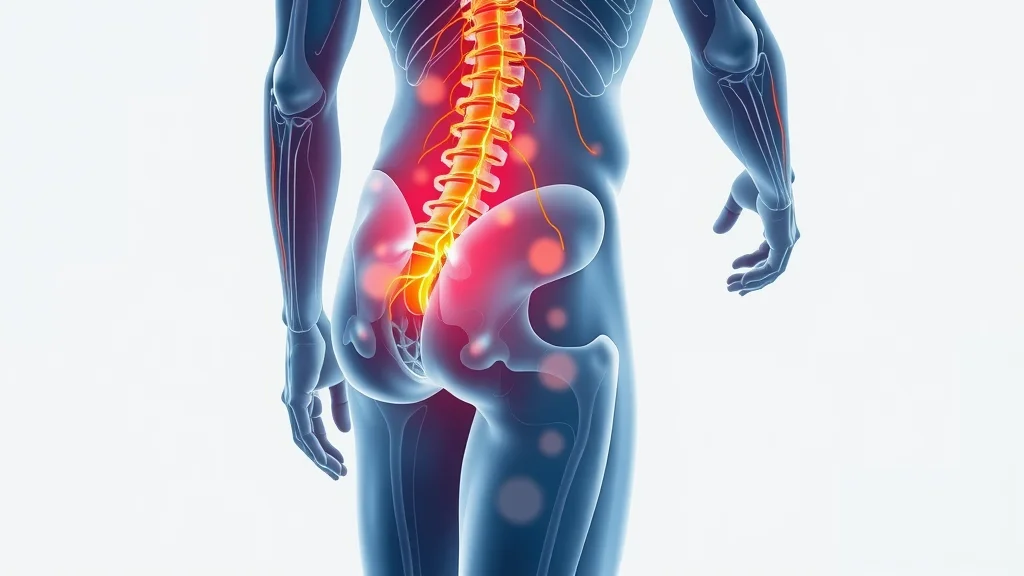
The cervical spine is the seven-vertebrae structure at the top of your spinal column, responsible for supporting your head and facilitating movement. Misalignment of the cervical spine—often from sleeping wrong or using an improper pillow—may cause or worsen neck pain after sleep. When the natural curve of your cervical spine flattens or exaggerates during sleep, it can create muscular imbalance and even nerve compression. This can result in a stiff neck, tingling sensations, or pain that radiates into the shoulders or arms.
Maintaining proper alignment of your cervical spine as you sleep is essential. Pilates, gentle yoga, and targeted stretching are natural solutions that can build strength and flexibility in the neck muscles and ligaments, making them more resilient to pain from sleeping. A focus on spinal health supports overall well-being, as it helps ensure restful, restorative sleep with minimal risk of waking up sore or stiff.

The Impact of Pillow Choice on Neck Pain After Sleeping
Is Your Pillow Causing Neck Pain After Sleeping?
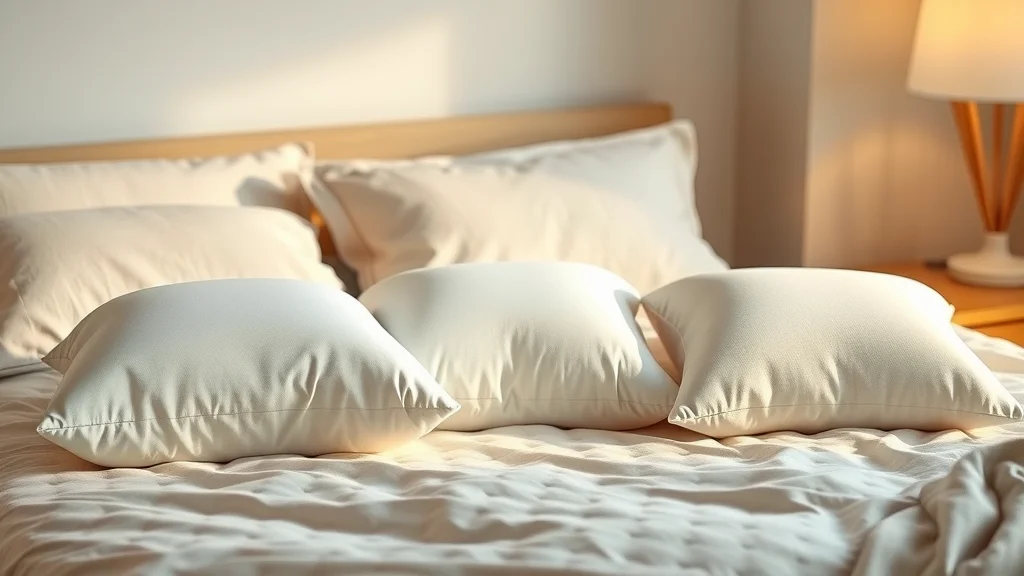
Your pillow plays a starring role in either supporting spinal health or fueling neck pain after sleeping. When your pillow fails to maintain the natural curve of the neck, or when it’s too high, too firm, or too soft, it can strain your neck muscles nightly. Most people don’t realize that the wrong pillow can force the head into unnatural angles, creating pressure that builds up into morning neck pain. If you often wake up with neck or shoulder discomfort—or you find relief only when switching pillows—your neck pain from sleeping may have a simple but powerful solution.
Even a minor change in pillow height or material can make a difference. For example, people who sleep on their side need pillows that fill the gap between head and mattress, preventing neck kinks. Natural fill or orthopedic pillows, if poorly suited to your sleep position, can just as easily contribute to pain after sleeping wrong. That’s why being intentional about pillow selection is a foundational step in comprehensive, natural care for neck pain after sleep.
Sleep Posture and Its Connection to Neck Pain After Sleep
Sleep posture directly affects whether you wake up with neck pain after sleeping. Sleeping on your stomach, though comfortable for some, often twists the head and strains neck, back, and even shoulder muscles. Back sleepers tend to fare better, as this position keeps the head, neck, and spine in better alignment, though the right pillow remains crucial. Side sleeping is also healthy, so long as your head and neck are supported to keep the spine straight.
If your habitual sleep posture is contributing to pain after sleep, consider gradually training yourself to adopt healthier positions. Small adjustments—like placing a pillow between the knees for side sleepers or using a rolled towel under your neck for extra cervical support—can help prevent neck pain from sleeping wrong. Pairing thoughtful posture with an ergonomic pillow lays the personalized groundwork for long-term relief, supporting both musculoskeletal health and restorative sleep.
Types of Pillows That May Help Prevent Neck Pain After Sleep
- Memory foam pillows designed for cervical support: These conform to the natural curvature of your head and neck, offering tailored support and reducing pressure points that can cause neck pain from sleeping.
- Orthopedic pillows for neck pain after sleeping: Engineered to cradle and align the cervical spine, orthopedic pillows are ideal for those seeking targeted relief from persistent pain or stiff neck after sleep.
- Natural fill pillows and their holistic benefits: Filled with materials like buckwheat or organic wool, these pillows are prized in alternative health communities for their breathability, resilience, and ability to support the head and neck without toxic chemicals.
How Natural and Holistic Practices Address Neck Pain After Sleeping
Holistic Approaches to Relieving Neck Pain After Sleep
Holistic solutions for neck pain after sleeping focus on the whole body, not simply the site of discomfort. This may include gentle bodywork, massage, or craniosacral therapy to restore balance to the musculoskeletal system. Techniques such as yoga or tai chi are widely recommended among natural health practitioners around Gig Harbor for improving posture, enhancing flexibility, and strengthening the neck muscles that support the cervical spine. Integrating these holistic methods can provide lasting relief for those suffering from recurring pain after sleep, while nurturing overall wellness.
Another key element is mindfulness. Guided meditation or simple breathing exercises done before bedtime can quiet the mind and release tension, reducing the chance of waking up with neck pain. Nutritional support—ensuring you receive enough anti-inflammatory foods and minerals—can also make a difference, as chronic neck pain may sometimes link back to systemic inflammation. A holistic practitioner can tailor interventions to your needs, helping you adopt new sleep, exercise, and stress management routines for sustainable healing.
Prevent Neck Pain from Sleeping Wrong: Lifestyle and Sleep Hygiene Tips
- Gentle stretching and yoga to support the cervical spine: Simple, consistent routines in the morning and before bed can maintain neck and upper back mobility, reducing the risk of strain as you sleep.
- Guided meditation and stress reduction before bed: Relaxing your body and mind lowers muscle tension and may prevent neck pain from sleeping, especially if your discomfort worsens with stress.
- Sleep environment optimization for pain after sleeping: Maintain a comfortable temperature, reduce noise, and ensure your mattress and pillow meet your needs, promoting healthy sleep posture and spinal alignment.
"Holistic care involves understanding your body’s unique needs—from pillow choices to posture habits—to address not just the symptoms, but the root causes of neck pain after sleeping." — Local Holistic Practitioner
Comparing Common Sleep Positions: Which Ones Contribute to Neck Pain After Sleeping?
| Sleeping Position | Neck and Spine Alignment | Neck Pain Risk | Comments |
|---|---|---|---|
| Back Sleeping | Neutral, supports cervical spine with proper pillow | Low-Moderate | Best for spinal health; neck pain possible if pillow too high/low |
| Side Sleeping | Aligned with suitable head and neck support | Low | Healthy if pillow fills gap; reduces snoring/acid reflux |
| Stomach Sleeping | Poor alignment, neck often twisted | High | Strains neck muscles, increases risk of pain after sleep |
Pros and Cons of Sleeping Positions for Preventing Neck Pain
Each common sleeping position has distinct impacts on neck and back health. Back sleepers, when supported by just the right pillow, often enjoy optimal cervical alignment. This minimizes the risk of strain and supports the gentle curve of the cervical spine. However, a pillow that is too thick or too flat can push the head into an unnatural angle, causing neck pain after sleeping. Side sleeping is considered safe and comfortable if you use a supportive pillow that keeps your head level with your spine—this position is also preferred for those who experience snoring or acid reflux.
Stomach sleeping, on the other hand, is most likely to cause issues. The neck is forced into rotation, compromising the alignment of your cervical spine and putting excessive pressure on your neck and shoulder muscles. If this is your go-to position and you’re experiencing persistent pain from sleeping, consider transitioning toward side or back sleeping to help prevent neck pain. Your pillow and sleep environment can make adopting healthier positions easier over time with guidance from a holistic practitioner.

Recognizing Serious Symptoms: When Neck Pain After Sleeping Requires Attention
- Persistent severe neck pain after sleeping that doesn’t improve
- Pain radiating into arms or hands
- Loss of mobility or sensation after sleeping wrong

While most neck pain after sleeping resolves with natural self-care, some symptoms require prompt evaluation. If you notice severe, recurring pain after sleep that does not go away with rest or gentle stretch, it’s time to see a professional. Additional warning signs include numbness, tingling, radiating pain into your shoulders, arms, or hands, and any weakness or loss of movement. These could indicate issues beyond muscle strain, such as nerve compression or a herniated disc. Taking neck pain after sleep seriously ensures you receive the expert, holistic care needed to prevent further complications or chronic issues.
Expert Advice: Natural Solutions for Neck Pain After Sleeping
Gentle At-Home Relief Techniques for Pain from Sleeping
- Apply a warm compress to ease stiff neck: Gentle heat therapy can relax tight muscles and improve blood flow, which helps reduce pain after sleep—simply use a warm towel for 15 minutes.
- Practice mindful neck stretches each morning: Slow, controlled stretches help relieve tension and increase range of motion, key for preventing persistent neck pain after sleeping.
- Invest in a supportive pillow tailored for neck pain: Choose a memory foam or orthopedic pillow that fits your sleep position and body size to maintain cervical spine alignment and prevent neck pain from sleeping wrong.
- Experiment with sleep posture adjustments: If you’re used to sleeping on your stomach, try training your body to sleep on your side or back for healthier head and neck alignment.
- Schedule a visit with a holistic health practitioner near Gig Harbor: An expert can offer tailored guidance, hands-on therapies, and lifestyle support for sustainable relief from neck pain after sleep.
Frequently Asked Questions on Neck Pain After Sleeping
How do you get rid of neck pain after sleeping?
To relieve neck pain after sleeping, start with gentle stretching and applying a warm compress to your neck for 10-15 minutes to relax tense muscles. Adjust your pillow to ensure it properly supports your head and neck and check that your sleep posture isn’t straining your cervical spine. If pain persists, consider consulting a holistic practitioner for tailored recommendations—natural therapies and lifestyle adjustments can provide lasting relief.
How do you get rid of a stiff neck?
Treating a stiff neck involves combining heat therapy, gentle range-of-motion exercises, and periods of rest. Avoid sudden twists or heavy lifting, and use mindful neck stretches to improve flexibility. Practicing stress management and using the right pillow can reduce recurring stiffness and support overall neck health, helping prevent neck pain after sleeping from becoming a chronic issue.
How to know if neck pain is serious?
Neck pain is considered serious if it is severe and persistent, or if you experience numbness, tingling, weakness in your arms or hands, or loss of mobility. These symptoms could indicate nerve compression or spinal issues and should be evaluated by a qualified health practitioner promptly. Don’t ignore pain after sleeping if it interferes with daily activities or gets worse over time.
How to fix a tight neck in 30 seconds?
If you wake up with a tight neck, try this quick technique: Gently tilt your head to one side, bringing your ear toward your shoulder. Hold for 15 seconds, then switch sides. Repeat once more, moving slowly and without forcing the stretch. This sequence can help release muscle tension and provide quick relief from mild stiffness caused by pain after sleep.
Key Takeaways on Managing Neck Pain After Sleeping
- Sleep posture and pillow selection are crucial for preventing neck pain after sleeping.
- Holistic, natural approaches are often effective for neck pain relief.
- Persistent or severe pain after sleeping should be assessed by a professional.
Ready to Live Pain-Free? Book a Natural Holistic Consultation for Neck Pain After Sleeping Today
Your path to waking up refreshed and pain-free can start with one step. Consider connecting with a holistic health practitioner in the Gig Harbor area for a comprehensive, natural assessment of your neck pain after sleeping. Expert care, personalized sleep guidance, and effective holistic solutions are available to help you regain comfort and live with greater ease.
Watch a wellness instructor guide you through the safest, most effective stretches for instant relief from neck pain after sleeping. Perfect for anyone seeking holistic, at-home solutions.
Learn how to select the right pillow and adopt sleep positions that support your neck health with guidance from natural health experts. Wake up renewed—every morning.
If you’re inspired to take your holistic wellness journey further, consider exploring how mindful movement and restorative practices can benefit other areas of your body. Discover the transformative effects of gentle stretching and healing movement by reading about Yin Yoga for sore hips in Gig Harbor. This approach not only supports hip flexibility and comfort but also complements your efforts to achieve pain-free, restorative sleep and a healthier, more balanced lifestyle.






Write A Comment