Gig Harbor Natural Holistic and Alternative Health

Heal Naturally. Live Fully.
  • Home
  • Categories
  • Top Chiropractor for Back Pain in Gig Harbor
  • Holistic Spas and Day Retreats in Gig Harbor
  • Yoga, Tai Chi, and Movement Classes Near You
  • Mind‑Body Therapy, Hypnosis, and Stress Relief
  • Holistic Stores, Herbs, and Natural Remedies
  • Discover Adventures and Treasures with Mark
  • Featured Gig Harbor Area Businesses
July 15.2026
1 Minute Read

What Causes Back Pain After Sitting Too Long?

Have you ever stood up after a long workday only to feel a stubborn ache in your lower back? If so, you’re not alone. Back pain after sitting has quietly become one of the most common complaints for adults in the modern world. Whether at the office, in your car, or working from a home desk, prolonged sitting can take a serious toll on your well-being. This comprehensive guide explores why your back aches after long periods of sitting—and more importantly, how holistic, natural, and alternative health approaches can help you break the cycle of discomfort for good.

Understanding Back Pain After Sitting: A Natural Health Perspective

  • Explore why back pain after sitting is a growing concern in daily life
  • Discuss the prevalence of lower back pain and its impact on well-being
  • Highlight the importance of holistic approaches to address pain when sitting

Back pain after sitting is a growing problem not just for office workers or those who sit at a desk, but for anyone who spends long periods in a seated position. As routines increasingly involve screens and less movement, the number of people experiencing lower back pain from sitting continues to climb. This isn’t just a minor annoyance—it can interrupt your focus, productivity, and joy in daily activities. From muscle strain and poor posture to deeper issues like spinal stenosis and herniated discs, the causes can be complex but are rarely isolated to one single trigger.

A holistic health approach recognizes that pain from sitting is not just a physical issue—it’s also influenced by lifestyle, stress levels, your daily environment, and even how you relate to your own body. Solutions go beyond temporary pain management, empowering you to address causes at their roots and build long-term resilience naturally. Especially in the Gig Harbor area, where natural wellness is highly valued, understanding both conventional and holistic options for back pain after sitting is the first step on the road to lasting relief.

Modern home office worker with back pain after sitting, ergonomic workspace, soft morning light, photorealistic.

What You'll Learn About Back Pain After Sitting

  • Core causes of lower back pain from prolonged sitting
  • How sitting posture and sitting position contribute to back pain from sitting
  • Holistic strategies for managing back pain after sitting long periods

By diving into this article, you’ll uncover not only the leading causes of back pain when sitting but also how specific habits—like sitting position and posture—directly contribute to discomfort. You'll learn practical, expert-approved holistic solutions you can start today, plus which natural therapies and strategies provide the best results for sustainable pain relief, better health, and a more active life.

Experiencing Back Pain After Sitting: Common Scenarios and Early Signs

  • Real-life scenarios where back pain when sitting emerges
  • Warning signals your low back pain may be related to your daily habits
  • Differentiating lower back pain from muscle strain, spinal stenosis, and herniated disc

Back pain when sitting often sneaks up during ordinary moments: a long commute in the car, endless hours at the computer, or curling up on the couch with your favorite book. At first, you may notice tightness or stiffness in your lower back or hip flexors after you stand, sometimes feeling like you can barely walk after sitting. This discomfort can become persistent, gradually turning into sharp or achy pain that lingers and worsens if left unaddressed. Recognizing these early signals is critical—catching them before they escalate helps you avoid chronic pain and reliance on medication.

It’s also important to distinguish between common lower back pain from sitting and more specific medical conditions like muscle strain, herniated disc, or spinal stenosis. Muscle strain tends to develop from repeated poor posture or sudden movements, while a herniated disc can cause shooting pain or numbness radiating down your legs. Spinal stenosis is characterized by tingling, weakness, or a heavy feeling in your legs, especially after a long period of sitting. By noticing when pain arises and identifying which activities trigger it, you’re better positioned to seek the right kind of help.

In many cases, addressing tightness in the hips can be a game-changer for those experiencing lower back pain after sitting. Exploring gentle practices such as Yin Yoga for sore hips may help release tension and restore mobility, offering a natural complement to your back care routine.

Diverse adults shifting in chairs with signs of back pain after sitting in a waiting room, photorealistic scene.

The Anatomy of Lower Back Pain: Why Your Low Back Suffers from Prolonged Sitting

Role of the Low Back and Its Susceptibility

  • How the low back supports your body when sitting
  • Connection between posture, spinal alignment, and back pain after sitting

The low back is uniquely vulnerable during prolonged sitting because it bears most of your upper body's weight, especially if your sitting posture is less than ideal. When sitting for long periods without proper support, your lumbar spine tends to round, your hip flexors tighten, and your core muscles disengage. Over time, these changes increase compression on the spinal discs and strain the lower back muscles, leaving you more susceptible to pain when sitting.

Sitting increases the cumulative stress on your spinal structures, particularly when chairs lack good lumbar support or your feet aren’t flat on the floor. Poor posture—such as slouching, crossing your legs, or leaning forward—throws your spine out of natural alignment. This, in turn, leads to imbalanced forces, muscle fatigue, and, ultimately, back pain from sitting. Maintaining a healthy sitting position with proper spinal alignment is essential for preventing issues that plague so many who sit for long periods.

Impact of Spinal Structures on Back Pain from Sitting

  • Influence of the discs, muscles, and ligaments on lower back pain
  • How herniated disc and muscle strain present as pain when sitting

The health of your spinal discs, surrounding muscles, and ligaments plays a central role in the development of lower back pain. When you stay in a seated position for a long period, your discs become compressed—especially if you’re slouched or leaning forward. Over time, this compression can lead to herniated disc, where the inner material of a disc bulges out and irritates nerves, causing pain when sitting and even numbness or tingling in the legs.

Lower back muscles and ligaments also become fatigued or overstretched with poor posture. Muscle strain happens when these tissues are overworked, leading to sharp or burning pain, especially during movement. In contrast, chronic tightness, aches, and weakness point to sustained imbalances from sitting for long periods. Addressing muscle imbalances and improving overall back muscle health are crucial steps for holistic back pain relief.

What is Spinal Stenosis and How Does It Cause Low Back Pain with Prolonged Sitting?

  • Key features of spinal stenosis in back pain after sitting

Spinal stenosis occurs when the spaces within the spine become narrowed, putting pressure on the nerves that travel through the lower back. This condition often becomes more pronounced after prolonged sitting, as the spinal channels may further constrict, leading to pain, tingling, or numbness. If you notice your lower back pain intensifies after sitting, particularly with associated leg symptoms, spinal stenosis may be involved. Early intervention with natural, non-invasive strategies can help reduce discomfort and keep you moving comfortably.
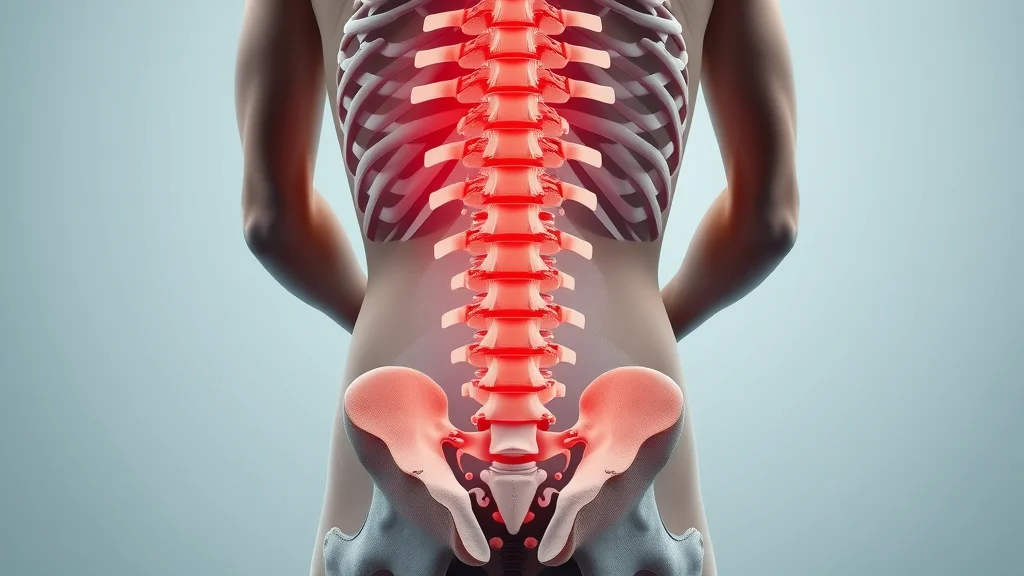
Anatomical illustration of lower back showing healthy vs. strained sitting and pain points, photorealistic medical detail.

Main Causes of Back Pain from Sitting

  • Poor posture and its cumulative effect on lower back
  • Incorrect sitting position and its connection to low back pain
  • Muscle strain, imbalance, and the risks of sitting for long periods
  • Restricted blood flow and nerve compression in prolonged sitting
  • Role of lifestyle and daily habits in pain from sitting

Back pain after sitting nearly always results from a combination of factors. Poor posture—like slumping or hunching—creates long-term stress on the lower back and related muscles. An incorrect sitting position, with an unsupported back or misaligned head, can quickly turn minor imbalances into chronic pain. Sitting for long periods reduces blood flow to the back muscles and spinal discs, leading to tightness, fatigue, and even nerve compression.

Muscle imbalances are often at the root. Tight hip flexors from sitting shorten and pull on the pelvis, while weakened core muscles provide less support for the spine. Other daily habits—such as infrequent movement, lack of breaks, or little physical activity—further compound these issues. The result is discomfort and pain from sitting that can persist even after you’re up and moving. A lifestyle rooted in natural movement, mindful sitting, and regular activity is essential for prevention and relief.

Table: Common Contributing Factors to Back Pain After Sitting

Cause How It Affects the Lower Back Holistic Health Perspective
Poor Posture Increases pressure on spinal discs and weakens supporting muscles, leading to low back pain. Correct with mindful posture checks, ergonomic adjustments, and gentle movement breaks.
Incorrect Sitting Position Cuts off circulation, overstresses hip flexors, and causes pelvic misalignment. Support natural alignment with seating aids, lumbar pillows, and education on healthy sitting.
Muscle Imbalance & Strain Causes fatigue, tightness, and sharp pain in lower back muscles after sitting for long periods. Address with stretches, mobility work, and targeted exercise guided by a professional.
Restricted Blood Flow Reduces healing and resilience in the lower back, increasing likelihood of pain when sitting. Encourage frequent breaks, regular movement, and postural variety throughout the day.
Lifestyle Habits Prolonged sitting, lack of exercise, and stress amplify the risk and persistence of back pain. Holistic solutions include breath work, mindful movement, yoga, and stress management.

Office workers demonstrating poor vs. proper posture to prevent back pain after sitting, photorealistic.

How Holistic Health Approaches Address Back Pain from Sitting

Physical Therapists & Holistic Health Experts on Pain Management

  • Role of physical therapist vs. holistic practitioner in managing low back pain
  • Natural therapies: movement, stretches, and hands-on work for pain when sitting

Both physical therapists and holistic health practitioners play critical roles in managing low back pain after sitting. A conventional physical therapist focuses on physical therapy exercises, manual therapy, and ergonomic interventions to strengthen the back and correct movement patterns. In contrast, a holistic health expert in the Gig Harbor area takes a broader approach—combining physical bodywork, natural therapies, posture assessments, and mind-body techniques to address pain from sitting at multiple levels.

Natural therapies might include hands-on work such as massage or myofascial release, customized stretching routines targeting hip flexors, lower back muscles, and posture retraining. Both approaches work best when combined for a truly comprehensive plan. By involving physical therapists and holistic practitioners together, you can address both immediate discomfort and prevent future recurrences—without relying solely on medication or invasive procedures.

The Power of Mind-Body Wellness for Lower Back Pain

  • Incorporating mindfulness and yoga for pain from sitting
  • Pain management strategies that empower you to take control

Mind-body practices, such as mindfulness meditation and gentle yoga, are powerful tools for relieving and preventing back pain after sitting. Mindfulness teaches you to recognize tension as it builds, encouraging you to adjust your posture and break the cycle before pain sets in. Yoga specifically addresses physical imbalances—lengthening tight hip flexors, strengthening core muscles, and restoring natural spinal curves.

Beyond flexibility and strength, these practices also relieve stress—a key contributor to back pain when sitting. Empowerment is central to holistic pain management: when you learn how to move, breathe, and position yourself consciously, you reclaim control over your health. In partnership with a natural health expert, these strategies equip you for lasting well-being long after you leave the clinic.

Yoga studio with person stretching for lower back pain after sitting, serene natural atmosphere, photorealistic.

Correcting Sitting Posture: Holistic Solutions for Long-Term Relief

Transform Your Sitting Position and Environment

  • Practical tips for healthy sitting posture in everyday settings
  • Adapting your workspace to minimize back pain from sitting

Setting up your environment to support a healthy sitting position is the foundation of long-term relief. Choose ergonomic chairs with lumbar support, adjust your seat so your feet rest flat on the floor, and keep your knees level with or slightly lower than your hips. Position your computer monitor at eye level to avoid leaning forward, and keep frequently used items within easy reach to reduce excess twisting or bending.

Simple changes, such as placing a lumbar cushion behind your low back, raising your monitor, or adjusting your keyboard height, can dramatically decrease strain on your spine. Bringing awareness to your sitting posture at work and home helps retrain your body for natural alignment. These foundational steps—combined with mindful daily habits—create a powerful barrier against recurring back pain from sitting.

Physical Activity and Movement as Natural Remedies

  • Best holistic stretches and exercises to combat lower back pain
  • How to include mindful movement and breaks to prevent pain when sitting

Human bodies were designed to move, not stay fixed in one position for hours at a time. Regular movement throughout the day—taking frequent breaks, standing up, walking, or stretching—keeps back muscles engaged and blood flowing. Targeted exercises, such as gentle twists, knee-to-chest stretches, and hip openers, alleviate tightness and restore balance to the lower back and hip flexors.

Mindful movement doesn’t require a gym or special equipment. A few minutes of standing stretches or a brisk walk around your office are often enough to break up long periods of sitting. The most important thing is consistency: set reminders, use a standing desk, or pair movement with a daily routine like making coffee or checking email. Over time, these small, natural remedies protect your lower back and prevent new episodes of pain from sitting.
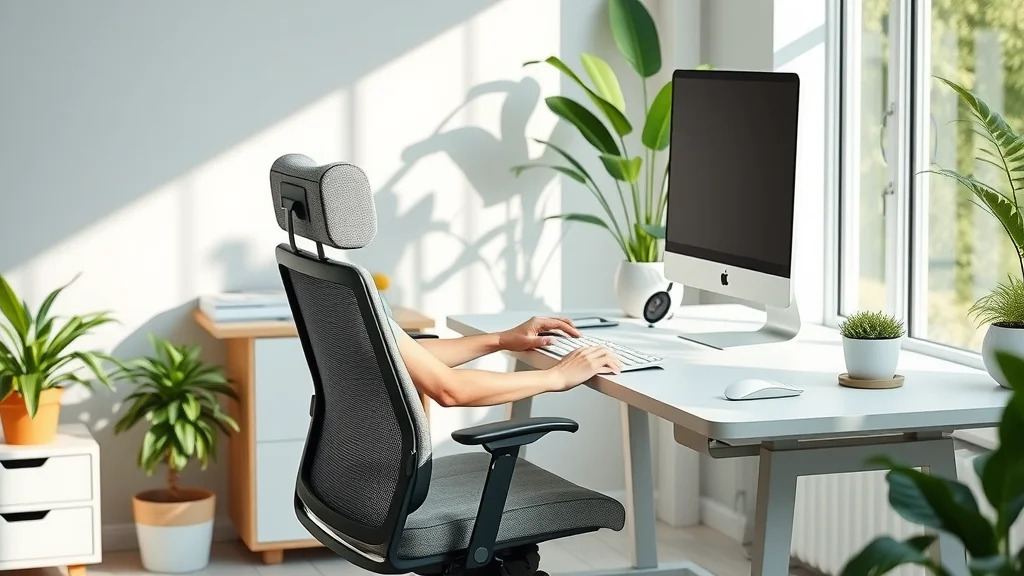
Ergonomic workspace setup with lumbar support for healthy sitting position and back pain prevention, photorealistic.

Lists: 6 Holistic Practices to Prevent and Relieve Back Pain After Sitting

  1. Ergonomic seating for optimal sitting position: Invest in a chair with lumbar support and adjust your workstation for proper alignment.
  2. Gentle mobility exercises and targeted stretches: Try hip flexor stretches, spinal twists, and glute bridges to release tension after sitting.
  3. Breath work and mindfulness to relax the low back: Practice deep belly breathing throughout the day to ease lower back muscles.
  4. Incorporating walking and movement into your daily life: Stand and walk every hour—use reminders or timers for consistency.
  5. Professional evaluation by a holistic health or physical therapist: Get personalized guidance to address your specific pain and posture habits.
  6. Adopting balanced lifestyle habits for long-term pain management: Combine nutrition, restorative sleep, stress reduction, and regular exercise for overall back resilience.

Testimonials: Real Stories of Overcoming Back Pain After Prolonged Sitting

"After years of struggling with back pain from sitting, working with a holistic health practitioner changed everything for me."
"Through natural therapies and posture awareness, I finally found lasting relief from my lower back pain."

Relaxed adult recovering from back pain after sitting, upright posture, natural kitchen setting, photorealistic.

When to Seek Professional Help for Back Pain After Sitting

  • Recognizing persistent or severe symptoms of back pain when sitting
  • When low back pain might signal a need for a holistic practitioner in Gig Harbor
  • Questions to ask holistic health or physical therapists about pain from sitting

While many cases of back pain after sitting improve with lifestyle adjustments, it’s important to recognize when professional help is needed. If your low back pain is severe, spreads into your legs, or makes everyday tasks difficult, seek an evaluation from an expert holistic health practitioner in the Gig Harbor area. This is especially true if pain persists for several weeks, worsens over time, or is accompanied by numbness, weakness, or other unusual symptoms.

During your appointment, ask your holistic health or physical therapist about the likely sources of your pain, the role of sitting position in your symptoms, and which natural therapies or ergonomic changes are best suited to your situation. An expert will perform personalized assessments and work with you to create a sustainable plan that addresses both the symptoms and the underlying causes of your pain when sitting.

Holistic health consultation for back pain after sitting, patient and practitioner in supportive setting, photorealistic.

Table: Comparing Approaches – Conventional vs. Holistic Treatments for Lower Back Pain

Treatment Approach Focus Area Expected Outcomes
Conventional (Physical Therapy, Medication) Targeted rehab exercises, pain relief, inflammation reduction Short-term symptom relief, strengthening, but may not address root causes or lifestyle factors
Holistic (Natural Therapies, Mind-Body Integration) Whole-person assessment, posture, stress, and daily habits Long-term reduction in pain, improved posture, stronger back, and greater resilience through lifestyle change

Preventative Strategies: Building Habits for a Pain-Free Back

Movement and Mindfulness for Back Health

  • Proactive actions to reduce pain from sitting
  • Lifestyle habits that support low back resilience

Prevention is the cornerstone of all effective holistic health strategies for back pain after sitting. By weaving mindful movement, posture checks, and regular activity into your daily life, you can keep your lower back muscles strong and supple. Simple changes—like setting a timer to stand every hour, practicing short breathing exercises during breaks, and alternating between sitting and standing—build habits that serve long-term back health.

A resilient low back thrives on variety: balanced exercise routines, gentle stretching, deep sleep, good nutrition, and stress management all contribute to overall spinal well-being. The most effective plans are those you can sustain and enjoy, making it easy to stick with positive changes for life. Partner with a holistic practitioner who understands your unique needs and values, especially if you live in the Gig Harbor area, to design a back care routine that truly fits your lifestyle.

Happy adults walking outdoors in park for prevention of back pain after sitting, natural health emphasis, photorealistic.

FAQs About Back Pain After Sitting

What is the difference between back pain from sitting and other types of back pain?

Back pain after sitting typically results from muscle strain, tight hip flexors, and poor posture accumulated from staying in the same position for long periods. Other types of back pain may be caused by acute injuries, trauma, or medical conditions unrelated to sitting, like arthritis or infections. Recognizing the patterns and triggers of your pain can help your practitioner recommend the most effective, tailored solution.

How does sitting posture lead to chronic low back pain?

Sitting posture plays a direct role in spinal health. Poor posture—such as slouching or sitting without lumbar support—forces the spine into unnatural curves, compresses discs, and stresses the lower back muscles. Over time, these stresses lead to fatigue, muscle imbalances, and even herniated discs or spinal stenosis, making pain from sitting more likely to become chronic unless addressed.

Are there risk factors for developing back pain after prolonged sitting?

Yes, several risk factors contribute to back pain after sitting, including sedentary lifestyles, weak core muscles, chronic stress, lack of movement, poor ergonomic habits, and previous injuries. Those who sit at a desk for their job, rarely exercise, or have a family history of spinal problems are especially susceptible. Preventative strategies and holistic interventions are vital for these individuals.

What are the holistic options for pain management if conventional methods have failed?

Holistic options for managing back pain after sitting include physical therapy with a whole-person focus, hands-on treatments (like massage or myofascial release), tailored exercise programs, yoga, breath work, and lifestyle counseling. Combining these approaches can help you regain comfort, mobility, and peace of mind—often with fewer side effects than relying strictly on medication or surgery.

Key Takeaways for Relieving Back Pain After Sitting

  • Summary of holistic solutions for lower back pain from sitting
  • Main points to remember about posture, movement, and professional help

To relieve back pain after sitting, prioritize ergonomic seating, mindful posture, frequent movement, and holistic therapies. A professional holistic health consultation in the Gig Harbor area can guide you in developing long-lasting solutions that address body, mind, and daily habits for a pain-free life.

People Also Ask: Why does my back hurt when I get up from sitting?

  • Many experience back pain after sitting due to stiffness, muscle imbalances, or nerves being compressed. Adjusting your posture and introducing gentle stretching before rising may help relieve this discomfort—consult a holistic health professional if the pain persists.

People Also Ask: Why can I barely walk after sitting?

  • Lower back pain after sitting can cause tightness and decreased mobility, making it difficult to walk immediately. Gradual movement, stretching, and holistic intervention can alleviate these symptoms.

People Also Ask: Is it better to sit or stand with lower back pain?

  • Alternating between sitting and standing, along with mindful movement, can often relieve low back pain. Finding a comfortable, ergonomic position is key—consult a holistic practitioner for personalized advice.

People Also Ask: When to worry about lower back pain?

  • If lower back pain after sitting is severe, persistent, or accompanied by other symptoms, it’s time to seek expert holistic care in the Gig Harbor area for a thorough evaluation.

Book Your Holistic Consultation for Back Pain After Sitting

  • Ready to take the next step toward a pain-free life? Reach out to a Gig Harbor-area holistic health professional today for a personalized, natural solution to your back pain after sitting.

If you’re eager to deepen your understanding of holistic movement and discover new ways to support your body, consider exploring how gentle practices like Yin Yoga can transform not just your hips, but your overall mobility and comfort. Embracing mindful movement is a powerful next step for anyone seeking to prevent or relieve back pain from sitting. For a more comprehensive approach to natural healing and to unlock additional strategies for lasting relief, visit our guide on embracing healing movement with Yin Yoga in Gig Harbor. Your journey to a healthier, more resilient back can start with just a few mindful stretches and a commitment to holistic self-care.

Top Chiropractor for Back Pain in Gig Harbor

0 Views

0 Comments

Write A Comment

*
*
Please complete the captcha to submit your comment.
Related Posts All Posts
07.13.2026

Why Does My Back Pain Keep Coming Back?

Imagine opening your eyes at sunrise, only to be greeted by that same stiff, aching sensation in your lower back—again. For many in the Gig Harbor community, chronic and recurring back pain isn’t just a nuisance; it can undermine everyday joy, disrupt routines, and make even simple tasks a challenge. But what makes this pain so persistent? Let’s dig into the root causes, risks, warning signs, and natural ways to put recurring back pain behind you for good. Scenario: Living With Recurring Back Pain in Gig Harbor Imagine waking up to the familiar discomfort of lower back pain every morning. This scenario is all too common for many in the Gig Harbor area—here’s why it may be happening to you. What You'll Learn About Recurring Back Pain Understand the causes of recurring back pain Recognize red flags and when to seek professional evaluation Explore holistic and natural treatment options for low back pain Discover how pain management and prevention can help you live pain-free Learn how to choose the right holistic health practitioner for chronic back pain in Gig Harbor Table: Comparing Common Causes of Recurring Back Pain Cause Symptoms Triggers Holistic Solutions Poor Posture Achy, stiff low back, neck discomfort Long periods of sitting, desk work Posture correction, ergonomic assessment, targeted stretching Chronic Muscle Tension Dull/aching pain, tightness Stress, inactivity, repetitive strain Massage therapy, relaxation techniques, exercise routines Facet Joint Dysfunction Sharp localized pain, reduced mobility Sudden bending/twisting, aging Manual therapy, chiropractic care, gentle mobility exercises Previous Injury Recurrent episodes, weakness Physical activity, lifting, aging Physical therapy, strengthening, injury risk education Poor Sleep & Stress Morning pain, widespread aches Sleep deprivation, anxiety, fatigue Sleep hygiene, mindfulness, stress management, nutrition Understanding Recurring Back Pain: What Makes Low Back Pain Return? Why Do I Keep Getting Recurring Back Pain? Possible underlying issues (posture, stress, muscle weakness) Structural vs. functional causes of low back pain Lifestyle factors and chronic back pain in daily life Recurring back pain is rarely random. Most often, it’s rooted in overlooked causes such as postural imbalances, chronic muscle weakness, high stress, or lifestyle choices common in the Gig Harbor area. If daily habits don’t support spinal health, the risk of chronic low back pain rises. Sitting for hours at a desk, lifting without proper technique, or not allowing enough time for recovery after strenuous activities can all place stress and repeated pressure on your spine, contributing to persistent pain episodes. It’s important to distinguish between structural back pain—often due to injury, herniation, or anatomical changes—and functional back pain that arises from muscle tension, poor movement patterns, or imbalances exacerbated by stress and inactivity. Structural issues may demand medical or surgical intervention, while functional pain often responds well to holistic strategies and physical therapy. Chronic back problems usually have both elements at play, so a comprehensive approach is critical for relief. “Recurring back pain can be both physically and emotionally draining—it’s essential to identify the underlying patterns for true healing.” Incorporating gentle movement practices can be especially beneficial for those dealing with persistent discomfort. For example, exploring Yin Yoga for sore hips offers a restorative approach that not only targets hip tension but also supports overall spinal health, making it a valuable addition to your holistic back pain routine. Back Pain and Chronic Back Pain: Key Risk Factors Identifying Risk Factors for Lower Back Pain Sedentary lifestyles in the Gig Harbor region Obesity and the importance of weight loss in pain management Previous injuries and chronic back issues Several major risk factors set the stage for recurring back pain. Living or working in Gig Harbor, where the climate and culture often encourage indoor, sedentary lifestyles during cooler months, can lead to weakened postural muscles and chronic low back pain. Carrying extra weight increases the load and pressure on your spine, putting you at greater risk for pain episodes, especially when combined with poor sleep habits and lack of regular movement. Addressing weight loss as part of a pain management plan is critical; even modest reductions can ease strain on the lower back. A history of prior injuries, such as past strains, sprains, or sports-related problems, further compounds your risk of chronic back pain. These issues may seem resolved but can lay dormant, flaring up during times of stress, increased activity, or changes in your environment. Building resilience through physical therapy and mindful movement, and seeking help from a chiropractor or manual therapist, reduces recurrence and builds a stronger foundation for long-term spinal health. Is Daily Back Pain Normal? Daily discomfort vs. chronic back pain: how to tell the difference When recurring back pain signals a deeper health concern Many people dismiss daily back pain as a normal part of adult life, but persistent discomfort isn’t normal and could be a warning sign of something deeper. Occasional soreness after a long hike or a day’s work is expected, but if your back pain is present daily or gets worse over time, it’s time to look for underlying causes and chronic issues. Ongoing pain may stem from unresolved injuries, poor posture, or undiagnosed medical conditions that deserve proactive, holistic evaluation. Ignoring regular back pain can allow minor dysfunctions to evolve into more complex or chronic problems, diminishing your mobility and quality of life. If your pain is interfering with sleep, forcing you to change your daily activities, or comes with other symptoms like numbness or weakness, don’t wait. Effective solutions exist—and early intervention from a reputable holistic care provider in Gig Harbor can help stop the cycle before it gets worse. Five Red Flags of Recurring Back Pain What Are Five Red Flags of Back Pain? Unexplained weight loss accompanying low back pain Night pain unrelieved by rest Neurological symptoms (weakness, numbness) History of trauma or cancer Fever with lower back pain Prompt action: When to seek urgent attention for chronic back pain There are critical signs, or red flags, that everyone with recurring back pain must know. These include unexplained weight loss, persistent pain at night that doesn’t improve with rest, new neurological symptoms like numbness, tingling, or muscle weakness, any history of trauma or cancer, and the presence of fever alongside back pain. Each of these points to a potential underlying condition that requires immediate evaluation by a qualified care provider or spine specialist. If you experience any of these red flags with your recurring pain, don’t delay—prompt consultation with a healthcare provider will ensure that serious causes are addressed without hesitation. Ignoring these signs can lead to significant health complications or the worsening of potentially reversible conditions. Is Your Recurring Back Pain Serious? Recognizing When to Seek Help How to Know if Back Pain Is Serious Warning signs for chronic back pain that needs evaluation Role of a spine specialist or pain specialist in Gig Harbor Long-term complications of ignoring recurring back pain Recurring back pain is your body’s way of signaling that something isn’t right. Serious warning signs—such as persistent pain lasting longer than several weeks, changes in bladder or bowel control, dramatic decreases in mobility, or any of the five red flags—warrant prompt evaluation. A spine specialist or holistic pain specialist in Gig Harbor can provide a thorough assessment, using holistic diagnostic methods that look beyond symptoms to assess your lifestyle, posture, stress levels, and nutrition. Delaying care may lead to chronic back pain becoming harder to treat, increasing the chance of long-term complications such as nerve damage, reduced mobility, or even permanent loss of function. Working with the right expert ensures that you’ll receive a customized treatment plan focused on both easing pain and correcting the root cause. Early intervention is the key to breaking the pain cycle and restoring your well-being. “Persistent or worsening pain means your body is asking for advanced assessment. Don’t delay seeking guidance from a holistic health expert.” Natural & Holistic Approaches to Recurring Back Pain Holistic Pain Management for Chronic Back Pain Physical therapy and targeted exercises for low back pain Manual therapy and bodywork (massage, chiropractic, acupuncture) Stress reduction, lifestyle changes, and nutrition The most sustainable pain relief often comes from natural and holistic solutions. Pain management in a holistic context isn’t about masking symptoms with pain relievers, but about resolving underlying imbalances and promoting healing. Physical therapy, for instance, uses targeted exercises to strengthen the core, realign the spine, and enhance everyday movement patterns that reduce pressure on your spine. Manual therapies—such as massage, chiropractic adjustments, and acupuncture—can ease tight muscles, restore healthy joint function, and improve nerve flow. Coupled with nutrition coaching (for example, adopting anti-inflammatory dietary habits), stress reduction techniques (like mindfulness meditation), and regular movement, these approaches are well suited for those in Gig Harbor seeking long-term relief without dependence on medications or invasive procedures. Alternative Medicine and Non-Invasive Pain Treatment Herbal supplements and natural anti-inflammatory approaches Mind-body medicine: meditation, yoga, and breathwork For many, the path to overcoming recurring back pain includes alternative medicine approaches. Herbal anti-inflammatory supplements (used with guidance from a qualified practitioner) can support pain reduction, while nutritional shifts—more plants, fewer processed foods—result in less internal inflammation and greater overall healing. Mind-body practices such as yoga, meditation, and breathwork target both physical and emotional contributors to pain. By encouraging body awareness, reducing stress hormones, and enhancing flexibility, these treatments can break the chronic pain cycle. If you’re open to non-invasive, gentle options, these natural methods offer complementary support to core therapies. Physical Therapy and Self-Care Plans for Recurring Back Pain Effective Physical Therapy for Lower Back Pain How corrective exercises target chronic back pain Examples of physical therapy routines you can start at home Physical therapy remains one of the most effective treatment options for chronic back and low back pain. Trained therapists assess your specific weaknesses and teach corrective exercises that target pain at its source—restoring core strength, stabilizing the spine, and retraining movement patterns to prevent future pain episodes. The right program will be personalized, progressive, and easy to integrate into your daily life in Gig Harbor. At home, you can start with gentle stretches like the cat-cow pose, pelvic tilts, or child’s pose to keep your spine supple and promote circulation. Incorporating daily stretches and strengthening exercises not only offers pain relief, but also builds the resilience necessary to guard against recurring pain. Consistency is key: regular movement and mindful exercise are transformative tools for anyone suffering from chronic back pain. Daily Habits and Lifestyle Factors That Affect Recurring Back Pain Posture correction for relieving low back pain Activity modifications to avoid common triggers Supportive footwear, ergonomic workspaces, and sleep strategies Weight loss and its impact on chronic back pain prevention Change begins with small steps. Correcting your posture—sitting upright, keeping feet flat on the ground, and shoulders relaxed—can dramatically ease low back pain over time. Evaluate your common triggers: maybe it’s standing too long, running in old shoes, or sleeping on an unsupportive mattress. Smart modifications, like using a lumbar pillow, choosing supportive footwear, and upgrading your workstation, can all reduce the pressure on your spine. Achieving and maintaining a healthy weight is another vital layer of prevention. Weight loss relieves chronic back pain by decreasing the load on the low back, reducing inflammation throughout the body, and supporting more effortless daily movement. Simple routines, healthy choices, and attention to body mechanics go a long way in breaking the cycle of recurring pain. When to See a Specialist for Chronic Back Pain Should You Visit a Spine Specialist or Pain Specialist in Gig Harbor? How specialists diagnose chronic back pain Benefits of receiving care from a holistic health practitioner If recurring pain persists beyond a few weeks, is severe, or resists self-care, it’s wise to consult a spine or pain specialist—especially one skilled in holistic health for the Gig Harbor community. Specialists use a combination of medical history, movement assessments, and in-depth questions about your daily routines to pinpoint both root causes and aggravating factors behind your chronic pain. A holistic pain specialist goes beyond standard diagnostics—they look at the entire person, considering lifestyle, nutrition, environmental triggers, and even emotional well-being. Their treatment options may include personalized physical therapy, alternative medicine, manual therapy, and strategies for long-term pain management. Partnering with such an expert ensures you receive care tailored specifically to your needs and regional health challenges. Choosing the Right Holistic Health Practitioner for Recurring Back Pain Qualities to look for in a pain management provider Questions to ask about a practitioner’s approach to chronic back pain Why local knowledge of Gig Harbor health challenges matters Finding the best holistic health practitioner for recurring back pain is essential for achieving lasting results. Look for a provider who takes time to listen, values thorough assessment, and offers individualized pain management plans that fit your lifestyle and goals. Ask about their training and experience with chronic back and low back pain, as well as the natural, non-invasive treatment options they use. Experience with region-specific challenges—such as common occupational hazards, climate-related activity patterns, and familiarity with Gig Harbor’s health resources—ensures that your care is truly personalized. The right practitioner will empower you to take an active role in your healing, providing both knowledge and encouragement on the journey to a pain-free life. “A great holistic practitioner empowers you with both knowledge and customized care to break the cycle of recurring back pain.” Frequently Asked Questions About Recurring Back Pain Why do I keep getting recurring back pain? Lifestyle habits, improper posture, insufficient sleep, and unresolved past injuries all contribute to the return of lower back pain. A holistic approach can break this cycle. What are 5 red flags of back pain? The five red flags are unexplained weight loss, night pain, neurological issues, trauma history, and fever—all warranting prompt medical attention. Is daily back pain normal? No. Daily pain may signal chronic back problems that deserve evaluation and holistic treatment from a specialist. How to know if back pain is serious? Seek help if there's persistent pain, neurological changes, or any of the five red flags. Timely intervention from a holistic health expert is vital. Key Steps for Managing Recurring Back Pain Holistically Seek expert holistic evaluation for recurring back pain Integrate pain management techniques into your routine Address lifestyle and risk factors for chronic back pain Stay proactive—don’t wait for pain to escalate Choose practitioners specializing in natural approaches for long-term benefits Summary: Move Toward a Pain-Free Life in Gig Harbor Recurring back pain doesn’t have to dictate your life. By understanding causes, recognizing warning signs, and choosing the right holistic practitioner in the Gig Harbor area, you can reclaim wellness and comfort. If you’re ready to take your healing journey further, consider how integrating mindful movement and restorative practices can amplify your results. Exploring approaches like Yin Yoga not only addresses hip and lower back tension but also nurtures your body’s natural resilience and flexibility. For those seeking a deeper dive into gentle, holistic movement, discover how Yin Yoga can transform sore hips and support your back health. Embracing these advanced techniques can be the next step toward lasting comfort and a more vibrant, pain-free life in Gig Harbor. Ready to Embrace Holistic Healing? Book Your Appointment Today! Review local holistic practitioners and start your journey to a pain-free life in Gig Harbor.

07.05.2026

How Movement and Community Can Transform Lives: Insights from a Chiropractor in Gig Harbor

Update Discovering the Meaning Behind MovementIn the pursuit of health and well-being, the role of movement often transcends mere physical exercise. For Dr. Chuck Dauphinee, a Halifax-based chiropractor, it embodies healing, self-confidence, and community connection. His journey began in mechanical engineering, where he cultivated a fascination with movement and complex systems, which later pivoted toward the human body after a life-altering back injury. Professionals deemed his weightlifting days over, but rather than accept defeat, Dr. Dauphinee explored healthcare avenues that aligned with his passion for remaining active and helping others.Through chiropractic care, he not only regained physical capability but also revitalized his zest for movement. This transformative experience propelled him into a dual role as a chiropractor and a community builder.Serving the Community Through SportA milestone in his career came in 2026 when he was awarded the Distinguished Public Service Award, recognizing his significant contributions to musculoskeletal health among Canadians. Dr. Dauphinee's unique perspective as a proud member of the 2SLGBTQIA+ community adds depth to his mission in healthcare. His advocacy for inclusivity in sports embodies his commitment to creating spaces for connection and belonging.While growing up in Nova Scotia, Dr. Dauphinee found himself in a landscape dominated by hockey—a sport that, while beloved, often left him feeling alienated due to its prevailing culture. Through overarching societal expectations and cultural norms that dominate youth sports, many individuals can struggle to find their place, highlighting the importance of understanding diverse identities in creating supportive environments.Cultivating Safe Spaces for AllAfter years away from the sport, he ventured back onto the ice, seeking leagues that might feel different from his formative experiences. When these attempts yielded little success, Dr. Dauphinee took matters into his own hands, organizing a hockey group that catered to individuals from various backgrounds. This initiative became much more than a grassroots effort; it evolved into a community where individuals felt safe and accepted. As he recruited friends and fellow health practitioners through social media, he witnessed an encouraging surge in participation.This grassroots movement not only allowed him to reconnect with his love of hockey but also positioned him as a leader who understands the importance of empathy and self-acceptance in sports. Dr. Dauphinee articulated the emotional depth of this journey, stating, "Watching those athletes grow into themselves was profoundly rewarding. I was not just organizing drills; I was part of a collective experience of healing and self-discovery." His approach underscores the dual role of being a facilitator and a participant in this community.The Impact of Healthcare in SportsDr. Dauphinee's background and expertise in chiropractic care enabled him to bring valuable insights into how to create an inclusive and supportive sports environment. Just as he guided his team through drills, he provided mentorship and knowledge sharing that contributed to their growth as athletes and individuals. This reflects a broader understanding of how teamwork and communication can craft an empowering atmosphere and lead to personal and shared successes.It’s crucial for communities, especially in places like Gig Harbor, to embrace individuals from all walks of life in both health and sports arenas. Initiatives like Dr. Dauphinee’s can help bridge the gap between diverse identities and create a stronger sense of unity. In an era where mental health struggles continue to rise, nurturing places where individuals feel valued and accepted is vital.In Conclusion: The Need for Inclusivity in HealthAs we look at both health and sports, it becomes clear that establishing welcoming environments can have profound impacts on personal development and community bonding. Dr. Dauphinee's journey illustrates the healing power of movement—not just in physical prowess, but in emotional and social well-being. His story stands as a testament to the necessity of creating inclusive spaces where everyone can truly feel a sense of belonging.If you find yourself in need of guidance regarding movement or health, consider seeking chiropractic care. A chiropractor in Gig Harbor can provide tailored approaches to back pain treatment, neck pain relief, and overall wellness strategies that accommodate individual needs.

05.20.2026

Recognizing Excellence: 2026 CCA Awards Highlights Chiropractic Success

Update A Celebration of Chiropractic Excellence in Canada The Canadian Chiropractic Association (CCA) recently held its National Convention & Tradeshow in Halifax, Nova Scotia, where it celebrated the achievements of remarkable chiropractic professionals. The 2026 CCA Awards highlighted the dedication, innovation, and compassion of individuals who have made significant strides in the field, reinforcing the CCA's commitment to fostering a healthier Canada. This year, the awards received a record number of nominations, making the selection of awardees a highly competitive process. Honoring Outstanding Chiropractors Among the honorees, Dr. Judy Forrester received the prestigious National Medal of Merit. With over forty years of service, Dr. Forrester has not only excelled in clinical practice but has also taken on leadership roles in various organizations, contributing to the advancement of chiropractic standards in Canada and the world. Her work at Synergea Family Health Centre exemplifies her dedication to a holistic and integrative approach in healthcare, making her a beacon of inspiration in the chiropractic community. Dr. Reginald Gates was honored with the Lifetime Achievement Award, recognizing his extensive contributions to patient care and the regulatory frameworks that uphold chiropractic integrity. His diverse experience spanning various professional roles highlights the importance of leadership in establishing public trust and advancing the profession. Innovation in Chiropractic Research The Researcher of the Year award went to Dr. Carol Cancelliere, celebrated for her groundbreaking efforts in chiropractic research, particularly in applying artificial intelligence to enhance patient care. Her focus on complex issues such as concussion and back pain positions her at the forefront of evidence-based advancements that have the potential to reshape how chiropractic treatment is delivered, ensuring a healthier population. Understanding the Future of Chiropractic Care The landscape of chiropractic care is changing, and the recognition of significant contributions by professionals such as Dr. Forrester and Dr. Gates illuminates its potential. As health-minded individuals consider their options for back pain treatment or spinal adjustments, knowing who leads the field is essential. This new generation of chiropractors emphasizes patient-centered care, evidence-based practices, and a commitment to community health that resonates strongly with residents of Gig Harbor, Washington. Whether seeking neck pain relief or integrated wellness solutions, patients can look to these leaders for inspiration and guidance. Taking Action: Connecting With Local Chiropractors The recognition of these exemplary professionals illustrates the significance of chiropractic care in addressing both acute conditions and holistic health. For those in Gig Harbor looking for effective treatments—whether sports injury care or chronic sciatica therapy—the CCA Awards shed light on whom to visit for quality care. Engage with local chiropractors committed to advancing patient wellness using the best practices highlighted by award recipients. Explore your options and consult with a chiropractor Gig Harbor who embodies the excellence celebrated by the CCA. Embrace a proactive approach to your health by leveraging the expertise of these community-focused professionals!

Community Business Network (CBN)

CBN boosts the online visibility of independent business owners, helping them grow a large audience of prospective customers by being recognized as a local influencer for their expertise.

CBN Builds local media channels making business owners the star they are as they become the most credible local authority and go-to source for their niche in their community.

CBN

  • Privacy Policy
  • Terms of Use
  • Advertise
  • Menu 5
  • Menu 6

CONTACT US

Website
https://cbn.media/

Email: Mark@CBN.media

Gig Harbor, Washington

MARK CLAYTON
EDITOR-IN-CHIEF


The statements and information on this website, including the statements and information contained in the videos on this website, have not been evaluated by the Food and Drug Administration. This website is offered as a public service for the reader’s informational and educational purposes only; it is not meant to substitute for medical care, prescribe treatment for any specific health condition, or diagnose, treat, cure, or prevent any disease or illness. This website has NOT verified, and does not warrant, the information listed. These listings do not constitute either an endorsement or recommendation of any practitioner or modality. This website is not liable for any act or omission of the listed practitioners, who are solely responsible for their own practice, and for the accuracy and completeness of their personal and professional information, credentials, and claims.

© 2026 CompanyName All Rights Reserved. Address . Contact Us . Terms of Service . Privacy Policy

Terms of Service

Privacy Policy

Core Modal Title

Sorry, no results found

You Might Find These Articles Interesting

T
Please Check Your Email
We Will Be Following Up Shortly
*
*
*