
You’re driving through Gig Harbor, the day is calm, and then—out of nowhere—a jolt from behind. You check yourself: no immediate neck pain, no dizziness, just rattled nerves. But days later, you wake up with stiffness and an aching neck and upper back. This is the hidden challenge of whiplash neck pain: symptoms that sneak up well after the event. This article unveils why symptoms can be delayed, how whiplash injury affects your neck, and how natural, holistic care in Gig Harbor paves the road to real recovery.
Understanding Whiplash Neck Pain
Whiplash neck pain is a unique type of discomfort that can take anyone by surprise. After events like car accidents or sudden jolts, many individuals initially feel fine—only to experience significant neck pain or neck strain hours, or even days, later. Understanding the mechanics behind a whiplash injury is critical for early intervention, as delayed symptoms may increase the risk of persistent symptoms and prolonged discomfort. Armed with the right information, you’ll be better equipped to identify warning signs early and seek out the most effective, natural pathways to healing.
This guide will walk you through what happens to the neck during a whiplash injury, why many people experience delayed onset symptoms, and how to navigate holistic treatment options—specifically crafted for those living in or near Gig Harbor. Whether you’re seeking alternatives to conventional care or want to make an informed choice about which natural holistic health practitioner to trust, everything you need to start your recovery journey is here.
What Is Whiplash Injury and Neck Strain?
Whiplash injury refers to a strain or sprain of the neck resulting from a sudden, forceful movement—typically neck movement that rapidly whips back and forth. The most common cause is a car accident, but sports injuries and falls can also trigger this condition. The sudden motion overstretches and sometimes tears the delicate muscles, ligaments, and tendons that support your cervical spine.
Unlike straightforward neck pain from poor posture or tension, whiplash injuries often involve a combination of symptoms: stiffness, headaches, limited mobility, and even upper back pain. These may not appear immediately after the incident, further complicating self-diagnosis. Sometimes, people dismiss mild symptoms, attributing them to stress, only to realize later they are dealing with real consequences of neck strain that require a targeted treatment plan.
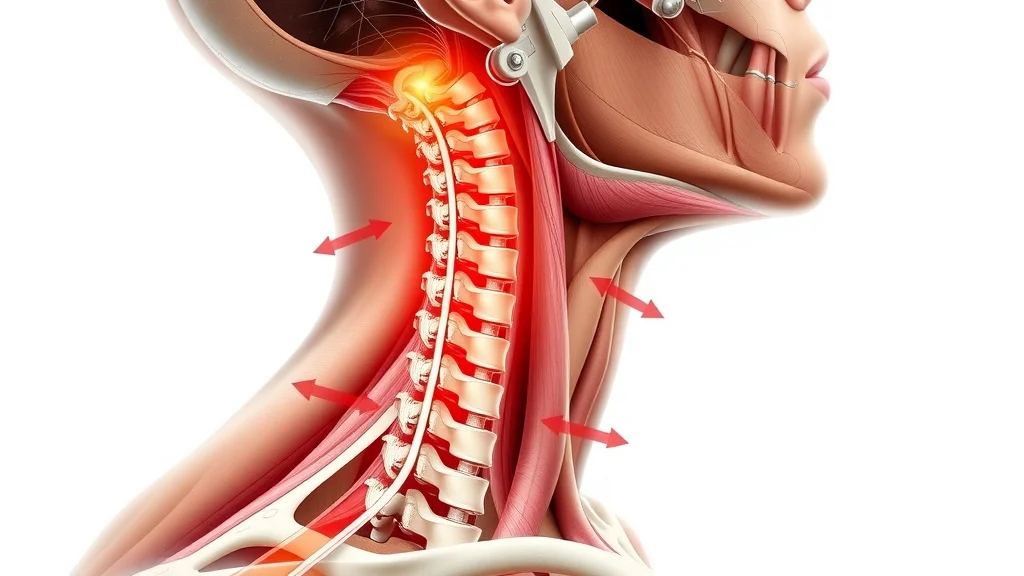
How Whiplash Injuries Affect the Neck and Spine
During a whiplash injury, a powerful force snaps the head and neck in a rapid acceleration-deceleration motion. This quick movement forces the cervical spine into extreme positions of hyperextension and flexion, stretching muscles and ligaments beyond their normal range of motion. Soft tissue damage and microtears may not cause immediate pain, but inflammation builds over time, and nerves become increasingly sensitive.
The interconnected structures of the neck—muscles, nerves, joints, and intervertebral discs—make whiplash neck pain complex to manage. Poor healing or lack of early care increases the risk of persistent symptoms and chronic pain, such as headaches, back pain, and recurring difficulties with neck movement. Early recognition and holistic intervention are essential in minimizing long-term repercussions for your neck and upper back health.
Common Myths About Whiplash Neck Pain
Many mistakenly believe that whiplash injuries are always immediate or severe enough to notice right away. In reality, it’s common for neck pain to be delayed, intensifying only after the body’s stress response subsides. Additionally, there’s a myth that whiplash is a trivial injury that always resolves on its own. Unfortunately, without proper treatment, some individuals develop persistent symptoms and even risk complications such as herniated discs or nerve irritation. Finally, it is often assumed that rest alone is adequate, which ignores the importance of holistic, guided physical therapy and mind-body integration.
Dispelling these myths is crucial—knowing that whiplash neck pain can develop gradually, linger, and benefit from early holistic care empowers you to seek help before symptoms persist.
What You'll Learn About Whiplash Neck Pain
- Why whiplash symptoms may be delayed
- Key signs and symptoms of whiplash neck pain
- Natural and holistic approaches to whiplash injury recovery
- When to seek medical attention for neck pain
- Tips for choosing natural holistic health practitioners in Gig Harbor
Scenario: The Delayed Onset of Whiplash Neck Pain
Imagine leaving a local parking lot after a minor collision. No one seems hurt, and you even turn your head with relative ease. Yet, as the days pass, neck pain creeps in—moving your head is suddenly uncomfortable, and you notice stiffness when you wake up or fatigue by afternoon. This is the reality of delayed whiplash injuries; they don’t always make themselves known right away, especially when adrenaline and stress hormones mask early discomfort.
The delay in symptoms isn’t a sign of insignificant injury. Instead, it’s your body’s way of keeping you functional under stress. Many seek help only when daily life becomes impacted—by which time, more comprehensive care is often required. Early awareness, especially after an accident, can help you prevent chronic pain and the risk of persistent symptoms with prompt intervention.
In addition to addressing neck pain, many individuals find that holistic movement practices can support recovery from related musculoskeletal discomfort. For example, gentle modalities like Yin Yoga have been shown to ease tension and promote healing in areas such as the hips, which often become tight after injury or prolonged immobility. If you're interested in exploring how mindful movement can complement your recovery, consider learning about healing sore hips with Yin Yoga in Gig Harbor as part of a holistic approach.
An Experiential Look at Post-Accident Whiplash Injury
Those who’ve experienced whiplash injury often report a pause between incident and discomfort. Initially attributing their neck pain to normal soreness or stress, the reality only sets in when headaches, dizziness, or even difficulty concentrating begin to appear. Daily tasks, from looking over your shoulder while driving to sleeping comfortably, become increasingly difficult.
The emotional toll is equally important—waiting for pain to pass can lead to frustration and stress as persistent symptoms disrupt routines and affect mood. Addressing these issues early by consulting a holistic practitioner in Gig Harbor can provide not just pain relief, but an integrated approach to wellness and recovery.

"Many people walk away from a fender bender feeling fine, only to wake up days later with debilitating neck pain."
Symptoms of Whiplash Neck Pain: What to Watch For
Identifying the symptoms of whiplash early gives you a proactive edge. These may differ for each person, ranging from mild annoyances to more intense discomfort. While some experience pain immediately, others only notice issues once inflammation peaks. Common delayed symptoms don’t only impact the neck, but may radiate to the upper back and even cause blurred vision or balance challenges.
The most defining feature of whiplash neck pain is its ability to evolve. A subtle ache can intensify, transitioning into limited range of motion or recurring headaches. Left unchecked, the risk of persistent symptoms rises—making it all the more vital to intervene with holistic and natural remedies early on.
Common and Delayed Symptoms of Whiplash Injury
- Stiffness and soreness
- Headaches
- Dizziness
- Fatigue
- Limited mobility
Symptoms can span beyond just physical pain. Some people experience irritability, sleep disturbances, or even trouble focusing. The unpredictability underscores the need for care options that treat the whole person—body and mind. With each passing day of untreated neck strain, the duration of recovery can lengthen. Recognizing early signs and pursuing support from skilled practitioners in Gig Harbor is key.
Why Symptoms of Whiplash Can Be Delayed
The delay in whiplash injury symptoms is largely due to the body’s natural stress response. Immediately after an accident, your body releases adrenaline and other stress hormones that temporarily suppress pain and inflammation. Once these chemicals dissipate, inflammation and nerve sensitivity can take center stage.
As the body works to heal damaged tissues, hidden microtrauma becomes more apparent—from pain and swelling to muscle tightness and loss of range of motion. Additionally, the brain may initially “gate” pain signals—protecting you until you are safe, before allowing more intense symptoms to surface. Understanding these physiological processes helps explain why seeking early, holistic care makes a substantial difference in managing neck pain and preventing long-term complications.
The Physiology Behind Delayed Whiplash Neck Pain
The root cause of delayed whiplash neck pain lies in a complex physiological cascade. The combination of inflammation, muscle strain, and nervous system responses all contribute to evolving symptoms. This dynamic process underscores the importance of early detection, consistent monitoring, and integrative care tailored to each phase of recovery.
Understanding the interplay of these factors is crucial—realizing how a seemingly minor incident can ripple into more profound discomfort days later. This knowledge allows individuals and practitioners alike to form structured recovery strategies to deal with neck pain and avoid the risk of persistent symptoms.
Inflammation, Muscle Strain, and Nervous System Response
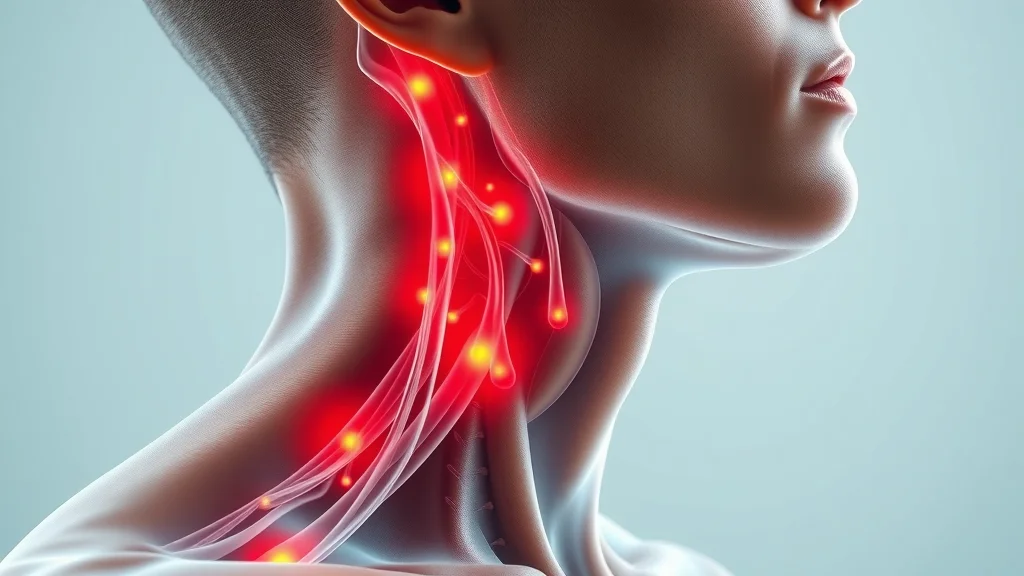
After a whiplash injury, the neck muscles and soft tissues undergo immediate stress—even microscopic damage to fibers and nerves. Inflammation, the body’s way of starting the healing process, can manifest gradually, peaking over 24-72 hours. This swelling increases nerve sensitivity, leading to symptoms such as stiffness, limited mobility, and referred pain into the upper back or shoulders.
The nervous system plays an equally significant role. Pain signals may be temporarily suppressed by adrenaline, but as the body relaxes, these signals intensify, alerting you to injury. Persistent inflammation without effective intervention fuels the risk of persistent symptoms. Proactive holistic care and gentle movement strategies work with your body’s healing timeline, encouraging tissue repair and minimizing chronic issues.
Neck Pain and Injury Progression Over Time
In mild cases, whiplash neck pain subsides after a few days or weeks with proper care. But for others, symptoms may worsen or linger, especially without early intervention. The longer pain and inflammation persist, the more likely you are to develop compensatory movements that strain the neck and upper back further.
Chronic cases can lead to muscle imbalances, reduced range of motion, and heightened sensitivity. Over time, even simple activities—like looking over the shoulder—become difficult. With natural, integrative care, patients in Gig Harbor can break this cycle, restore healthy neck movement, and return to an active life much sooner.
Natural and Holistic Treatments for Whiplash Neck Pain
- Herbal remedies
- Homeopathic support
- Gentle movement therapies
- Mind-body practices
Holistic approaches to whiplash neck pain offer relief without relying solely on medication or immobilization. Herbal remedies such as arnica or turmeric, homeopathic treatments aimed at reducing inflammation, and mindful movement therapies (like yoga or Tai Chi) form a multi-pronged strategy. Mind-body practices, such as meditation and guided breathing, also support the body’s ability to heal.
For those in the Gig Harbor region, finding a practitioner who blends physical therapy techniques with holistic principles creates a more comprehensive path to pain relief and recovery. These experts design personalized treatment plans that reduce the risk of persistent symptoms and focus on sustainable health for your neck and upper back.
Effectiveness of Physical Therapy and Natural Approaches
Physical therapy is a cornerstone of both conventional and holistic recovery from whiplash injuries. Gentle, supervised exercises help restore mobility, rebuild muscle strength, and reduce scar tissue formation. When paired with holistic treatments like herbal compresses or mindfulness techniques, these approaches not only alleviate neck pain but also help manage the psychological stress that often accompanies recovery.
Research and clinical experience show that a holistic, patient-centered approach leads to faster improvement, greater satisfaction, and lower recurrence of chronic pain. The combination of evidence-informed movement, natural remedies, and ongoing practitioner support is especially valued by those seeking integrative care in the Pacific Northwest.
"Combining holistic care with guided physical therapy helps many patients lessen whiplash neck pain faster and more naturally."

Whiplash Injury Recovery: Choosing a Practitioner in Gig Harbor
Selecting the right practitioner in Gig Harbor is pivotal for effective and lasting recovery from whiplash neck pain. A natural holistic health practitioner stands out by offering more than just symptom management—they treat the entire person and promote lifestyle changes, not just isolated injuries. Unlike a traditional medical center, holistic practitioners customize their approach based on your unique body, medical history, and healing preferences.
To get the most effective, individualized care, consider practitioners who use evidence-based methods and are experienced in treating whiplash injuries. Personalization is key; your treatment plan should reflect not only the physical trauma but also address chronic pain, stress, and overall wellness. Gig Harbor is home to many such professionals guiding those who want to move beyond temporary fixes to lasting, pain-free health.
What Sets Natural Holistic Health Practitioners Apart
Natural holistic practitioners focus on whole-body healing rather than just symptom suppression. They collaborate with you to design a plan that combines hands-on therapies, nutrition, lifestyle advice, and emotional support—aimed at supporting recovery beyond the acute phase. This method reduces the risk of persistent symptoms and lays the foundation for a healthier, more resilient neck and spine.
With a holistic provider, you aren’t just another case of neck pain—you’re treated as an individual. This approach resonates with those seeking a deeper, more lasting solution to whiplash injury by targeting root causes and empowering you to take an active role in your health journey.
Questions to Ask When Selecting a Holistic Provider
- What is their experience with treating whiplash injuries?
- Do they offer customized neck pain treatment plans?
- Are their methods evidence-informed?
These questions help you determine whether a potential provider is equipped to support your neck pain recovery effectively and holistically. Ask about their knowledge of integrating physical therapy with herbal or mind-body practices, and how they individualize care for each patient. The answers will help guide you to the right fit in Gig Harbor, ensuring trust and confidence along your path to healing.
When to Seek Medical Attention for Whiplash Neck Pain
While most cases of whiplash neck pain resolve with holistic care, there are situations where prompt medical attention is required. Recognizing urgent symptoms and knowing when to coordinate care between holistic and conventional providers can significantly reduce complications, ensuring your health and safety.
If symptoms worsen despite home care, or you notice troubling issues such as severe headaches, neurological symptoms, or difficulty moving your limbs, immediate consultation is advised. A collaborative approach between your holistic practitioner and a local medical center ensures a seamless continuum of care.
Red Flags and Urgent Symptoms to Watch For
Don’t delay medical assessment if you experience any of the following after a whiplash injury: Loss of consciousness Tingling, numbness, or weakness in arms or legs Severe or worsening headaches Problems with vision or difficulty speaking Bladder or bowel dysfunction Should these appear, visit a qualified medical center or emergency provider immediately. Early evaluation and the use of diagnostic tools like scans may be crucial for preventing lasting damage.
Coordinating Care Between Holistic and Medical Centers
Collaborative care is the gold standard for managing complex cases of whiplash neck pain. A trusted holistic practitioner will communicate with conventional medical professionals as needed, ensuring that your recovery plan is safe and comprehensive. This is especially important if your symptoms persist or if new issues develop.
Establishing care in both domains can optimize healing— natural therapies ease pain and support wellness, while mainstream medicine addresses any serious complications. In Gig Harbor, many practitioners work hand-in-hand with local providers, providing a bridge between holistic principles and advanced medical resources.
People Also Ask: Answers to Common Whiplash Neck Pain Questions
How long does whiplash neck pain last?
The duration of whiplash neck pain varies; many people begin to improve within a few weeks with proper holistic care, but chronic cases may take longer depending on the severity of the whiplash injury and the body’s healing response. Early intervention—especially approaches that include gentle movement, manual therapy, and natural remedies—often results in a shorter recovery window. However, if persistent symptoms continue beyond several weeks, additional assessment and a more advanced treatment plan may be required.
What is the best thing to do for whiplash?
Gentle movement, rest, natural remedies, and early interventions from holistic practitioners experienced in neck pain are the best initial steps for managing whiplash injuries. Immediate immobilization is rarely advised; instead, supporting the body with evidence-informed mind-body practices, supervised physical therapy, and holistic support leads to better, longer-lasting outcomes. Personalized treatment ensures your needs and risk factors are fully addressed.
What are the four stages of whiplash?
The four commonly recognized stages include: hyperextension, flexion, recoil, and recovery. Each stage describes the movement your neck undergoes during a whiplash event and relates to how whiplash neck pain might progress. Understanding these phases helps both patients and practitioners design safer, more effective strategies for managing pain and returning to normal activities.
How long after whiplash can you exercise?
Light, guided exercise under the supervision of a holistic practitioner or physical therapist may begin within days, once acute inflammation subsides, but always tailor to individual recovery from whiplash injury. Early movement stimulates blood flow, reduces stiffness, and prevents long-term complications, provided it respects the body’s limitations. Regular reassessment is necessary to safely advance activity and ensure a full return to function.
Holistic Recovery Roadmap: Steps to Healing Whiplash Neck Pain Naturally
- Seek a thorough evaluation from a knowledgeable natural holistic health practitioner
- Follow a personalized neck pain relief plan
- Integrate gentle physical therapy and holistic methods
- Monitor symptoms and adapt the recovery plan as needed
This roadmap ensures your recovery is active, intentional, and tailored to your unique needs. Working closely with a local holistic practitioner in Gig Harbor provides access to continuous support, gentle guidance, and integrative tools that make dealing with neck pain far more manageable.

Comparing Conventional and Holistic Approaches to Whiplash Neck Pain
| Approach | Focus | Typical Treatments |
|---|---|---|
| Conventional | Symptom management | Medication, bracing |
| Holistic | Whole-body healing | Lifestyle, mind-body, natural therapies |
While conventional care often focuses narrowly on symptom management (painkillers, anti-inflammatories, or bracing), holistic approaches embrace whole-person healing with lifestyle changes, herbal supports, and gentle physical therapy. Many residents of Gig Harbor find that combining both—especially with a practitioner who knows how to harmonize traditional and alternative therapies—leads to the best results in resolving whiplash neck pain.
FAQs: Whiplash Neck Pain and Natural Healing
- Can alternative therapies help chronic whiplash injury?
- Are there specific supplements recommended for neck pain?
- How do natural practitioners in Gig Harbor approach delayed whiplash symptoms?
Alternative therapies such as acupuncture, chiropractic adjustment, and herbal supplementation can be powerful additions to any whiplash injury recovery plan. Practitioners may suggest magnesium or anti-inflammatory botanicals to complement gentle movement work. Programs in Gig Harbor always include a careful evaluation and a commitment to evidence-informed, integrative protocols. If you’re seeking detailed supplement guidance, consult a local holistic provider for recommendations tailored to your body and medical history.

Key Takeaways for Managing Whiplash Neck Pain
- Whiplash neck pain often appears hours or days after injury
- Early holistic care leads to better recovery from whiplash injuries
- Gig Harbor offers skilled practitioners focused on gentle, natural approaches
- Always seek professional help for prolonged or worsening neck pain
Start Your Recovery from Whiplash Neck Pain Today
Ready to live pain-free? Book a consultation with a trusted Gig Harbor holistic practitioner and take the first step toward natural whiplash neck pain relief.
If you’re inspired to take a more proactive role in your healing journey, remember that holistic recovery is about more than just addressing pain—it’s about restoring balance and resilience throughout your body. Exploring additional integrative practices, such as mindful movement or targeted yoga, can further enhance your recovery and help prevent future discomfort. For those interested in expanding their toolkit for natural healing, discovering how gentle approaches like Yin Yoga can transform not only sore hips but also overall mobility may offer valuable next steps. Embrace the opportunity to deepen your wellness journey and unlock new levels of comfort and vitality by integrating holistic movement into your routine.







Write A Comment