
Imagine starting your morning filled with hope, only for persistent lower back pain after sleeping to shatter that fresh start. For countless adults, especially those seeking more holistic health in the Gig Harbor area, waking up with morning back pain is an everyday reality. If your spirit feels ready for a new day but your lower back makes those first steps daunting, you’re in the right place. This comprehensive guide will show you why your lower back hurts after sleeping and how you can take back control—naturally and holistically.
Waking Up with Lower Back Pain After Sleeping: Everyday Reality for Many
Opening Observations: The Experience of Morning Back Pain
It’s a story familiar to many: The sun streams through your window, you take a deep breath, and yet the first thing you notice is a dull ache or sharp twinge radiating from your lower back. Morning back pain after sleep is not merely inconvenient—it can color your entire day, influence your energy, and even make you hesitant to get out of bed. Whether this discomfort is a new experience or a regular unwelcome visitor, you’re not alone. Many in the Gig Harbor region share this struggle, particularly those who really value natural, long-term solutions over temporary fixes. By understanding what’s causing your lower back pain after sleeping, you’re empowered to seek the right kind of expert help and adopt new routines that can make lasting changes.
Morning back pain doesn’t discriminate by age or fitness level—it can strike anyone. However, its root causes often differ from daytime aches that develop after a long day. Factors like poor sleep position, improper spinal alignment, and even the quality of your mattress all converge during those hours of rest and can significantly impact how you feel in the morning. Let’s begin by exploring these common problems before diving deeper into how you can achieve pain relief and a brighter start to your day.
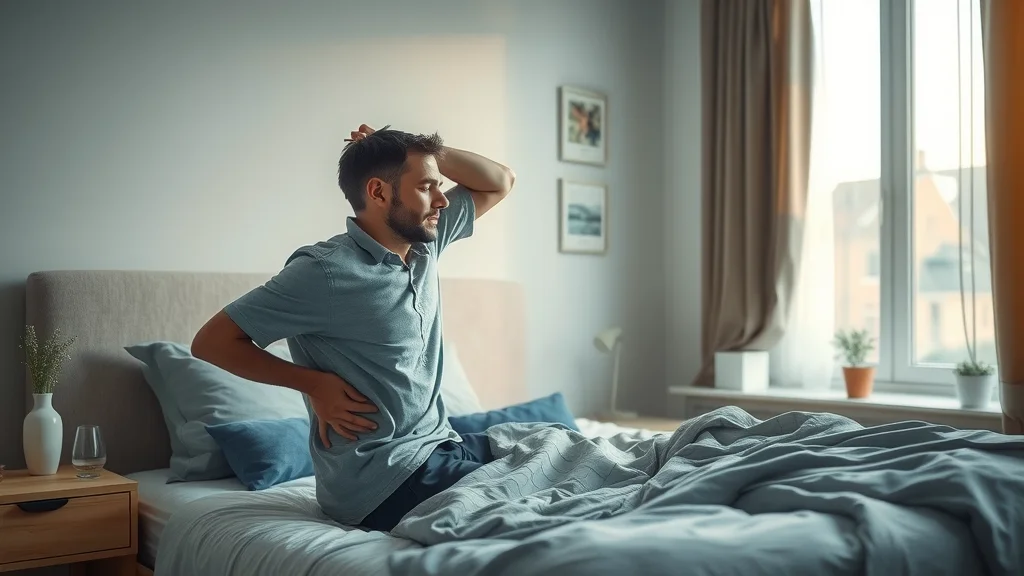
- Imagine waking up in Gig Harbor, refreshed in spirit, but your lower back pain after sleeping makes those first steps daunting. You're not alone—this experience affects countless people who value natural, holistic well-being.
What You’ll Learn in This Guide About Lower Back Pain After Sleeping
- Common causes of lower back pain after sleeping
- How sleep position and mattress type impact lower back pain
- Natural, holistic strategies for pain relief
- When to seek help for lower back pain
- How to choose the right holistic health practitioner in the Gig Harbor area
Quick Overview: Types and Causes of Lower Back Pain After Sleeping
| Type of Cause | How It Impacts Your Lower Back | Possible Natural Solutions |
|---|---|---|
| Muscle Strain | Leads to morning back pain and stiffness | Gentle stretching, heat therapy, proper sleep position |
| Poor Sleep Position | Increases pressure on the lower back | Adjust sleeping position, add pillows for support |
| Mattress Issues | Lack of support can worsen lower back pain | Consider replacing mattress, use natural mattress toppers |
| Underlying Medical Condition | May cause persistent lower back pain after sleeping | Consult holistic practitioner for diagnosis |
The Science Behind Lower Back Pain After Sleeping
How Sleep Position Affects Lower Back Pain After Sleeping
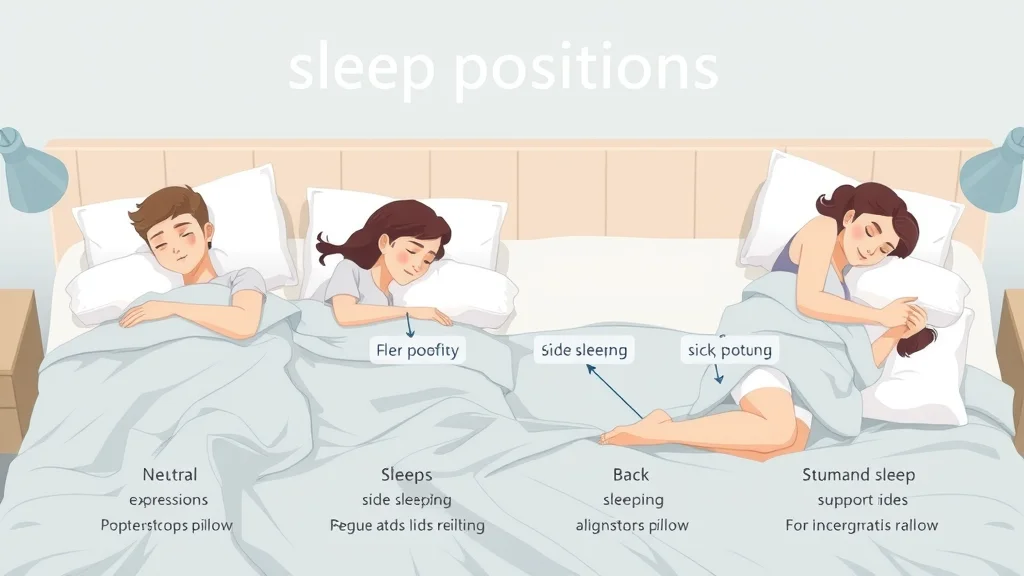
Your sleep position is one of the most overlooked yet impactful contributors to morning back pain. When your body isn’t properly aligned during the night, stress is placed on tissues and muscles—often leading to discomfort upon waking. The way you position your back, shoulders, and legs affects the natural curve of your spine. Side, back, and stomach sleepers all face unique risks and benefits when it comes to spinal alignment and lower back pain after sleeping.
The importance of spinal alignment cannot be overstated for lower back pain prevention. Sleeping on your back with a pillow under your knees can support your spine’s natural curve, while side sleepers often benefit from placing a pillow between the knees to reduce lower back strain. Stomach sleeping, however, is generally considered the worst position for those with lower back pain after sleeping, as it can flatten the natural curve and increase low back and muscle pain. Small adjustments to your sleep position can provide significant pain relief and help you greet each morning with less discomfort.
- Importance of alignment: sleeping position and lower back support
- Best and worst sleeping positions for your lower back pain
- Sleep position adjustments to reduce morning back pain
For those seeking additional ways to support their lower back and hips, incorporating gentle movement practices can be especially beneficial. Exploring Yin Yoga for sore hips offers a restorative approach that complements holistic strategies for alleviating lower back pain after sleeping.
Mattress Comfort: The Overlooked Factor in Lower Back Pain After Sleeping
A supportive mattress forms the foundation of a pain-free night. Many adults don’t realize how crucial their mattress type can be in either reducing or intensifying lower back pain after sleeping. Natural mattresses made from materials such as organic latex or wool are increasingly popular for their ability to provide both support and comfort—helping maintain spinal alignment and lessening back pain. If you’re regularly waking up stiff or sore, it might be time to evaluate your mattress.
Some signs that your mattress contributes to low back pain include waking with greater stiffness than you feel later in the day, noticing sagging in the middle of the bed, or feeling unsupported regardless of sleep position. Holistic recommendations often include investing in a mattress topper made from natural, breathable materials or even changing out your entire mattress if it’s over 7-10 years old. A “firm enough” but well-cushioned mattress assists in reducing pressure points, minimizing muscle pain, and encouraging restful sleep for your lower back.
- Natural mattress materials and their impact on lower back pain
- How to evaluate if your mattress contributes to morning back pain
- Holistic recommendations for mattress toppers and bedding
Muscle Tension and Lower Back Pain After Sleeping
Muscle tension is another hidden factor that often leads to lower back pain after sleeping. Daily posture, emotional stress, and the activities you perform—or don’t perform—can cause the muscles in your lower back to seize up or remain unnaturally contracted throughout the night. This is particularly true for those who spend long periods sitting during the day or who have high stress levels that manifest as physical tension.
Relief often begins with developing a bedtime routine that encourages muscle relaxation. Techniques such as gentle stretching, breathwork, and meditation can prime your body for restorative sleep. In the morning, engaging in several minutes of gentle stretching or yoga designed to target the lower back and hips helps to relieve any residual muscle tension for effective pain relief. Consistent routines with a focus on relaxation and flexibility can make all the difference in how your back feels when you rise.
- Stress, daily posture, and its link to lower back pain after sleeping
- Natural relaxation techniques before bed
- Gentle morning stretches for pain relief
Common Causes of Lower Back Pain After Sleeping
Back Pain from Poor Sleep Position and Sleeping on Your Stomach
Sleeping on your stomach may be comfortable for some, but it’s notorious among holistic practitioners for increasing lower back pain after sleeping. This sleep position contorts the lower spine, often flattening its natural curve and increasing low back and muscle tension. In contrast, side- and back-sleeping generally offer better support for spinal alignment and may significantly reduce morning back pain. Of course, each person is unique—while side sleeping with a pillow between your knees is often recommended, some find using a small pillow underneath the lower back when lying on their back helps maintain comfort and reduce lower back pain.
If you’ve been sleeping on your stomach and experiencing persistent discomfort, transitioning to a side or back position may be challenging at first. However, holistic health strategies—such as using supportive pillows, mindful awareness as you fall asleep, and gradually shifting your habitual position—help make lasting change possible. Small, consistent changes to your sleeping position can support your quest for restful, pain-free sleep.
- How stomach sleeping leads to lower back pain after sleeping
- Side sleeping vs. back sleeping: pros and cons
- Practical ways to transition away from problematic sleep positions

Lower Back Pain Triggered by Poor Sleep and Lifestyle Factors
Many individuals are surprised to learn that poor sleep quality, chronic stress, and sedentary lifestyles can contribute significantly to lower back pain after sleeping. When the body is deprived of enough restorative sleep, the healing and repair processes for muscles and tissues are compromised, leading to stiffness and pain. In addition, dehydration and lack of regular body movement can make muscles in the lower back more susceptible to cramping and irritation overnight.
Holistic approaches to reduce lower back pain after sleeping include developing a consistent bedtime routine, managing stress through breathwork or meditation, and staying adequately hydrated throughout the day. Even simple activity breaks during the workday can reduce long periods of muscle inactivity, ultimately supporting your natural curves and spinal health. These practices combined can improve not only your sleep quality but also your overall sense of well-being.
- The role of stress, sedentary routines, and dehydration
- Natural tips to improve sleep quality and reduce morning back pain
Medical Conditions That Cause Lower Back Pain After Sleeping
Sometimes, persistent or severe lower back pain after sleeping is a sign of an underlying medical condition. Issues such as herniated discs, arthritis, or chronic low back pain syndromes may present most acutely in the morning due to a lack of movement overnight and low-level inflammation. In these cases, the pain can be accompanied by other warning signs like numbness, tingling, or weakness, and it’s essential to consult a healthcare provider or holistic specialist for an accurate diagnosis.
For those with chronic low back pain, holistic practitioners focus on integrative techniques that address both immediate pain relief and root causes. This can include gentle manual therapies, lifestyle coaching, and natural anti-inflammatory approaches designed to support your entire well-being—not just mask the pain. Being mindful of when your pain pattern changes or is associated with additional symptoms is crucial in taking the right steps for effective, holistic relief.
- Understanding when back pain signals deeper medical conditions
- Holistic approaches to managing chronic lower back pain
When to See a Physical Therapist or Holistic Practitioner for Lower Back Pain
- Identifying warning signs and red flags of morning back pain
- How a physical therapist can help
- Integrative care: combining physical therapy and holistic practices for lower back pain
“A good night’s sleep should leave you rested—not reaching for your lower back,” says an experienced Gig Harbor holistic physical therapist. “Natural interventions and mindful sleep adjustments can make all the difference.”
Gentle Natural Solutions for Lower Back Pain After Sleeping
Holistic Pain Relief Strategies for Lower Back Pain After Sleeping
Natural, holistic solutions are at the heart of lasting pain relief for lower back issues after a night’s rest. Warming compresses applied to the lower back in the morning can relax muscles and stimulate increased blood flow, while herbal therapies like arnica or CBD balms provide additional soothing effects for some. Breathwork and meditation techniques practiced before bed lower stress levels, improving both sleep quality and how your back feels in the morning.
Integrating gentle yoga—such as child’s pose, cat-cow, or gentle spinal twists—into your morning routine can stretch sore muscles, support natural spinal curves, and set a positive tone for the day ahead. These mindful routines encourage relaxation and prevent low back pain from escalating. Building a supportive evening routine, like spending a few screen-free minutes winding down, further prepares your body for pain-free, restorative rest.
- Warm compresses and herbal therapies
- Breathwork, meditation, and gentle yoga for lower back pain
- Building a supportive nighttime routine

Physical Therapy and Lifestyle Adjustments for Lasting Relief
Physical therapy can transform your approach to lower back pain after sleeping. By working with a skilled physical therapist who understands holistic practices, you’ll learn natural movement patterns—like engaging your core, proper bending, and safe transitions from lying down to standing. These patterns not only protect the lower back during daily activities but also improve sleep posture and reduce the risk of future pain.
In addition to guided exercises, simple lifestyle habits can provide daily protection for your lower back. Regular movement throughout the day (even just light stretching or short walks), mindful posture adjustments while sitting or working, and routine hydration all contribute to spinal resilience. When these habits are combined with supportive sleep routines, the cumulative effect can mean waking with greater comfort and less need for ongoing pain relief interventions.
- Natural movement patterns to support the lower back
- Daily habits that prevent back pain after sleep

Lists: Do’s and Don’ts for Managing Lower Back Pain After Sleeping
- Do practice gentle stretching every morning
- Do assess your mattress and pillows regularly
- Do seek holistic or physical therapy advice for persistent pain
- Don’t ignore persistent or worsening back pain
- Don’t sleep on your stomach if experiencing lower back pain after sleeping
FAQs About Lower Back Pain After Sleeping
-
What sleeping position is best for lower back pain after sleeping?
The most supportive sleeping position for lower back pain after sleeping is typically on your side with a pillow between your knees, or on your back with a pillow under your knees. Both positions help maintain the spine’s natural curve and reduce strain. Stomach sleeping is generally discouraged, as it can increase lower back pain by flattening the natural curve and twisting the spine. Making small adjustments to your sleep position and using supportive pillows can offer significant pain relief. -
Can stress cause lower back pain after sleeping?
Yes, stress can be a significant contributor to lower back pain after sleeping. High stress increases muscle tension during the day, which can persist into the night and interfere with relaxation and the ability to maintain healthy posture during sleep. Practicing stress-reducing techniques, such as breathwork, meditation, or gentle stretching before bed, can help your muscles relax and lower your risk of waking up with back pain. -
How can natural therapies help with lower back pain after sleeping?
Natural therapies—including heat therapy, herbal compresses, gentle yoga, and mindful breathing—address both symptoms and underlying causes of lower back pain after sleeping. These methods enhance relaxation, improve circulation, and support healing. Consistency in practicing these holistic habits can decrease both the intensity and frequency of back pain upon waking.
People Also Ask: Red Flags, Remedies, and Related Issues for Lower Back Pain After Sleeping
What are 5 red flags of low back pain?
Expert Guidance on Lower Back Pain After Sleeping and Warning Signs to Watch
If you experience lower back pain after sleeping, pay close attention to specific warning signs. Five key red flags include severe or worsening pain that doesn’t improve, numbness or tingling in the legs, unexplained weight loss, loss of bladder or bowel control, and pain associated with a recent injury. These signs could indicate a more serious underlying medical condition and should prompt immediate consultation with a healthcare provider or holistic health practitioner experienced in musculoskeletal care.

How do you get rid of lower back pain after sleeping?
Natural Steps to Ease Lower Back Pain After Sleeping
To relieve lower back pain after sleeping, start with gentle stretches each morning to warm up back muscles and restore mobility. Reevaluate your sleep position; choose side or back sleeping to support your natural curves, and use a firm but cushioned mattress for proper spinal alignment. For ongoing pain, consider incorporating holistic therapies such as warm compresses, yoga, and mindful breathing. If pain is persistent, seek advice from a physical therapist or holistic practitioner to create a tailored plan for long-term relief.
Why does my upper back hurt when I wake up?
Connections Between Upper and Lower Back Pain After Sleeping
Upper back pain upon waking often has similar causes to lower back pain after sleeping: improper spinal alignment, muscle tension from poor posture, or mattresses and pillows that do not provide adequate support. Stress and lack of movement can also contribute. Holistic care strategies—such as stretching, improving sleep ergonomics, and using appropriately supportive bedding—help reduce both upper and lower back pain for a more comfortable morning.
Why does my lower back hurt after standing all day?
Lessons Learned: Daily Habits and Lower Back Pain After Sleeping
Standing for long periods can place strain on the lower back, especially if posture isn’t ideal or core muscles are weak. This fatigue can carry over into your sleep and make morning back pain worse. To reduce lower back pain, alternate positions throughout the day, take breaks to stretch, engage your core while standing, and maintain supportive footwear. Building strength and flexibility in your lower back through gentle exercise and mindful movement patterns can also lessen the impact of both sleeping and standing-related pain.
Key Takeaways for Lower Back Pain After Sleeping
- Lower back pain after sleeping is common and can be mitigated naturally
- Sleep position, mattress quality, and stress play major roles
- Holistic care and physical therapy offer significant benefits
- Awareness of red flags and consistent routines support long-term relief
Ready to Live Pain-Free? Connect with the Area’s Best Natural Holistic Health Practitioners Near Gig Harbor
The journey to a pain-free morning and a vibrant, active life starts with the right support. Consult a trusted holistic health practitioner or physical therapist in the Gig Harbor area to create a gentle, effective plan uniquely for you. Prioritize your well-being and discover how natural care can help you live pain-free every day—starting tomorrow morning.
If you’re inspired to deepen your holistic wellness journey, consider exploring additional movement therapies that target not just your lower back, but your entire body’s flexibility and comfort. Practices like Yin Yoga can be especially transformative for those dealing with chronic tension or soreness, offering a gentle yet powerful way to restore balance and mobility. By embracing a broader approach to healing—one that includes mindful movement, restorative routines, and expert guidance—you’ll be better equipped to address the root causes of discomfort and enjoy lasting relief. Discover how integrating healing movement through Yin Yoga can complement your path to a pain-free, vibrant life in Gig Harbor and beyond.






Write A Comment