
Imagine this: You set out on a scenic drive through the Pacific Northwest, only to step out of your car hours later with an aching lower back. For many, back pain after driving isn’t just an occasional nuisance—it’s a frustrating barrier to enjoying life and travel on your terms. In this comprehensive guide, we unpack why sitting in a car triggers back pain, pinpoint natural solutions for real relief, and reveal what you can do—before, during, and after each drive—to move closer to a pain-free, vibrant life.
Back Pain After Driving: Why Sitting Triggers Discomfort
The modern car seat may be designed for style and safety, yet for many people, especially those commuting near Gig Harbor or taking the scenic routes, it becomes a source of back discomfort during and after road trips. The crux lies in the way sitting for extended periods impacts both your lower back and your body’s natural alignment. Your back is meant for movement, but during a long drive, the static pressure of body weight combined with minimal mobility places stress on the spine and supporting muscles. This strain is further worsened if your seat lacks adequate lumbar support or if your posture is compromised—with the pelvis tilting forward and the natural curve of the lumbar spine flattening out. Over time, these habits can make driving make back pain more likely, transforming occasional twinges into chronic discomfort that persists long after the engine stops running. Let’s explore how long road trips specifically impact your back, and what happens to your lumbar area during those extended periods behind the wheel.
The Link Between Long Road Trips and Back Pain
A long road trip can feel liberating for the soul but taxing on the lower back. As you remain seated for an extended period, your spine is denied its natural movement, and blood flow to the spinal discs is reduced. This position leads to muscle fatigue, stiffness, and, for some, the onset of pain radiating from the lumbar area. When you add in repetitive micro-movements—braking, accelerating, twisting to check blind spots—your supporting muscles work overtime in unnatural ways. For many, these conditions translate to lower back pain that surfaces with every drive longer than an hour or so. Small adjustments, like fidgeting in your seat or stretching at rest stops, can offer relief, but unless you address the underlying cause—posture, support, and movement—the cycle of back pain after driving tends to repeat itself.
In addition to adjusting your posture and taking regular breaks, incorporating gentle movement practices can further ease tension in the hips and lower back. For those seeking targeted relief, exploring Yin Yoga for sore hips offers a restorative approach that complements holistic back care, especially after long periods of sitting.

How Lower Back and Lumbar Areas Are Affected During Long Drives
The structure of your lower back (also called the lumbar spine) is crucial for supporting your upper body and absorbing the natural shocks of daily movement. So, what happens to this area during a long road trip? Extended sitting shifts all your body weight onto the lower back, often pushing the spine out of its natural curve, especially if your car seat or support cushion isn’t ergonomically designed. Sore, tight muscles surround the vertebrae and spinal discs, and joint compression becomes more likely. Over several hours, this static load can lead to inflammation and, in some cases, L4-L5 compression, a common root cause for back pain after driving. Without adequate lumbar support, lack of movement or poor posture can gradually turn short-term stiffness into ongoing, even chronic, discomfort.
What You’ll Learn in This Guide About Back Pain After Driving
- Key insights into why back pain after driving occurs.
- Natural, holistic solutions for quick back pain relief.
- Practical tips to reduce back pain during and after long drives.
- Warning signs and red flags for back discomfort.
- Expert strategies for supporting a healthier, pain-free back.
Common Reasons for Back Pain After Driving
Back pain after driving is a widespread issue—with causes that often overlap and compound. By understanding why it happens, you can equip yourself with actionable, natural solutions that go beyond temporary fixes and support long-term, meaningful pain relief.
How Prolonged Sitting Leads to Lower Back and Back Discomfort
Prolonged sitting in a car seat is the primary culprit behind lower back pain and back discomfort after driving. When you sit for an extended period, your hips and glutes tighten, reducing blood flow and mobility. The spinal discs act as cushions between the bones of your back, but sustained pressure from sitting decreases fluid exchange within the discs, which they rely on for nutrition and shock absorption. This stagnation is even more exacerbated if you slouch or adopt poor posture, leading to muscle fatigue and joint compression. Over time, the lower back loses resilience, which can result in acute or even chronic back pain—especially after long road trips or daily commutes. Focusing on regular movement breaks and properly adjusted seating can go a long way toward reducing this pain.
Impact of Poor Lumbar Support and Support Cushion Choices
A car seat that lacks proper lumbar support significantly increases your risk for lower back pain. The lumbar region has a gentle inward curve—its natural curve is essential for shock absorption and support. When the curve collapses or is unsupported by a support cushion or lumbar pillow, muscles and ligaments must compensate. Over several hours, this stress can cause soreness, burning, or pinching sensations in the lower back or even down the legs. A simple lumbar support cushion or a rolled towel placed at your lower back can help maintain proper alignment and reduce back pain. However, not all cushions are created equal—materials, thickness, and ergonomic design make a significant difference in their effectiveness. Choose a cushion with the right firmness and size to match your body's needs.
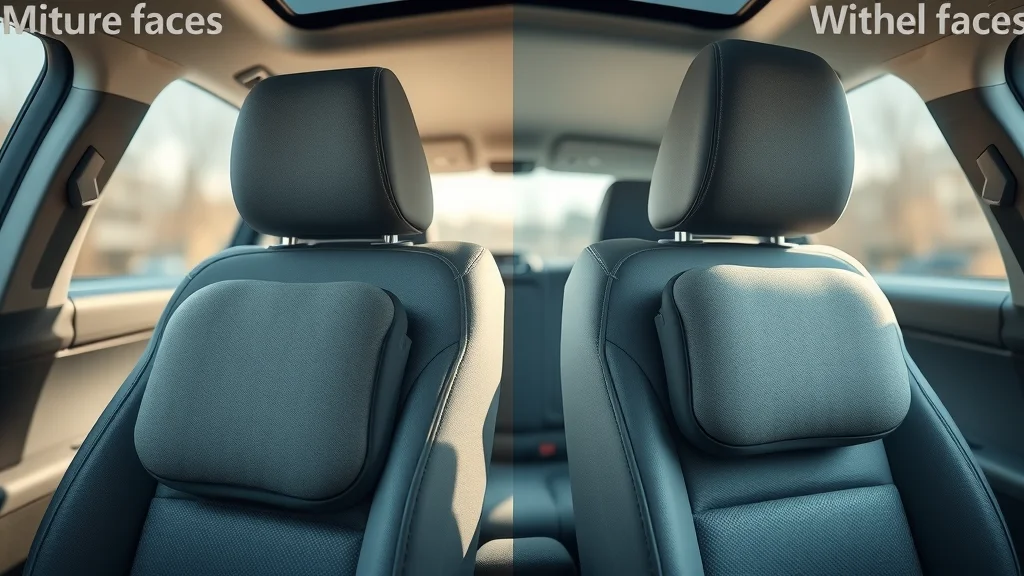
The Role of Posture, Seat Adjustment, and Steering Wheel Position in Back Pain After Driving
Poor posture is a known contributor to back pain after driving. If your seat is reclined too far back or the steering wheel is positioned awkwardly, you may inadvertently hunch forward or overreach, straining neck, shoulder, and back muscles. Adjust your seat so your hips and knees form a 90-degree angle; your back should rest comfortably against the seat, with lower back support intact. The steering wheel should be within easy reach, so your arms remain slightly bent but relaxed. Remember, even the smallest tweaks to seating position or mirror angles can relieve posture-related tension and reduce back pain. Setting up your driving environment mindfully is one of the simplest and most effective ways to prevent chronic back pain stemming from poor body mechanics during long drives.
Stress, Fatigue, and Other Contributors to Back Pain After Road Trips
Physical factors aren’t the only reasons you might experience back discomfort after a long road trip. Stress, fatigue, and emotional tension can contribute to muscular tightness—especially in the lower back and neck. When you’re fatigued, your postural muscles have to work harder to keep you upright, which can result in muscular pain and stiffness. Mental stress also triggers the release of hormones that increase muscular contraction, compounding the effects of physical strain. Weather, vibration from the road, and even dehydration can make back pain after driving worse. Managing your stress with relaxation techniques, hydration, and planned rest stops will help your body recover faster so you can stay comfortable and agile after any long drive.
| Cause | How It Triggers Back Pain | Natural Holistic Remedy |
|---|---|---|
| Prolonged Sitting | Compresses lumbar discs, restricts blood flow, increases muscle tension | Frequent breaks, gentle stretches, upright posture |
| Poor Lumbar Support | Flattens spinal curves, overloads supporting muscles | Ergonomic lumbar cushion, rolled towel, correct seat adjustment |
| Stress & Fatigue | Tightens muscles, reduces awareness of posture | Mindful breathing, hydration, pre-drive relaxation exercises |
| Seat/Mirror/Wheel Misalignment | Encourages slouching, causes overreaching and twisting | Seat and steering wheel adjustments, mirror placement, quick posture checks |
Early Warning Signs: Detecting Back Pain After Driving Before It Becomes Chronic
Addressing back pain after driving early is key to preventing persistent or chronic problems. Recognizing the subtle signs of back discomfort or nerve compression can help you take immediate steps to reduce strain and pursue natural, holistic solutions before chronic back issues set in.
How to Recognize the First Signs of L4 L5 Compression While Driving
One of the most common sources of lower back pain for drivers is L4-L5 compression, which often begins subtly. You might feel mild numbness, tingling, or radiating discomfort in the lower back that sometimes travels into the buttocks or upper legs. Early signs include dull aches after long periods at the wheel, stiffness upon standing up, or slight weakness in the legs. Listening to your body’s messages during and after a long drive—from gentle throbbing to subtle sciatic symptoms—can help you intervene quickly with natural remedies such as stretches, lumbar support, or mindful breathing exercises.
When Is Back Pain After Driving a Red Flag for Serious Health Issues?
While most back pain after driving is benign and responds well to lifestyle changes, certain symptoms mean it’s time to seek help from a practitioner. If you experience sudden, severe pain; persistent numbness or tingling in the legs; difficulty controlling bladder or bowel functions; or if pain interrupts sleep for days on end, these are red flags. Such symptoms could point toward nerve compression or other underlying health issues requiring immediate attention. Proactively consulting a local holistic health practitioner ensures you receive a personalized approach that focuses on addressing the root cause, rather than masking symptoms with temporary fixes.

Expert Tips for Back Pain Relief After Driving
Natural, holistic treatment is often the most sustainable way to achieve long-lasting back pain relief after time on the road. Incorporate the right stretches, posture techniques, and lifestyle changes to support your body’s recovery.
Holistic Back Pain Relief Techniques for Road Trip Recovery
Recovering from back pain after a long drive doesn’t have to involve medication or invasive treatments. Start by restoring healthy blood flow and relaxing tense muscles with gentle movement and heat. Applying a warm compress to the lower back can soothe tightness and promote healing. Mindfulness and breathwork address the mental side of pain, helping you shift out of “fight or flight” and back into relaxation. Seek out local holistic practitioners for hands-on therapies such as acupressure, massage, or targeted stretches customized for your post-driving needs. These approaches not only speed up recovery but also build resilience, reducing the likelihood of recurring pain.
Gentle Stretches for Lower Back Pain After Driving
If you feel lower back pain after driving, a few targeted stretches can provide real, immediate relief. Gentle movements like seated forward folds, spinal twists, and knee-to-chest holds help reduce muscle tension and realign the spine. Try taking a break every hour on a long road trip—standing and performing hip openers or side bends by your car can work wonders for comfort and flexibility. Remember, the goal is gentle movement, not intensity. As you stretch, focus on slow, controlled breathing to deepen the release and encourage your body’s natural recovery processes.

- Seated gentle forward fold (sit on the edge of your seat, feet flat, hinge at hips and reach toward the floor)
- Knee-to-chest stretch (lying on your back on a mat or in a grassy area, pull one knee at a time gently toward your chest)
- Standing hip flexor stretch (step one foot back at a rest stop, gently lunge forward and feel the stretch at the front of the hip and thigh)
- Spinal twist (while seated or standing, gently rotate your torso side to side to loosen the back muscles)
- Side bends (arms lifted overhead, gently lean side to side to lengthen tight muscles along the spine)
Recommended Natural Remedies for Back Pain After Long Drives
Nature provides an array of holistic options to reduce back pain after a drive. Topical treatments like arnica or CBD balms may help decrease inflammation and discomfort. Epsom salt baths soothe sore muscles and increase blood flow to the lower back, speeding up the healing process. Prioritize hydration and restorative sleep as part of your recovery routine. Consider consulting a practitioner skilled in natural modalities—such as herbal supplements or tailored movement routines—for a personalized back pain relief plan. These gentle, non-invasive remedies support the body’s inherent capacity for healing, minimizing reliance on pharmaceuticals while maximizing comfort and function.
"A holistic approach addresses both the mind and body, helping you find real, lasting back pain relief that keeps you comfortable on and off the road."
Setting Up Your Car for Less Back Pain After Driving
Optimizing your car’s ergonomics is one of the best ways to achieve ongoing comfort during every drive. The little details—like seat contour, lumbar support, steering wheel height, and mirror position—can make all the difference in minimizing back pain after driving.
Choosing the Best Lumbar Support and Support Cushion for Your Needs
A high-quality lumbar support cushion helps maintain the natural curve of your lower back, distributing weight evenly and relieving muscle fatigue. When shopping for a support cushion or lumbar pillow, look for models with adjustable firmness and ergonomic design. Materials like memory foam or breathable mesh promote comfort and help regulate temperature—especially useful on extended trips. For longer drives, ensure the cushion fills the gap between your lumbar spine and the car seat, and that it maintains your pelvis in a neutral position. Trying out several options and consulting with a natural health practitioner can help match the best cushion to your unique needs.
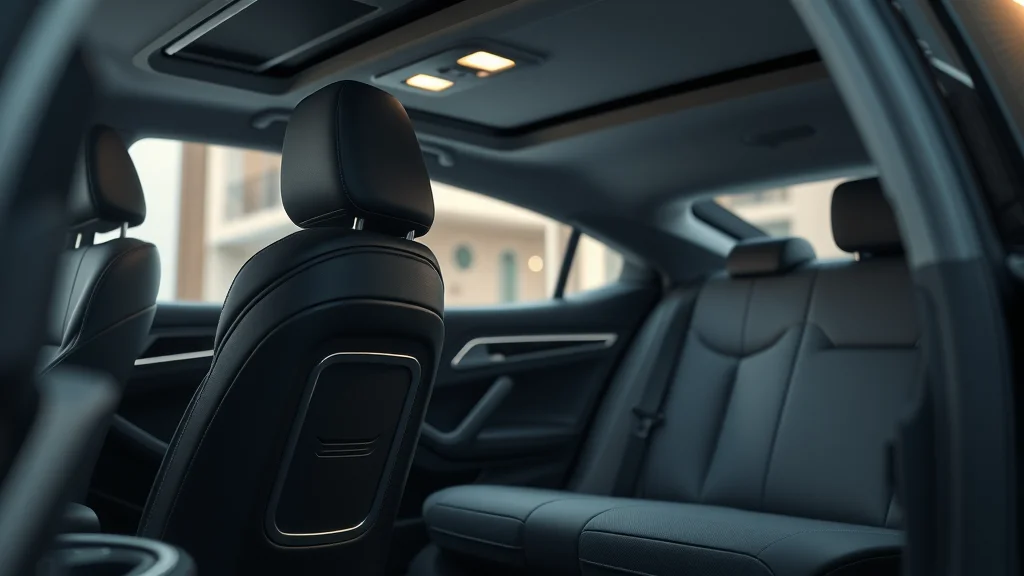
Seat, Mirror, and Steering Wheel Adjustments to Reduce Back Pain
Proper alignment is key to keeping pain at bay. Adjust your seat so your hips and knees are level, with feet able to press pedals comfortably. The backrest should be reclined slightly, supporting the full spine, while lumbar support fills the natural lower back curve. Position the steering wheel so your elbows remain slightly bent—too close and you may hunch, too far and you’ll overextend. Angle mirrors to reduce the need for twisting. Even these small changes promote upright posture, increase blood flow, and dramatically reduce back pain on long drives.
Maintaining Good Posture on Long Drives
To maintain good posture throughout a long drive, start with a mindful setup—plant both feet firmly on the floor, keep your back flush against the backrest, and shoulders relaxed. Shift positions regularly and engage your core muscles gently; this proactive engagement helps support your spine and absorb vibrations from the road. Remind yourself to check your alignment each time you hit the brakes or adjust the radio. A comfortable posture is flexible—allow for mini-movements, gentle stretches at stoplights, and rest stops for walking. Consistency, rather than perfection, is the secret to comfort and back pain relief behind the wheel.
Natural and Holistic Practices to Reduce Back Pain During Travel
Natural options to reduce back pain during travel include mindful deep breathing, scheduled movement breaks, and hydration. Acupressure mats, aromatherapy oils, and relaxation music can also calm tension and steady the mind. Many natural health practitioners suggest pre-drive stretching routines focused on the hips, hamstrings, and lower back. For added support, explore gentle yoga or tai chi with a professional in the Gig Harbor area after your next long drive. These holistic methods complement ergonomic adjustments and create a comprehensive solution for ongoing comfort and resilience.
People Also Ask: Your Back Pain After Driving Questions Answered
What are the first signs of L4 L5 compression?
The first signs of L4 L5 compression may include low-grade aching in your lower back following a long drive, subtle numbness or tingling that may radiate into your buttocks or legs, or a sense of tightness that intensifies after sitting for an extended period. You might also notice difficulty bending or twisting, or occasional shooting pain that worsens with prolonged sitting. If these sensations persist or worsen, it’s important to consult a holistic practitioner to address early nerve compression and prevent further deterioration.
How to stretch lower back pain from driving?
To stretch lower back pain after driving, start with a gentle seated forward fold, where you sit at the edge of your seat and reach slowly toward your feet. Follow with a knee-to-chest stretch on a yoga mat or grassy outside area, pulling each knee toward your chest to release tension from the lumbar spine. Incorporate standing hip flexor stretches and side bends at rest stops. Focus on slow, controlled movement, and deep breathing for optimal release and back pain relief.
What is a red flag for back pain?
Red flags for back pain include severe or sudden pain, persistent numbness or tingling, loss of control over bladder or bowel functions, or pain that significantly disrupts sleep or daily activities. These symptoms may suggest nerve involvement or a serious medical condition requiring prompt evaluation by a health professional. Never ignore these warning signs, especially if they arise after a long drive or persist despite natural remedies.
Can GLP-1 cause lower back pain?
While GLP-1 medications are primarily used for blood sugar management, some people report musculoskeletal side effects including lower back pain. However, these instances are rare and are not considered common. If you notice new or worsening back pain after starting a GLP-1 medication, consult your healthcare provider or holistic practitioner for tailored evaluation and advice.

Frequently Asked Questions About Back Pain After Driving
How long does it take for back pain after driving to improve naturally?
Natural improvement of back pain after driving varies by individual. With rest, gentle stretching, and proper self-care, mild back pain often improves within a few days. Continuing natural remedies and healthy practices increases the likelihood of faster recovery. If discomfort lingers beyond a week or worsens, consult a natural health practitioner for a tailored plan to speed your recovery.
Can back pain after driving be prevented with holistic methods?
Yes, most cases of back pain after driving can be prevented or significantly reduced with a holistic approach. Regular stretches, mindful car setup, stress management, and ergonomic lumbar support are powerful preventative tools. By building these habits before and during road trips, you support your body’s resilience for pain-free travel.
When should you see a holistic health practitioner for back pain after driving?
See a holistic health practitioner if your back pain after driving persists for more than a week, significantly limits your mobility, or is accompanied by neurological symptoms such as numbness, tingling, or weakness. A practitioner can create a personalized plan that combines manual therapies, lifestyle changes, and natural interventions for sustainable relief.
Key Takeaways on Back Pain After Driving and Holistic Relief
- Recognize early signs of back pain and act promptly
- Adopt holistic strategies for long-term relief
- Optimize vehicle setup for comfort and support
- Regular movement, stretches, and mindfulness are powerful tools
- Consider consulting a local natural holistic health practitioner
Ready for Relief? Book a Consult with a Local Natural Holistic Health Practitioner Today
Taking proactive steps today can mean a lifetime of back pain relief and joyful, pain-free driving. Reach out to a trusted natural holistic health practitioner in the Gig Harbor area for personalized support, expert care, and the holistic solutions you need for lasting comfort behind the wheel.
If you’re inspired to take your recovery and mobility to the next level, consider exploring additional holistic practices that nurture both your body and mind. Techniques like Yin Yoga not only target sore hips but also foster deep relaxation and flexibility, which can be especially beneficial after long drives. For a deeper dive into gentle movement and mindful healing, discover how embracing Yin Yoga for sore hips in Gig Harbor can complement your back care routine. By integrating these advanced strategies, you’ll be better equipped to enjoy pain-free adventures and maintain lasting comfort on every journey.







Write A Comment