Gig Harbor Natural Holistic and Alternative Health

Heal Naturally. Live Fully.
  • Home
  • Categories
  • Top Chiropractor for Back Pain in Gig Harbor
  • Holistic Spas and Day Retreats in Gig Harbor
  • Yoga, Tai Chi, and Movement Classes Near You
  • Mind‑Body Therapy, Hypnosis, and Stress Relief
  • Holistic Stores, Herbs, and Natural Remedies
  • Discover Adventures and Treasures with Mark
  • Featured Gig Harbor Area Businesses
July 20.2026
1 Minute Read

Why Does My Back Hurt When I Stand Up?

Picture this: you rise from your chair, expecting to move with ease—but instead, a tender ache blossoms in your lower back. Back pain when standing up is a surprisingly common experience, particularly for adults living active lives or spending long periods at desks. If you’re in or near Gig Harbor and seeking a natural, lasting solution to this discomfort, you’re not alone. This comprehensive guide walks you through why this pain happens, what it means, and how you can take empowered, holistic steps toward relief.

Concerned adult with neutral facial expression, gingerly touching their lower back, illustrating back pain when standing up in a modern home entryway

Why Does Back Pain When Standing Up Happen? An Introduction

Many people wonder, “Why does my back hurt when I stand up?” especially after sitting or being inactive for a while. This type of lower back pain can range from a mild nagging ache to sharp, debilitating discomfort. Importantly, back pain when standing isn’t always a sign of a serious health condition, but understanding its causes is the first step to finding relief—naturally and holistically if you’re seeking options near Gig Harbor. In the United States, recurring back pain is one of the most frequent reasons for doctor visits. But the good news is that most cases respond well to lifestyle changes, mindful movement, and integrative care. Whether your pain is due to spinal stenosis, herniated disc, muscle strain, or poor posture, uncovering the root cause is essential. Let’s start by learning to recognize the scenarios in which back pain when standing typically occurs—and how you can address them.

Common Scenarios: Recognizing Back Pain When Standing Up

You might notice back pain when standing up after hours at your desk, following a long drive, or during everyday moments such as rising from your couch. Often, the discomfort centers around the lower back, with pain radiating through the back muscles or a feeling of stiffness that gradually eases as you move. For others, the pain intensifies as the day progresses or after physical activities involving heavy lifting or twisting motions. Recognizing these patterns is key—whether your pain is sharp, dull, or comes with a feeling of weakness, these details help pinpoint its cause. Chronic cases can be linked to lifestyle factors, musculoskeletal imbalances, or structural issues within the spinal canal. Understanding your body’s signals and how they relate to posture, movement, and muscle use gives you a head start on holistic healing.

For those seeking gentle, restorative ways to address musculoskeletal discomfort, incorporating practices like yin yoga can be especially beneficial. If you’re interested in how mindful movement can ease tension and support healing, explore this guide on embracing healing movement for sore hips with yin yoga in Gig Harbor—many of the same principles apply to back care and overall mobility.

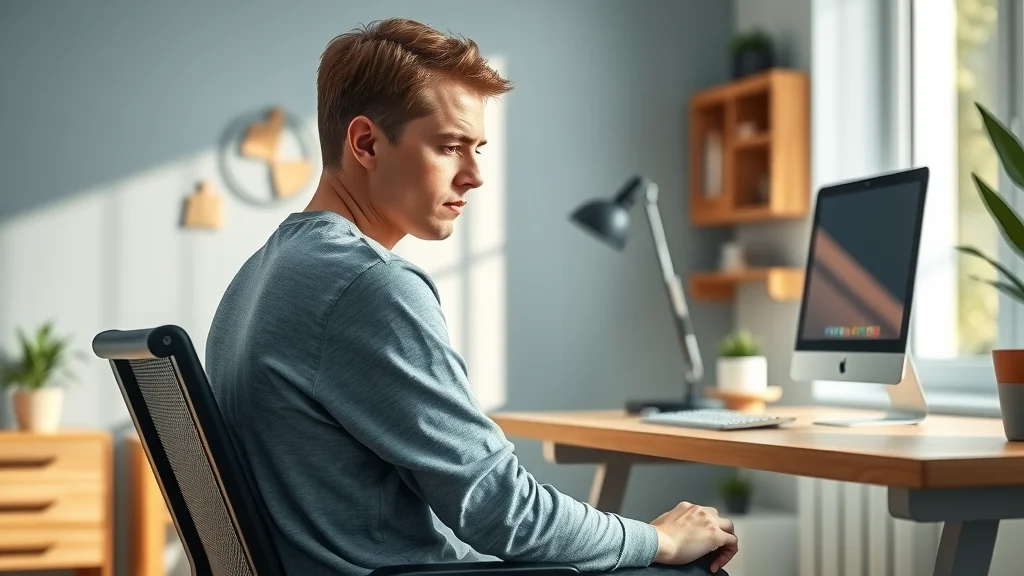
Office workers experiencing back pain when standing in an ergonomic workspace, illustrating common scenarios for lower back pain

What You’ll Learn About Back Pain When Standing Up

  • Root causes of back pain when standing up
  • Natural, holistic ways to address lower back pain
  • When to consult a healthcare provider or care provider
  • Lifestyle changes, physical therapy, and exercises that relieve back pain when standing
  • Holistic back pain management options available near Gig Harbor

The Anatomy of Back Pain When Standing Up: Examining Back Muscles, Discs, and the Spinal Canal
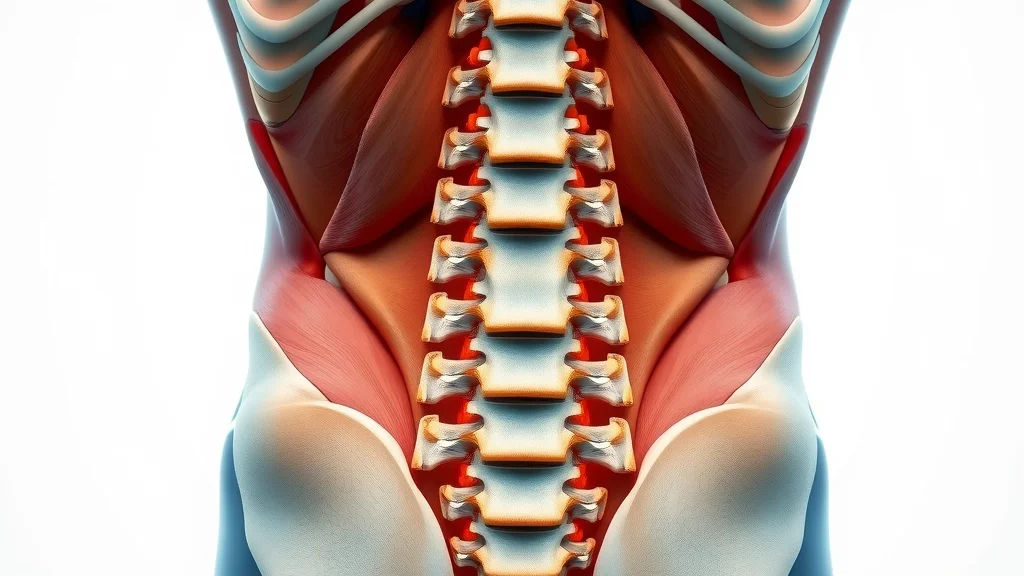
Anatomical illustration of lower back, muscles, discs, and spinal canal to explain back pain when standing up

Lower Back and Back Muscles Explained

When you stand, your back muscles, especially those around the lumbar spine, activate to support your upright position. These muscles function like the body’s scaffold, stabilizing the pelvis and spine, and absorbing forces as you move. However, strain, overuse, or lack of movement (such as sitting for long periods) can weaken these back muscles, making them prone to micro-tears, tightness, or fatigue. For many, discomfort in the lower back is the first warning sign—especially if you often slouch or use improper lifting techniques. The nerve roots running through the spinal canal may also become irritated or compressed, further aggravating pain. In holistic care, practitioners often evaluate muscle flexibility, core strength, and habitual posture—all vital in crafting a natural, effective treatment plan tailored to each individual.

The Role of Spinal Canal and Herniated Discs in Lower Back Pain When Standing

Behind every movement, your spinal canal houses nerves that control sensation and movement throughout the lower body. When a herniated disc bulges or ruptures, it can press on these nerve roots, resulting in shooting pain or numbness that is most noticeable when transitioning from a sitting or lying position to standing. Sometimes, the pain sharpens as pressure increases on the affected disc or nerve in the upright position. Holistic health practitioners consider these root issues—not just the symptoms—when recommending therapies. Evidence-based solutions such as targeted physical therapy, yoga, and gentle movement aim to restore balance without invasive measures, helping to relieve pressure and improve mobility naturally, especially for those with chronic back or chronic lower back concerns.

Mature adult experiencing lower back pain while out walking, illustrating outdoor lifestyle factors for back pain

How Spinal Stenosis Contributes to Back Pain When Standing

Spinal stenosis is a condition where the spaces within the spine narrow, reducing room for nerves in the spinal canal. Individuals with spinal stenosis may feel intense lower back pain or ache radiating down their legs, especially when standing or walking—even for short intervals. The condition often worsens as we age, but it isn’t limited to seniors. People dealing with spinal stenosis often find temporary relief by bending forward or sitting—actions that create more space for compressed nerves. A holistic care provider in Gig Harbor would typically recommend gentle physical therapy, postural retraining, and manual therapies as first steps, reserving medical interventions for when these approaches are insufficient. Holistic management aims to improve quality of life while minimizing dependency on medication or invasive treatments.

Root Causes: Why Back Pain When Standing Up Affects You

Muscle Strain and Overuse: The Impact on Back Muscles

Athletic person gently stretching their lower back for pain relief in a fitness studio

One of the most frequent root causes behind back pain when standing up is muscle strain—often due to overuse or sudden, awkward movements. Everyday activities such as heavy lifting, twisting while reaching, or even repetitive bending can overstretch or tear back muscle fibers, triggering inflammation and spasms. These strains and sprains are especially common before your muscles are warmed up or if you have underlying musculoskeletal imbalances. Chronic habits like poor posture, carrying heavy loads, and not incorporating daily mobility exercises may further increase the risk. Since these micro-injuries rarely heal overnight, pain can persist—sometimes progressing to chronic low or chronic lower back pain. Fortunately, the body responds well to rest, mindful stretching, and gentle activity under the guidance of a holistic healthcare provider, who may recommend a tailored treatment plan for ongoing relief and prevention.

Herniated Disc, Spinal Stenosis, and the Relationship to Lower Back Pain

A herniated disc or spinal stenosis can both compress nerves running through your spinal canal, leading to severe lower back and leg pain, tingling, or numbness—especially when standing for even a few minutes. The intervertebral discs are designed to cushion your spine, but injuries, repetitive strain, or even age-related wear can cause them to bulge abnormally. This “pinched nerve” often causes an acute flare-up upon standing and may lead to symptoms such as a sharp or electric sensation radiating down the leg (sciatica). With spinal stenosis, the narrowing amplifies nerve compression, resulting in persistent discomfort in the upright position. Recognizing these patterns allows holistic practitioners to create a comprehensive strategy—typically combining physical therapy, lifestyle modification, and targeted therapies to alleviate pain at the root, rather than merely masking it.

Posture, Musculoskeletal Imbalances, and Back Pain When Standing

Slouching, standing with uneven weight distribution, or having mild spinal misalignments are surprisingly common reasons people develop back pain when standing. Over time, poor posture puts continual strain on your back muscles, taxes supporting ligaments, and can even shift the load onto sensitive nerve structures. Musculoskeletal imbalances—such as tight hip flexors, weak abdominal muscles, or shortened hamstrings—only compound the issue, making your lower back work overtime just to keep you upright. In holistic and natural medicine, practitioners pay close attention to these biomechanical details, helping clients learn and practice correct posture, balanced movement, and compensatory strategies. Through education and mindful awareness, you can support your body's natural healing response and reduce your risk of recurrent pain, enhancing long-term vitality and resilience.

Red Flags: When Is Back Pain When Standing Up Serious?

What are 5 red flags of low back pain?

Not all back pain is created equal—there are times when symptoms signal something more serious and warrant immediate medical attention. Five key red flags include: (1) sudden, severe pain that does not improve with rest, (2) numbness or tingling in the groin or legs, (3) loss of bladder or bowel control, (4) unexplained weight loss, and (5) persistent fever or history of recent infection. If you experience any of these in conjunction with lower back pain when standing up, you should seek a healthcare provider or care provider’s assessment as soon as possible. Early intervention in these cases can help prevent complications and identify underlying conditions that require a different type of treatment plan—sometimes urgent.

Recognizing Urgent Symptoms and When to Seek a Healthcare Provider

If your back pain when standing up is accompanied by leg weakness, difficulty walking, or a noticeable change in sensation, don’t ignore it. Other warning signs might include unrelenting pain at night, a history of cancer or osteoporosis, or abrupt onset in the context of trauma. Consulting a trusted healthcare provider in Gig Harbor or the surrounding area can ensure you receive a thorough evaluation, rapid diagnosis, and appropriate follow-up. Remember: while holistic and natural therapies excel at managing most cases of back pain, they should always be complemented by prompt medical care when red flags are present. Don’t wait if urgent symptoms arise—your long-term wellbeing depends on timely action.

Signs, Symptoms and Diagnosis: Identifying Lower Back Pain and Pain When Standing

How to Tell When Back Pain Is Serious

Healthcare provider compassionately listening to patient describing lower back pain, highlighting the importance of thorough diagnosis

Sometimes, it’s tricky to differentiate routine discomfort from something that needs a healthcare provider’s assessment. Back pain when standing up can be considered serious when you notice it worsening, lasting more than a few weeks, or it interferes with your ability to work or care for yourself. If your symptoms include new onset weakness, unexplained fever, or progressive pain that isn’t relieved by rest or gentle movement, it’s wise to seek guidance. A holistic practitioner can also evaluate subtle signs of nerve involvement, spinal cord compromise, or systemic illness. Your provider will likely ask about your pain’s nature, frequency, and triggers and may recommend gentle diagnostic tests, movement screenings, or advanced imaging if needed. Early identification improves treatment outcomes and supports your holistic long-term health goals.

Common Signs of L4 L5 Compression

Compression at the L4 L5 level—where two of the lower vertebrae meet—is a typical site for disc bulges, herniated discs, or nerve irritation. Common signs include aching or stabbing pain in your lower back, weakness in the legs or feet, numbness, and tingling that may travel down the side or back of the leg (commonly known as “sciatic nerve” symptoms). In some cases, you might notice difficulty lifting your foot, a sense of imbalance, or reduced reflexes. A skilled care provider or physical therapist will check these patterns to pinpoint which nerve roots are affected and develop a customized, natural therapy program based on your presentation and lifestyle needs. Early holistic intervention—such as manual therapy, therapeutic exercise, and natural anti-inflammatory strategies—can support a smooth path to pain relief and active living.

Holistic Solutions: Managing Back Pain When Standing Up Naturally

How Do I Stop My Back from Hurting While I Stand Up?
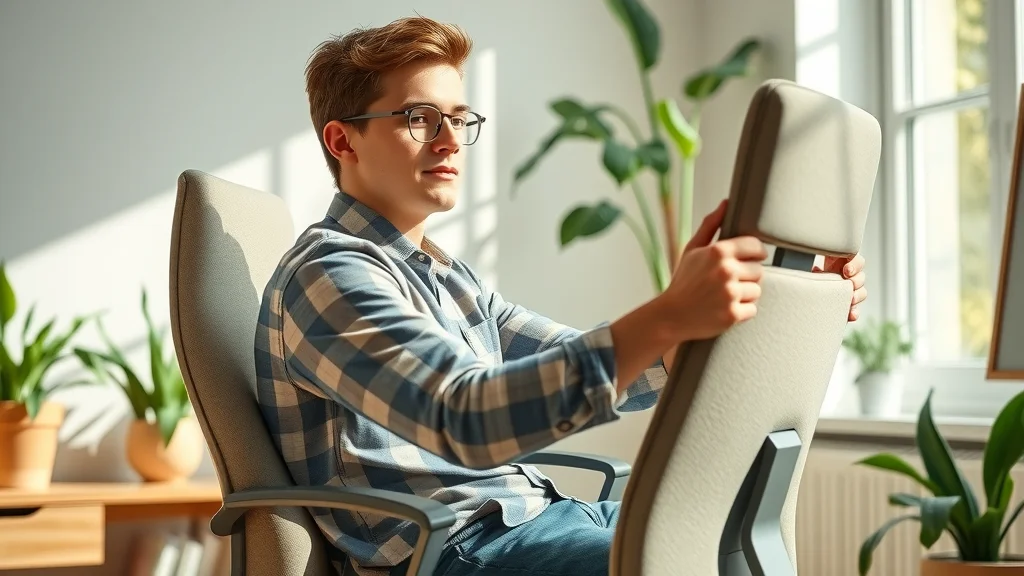
Young adult adjusting ergonomic office chair for healthier posture to prevent back pain when standing up

The path to lasting pain relief from back pain when standing up begins with foundational self-care. To minimize strain on your lower back, focus on maintaining a neutral spine when standing, engaging your abdominal muscles, and distributing weight evenly through both feet. Frequent breaks to sit, stretch, or change positions can prevent back muscles from fatiguing or locking up. Ergonomic adjustments—like using supportive footwear or optimizing your workspace—also limit unnecessary tension. Consider integrating daily gentle stretches targeting your hamstrings, glutes, and hip flexors. With mindful attention and gradual habit change, you’ll naturally reduce pain, improve posture, and support the healing process from within. And if pain persists, don’t hesitate to connect with a holistic care provider who can recommend customized movement or lifestyle routines.

Physical Therapy and Movement for Back Pain When Standing

Physical therapist helping patient perform gentle lower back exercises for relief of pain when standing

Working with a physical therapist or movement specialist is one of the most effective ways to address the underlying drivers of back pain when standing up. Through gentle, targeted exercises, manual therapy, and postural retraining, you can address muscle imbalances, joint restrictions, and faulty movement patterns that perpetuate pain. Programs often involve core strengthening, balance drills, and stretches to lengthen tight muscle groups—all tailored to your specific needs and lifestyle. Physical therapists also teach you how to prevent further injury through safe lifting, daily back “maintenance,” and individualized activity modification. If you’re in the Gig Harbor area, look for holistic-minded therapists who emphasize natural healing, patient empowerment, and education. The right guidance can make all the difference in achieving long-term, sustainable pain relief.

Alternative Treatments: Mindfulness, Acupuncture, and Holistic Care

Many people in the Gig Harbor region have discovered the benefits of alternative therapies integrated with traditional care. Mindfulness-based stress reduction, therapeutic yoga, acupuncture, and bodywork can decrease muscle tension, improve flexibility, and calm the nervous system. By addressing stress and inflammation at the root, these holistic treatments help unravel the complex factors driving chronic or recurrent lower back pain. Regular practice of mindfulness and guided relaxation can shift pain perception and enhance mobility. Well-trained acupuncturists and holistic practitioners may employ gentle needling or noninvasive modalities alongside herbal support, nutritional advice, and personalized movement plans. This collaborative, natural approach often brings not only pain relief but also improved overall sense of wellbeing.

"Many individuals find lasting relief from back pain when standing up by combining holistic lifestyle approaches, targeted physical therapy, and natural therapies."

Lifestyle Changes and Prevention: Relieving Lower Back Pain and Back Pain When Standing

  1. Daily stretches and mobility exercises for back muscles
  2. Maintaining proper posture
  3. Ergonomic adjustments at home and work
  4. Integrating mindful practices
  5. Proactive visits to a holistic care provider for assessment and support

Table: Comparing Holistic and Conventional Approaches for Back Pain When Standing Up

Approach Focus Benefits Typical Treatments
Holistic Whole-person, lifestyle & prevention Addresses root causes, empowers patient Exercise, physical therapy, mindfulness, natural medicine
Conventional Isolated symptom management Quick symptomatic relief Pain medication, injections, surgery

FAQs on Back Pain When Standing Up

Is back pain when standing up always serious?

Not necessarily. While back pain when standing up often results from muscle strain, posture issues, or mild disc problems, most cases resolve with holistic care, movement, and rest. However, if the pain is severe, persistent, or accompanied by red flag symptoms—such as numbness, weakness, or bladder changes—it’s crucial to see a healthcare provider promptly. Holistic practitioners can help rule out serious causes while supporting gentle recovery for most routine cases.

What types of physical therapy help back pain when standing?

Physical therapy programs to address back pain when standing usually involve core strengthening, flexibility training, postural correction, and neuromuscular re-education. Therapists may use manual therapy, guided stretching, and targeted exercises to balance the muscles supporting your spine. Each plan is customized to your pain, history, and goals—making this approach ideal for sustainable, long-term outcomes, especially with an integrative or holistic-minded provider.

Can natural remedies provide pain relief for lower back pain when standing?

Yes, natural remedies such as therapeutic movement, mindfulness, acupuncture, herbal anti-inflammatories, and gentle stretching can bring significant relief to those with lower back pain when standing. Holistic approaches focus on the root cause—helping promote healing, prevent recurrence, and enhance your overall wellness for the long term. Always discuss new remedies with your care provider, especially if symptoms are unfamiliar or persistent.

Key Takeaways for Managing Back Pain When Standing Up in Gig Harbor

  • Back pain when standing up has numerous potential causes requiring holistic evaluation
  • Early intervention and lifestyle change can improve outcomes
  • Seeking a skilled holistic healthcare provider in the Gig Harbor area may offer the most comprehensive, natural relief

Ready to Live Pain-Free? Book a Consultation with a Holistic Health Practitioner Near Gig Harbor Today

Don’t let back pain limit your life. Take the first step by connecting with a holistic health practitioner in the Gig Harbor area and discover truly personal, natural, and lasting solutions for back pain when standing up. With expert guidance, you can move confidently toward a more pain-free, vibrant future—starting today.

If you’re inspired to take your healing journey further, consider how holistic movement practices can transform not just your back, but your entire approach to wellness. Exploring modalities like yin yoga can help you cultivate flexibility, reduce tension, and foster a deeper mind-body connection—benefits that extend well beyond pain relief. For a closer look at how gentle, mindful movement can support your recovery and overall vitality, discover the value of healing movement for sore hips and holistic wellbeing in Gig Harbor. Embracing these integrative strategies may be the next step toward a more resilient, balanced, and pain-free life.


Top Chiropractor for Back Pain in Gig Harbor

1 Views

0 Comments

Write A Comment

*
*
Please complete the captcha to submit your comment.
Related Posts All Posts
07.18.2026

Back Pain After Sleeping: Is Your Mattress to Blame?

Hook: Have you ever woken up with stiff, aching back pain and wondered: could the secret to pain-free mornings be hiding beneath your sheets? If you’re tired of starting your day with discomfort, it’s time to get to the bottom of what’s really causing your back pain after sleeping—and whether your mattress is the hidden culprit. This expert guide unlocks holistic approaches designed for those in the Gig Harbor area who want a naturally pain-free morning. Unlocking the Mystery of Back Pain After Sleeping Few things are as frustrating as waking up to back pain after sleeping. Your body is meant to rest and repair overnight, yet so many adults are greeted with stiffness or aching soon after rising. Recent research points to a complex connection between mattress quality, sleep posture, and daily wellness. If you’ve tried adjusting your routine but still start each day in discomfort, it’s time to look deeper—at your mattress, your sleeping position, and perhaps your overall sleep environment. Addressing these elements holistically can transform your nights. . . and your mornings. "Is the secret to a pain-free morning hidden beneath your sheets? Discover the holistic connection between your mattress, sleep position, and back pain after sleeping. " Whether you experience lower back pain or tightness at the base of your spine, understanding the root causes—and addressing them naturally—can make all the difference to your quality of life. If you’re in the Gig Harbor area and aiming for true, lasting relief, read on for a complete, expert-backed roadmap. What You'll Learn About Back Pain After Sleeping The common causes of back pain after sleeping How mattresses and sleep positions contribute to lower back pain Natural, holistic approaches to relieve or prevent morning back discomfort Expert advice for choosing the best supportive mattress Frequently asked questions about back pain after sleeping Understanding Back Pain After Sleeping: The Basics What Is Back Pain After Sleeping and Why Is It So Common? How morning back pain impacts daily life Typical locations of back pain and their meanings (lower back, upper back) Connection to sleep position and muscle strain Morning back pain is a widespread complaint. It can leave you stiff, cranky, and limited in your first steps of the day. Many people report lower back pain or tightness higher along the spine, both of which can dramatically disrupt daily routines. Typically, this type of discomfort is linked to your sleep posture, underlying muscle strain, or stress on your back from a poorly-designed or worn-out mattress. Most back pain after sleeping arises because overnight, your muscles relax and your spine decompresses. If your mattress isn’t supportive or your sleeping position places pressure on your spine’s natural curves, discomfort is likely. Lower back pain is particularly common, as this region bends and twists naturally during sleep. Combined with long periods spent in one position and weak mattress support, it’s no wonder so many people start their day feeling worse, not better. Lower Back Pain After Sleeping: Key Causes and Holistic Insights Muscle Strain and Morning Back Pain Muscle strain is one of the leading causes of back pain after sleeping. Throughout the night, the muscles in your back and around your spine are meant to rest and recover, but poor sleep habits or unsupportive bedding can force these muscles to work overtime. If your mattress sags, is too soft, or lacks support in key areas, your spine can drift out of its natural curve, causing undue stress and tightness by morning. Those who suffer from muscle strain often describe waking up with soreness that may fade as they move around, only to return the following day. This cycle can lead to chronic discomfort if not addressed. Stress, heavy lifting, or even sleeping in the wrong position can all contribute to strained back muscles. Addressing muscle strain requires both supportive sleep surfaces and healthy bedtime routines, including gentle stretching and mindful movement before bed and upon waking. Incorporating gentle movement and targeted stretches can be especially effective for easing muscle tension and supporting back health. For those seeking a restorative approach, exploring Yin Yoga practices for sore hips may offer additional relief, as these slow, mindful poses help release deep-seated tightness and promote overall flexibility. The Role of Poor Sleep Posture and Improper Support Your sleep posture is arguably as important as what happens during your waking hours. Lying in positions that twist, torque, or compress the back can pinch nerves and stress muscles, especially during long periods of sleep. Poor sleep posture is frequently associated with increased lower back pain and a decrease in overall sleep quality. Adding to the risk, sleeping on a mattress that fails to support your body’s natural curves (whether it’s a firm mattress or a soft mattress) only compounds the risk of discomfort. Don’t underestimate the impact of placing a pillow correctly. Simple changes—such as using a pillow under your knees if you sleep on your back or a pillow between your knees if you sleep on your side—can help maintain proper spinal alignment. Erratic sleep habits further disrupt sleep architecture and muscle recovery. Integrating mindful sleep routines, proper body support, and posture checks greatly increases the likelihood of welcoming a pain-free morning. Underlying Medical Conditions Affecting Lower Back Pain While many cases of back pain after sleeping stem from poor sleep habits or improper support, underlying medical conditions may also be to blame. Conditions like spinal stenosis (narrowing of the spinal canal), herniated discs, or arthritis can exacerbate back pain, especially after a night of lying still. Differentiating between pain caused by lifestyle factors and that caused by disease is critical for finding lasting pain relief. Symptoms such as numbness, tingling, weakness, or persistent pain despite adjustments to your sleep routine may signal a deeper health issue. Such symptoms should always prompt a visit to a healthcare provider for thorough evaluation. For others, chronic low back pain may coincide with poor sleep quality and fatigue, a reminder that holistic analysis—including your bed, posture, and overall health—is essential. "Waking up shouldn’t hurt. If it does, your sleep environment may need a holistic overhaul. " – Holistic Health Practitioner How Your Mattress Impacts Back Pain After Sleeping Supportive Mattress Features That Matter Choosing a supportive mattress may be the single most significant investment for reducing back pain after sleeping. Crucial features include sufficient firmness to prevent sagging, ergonomic zoning to match the body’s pressure points, and responsive materials like memory foam or high-quality springs. A good mattress supports the natural curve of your spine, keeps your hips and shoulders aligned, and relieves pressure on your lower back. It’s easy to overlook just how many hours your back spends on your mattress. A worn, soft mattress or one that’s too firm can push the spine into awkward positions, causing chronic tension. Opt for a model that’s labeled as orthopedic or back-supportive, and consider your favorite sleep position when selecting firmness. Your holistic health practitioner can help assess your sleep surface and recommend adjustments or a new purchase if chronic pain persists. When to Replace Your Mattress for Morning Back Pain Relief Age and quality are critical factors when considering a mattress replacement. Most mattresses should be replaced every 7–10 years, yet even quality options can lose their supportive capability sooner depending on use, weight, and sleeping habits. If you notice sagging, lumpiness, or indentations where you sleep, your mattress might be aggravating your morning back pain. Waking repeatedly with lower back pain or finding that other sleep surfaces (like hotel beds) provide more pain relief are strong clues that it’s time for a change. In some cases, adding a mattress topper can provide temporary relief, but for chronic discomfort, a full replacement is often the best answer. Keep in mind: an old mattress can undermine the benefits of even the best sleep habits or natural therapies. Consult with a holistic practitioner to evaluate whether your sleep environment is part of the problem. Addressing this foundational element may be your fastest path to waking up refreshed and free from pain. Mattress Types vs. Back Pain Relief After Sleeping Mattress Type Support Level Best For Potential Drawbacks Memory Foam High Side sleepers, low back pain sufferers May retain heat, softens over time Hybrid Medium-High Combination sleepers, balanced support Often heavier, pricier Innerspring Medium Back/stomach sleepers, firmer feel Can sag, pressure points Latex Medium-High Back pain, durability, eco-conscious Heavy, higher cost Pillow-top Varies Desire for plush surface Can compress, inconsistent support Sleep Position and Back Pain: Finding Comfort Naturally Best Sleeping Positions for Lower Back Pain After Sleeping The best sleep positions for back pain relieve pressure on the spine and support the body’s natural alignment. For many, sleeping on the side with a pillow between your knees is optimal for maintaining spine neutrality, preventing hips from rotating and straining the lower back. Back sleepers benefit from a pillow under your knees to maintain the natural curve and reduce tension along the lumbar region. These positions reduce stress, support muscle recovery, and decrease the likelihood of waking with pain. Spinal alignment is paramount. Avoid thick or unsupportive pillows under your head, which can create unnatural bends in the neck and spine. Remember: what works for one body may not suit another, so a personalized approach is best. Residents in and around Gig Harbor are encouraged to consult with holistic health practitioners to analyze their unique needs and tailor sleep adjustments for optimal pain relief. Sleeping on Your Stomach: Risks for Back Pain Many health experts warn that sleeping on your stomach greatly increases your risk of lower back pain. This position forces the lower back to arch, compresses the spine, and often leads to twisting that strains both back and neck muscles. Over time, these forces can cause chronic pain, numbness, or tingling in the limbs. Even a firm mattress often can’t fully protect against the unnatural curves caused by stomach sleeping. If you can’t avoid this position, place a flat pillow under your pelvis to reduce lumbar stress, and opt for a very thin pillow under your head or none at all. However, the best solution—especially for chronic morning back pain—is to transition to side or back sleeping with proper support. Holistic health practitioners in the Gig Harbor area are highly skilled at guiding clients through safe, gradual adjustments to healthier sleep positions. Adjusting Your Sleep Posture for Pain Relief Holistic tips for side, back, and stomach sleepers The role of pillows and sleep ergonomics Improving your sleep posture starts with body awareness and a willingness to experiment. For side sleepers: hug a supportive pillow and place another between your knees to maintain hip and spine alignment. Back sleepers: add a pillow under your knees and keep your head pillow at just the right height to avoid neck strain. Stomach sleepers: work toward retraining your body—try falling asleep on your side with pillows for support and consider gentle massage or stretching before bed to relax tight hip flexors. Remember, small changes—like using the right mattress topper, adjusting pillow heights, or mindfully restricting evening screen time—can have a surprisingly large impact on back pain after sleeping. Those interested in a holistic approach should connect with practitioners in the Gig Harbor area for customized guidance and sleep environment assessments, empowering genuine healing and restorative rest. Natural & Holistic Solutions for Back Pain After Sleeping Gentle Stretches and Morning Movement for Pain Relief Transitioning your body from rest to activity is key for reducing morning back pain. Gentle stretches upon waking—such as lying spinal twists, pelvic tilts, or knees-to-chest movements—promote circulation and decrease overnight tightness. These routines activate the back muscles and help your spine adjust to the demands of daily movement, reducing stiffness and supporting pain relief naturally. Make stretching part of your holistic morning routine, pairing it with mindful breathing and gentle walking. Even five minutes of movement can enhance flexibility and set a positive tone for the day. Ask your holistic health practitioner for a customized set of movements that match your unique health profile and any underlying conditions. Integrating Physical Therapy and Mindful Practices In cases of recurring or chronic back pain, consult with a practitioner trained in physical therapy and holistic modalities. A skilled approach combines targeted exercises to strengthen weak areas with mindfulness practices—such as meditation or guided breathwork—to reduce pain and tension at the source. Regular physical therapy helps address imbalances, retrain muscles, and enhance your body’s resilience against future episodes. Mindful practices anchor your body’s awareness in the present and help detect pain triggers early. Techniques like body scanning, progressive relaxation, or restorative yoga are safe for most adults and can be adapted to all ability levels. Look for holistic providers in the Gig Harbor community with experience fusing physical therapy with mind-body therapies for the most comprehensive, whole-person strategies. Alternative Therapies for Chronic Back Pain After Sleeping Chiropractic care Acupuncture Massage therapy Breathing exercises When traditional fixes don’t bring relief, it may be time to explore alternative therapies embraced by the holistic health community. Chiropractic care, performed by experts, can adjust spinal misalignments and restore healthy nerve function. Acupuncture is another well-regarded option, using fine needles to stimulate the body’s healing energy and address deep-seated tension contributing to back pain after sleeping. Other effective therapies include massage therapy—which alleviates muscle knots and improves sleep quality—and mindful breathing exercises to calm the nervous system and relax deep muscle layers. Whether you’re seeking gentle, natural options or a more structured regimen, a holistic healthcare provider in Gig Harbor can help identify the best integrative therapies to suit your lifestyle and healing goals. When Is Back Pain After Sleeping a Medical Condition? Recognizing Signs That Require Professional Attention Symptoms of spinal stenosis Red flags for underlying conditions Occasional back pain after sleeping is common, but persistent, worsening, or unusual symptoms may indicate a more serious medical condition. Spinal stenosis—marked by numbness, weakness, or radiating pain—requires urgent evaluation. Other “red flags” include unexplained weight loss, fever, severe night pain, or incontinence, which can point to nerve involvement or infection. If your lower back pain doesn’t respond to mattress or posture adjustments, screens for underlying issues—including herniated discs, arthritis, or other structural problems—should be performed. Always err on the side of caution: consult with your healthcare provider for clear diagnosis and peace of mind. For most, combining conventional testing with holistic, root-cause solutions results in the best long-term outcomes. Expert Advice: Choosing the Right Holistic Health Practitioner for Back Pain After Sleeping Qualities to look for in a holistic health practitioner near Gig Harbor Questions to ask on your first visit The value of an integrative, personalized treatment plan When seeking support for chronic or disruptive back pain after sleeping, the right expert can make all the difference. Look for practitioners in the Gig Harbor area with formal training in holistic health, a collaborative approach with other healthcare providers, and a passion for seeing each client as a unique individual. They should offer comprehensive intake consultations, consider your history and lifestyle, and explain how treatments—from physical therapy to mindfulness and sleep ergonomics—can be tailored for your situation. Some questions to ask: What experience do you have with sleep-related back pain? Do you integrate manual therapies or recommend specific sleep products? How do you assess progress? What role will lifestyle changes play in my plan? The best practitioners create a personalized, integrative treatment plan—one that goes beyond symptoms and fosters long-term wellness and restorative sleep. Key Takeaways on Relieving Back Pain After Sleeping Prioritize a supportive mattress for back pain relief Optimize your sleep position and posture Embrace natural and holistic solutions Seek expert advice for persistent morning back pain People Also Ask about Back Pain After Sleeping Why does my back hurt after I wake up from sleep? Waking up with back pain is often caused by an unsupportive mattress, poor sleep position, or inadequate pillow use that strains the spine’s natural curves. Overnight, the muscles and soft tissues can become stiff if your body doesn’t receive optimal support, leading to discomfort. Sometimes, underlying health conditions or inflammation can also contribute to morning back pain. How do you get rid of lower back pain after sleeping? To relieve lower back pain after sleeping, start by assessing your mattress and pillows for proper support, adjust your sleep position to maintain a neutral spine, and establish a habit of gentle morning stretches. If discomfort persists, seek guidance from a holistic practitioner for personalized exercises, physical therapy, and lifestyle changes targeted toward your specific needs. What is the best position for lower back pain? The ideal sleeping position for lower back pain is on your side with a pillow between your knees or on your back with a pillow under your knees. Both promote natural spinal alignment and reduce pressure across the lumbar region. Avoid sleeping on your stomach to prevent unnecessary twisting or arching of the spine. Why does my back hurt after I feel asleep? If you experience pain after falling asleep, it may be due to muscle strain, lack of movement during long periods at night, or suboptimal mattress and pillow support. Underlying medical conditions (such as herniated discs or spinal stenosis) may also cause pain while you rest. Consulting a healthcare provider and reviewing your sleep environment can help uncover the root causes and offer targeted solutions. "Listening to your body and your sleep environment is the first step toward pain-free mornings. " FAQs on Back Pain After Sleeping and Holistic Solutions Can a mattress topper help with back pain after sleeping?Sometimes. A mattress topper can add support or cushioning to an old or overly-firm mattress. However, it’s a temporary solution for most cases of persistent back pain. Are there specific stretches to try before bed?Yes. Gentle yoga poses, knee-to-chest stretches, and cat-cow movements before sleep can loosen tight back muscles and support relaxation, setting the stage for a pain-free morning. How often should I change my sleeping position to avoid lower back pain?While you don’t need to switch positions constantly, it’s smart to adjust when you notice discomfort. Move towards side or back sleeping with correct pillow placement for the best spine support. Is morning back pain always a sign of a serious medical condition?No, most cases are due to lifestyle and sleep factors. However, persistent or severe pain, or pain accompanied by other symptoms, should always be checked by a healthcare provider. Should I try physical therapy for morning back pain relief?Absolutely. Physical therapy, especially when combined with holistic practices and sleep environment adjustments, can offer lasting pain relief and prevent re-injury. Ready to Take the Next Step? Discover Holistic Back Pain Relief in Gig Harbor "A healthy night’s sleep shouldn’t include back pain. Consult an expert holistic health practitioner near Gig Harbor to restore your mornings and reclaim your wellness!" Conclusion Chronic back pain after sleeping doesn’t have to control your mornings. Discover the holistic solutions available in Gig Harbor to restore restful sleep, banish discomfort, and reclaim your healthiest self—starting tonight. If you’re inspired to take your healing journey further, consider how holistic movement practices can complement your efforts to relieve back pain after sleeping. Exploring modalities like Yin Yoga not only targets sore hips and lower back tension but also nurtures your body’s natural resilience and flexibility. For a deeper dive into gentle, restorative movement that supports your overall well-being, discover how embracing Yin Yoga in Gig Harbor can be a transformative next step. By integrating mindful movement with your sleep and lifestyle adjustments, you’ll be well on your way to waking up refreshed, pain-free, and ready to enjoy each new day.

07.17.2026

Why Is My Back Pain Worse at Night?

Have you ever laid in bed, desperately seeking rest, only to find your back pain intensifies when the lights go out? It’s a question many struggle with: Why is my back pain worse at night? Nighttime back pain can rob you of restorative sleep and leave you feeling exhausted, but understanding the underlying causes—and knowing holistic, natural solutions—can be your pathway to comfort and healing. Here, discover expert-backed insights into back pain at night and the time-tested holistic remedies that could finally bring you relief. “Have you ever wondered why back pain at night can feel so much more intense, just when you’re trying to rest? Discover how addressing nighttime back pain holistically may be your key to comfort.” – Expert Natural Holistic Practitioner Unlocking the Mystery: Why Does Back Pain at Night Get Worse? For many, back pain at night is a puzzling and often distressing experience. During the day, activity and movement may mask discomfort, but nighttime brings stillness, amplifying pain signals and making underlying conditions more apparent. Changes in blood flow, spine alignment, and muscle relaxation influence why back pain can feel worse at night, particularly as your body attempts to heal and restore itself during sleep. Addressing nighttime back pain goes beyond treating symptoms—understanding what makes your pain worse at night can help you take control. The combination of inactivity, suboptimal sleep position, and metabolism shifts during nighttime hours can all heighten pain sensations. In fact, underlying issues like inflammatory back pain, ankylosing spondylitis, or even stress-related tension may emerge more distinctly as you settle into bed. Whether you’re experiencing chronic pain or noticing new symptoms, this is the ideal moment to explore holistic, natural solutions that treat both root causes and nightly discomfort. What You'll Learn About Back Pain at Night The most common causes of back pain at night and what it says about your health How inflammatory back pain and underlying conditions like ankylosing spondylitis can worsen at night Red flags to watch for with nighttime back pain Natural, holistic, and alternative approaches to relieve nighttime back pain How your sleep position and posture might contribute to nocturnal back pain How to select the best holistic practitioner in Gig Harbor, Washington Understanding Back Pain at Night: Why Is It Worse at Night? How Nighttime Back Pain Differs from Daytime Back Pain Back pain at night may feel especially intense compared to daytime discomfort. During sleep, your body temperature drops, blood flow patterns shift, and spinal discs rehydrate and expand, sometimes provoking pain and stiffness. Without the distraction of daytime activities, the mind naturally turns inward, amplifying sensations that might otherwise go unnoticed. In addition, certain back conditions—like inflammatory back pain—are more likely to flare up at night, often due to the body’s circadian rhythm and inflammatory processes that peak in the early morning hours. This distinction matters: while daytime mechanical back pain often results from muscle strain or poor posture, nocturnal discomfort may indicate something deeper, such as underlying inflammatory arthritis or specific sleep habits. If you’re experiencing nighttime back pain consistently, paying attention to when, where, and how it develops can point toward an effective, personalized treatment plan. For those seeking practical ways to address pain and stiffness, especially in the hips and lower back, incorporating gentle movement practices like yin yoga can be highly beneficial. Discover how targeted yin yoga routines can help ease discomfort and support healing by exploring healing movement for sore hips and back through yin yoga, which may complement your holistic approach to nighttime back pain. Nocturnal Back Pain vs. Regular Back Pain: Key Differences Nocturnal back pain refers specifically to pain that worsens or only appears during the night. Unlike mechanical back pain—often triggered by movement or specific daily activities—nocturnal discomfort may persist regardless of position and can even wake you from sleep. If your pain doesn’t ease with rest, or if it’s combined with other symptoms (like unexplained weight loss or fever), it may signal an underlying condition that needs more than just self-care measures. It’s crucial to recognize when nighttime back pain could be considered a red flag, as this type of pain may suggest serious health problems, including infections, tumors, or inflammatory disorders such as ankylosing spondylitis. Distinguishing between typical soreness and symptoms needing professional evaluation ensures both your safety and your path toward optimal holistic healing. Common Causes of Back Pain at Night Sleep Position and Its Impact on Nighttime Back Pain Your sleep position plays a foundational role in whether you wake up refreshed or struggle with back pain at night. Sleeping awkwardly or on a mattress that doesn’t support your natural spine alignment can increasingly stress the lower back, hips, or shoulders. Side and stomach sleepers may place subtle but persistent strain on the spine, leading to pressure points and increased discomfort which accumulates overnight. Frequent shifting, or staying in one static position for hours, can also worsen stiffness and pain. For those experiencing chronic nighttime back pain, evaluating and changing sleeping habits—such as adding lumbar supports or using contoured pillows—can significantly improve comfort. A well-chosen mattress and mindful body mechanics can be transformative, addressing the root of nocturnal back discomfort without reliance on medication. The Link Between Inflammatory Back Pain and Nocturnal Discomfort Inflammatory back pain—often linked to conditions like ankylosing spondylitis and other forms of inflammatory arthritis—tends to be most pronounced at night or upon waking. This is due to inflammation that builds up with inactivity while you sleep. Rather than mechanical causes like muscle strain or poor posture, this pain is driven by immune activity within the spine’s ligaments and joints. Sufferers of inflammatory back pain may find that their discomfort improves temporarily with movement. Holistic approaches that focus on reducing systemic inflammation—such as practicing yoga, anti-inflammatory diets, and stress reduction—can help folks in Gig Harbor and beyond address both root causes and painful flare-ups. Underlying Conditions: Ankylosing Spondylitis, Inflammatory Arthritis, and More Chronic nighttime back pain persisting beyond several weeks should never be ignored. Certain underlying conditions—including ankylosing spondylitis (a type of inflammatory arthritis), spinal infections, tumors, or even referred pain from organs—may become more visible at night when other distractions fade. Unlike everyday aches, these conditions often come with stiffness and pain that doesn’t resolve quickly, and might even worsen with rest rather than movement. Poor posture throughout the day leading to pain at night Herniated disc and back pain at night Muscle tension and stress If you have a history of poor posture, long hours sitting, recent injuries, or persistent muscle tension, these risk factors can set the stage for chronic pain and nocturnal discomfort. Understanding your unique triggers is the first step toward a tailored holistic treatment plan that restores peaceful, pain-free sleep. When Back Pain at Night Is a Red Flag: Warning Signs and Symptoms Red Flags for Nighttime Back Pain You Shouldn’t Ignore While many instances of back pain at night reflect benign issues, certain warning signs can suggest more serious problems requiring immediate attention. Consider these red flags as signals to consult a primary care doctor or holistic expert: Sudden, severe back pain at night Pain at night with unexplained weight loss or fever Nighttime back pain unaffected by rest or movement If you notice these symptoms—or if pain is accompanied by numbness, weakness, or inability to control bladder or bowels—prompt evaluation is essential. Conditions like infection, fracture, or even cancer can present with nocturnal back pain. A trusted holistic practitioner in Gig Harbor can help evaluate your symptoms, guide you to medical care when needed, and design integrated approaches for long-term relief. Natural and Holistic Approaches to Ease Back Pain at Night Alternative Therapies for Back Pain at Night Adopting a holistic approach to back pain at night goes beyond merely masking pain—it addresses physical, emotional, and environmental contributors. Alternative therapies such as chiropractic care, gentle massage, and acupuncture are known for helping relax tense muscles, enhancing circulation, and restoring spinal alignment. Especially for those experiencing back pain due to poor posture, muscle strain, or stress, these modalities can make a profound difference. Complementary practices, like guided stretching, use of heat/cold therapy, or Epsom salt baths, can help reduce stiffness and promote healing before bedtime. Regularly incorporating these therapies—ideally under the direction of a qualified holistic practitioner—can provide sustainable relief, making restful sleep a nightly reality rather than a distant hope. Holistic Lifestyle Practices to Prevent Nocturnal Back Pain Sustainable relief from nighttime back pain often starts with everyday choices. Prioritizing anti-inflammatory, nutrient-dense foods (like leafy greens, fresh berries, and wild-caught fish) supports joint and muscle health while minimizing inflammation. Mind-body techniques such as meditation, yoga, and deep breathing help manage stress and muscle tension, both of which are frequent contributors to nocturnal discomfort. Attention to sleep hygiene—maintaining consistent sleep and wake times, creating a calming bedtime ritual, and making your bedroom an oasis—further supports pain-free nights. Regular, gentle exercise, particularly focused on back and core strength, helps correct poor posture and prevent mechanical back pain as well. Ultimately, a holistic lifestyle is your strongest defense against chronic pain at night. Best Sleep Position for Alleviating Back Pain at Night The right sleeping position can make all the difference for those with nocturnal back pain. Experts recommend the following: Sleeping on your side with a pillow between your knees to support spinal alignment Back sleeping with a cushion beneath your knees to decrease lower back pressure Avoiding stomach sleeping, as it often increases strain on the back and neck Investing in a supportive mattress and ergonomic pillow Using bolsters or rolled towels for targeted support Customizing your sleep environment and experimenting with positions can dramatically improve your comfort. Small tweaks, guided by a knowledgeable holistic health provider, often lead to better rest and diminished pain. Mind-body techniques (yoga, meditation) Nutritional tips supporting joint and muscle health Gentle stretching routines for nighttime back pain Finding the Right Holistic Practitioner for Back Pain at Night in Gig Harbor, WA What Makes a Great Natural Holistic Health Practitioner? Choosing the best holistic practitioner for back pain at night in the Gig Harbor area means seeking a provider who offers a blend of clinical expertise, empathy, and a genuinely integrative approach. Look for practitioners who stay current with advances in natural and alternative medicine, listen respectfully to your concerns, and tailor treatment plans specifically to your lifestyle and health history. Practitioners with experience treating inflammatory back pain, ankylosing spondylitis, and chronic, nocturnal discomfort are particularly valuable. An excellent provider will proactively identify any serious red flags, partner with your primary care doctor if needed, and ensure all recommended therapies align with your holistic health journey and values. Questions to Ask Before Booking Your First Visit To ensure you’re receiving expert, customized care, ask these critical questions when considering a natural holistic health practitioner near Gig Harbor: What is your experience treating back pain at night and associated red flags? How do you approach inflammatory back pain and underlying conditions like ankylosing spondylitis? Which integrative or alternative therapies do you offer? Do you collaborate with primary care doctors when necessary? How is each treatment plan individualized for different patients? These questions help to clarify a provider’s philosophy, expertise, and flexibility—ensuring they can address your specific mix of symptoms and goals for sustained relief and vibrant energy. Table: Holistic Remedies for Nighttime Back Pain Remedy How It Helps Best For Yoga & Stretching Improves flexibility, reduces tension, and supports pain and stiffness relief Chronic and inflammatory back pain Chiropractic Care Restores spinal alignment, eases mechanical back pain, supports nervous system balance Poor posture, herniated disc, muscle strain Massage Therapy Relaxes muscles, reduces stress, aids recovery from muscle tension and injury Nocturnal back pain from stress or tension Acupuncture Stimulates healing, reduces pain signals, balances energy flow (Qi) Inflammatory back pain, stress-related pain Nutritional Support Promotes anti-inflammatory response, strengthens joints and spine Inflammatory arthritis, ankylosing spondylitis Animated explainer video showing the connection between sleep position, inflammation, and holistic treatments for back pain at night. Includes cutaways to illustrations of correct sleep posture, calming nighttime routines, and demonstration of common therapies like yoga stretches and nutritional choices. Easy-to-follow visuals with a calming, neutral tone. Expert Insights: Nighttime Back Pain and Holistic Solutions "Addressing back pain at night requires recognizing the body’s natural rhythms and supporting healing through a tailored, holistic approach." – Board-Certified Holistic Health Expert FAQs: Your Top Questions About Back Pain at Night—Answered What does it mean if your back only hurts at night? If back pain at night is your primary symptom, it could signal an underlying condition such as inflammatory back pain, ankylosing spondylitis, or another form of inflammatory arthritis. Nocturnal pain, especially if persistent or worsening, is often considered a red flag and should be evaluated by a health provider. Sometimes sleep position or poor mattress support is to blame, but if pain is unaffected by changes in movement or rest, further assessment is needed to rule out serious causes. How to release back tension? To release back tension and find relief from nighttime back pain, try gentle stretching, yoga, warm baths, and mind-body practices like meditation. Working with a holistic practitioner for massage or acupuncture can significantly help as well. Addressing muscle strain, daily stress, and incorporating regular movement throughout the day supports ongoing release of tension—ultimately improving your sleep quality and overall well-being. Why do I wake up with back pain every morning? Waking up with back pain is often due to poor sleep position, inadequate mattress support, or lingering muscle tension from daily activities. However, persistent morning pain may also point toward inflammatory back pain or an underlying condition like ankylosing spondylitis. Paying attention to sleeping posture, swapping out old mattresses, and seeing a holistic health expert in Gig Harbor can transform your mornings from achy to energized. What causes upper back pain in females? Upper back pain in females can stem from poor posture, extended computer or phone use, muscle imbalances, and even hormonal shifts throughout the month. Stress, repetitive motion, and sometimes underlying conditions like inflammatory arthritis can play a role. Seeking targeted stretching, strengthening, and alignment guidance from a holistic practitioner is a smart step toward relief. People Also Ask What does it mean if your back only hurts at night? Answer If your back only hurts at night, this could reflect issues like inflammatory back pain, poor sleeping position, or more serious underlying conditions. It's advisable to monitor for other symptoms such as unexplained weight loss, fever, or pain that doesn't respond to rest—and reach out to a healthcare provider or holistic expert for an accurate assessment and tailored treatment plan. How to release back tension? Answer Back tension can be eased by integrating gentle stretching, nightly yoga, and relaxation techniques into your routine. Utilize warming compresses or therapeutic massage for immediate relief, and make sure to address poor posture or ergonomic issues during your day. A holistic approach combines these strategies with healthy lifestyle changes, maximizing both nighttime comfort and daytime energy. Why do I wake up with back pain every morning? Answer Morning back pain is frequently linked to inadequate mattress or pillow support, improper sleep position, or underlying inflammatory issues such as ankylosing spondylitis. Re-evaluating your bedding, altering your sleep position, and engaging in gentle morning stretches are all excellent strategies for preventing discomfort. For persistent pain, consulting a holistic practitioner is recommended to develop a comprehensive treatment plan. What causes upper back pain in females? Answer Common causes of upper back pain in females include prolonged computer work, carrying heavy bags, breast-related posture changes, and muscular imbalances. Sometimes, stress or inflammatory arthritis may also be factors. Consistent movement, ergonomic adjustments, and holistic therapies can help correct these issues and prevent long-term discomfort. Key Takeaways on Back Pain at Night and Achieving Restful Sleep Back pain at night may point to underlying conditions like inflammatory back pain or ankylosing spondylitis Lifestyle and posture play a key role in nocturnal back pain Holistic and natural approaches can effectively relieve back pain at night Ready to Live Pain-Free? Book a Consultation with a Top Holistic Practitioner Near Gig Harbor, WA Don’t let nighttime back pain control your life. The path to restful, pain-free sleep starts with expert, holistic care—choose wisely and invest in your comfort today. If you’re inspired to take the next step in your healing journey, remember that holistic wellness is about more than just managing symptoms—it’s about embracing movement, mindfulness, and restorative practices that nurture your entire body. Exploring gentle modalities like yin yoga can be a powerful addition to your nightly routine, especially for those dealing with persistent hip or lower back discomfort. For a deeper dive into how mindful movement can transform your comfort and flexibility, consider reading about embracing healing movement with yin yoga for sore hips. By integrating these advanced techniques, you’ll be well on your way to reclaiming restful sleep and vibrant, pain-free days.

07.15.2026

What Causes Back Pain After Sitting Too Long?

Have you ever stood up after a long workday only to feel a stubborn ache in your lower back? If so, you’re not alone. Back pain after sitting has quietly become one of the most common complaints for adults in the modern world. Whether at the office, in your car, or working from a home desk, prolonged sitting can take a serious toll on your well-being. This comprehensive guide explores why your back aches after long periods of sitting—and more importantly, how holistic, natural, and alternative health approaches can help you break the cycle of discomfort for good. Understanding Back Pain After Sitting: A Natural Health Perspective Explore why back pain after sitting is a growing concern in daily life Discuss the prevalence of lower back pain and its impact on well-being Highlight the importance of holistic approaches to address pain when sitting Back pain after sitting is a growing problem not just for office workers or those who sit at a desk, but for anyone who spends long periods in a seated position. As routines increasingly involve screens and less movement, the number of people experiencing lower back pain from sitting continues to climb. This isn’t just a minor annoyance—it can interrupt your focus, productivity, and joy in daily activities. From muscle strain and poor posture to deeper issues like spinal stenosis and herniated discs, the causes can be complex but are rarely isolated to one single trigger. A holistic health approach recognizes that pain from sitting is not just a physical issue—it’s also influenced by lifestyle, stress levels, your daily environment, and even how you relate to your own body. Solutions go beyond temporary pain management, empowering you to address causes at their roots and build long-term resilience naturally. Especially in the Gig Harbor area, where natural wellness is highly valued, understanding both conventional and holistic options for back pain after sitting is the first step on the road to lasting relief. What You'll Learn About Back Pain After Sitting Core causes of lower back pain from prolonged sitting How sitting posture and sitting position contribute to back pain from sitting Holistic strategies for managing back pain after sitting long periods By diving into this article, you’ll uncover not only the leading causes of back pain when sitting but also how specific habits—like sitting position and posture—directly contribute to discomfort. You'll learn practical, expert-approved holistic solutions you can start today, plus which natural therapies and strategies provide the best results for sustainable pain relief, better health, and a more active life. Experiencing Back Pain After Sitting: Common Scenarios and Early Signs Real-life scenarios where back pain when sitting emerges Warning signals your low back pain may be related to your daily habits Differentiating lower back pain from muscle strain, spinal stenosis, and herniated disc Back pain when sitting often sneaks up during ordinary moments: a long commute in the car, endless hours at the computer, or curling up on the couch with your favorite book. At first, you may notice tightness or stiffness in your lower back or hip flexors after you stand, sometimes feeling like you can barely walk after sitting. This discomfort can become persistent, gradually turning into sharp or achy pain that lingers and worsens if left unaddressed. Recognizing these early signals is critical—catching them before they escalate helps you avoid chronic pain and reliance on medication. It’s also important to distinguish between common lower back pain from sitting and more specific medical conditions like muscle strain, herniated disc, or spinal stenosis. Muscle strain tends to develop from repeated poor posture or sudden movements, while a herniated disc can cause shooting pain or numbness radiating down your legs. Spinal stenosis is characterized by tingling, weakness, or a heavy feeling in your legs, especially after a long period of sitting. By noticing when pain arises and identifying which activities trigger it, you’re better positioned to seek the right kind of help. In many cases, addressing tightness in the hips can be a game-changer for those experiencing lower back pain after sitting. Exploring gentle practices such as Yin Yoga for sore hips may help release tension and restore mobility, offering a natural complement to your back care routine. The Anatomy of Lower Back Pain: Why Your Low Back Suffers from Prolonged Sitting Role of the Low Back and Its Susceptibility How the low back supports your body when sitting Connection between posture, spinal alignment, and back pain after sitting The low back is uniquely vulnerable during prolonged sitting because it bears most of your upper body's weight, especially if your sitting posture is less than ideal. When sitting for long periods without proper support, your lumbar spine tends to round, your hip flexors tighten, and your core muscles disengage. Over time, these changes increase compression on the spinal discs and strain the lower back muscles, leaving you more susceptible to pain when sitting. Sitting increases the cumulative stress on your spinal structures, particularly when chairs lack good lumbar support or your feet aren’t flat on the floor. Poor posture—such as slouching, crossing your legs, or leaning forward—throws your spine out of natural alignment. This, in turn, leads to imbalanced forces, muscle fatigue, and, ultimately, back pain from sitting. Maintaining a healthy sitting position with proper spinal alignment is essential for preventing issues that plague so many who sit for long periods. Impact of Spinal Structures on Back Pain from Sitting Influence of the discs, muscles, and ligaments on lower back pain How herniated disc and muscle strain present as pain when sitting The health of your spinal discs, surrounding muscles, and ligaments plays a central role in the development of lower back pain. When you stay in a seated position for a long period, your discs become compressed—especially if you’re slouched or leaning forward. Over time, this compression can lead to herniated disc, where the inner material of a disc bulges out and irritates nerves, causing pain when sitting and even numbness or tingling in the legs. Lower back muscles and ligaments also become fatigued or overstretched with poor posture. Muscle strain happens when these tissues are overworked, leading to sharp or burning pain, especially during movement. In contrast, chronic tightness, aches, and weakness point to sustained imbalances from sitting for long periods. Addressing muscle imbalances and improving overall back muscle health are crucial steps for holistic back pain relief. What is Spinal Stenosis and How Does It Cause Low Back Pain with Prolonged Sitting? Key features of spinal stenosis in back pain after sitting Spinal stenosis occurs when the spaces within the spine become narrowed, putting pressure on the nerves that travel through the lower back. This condition often becomes more pronounced after prolonged sitting, as the spinal channels may further constrict, leading to pain, tingling, or numbness. If you notice your lower back pain intensifies after sitting, particularly with associated leg symptoms, spinal stenosis may be involved. Early intervention with natural, non-invasive strategies can help reduce discomfort and keep you moving comfortably. Main Causes of Back Pain from Sitting Poor posture and its cumulative effect on lower back Incorrect sitting position and its connection to low back pain Muscle strain, imbalance, and the risks of sitting for long periods Restricted blood flow and nerve compression in prolonged sitting Role of lifestyle and daily habits in pain from sitting Back pain after sitting nearly always results from a combination of factors. Poor posture—like slumping or hunching—creates long-term stress on the lower back and related muscles. An incorrect sitting position, with an unsupported back or misaligned head, can quickly turn minor imbalances into chronic pain. Sitting for long periods reduces blood flow to the back muscles and spinal discs, leading to tightness, fatigue, and even nerve compression. Muscle imbalances are often at the root. Tight hip flexors from sitting shorten and pull on the pelvis, while weakened core muscles provide less support for the spine. Other daily habits—such as infrequent movement, lack of breaks, or little physical activity—further compound these issues. The result is discomfort and pain from sitting that can persist even after you’re up and moving. A lifestyle rooted in natural movement, mindful sitting, and regular activity is essential for prevention and relief. Table: Common Contributing Factors to Back Pain After Sitting Cause How It Affects the Lower Back Holistic Health Perspective Poor Posture Increases pressure on spinal discs and weakens supporting muscles, leading to low back pain. Correct with mindful posture checks, ergonomic adjustments, and gentle movement breaks. Incorrect Sitting Position Cuts off circulation, overstresses hip flexors, and causes pelvic misalignment. Support natural alignment with seating aids, lumbar pillows, and education on healthy sitting. Muscle Imbalance & Strain Causes fatigue, tightness, and sharp pain in lower back muscles after sitting for long periods. Address with stretches, mobility work, and targeted exercise guided by a professional. Restricted Blood Flow Reduces healing and resilience in the lower back, increasing likelihood of pain when sitting. Encourage frequent breaks, regular movement, and postural variety throughout the day. Lifestyle Habits Prolonged sitting, lack of exercise, and stress amplify the risk and persistence of back pain. Holistic solutions include breath work, mindful movement, yoga, and stress management. How Holistic Health Approaches Address Back Pain from Sitting Physical Therapists & Holistic Health Experts on Pain Management Role of physical therapist vs. holistic practitioner in managing low back pain Natural therapies: movement, stretches, and hands-on work for pain when sitting Both physical therapists and holistic health practitioners play critical roles in managing low back pain after sitting. A conventional physical therapist focuses on physical therapy exercises, manual therapy, and ergonomic interventions to strengthen the back and correct movement patterns. In contrast, a holistic health expert in the Gig Harbor area takes a broader approach—combining physical bodywork, natural therapies, posture assessments, and mind-body techniques to address pain from sitting at multiple levels. Natural therapies might include hands-on work such as massage or myofascial release, customized stretching routines targeting hip flexors, lower back muscles, and posture retraining. Both approaches work best when combined for a truly comprehensive plan. By involving physical therapists and holistic practitioners together, you can address both immediate discomfort and prevent future recurrences—without relying solely on medication or invasive procedures. The Power of Mind-Body Wellness for Lower Back Pain Incorporating mindfulness and yoga for pain from sitting Pain management strategies that empower you to take control Mind-body practices, such as mindfulness meditation and gentle yoga, are powerful tools for relieving and preventing back pain after sitting. Mindfulness teaches you to recognize tension as it builds, encouraging you to adjust your posture and break the cycle before pain sets in. Yoga specifically addresses physical imbalances—lengthening tight hip flexors, strengthening core muscles, and restoring natural spinal curves. Beyond flexibility and strength, these practices also relieve stress—a key contributor to back pain when sitting. Empowerment is central to holistic pain management: when you learn how to move, breathe, and position yourself consciously, you reclaim control over your health. In partnership with a natural health expert, these strategies equip you for lasting well-being long after you leave the clinic. Correcting Sitting Posture: Holistic Solutions for Long-Term Relief Transform Your Sitting Position and Environment Practical tips for healthy sitting posture in everyday settings Adapting your workspace to minimize back pain from sitting Setting up your environment to support a healthy sitting position is the foundation of long-term relief. Choose ergonomic chairs with lumbar support, adjust your seat so your feet rest flat on the floor, and keep your knees level with or slightly lower than your hips. Position your computer monitor at eye level to avoid leaning forward, and keep frequently used items within easy reach to reduce excess twisting or bending. Simple changes, such as placing a lumbar cushion behind your low back, raising your monitor, or adjusting your keyboard height, can dramatically decrease strain on your spine. Bringing awareness to your sitting posture at work and home helps retrain your body for natural alignment. These foundational steps—combined with mindful daily habits—create a powerful barrier against recurring back pain from sitting. Physical Activity and Movement as Natural Remedies Best holistic stretches and exercises to combat lower back pain How to include mindful movement and breaks to prevent pain when sitting Human bodies were designed to move, not stay fixed in one position for hours at a time. Regular movement throughout the day—taking frequent breaks, standing up, walking, or stretching—keeps back muscles engaged and blood flowing. Targeted exercises, such as gentle twists, knee-to-chest stretches, and hip openers, alleviate tightness and restore balance to the lower back and hip flexors. Mindful movement doesn’t require a gym or special equipment. A few minutes of standing stretches or a brisk walk around your office are often enough to break up long periods of sitting. The most important thing is consistency: set reminders, use a standing desk, or pair movement with a daily routine like making coffee or checking email. Over time, these small, natural remedies protect your lower back and prevent new episodes of pain from sitting. Lists: 6 Holistic Practices to Prevent and Relieve Back Pain After Sitting Ergonomic seating for optimal sitting position: Invest in a chair with lumbar support and adjust your workstation for proper alignment. Gentle mobility exercises and targeted stretches: Try hip flexor stretches, spinal twists, and glute bridges to release tension after sitting. Breath work and mindfulness to relax the low back: Practice deep belly breathing throughout the day to ease lower back muscles. Incorporating walking and movement into your daily life: Stand and walk every hour—use reminders or timers for consistency. Professional evaluation by a holistic health or physical therapist: Get personalized guidance to address your specific pain and posture habits. Adopting balanced lifestyle habits for long-term pain management: Combine nutrition, restorative sleep, stress reduction, and regular exercise for overall back resilience. Testimonials: Real Stories of Overcoming Back Pain After Prolonged Sitting "After years of struggling with back pain from sitting, working with a holistic health practitioner changed everything for me." "Through natural therapies and posture awareness, I finally found lasting relief from my lower back pain." When to Seek Professional Help for Back Pain After Sitting Recognizing persistent or severe symptoms of back pain when sitting When low back pain might signal a need for a holistic practitioner in Gig Harbor Questions to ask holistic health or physical therapists about pain from sitting While many cases of back pain after sitting improve with lifestyle adjustments, it’s important to recognize when professional help is needed. If your low back pain is severe, spreads into your legs, or makes everyday tasks difficult, seek an evaluation from an expert holistic health practitioner in the Gig Harbor area. This is especially true if pain persists for several weeks, worsens over time, or is accompanied by numbness, weakness, or other unusual symptoms. During your appointment, ask your holistic health or physical therapist about the likely sources of your pain, the role of sitting position in your symptoms, and which natural therapies or ergonomic changes are best suited to your situation. An expert will perform personalized assessments and work with you to create a sustainable plan that addresses both the symptoms and the underlying causes of your pain when sitting. Table: Comparing Approaches – Conventional vs. Holistic Treatments for Lower Back Pain Treatment Approach Focus Area Expected Outcomes Conventional (Physical Therapy, Medication) Targeted rehab exercises, pain relief, inflammation reduction Short-term symptom relief, strengthening, but may not address root causes or lifestyle factors Holistic (Natural Therapies, Mind-Body Integration) Whole-person assessment, posture, stress, and daily habits Long-term reduction in pain, improved posture, stronger back, and greater resilience through lifestyle change Preventative Strategies: Building Habits for a Pain-Free Back Movement and Mindfulness for Back Health Proactive actions to reduce pain from sitting Lifestyle habits that support low back resilience Prevention is the cornerstone of all effective holistic health strategies for back pain after sitting. By weaving mindful movement, posture checks, and regular activity into your daily life, you can keep your lower back muscles strong and supple. Simple changes—like setting a timer to stand every hour, practicing short breathing exercises during breaks, and alternating between sitting and standing—build habits that serve long-term back health. A resilient low back thrives on variety: balanced exercise routines, gentle stretching, deep sleep, good nutrition, and stress management all contribute to overall spinal well-being. The most effective plans are those you can sustain and enjoy, making it easy to stick with positive changes for life. Partner with a holistic practitioner who understands your unique needs and values, especially if you live in the Gig Harbor area, to design a back care routine that truly fits your lifestyle. FAQs About Back Pain After Sitting What is the difference between back pain from sitting and other types of back pain? Back pain after sitting typically results from muscle strain, tight hip flexors, and poor posture accumulated from staying in the same position for long periods. Other types of back pain may be caused by acute injuries, trauma, or medical conditions unrelated to sitting, like arthritis or infections. Recognizing the patterns and triggers of your pain can help your practitioner recommend the most effective, tailored solution. How does sitting posture lead to chronic low back pain? Sitting posture plays a direct role in spinal health. Poor posture—such as slouching or sitting without lumbar support—forces the spine into unnatural curves, compresses discs, and stresses the lower back muscles. Over time, these stresses lead to fatigue, muscle imbalances, and even herniated discs or spinal stenosis, making pain from sitting more likely to become chronic unless addressed. Are there risk factors for developing back pain after prolonged sitting? Yes, several risk factors contribute to back pain after sitting, including sedentary lifestyles, weak core muscles, chronic stress, lack of movement, poor ergonomic habits, and previous injuries. Those who sit at a desk for their job, rarely exercise, or have a family history of spinal problems are especially susceptible. Preventative strategies and holistic interventions are vital for these individuals. What are the holistic options for pain management if conventional methods have failed? Holistic options for managing back pain after sitting include physical therapy with a whole-person focus, hands-on treatments (like massage or myofascial release), tailored exercise programs, yoga, breath work, and lifestyle counseling. Combining these approaches can help you regain comfort, mobility, and peace of mind—often with fewer side effects than relying strictly on medication or surgery. Key Takeaways for Relieving Back Pain After Sitting Summary of holistic solutions for lower back pain from sitting Main points to remember about posture, movement, and professional help To relieve back pain after sitting, prioritize ergonomic seating, mindful posture, frequent movement, and holistic therapies. A professional holistic health consultation in the Gig Harbor area can guide you in developing long-lasting solutions that address body, mind, and daily habits for a pain-free life. People Also Ask: Why does my back hurt when I get up from sitting? Many experience back pain after sitting due to stiffness, muscle imbalances, or nerves being compressed. Adjusting your posture and introducing gentle stretching before rising may help relieve this discomfort—consult a holistic health professional if the pain persists. People Also Ask: Why can I barely walk after sitting? Lower back pain after sitting can cause tightness and decreased mobility, making it difficult to walk immediately. Gradual movement, stretching, and holistic intervention can alleviate these symptoms. People Also Ask: Is it better to sit or stand with lower back pain? Alternating between sitting and standing, along with mindful movement, can often relieve low back pain. Finding a comfortable, ergonomic position is key—consult a holistic practitioner for personalized advice. People Also Ask: When to worry about lower back pain? If lower back pain after sitting is severe, persistent, or accompanied by other symptoms, it’s time to seek expert holistic care in the Gig Harbor area for a thorough evaluation. Book Your Holistic Consultation for Back Pain After Sitting Ready to take the next step toward a pain-free life? Reach out to a Gig Harbor-area holistic health professional today for a personalized, natural solution to your back pain after sitting. If you’re eager to deepen your understanding of holistic movement and discover new ways to support your body, consider exploring how gentle practices like Yin Yoga can transform not just your hips, but your overall mobility and comfort. Embracing mindful movement is a powerful next step for anyone seeking to prevent or relieve back pain from sitting. For a more comprehensive approach to natural healing and to unlock additional strategies for lasting relief, visit our guide on embracing healing movement with Yin Yoga in Gig Harbor. Your journey to a healthier, more resilient back can start with just a few mindful stretches and a commitment to holistic self-care.

Community Business Network (CBN)

CBN boosts the online visibility of independent business owners, helping them grow a large audience of prospective customers by being recognized as a local influencer for their expertise.

CBN Builds local media channels making business owners the star they are as they become the most credible local authority and go-to source for their niche in their community.

CBN

  • Privacy Policy
  • Terms of Use
  • Advertise
  • Menu 5
  • Menu 6

CONTACT US

Website
https://cbn.media/

Email: Mark@CBN.media

Gig Harbor, Washington

MARK CLAYTON
EDITOR-IN-CHIEF


The statements and information on this website, including the statements and information contained in the videos on this website, have not been evaluated by the Food and Drug Administration. This website is offered as a public service for the reader’s informational and educational purposes only; it is not meant to substitute for medical care, prescribe treatment for any specific health condition, or diagnose, treat, cure, or prevent any disease or illness. This website has NOT verified, and does not warrant, the information listed. These listings do not constitute either an endorsement or recommendation of any practitioner or modality. This website is not liable for any act or omission of the listed practitioners, who are solely responsible for their own practice, and for the accuracy and completeness of their personal and professional information, credentials, and claims.

© 2026 CompanyName All Rights Reserved. Address . Contact Us . Terms of Service . Privacy Policy

Terms of Service

Privacy Policy

Core Modal Title

Sorry, no results found

You Might Find These Articles Interesting

T
Please Check Your Email
We Will Be Following Up Shortly
*
*
*