
Ever wondered why your back aches after a lively game of pickleball or if there’s a natural way to heal and return to the court faster? Back pain after pickleball is more common than you might think, but with the right knowledge and holistic strategies, you can recover safely and prevent future discomfort. This comprehensive guide explores not only why your back hurts after playing pickleball but empowers you with actionable, holistic recovery and prevention tips — all tailored for active adults and enthusiasts seeking expert natural health care near Gig Harbor, WA.
Why Do You Experience Back Pain After Pickleball?
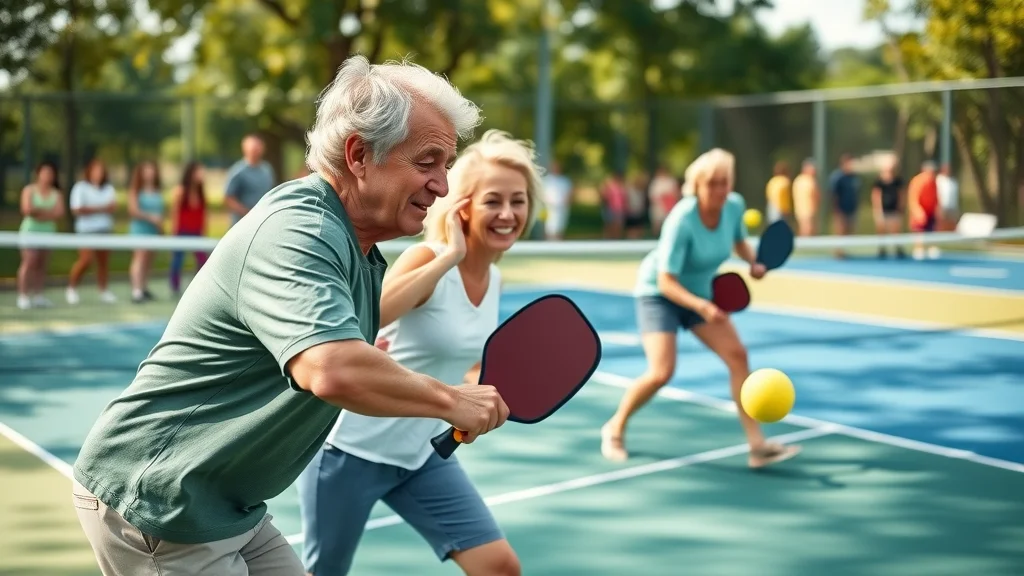
The surge in popularity of pickleball has brought a new group of enthusiasts to the courts — from seasoned athletes to newcomers in the Gig Harbor area. But with all the excitement, many are asking: why does back pain after pickleball seem so prevalent? Playing pickleball places significant stress on the low back, lower back muscles, and core, especially due to the fast movements, twisting, and repeated bending required. For many, those sudden starts, stops, and paddle swings are enough to trigger anything from mild muscle soreness to pronounced low back pain after a game.
Often, this discomfort is the result of “weekend warrior” syndrome, where the body isn’t adequately prepared for the intensity and duration of play. The combination of playing on hard surfaces, improper warm-ups, and perhaps using less supportive footwear can strain the soft tissues, muscles, and tendons of the lower back. It’s important to recognize signs of muscle fatigue versus injury and understand the factors behind your pain so you can bounce back naturally and keep enjoying the sport you love.
Understanding Lower Back and Low Back Pain After Pickleball
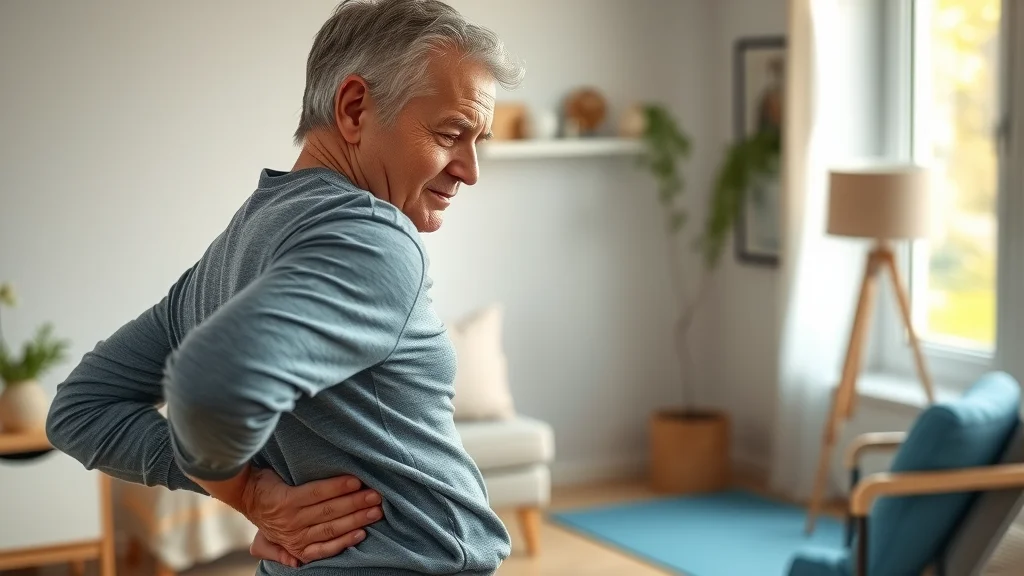
Low back pain after pickleball often comes from repeated movements — think bending to chase a low ball or quick twisting to change directions. Your lower back muscles and core muscles work overtime to stabilize, but when those muscles aren’t conditioned or become tense, you may notice pain either immediately or in the days following a match. It’s not just the muscle itself; strain to the ligaments, tendons, or deeper soft tissue can trigger discomfort that lingers.
While soreness is common, especially if you don't regularly perform motions similar to those on the pickleball court, persistent or sharp pain may signal a more significant concern such as a mild back injury or even an issue involving the spinal nerves. Understanding the difference between normal muscle soreness and signs of injury can help you manage recovery and protect your long-term well-being.
In addition to the stretches and recovery tips discussed here, many active adults find that incorporating gentle, restorative practices like yin yoga can further ease muscle tension and support hip and back mobility. For a deeper dive into how mindful movement can help, explore how yin yoga can transform sore hips and promote healing movement—a valuable complement to your pickleball recovery routine.
Is Muscle Soreness or Back Pain After Pickleball Normal?
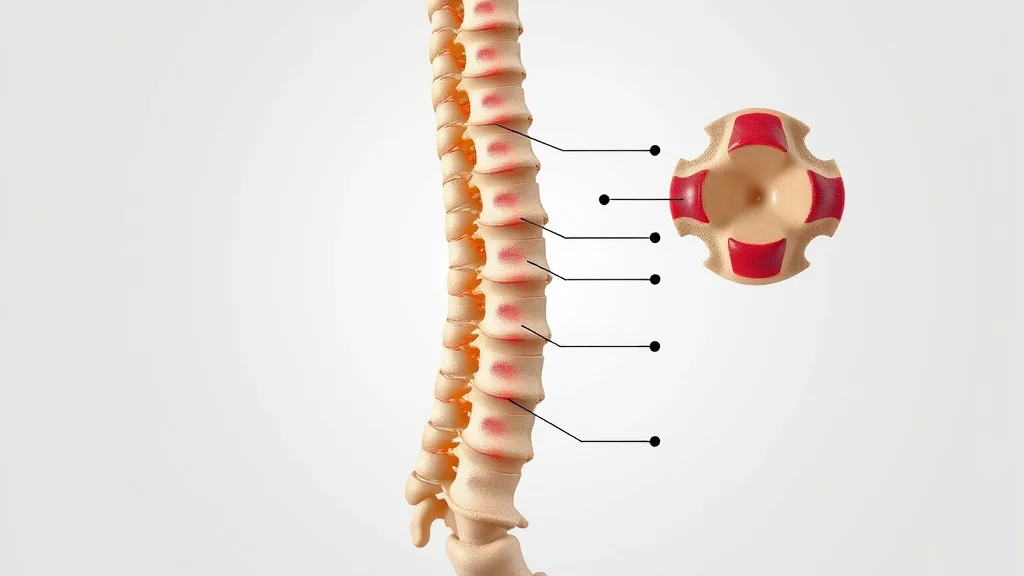
For most recreational players, muscle soreness is expected — your body is reacting to new or intense activity, particularly if you're returning to play after a break. Typical soreness feels like a dull ache or mild stiffness, primarily in the low back or along the sides, and often improves with rest and simple stretching. However, sharp, shooting pain or symptoms that worsen over a few days may indicate a more serious issue, such as a strained muscle, ligament sprain, or — in rare instances — herniated discs.
If your soreness is mild, this is your body adapting and growing stronger. But if you notice severe pain, numbness, weakness, or symptoms keeping you from daily activities, it’s time to consider holistic professional support for your back pain after pickleball. Early intervention can mean the difference between a quick recovery and ongoing discomfort.
What You’ll Learn About Back Pain After Pickleball
- Causes of back pain after playing pickleball
- Natural and holistic strategies for recovery
- When back pain means you should seek professional care
- How to prevent low back pain and muscle soreness in the future
- What to expect from working with a holistic health practitioner near Gig Harbor
Common Causes of Back Pain After Pickleball
Lower Back Pain Triggers During Playing Pickleball
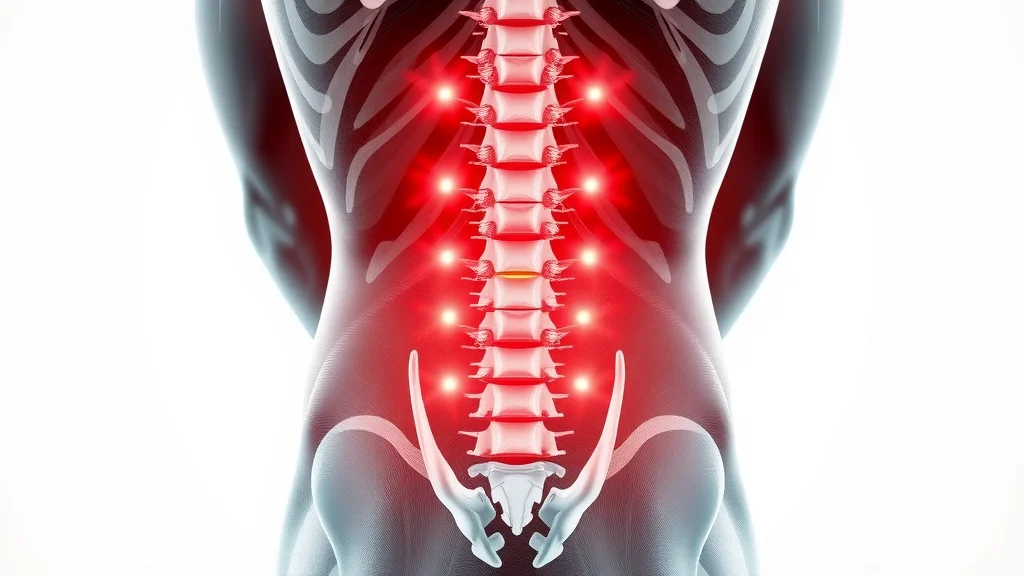
Understanding what causes lower back pain on the court can help you prevent it. Rapid moves like lunging, twisting, and reaching during pickleball place considerable pressure on the low back and supporting muscle groups. Common triggers include:
- Poor warm-up routines leading to stiff muscles and tendons
- Sudden stops, quick pivots, or overreaching for shots
- Playing on hard or unforgiving court surfaces that amplify impact
- Weak or imbalanced core muscles that fail to protect the spine
Each of these factors can set the stage for back pain after pickleball, particularly in players who may not be physically conditioned for quick, repetitive movements. The strain isn’t just muscular — soft tissue structures, spinal discs, and even alignment can all be affected by poor movement or insufficient recovery.
How Low Back Pain Develops from Muscle Soreness
Initially, most people feel only mild stiffness or dull aches in their low back after a vigorous game. This muscle soreness typically results from micro-tears in muscle fibers — a normal and healthy part of conditioning, as long as it’s managed correctly. However, without adequate rest, hydration, and movement, simple muscle soreness can lead to more pronounced low back pain that interferes with both play and daily life.
Neglecting small aches can escalate into compensations elsewhere in the body, or worsen imbalances in your pelvis (known as pelvic tilt). Left unchecked, these minor discomforts can become persistent pain, indicating a need for a holistic approach that addresses root causes rather than just the symptoms.
“Many individuals find that a natural holistic approach brings lasting relief for back pain after pickleball—focusing on the root causes and overall wellness. ”
Natural Remedies and Holistic Tips for Back Pain After Pickleball
Gentle Stretches and Exercises for Lower Back and Low Back Pain

The best way to alleviate low back pain after playing pickleball is to restore flexibility and strength through gentle movement. Focus on dynamic stretches before play — leg swings, arm circles, and light torso twists help warm up the back muscles and core. After a game, static stretches like child’s pose, knee-to-chest, and gentle spinal rotations encourage recovery and reduce muscle soreness.
Foam rolling on the glutes, hips, and lower back muscles supports healthy tissue recovery and reduces the buildup of muscle knots. Incorporating core stabilization exercises, such as bridges or simple planks, further supports the spine and helps prevent future injuries. Remember, the goal isn’t just to stretch, but to improve circulation and restore balance throughout your whole body, naturally reducing both immediate pain and long-term risk.
Holistic Approaches: Nutrition, Hydration, and Herbal Supports
Healing back pain after pickleball isn’t just about movement — it’s also about how you fuel and hydrate your body. Stress from playing increases your body’s need for water and nutrients, especially those that support muscles, tendons, and soft tissues. Prioritize whole, anti-inflammatory foods rich in omega-3 fatty acids, antioxidants, and minerals like magnesium.
Staying hydrated ensures your soft tissues remain supple and can recover efficiently. Some individuals also benefit from herbal supports — arnica, turmeric, and ginger are popular natural remedies used for easing inflammation and supporting tissue repair. These holistic strategies emphasize long-term recovery and well-being, keeping you back to playing more quickly, and with fewer setbacks.
How to Prevent Back Pain After Pickleball in the Future
Warm-Up and Cool-Down Routines to Reduce Muscle Soreness

Proper pre- and post-game routines are critical for avoiding low back pain and muscle soreness. Start every session with a thoughtful warm-up — brisk walking, gentle arm swings, and dynamic stretches prime your muscles, get circulation flowing, and increase flexibility. After playing, don’t skip the cool-down: invest a few extra minutes in gentle stretching, deep breathing, and foam rolling to lower the risk of chronic back pain after pickleball.
Routine is everything. Skipping these foundational steps increases the likelihood of aggravating your lower back or repeating poor movement patterns that set the stage for future injuries. Protecting your back is just as important as scoring the next point — a true win-win for staying active and pain-free.
Protecting Your Low Back with Proper Technique and Equipment
Biomechanics matter just as much as conditioning for preventing lower back pain. Emphasize technique: practice good posture, use your legs instead of your back to reach tricky shots, and keep your core muscles actively engaged on and off the court. Choosing equipment designed for support and safety – from quality shoes with ample cushioning to lightweight, balanced paddles – also makes a substantial difference.
- Choose supportive footwear for shock absorption on hard surfaces.
- Use proper posture and movement on the court, avoiding overextension.
- Incorporate regular core stability and strength exercises to protect the spine.
Even small tweaks — like learning to “lie on your back” for gentle stretches after play — pay dividends, keeping you active, healthy, and minimizing the risk of acute or lingering back pain after pickleball.
When to Seek Professional Care for Back Pain After Pickleball

Red Flags: When Back Pain After Pickleball Might Signal a Serious Issue
Most back pain after pickleball improves with natural, self-care strategies. However, certain signs mean it’s time to speak with an expert: Persistent or sharp pain lasting beyond several days Numbness, weakness, or radiating pain down the legs Significant loss of mobility, balance, or bowel/bladder function If back pain follows a fall or a direct impact, or interferes with your sleep and daily function, working with a holistic health practitioner is crucial. A professional assessment can distinguish between routine muscle soreness and potentially serious soft tissue or spine issues, including herniated discs.
Why Choose a Natural Holistic Health Practitioner Near Gig Harbor
The holistic approach centers you as a whole person, not just a collection of symptoms. A practitioner can identify root causes of your back pain after pickleball and offer natural therapies—ranging from nutritional advice and gentle movement to soft tissue therapies and mind-body modalities—that align your body for optimal, lasting recovery. The community around Gig Harbor is known for prioritizing natural health and vibrant living, making local holistic health practitioners skilled partners for supporting your longer, pain-free life.
"If you’re struggling to recover, a skilled holistic health practitioner can develop a personalized plan to help you live a longer, pain-free life. "
Table: Comparing Symptoms of Muscle Soreness, Low Back Pain, and Herniated Disc After Pickleball
Symptoms Table: Back Pain, Muscle Soreness, and More
| Symptom | Muscle Soreness | Low Back Pain | Herniated Disc |
|---|---|---|---|
| When It Appears | 12-48 hours after playing pickleball | During or immediately after play | After sudden movement, sometimes delayed onset |
| Type of Pain | Dull, tender, or stiff | Ache, sharp, or stabbing | Sharp, radiating, may cause numbness or tingling |
| Area Affected | Primarily muscles of low back and hips | Across lower back, sometimes down buttocks | Low back, often radiating to leg/foot |
| Associated Symptoms | Stiffness, mild swelling | Limited mobility, muscle spasm | Weakness, numbness, possible loss of bladder/bowel control (rare but urgent) |
| Self-Care Response | Improves with rest, stretching | May need rest, holistic support, or expert help | Requires expert evaluation, may need urgent care |
Video Guide: Expert Recommendations for Back Pain After Pickleball
People Also Ask About Back Pain After Pickleball
How to play pickleball without hurting your back?
Playing pickleball safely starts with warming up thoroughly, focusing on core stability, and practicing proper posture and movement technique. Consider consulting a holistic expert to tailor prevention strategies to your body, ensuring sustained health and enjoyment of the game.
Why does my body hurt so bad after pickleball?
Sore muscles after playing pickleball are common, especially if you're new, returning after a break, or increasing your intensity. The sport activates muscles not regularly used in daily life, so gradual conditioning and holistic recovery routines help minimize discomfort and speed healing.
Can you get a herniated disc from pickleball?
It’s uncommon, but improper form, sudden twists, or excessive force can contribute to herniated discs. If you encounter severe pain, numbness, or leg weakness, seek a professional evaluation from a holistic health expert—they can help protect your spine and customize your recovery.
What is the most common injury from playing pickleball?
Lower back pain and muscle soreness top the list for pickleball injuries, reflecting the stress on your back muscles during play. Fortunately, preventative holistic practices and smart pre-game routines keep these injuries at bay and support your body’s natural resilience.
Frequently Asked Questions About Back Pain After Pickleball
Can natural remedies for back pain after pickleball really work?
Yes, many find natural therapies—such as targeted stretching, mindful nutrition, and holistic therapeutic modalities—very effective for healing and preventing back pain. Results are often enhanced with guidance from a skilled holistic practitioner.
How soon should I see a holistic practitioner for low back pain?
If your back pain after pickleball doesn’t improve after a few days, worsens, or is accompanied by numbness or radiating symptoms, consult a holistic practitioner promptly. Early assessment ensures the most effective, personalized care and prevents lingering problems.
What types of alternative therapies are effective for back pain after pickleball?
Holistic practitioners may recommend options like physical therapy, massage, targeted exercises, nutritional counseling, herbal supports, and mind-body modalities (such as yoga or guided relaxation) to address both the underlying causes and symptoms of your back pain after pickleball.
Key Takeaways for Enjoying Pickleball Free from Back Pain
- Listen to your body and use preventative strategies.
- Holistic approaches support your body naturally.
- Seek expert advice for persistent symptoms in Gig Harbor.
Ready to Break Free From Back Pain After Pickleball? Book a Consultation with a Holistic Expert Today
Don’t let back pain sideline your love of pickleball or your active life. Take the first step toward healing and long-term prevention—connect with a skilled holistic health expert in the Gig Harbor area and reclaim your vibrant, pain-free movement today!
If you’re inspired to take your recovery and prevention strategies even further, consider exploring the broader benefits of mindful movement and holistic wellness. Practices like yin yoga not only target sore hips and back pain but also foster greater body awareness and resilience for all your favorite activities. Discover how embracing healing movement can support your journey to a pain-free, active lifestyle by learning more about the transformative power of yin yoga for sore hips and overall well-being. Your next step toward lasting comfort and vitality could be just a mindful stretch away.




Write A Comment