Gig Harbor Natural Holistic and Alternative Health

Heal Naturally. Live Fully.
  • Home
  • Categories
  • Top Chiropractor for Back Pain in Gig Harbor
  • Holistic Spas and Day Retreats in Gig Harbor
  • Yoga, Tai Chi, and Movement Classes Near You
  • Mind‑Body Therapy, Hypnosis, and Stress Relief
  • Holistic Stores, Herbs, and Natural Remedies
  • Discover Adventures and Treasures with Mark
  • Featured Gig Harbor Area Businesses
August 15.2026
1 Minute Read

Back Pain While Traveling: How to Prevent a Flare-Up

Imagine you’ve planned the perfect holiday getaway or an epic road trip—the routes are mapped, bags packed, playlists ready. But as you settle into that car ride or airplane seat, a familiar ache begins to creep into your lower back. For many, back pain while traveling can quickly overshadow adventures and create lasting discomfort, turning excitement into frustration. If you’re seeking natural, holistic ways to avoid a flare-up and keep your travels pain-free—this comprehensive guide offers actionable steps, expert advice, and smart travel tips that help safeguard your back on every journey.

Back Pain While Traveling: Understanding the Challenge

Traveling often turns into a real test for the body, especially when it comes to your lower back. Extended road trips, marathon plane rides, or simply spending hours in a car seat all seem to conspire against anyone, even those who rarely struggle with chronic back pain. For those living in or traveling from areas like Gig Harbor, where outdoor activities and road adventures are a staple, understanding why back pain while traveling is so common is the first powerful step toward prevention.

Let’s consider common scenarios: crowded cars filled with luggage, cramped airplane seats that limit movement, or holiday travel involving heavy luggage and unfamiliar beds. These situations frequently cause the lower back to ache or tighten, especially during long periods of sitting or awkward lifting. The truth is, any disruption to your natural spine alignment or routine—including stress, hurried schedules, or minimal rest stops—can make your back feel strained and vulnerable. This is why incorporating holistic preparation and self-care practices before, during, and after travel is so crucial.

  • Enduring lengthy car rides with minimal lower back support
  • Struggling with heavy luggage through busy transit terminals
  • Sleeping in unfamiliar beds during holiday travel or road trips
  • Poor posture in airplane seats or long trip shuttles

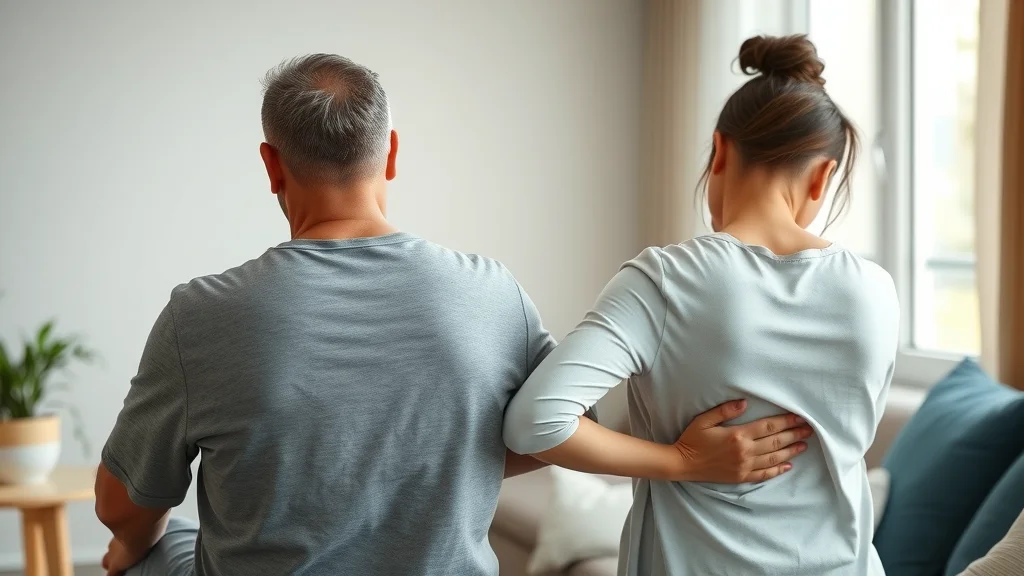
A thoughtful adult traveler gently stretching lower back in car seat, alleviating back pain while traveling.
  • Extended sitting reduces blood flow, aggravating lower back pain
  • Lack of movement diminishes the body’s natural pain relief mechanisms
  • Travel can intensify chronic back pain and delay recovery without proactive measures
  • Long road trips, especially without frequent rest stops, increase tension in the lower spine
  • Improperly adjusted car seats or omission of a lumbar pillow often lead to discomfort

What You’ll Learn: Natural Relief for Back Pain While Traveling

This guide is your roadmap to preventing lower back pain flare-ups, whether you’re embarking on a long road trip, flying across the country, or preparing for your next holiday travel adventure. You’ll discover holistic, expert-endorsed strategies—from powerful pre-trip routines to essential pain relief hacks on the road. Each section is designed to arm you with the tools needed to keep your back feeling strong, supple, and pain-free—no matter how many miles you travel.

  • How to prepare your body before a road trip, minimizing flare-ups in your lower back
  • Expert strategies for achieving pain relief and comfort during long car rides or flights
  • Must-know habits that reduce chronic lower back pain and enhance your travel experience

Root Causes of Back Pain While Traveling

Prolonged sitting is the biggest culprit of back pain while traveling, especially on long road trips or extended plane rides. Our bodies are designed to move, but hours in the same position decreases blood flow to the muscles and ligaments around the lower spine. When this happens, the back feels stiff, tight, and more susceptible to injury. Awkward car seat angles and airplane seats that lack proper support can further flatten the natural curve of your spine, adding to discomfort.

It’s not just sitting, though—carrying heavy luggage, bending improperly to pick up bags, and hurrying through crowded airports or train stations all place extra strain on the lower back. Using poor lifting techniques, or carrying more than your body can comfortably manage, increases the risk of lumbar strains and even nerve pinching. The impact of posture, car seat ergonomics, and the weight of luggage all combine to make traveling with back pain an unfortunately common experience.

  • Prolonged sitting limits blood flow and puts pressure on lower spine discs
  • Slouching or twisting in the car seat disrupts the spine’s natural curve
  • Non-ergonomic seats and headrests trigger muscle fatigue and lower back discomfort
  • Carrying heavy luggage without distributing weight evenly can worsen back feels

Traveler using correct lifting technique for heavy luggage to avoid lower back pain while traveling.
  • Traveling often heightens stress and muscle tension, which may amplify chronic pain flare-ups
  • Lack of adequate rest or relaxation slows recovery and makes pain relief harder during holiday travel
Expert perspective from a spine specialist: "Travel doesn’t have to mean pain—proactive natural approaches can help safeguard your lower back on the road."

Pre-Travel Preparation for Reducing Back Pain While Traveling

Setting yourself up for success starts before you even leave your home. Gentle stretches, mindful exercises, and targeted warm-ups are key to keeping lower back pain at bay when holiday travel or road trips await. By prepping your body mindfully, you’re activating blood flow, loosening tight muscles, and supporting your natural curve—making flare-ups less likely, even during prolonged sitting or car rides.

Self-care routines matter, too. Hydrate well, pack nourishing snacks, and ensure you get quality sleep in the nights before you travel. Don’t forget to build a natural pain relief kit: include cold packs or travel-ready hot/cold wraps, a lumbar pillow for the car ride, and options like herbal remedies or essential oil roll-ons. The more intentional you are in your preparation, the more resilient your back will be on every leg of your long trip.

  • Incorporate stretching routines focusing on the hamstrings, hips, lower back, and neck before any long road trip
  • Core-strengthening exercises help maintain the spine’s natural curve during periods of sitting
  • Mindful self-care: Hydrate, limit inflammatory foods, and support restorative sleep

Active woman performing gentle back stretch before travel, practicing holistic lower back care.
  • Packing essentials: hot/cold packs, lumbar pillow, herbal muscle rub, natural supplements for pain relief

In addition to these pre-travel routines, incorporating gentle movement practices can further support your lower back and hips. For example, Yin yoga is a restorative approach that helps release tension in the hips and lower back, making it an excellent complement to your travel preparation and recovery strategies.

Best Practices to Avoid Back Pain While Traveling: During Your Trip

Once you hit the road or take to the skies, the way you position your body and manage your travel environment can make a world of difference. Start by arranging your car seat to support the natural curve of your lower back—use a lumbar support or a roll-up towel if needed. Adjust your seat angle to avoid slouching, and keep your hips and knees level. This is especially vital for long road trips or car rides where back pain can creep up quickly.

Natural pain relief doesn’t stop at your seat. Plan regular rest stops to stand, stretch, and walk around, keeping blood flow active and giving your lower back a break from prolonged sitting. When it comes time to manage luggage, always lift with your legs—not your back—keeping weights close to your body. Using travel-friendly wheeled suitcases and packing light can further prevent strain. Small, holistic actions—continued throughout the trip—stack up to big pain relief benefits.

  • Adjust car seats to fit the natural curve of your lower back and consider portable seat cushions
  • During airplane travel, request aisle seats for easier movement and stretch breaks

Calm traveler arranging lumbar pillow for back support during long road trip.
  • Frequent stretches, in-seat movements, and short walks at rest stops keep back feels healthy
  • Deep breathing and gentle trunk rotations refresh your lower spine and muscles
  • Map out rest stops ahead on long road trips; take a few minutes to stretch and reset every 45–60 minutes
  • When lifting luggage, bend at your knees, keep your core engaged, and hold weights close to your center
  • Opt for luggage with wheels and padded handles for ease and lower back support

Holistic Advice for Managing Lower Back Pain During Holiday Travel

Managing lower back pain during travel doesn’t have to rely solely on medication. Holistic practices—like mindful breathing, meditation, and gentle self-massage—can provide lasting, natural pain relief. By integrating mindfulness into each step of your journey, you help your mind relax and reduce tension in the muscles of your lower back. Aromatherapy and essential oils are additional non-toxic tools for relaxation and can make a tangible difference on a long road trip or during an international holiday.

Self-massage using travel-friendly tools, or applying botanical balms, offers targeted comfort for persistent aches. Natural topical treatments—such as arnica or magnesium sprays—soothe muscle soreness without side effects. Supportive therapies like gentle yoga or guided meditation can help restore balance to your body and mind, creating a holistic shield against travel-triggered back pain. When you combine physical, emotional, and natural therapies, you set the stage for a pain-free adventure.

  • Use deep breathing and mindfulness meditation to lower muscle tension and stress
  • Guided audio relaxation helps maintain a calm and pain-free travel experience
  • Apply essential oils (like lavender or peppermint) to tight muscles, or try on-the-go acupressure tools

Peaceful traveler applying essential oil to lower back for natural pain relief while traveling.
  • Explore aromatherapy inhalers and natural topical balms for non-toxic pain relief

Cold Pack and Heat Therapy: Natural Remedies for Back Pain While Traveling

Cold and heat therapies are some of the most effective, portable natural remedies for back pain while traveling. Understanding when and how to use these techniques is pivotal for real-time relief. Cold packs are ideal for reducing inflammation and numbing sore areas after long periods of sitting or after lifting heavy luggage—they diminish swelling and provide immediate comfort. In contrast, heat therapy is perfect for relaxing stiff muscles and promoting healing blood flow, especially after a long trip or enduring draughty airplane cabins.

Travel-ready hot/cold packs should be part of your holistic pain relief kit. Modern options are compact, reusable, and easy to activate anywhere. For a quick fix, single-use heat wraps or cold patches can offer instant comfort whether you’re stuck on a car ride or awaiting your next connection. Integrating cold and heat therapy into your routine proactively supports a pain-free journey and can stop lower back pain from escalating during consecutive travel days.

  • Use cold packs after heavy lifting, prolonged sitting, or acute flare-ups; limit each application to 15–20 minutes
  • Apply heat packs when muscles feel stiff or achy, especially before bed or after activity
  • Choose travel-ready gel packs, instant heat wraps, or herbal compresses for natural, portable pain relief

Choosing the Right Support: Products and Tools for Back Pain While Traveling

The right travel gear makes a huge difference when traveling with back pain. Investing in ergonomic seat cushions and adjustable lumbar supports helps maintain the natural curve of your lower back, minimizing strain during a long road trip, car ride, or hours in an airplane seat. Look for compact cushions or inflatable supports—these offer pain relief without bulk and are easy to pack for holiday travel.

Modern travel-friendly gadgets bring holistic comfort, too—from posture correctors to portable massagers that ease tense muscles after long periods of sitting. Pair this with supportive herbal supplements or calming teas for holistic, inside-out relief. Remember, the best products are those that suit your unique needs and can be used on the go. Consult a specialized holistic practitioner in Gig Harbor for recommendations tailored to your travel style.

  • Top seat cushions and lumbar supports provide targeted pain relief on car rides and flights
  • Inflatable or memory foam designs are discreet, lightweight, and easy to adjust
  • Travel-size posture correctors, handheld massagers, and acupressure bands help relieve tension quickly
  • Herbal teas (like chamomile or turmeric) and natural supplements support lower back comfort
Comparison of Natural Solutions for Back Pain While Traveling
Solution Best For Portability Holistic Benefits
Stretches & Exercises Maintaining flexibility, blood flow, natural curve High Improves mobility, reduces flare-ups
Lumbar Supports & Cushions Back alignment, pain relief during car or plane rides Medium-High Prevents chronic discomfort, supports lower spine
Herbal Supplements & Teas Natural pain management, reducing tension High Anti-inflammatory, calming for mind and body
Topical Remedies & Cold/Heat Packs Quick pain relief, reducing inflammation or stiffness High Non-toxic, fast-acting support for flare-ups

Expert Tips: How to Care for Your Lower Back After Traveling

Once your trip ends, taking time for post-travel recovery is essential. Gentle stretching and movement help restore blood flow and keep your lower back from tightening after prolonged sitting or heavy lifting. Consider rolling out your mat for yoga, or practicing meditation and deep breathing to continue your holistic healing. Listen to your body: any lingering or severe discomfort calls for consultation with a spine specialist or holistic health practitioner. Early intervention means faster pain relief and fewer setbacks for your next journey.

If pain persists beyond a few days or worsens, seeking expert care is never something to delay. Qualified professionals in holistic health—including those in and around Gig Harbor—can design bespoke plans that address the root causes of your back pain while traveling, ensuring you enjoy lifelong mobility and comfort.

  • Commit to post-travel stretches and low-impact movement for gradual recovery
  • Don’t hesitate to schedule an appointment with a spine specialist or natural health practitioner for tailored support
"Consistent, natural self-care can transform your travel experience and prevent back pain recurrences—don’t wait until pain takes over."

People Also Ask: Quick Answers for Back Pain While Traveling

How long does it take for a lumbar strain to heal?

  • Lumbar strains can vary, but with natural rest, gentle movement, and holistic support, mild cases often begin improving within a few days to weeks. Persistent or severe pain should prompt evaluation by a spine specialist.

Is it better to sit or stand with lower back pain?

  • Alternating between sitting, standing, and moving often is best. Prolonged sitting or standing both can aggravate lower back pain, so balance is essential—especially during long road trips or car rides.

What to do about back pain that won't go away?

  • Chronic back pain should be evaluated by a qualified holistic health or spine specialist. Natural treatments, posture adjustments, targeted stretches, and stress management are important for persistent back pain while traveling and beyond.

How should you sleep with lower back pain?

  • For lower back pain, sleep on your side with a supportive pillow between your knees or on your back with a pillow beneath your knees to maintain spine alignment during holiday travel or when away from home.

Restful side sleeper with pillow between knees to prevent lower back pain while traveling.

FAQs on Back Pain While Traveling

  • Can alternative therapies provide effective pain relief for road trips?
    Yes, many holistic methods—including stretching, self-massage, aromatherapy, and herbal remedies—are excellent for addressing discomfort during a car ride or long road trip. Integrating these practices reduces flare-ups and supports lasting comfort.
  • Are there quick holistic remedies for acute flare-ups during car rides?
    Absolutely. Cold packs, heat wraps, and essential oil roll-ons can provide fast, natural pain relief when back pain strikes during travel. Always keep a travel-size kit handy.
  • How do I find the right holistic health practitioner in Gig Harbor, Washington?
    Seek practitioners who offer integrative, whole-body approaches to back pain while traveling. Look for specialists who provide personalized care, blend evidence-based practices, and have a customer support number for flexible scheduling.
  • Can regular posture exercises really prevent lower back pain on long road trips?
    Yes. Consistent posture exercises and core routines strengthen your lower spine, making it less likely for back pain flare-ups to occur—even on extended road trips or during extended periods of sitting.

Key Takeaways for Preventing Back Pain While Traveling

  • Proactive planning, smart packing, and holistic routines can dramatically reduce the risk of flare-ups
  • Integrating natural strategies ensures a smooth, pain-free journey—whether you’re embarking on a long road trip or holiday travel

Start Your Journey: Choose Natural, Holistic Help for Back Pain While Traveling

  • Ready to travel pain-free? Book a session today with a specialized holistic practitioner in the Gig Harbor area for expert, natural guidance on lower back pain management and prevention.

If you’re inspired to take your holistic self-care even further, consider exploring how mindful movement practices can transform not just your back, but your entire travel experience. Techniques like Yin yoga offer deep release for sore hips and lower back, supporting flexibility and comfort whether you’re on the road or at home. To discover how gentle, restorative movement can enhance your mobility and ease discomfort, explore the benefits of Yin yoga for sore hips and holistic healing in Gig Harbor. Embracing these advanced strategies can help you travel farther, recover faster, and enjoy every journey with renewed confidence and ease.


Top Chiropractor for Back Pain in Gig Harbor

1 Views

0 Comments

Write A Comment

*
*
Please complete the captcha to submit your comment.
Related Posts All Posts
08.14.2026

Back Pain During Sex: Why Comfort and Movement Matter

Imagine this: You and your partner are enjoying an intimate moment, only to have your experience interrupted by a sharp twinge or persistent discomfort in your lower back. If that scenario sounds familiar, you’re not alone—back pain during sex affects men and women of all ages and is much more common than most people realize. This article guides you through understanding the causes of back pain during sex, explores holistic pain relief, and motivates you to take your next step toward pain-free, healthy intimacy with the help of expert practitioners in the Gig Harbor area. Addressing Back Pain During Sex: An Expert Perspective Back pain during intercourse isn’t simply a nuisance—it can impact your sex life, emotional well-being, and relationship satisfaction. For those seeking natural and holistic approaches in Gig Harbor and surrounding areas, understanding both the physical and emotional components of this discomfort is essential. Back pain after sex (and during) may stem from repetitive strain on the lumbar spine, reduced flexibility, or unaddressed muscle tension, and these factors can be compounded by stress or anxiety related to intimate performance. It’s crucial to recognize that lower back pain and pain during intercourse are often treatable without resorting to harsh medications or invasive interventions. Holistic practitioners, physical therapists, and alternative health coaches offer safe, practical guidance to address pain through lifestyle adjustments, gentle movement, and mind-body strategies. By prioritizing comfort and open communication, you can reclaim control, nurture intimacy, and foster long-term back health. Why Back Pain During Sex Is More Common Than You Realize Many people quietly struggle with back pain during intercourse, often assuming it’s a rare or embarrassing complaint. In reality, it’s widespread for adults of all backgrounds, especially those who sit for long periods or engage in physically demanding work. The pressure and repetitive motions of sexual activity can strain the lower back muscles, particularly for individuals with pre-existing back conditions, middle age and older adults, or those recovering from injury. Taboos around discussing pain during sex cause many to delay seeking care. Yet, pain that disrupts your sex life deserves compassionate, holistic attention. Ignoring these symptoms may allow them to worsen, potentially leading to chronic low back pain or pain after sex that extends into daily activities. Normalizing the conversation and seeking expert holistic guidance enables couples to address discomfort early, ensuring intimacy remains joyful and free from fear. For those looking to improve flexibility and reduce tension in the hips and lower back, incorporating gentle practices like yin yoga can be especially beneficial. Discover how targeted movement and mindful stretching can ease discomfort by exploring healing yin yoga techniques for sore hips in Gig Harbor, which may complement your holistic approach to back pain during intimacy. The Connection Between Back Pain And Overall Sexual Health Your back is central to virtually every movement—including those during sex. The lumbar region supports your hips and pelvis, areas heavily engaged during intimacy. Unresolved back pain during intercourse can influence your desire, confidence, and satisfaction, creating a cycle of avoidance, tension, or even relationship stress. Sexual health is deeply entwined with physical comfort: prioritizing one often benefits the other. Addressing lower back pain with holistic practices—gentle yoga, mindful stretching, ergonomic supports—encourages both pain relief and enhanced connection with your partner. Holistic practitioners focus on more than just symptom management; they aim to restore mind-body harmony, reduce anxiety around sexual activity, and empower couples to explore intimacy in ways that support healing and trust. What You'll Learn About Back Pain During Sex Common causes of back pain during intercourse and pain after sex Safe and supportive movement strategies for lower back pain Holistic, natural approaches to pain management Expert advice on mitigating pain during sex and nurturing overall well-being Understanding the Causes: Why Does Back Pain Occur During Sex? Lower Back Pain And Pain During Intercourse: Underlying Factors Back pain during sex is rarely caused by a single issue. Often, a bridge of factors comes together—muscle strain, joint restriction, poor core support, or even emotional stress. People in their middle age and older are especially vulnerable due to age-related degeneration in the lumbar spine or chronic low back issues. Tight back muscles, poor posture from sitting, or inadequate warm-up before sexual activity can make discomfort more likely. Stress and anxiety, which tighten lumbar muscles, play a role as well. When the body is tense, movements aren’t as fluid or adaptable, increasing the risk of pain during intercourse. Chronic health issues like spinal disease, sclerosis, or arthritis may further complicate matters, making it vital to seek individualized, holistic care for ongoing or severe back pain after sex. The Role of Herniated Disc and Other Spinal Conditions A herniated disc is a frequent yet often overlooked culprit behind pain during sex. In this condition, the cushioning discs between the vertebrae bulge or rupture, pressing nerves and triggering discomfort down the lower back and into the legs. For those with a lumbar disc injury, sexual positions or movements that flex, twist, or press the lumbar region can intensify pain. Other spinal conditions, such as spinal disease or degenerative disc changes, similarly increase risk. These issues commonly affect adults over age 40 but can impact anyone who has experienced trauma or chronic inflammation. Understanding the root cause of your pain with a holistic expert’s help makes a difference—many can guide you to less stressful movements and pain-free intimacy, even with moderate disc herniation. Natural and Holistic Health Strategies for Managing Back Pain During Sex Mind-Body Approaches: Gentle Movement, Yoga, and Breathwork Holistic practitioners focus on improving comfort and movement for any person struggling with back pain during intercourse. Gentle stretches, restorative yoga poses (like child’s pose or supported bridge), and targeted core exercises help strengthen the lower back muscles and build resilience for future sexual activity. Mindful breathing (diaphragmatic or slow exhale patterns) calms the nervous system, encouraging both physical and emotional relaxation to decrease pain after sex. Partner yoga and stretching can also encourage trust and communication, allowing you and your partner to adapt positions and find what feels best. Some couples in Gig Harbor benefit from gentle, guided exercises during sessions with a natural health expert or holistic therapist—especially if one or both partners have a history of back injuries, disc herniation, or muscle tightness. Supplements, Herbal Remedies, and Natural Therapies for Lower Back Pain A holistic approach to lower back pain during sex often incorporates safe, natural supplements and herbal remedies alongside movement strategies. Magnesium, turmeric, and boswellia may support muscle relaxation and reduce inflammation. Herbal teas or essential oils like lavender may encourage rest and relaxation, helping the body recover from pain after sex. Holistic practitioners may also recommend therapies like acupuncture, massage, or hydrotherapy. These methods address muscle tightness and activate the body’s natural healing. Always consult a local expert before starting new supplements—especially if you’re already on medication or have complex health conditions. Personalized care from a Gig Harbor-area practitioner ensures that these remedies align with your unique needs. When to See a Holistic Health Practitioner in the Gig Harbor Area It’s time to consult a holistic practitioner if back pain during intercourse is frequent, intense, or begins to disrupt other aspects of your daily health. Warning signs—like increasingly severe pain, persistent pain after sex, tingling, numbness, or sudden loss of mobility—warrant prompt attention. Holistic experts in Gig Harbor blend natural therapies, advanced movement coaching, and lifestyle recommendations to help you achieve sustained comfort and sexual health. Don’t wait until minor discomfort becomes a chronic or disabling problem. Working proactively with a knowledgeable practitioner opens the door to safe, natural solutions—making it possible to fully enjoy intimacy, improve flexibility, and build a foundation for a pain-free, healthy future. Tables: Comparing Conventional vs. Holistic Approaches to Back Pain During Sex Treatment Approach Conventional Holistic Typical Strategies Pain medications, muscle relaxants, surgery for severe discs Gentle stretching, yoga, acupuncture, herbal remedies Focus Symptom management, immediate pain relief Root cause resolution, whole-body health Side Effects Possible drowsiness, dependence, long-term gut or kidney impact Minimal side effects, focus on natural healing processes Long-term Results May not prevent recurrence of pain Promotes lasting resilience, body awareness, emotional well-being Practitioner Type Primary care physician, orthopedist, physical therapist Holistic health practitioner, naturopath, integrative therapist Expert Quotes: Real Advice for Back Pain After Sex "Listening to your body and choosing natural, holistic healing strategies can empower physical and emotional intimacy." Lists: Supportive Sex Positions to Prevent Back Pain During Intercourse Side-lying positions to ease pressure on the lower back Modified missionary with pillows for lumbar support Kneeling positions to minimize strain Using yoga blocks or supports for comfort Watch: An instructional video featuring a certified physical therapist or holistic practitioner demonstrates gentle, effective stretches and pain-relieving movement adaptations for safer, more enjoyable intimacy—even if you struggle with lower back pain. These techniques can be incorporated before and after sexual activity to minimize discomfort and support recovery. People Also Ask: What does STD lower back pain feel like? Back Pain During Sex vs. STD-Related Lower Back Pain It’s important to distinguish between musculoskeletal back pain during intercourse and pain caused by an untreated sexually transmitted infection (STD). STD-related lower back pain may present differently, often with additional warning signs, such as fever, chills, or abnormal genital discharge. This pain might be more diffuse, constant, or accompanied by other changes in urinary or reproductive health. Regardless, if you’re uncertain of the cause, consult both a holistic and medical practitioner for a thorough evaluation. Answer: STD-related lower back pain can differ from musculoskeletal back pain during intercourse, with potential additional symptoms such as fever or unusual discharge. If symptoms persist, consult both a medical and holistic practitioner. People Also Ask: What causes pain during deep sex in females? Pain During Deep Sex in Females and Back Pain After Sex Women frequently experience pain during deep penetration due to conditions like endometriosis, pelvic inflammatory disease, muscle tension, ovarian cysts, or lower back pain. Sometimes, deep thrusting may trigger or exacerbate lumbar pain, especially if there’s a history of disc herniation, chronic pelvic floor tightness, or trauma. Because pelvic and back health are so interconnected, addressing one often supports the other. Open communication, body awareness, and the support of a trusted holistic practitioner can help women manage and resolve these discomforts. Techniques such as pelvic floor therapy, myofascial release, and gentle stretches target specific muscle groups, relieving pain and fostering a sense of safety and pleasure in intimate relationships. Answer: Deep pelvic penetration can cause pain due to conditions like endometriosis, muscle tension, or lower back pain. Holistic therapies may help address underlying causes and promote comfort. People Also Ask: Can certain sex positions cause back pain? How Sex Positions Impact Lower Back Pain and Pain During Intercourse Absolutely—unsupported, twisting, or high-pressure movements and positions can strain the back muscles and lumbar spine, leading to acute pain during sex or even lingering pain after sex. For example, arching the back excessively, or staying in a position that puts pressure on the lumbar region, may cause discomfort, especially in those with prior back injuries or spinal diseases. Conversely, positions that encourage natural alignment and allow the pelvis to tilt freely, such as side-lying or kneeling, tend to minimize stress on the spine. Couples are encouraged to experiment gently and use props such as pillows, yoga blocks, or rolled blankets for lumbar support. This approach both supports the spine and creates opportunities to explore new, pleasurable ways to connect that won’t aggravate existing pain. Answer: Yes, unsupported or high-pressure positions may worsen back pain during sex. Adapting movements and using supports can make intercourse more comfortable for those with back pain. People Also Ask: How do you treat back pain during sex? Treating Back Pain During Intercourse: Holistic Methods Holistic treatment of back pain during sex focuses on safe movement, relaxation of the back muscles, and open communication with your partner. Begin with gentle stretching and warming up before intimacy—especially focusing on hips, lower back, and hamstrings. Integrating breathwork, body awareness, and core-strengthening practices reduce the likelihood of pain during and after sex. For chronic or intense pain, regular support from a holistic therapist or natural health practitioner in Gig Harbor is invaluable. Some may benefit from complementary therapies such as acupuncture, massage, or herbal pain relief, while others respond to personalized movement coaching and ergonomic assessments. Chronic low back pain requires a sustained, multifaceted approach, but most individuals find significant relief and improved sexual wellness by working with a skilled, empathetic holistic practitioner. Answer: Gentle stretching, mindful breathing, supportive positioning, and consulting with a holistic practitioner can ease back pain during sex — especially important for individuals seeking natural health solutions. FAQs About Back Pain During Sex, Pain After Sex, and Natural Solutions Is back pain during intercourse always a sign of an underlying health issue? Not always. While underlying conditions like herniated discs or spinal diseases can cause back pain during sex, it can also result from temporary muscle strain, awkward positioning, or stress. If pain persists or intensifies, consult a holistic health expert to identify the cause and receive tailored guidance. How can I discuss back pain after sex with my partner? Approach with honesty and openness. Explain your experiences and needs, encourage your partner to provide support, and brainstorm comfortable positions or strategies together. Holistic practitioners often offer communication tips to empower healthy, supportive intimacy. Are certain exercises better for reducing lower back pain before sex? Yes—gentle yoga, hip-opening stretches, and core-strengthening exercises can release tension and enhance flexibility. Your holistic practitioner can design a personalized routine to target your specific pain triggers. When should I see a natural and holistic health practitioner? Seek expert help if your back pain during intercourse is frequent, severe, or disrupts other daily activities. Also, if you notice redness, swelling, numbness, or urinary changes, consult both a holistic and a traditional medical provider. Key Takeaways on Back Pain During Sex and Holistic Health Approaches Back pain during sex is common and often manageable through holistic strategies Safe movement, body awareness, and supportive positions can significantly reduce pain Holistic health practitioners in Gig Harbor are equipped to help with natural pain management Explore insights from a trusted Gig Harbor-area practitioner as they address your top questions about pain during intercourse, holistic pain relief, and strategies for building a healthier, more pain-free sex life. These expert-led Q&As provide practical steps and motivation for embracing natural solutions. Take the First Step: Book a Consultation with a Trusted Holistic Health Practitioner Near Gig Harbor Ready to transform your experience and reclaim intimacy with confidence? Connect with an expert holistic health practitioner in the Gig Harbor area and begin your journey to lasting, pain-free wellness—because you deserve comfort, connection, and a vibrant sex life at every stage of life. If you’re inspired to take your holistic wellness journey even further, consider exploring additional movement-based therapies that support not just your back, but your entire body’s flexibility and resilience. Practices like yin yoga can be a gentle yet powerful way to address chronic tension, improve joint health, and foster a deeper mind-body connection. By integrating these advanced techniques into your routine, you’ll be better equipped to enjoy pain-free intimacy and overall vitality. For more guidance on embracing healing movement and nurturing your well-being, discover the benefits of yin yoga for sore hips and holistic health in Gig Harbor.

08.12.2026

Can Back Pain Make You Afraid to Move?

Imagine greeting the morning sun, but instead of excitement for the day ahead, you pause—hesitant, wary of the ache in your back and the fear that moving might make it worse. This scenario is familiar to countless individuals living with fear of movement back pain. The discomfort of chronic back pain is frustrating, but the anxiety it triggers about simple actions—walking, bending, reaching—can truly steal life’s richness. In this article, we’ll uncover how the cycle of pain and fear shapes decisions, reveal natural and holistic strategies for resilience, and help you reclaim your freedom to move, especially if you’re considering expert, whole-person care in the Gig Harbor, WA area. Facing the Fear of Movement Back Pain: A Day in the Life For someone with chronic low back pain or persistent back pain, every action is a negotiation—should you get out of bed quickly or move slowly and brace for that sharp reminder in your lower back? The silent anxiety that arises before each movement morphs into a deeper pattern over time. This daily negotiation isn’t just about managing pain intensity; it's also battling the emotional weight of fear avoidance and avoidance behavior. Many back pain patients even find themselves skimming the official website of every physical therapist or holistic health clinic nearby, desperate for answers. These patterns are especially felt by low back pain patients who’ve experienced pain for months or even years. They develop specific fear around movement—a fear group that researchers have linked to chronic pain and decreased participation in daily activities. This can result in what’s known as the cycle of pain, where pain experience feeds fear, which in turn reduces movement, resulting in weaker spinal muscles and greater discomfort over time. If you’re in or near Gig Harbor, WA, you might be wondering if there’s a natural or holistic answer—and you’re not alone. How Fear of Movement Back Pain Shapes Our Everyday Decisions Everyday choices—from turning to pick up a dropped item to accepting a walk with friends—are profoundly influenced by fear of movement back pain. This fear, often called kinesiophobia, can sometimes be even more incapacitating than back pain itself. People with high levels of low fear may still attempt gentle movement, but those with high fear may limit themselves so much that they can’t enjoy basic activities. The result? Social withdrawal, reduced participation in hobbies, and a growing sense of loss. For chronic back pain sufferers, physical therapists and pain patients alike observe that avoidance beliefs take root. Even well-meaning advice from friends or family can reinforce the avoidance model, leading people to assume that rest is safest. Low back pain patients may become reluctant to trust their bodies, which only increases feelings of vulnerability. Recognizing this connection between pain and fear is the critical first step in breaking the cycle—particularly for those open to holistic, mind-body approaches. Exploring gentle movement modalities can be a powerful way to break the cycle of fear and avoidance. For example, practices like yin yoga are specifically designed to support healing and mobility in a safe, mindful manner—especially for those dealing with chronic discomfort. If you're interested in how targeted movement can ease tension and restore confidence, you may find value in learning about yin yoga for sore hips and holistic movement strategies available in Gig Harbor. Experiencing Chronic Low Back Pain: Emotional and Physical Toll The emotional burden of chronic low back pain goes far beyond physical discomfort. Many back pain patients report anxiety, frustration, and even depression as they struggle to find relief. Researchers highlight how high levels of fear avoidance can predict not only disability but also a poorer quality of life overall. It isn’t just about the body—it’s about the whole person. That’s why more and more people in Gig Harbor, WA are turning toward holistic practitioners who view health through a comprehensive lens, including mental, physical, and spiritual well-being. Living with a chronic pain condition like this often means facing the world with invisible struggles. The constant fear of aggravating pain means missing out on moments that matter: playing with grandchildren, joining friends for local events, or simply strolling through the park. Acknowledging both the emotional and physical toll allows individuals to seek support that addresses all facets of their experience. What You'll Learn About Fear of Movement Back Pain How fear and anxiety increase chronic back pain discomfort Why the fear of movement can be more limiting than back pain itself Natural and holistic strategies to address both pain and the underlying fear Expert insights for overcoming the cycle of low back pain and chronic back issues Understanding Back Pain, Low Back Pain, and the Fear of Movement To truly address fear of movement back pain, it’s essential to understand how pain, fear, and behavior intersect. Low back pain, in particular, is among the most common reasons people seek care, often lingering well beyond the initial injury. Research into chronic low back pain shows that avoidance behavior and specific fear around movement—not just the pain itself—can keep recovery at arm’s length. This is where holistic approaches can have an edge over conventional methods, empowering patients to challenge their perceptions and rebuild confidence in their bodies. The avoidance model, studied in both physical therapists' and pain patients’ experiences, illustrates how the pain experience is shaped by both physical and emotional factors. Chronic low back pain often ignites a complex interplay between the nervous system, spinal muscles, and psychological beliefs. Addressing these dynamics—with the support of a trusted holistic health expert—provides a pathway toward real and sustained change for low back pain patients in Gig Harbor and beyond. The Link Between Chronic Back Pain and Fear of Movement Chronic back pain is not just a problem in the body—it’s a dialogue between body and mind. When pain persists, each movement can set off an alarm in the nervous system, signaling danger and heightening the fear of pain. For patients with chronic low back pain, this connection is powerful. Many develop “fear avoidance beliefs,” convinced that moving will lead to further harm or more severe pain, despite medical evidence showing that movement is often essential to healing. Multiple studies confirm that low back pain patients who score higher on specific fear measures—like the Tampa Scale for Kinesiophobia—tend to report greater pain intensity and greater limitations in daily activities. The cycle of pain and avoidance becomes self-reinforcing: the less one moves, the weaker spinal muscles become, and the more sensitive the nervous system remains to even minor signals. Holistic practitioners recognize this and are skilled at guiding patients through gentle movement and mindfulness to tip the cycle back toward recovery and normalcy. When Low Back Pain Becomes Chronic: Breaking the Fear–Pain Cycle If acute back pain is like a storm, chronic low back pain is the lingering clouds—persistent, unpredictable, and mentally exhausting. What transforms acute discomfort into chronic pain is often not the initial injury, but the ensuing fear and reduction of movement. This is known as the fear–pain cycle. Avoidance behavior, such as skipping activities or guarding the back during any movement, soon becomes ingrained. Over time, this can increase muscle tension, reduce blood flow, and actually worsen the pain experience itself. Breaking this fear–pain cycle requires more than just pain relief. It involves addressing the underlying avoidance beliefs and rebuilding trust in your own body. Holistic approaches—rooted in gentle movement, mindfulness, and supportive care—empower patients to make gradual, safe transitions back into normal life. This is especially valuable for chronic low back pain patients who may have exhausted conventional options and are ready for a truly whole-person approach. Pain is inevitable, but suffering is optional—when we fear movement, we limit our body's innate ability to heal. Why Chronic Low Back Pain Triggers Fear of Movement Chronic low back pain doesn't just occur in isolation—it reshapes how you approach every part of life. The fear of movement is a natural, even protective, response to pain, but when it persists, it can cause lasting limitations far beyond the original injury. Patients with chronic and persistent symptoms develop high levels of vigilance. Even after physical healing, avoidance beliefs may keep them “stuck”—afraid to exercise, stretch, or even maintain their posture during daily activities. For those seeking holistic answers near Gig Harbor, WA, understanding the deep impact of chronic low back pain on daily routine is crucial. By looking beyond symptoms and considering mental, emotional, and physical dimensions, a holistic practitioner is uniquely equipped to address both pain and the complex “fear of movement” layer that often comes with it. The Impact of Chronic Low Back Pain on Mental Health The link between chronic pain and mental health is undeniable. Studies show that ongoing pain—especially in the low back—can lead to chronic stress, anxiety, and even depression. The fear avoidance model describes how high levels of fear of pain result in reduced physical activity, decreased self-efficacy, and increased distress. For many back pain patients, this mental burden compounds the physical limitations, further decreasing their willingness to engage in daily activities. Mental health professionals and holistic health practitioners emphasize treating the whole person. Addressing anxiety, stress, and avoidance patterns can spur meaningful improvements in both pain ratings and overall well-being. In the supportive, client-centered approach typical of holistic care, patients discover the confidence to explore new movements and reclaim their quality of life—an approach increasingly sought by patients in Gig Harbor who value comprehensive, integrative care. Behavioral Patterns: Avoidance and Guarding Movements Avoidance and guarding behaviors are frequent responses to chronic low back pain. Patients with chronic pain often become vigilant, anticipating discomfort with every movement. Simple tasks such as reaching overhead or bending to tie shoes are done slowly, cautiously, and sometimes not at all. Over months or years, this withdrawal leads to reduced mobility, muscular weakness, and a narrowing of life’s experiences. The cycle can be broken by addressing avoidance beliefs and reintroducing gentle, graded movement. A holistic health practitioner can guide patients in exploring safe ways to move, moving beyond the rigid restrictions set by fear. Incorporating techniques such as mindful stretching, breathwork, or even somatic therapies can help back pain patients develop a renewed sense of trust in their body, setting the stage for real recovery. Holistic Health Perspectives on Chronic Back Pain A holistic health perspective recognizes that chronic back pain and fear of movement are not just physical issues, but reflections of a larger story—your environment, history, emotions, and beliefs. Practitioners specializing in holistic health often blend natural therapies, mindful movement, nutritional advice, and emotional support to create comprehensive plans for chronic low back pain relief. Instead of masking symptoms or focusing solely on the painful area, holistic practitioners seek to restore balance in the nervous system, address avoidance behavior, and empower patients to view themselves as partners in their own healing. Whether through yoga, acupuncture, therapeutic massage, or nutritional counseling, this “big picture” approach has helped countless people in Gig Harbor and beyond return to the activities they love. What Can Be Mistaken for Lower Back Pain? Lower back pain is an extremely common complaint, but what feels like chronic low back pain can actually originate from sources outside the spine. Understanding what can be mistaken for lower back pain helps ensure you get the right treatment—especially when seeking holistic care. Some common conditions that mimic low back pain include hip joint problems, sacroiliac joint dysfunction, kidney issues, digestive disorders, and even referred pain from the pelvis or abdomen. Sometimes, pulled muscles or tight connective tissues in the pelvis or hamstrings can present symptoms nearly identical to classic back pain. A skilled holistic practitioner will assess the whole body, identifying the true source and offering targeted relief strategies. Common Conditions That Mimic Low Back Pain The most prevalent culprits of “false” low back pain include sciatica (compression of the sciatic nerve), piriformis syndrome, hernias, endometriosis, and urinary tract infections. These can all cause pain that radiates into the lower back and hips. In some cases, issues such as fibromyalgia or myofascial pain syndrome may result in widespread or shifting pain sensations. This is why a comprehensive, whole-person evaluation—looking at alignment, movement patterns, and underlying health conditions—is critical to finding lasting relief from back pain symptoms. In Gig Harbor, holistic health experts use thorough assessments to precisely identify the root of pain and create effective, individualized care plans. Answer: What can be mistaken for lower back pain? Lower back pain can be mistaken for issues arising from hip, pelvis, sacroiliac joint, kidneys, or digestive organs. Symptoms may also be caused by nerve compression (like sciatica), muscle tightness, or inflammation in adjacent areas. Always seek a professional assessment, ideally from a holistic practitioner, to ensure an accurate diagnosis and effective, natural treatment. How to Loosen Tight Lower Back Muscles Naturally Tight lower back muscles are both a consequence and contributor to the cycle of chronic low back pain and avoidance. Holistic and natural strategies offer practical and highly effective ways to loosen these muscles, supporting greater comfort and flexibility. Whether your movement is restricted by pain or fear, gentle approaches can provide significant relief. Back pain patients often find that natural movement therapies—yoga, tai chi, mindful stretching—combined with breathwork, massage, and nutritional support dramatically reduce symptoms. These therapies improve blood flow, relax the nervous system, and gently strengthen the spinal muscles, inviting gradual, safe movement back into daily routines. Incorporating these modalities is especially beneficial for low back pain patients seeking holistic options in the Gig Harbor region. Movement, Stretching, and Holistic Techniques For Chronic Low Back Pain Safe movement is the cornerstone of any holistic pain management plan. Guided yoga, gentle stretching routines, and tai chi are all effective for restoring flexibility, releasing tension, and reestablishing a sense of confidence in motion. Breathwork practices foster relaxation and reduce anxiety about pain, while therapeutic massage releases chronically tight soft tissue. Working with an expert in holistic health ensures that low fear or high fear barriers can be navigated mindfully, promoting steady progress. Over time, these strategies help retrain the body to move freely without triggering high levels of pain rating or fear. Integrating them with nutritional counseling and mindfulness can further improve resilience and well-being, setting the stage for long-term freedom from back pain and the cycle of avoidance. Answer: How to loosen tight lower back muscles? Loosen tight lower back muscles naturally with gentle stretches—such as knee-to-chest, cat-cow, or child's pose—combined with mindful breathing. Holistic techniques including yoga and therapeutic massage, alongside hydration and good nutrition, reduce tension and restore healthy movement patterns. Begin slowly and seek guidance from a holistic health expert, prioritizing gradual, comfortable gains over forceful movements. How to Live with Chronic Back Pain—And Reduce the Fear of Movement Back Pain Living with chronic back pain is a daily test of patience and adaptability. The key to reducing the fear of movement—and ultimately regaining your life—is developing a toolbox of effective, natural strategies that address both the pain and its emotional impact. Integrating holistic therapies into your care plan can empower you to move through life with greater ease. Holistic practitioners often combine movement, mindfulness, and nutritional guidance to treat chronic pain at its root. In the supportive, one-on-one setting of natural health care, you can learn to navigate both pain and fear, rebuild confidence, and develop habits that support lifelong resilience and well-being. Integrating Natural and Alternative Therapies Natural and alternative therapies—such as acupuncture, chiropractic, massage, herbal remedies, and mindfulness practices—have become mainstays for many managing chronic low back pain. These approaches not only address physical discomfort but can also help reduce the fear group mentality around pain, encouraging a more empowered, optimistic mindset. Working with a trusted holistic practitioner ensures you receive individualized care and expert guidance. Together, you’ll explore safe movement, address avoidance behavior, and implement supportive nutritional changes, forming a comprehensive strategy that is especially valuable for those in Gig Harbor, WA seeking an alternative to generic pain relief solutions. Answer: How to live with chronic back pain? You can live well with chronic back pain by integrating holistic therapies—movement (like yoga and tai chi), mindfulness, nutritional adjustments, and supportive care from natural health professionals. Adopting these tools fosters resilience, reduces pain, and helps you break free from the cycle of fear and limited movement. It’s about building a customized, whole-person plan with the help of an expert holistic health practitioner. How to Stop Worrying About Back Pain and Start Moving Again Worrying about back pain can sometimes be more limiting than the pain itself. The stop-start, “what-if” mindset prevents people from engaging in enjoyable activities, feeds the fear–pain cycle, and erodes confidence. Fortunately, there are expert-backed holistic approaches to help you overcome anxiety about movement and rebuild trust in your body. The first step is to acknowledge the worry—then gently counter it with evidence-based movement strategies, breathwork, and professional support. With consistent practice and expert guidance, your nervous system becomes less reactive, and your confidence grows. Soon, activities that once triggered concern can be approached with optimism and curiosity, rather than dread. Building Confidence and Trust in Your Body Using Holistic Approaches Confidence is built one small step at a time. Holistic practitioners teach mindful movement and graded exposure—a process of gradually increasing activity in a controlled, reassuring way. Combined with practices like meditation, somatic therapies, and nutritional support, these methods help retrain both the mind and body to function with less pain and more security. This approach isn’t just about symptom management; it’s about empowering you to reclaim life’s joys. Back pain patients working with holistic experts often discover a newfound sense of vitality and possibility—breaking the grip of fear and resuming a life of full, meaningful activity in places like Gig Harbor and beyond. Answer: How to stop worrying about back pain? Stop worrying about back pain by working with a holistic practitioner to develop a gradual, supportive movement plan. Incorporate mindfulness techniques, breathwork, and positive reinforcement to build trust in your body. Over time, consistent progress will help dissolve fear, allowing you to enjoy movement and life again with renewed confidence. Holistic Strategies for Managing Fear of Movement Back Pain Mindful movement: Incorporate yoga, tai chi, or gentle stretching into your daily routine—focusing on safety and awareness, not force. Breathwork: Practice focused breathing to reduce anxiety and calm the nervous system—minimizing the intensity and emotional charge of pain. Consultation with a holistic practitioner: Get an individualized assessment and treatment plan targeting both pain and fear of movement back pain. Nutritional changes: Support healing and lower inflammation by adopting an anti-inflammatory, nutrient-dense diet recommended by a holistic health expert. Comparing Holistic & Conventional Approaches to Fear of Movement Back Pain Approaches to Managing Chronic Low Back Pain and Fear of Movement Aspect Holistic Approach Conventional Approach Focus Whole-person—physical, emotional, lifestyle Primarily symptom management Interventions Movement, nutrition, mindfulness, natural therapies Medications, surgery, physical therapy Mind-Body Connection Central—emphasis on breaking fear–pain cycle Often secondary or overlooked Support Individualized, relationship-based care Protocol-based care, less focus on emotions or fears Goal Restore balance, build resilience, empower patients Reduce symptoms, restore function Expert Quote on Overcoming Chronic Low Back Pain and Fear of Movement Choosing holistic care means addressing not just the pain, but the whole person—mind, body, and spirit. Animated explainer: The cycle of fear and pain in chronic back pain, holistic solutions shown through gentle movement, therapeutic interventions, and confidence-building activities (30-60 sec, calm narration, uplifting tone, clean graphics, no text overlays, diverse characters, natural settings) Key Takeaways: Managing Fear of Movement Back Pain Holistically Fear of movement back pain often causes greater disruption than back pain alone Natural and holistic strategies empower lasting relief and resilience Seeking expert advice accelerates recovery and confidence A whole-person approach can break the cycle of chronic low back pain FAQs About Fear of Movement Back Pain and Holistic Health Can natural practitioners help with chronic back pain and fear of movement? Yes, natural and holistic health practitioners offer comprehensive approaches that address both the physical pain and the psychological factors, like fear avoidance, contributing to the cycle of chronic back pain. By integrating movement therapies, mindfulness, individualized care, and nutrition, they help you regain confidence and restore functional movement in a supportive, whole-person manner. Is it normal to be afraid to move with low back pain? Absolutely! Fear of movement is common among those with low back pain, especially when pain is chronic or severe. This fear is the body’s way of protecting you, but if left unchecked, it can lead to reduced movement and worsen symptoms. Acknowledging this fear, then working with a holistic expert, is the first step toward lasting relief. How long does it take to overcome the fear of movement in chronic low back pain? The timeline to overcome fear of movement varies for each individual, depending on the duration of pain, personal history, and the type of interventions used. Steady, consistent progress with expert guidance can lead to improvement in weeks or months, especially when holistic, whole-person strategies are embraced. Ready to Take the First Step? Book an Appointment with a Holistic Health Expert Today Don’t let fear of movement back pain control your life. Reclaim your freedom, confidence, and vitality. Book an appointment with a holistic health expert in the Gig Harbor area today—and step into a new chapter of empowered, pain-free living. If you’re inspired to take your healing journey further, consider exploring how mindful movement and holistic practices can transform not just your back, but your entire approach to well-being. Techniques like yin yoga offer a gentle, restorative path to reconnect with your body and ease discomfort, especially for those struggling with chronic pain or stiffness. By embracing these integrative strategies, you open the door to greater mobility, resilience, and a renewed sense of possibility. For a deeper dive into how healing movement can support your recovery, discover the benefits of yin yoga and holistic movement for lasting relief—and take the next step toward a more vibrant, pain-free life.

08.10.2026

Back Pain After a Car Accident: What Should You Know?

Imagine getting home after a seemingly minor car accident, only to wake up the next day with a deep ache in your lower back. Back pain after a car accident can sneak up on anyone, sometimes days after the crash, leaving you worried, uncomfortable, and unsure of what to do next. Whether the pain is immediate or delayed, understanding your options—and especially how natural, holistic care can help—is essential. This expert guide will help you identify your symptoms, understand holistic approaches, and empower you to make the best decisions for your health in the Gig Harbor, WA area. Understanding Back Pain After a Car Accident Back pain after a car accident is more common than many realize, affecting individuals of all ages and backgrounds. The force generated during even a minor collision often transfers directly into the spine and surrounding soft tissues. As a result, both acute back pain—which appears immediately—and symptoms that manifest a few days later can occur. Recognizing the type and severity of back injuries is essential for proper recovery and preventing chronic back pain. People often think that only high-speed accidents cause significant back injuries, but even minor fender-benders can jolt the body, leading to muscle strains, herniated discs, or facet joint problems. If you’re experiencing back pain after a car accident, don’t ignore even mild discomfort—it could signal underlying soft tissue or spinal issues. Early intervention using natural and holistic pain management has been shown to support faster, more complete healing, helping residents of Gig Harbor and beyond regain comfort and confidence in their daily movement. What You'll Learn About Back Pain After a Car Accident The most common types of back injuries after a car accident How to distinguish acute back pain from chronic back pain following car accidents Which symptoms signal the need for immediate medical attention Natural and holistic ways to support healing from back pain after car accidents What to expect when seeking natural holistic health care in Gig Harbor, WA How to choose the best practitioner for holistic pain management What Causes Back Pain After a Car Accident? Back pain after a car accident can stem from a wide range of injuries that impact the muscles, discs, joints, and ligaments of the spine. Whether you’re dealing with sudden, sharp discomfort or a dull, lingering ache, understanding the root causes of this pain can help guide your next steps. The sudden acceleration and deceleration in a collision often causes unnatural movement in the spine, resulting in muscle strains, back injuries, and even spinal cord involvement in some cases. It’s important to note that not all back pain relates to obvious trauma. Sometimes, the combination of adrenaline and shock means you don’t immediately notice symptoms. When you’re assessing back pain following a car accident, pay attention to changes in your body over the hours and days that follow. Seeking timely, holistic pain management—including a thorough evaluation from a natural healthcare provider—can prevent minor issues from developing into chronic back pain. Common Back Injuries After a Car Accident Muscle strains and sprains Herniated discs Facet joint injuries Spinal cord involvement Soft tissue injuries Each of these injury types—ranging from muscle strains to herniated discs—can cause varying degrees of discomfort and functional limitation. Muscle strains and sprains often result in short-term pain, stiffness, and swelling but typically respond well to natural therapies like gentle movement, heat, and massage. In contrast, injuries such as herniated discs or facet joint damage may produce radiating pain, numbness, or tingling, indicating that nerves in the spinal column are being affected. The most severe cases involve the spinal cord, which require immediate and comprehensive attention from both conventional and complementary practitioners. Soft tissue injuries, such as those involving the ligaments or fascia around your spine, can linger long after a car accident, creating ongoing discomfort that may not resolve without dedicated care. Back pain after a car accident should never be ignored, especially when symptoms persist, intensify, or interfere with your usual activities. Residents near Gig Harbor should consider holistic care early on to address both the physical root of pain and the body’s overall healing processes. Why Back Pain After a Car Accident Can Be Delayed Many people expect to feel back pain immediately after an auto accident, but delayed symptoms are surprisingly common. The body’s natural stress response—adrenaline and endorphins—can temporarily mask pain, swelling, and limited mobility. Additionally, some back injuries like soft tissue strains or disc injuries may take hours or days to fully reveal themselves. It’s not uncommon for individuals to wake up days later with increased stiffness, new aches, or trouble moving after what seemed like a minor collision. Delayed back pain after a car accident can lead to misunderstandings about the source or seriousness of your symptoms. This is why staying vigilant in the days following an accident—and seeking prompt evaluation even if pain seems mild or develops gradually—is crucial. Practitioners specializing in natural, holistic health can assess subtle changes in alignment, muscle function, and nerve health, providing guidance to address the root cause before it turns into chronic back pain. For those seeking gentle, restorative movement to complement their recovery, exploring practices like yin yoga can be especially beneficial for easing tension and supporting mobility after an accident. Discover how targeted approaches such as yin yoga for sore hips can help relieve discomfort and promote healing, particularly when integrated with holistic care strategies. Signs and Symptoms of Back Pain After a Car Accident Acute versus chronic back pain Radiating pain, numbness, or tingling Loss of range of motion or stiffness Pain after movement or rest Red flags: severe pain, incontinence, weakness, or loss of sensation After a car accident, back pain can present in many ways. Some people experience sharp, immediate discomfort—often called acute back pain—while others notice a gradual onset that lingers, signaling the start of recurring or chronic back pain. It’s important to pay attention to symptoms like radiating pain down the legs (sciatica), persistent numbness or tingling, and a marked loss of range of motion in your back. These signs can indicate involvement of the spinal cord or nerve roots, requiring professional assessment as soon as possible. Other symptoms, such as back pain that worsens after moving, sitting, or standing still, may point toward muscle strain or facet joint issues. Watch for "red flags" like severe, unrelenting pain, sudden weakness, incontinence, or any loss of sensation. These may be signs of more serious back injuries that demand urgent medical attention. Experiencing back pain after a car accident should never be dismissed—seeking care from a holistic practitioner ensures that both obvious and subtle symptoms are thoroughly addressed. Diagnosing Back Injuries: What to Expect Effective recovery begins with a thorough and accurate diagnosis of any back injuries following a car accident. Holistic practitioners in Gig Harbor and similar areas focus on understanding not just your pain, but also your posture, lifestyle, and overall health. Initial assessments typically include a combination of physical examination, medical imaging, and hands-on evaluation to pinpoint the type and extent of injury—whether it’s a common back muscle strain, herniated disc, or facet joint issue. The goal of early diagnosis is not only to relieve pain, but also to tailor a customized, natural treatment plan for your unique needs. Several practitioners use chiropractic and functional assessments alongside traditional tools like X-rays or MRI scans, ensuring that they don’t just treat symptoms but promote whole-body recovery. This comprehensive approach gives you the best chance of avoiding long-term, chronic pain after a car accident. Medical Evaluation for Back Pain After a Car Accident Physical examination Imaging: X-rays, MRI, and CT scans Chiropractic and functional assessments A physical examination is the foundational step—your provider will look for signs of muscle spasm, check your range of motion, and identify tender spots or swelling. Medical imaging such as X-rays, MRI, and CT scans can reveal hidden injuries like herniated discs or vertebral fractures. In holistic settings near Gig Harbor, chiropractic assessments may include spinal alignment checks and gentle manual testing to evaluate movement of facet joints and the health of soft tissue. Functional assessments determine the impact of your back injury on daily life—how you move, bend, lift, and rest. This whole-body view allows natural health professionals to craft integrated care plans, using techniques that support natural healing and minimize risk of chronic back pain post-accident. If you’re ever in doubt, seek medical attention promptly—quick diagnosis helps set the stage for optimal recovery. Working With Natural and Holistic Practitioners in Gig Harbor Choosing to work with a holistic practitioner after experiencing back pain from a car accident can be a game-changer for your recovery. In the Gig Harbor area, natural health providers often blend advanced diagnostic tools with gentle, non-invasive therapies, focusing on restoring your body’s balance while minimizing side effects. These practitioners look beyond the injury itself to understand your overall lifestyle, stress levels, and health goals. Holistic practitioners pride themselves on individualized care—whether you need acupuncture, gentle chiropractic adjustments, or targeted massage, your treatment plan will be designed specifically for your condition. They may also recommend movement therapies and nutritional changes, understanding that true healing requires support on every level. When you work with an experienced holistic provider, you gain access to a community dedicated to your long-term wellness, not just short-term pain relief. Natural & Holistic Approaches to Back Pain After a Car Accident Natural and holistic therapies are at the forefront of contemporary pain management, offering powerful options for those experiencing back pain after a car accident. These approaches focus on supporting the body’s innate healing mechanisms, reducing reliance on pharmaceuticals, and preventing chronic back conditions. Options such as mind-body practices, physical movement, nutrition, and gentle manual therapies are all tailored to reduce discomfort and speed recovery. In Gig Harbor’s vibrant holistic health community, practitioners will work with you to find the best combination of therapies for your unique circumstances. Whether you’re starting your recovery journey or have struggled with chronic back pain after a car accident, embracing a natural healing path can help you regain energy, mobility, and confidence. Mind-Body Approaches for Pain Management Meditation and mindfulness Gentle yoga and stretching Breathwork for pain relief Mind-body approaches form a critical foundation for holistic pain management after a car accident. Meditation and mindfulness practices calm the nervous system, reduce anxiety, and lessen the emotional stress that often accompanies back pain. Gentle yoga and stretching encourage gradual movement, helping restore flexibility and range of motion without overwhelming sensitive tissues. Practitioners often teach simple breathwork techniques that reduce discomfort and promote mental clarity, reinforcing the body's natural healing processes. Many Gig Harbor residents find that these mind-body interventions increase body awareness, making it easier to identify what triggers flare-ups and which activities accelerate recovery. The combination of restorative exercise, relaxation, and guided breathing fosters resilience—helping you manage not only the acute pain after a car accident, but also the risk of developing long-term, chronic pain conditions. Physical Therapies and Movement Modalities Chiropractic care Massage therapy Acupuncture Physical therapy and corrective exercises Physical therapies play a direct role in healing the musculoskeletal system following car accident injuries. Chiropractic care can restore proper alignment to the spine, relieve pressure on facet joints, and enhance nerve function, all of which are vital for back pain relief. Massage therapy relaxes tense muscles, improves circulation, and hastens recovery of soft tissue injuries. Many practitioners also offer acupuncture, which can reduce inflammation and modulate pain signaling. Physical therapy and specifically-designed corrective exercises help rebuild strength, correct posture, and prevent future injury. Movement modalities are adjusted to your tolerance and phase of recovery, and Gig Harbor’s holistic specialists ensure that you progress safely and confidently, decreasing the chance of chronic back pain long after your initial car accident. Nutrition and Supplements for Back Pain After a Car Accident Anti-inflammatory foods Herbal supplements and natural remedies Nutrition plays an often-underestimated role in holistic recovery from back injuries and pain after a car accident. Consuming anti-inflammatory foods—such as leafy greens, berries, omega-3 rich fish, and nuts—can reduce swelling and promote cellular repair. Holistic practitioners in the Gig Harbor area may suggest integrating turmeric, ginger, and other natural remedies, known for their pain-modulating effects, into your daily diet. Herbal supplements and thoughtfully selected vitamins can also support healing tissues and maintain healthy nerve function. As always, discuss any supplements or remedies with your practitioner before starting them to make sure they’re appropriate for your specific injury and health profile. Addressing diet alongside manual therapies and mind-body practices ensures a comprehensive recovery strategy for those dealing with back pain after a car accident. Why Choose Holistic Pain Management After Car Accidents? "Holistic approaches to pain after a car accident consider not just the injury, but your entire lifestyle, supporting faster and more complete recovery." — Leading Holistic Practitioner Opting for holistic pain management provides a broader, more integrative approach to healing than traditional models that focus solely on symptoms. In the aftermath of a car accident, a holistic provider addresses your unique lifestyle, nutrition, emotional wellness, and movement patterns, giving you the best chance at a rapid and sustained recovery from back pain. By prioritizing non-invasive, natural therapies, Gig Harbor residents can avoid the cycle of chronic pain management and instead focus on building lifelong resilience. Key Factors in Selecting the Best Holistic Practitioner for Back Pain After a Car Accident Credentials and experience with back injuries post-car accident Availability for urgent assessments Personalized, whole-body treatment planning Patient reviews and testimonials Shared values around natural healing, safety, and long-term health Choosing the right practitioner is a critical step in your recovery journey. Look for professionals with substantial experience treating back injuries from car accidents as well as robust credentials in chiropractic, physical therapy, naturopathy, or massage. Seek out practices that prioritize prompt scheduling for new injuries, allowing you to start holistic care immediately. Also consider their use of personalized, whole-body treatment plans—these are hallmarks of leading natural pain management specialists in and around Gig Harbor. Reading genuine patient reviews and testimonials can provide insight into the practitioner’s bedside manner, quality of customer support, and outcomes for others in similar situations. Most importantly, select a provider whose philosophy around natural health, wellness, and personal safety matches your values. This alignment ensures the supportive partnership you need for a smooth, empowering recovery from back pain after a car accident. People Also Ask About Back Pain After a Car Accident How long after a car accident can back pain occur? Back pain can develop immediately at the time of impact or may be delayed by hours or even several days after a car accident. This delay is frequently due to adrenaline and the body's self-protective mechanisms masking symptoms right after the event. It’s important to monitor your body closely in the days following any auto accident, and to consult with a holistic practitioner even if discomfort appears late, as this may prevent more serious chronic back pain. How to relieve lower back pain after a car accident? Relieving lower back pain after a car accident often requires a combination of rest, gentle movement, and natural therapies. Applying ice or heat, practicing light stretching, and visiting a practitioner for chiropractic care, massage therapy, or acupuncture can be especially helpful. Holistic approaches also support healing through nutrition and mind-body strategies, making them ideal for alleviating lower back pain while minimizing reliance on medications. What are the red flags after a car accident? Seek immediate medical attention if you experience severe or worsening back pain, loss of control over bladder or bowels (incontinence), progressive muscle weakness, loss of sensation, or any symptoms suggesting possible spinal cord injury. These "red flags" could indicate serious back injuries that require urgent intervention. If in doubt, consult a medical professional right away to safeguard your health. Should I go to the doctor after being rear-ended? Yes—regardless of how minor your car accident may seem, it’s wise to undergo a professional evaluation after being rear-ended. Even low-speed impacts can result in soft tissue injuries, whiplash, or delayed back pain. Early diagnosis and intervention by a holistic practitioner can prevent issues from becoming chronic, support your body’s healing, and ensure safe, pain-free movement in the future. Table: Types of Back Injuries After a Car Accident Type Recovery Symptoms Muscle Strain/Sprain Usually requires natural, holistic therapy Muscle tightness, pain with movement Herniated Disc May need integrative care Radiating pain, numbness, tingling Facet Joint Injury Chiropractic/manual therapy often effective Localized joint pain Spinal Cord Injury Urgent specialist and holistic care Severe pain, weakness, neurological changes Top Tips for Preventing Chronic Back Pain After a Car Accident Start holistic care as soon as possible Maintain gentle movement within pain limits Follow practitioner advice on rest and nutrition Track symptoms and report any changes promptly FAQs: Back Pain After a Car Accident Can natural treatments fully resolve back injuries after a car accident? Natural treatments can be highly effective—especially when started early and tailored to your condition. In many cases, they fully resolve back injuries, though some serious injuries may require integrative or specialist care alongside natural therapies. What should I expect during my first holistic health visit? Your first holistic visit typically includes a comprehensive assessment, hands-on examination, and a review of your lifestyle and health goals. The practitioner will recommend a personalized plan that may incorporate gentle therapies, movement, and nutritional advice. How long does recovery typically take? Recovery time varies with injury severity and individual health factors. Many people notice improvement within days to weeks with consistent holistic care, while more complex back injuries may require longer, ongoing support for full healing. Are natural therapies safe for all ages after a car accident? Yes, natural therapies such as chiropractic, massage, and gentle exercise are generally safe for most ages. Providers always tailor treatments to match the needs of children, adults, and older individuals to ensure safety and optimal outcomes. Key Takeaways: Back Pain After a Car Accident Always take back pain after a car accident seriously—even if it seems mild at first Addressing back pain and injuries promptly with a holistic practitioner promotes optimal healing Natural therapies can significantly reduce pain and prevent chronic issues associated with car accidents Take Healthy Action Today If you’re experiencing back pain after a car accident near Gig Harbor, take the next step—book an assessment with a trusted holistic health practitioner and start your journey toward healthy, pain-free living now. As you continue your recovery, remember that holistic healing is a journey that often benefits from a variety of supportive practices. If you’re interested in expanding your toolkit for pain relief and mobility, consider learning more about how gentle movement therapies like yin yoga can complement your back care routine. Exploring healing movement for sore hips may offer valuable insights and new strategies for easing discomfort, enhancing flexibility, and fostering long-term wellness. Taking these next steps can empower you to move forward with confidence and resilience, no matter where you are on your path to recovery.

Community Business Network (CBN)

CBN boosts the online visibility of independent business owners, helping them grow a large audience of prospective customers by being recognized as a local influencer for their expertise.

CBN Builds local media channels making business owners the star they are as they become the most credible local authority and go-to source for their niche in their community.

CBN

  • Privacy Policy
  • Terms of Use
  • Advertise
  • Menu 5
  • Menu 6

CONTACT US

Website
https://cbn.media/

Email: Mark@CBN.media

Gig Harbor, Washington

MARK CLAYTON
EDITOR-IN-CHIEF


The statements and information on this website, including the statements and information contained in the videos on this website, have not been evaluated by the Food and Drug Administration. This website is offered as a public service for the reader’s informational and educational purposes only; it is not meant to substitute for medical care, prescribe treatment for any specific health condition, or diagnose, treat, cure, or prevent any disease or illness. This website has NOT verified, and does not warrant, the information listed. These listings do not constitute either an endorsement or recommendation of any practitioner or modality. This website is not liable for any act or omission of the listed practitioners, who are solely responsible for their own practice, and for the accuracy and completeness of their personal and professional information, credentials, and claims.

© 2026 CompanyName All Rights Reserved. Address . Contact Us . Terms of Service . Privacy Policy

Terms of Service

Privacy Policy

Core Modal Title

Sorry, no results found

You Might Find These Articles Interesting

T
Please Check Your Email
We Will Be Following Up Shortly
*
*
*