
If you’ve ever finished a long workday rubbing your neck and wishing for relief, you’re not alone. Posture and neck pain are closely linked, affecting your comfort, mood, and even long-term well-being. Imagine a modern office worker sitting at a desk—shoulders hunched, head jutting forward, tension creeping up into the neck. This everyday scenario shows just how easily our habits can contribute to pain, and why understanding posture is essential for anyone seeking natural, lasting solutions.
Understanding the Link Between Posture and Neck Pain
Neck pain due to poor posture is more common than many people realize. Whether you’re spending hours at your desk, scrolling through your phone, or driving, the head posture you maintain plays an important role in your overall health. Poor posture—such as forward head or slouched shoulders—forces the muscles in your neck and upper back to work harder, leading to strain and discomfort.

This relationship between posture and neck pain is especially relevant for those interested in holistic well-being near Gig Harbor. If you’ve ever wondered why you feel tension after sitting at your computer or how to start making changes, this guide will empower you to make informed, positive choices for your health. Addressing the connection between posture and neck pain can be a turning point on your road to a longer, more comfortable, and pain-free life.
Why Posture and Neck Pain Matter for Your Well-Being
Your posture influences far more than how you look—it shapes how your body feels and functions every day. When your posture is aligned, your muscles and joints support your body efficiently, reducing unnecessary strain and pain. Poor posture, on the other hand, can trigger not only neck pain but also headaches, fatigue, and even issues throughout your neck and back. By prioritizing good posture, you’re taking meaningful steps toward lasting comfort and improved energy, making it easier to embrace the active, healthy lifestyle you want.
Scenario: Experiencing Neck Pain After Hours at Your Desk?
Picture this: It’s late afternoon and you find yourself adjusting your seat or massaging a sore neck after long hours at your desk. This scene is all too common, especially as remote work grows and screen time increases. If you recognize these signs—stiffness, aching at the base of the skull, or tension spreading through your upper back—your posture could be the main culprit. The good news is, once you understand the link between posture and neck pain, simple and natural changes can lead to lasting pain relief and well-being.
While neck pain is a frequent result of poor posture, discomfort can also manifest in other areas, such as the hips, especially if you spend extended periods sitting. Exploring gentle movement practices like Yin Yoga for sore hips can complement your efforts to improve posture and overall mobility, offering holistic relief for multiple tension points.
What You’ll Learn in This Comprehensive Guide to Posture and Neck Pain
- The relationship between poor posture, forward head posture, and neck pain
- How to identify posture problems contributing to neck pain
- Natural strategies for relieving neck pain and promoting good posture
- When to seek professional help for neck and back discomfort
- FAQs about posture and neck pain
How Does Bad Posture Cause Neck Pain? Exploring Muscles in Your Neck and Head Posture
The path from poor posture to neck pain begins with the muscles supporting your head. The average human head weighs about 10-12 pounds. When your head posture is aligned and balanced, these weight-bearing muscles and joints in your neck work efficiently. But as forward head posture occurs—often from leaning toward screens—the effort needed to support the head multiplies, straining neck muscles and disrupting spinal alignment. Prolonged strain can irritate nerves, cause muscle tightness, and limit your range of motion, leaving you feeling stiff and sore.
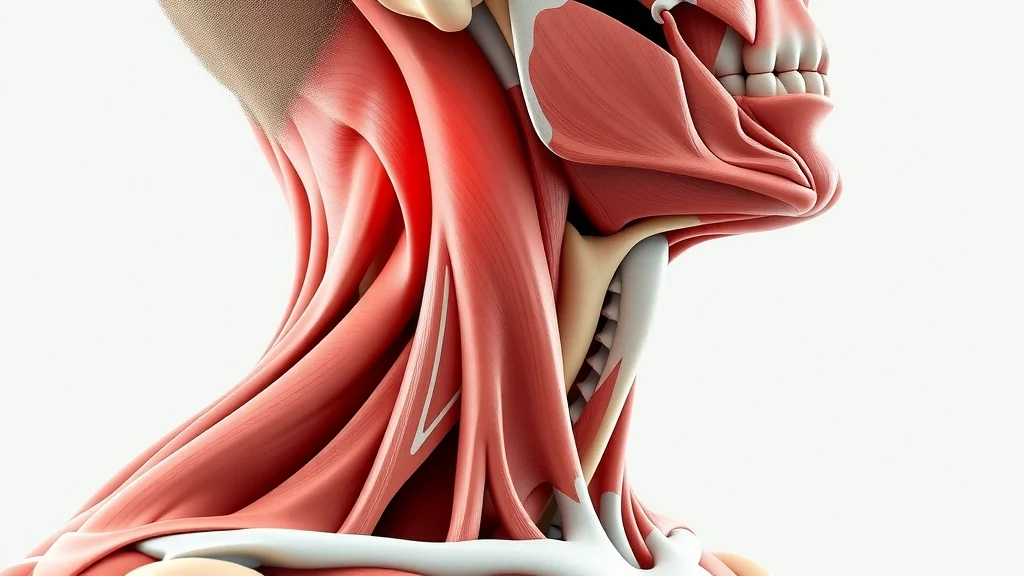
The Science: How Poor Posture Affects Muscles in Your Neck and Leads to Neck Pain
Bad posture places extra stress on neck muscles, especially those that connect the base of the skull, cervical spine, and upper back. Over time, muscles like the trapezius, levator scapulae, and sternocleidomastoid become tense and overworked. This leads to feelings of tightness and, frequently, soreness at the base of the skull. As these muscles tighten, the natural curvature of your neck and cervical spine can be altered, leading to chronic discomfort and an increased risk of nerve compression. The body adapts to the persistent forward pull of the head, but at a cost—reduced flexibility, sore muscles, and increased risk of headaches or pinched nerve.
Forward Head Posture and Neck Pain: What’s Happening in Your Neck and Back?
Forward head posture is a classic modern-day postural issue. When you sit with your ears positioned in front of your shoulders, your head’s center of gravity shifts forward, putting immense pressure on the muscles and joints of the neck and upper back. Over time, this “text neck” posture can overstretch the posterior neck muscles and compress the front of the cervical spine. Symptoms may start with mild aches but can progress to pinching sensations, shooting pain, or persistent tension. Paying attention to your head position during daily activities can make a powerful difference in both short-term comfort and long-term neck and back health.
Spotting Poor Posture: Key Postural Issues That Cause Neck and Back Pain
- Classic signs of head posture and forward head posture
- How spinal alignment is disrupted by poor posture
- Back pain’s connection to posture and neck pain

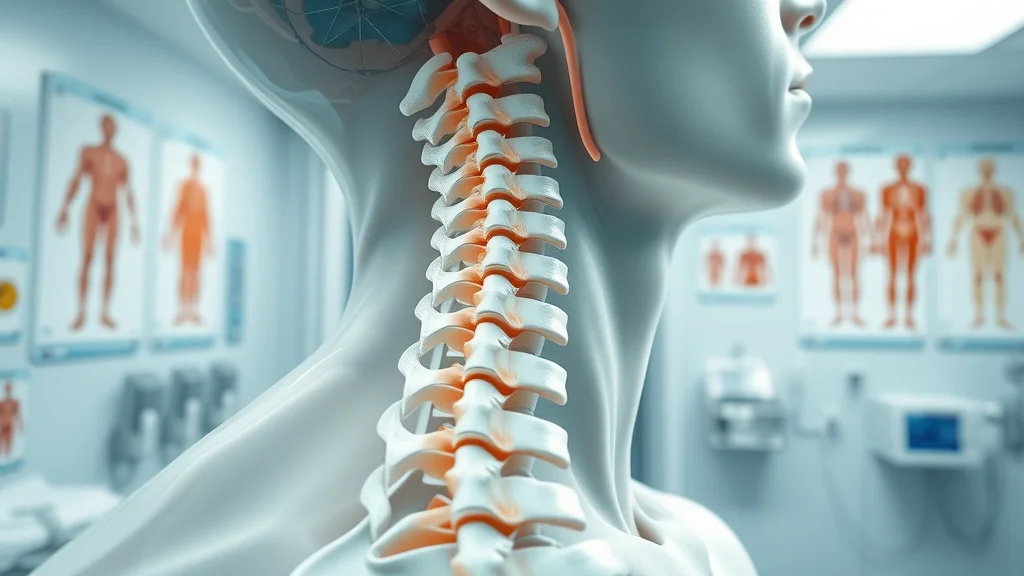
Recognizing poor posture is the first step toward lasting relief. Look in the mirror or at your reflection on a video call: Is your head jutting forward? Are your shoulders rounded or slumped? These are signs of poor head posture and early warning signals for both neck pain and back pain. When posture is misaligned, the cervical spine loses its natural curve, and the muscles in your neck and upper back must compensate, often resulting in tightness, pain, and even headaches.
Disrupted spinal alignment doesn’t just affect your neck—it cascades down through your entire spine, often triggering upper back discomfort and aggravating existing postural issues. When your body is out of balance, even routine activities can put extra stress on your muscles and joints. By identifying and correcting these postural problems early, you set the stage for genuine, lasting pain relief—without relying on medications or invasive procedures.
The Role of Good Posture in Preventing and Easing Neck Pain
Good posture plays an important role in keeping your neck, back, and entire musculoskeletal system healthy. When your spine is properly aligned, the muscles in your neck, shoulders, and upper back share the workload, reducing tension and strain. This not only helps prevent new pain from developing, but also encourages healing if you already experience discomfort. Adopting healthy postural habits can have a dramatic impact on neck pain and your quality of life, making it easier to remain active and engaged with the world around you.
Essential Habits for Improving Posture and Neck Health
- Ergonomics for home and work
- Mindful movement and stretching
- Physical therapy approaches for posture and neck pain

Start by adjusting your environment: Ensure your workstation places your monitor at eye level, your chair supports your lower back, and your feet are flat on the floor. Ergonomics helps you maintain good posture throughout the day, lessening strain on neck muscles. Mindful movement is equally powerful—take frequent breaks to gently tilt and rotate your neck, stretch your shoulders, and check your head alignment. Incorporating simple physical therapy exercises can further strengthen the muscles that support the cervical spine, helping to build resilience and fend off future discomfort.
Holistic and Natural Methods for Addressing Posture and Neck Pain
"Holistic strategies can support the body’s natural healing when addressing posture and neck pain. " — Expert in Natural Health
A holistic approach addresses posture and neck pain by considering the whole person—not just the physical symptoms. This might involve gentle manual therapies, targeted stretching, or energy-balancing techniques to release chronic tension and improve body mechanics. Natural health practitioners often offer personalized advice you can easily integrate into your daily routine. Whether it’s learning breathwork, using ergonomic props, or practicing mindfulness, these strategies empower you to heal from within while supporting the body’s capacity to maintain optimal alignment.
In the Gig Harbor area, many individuals choose holistic practitioners to guide them on this journey. These experts combine physical assessment with natural therapies, focusing on restoring balance, flexibility, and comfort without relying on medications or invasive treatments. If you’re ready for a non-invasive, comprehensive strategy for neck pain, a holistic path may offer the relief and renewed energy you seek.
Common Conditions: Pinched Nerve, Muscle Strain, and Other Postural Issues Caused by Poor Head Posture
Lingering neck pain from poor posture isn’t just uncomfortable—it can indicate deeper postural issues. Forward head posture and misaligned spine often contribute to common conditions like pinched nerves (causing numbness, tingling, or shooting pain), muscle strain, and chronic tension headaches. Misalignment can also reduce your range of motion, making everyday movements challenging and uncomfortable. These symptoms are clear signals that your body needs support—through both targeted posture corrections and potentially the help of a knowledgeable holistic practitioner.
Signs and Symptoms: How to Tell If Your Neck Pain Is From Posture
Wondering if your neck pain is posture-related? Pay attention to when and how symptoms occur. If pain worsens after sitting at a desk, looking at your phone, or driving for long periods, poor posture is likely involved. You may notice accompanying symptoms like tightness at the base of the skull, soreness between your shoulder blades, or poor range of motion. If these symptoms improve with stretching, changes in position, or applying ergonomic adjustments, a postural root cause is probable.
| Feature | Poor Posture | Good Posture |
|---|---|---|
| Head Position | Forward head | Balanced, aligned |
| Spinal Alignment | Curved, misaligned | Neutral, straight |
| Muscle Tension | Tight, strained | Relaxed, supported |
| Risk of Neck Pain | High | Low |

People Also Ask: Practical Answers About Posture and Neck Pain
How do I fix neck pain from bad posture?
Addressing neck pain from bad posture involves a three-part approach: immediate relief, habit correction, and long-term support. Start with gentle neck stretches, heat or ice therapy, and mindful position changes to reduce acute discomfort. Next, update your work and home setups—raise your screen, adjust your chair, and take movement breaks every hour. For ongoing care, consider seeing a holistic practitioner or physical therapist who can guide you through strengthening and flexibility exercises, and help you build postural awareness for lasting results.
Short educational animation showing postural correction exercises for relieving neck pain in a clinic or home environment, including stretches and ergonomic guidance.
How to tell if neck pain is from posture?
Neck pain caused by posture often follows patterns. You may notice discomfort increasing after long periods of sitting, looking down at your phone, or repetitive movements. The pain might decrease when you change positions, stretch, or improve your alignment. Associated symptoms can include a sense of heaviness in the upper back, headaches, or tingling in the shoulders or arms. If you relate to these signs, it’s likely your posture is to blame—especially if improvements follow postural changes.
What helps neck pain at the base of the skull?
Relieving pain at the base of the skull involves gentle, mindful care. Try stretching the neck and upper back muscles, applying warm compresses, or practicing deep, diaphragmatic breathing. Restorative yoga, massage, and identifying ergonomic issues (like poor desk height or an unsupportive pillow) all play a part. If self-care isn’t enough, holistic practitioners are skilled at addressing the root cause, using natural methods to reduce tension and promote healing at the source.
How do you diagnose neck pain?
Diagnosis of neck pain usually starts with a thorough review of your symptoms, daily habits, and posture. A practitioner may assess your range of motion, check for muscle tenderness, and note postural deviations. In some cases, detailed evaluations of spinal alignment or nerve function may be performed. The goal is to pinpoint whether pain is due to muscular strain, a pinched nerve, or other postural issues—ensuring your treatment plan addresses the true cause for effective relief.
FAQs About Posture and Neck Pain
-
Can changing posture really reduce neck pain?
Yes, for many people, simple corrections and new habits yield significant pain relief and improved comfort within weeks. -
How long before posture changes help neck and back pain?
Regular practice may bring noticeable improvements within two to four weeks, but consistent effort is key for lasting results. -
What’s the best way to improve posture for neck pain?
Start with ergonomic adjustments, practice mindful movement, and pursue guidance from a holistic or physical therapy professional if needed. -
Should I see a holistic practitioner for posture and neck pain?
Holistic practitioners can offer personalized guidance and natural therapies, especially for those seeking non-invasive, long-term solutions in the Gig Harbor area.
Key Takeaways for Improving Posture and Reducing Neck Pain
- Consistent attention to posture can alleviate neck pain
- Address both posture and physical therapy for best results
- Holistic practitioners in the Gig Harbor area specialize in posture and neck pain solutions

Ready to Address Your Posture and Neck Pain? Book a Natural Health Consultation Near Gig Harbor
If you’re eager to reclaim comfort and move through life free of neck pain, taking the first step matters. Consider booking an appointment with a compassionate, expert holistic health practitioner in Gig Harbor. They can create a tailored, natural plan for overcoming posture and neck pain, so you enjoy long-lasting relief and vibrant health in every season of your life.
As you continue your journey toward better posture and a pain-free neck, remember that holistic movement practices can be a powerful ally in your overall well-being. Exploring modalities like Yin Yoga not only supports spinal alignment but also helps release tension in other commonly affected areas, such as the hips. For those interested in expanding their self-care toolkit, discover how gentle, restorative movement can transform your comfort and flexibility by learning more about embracing healing movement for sore hips. Taking a holistic approach ensures your body stays balanced, resilient, and ready for all of life’s adventures.






Write A Comment