Gig Harbor Natural Holistic and Alternative Health

Heal Naturally. Live Fully.
  • Home
  • Categories
  • Top Chiropractor for Back Pain in Gig Harbor
  • Holistic Spas and Day Retreats in Gig Harbor
  • Yoga, Tai Chi, and Movement Classes Near You
  • Mind‑Body Therapy, Hypnosis, and Stress Relief
  • Holistic Stores, Herbs, and Natural Remedies
  • Discover Adventures and Treasures with Mark
  • Featured Gig Harbor Area Businesses
August 31.2026
1 Minute Read

Lower Back Pain After Standing: What Causes It?

Ever stepped away from the kitchen counter or stood at your desk only to be met by a nagging ache in your lower back? You’re not alone. Lower back pain after standing is a common symptom that disrupts daily routines and impacts quality of life. Whether you’re supporting your family, thriving in your career, or simply enjoying the lush beauty of the Pacific Northwest, understanding why back pain when standing arises—and knowing your options for relief—can be the first step to living pain-free. This article explores root causes, effective holistic strategies, and expert guidance, especially crafted for those in and around Gig Harbor, Washington, who are considering a shift toward natural wellness.

Your Guide to Lower Back Pain After Standing

    What You'll Learn in This Lower Back Pain After Standing Guide:
  • Root causes of lower back pain after standing
  • Symptoms and types of pain explained
  • Effective natural and holistic relief methods
  • When to seek help from a holistic care provider
  • Essential prevention strategies for a pain-free lifestyle
  • Expert insights for making informed health choices

Common Scenarios: Why Lower Back Pain After Standing Affects So Many

Adult standing in kitchen massaging lower back after standing, an everyday scenario depicting lower back pain after standing

Picture the start of a typical morning—sipping your coffee as you stand at the kitchen counter, only to feel a familiar ache begin to creep into your lower back. This isn’t just an isolated annoyance; it’s a reality that impacts countless people. Lower back pain after standing can occur during seemingly harmless activities: prepping meals, gardening, or chatting with friends at community gatherings. Back pain when standing isn’t reserved for those doing manual labor—it affects office workers, parents, and active adults alike, often as a result of unseen factors like posture, muscle fatigue, or workplace ergonomics. The high prevalence is why so many seek answers and sustainable solutions.

The friction point lies in how everyday standing—something most of us do without thought—can quickly become uncomfortable or even debilitating. You may experience back pain after standing for shorter or longer periods of time, and the pain can range from mild tension to sharp discomfort. If you or someone you know faces persistent lower back pain after standing, exploring the root causes is essential. Addressing these issues holistically can help break the cycle, restoring your freedom to move, participate, and thrive.

Back Pain When Standing: A Day in the Life

Imagine you’re at your standing desk aiming to support your back health but find yourself shifting your weight, gently massaging your lower back, or occasionally sitting back down to ease discomfort. For some, this pattern is a daily ritual, leading to frustration and concern. Back muscles are meant to support the spine during all activities—including standing—but accumulated fatigue, back muscle strain, or underlying postural habits can aggravate the situation. These moments can become more than passing discomfort; they may signal a need for holistic change, especially if you experience back pain when standing as a common symptom of your day-to-day life.

Even those who enjoy an active lifestyle in the Gig Harbor area can find their lower back muscles taxed after gardening, walking, or community events. The good news? Recognizing these patterns offers an opportunity to intervene early with natural, holistic strategies—from simple stretches to consulting a care provider focused on your long-term wellness.

For individuals seeking gentle, restorative movement to complement their back care routine, exploring practices like yin yoga can be especially beneficial. In fact, incorporating yin yoga for sore hips may help release tension in the lower body and support overall spinal health, making it a valuable addition to holistic pain management strategies.

How Lower Back Pain Presents Itself

Lower back pain after standing can feel different for everyone. For some, it’s a steady, dull ache that builds up gradually. For others, sharp twinges may occur after only a few minutes of standing or walking. The type of pain you experience—and how it transitions as you move, sit, or lie down—can provide vital clues to its origin. It’s common for discomfort to be focused around the lower back, but sometimes pain radiates into the hips or legs, or it may be accompanied by stiffness and muscle tightness.

In many cases, this pain is directly linked to how back muscles respond to continuous strain. Chronic low back pain can emerge if these symptoms are ignored, underscoring the need for early and sustained attention. Pay attention to when and where you experience back pain; tracking these details can help a holistic healthcare provider pinpoint the most effective relief and prevention strategies for your unique needs.

"Many people are surprised to discover that their daily habits—like prolonged standing—play a major role in their lower back pain."

What Is Lower Back Pain After Standing?

Lower back pain after standing refers to discomfort, stiffness, or soreness localized in the lower back region that emerges or intensifies during or after periods of standing. Unlike back pain experienced during other postures, this particular issue has unique triggers—many rooted in the physiological demands placed on back muscles, ligaments, and spinal structures during upright positioning. Some individuals may find relief when they transition to sitting, while others feel ongoing discomfort that lingers regardless of movement.

Understanding the type of pain and its frequency, duration, and severity is vital in distinguishing it from more serious conditions or other causes of back discomfort. Lower back pain after standing commonly stems from a mixture of muscle fatigue, postural imbalances, and lifestyle factors. However, it may sometimes be a symptom of underlying conditions such as spinal stenosis or chronic back issues. Early recognition is key to choosing the right treatment options—ideally those tailored to the body, lifestyle, and holistic health values of the individual.

Types of Pain When Standing or Walking

Pain after standing, or pain when standing or walking, can reveal itself in several ways. Some experience mild tension or tightness that eventually subsides with movement or rest. Others endure persistent aching, burning sensations, or sharp pains that worsen the longer they remain on their feet. These sensations might be isolated to the lumbar (lower back) area, or radiate toward the hips, thighs, or even down the legs—a hint that nerves may be involved. Recognizing your specific type of pain helps guide both self-care and professional evaluation, making it easier to achieve lasting relief.

Muscle strain is a prevalent cause, often resulting from prolonged periods of time spent standing without adequate support or movement. The body’s back muscles and ligaments can become fatigued, inflamed, or even slightly injured, especially when compensating for poor posture or weak core muscles. Chronic low back pain, on the other hand, tends to develop over weeks or months and may require the intervention of a holistic or traditional healthcare provider to establish an effective treatment plan. Regardless of the source, standing or walking remains a significant trigger for lower back pain in many adults.

Identifying Pain When Standing Versus Walking or Sitting

One key to managing lower back pain is understanding how and when symptoms arise. For some, discomfort only occurs while standing in place—think cooking, doing dishes, or chatting at gatherings. Others might notice back pain intensifies during walking, while some feel it more acutely after sitting for a long period. These patterns offer hints about underlying causes—such as muscle fatigue, spinal alignment problems, or degenerative conditions like spinal stenosis.

Professional demonstrating lower back pain and posture during clinical consultation

Distinguishing pain when standing from pain when sitting or walking provides a roadmap to better relief. For example, if your pain eases while moving but worsens when stationary, it could point toward muscle fatigue or posture issues. Conversely, pain that persists regardless of position or grows more severe may signal the need for a professional evaluation. If you’re in the Gig Harbor area and find that your pain patterns impact daily life or enjoyment of the outdoors, consulting with a holistic healthcare provider can help identify and address root causes for sustainable healing.

Understanding the Causes of Lower Back Pain After Standing

Pinpointing the root cause of lower back pain after standing is the foundation for sustainable relief. While every individual’s experience is unique, the most frequent factors include muscular strain, postural habits, underlying anatomical differences, and daily lifestyle patterns. Back muscles, particularly those in the lumbar region, play a critical role in keeping you upright. When these muscles are overworked, weak, or imbalanced, discomfort quickly follows. Meanwhile, factors such as workplace ergonomics, footwear, and even the surface you stand on can amplify stress on the muscles and ligaments of the lower back.

If left unaddressed, chronic strain and muscle fatigue may lead to longer-term issues—such as chronic low back pain or spinal misalignment—that diminish quality of life. By taking a closer look at how your back muscles, posture, and lifestyle choices interact, you can start moving toward natural, lasting solutions. Below, we explore these key contributors in detail and provide expert insights drawn from holistic health best practices to empower your journey back to comfort and vitality.

How Back Muscles and Back Muscle Strain Contribute to Back Pain

Your back muscles act as stabilizers for the entire spine, particularly during upright postures. Standing for long periods of time requires constant, subtle engagement of various muscle groups—including those that support your core, hips, and lower back. When muscles become overused or fatigued, microscopic tears, inflammation, and tightness can develop, leading to pain after standing or walking. This cycle of back muscle strain often goes unnoticed until discomfort escalates to a level that interferes with daily activities.

Stretching to relieve back muscle strain and lower back pain after standing

The risk increases if you have weak or imbalanced core muscles, improper lifting or bending technique, or a sedentary lifestyle punctuated by sudden periods of standing or activity. Chronic back muscle tightness can develop, making minor irritations feel much more severe. Luckily, interventions like mindful stretching, physical therapy, and regular low-impact exercise can steadily restore resilience to these muscles, helping to prevent back pain from recurring.

The Role of Posture in Lower Back Pain After Standing

Posture is a powerful yet often overlooked determinant of spinal health. Standing with slouched shoulders, an arched lower back, or uneven weight distribution places undue stress on your lower back. Over time, this pressure on the spine and supporting structures causes muscle fatigue and pain. Correct posture, supported by core strengthening and ergonomic workspace adjustments, can make a profound difference.

Individuals who stand for work or during daily routines—think retail, teaching, or caregiving—are especially susceptible if their posture slips during longer periods of time. Even healthy adults can quickly experience back pain when standing if they do not routinely check and adjust their stance. Regular posture assessments and support from a care provider with expertise in holistic spinal health can transform your experience, turning hours of discomfort into pain-free productivity and greater mobility.

Common Anatomical Factors Behind Lower Back Pain

Beyond muscle strain and postural habits, anatomical factors also contribute notably to lower back pain after standing. These might include spinal misalignment from scoliosis, disc degeneration, spinal stenosis (narrowing of the spinal canal), or inherited differences in bone or muscle structure. These issues may increase sensitivity to pressure on the spine and surrounding muscles, resulting in pain even after brief periods of standing.

For example, spinal stenosis often causes pain that intensifies while standing or walking, sometimes radiating into the legs or buttocks. Chronic back issues may begin subtly and become more disruptive over time. If pain persists or is accompanied by other symptoms such as numbness, tingling, or weakness, it becomes especially important to consult a healthcare provider or holistic practitioner experienced in recognizing and addressing both functional and anatomical contributors to lower back discomfort.

Impact of Lifestyle and Work Habits on Lower Back Health

Modern routines can make it surprisingly challenging to maintain a healthy back. Sedentary desk jobs, frequent driving, long hours on your feet without breaks, and even recreational activities such as hiking or gardening can all add up. Consistently wearing unsupportive footwear, neglecting regular stretching, or ignoring early signs of discomfort increases your risk for chronic low back pain. Environmental elements like concrete floors or non-ergonomic workstations further contribute.

However, positive lifestyle shifts have significant power. Regular physical activity, optimal hydration, supportive footwear, and scheduled posture checks are foundational habits. Integrating holistic health practices, such as yoga or mindfulness exercises, adds another level of prevention and self-care. By working with a dedicated holistic healthcare provider, especially one local to Gig Harbor, you gain the benefit of tailored recommendations based on your individual routines and risk factors.

Comparison of Common Causes of Lower Back Pain After Standing

Cause Description Common Symptom Triggers Holistic Treatment Options
Muscle Strain Overuse or injury to lower back muscles from standing, lifting, or repetitive use. Pain after standing for periods of time, soreness, tension. Stretching, rest, heat/cold therapy, gentle physical activity.
Poor Posture Slouched, arched, or uneven body positions while standing. Discomfort worsening throughout the day; pain when standing or walking. Posture correction, ergonomic adjustments, strengthening core muscles.
Spinal Issues (e.g., spinal stenosis) Anatomical narrowing or misalignment affecting nerves/spine. Nerve pain, numbness, pain radiating to legs or hips, worsens with standing. Mobility exercises, holistic therapies, medical assessment if severe.
Lifestyle/Work Habits Prolonged standing, lack of movement breaks, or unsupportive footwear. Generalized lower back soreness, especially after shifts or long days. Movement routines, supportive shoes, anti-fatigue mats, daily stretches.

Natural and Holistic Approaches to Relief for Lower Back Pain After Standing

For many, the most satisfying recovery from lower back pain after standing comes from gentle, holistic methods. Natural therapies reduce reliance on medication and focus on restoring balance throughout the body. By embracing proven home remedies, mind-body techniques, and the expertise of holistic practitioners, you can alleviate discomfort, build back support, and protect against future flare-ups.

A holistic approach goes beyond symptom relief; it considers your movement patterns, environment, and overall wellbeing. Working with a care provider experienced in alternative or integrative health ensures that your treatment plan is safe, sustainable, and personalized—essential for those seeking true, long-term healing in the Gig Harbor community.

Safe Home Remedies for Lower Back Pain

Gentle home care is often the first step towards relief. Simple remedies such as applying a warm compress or cold pack can soothe muscle tension and reduce inflammation. Gentle stretching of back muscles—using slow, mindful movements or guided yoga poses—improves flexibility and circulation. Focused breathing exercises can relax both the body and mind, reducing stress-related muscle tightness.

Practicing gentle yoga at home for lower back pain relief after standing

Incorporating regular low-impact activity, such as walking or swimming, further helps prevent back pain from escalating. Ergonomic tools like supportive pillows, standing mats, and comfortable footwear can additionally minimize strain during daily routines. If initial measures fail to ease discomfort, connecting with a holistic care provider is recommended to explore additional treatment options such as massage, acupuncture, or customized exercise regimens.

The Benefits of Holistic Health Practices

Holistic health approaches address both the symptoms and root causes of lower back pain after standing. Practices like yoga, Pilates, mindfulness, and functional movement therapy support the body’s natural alignment, enhance core strength, and retrain posture. These modalities improve not only physical wellbeing but also mental resilience—with many patients in the Gig Harbor area reporting better mobility, mood, and energy alongside pain relief.

A holistic care provider will look beyond isolated back muscle issues, considering digestion, stress, sleep, and even diet as contributors to chronic discomfort. By tailoring guidance to your life, values, and wellness goals, they empower you to reclaim an active, pain-free lifestyle. Many experience back pain less frequently and enjoy improved overall health when holistic care is integrated into their wellness journey.

When to Consult a Holistic Care Provider or Healthcare Provider

If you find that back pain after standing persists, worsens, or is accompanied by other symptoms—such as tingling, numbness, or weakness—it’s time to consult an expert. Holistic practitioners excel at crafting individualized treatment plans, often combining natural therapies and lifestyle guidance with conventional evaluation where needed. In certain cases, collaboration with a traditional healthcare provider may be advised, especially when pain could indicate an underlying condition requiring further investigation.

Early intervention is crucial. By seeking help from a knowledgeable holistic care provider near Gig Harbor, you not only address current symptoms, but also set the stage for lasting relief, enhanced mobility, and renewed confidence in your body’s ability to heal.

"Holistic practitioners can offer tailored solutions that address both symptoms and causes of lower back pain after standing."

Prevent Lower Back Pain After Standing: Lifestyle & Daily Habits

Preventing back pain when standing is all about proactive habits that support your back muscles, posture, and holistic wellness. Integrating new routines doesn’t require drastic changes—often, it’s the simple, consistent actions that have the biggest impact. Whether you’re at home, work, or out enjoying Gig Harbor’s vibrant community, these strategies help you maintain flexibility, alignment, and back support throughout the day.

  • Incorporate regular stretching for the back muscles
  • Practice good posture throughout your day
  • Alternate between standing and sitting when possible
  • Use supportive footwear and anti-fatigue mats
  • Schedule holistic wellness check-ins

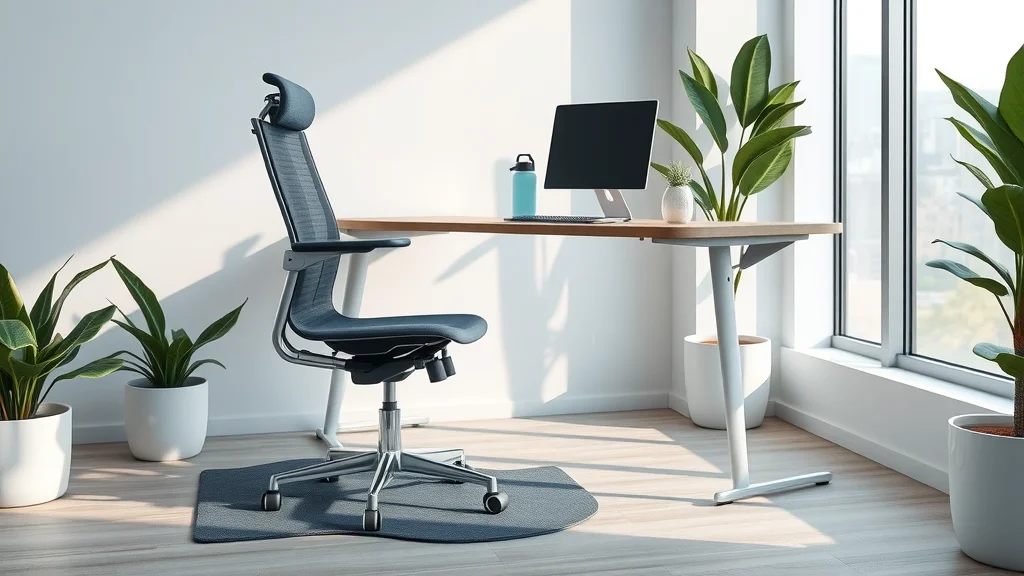
Ergonomic workstation to prevent lower back pain after standing, with supportive chair and anti-fatigue mat

Small changes can yield powerful results. Setting reminders to stretch or move every hour, adjusting your workstation ergonomics, and checking posture in mirrors (or with friendly family feedback!) all help prevent chronic back pain. Collaborating with a holistic care provider furthers your progress—by receiving tailored advice and hands-on support, you make every day a step toward lifelong spinal health.

Tips to Prevent Back Pain When Standing for Long Periods

Start your day with gentle stretching, focusing on warming up the lower back and hips. Use supportive footwear—ensure your shoes are cushioned and have a stable base—and consider anti-fatigue mats if you stand for extended periods. Maintain conscious awareness of your posture and core engagement, especially during tasks like cooking, working, or socializing while standing. Alternate regularly between sitting, standing, and moving to keep back muscles from becoming stagnant.

Finally, prioritize regular check-ins with a holistic health practitioner. They can help identify your risk factors, offer correction on movement habits, and create a plan that fits your schedule and goals. These approaches help prevent back pain before it can start—helping you remain active, comfortable, and empowered to enjoy everything the Gig Harbor region has to offer.

Demonstration: Simple Stretches to Relieve and Prevent Lower Back Pain After Standing

Consider adding a daily stretching routine based on expert demonstrations. Focus on gentle lower back and hamstring stretches, pelvic tilts, and gentle twisting movements. For visual learners, look for video guides from trusted holistic practitioners in your area to ensure safe form and maximum benefit.

When to Seek Professional Help: Recognizing Serious Back Pain When Standing

Most cases of lower back pain after standing can be managed at home or with the support of a holistic practitioner. However, certain symptoms warrant immediate attention from a healthcare provider. Recognizing these warning signs ensures your safety and maximizes your ability to return to pain-free living as quickly as possible.

Developing a relationship with a qualified care provider rooted in holistic health is key—especially for those with chronic back pain, unexplained changes in symptoms, or concerns about overall spinal wellness. In the Gig Harbor area, many practitioners are skilled at blending natural therapies with conventional care, providing a full spectrum of relief and prevention.

Warning Signs You Should Not Ignore

If your back pain after standing is accompanied by numbness, tingling, loss of strength in your legs, or changes to your bladder or bowel habits, prompt evaluation is necessary. Consult a healthcare provider if pain is severe, unrelenting, does not improve with rest, or results from an accident. In such cases, more advanced imaging or interventions may be needed to rule out serious underlying issues.

Persistent pain despite home remedies or holistic care also signals the need for a professional review. A timely assessment ensures that underlying causes—such as spinal stenosis or nerve compression—are addressed before complications develop. Remember, holistic practitioners can serve as partners in your care, helping direct you to emergency services if necessary and supporting your recovery every step of the way.

Choosing the Right Holistic Healthcare Provider for Lower Back Pain

Holistic healthcare provider consulting a patient about lower back pain after standing

Selecting a care provider with experience in natural healing, posture correction, and whole-person care ensures that your back pain management is based on best practices and your unique needs. Look for practitioners specializing in holistic health, integrative medicine, or functional movement therapy. Check for active listening, clear communication, and a willingness to coordinate with other members of your healthcare team.

Providers who offer thorough assessments, listen to your history, and create a personalized treatment plan—including lifestyle and prevention advice—are best positioned to support your journey. Many holistic experts in Gig Harbor offer consultations designed to identify underlying patterns behind your back pain when standing, creating a comfortable, caring environment for your healing process.

People Also Ask About Lower Back Pain After Standing

What can be mistaken for lower back pain?

Lower back pain can often be confused with hip, pelvic, or even digestive system discomfort. It's important to assess symptoms carefully or consult a holistic healthcare provider for accurate identification.

How to release back tension?

Gentle stretches, yoga, focused breathing, and holistic therapies like massage or acupuncture can all help release back muscle tension naturally.

When is back pain serious?

Back pain should be considered serious if it is severe, does not improve with rest or self-care, or is accompanied by symptoms such as numbness, weakness, or loss of bladder/bowel control.

Why does my lower back hurt when I sit but not standing?

Pain when sitting but not standing may suggest postural issues, muscle imbalance, or spinal alignment problems. A holistic practitioner can help identify and address the root cause.

Frequently Asked Questions About Lower Back Pain After Standing

  • Can natural remedies ease lower back pain after standing? Yes, gentle stretching, rest, mindful movement, and holistic therapies may all reduce discomfort and support healing.
  • Are there specific exercises to prevent lower back pain? Core strengthening, targeted lower back stretches, gentle yoga, and dynamic posture exercises are particularly effective for prevention.
  • Is standing worse than sitting for back pain? Both can trigger pain if posture is poor or back muscles are weak. Alternating between both, while focusing on correct posture and regular movement, is best.
  • How can a holistic care provider help with back pain? They assess your unique patterns, provide personalized care plans, and may use modalities like massage, movement therapy, and wellness coaching.
  • What daily changes can make a difference? Prioritize posture checks, movement breaks, ergonomic workspace setup, hydration, and regular holistic check-ins for a proactive approach.

Key Takeaways: Living Pain-Free with Holistic Solutions

  • Lower back pain after standing is common but manageable.
  • Identifying underlying causes is crucial for effective relief.
  • Holistic and natural approaches offer gentle, sustainable solutions.
  • Partnering with a qualified holistic health practitioner can transform your wellness journey.

Ready for Relief? Find the Right Natural Holistic Practitioner for Lower Back Pain After Standing

Schedule a Consultation With a Trusted Holistic Expert in the Gig Harbor Area

If you’re ready to move beyond short-term fixes and embrace comprehensive wellness, it’s time to connect with a holistic practitioner who understands your goals. Book a consultation with a trusted expert in the Gig Harbor area—taking the first step toward lasting, pain-free living.

If you’re interested in expanding your holistic wellness toolkit, consider exploring how mindful movement practices can address not only lower back discomfort but also related issues like hip tightness and overall mobility. Techniques such as yin yoga offer a gentle yet powerful way to nurture your body, release deep-seated tension, and support long-term healing. By integrating these approaches, you can create a more resilient foundation for your daily activities and enhance your quality of life. For a deeper dive into restorative movement and its benefits for both hips and back, discover how healing movement can transform your experience in Gig Harbor by visiting this guide to yin yoga for sore hips.

Conclusion: Empowering You to Overcome Lower Back Pain After Standing

Holistic solutions put your health and comfort first. Take proactive steps today to manage back pain, enhance mobility, and enjoy each day with confidence—guided by natural care and expert support.

Top Chiropractor for Back Pain in Gig Harbor

0 Views

0 Comments

Write A Comment

*
*
Please complete the captcha to submit your comment.
Related Posts All Posts
08.29.2026

Lower Back Pain After Driving: Why Does It Flare Up?

Imagine this: You’re stepping out of your car at the end of a long drive, and a sharp ache radiates across your lower back. Whether it’s the daily commute or an epic road trip, many of us have experienced lower back pain after driving. But what if you could not only understand why this happens—but finally discover natural, holistic strategies that help you drive pain-free for life? Understanding Lower Back Pain After Driving Lower back pain after driving is a common issue for drivers of all ages. Often, symptoms include stiffness, a dull ache, or even sharp discomfort that appears after spending extended periods behind the wheel. Sometimes, this pain is accompanied by tight muscles, radiating aches into the hips or even the neck and shoulder area. Distinguishing between simple back discomfort—which may resolve with a gentle stretch—and recurrent lower back pain is important. While occasional soreness often results from mild posture mishaps, chronic or frequent pain can signal deeper issues such as ongoing muscle tension, nerve impingement, or misalignment in the lower back. Common symptoms of lower back pain after driving Distinguishing lower back pain from back discomfort Why back pain is more prevalent during road trips and long drives What makes driving so risky for our lower back? Extended periods of sitting, reduced movement, and poor posture place extra stress on the lumbar region. The fixed position, constant grip on the steering wheel, and even the design of your car seat can all exacerbate lower back pain. Long road trips magnify these effects, especially when breaks are infrequent. If you are preparing for a long drive or recovering from one, understanding these triggers is the first step to reduce back pain naturally. What You'll Learn About Lower Back Pain After Driving Identifying the causes of lower back pain after driving Expert techniques for reducing back discomfort Holistic strategies for long-term pain relief How to choose a natural holistic practitioner in Gig Harbor Why Does Lower Back Pain Flare Up After Driving? Many drivers ask why lower back pain seems inevitable after a long drive. The answer is rooted in how traditional car seats fail to support the natural curve of your lower back. Most car seats, even those with some lumbar support, encourage a rounded posture, putting pressure on spinal discs and compressing soft tissue. During road trips, you’re also less likely to move or shift weight, causing tight muscles and muscle fatigue, particularly in the lumbar area. Even the consistent vibration from roads—felt subtly through the car seat and steering wheel—can increase tension, amplifying discomfort. For those with a history of back pain or body weight imbalances, prolonged sitting during a road trip can further exacerbate chronic back pain or lead to issues like sciatica. The combination of poor posture, an improperly positioned seat, and lack of movement is a cocktail for back discomfort. The more time you spend driving without mindful adjustments, the more likely these issues will persist and even worsen over time. Back Pain Triggers During Long Drives Several factors contribute to lower back pain after driving long periods. Poor posture, such as slouching while driving or sitting with shoulders rounded forward, places unbalanced strain on the lower back and spine. Insufficient lumbar support in car seats, or neglecting to use a lumbar pillow or rolled towel, means your back isn’t supported in its natural curve. Additionally, tightly gripping the steering wheel creates muscle tension throughout the arms and up into the lower back, reducing back comfort. Traveling over bumpy or uneven roads further adds to muscle fatigue—these vibrations travel through the car seat, increasing your risk of discomfort. Poor posture and seat positioning Lack of lumbar support and spinal alignment Muscle fatigue and tension from steering wheel grip Effect of vibrations and uneven roads on back discomfort Long drives demand focus, but repetitive strain from improper positioning and lack of movement plays a significant role in chronic back pain. The design of your seat and the way you interact with the steering wheel matter. Even the smallest misalignments can trigger or prolong lower back pain, making natural relief strategies and mindful car ergonomics essential. It's also worth noting that lower back pain after driving often radiates into the hips, making hip flexibility and mobility an important factor in overall comfort. For those seeking targeted relief, exploring gentle practices like Yin Yoga for sore hips can complement your back care routine and help address tension that builds up during long drives. How Natural and Holistic Approaches Address Lower Back Pain After Driving When it comes to lasting pain relief, natural and holistic approaches focus on the root causes—not just symptoms—of lower back pain after driving. Unlike over-the-counter medications, holistic strategies integrate the mind-body connection and emphasize gentle, sustainable pain management. Taking breaks for mindful movement, using breathwork, and practicing gentle stretches can drastically reduce back pain and support your health during and after a road trip. These approaches may also include professional therapies such as chiropractic adjustments, myofascial release, or yoga, ensuring your lower back regains its natural curve and spinal alignment. Practitioners in Gig Harbor offer personalized plans that teach you to listen to your body, tune in to early signs of tension, and choose natural pain relief every time you hit the road. Over time, these holistic techniques not only reduce back discomfort but build overall resilience, reducing the likelihood of flare-ups after long drives. Holistic Strategies to Reduce Back Pain A successful holistic approach blends simple techniques you can practice on your own with expert guidance from natural health practitioners. Mind-body awareness is foundational: slow, intentional movement during rest stops—such as gentle twists, hip openers, or brisk walking—can reverse the effects of prolonged sitting. Natural pain management includes warm compresses, herbal oils, and tension-relieving self-massage, as well as daily practices like stretching or yoga to keep muscles flexible and strong. Mind-body awareness and gentle movement during breaks Natural pain management techniques Role of stretching, yoga, and breathwork Benefits of chiropractic and alternative therapies Chiropractic care and holistic therapies help optimize spinal alignment and reduce chronic back pain caused by driving. These sessions, often tailored to your unique needs, address muscle imbalances, teach breathwork for stress relief, and promote lasting healing. Integrating these holistic strategies into your routine—especially before and after a long trip—can drastically reduce back pain and transform your driving experience. Optimal Car Ergonomics: Reduce Back Pain and Discomfort Improving the ergonomics of your car is one of the most impactful steps in preventing lower back pain after driving. Start with seat and steering wheel adjustments to preserve your spine’s natural curve. Having adequate lumbar support—via your car’s built-in feature or a separate lumbar pillow—proactively reduces back discomfort, especially during long drives. Adjust the seat height so your hips are level with or slightly higher than your knees, and keep your back flush against the seatback for best results. Proper alignment between your seat and the steering wheel prevents muscle fatigue and helps maintain good posture, which is essential for back pain relief during and after a road trip. Check your mirrors and controls before every journey to ensure they don’t require twisting or slouching. For longer drives or road trips, you might also consider breaks every hour to stand, stretch, and release tight muscles—this both improves comfort and supports your lower back’s health. Seat and Steering Wheel Adjustments for Lower Back Support Adjusting lumbar support for spinal alignment Use your car’s lumbar adjustment feature or a lumbar pillow to support the natural curve of your lower back. Setting seat height and tilt to protect your lower back Make sure your hips are slightly higher than your knees and your seat is angled to prevent sliding. Best steering wheel position for muscle relaxation Keep the steering wheel within easy reach so your elbows are slightly bent, reducing shoulder and back strain. Tips for Maintaining Good Posture During Long Drives Placing feet flat and knees slightly higher than hips Regular posture checks on road trips "Proper lumbar support and mindful adjustments can prevent much of the back discomfort experienced after long drives. " – Board-Certified Holistic Health Practitioner Stretching and Movement Routines to Prevent Lower Back Pain After Driving Developing a stretching routine is crucial for anyone serious about lower back pain relief after driving. Periodic stretching, before you get in the car and after you finish your drive, helps reset your spine and muscles. Movements such as knee-to-chest stretches, gentle torso twists, and forward folds loosen tight muscles and encourage circulation. Even brief movement during fuel or rest stops on a long trip can reduce muscle fatigue and prevent chronic back pain. Recommended stretches before, during, and after long drives: Knee-to-chest stretch Seated torso twist Standing hamstring stretch Side bends (gentle) Simple in-car exercises to release lower back tension: Pelvic tilts while seated Neck rolls and shoulder shrugs Ankle circles to improve circulation Prioritize stopping at least every hour for a brisk walk or a quick stretch, especially on long drives. These small changes help maintain good posture and alleviate the effects of prolonged sitting. Table: Comparing Natural Remedies for Lower Back Pain After Driving Remedy Description When to Use Gentle stretching Improves flexibility and circulation Before and after driving Lumbar support cushions Supports spine and reduces strain During all trips Breathwork exercises Relieves tension and stress At stops and during traffic Hydrotherapy Eases muscle aches naturally After long drives Expert Insights: How Holistic Practitioners in Gig Harbor Address Lower Back Pain After Driving "Holistic care addresses not just the pain, but its root causes—empowering people in Gig Harbor to live pain-free naturally. " – Local Alternative Health Expert Assessment of lifestyle, posture, and driving habits Customized treatment plans with natural therapies Integration of mind-body approaches for comprehensive healing Choosing the best natural holistic practitioner means more than temporary pain relief—it means a personalized journey toward long-term wellness. In Gig Harbor, practitioners typically start with a thorough assessment of your habits, from your daily driving posture to your stretching and movement routines. Using this information, they create customized plans with a mix of natural therapies, breathwork, gentle adjustments, and targeted stretching—helping you build resilience against future episodes of back pain. People Also Ask How to fix lower back pain after driving? Incorporate mindful movement and stretching before and after trips Use ergonomic supports and adjust car seating for optimal lower back comfort Consult with a holistic health practitioner for personalized pain management strategies Lower back pain after driving can be eased with gentle stretches, regular breaks, and ergonomic improvements in your car seat. Focusing on lumbar support and seat adjustments, along with holistic care, provides both immediate and long-term relief. Is it normal for the back to hurt after driving? Temporary back discomfort after driving is common due to muscle fatigue and poor posture Persistent pain should be evaluated by an alternative health expert A mild ache or discomfort after a long drive is common, especially if you have not moved or stretched. Chronic back pain, however, is not normal and signals the need for expert holistic evaluation and treatment. How to release lower back tension? Try gentle lower back stretches and focused breathwork Take frequent breaks during long drives to move and reset posture Simple exercises such as standing hamstring stretches or pelvic tilts, coupled with deep breathwork, can help release tight lower back muscles during or after driving. Why does one side of my lower back hurt? Asymmetrical driving posture or uneven support can lead to one-sided pain A holistic practitioner can identify and correct underlying imbalances Favoring one hip, leaning into the center console, or sitting with uneven support can cause one-sided lower back pain. Holistic practitioners in Gig Harbor are trained to assess these patterns and restore structural balance naturally. This expert-led demonstration teaches three simple and effective stretches designed to relieve lower back pain after extended periods of driving. Follow along for quick relief and long-term comfort. Learn step-by-step how to adjust car seats and steering wheel positions for optimal lumbar support, supporting your lower back on every road trip or commute. Frequently Asked Questions About Lower Back Pain After Driving What are the best natural remedies for lower back pain after a road trip? How often should I take breaks on long drives? Can lumbar support devices really help prevent back pain? Natural remedies include gentle stretching, warm compresses, breathwork, and using a lumbar pillow or support cushion. For long drives, aim to take a break every 60–90 minutes to walk and stretch. Yes, using lumbar support devices is proven to reduce back discomfort and helps maintain a healthy spinal posture, especially during extended periods of sitting. Key Takeaways for Living Pain-Free and Holistically in Gig Harbor Lower back pain after driving is often preventable with mindful adjustments Holistic approaches provide long-term relief and support overall wellness Consulting a natural health practitioner can accelerate your recovery By following these steps, you can experience reduced back pain and discover lasting, natural relief tailored for your life in Gig Harbor. Ready to Experience Holistic Relief? Schedule Your Natural Back Pain Assessment Near Gig Harbor Today Don’t wait for another drive to trigger lower back pain. Book your holistic assessment today and start your journey toward pain-free, energized living with expert natural care near Gig Harbor. If you’re inspired to take your holistic wellness journey even further, consider exploring how mindful movement practices can support not just your back, but your entire body. Techniques like Yin Yoga are especially effective for releasing tension in the hips—a common area of discomfort for drivers—which in turn can enhance your overall mobility and comfort on the road. Discover how embracing healing movement can complement your back care routine and unlock new levels of well-being by visiting our guide on transforming sore hips with Yin Yoga in Gig Harbor. By integrating these advanced techniques, you’ll be better equipped to prevent pain, improve flexibility, and enjoy every drive with greater ease.

08.28.2026

Why Does My Lower Back Hurt After Sleeping?

Imagine starting your morning filled with hope, only for persistent lower back pain after sleeping to shatter that fresh start. For countless adults, especially those seeking more holistic health in the Gig Harbor area, waking up with morning back pain is an everyday reality. If your spirit feels ready for a new day but your lower back makes those first steps daunting, you’re in the right place. This comprehensive guide will show you why your lower back hurts after sleeping and how you can take back control—naturally and holistically. Waking Up with Lower Back Pain After Sleeping: Everyday Reality for Many Opening Observations: The Experience of Morning Back Pain It’s a story familiar to many: The sun streams through your window, you take a deep breath, and yet the first thing you notice is a dull ache or sharp twinge radiating from your lower back. Morning back pain after sleep is not merely inconvenient—it can color your entire day, influence your energy, and even make you hesitant to get out of bed. Whether this discomfort is a new experience or a regular unwelcome visitor, you’re not alone. Many in the Gig Harbor region share this struggle, particularly those who really value natural, long-term solutions over temporary fixes. By understanding what’s causing your lower back pain after sleeping, you’re empowered to seek the right kind of expert help and adopt new routines that can make lasting changes. Morning back pain doesn’t discriminate by age or fitness level—it can strike anyone. However, its root causes often differ from daytime aches that develop after a long day. Factors like poor sleep position, improper spinal alignment, and even the quality of your mattress all converge during those hours of rest and can significantly impact how you feel in the morning. Let’s begin by exploring these common problems before diving deeper into how you can achieve pain relief and a brighter start to your day. Imagine waking up in Gig Harbor, refreshed in spirit, but your lower back pain after sleeping makes those first steps daunting. You're not alone—this experience affects countless people who value natural, holistic well-being. What You’ll Learn in This Guide About Lower Back Pain After Sleeping Common causes of lower back pain after sleeping How sleep position and mattress type impact lower back pain Natural, holistic strategies for pain relief When to seek help for lower back pain How to choose the right holistic health practitioner in the Gig Harbor area Quick Overview: Types and Causes of Lower Back Pain After Sleeping Type of Cause How It Impacts Your Lower Back Possible Natural Solutions Muscle Strain Leads to morning back pain and stiffness Gentle stretching, heat therapy, proper sleep position Poor Sleep Position Increases pressure on the lower back Adjust sleeping position, add pillows for support Mattress Issues Lack of support can worsen lower back pain Consider replacing mattress, use natural mattress toppers Underlying Medical Condition May cause persistent lower back pain after sleeping Consult holistic practitioner for diagnosis The Science Behind Lower Back Pain After Sleeping How Sleep Position Affects Lower Back Pain After Sleeping Your sleep position is one of the most overlooked yet impactful contributors to morning back pain. When your body isn’t properly aligned during the night, stress is placed on tissues and muscles—often leading to discomfort upon waking. The way you position your back, shoulders, and legs affects the natural curve of your spine. Side, back, and stomach sleepers all face unique risks and benefits when it comes to spinal alignment and lower back pain after sleeping. The importance of spinal alignment cannot be overstated for lower back pain prevention. Sleeping on your back with a pillow under your knees can support your spine’s natural curve, while side sleepers often benefit from placing a pillow between the knees to reduce lower back strain. Stomach sleeping, however, is generally considered the worst position for those with lower back pain after sleeping, as it can flatten the natural curve and increase low back and muscle pain. Small adjustments to your sleep position can provide significant pain relief and help you greet each morning with less discomfort. Importance of alignment: sleeping position and lower back support Best and worst sleeping positions for your lower back pain Sleep position adjustments to reduce morning back pain For those seeking additional ways to support their lower back and hips, incorporating gentle movement practices can be especially beneficial. Exploring Yin Yoga for sore hips offers a restorative approach that complements holistic strategies for alleviating lower back pain after sleeping. Mattress Comfort: The Overlooked Factor in Lower Back Pain After Sleeping A supportive mattress forms the foundation of a pain-free night. Many adults don’t realize how crucial their mattress type can be in either reducing or intensifying lower back pain after sleeping. Natural mattresses made from materials such as organic latex or wool are increasingly popular for their ability to provide both support and comfort—helping maintain spinal alignment and lessening back pain. If you’re regularly waking up stiff or sore, it might be time to evaluate your mattress. Some signs that your mattress contributes to low back pain include waking with greater stiffness than you feel later in the day, noticing sagging in the middle of the bed, or feeling unsupported regardless of sleep position. Holistic recommendations often include investing in a mattress topper made from natural, breathable materials or even changing out your entire mattress if it’s over 7-10 years old. A “firm enough” but well-cushioned mattress assists in reducing pressure points, minimizing muscle pain, and encouraging restful sleep for your lower back. Natural mattress materials and their impact on lower back pain How to evaluate if your mattress contributes to morning back pain Holistic recommendations for mattress toppers and bedding Muscle Tension and Lower Back Pain After Sleeping Muscle tension is another hidden factor that often leads to lower back pain after sleeping. Daily posture, emotional stress, and the activities you perform—or don’t perform—can cause the muscles in your lower back to seize up or remain unnaturally contracted throughout the night. This is particularly true for those who spend long periods sitting during the day or who have high stress levels that manifest as physical tension. Relief often begins with developing a bedtime routine that encourages muscle relaxation. Techniques such as gentle stretching, breathwork, and meditation can prime your body for restorative sleep. In the morning, engaging in several minutes of gentle stretching or yoga designed to target the lower back and hips helps to relieve any residual muscle tension for effective pain relief. Consistent routines with a focus on relaxation and flexibility can make all the difference in how your back feels when you rise. Stress, daily posture, and its link to lower back pain after sleeping Natural relaxation techniques before bed Gentle morning stretches for pain relief Common Causes of Lower Back Pain After Sleeping Back Pain from Poor Sleep Position and Sleeping on Your Stomach Sleeping on your stomach may be comfortable for some, but it’s notorious among holistic practitioners for increasing lower back pain after sleeping. This sleep position contorts the lower spine, often flattening its natural curve and increasing low back and muscle tension. In contrast, side- and back-sleeping generally offer better support for spinal alignment and may significantly reduce morning back pain. Of course, each person is unique—while side sleeping with a pillow between your knees is often recommended, some find using a small pillow underneath the lower back when lying on their back helps maintain comfort and reduce lower back pain. If you’ve been sleeping on your stomach and experiencing persistent discomfort, transitioning to a side or back position may be challenging at first. However, holistic health strategies—such as using supportive pillows, mindful awareness as you fall asleep, and gradually shifting your habitual position—help make lasting change possible. Small, consistent changes to your sleeping position can support your quest for restful, pain-free sleep. How stomach sleeping leads to lower back pain after sleeping Side sleeping vs. back sleeping: pros and cons Practical ways to transition away from problematic sleep positions Lower Back Pain Triggered by Poor Sleep and Lifestyle Factors Many individuals are surprised to learn that poor sleep quality, chronic stress, and sedentary lifestyles can contribute significantly to lower back pain after sleeping. When the body is deprived of enough restorative sleep, the healing and repair processes for muscles and tissues are compromised, leading to stiffness and pain. In addition, dehydration and lack of regular body movement can make muscles in the lower back more susceptible to cramping and irritation overnight. Holistic approaches to reduce lower back pain after sleeping include developing a consistent bedtime routine, managing stress through breathwork or meditation, and staying adequately hydrated throughout the day. Even simple activity breaks during the workday can reduce long periods of muscle inactivity, ultimately supporting your natural curves and spinal health. These practices combined can improve not only your sleep quality but also your overall sense of well-being. The role of stress, sedentary routines, and dehydration Natural tips to improve sleep quality and reduce morning back pain Medical Conditions That Cause Lower Back Pain After Sleeping Sometimes, persistent or severe lower back pain after sleeping is a sign of an underlying medical condition. Issues such as herniated discs, arthritis, or chronic low back pain syndromes may present most acutely in the morning due to a lack of movement overnight and low-level inflammation. In these cases, the pain can be accompanied by other warning signs like numbness, tingling, or weakness, and it’s essential to consult a healthcare provider or holistic specialist for an accurate diagnosis. For those with chronic low back pain, holistic practitioners focus on integrative techniques that address both immediate pain relief and root causes. This can include gentle manual therapies, lifestyle coaching, and natural anti-inflammatory approaches designed to support your entire well-being—not just mask the pain. Being mindful of when your pain pattern changes or is associated with additional symptoms is crucial in taking the right steps for effective, holistic relief. Understanding when back pain signals deeper medical conditions Holistic approaches to managing chronic lower back pain When to See a Physical Therapist or Holistic Practitioner for Lower Back Pain Identifying warning signs and red flags of morning back pain How a physical therapist can help Integrative care: combining physical therapy and holistic practices for lower back pain “A good night’s sleep should leave you rested—not reaching for your lower back,” says an experienced Gig Harbor holistic physical therapist. “Natural interventions and mindful sleep adjustments can make all the difference.” Gentle Natural Solutions for Lower Back Pain After Sleeping Holistic Pain Relief Strategies for Lower Back Pain After Sleeping Natural, holistic solutions are at the heart of lasting pain relief for lower back issues after a night’s rest. Warming compresses applied to the lower back in the morning can relax muscles and stimulate increased blood flow, while herbal therapies like arnica or CBD balms provide additional soothing effects for some. Breathwork and meditation techniques practiced before bed lower stress levels, improving both sleep quality and how your back feels in the morning. Integrating gentle yoga—such as child’s pose, cat-cow, or gentle spinal twists—into your morning routine can stretch sore muscles, support natural spinal curves, and set a positive tone for the day ahead. These mindful routines encourage relaxation and prevent low back pain from escalating. Building a supportive evening routine, like spending a few screen-free minutes winding down, further prepares your body for pain-free, restorative rest. Warm compresses and herbal therapies Breathwork, meditation, and gentle yoga for lower back pain Building a supportive nighttime routine Physical Therapy and Lifestyle Adjustments for Lasting Relief Physical therapy can transform your approach to lower back pain after sleeping. By working with a skilled physical therapist who understands holistic practices, you’ll learn natural movement patterns—like engaging your core, proper bending, and safe transitions from lying down to standing. These patterns not only protect the lower back during daily activities but also improve sleep posture and reduce the risk of future pain. In addition to guided exercises, simple lifestyle habits can provide daily protection for your lower back. Regular movement throughout the day (even just light stretching or short walks), mindful posture adjustments while sitting or working, and routine hydration all contribute to spinal resilience. When these habits are combined with supportive sleep routines, the cumulative effect can mean waking with greater comfort and less need for ongoing pain relief interventions. Natural movement patterns to support the lower back Daily habits that prevent back pain after sleep Lists: Do’s and Don’ts for Managing Lower Back Pain After Sleeping Do practice gentle stretching every morning Do assess your mattress and pillows regularly Do seek holistic or physical therapy advice for persistent pain Don’t ignore persistent or worsening back pain Don’t sleep on your stomach if experiencing lower back pain after sleeping FAQs About Lower Back Pain After Sleeping What sleeping position is best for lower back pain after sleeping? The most supportive sleeping position for lower back pain after sleeping is typically on your side with a pillow between your knees, or on your back with a pillow under your knees. Both positions help maintain the spine’s natural curve and reduce strain. Stomach sleeping is generally discouraged, as it can increase lower back pain by flattening the natural curve and twisting the spine. Making small adjustments to your sleep position and using supportive pillows can offer significant pain relief. Can stress cause lower back pain after sleeping? Yes, stress can be a significant contributor to lower back pain after sleeping. High stress increases muscle tension during the day, which can persist into the night and interfere with relaxation and the ability to maintain healthy posture during sleep. Practicing stress-reducing techniques, such as breathwork, meditation, or gentle stretching before bed, can help your muscles relax and lower your risk of waking up with back pain. How can natural therapies help with lower back pain after sleeping? Natural therapies—including heat therapy, herbal compresses, gentle yoga, and mindful breathing—address both symptoms and underlying causes of lower back pain after sleeping. These methods enhance relaxation, improve circulation, and support healing. Consistency in practicing these holistic habits can decrease both the intensity and frequency of back pain upon waking. People Also Ask: Red Flags, Remedies, and Related Issues for Lower Back Pain After Sleeping What are 5 red flags of low back pain? Expert Guidance on Lower Back Pain After Sleeping and Warning Signs to Watch If you experience lower back pain after sleeping, pay close attention to specific warning signs. Five key red flags include severe or worsening pain that doesn’t improve, numbness or tingling in the legs, unexplained weight loss, loss of bladder or bowel control, and pain associated with a recent injury. These signs could indicate a more serious underlying medical condition and should prompt immediate consultation with a healthcare provider or holistic health practitioner experienced in musculoskeletal care. How do you get rid of lower back pain after sleeping? Natural Steps to Ease Lower Back Pain After Sleeping To relieve lower back pain after sleeping, start with gentle stretches each morning to warm up back muscles and restore mobility. Reevaluate your sleep position; choose side or back sleeping to support your natural curves, and use a firm but cushioned mattress for proper spinal alignment. For ongoing pain, consider incorporating holistic therapies such as warm compresses, yoga, and mindful breathing. If pain is persistent, seek advice from a physical therapist or holistic practitioner to create a tailored plan for long-term relief. Why does my upper back hurt when I wake up? Connections Between Upper and Lower Back Pain After Sleeping Upper back pain upon waking often has similar causes to lower back pain after sleeping: improper spinal alignment, muscle tension from poor posture, or mattresses and pillows that do not provide adequate support. Stress and lack of movement can also contribute. Holistic care strategies—such as stretching, improving sleep ergonomics, and using appropriately supportive bedding—help reduce both upper and lower back pain for a more comfortable morning. Why does my lower back hurt after standing all day? Lessons Learned: Daily Habits and Lower Back Pain After Sleeping Standing for long periods can place strain on the lower back, especially if posture isn’t ideal or core muscles are weak. This fatigue can carry over into your sleep and make morning back pain worse. To reduce lower back pain, alternate positions throughout the day, take breaks to stretch, engage your core while standing, and maintain supportive footwear. Building strength and flexibility in your lower back through gentle exercise and mindful movement patterns can also lessen the impact of both sleeping and standing-related pain. Key Takeaways for Lower Back Pain After Sleeping Lower back pain after sleeping is common and can be mitigated naturally Sleep position, mattress quality, and stress play major roles Holistic care and physical therapy offer significant benefits Awareness of red flags and consistent routines support long-term relief Ready to Live Pain-Free? Connect with the Area’s Best Natural Holistic Health Practitioners Near Gig Harbor The journey to a pain-free morning and a vibrant, active life starts with the right support. Consult a trusted holistic health practitioner or physical therapist in the Gig Harbor area to create a gentle, effective plan uniquely for you. Prioritize your well-being and discover how natural care can help you live pain-free every day—starting tomorrow morning. If you’re inspired to deepen your holistic wellness journey, consider exploring additional movement therapies that target not just your lower back, but your entire body’s flexibility and comfort. Practices like Yin Yoga can be especially transformative for those dealing with chronic tension or soreness, offering a gentle yet powerful way to restore balance and mobility. By embracing a broader approach to healing—one that includes mindful movement, restorative routines, and expert guidance—you’ll be better equipped to address the root causes of discomfort and enjoy lasting relief. Discover how integrating healing movement through Yin Yoga can complement your path to a pain-free, vibrant life in Gig Harbor and beyond.

08.26.2026

Lower Back Pain at Night: When Should You Worry?

Picture this: you’re finally ready to drift into sleep, but a dull ache or sharp twinge in your lower back keeps you tossing and turning. For many, lower back pain at night transforms restful evenings into restless frustrations, but how do you know when it’s time to worry? In this comprehensive guide, we’ll explore the roots of nighttime back pain, what it feels like, and—critically—when you should seek holistic, natural help, especially if you’re near Gig Harbor, Washington. You’ll discover the red flags, comforting care tactics, and empowering steps to reclaim restful nights the natural way. Recognizing Lower Back Pain at Night: What Does It Feel Like? Lower back pain at night can be distinctly different from aches experienced during the day. While daytime discomfort is often linked to activity, poor posture, or prolonged sitting, pain at night tends to emerge when your body should be resting. This can manifest as a deep, throbbing ache, a sharp, shooting pain, or even a persistent stiffness that wakes you in the middle of the night. Some people describe feeling as though their low back tightens up or radiates pain across their hips as soon as they lie down. Unlike transient aches, nighttime back pain often persists for several nights, eroding the quality of your sleep and leaving you feeling unrested the next morning. Recognizing this specific pattern is the first step in understanding and addressing your discomfort. For individuals with chronic pain or recurring lower back discomfort, nighttime pain can signal underlying issues that are more than just a result of daily wear and tear. For example, people with back pain might notice a pattern where lying flat increases pressure on the lumbar spine, or certain sleeping positions cause pain to flare. If you start associating sleep with stiffness and pain, it becomes essential to seek deeper insights and solutions. Persistent lower back pain at night should not be ignored, as it can have a substantial impact on your everyday health and overall spinal health. Nighttime Back Pain vs. Daytime Discomfort Nighttime back pain and daytime discomfort can signal very different health problems and require separate strategies for relief. During the day, back pain may occur due to poor ergonomics, repetitive movement, or injuries. These issues often improve with gentle movement or adjustments. In contrast, lower back pain at night is often persistent, sometimes severe, and may not improve with rest. In some cases, it even interrupts sleep repeatedly each night, growing worse as the hours pass. This difference in timing is vital: nocturnal back pain can be a red flag for underlying conditions like spinal inflammation, nerve irritation, or more serious health issues. It’s especially important to pay attention if you find yourself waking up multiple times during the night with low back pain or if the discomfort seems to worsen the longer you’re in bed. The lack of relief from changing positions, or pain that radiates from the lower back to other areas such as the hips or legs during sleep, are key indicators that you may be dealing with more than everyday aches. Understanding these patterns can help you explain your symptoms clearly when you seek help from a physical therapist or holistic health practitioner, ensuring a more personalized treatment plan. Common Patterns of Lower Back Pain at Night Patterns of lower back pain at night often fall into a few recognizable categories. Some individuals report pain that begins only once they lie down, intensifying over time—especially when sleeping on their stomach or back. Others experience discomfort that is most pronounced upon waking, signaling possible issues with mattress support or sleeping posture. Chronic pain sufferers, especially those with conditions such as ankylosing spondylitis, might notice their pain is at its worst during the middle of the night or early morning. These patterns may also involve periods of stiffness and pain upon changing positions, or gradual relief only after getting up and moving around. Observing when and how your pain emerges is crucial for identifying the common reason people experience nighttime discomfort. For many, lifestyle factors like stress, muscle imbalances, or underlying chronic conditions can play a role. Understanding common patterns helps both you and your practitioner determine the most effective approach—be it physical therapy, sleep environment adjustments, or holistic treatments. Keeping a simple nightly pain journal can provide valuable insights into your pain patterns and support your journey to a personalized treatment plan. In addition to tracking your pain patterns, exploring gentle movement practices can be highly beneficial for both prevention and relief. For example, incorporating restorative routines such as Yin Yoga for sore hips may help ease tension in the lower back and hips, supporting a more comfortable night's rest. What You'll Learn in This Guide About Lower Back Pain at Night How to identify nighttime back pain and its significance Key causes of lower back pain at night Signs you shouldn’t ignore Holistic and natural approaches to relief When to consult a practitioner in Gig Harbor Why Does My Lower Back Hurt, Especially at Night? The question “Why does my lower back hurt, especially at night?” is common among those struggling with nocturnal back pain. While it may be tempting to blame a busy day or poor posture, the causes of pain at night can be multifaceted. At its core, lower back pain at night arises from a combination of factors involving your musculoskeletal health, daily habits, stress levels, and underlying conditions that might not manifest during the day. Recognizing these unique contributors is a key aspect of achieving lasting relief and understanding why simply 'resting' may not always solve the problem. Back pain that flares during the night can result from factors such as inflammation that worsens during periods of immobility, chronic conditions like ankylosing spondylitis, or improper sleep surfaces that put undue strain on your low back. Nocturnal back pain is sometimes aggravated by stress, which can increase muscular tension, or even by dietary habits that contribute to inflammation. The discomfort that persists specifically while lying down is a significant indicator that your current sleep habits, mattress, or even your evening routines might need adjustment. Exploring these patterns with a professional—especially a holistic health practitioner—can illuminate overlooked contributors and ensure a more comprehensive treatment plan. Understanding Nocturnal Back Pain and Nighttime Back Pain Triggers Nocturnal back pain, sometimes also referred to as 'nighttime back pain,' is characterized by discomfort that either begins or intensifies at night. The causes can range from simple muscle imbalances to complex chronic conditions. A primary reason people with back pain experience worse symptoms after dark is due to reduced movement during sleep. This reduction in blood flow and joint lubrication can cause muscles and ligaments to stiffen, making chronic pain more noticeable in the middle of the night. Other nighttime back pain triggers include underlying inflammation that becomes more pronounced when your metabolism slows while sleeping, or aggravation from unaddressed injuries. For some, conditions like ankylosing spondylitis or issues with spinal alignment can specifically lead to low back discomfort that worsens overnight. Recognizing these triggers and addressing modifiable pain sources—such as sleep posture and nightly routines—is central to alleviating pain at night and reclaiming healthy sleep. How Sleep Position and Mattress Quality Impact Lower Back Pain Your sleep position and the quality of your mattress are frequently overlooked factors that can intensify lower back pain at night. Sleeping flat on your stomach can force the low back into an unnatural curve, applying extra pressure on the spine and causing stiffness and pain by morning. Side sleeping without adequate pillow support between the knees can also misalign the pelvis and spine, aggravating back pain. Conversely, using proper positioning—for example, lying on your side with a pillow supporting the knees—can help relieve pressure and promote better spinal health. A supportive mattress is just as crucial. Over time, mattresses lose their ability to cushion and support the lumbar area, causing improper spinal alignment and discomfort. Memory foam or orthopedic mattresses tailored for lumbar support can prevent or minimize pain at night. People with back pain often notice immediate relief when switching to a mattress that promotes healthy alignment and relieves pressure points. Assessing both your sleep position and sleep surface can be a vital, holistic step in managing nighttime back pain and ensuring restorative sleep. Key Causes of Back Pain at Night Worth Noting Nighttime back pain has several potential causes, many of which are linked to daily habits, chronic health conditions, or lifestyle choices. The most common reasons people experience pain at night include muscle imbalances from poor posture, inflammatory conditions like ankylosing spondylitis, and sleeping on unsupportive mattresses. Additionally, nocturnal back pain can be exacerbated by unaddressed stress, weight gain, or a lack of physical activity, all of which impact spinal health and resilience. Noticing the patterns and severity of your pain is essential for guiding treatment. Nocturnal inflammation may be responsible for increased stiffness and pain overnight, while underlying chronic conditions can lead to persistent, severe discomfort despite changes in activity or sleeping environment. Holistic health practitioners often emphasize not only identifying the root cause, but also balancing physical therapy, gentle exercise, and natural anti-inflammatory practices in the treatment plan for back pain at night. Physical Therapy and Its Role in Preventing Nighttime Back Pain Physical therapy is a cornerstone in preventing and managing nighttime back pain. A skilled physical therapist assesses muscle imbalances, postural habits, and areas of restricted movement that might contribute to pain at night. Through targeted exercises and posture training, they help restore strength and flexibility to the low back, prevent recurring imbalances, and alleviate underlying tension that can worsen during sleep. Integrating stretching routines geared toward spinal health before bed also promotes circulation and joint lubrication overnight. Very often, a comprehensive physical therapy plan includes instruction in sleep ergonomics—such as the best positions for relieving pressure on the lower lumbar area—and recommendations for supportive mattresses and pillows. A combined approach of physical therapy, gentle stretches, and awareness of daily posture is highly effective in addressing both common and complex causes of nighttime back pain. This holistic, proactive method empowers you to minimize pain at night and build a foundation for ongoing spinal health. Muscle imbalances and daily posture Chronic conditions like ankylosing spondylitis Impact of nocturnal inflammation How stress and lifestyle play roles Why Is Night Pain a Red Flag for Back Pain? Nighttime back pain is more than just an inconvenience—it’s often a red flag indicating an underlying condition that may require professional evaluation. Unlike mild, activity-induced pain, discomfort that consistently interrupts your sleep or intensifies when lying down can signal structural or inflammatory issues that warrant more meticulous assessment. Chronic nocturnal back pain may be caused by conditions like ankylosing spondylitis, spinal infections, or, less commonly, spinal tumors. For this reason, persistent or worsening pain at night should be taken seriously and discussed with a qualified practitioner, especially if accompanied by symptoms such as weight loss, fever, or unexplained neurological changes. In holistic and natural practice, the presence of intense or progressive night pain is always carefully evaluated. It highlights the body’s ongoing inflammatory processes and can unmask health problems that daily routines or over-the-counter remedies may not resolve. Listening to your body and noticing pain that persists or worsens at rest is one of the most important steps you can take toward a longer, healthier, pain-free life. It might be the clear signal needed to seek comprehensive, personalized care, especially with a local holistic health specialist near Gig Harbor. Nocturnal Back and Lower Back Pain: When to Seek Help Knowing when to seek help for lower back pain at night is crucial. If your nocturnal back pain is persistent, worsening, or associated with additional symptoms such as numbness, tingling, weakness, or loss of bladder/bowel control, it’s considered a medical red flag. These symptoms may indicate nerve involvement or other serious health problems that need prompt attention, sometimes even requiring evaluation by a spine surgeon or coordinated care with both primary care and holistic practitioners. In addition, waking up frequently from pain or not being able to find relief after adjusting pillows, mattress, or sleep position signals the need for expert evaluation. Even in the absence of alarming symptoms, anyone experiencing chronic or recurring nighttime back pain should consult a skilled practitioner, especially in natural or holistic health. While holistic therapies excel at addressing the root causes through gentle, non-invasive means, recognizing when traditional evaluation is needed ensures no serious condition is missed. If you live near Gig Harbor, it’s always worth speaking to an experienced holistic health provider to develop a personalized treatment plan and set clear steps toward relief. Warning Signs: Beyond Typical Nighttime Discomfort Nighttime lower back pain that falls outside common or transient patterns requires a closer look. Warning signs include sudden, severe pain; pain radiating down the legs; numbness around the groin or inner thighs; unexplained fever or weight loss; or a rapid shift in your ability to walk, stand, or control bodily functions. These symptoms go beyond typical night discomfort and could be linked to serious underlying problems such as spinal infection, tumor, or acute nerve involvement. Even if symptoms aren’t dramatic, steady pain that doesn’t improve with at-home remedies, stretches, or mattress changes warrants a holistic assessment. Chronic and progressive pain always deserves evaluation, especially if it disrupts your normal sleep or daily function. Early intervention not only improves outcomes but supports your journey to holistic wellness and lasting relief. Why Does My Lower Back Hurt So Bad in Bed? Many people are left wondering, "Why does my lower back hurt so bad in bed?" This is a common reason people seek both conventional and holistic medical advice. The answer lies in several factors, including the way your body interacts with your mattress, your preferred sleep posture, and any underlying muscular or skeletal imbalances. Poor mattress support can force your spine to curve unsupported, while sleeping positions that twist or compress the lower back will intensify discomfort and prevent healing overnight. Another overlooked factor is muscle tightness or lingering inflammation that accumulates during the day and is only truly 'noticed' when physical activity stops at bedtime. As the body relaxes, sensitive tissues may register increased pain signals, especially if there’s underlying injury or inflammation. A holistic practitioner will evaluate your daily habits, evening routines, and overall stress levels to uncover contributing factors and provide strategies for healing—helping you turn what is currently a challenging part of your day into an opportunity for deep rest and recovery. The Relationship Between Mattress Support and Pain at Night Mattress support is critical when it comes to minimizing pain at night. A sagging, soft, or overly firm mattress can misalign the natural curve of your spine, creating points of pressure and sustained muscle tension throughout the night. For those with low back, hip, or sacroiliac joint issues, a poorly supportive mattress often worsens pain, making each hour in bed more uncomfortable. The right mattress for back pain should provide firm support to the lumbar spine while allowing enough contouring to relieve pressure points. If you notice pain is worst upon waking or progressively builds the longer you are in bed, your mattress may need replacing. Memory foam options and those designed specifically for lumbar support can transform your sleep and significantly reduce nocturnal pain. Adjusting your mattress is a simple, holistic intervention that is often overlooked but can yield major improvements in overall spinal health and your enjoyment of restful sleep. How Sleeping Positions Can Intensify Nighttime Back Pain Certain sleeping positions, such as lying flat on your stomach or in a fetal curl, can significantly create or worsen lower back pain at night. When the spine is twisted or pressure is placed on sensitive ligaments, inflammation and discomfort spike, disrupting sleep and preventing muscular repair. Even back sleeping can cause discomfort if hips and spine aren’t properly supported. Instead, holistic practitioners recommend back sleeping with a pillow beneath the knees or side sleeping with a pillow between the legs to maintain spinal alignment and avoid strain. Experimenting with pillow placement and gentle repositioning during the night can provide immediate relief for many experiencing back pain at night. Sometimes, a tailored sleep routine that includes gentle stretching before bed and mindfulness around posture during sleep is essential for lasting comfort. Adding these adjustments to your nightly rituals supports your body’s innate healing processes and makes holistic care part of every bedtime. When Should I Worry About Lower Right Back Pain? Experiencing lower right back pain at night can have several causes—most commonly muscular strain, disk irritation, or postural imbalances. However, if this pain emerges or worsens at night, is persistent, or is accompanied by symptoms such as leg numbness, unexplained fever, or bowel/bladder changes, it is time to seek professional advice. While many cases are benign and respond well to holistic therapies, lower right back pain should be evaluated if you notice sharp, sudden onset or continuous pain that does not improve. In natural holistic health practice, practitioners always take a comprehensive view—assessing not only your physical symptoms, but also your stress levels, diet, posture, and daily movement. Consulting a holistic practitioner near Gig Harbor ensures you get a thorough assessment and a complete, integrative treatment plan that supports both spinal health and your ability to rest pain-free. Red Flags for Nighttime Back Pain: Medical and Holistic Insights Certain symptoms serve as important red flags for nighttime back pain. These include progressive weakness in the legs, loss of sensation in the groin or buttocks, sudden onset of severe pain, or pain that comes with signs of infection such as chills, fever, or unexplained weight loss. Less urgent, but still important, are symptoms that persist despite self-care, worsen night after night, or interrupt your capacity for daily living and sleep. Holistic practitioners pay attention not only to these medical red flags, but also to subtle cues that might not sound alarming yet indicate significant imbalance within the body. These could involve deep-seated stress, chronic inflammation, or lifestyle choices undermining the body’s healing response. If you’re in the Gig Harbor area, seeking both medical clearance and holistic assessment ensures that no contributing factor is missed on your journey back to health. The Role of Ankylosing Spondylitis in Lower Back Pain at Night Ankylosing spondylitis (AS) is a chronic inflammatory condition that primarily affects the spine and can cause significant lower back pain at night. This form of arthritis often leads to stiffness and pain that are worse during the middle of the night and early morning. In AS, inflammation prompts the spine to fuse, reducing flexibility and causing nocturnal back pain that is persistent and unpredictable. Even young, healthy individuals can develop AS, and early symptoms are often mistaken for common low back pain or general aches. Natural, holistic practitioners recognize that ankylosing spondylitis requires an integrative approach, blending anti-inflammatory nutrition, therapeutic exercise, stress reduction, and gentle bodywork to relieve symptoms. Since this condition can impact quality of life and disrupt sleep for years, early recognition and a comprehensive treatment plan are essential in both conventional and natural holistic care. Understanding Ankylosing Spondylitis and Its Nighttime Back Pain Symptoms The hallmark symptoms of ankylosing spondylitis include persistent nocturnal back pain, pronounced morning stiffness, and gradual loss of flexibility in the spine. People with AS often experience pain that radiates from the lower back, runs from the lower spine up to the mid-back, and is often described as deep and gnawing. Nighttime pain tends to awaken the individual, particularly in the second half of the night, and isn't usually resolved by typical rest. Unlike pain associated with muscle strain, this type is inflammatory and can even impact rest after minimal daytime activity. If you notice your back pain is accompanied by reduced range of motion, recurring nighttime awakenings, or clear improvement only with activity and movement, share these details with your healthcare provider. With ankylosing spondylitis, a swift diagnosis followed by an integrative treatment approach—including physical therapy and natural anti-inflammatory lifestyle modifications—can prevent further damage and safeguard long-term spinal health. Natural Approaches for Managing Chronic Nighttime Back Pain For chronic nighttime back pain—including that from ankylosing spondylitis—holistic care focuses on minimizing inflammation, nurturing tissue health, and cultivating gentle, restorative movement. Anti-inflammatory diets rich in leafy greens, turmeric, omega-3s, and hydrating fluids can help reduce flare-ups. Herbal supplements such as curcumin, ginger, and boswellia may provide additional natural relief. Practices like gentle stretching, yoga, and therapeutic exercises designed by a physical therapist enhance mobility and reduce stiffness and pain overnight. Holistic practitioners often recommend a comprehensive lifestyle shift: establishing evening routines for relaxation, practicing mindfulness to alleviate stress-induced muscular tension, and creating a restful sleep environment. This natural approach often brings significant comfort when practiced consistently—offering a viable alternative for those not wanting to rely solely on medication. Natural, Holistic, and Alternative Relief for Lower Back Pain at Night Natural and holistic approaches to nighttime back pain can be empowering and deeply effective when incorporated into your daily life. Whether you are dealing with mild discomfort or chronic pain, a regimen that combines nutrition, movement, and stress management can yield powerful results. For many in the Gig Harbor region, these natural strategies prove especially appealing as they support the body's inherent healing capability and promote overall vitality. Gentle stretches and therapeutic exercises tailored for nighttime routine ease muscular tension and support spinal health. Adopting an anti-inflammatory diet—with foods like turmeric, salmon, leafy greens, and walnuts—can help minimize inflammation. Sleep hygiene is equally critical: cultivating a dark, cool, and peaceful sleep environment, using supportive pillows and mattresses, and disconnecting from screens prior to sleep all foster a more restorative night. Moreover, local holistic practitioners can offer individualized guidance on herbal supplements, stress relief strategies, and personalized exercises that optimize healing and comfort. Herbal supplements and anti-inflammatory diets Gentle stretches and therapeutic exercises Sleep hygiene and environmental adjustments Holistic practitioner perspectives on pain at night Physical Therapy, Lifestyle, and Prevention of Nighttime Back Pain Preventing lower back pain at night often starts long before bedtime. Establishing daily habits that promote spinal health—like keeping active, practicing good posture, and integrating short movement breaks into your day—can make a significant difference. Regular exercise, particularly routines designed by a physical therapist or holistic movement specialist, builds resilience throughout your core, hips, and spine, protecting against nighttime stiffness and pain. These foundations not only minimize acute discomfort but also guard against long-term health problems that can stem from chronic low back pain. Integrating holistic therapies—such as acupuncture, yoga, mindfulness meditation, and manual bodywork—can further enhance the effectiveness of a physical therapy regimen. These approaches contribute to reduced stress, improved sleep quality, and deeper relaxation, all of which are critical for your journey toward nightly comfort. A personalized, prevention-focused treatment plan is key for truly long-lasting results, and it all begins with a willingness to put your health first and seek support from experienced practitioners. Daily habits to support a healthy lower back Exercises best for nighttime back pain prevention Integrating holistic therapies for comprehensive care Lower Back Pain at Night: When to See a Natural Holistic Health Practitioner How to choose a practitioner near Gig Harbor What to expect at your first visit for back pain at night If you’ve tried adjusting your sleep environment, practicing stretches, and modifying your lifestyle but still struggle with back pain at night, it’s time to consult a trained holistic health practitioner close to Gig Harbor. Choosing the right practitioner involves researching their credentials, experience, and treatment philosophies. Seek someone who listens attentively, personalizes care, and offers a wide range of natural therapies. Your initial visit will typically involve a comprehensive health review, physical assessment, and discussion of your nighttime pain patterns, lifestyle, and goals. Expect a welcoming, supportive environment where your questions are addressed and a multifaceted treatment plan is developed for natural, lasting relief—helping you finally reclaim pain-free nights. Comparison Table: Causes and Solutions for Lower Back Pain at Night Cause Typical Symptoms Natural Solutions When to Seek Help Poor Ergonomics Stiffness, minor aches Postural training, stretching Persistent or worsening pain Chronic Condition (e.g., ankylosing spondylitis) Morning stiffness, nocturnal pain Anti-inflammatory diet, gentle activity Unresponsive to self-care Mattress Issues Pain on waking Mattress assessment, better sleep posture No improvement after changes Watch: Animated explainer video demonstrating proper sleep postures, choosing the right mattress, and holistic bedtime routines for managing lower back pain at night. This friendly, easy-to-follow video uses clear visuals and soft narration, perfect for anyone seeking relief and improved sleep. Duration: ~90 seconds Expert Quotes on Managing Nighttime Back Pain Holistically “Listening to your body and addressing nightly pain holistically often leads to better rest and faster recovery.” – Holistic Health Practitioner Frequently Asked Questions About Lower Back Pain at Night What common causes lead to back pain at night? Nighttime back pain can result from muscle imbalances, chronic inflammatory conditions such as ankylosing spondylitis, poor mattress support, improper sleep positions, or ongoing stress and lifestyle factors. Holistic assessment helps identify unique contributors and guides a tailored approach for relief. Are there natural remedies that really help? Yes, natural remedies such as anti-inflammatory diets, gentle stretching routines, targeted physical therapy, and lifestyle adjustments—like optimizing sleep hygiene and reducing evening stress—have demonstrated benefits for reducing back pain at night. Many holistic practitioners also recommend herbal supplements and manual therapies. When should you talk to a holistic practitioner? If pain persists longer than a few weeks, intensifies at night, or isn’t helped by home remedies and sleep changes, it’s wise to consult a holistic practitioner. Red flag symptoms—such as severe, constant pain or neurological changes—require prompt attention. Early assessment can prevent long-term discomfort and lead to effective solutions. Is nighttime back pain always a serious medical issue? Not always, but persistent or worsening nighttime back pain may signal underlying inflammation or other health problems that need professional attention. For most people, addressing the root causes with holistic care results in real improvement, but when in doubt, seek guidance from a healthcare provider. Key Takeaways for Lower Back Pain at Night Persistent pain at night should never be ignored Natural, holistic care can be effective for many people Know the warning signs and seek professional advice promptly Residents around Gig Harbor have local holistic practitioner options Take the Next Step to Relieve Lower Back Pain at Night Book a Holistic Back Pain Assessment Near Gig Harbor and Start Your Journey to a Pain-Free Night's Rest If lower back pain at night is disturbing your sleep, don’t wait—reach out to a local holistic health practitioner today and begin your journey to restful, restorative nights and a healthier, pain-free tomorrow. If you’re interested in expanding your holistic wellness toolkit, consider exploring other gentle, restorative practices that support both your back and overall mobility. Techniques like Yin Yoga not only target sore hips but also foster deep relaxation and flexibility, which can be especially beneficial for those managing chronic discomfort. By integrating mindful movement and holistic therapies into your daily routine, you can create a foundation for long-term relief and resilience. For more inspiration on healing movement and natural approaches to pain, discover how Yin Yoga can transform your experience of discomfort and support your journey to better health in Gig Harbor.

Community Business Network (CBN)

CBN boosts the online visibility of independent business owners, helping them grow a large audience of prospective customers by being recognized as a local influencer for their expertise.

CBN Builds local media channels making business owners the star they are as they become the most credible local authority and go-to source for their niche in their community.

CBN

  • Privacy Policy
  • Terms of Use
  • Advertise
  • Menu 5
  • Menu 6

CONTACT US

Website
https://cbn.media/

Email: Mark@CBN.media

Gig Harbor, Washington

MARK CLAYTON
EDITOR-IN-CHIEF


The statements and information on this website, including the statements and information contained in the videos on this website, have not been evaluated by the Food and Drug Administration. This website is offered as a public service for the reader’s informational and educational purposes only; it is not meant to substitute for medical care, prescribe treatment for any specific health condition, or diagnose, treat, cure, or prevent any disease or illness. This website has NOT verified, and does not warrant, the information listed. These listings do not constitute either an endorsement or recommendation of any practitioner or modality. This website is not liable for any act or omission of the listed practitioners, who are solely responsible for their own practice, and for the accuracy and completeness of their personal and professional information, credentials, and claims.

© 2026 CompanyName All Rights Reserved. Address . Contact Us . Terms of Service . Privacy Policy

Terms of Service

Privacy Policy

Core Modal Title

Sorry, no results found

You Might Find These Articles Interesting

T
Please Check Your Email
We Will Be Following Up Shortly
*
*
*