Gig Harbor Natural Holistic and Alternative Health

Heal Naturally. Live Fully.
  • Home
  • Categories
  • Top Chiropractor for Back Pain in Gig Harbor
  • Holistic Spas and Day Retreats in Gig Harbor
  • Yoga, Tai Chi, and Movement Classes Near You
  • Mind‑Body Therapy, Hypnosis, and Stress Relief
  • Holistic Stores, Herbs, and Natural Remedies
  • Discover Adventures and Treasures with Mark
  • Featured Gig Harbor Area Businesses
October 24.2026
3 Minutes Read

Movement and Spine Health: Discover Why It Matters for You

Chiropractor Gig Harbor performing adjustment in clinic room.

The Transformative Power of Movement in Spine Health

For Dr. Stephen Gray, the intersection of movement and spine health is more than a professional obligation; it is a personal commitment shaped by his previous career as a professional dancer. Founding Made to Move in Toronto, he integrates his unique appreciation for physical artistry with chiropractic practice, emphasizing that movement is not merely a formality but a dynamic privilege that promotes lifelong wellness.

Understanding the Philosophy of Chiropractic Care

Dr. Gray articulates his philosophy succinctly: "You could have a patient for life." This lifelong commitment fosters a strong, trusting relationship whereby chiropractors like himself can tailor treatment to an individual's evolving needs. In this age of sedentary lifestyles and increased screen time—a reality faced particularly by health-minded adults in regions like Gig Harbor, Washington—the significance of proactive spinal health through movement becomes evident. The message resonates with the current World Spine Day call to action: that chiropractic care empowers individuals to “Move Like It Matters” across the lifespan.

The Role of Personalization in Chiropractic Treatment

Through the lens of successful cases, such as that of Canadian singer and actor Vanessa Sears, the importance of understanding specific movement demands cannot be overstated. Venus, who has to perform under physically demanding situations—such as dancing in 6-inch heels—exemplifies how specialized chiropractic care can prevent injury and enhance performance. After five years of working closely with Dr. Gray, she discovered that personalized strategies for movement were crucial for her longevity in the arts. “Little things truly add up over time,” Dr. Gray notes, emphasizing self-care as an integral component of sustaining mobility.

Building Resilience Through Routine

As Dr. Gray observes his parents age, he reflects on the universal desire for independence and mobility in one’s later years. He urges his patients to approach movement not as a chore but as an opportunity for self-expression and freedom. Anxiety about acute or chronic pain should not overshadow one’s ability to explore movement, whether that entails a simple cartwheel or an intense dance routine. Given these insights, the chiropractic profession has the potential to reshape how individuals perceive their physical abilities.

The Broader Implications of Chiropractic Wellness

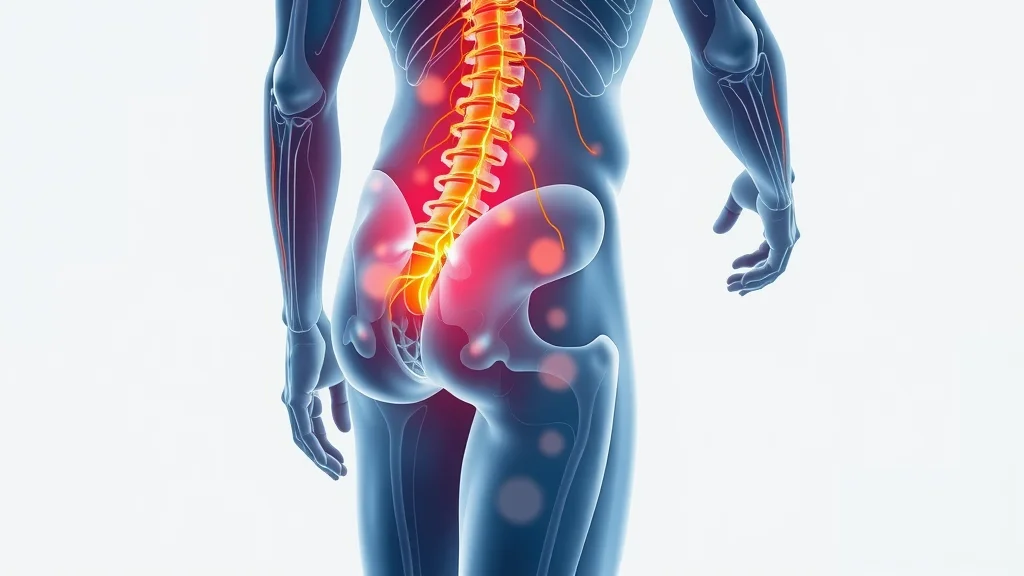
Chiropractic care, especially within communities like Gig Harbor, can be pivotal for addressing various conditions, from back pain treatment to spinal adjustments. Comprehensive approaches are essential when treating common issues such as cervical discomfort and sciatica therapy. The intersection of chiropractic wellness with mental and emotional well-being reinforces the holistic nature of care that Dr. Gray advocates.

Actionable Insight: Prioritizing Your Spine Health

In summary, understanding the importance of movement and spinal health is essential for achieving a fulfilling and independent life at any age. For health-minded adults, proactive engagement with a qualified chiropractor can lead to profound improvements not only in physical capabilities but in overall life satisfaction. Prioritizing spine health equips individuals to face the demands of both personal and professional pursuits.

If you are in Gig Harbor, Washington, explore local chiropractic clinics to enhance your mobility and secure a healthier future for yourself.

Top Chiropractor for Back Pain in Gig Harbor

0 Views

0 Comments

Write A Comment

*
*
Please complete the captcha to submit your comment.
Related Posts All Posts
10.24.2026

Sciatica Treatment: Which Providers Can Help?

Imagine waking up and finally being able to tie your shoes without a bolt of pain shooting down your leg or up your back. For those living with sciatica pain, finding lasting relief can feel like chasing a moving target—but with the right sciatica treatment options and expert providers near Gig Harbor, true comfort is closer than you might think. Understanding Sciatica Pain and Sciatica Treatment Options Define sciatica pain and sciatic nerve involvement: Sciatica pain is often the result of irritation or compression of the sciatic nerve, which is the longest nerve in the human body running from the lower back through the hips and down each leg. Explore the main symptoms and causes of sciatica: Typical sciatica symptoms include sharp or burning pain radiating from the lower back to the leg, numbness, tingling, and sometimes muscle weakness. Why choosing sciatica treatment options tailored to your lifestyle matters: Not every approach works for everyone. Finding the right blend of holistic, natural therapies catered to your daily routine can be the difference between momentary relief and lasting comfort. Sciatica pain can impact every aspect of your daily life, from basic movements to the ability to focus at work or enjoy time with your family. By understanding the connection between the sciatic nerve and your symptoms, you’ll be empowered to evaluate a wide array of sciatica treatment options. Many people in and around Gig Harbor find that combining conventional insights with holistic and natural therapies provides the most comprehensive and effective pain relief. This article will thoroughly explore these options, including the role of providers specializing in conservative and alternative approaches. What You’ll Learn About Sciatica Treatment Options Comprehensive overview of holistic and natural approaches to sciatica treatment Which providers specialize in conservative treatments for the sciatic nerve How to evaluate sciatica treatment options for lasting relief When to consider physical therapy, alternative modalities, or advanced care The Sciatic Nerve: Causes and Symptoms of Sciatica Pain How the Sciatic Nerve Causes Sciatica Pain The sciatic nerve begins in the lumbar spine (lower back) and travels through the hips, buttocks, and down the legs. Sciatica occurs when this nerve is compressed or irritated, commonly due to a herniated disc, bone spur, or spinal stenosis. Compression causes pain, tingling, or numbness that radiates from the lower back into the leg. When the nerve root associated with the sciatic nerve becomes pinched, the brain interprets this as pain radiating along the entire pathway of the nerve. Understanding this connection is critical for choosing sciatica treatment options that target both the source of nerve pain and its outward symptoms. A physical exam by a holistic practitioner may reveal reduced reflexes, muscle weakness, or areas of numbness that help pinpoint where the nerve roots are affected. Knowing the underlying cause—be it a herniated disc, inflammation, or muscular tension—guides the selection of treatment for sciatica. Natural providers in Gig Harbor frequently emphasize therapies that relieve pressure on the nerve, restoring alignment and reducing stress at the source. Common Sciatica Symptoms and Their Impact on Daily Life Sciatica symptoms range from mild discomfort to severe, incapacitating pain. The most characteristic symptom is a shooting, burning sensation traveling down the leg—often worsened by sitting, sneezing, or sudden movement. Other common symptoms include constant ache in one side of the lower back or buttock, numbness along the leg, or tingling (“pins and needles”) in the toes or foot. These symptoms can make daily tasks like standing, walking, or sleeping a challenge, causing secondary issues like muscle weakness or limited mobility. Chronic pain may lead people to avoid movement, yet a sedentary lifestyle can exacerbate the problem. That’s why individualized sciatica treatment options—especially those that blend holistic care with movement-based therapy—are essential for restoring your ability to fully participate in life. Key Risk Factors: Herniated Disc, Nerve Root Compression, and More Understanding key risk factors for sciatica is the first step in prevention. The most common cause is a herniated disc in the lumbar spine, which can compress the nerve roots and trigger nerve pain. Other contributors include spinal stenosis, injuries from sudden twisting or lifting, prolonged sitting, or structural imbalances in posture and gait. Obesity, aging, and lack of exercise can increase the risk of developing sciatica symptoms by placing additional stress on the spinal cord and nerve roots. By identifying and addressing these factors—through lifestyle changes and early intervention—you can reduce your risk of chronic pain and create a tailored treatment plan focused on natural, lasting relief. Conservative Sciatica Treatment Options and Their Providers Physical Therapy for Sciatica Treatment Options Types of physical therapy exercises for sciatic pain Qualities of effective local physical therapists for sciatica pain Physical therapy is a cornerstone conservative treatment for sciatica, aiming to relieve pressure on the nerve, improve mobility, and prevent recurrence. Therapists might recommend gentle stretches for the hamstrings, targeted core strengthening, and aerobic movements to enhance circulation in the lower back. A skilled physical therapist will customize the routine based on a detailed assessment, your sciatica symptoms, and underlying risk factors, creating a dynamic and evolving treatment for sciatica. Choosing the right physical therapist is vital. Look for local providers near Gig Harbor who are experienced in treating nerve pain, back pain, and herniated discs. A knowledgeable therapist will employ hands-on techniques, patient education, and a holistic approach that balances strength, flexibility, and postural awareness—all pivotal aspects of sciatica treatment options in a conservative setting. For those interested in a deeper dive into how chiropractic care can specifically address sciatic nerve pain, you may find it helpful to explore natural relief strategies from a chiropractic perspective. This resource offers practical insights into spinal alignment and conservative approaches that complement holistic therapies. Chiropractic Care as a Sciatica Treatment Option How chiropractic adjustments address sciatic nerve pain Finding a practitioner who specializes in conservative treatments Chiropractic care offers another effective sciatica treatment option, especially when the pain stems from spinal misalignments or joint dysfunctions. Chiropractic adjustments aim to realign the spine, reduce pressure on the nerve roots, and restore natural movement to the lumbar spine. These non-invasive approaches can provide significant pain relief without medication or surgery, particularly for chronic or recurrent sciatica symptoms. When seeking a chiropractor near Gig Harbor for sciatica pain, prioritize practitioners with expertise in conservative treatments and a holistic philosophy. Patient testimonials, advanced certifications in spinal care, and a commitment to individualized treatment plans are important criteria. A collaborative approach between chiropractor and patient often yields the most sustainable, long-term results as part of your overall treatment options. Massage Therapy as Part of Sciatica Pain Management Popular massage modalities for nerve pain and muscle tension Qualifications to seek out in holistic massage therapists Massage therapy can be a powerful ally in managing nerve pain and releasing muscle tension along the sciatic nerve’s pathway. Modalities such as deep tissue massage, myofascial release, and trigger point therapy are commonly used for sciatica pain, targeting overworked muscles in the lower back, buttocks, and legs. By promoting relaxation and increasing circulation, massage complements other conservative treatments for sciatica and helps optimize your recovery time. Select a holistic massage therapist with proper credentials, experience in treating sciatic pain, and a patient-focused approach. Many providers in Gig Harbor offer integrated wellness services, combining massage with stretching, lifestyle counseling, and other natural therapies, making it easy to develop a consistent and supportive pain management plan. Acupuncture and Its Role in Sciatica Treatment Options Evidence and reported benefits for sciatic pain relief How to choose a skilled acupuncture provider Acupuncture, a staple of traditional Chinese medicine, is increasingly embraced for sciatica treatment. By inserting fine needles at strategic points along the body (often near nerve roots and inflamed muscles), acupuncture can interrupt pain signals, calm inflammation, and stimulate the body’s inbuilt healing mechanisms. Some research and patient reports highlight improvements in nerve pain, reduced muscle tightness, and faster recovery time—a testament to acupuncture’s role among holistic sciatica treatment options. When considering acupuncture in or near Gig Harbor, prioritize practitioners with credentials in both acupuncture and integrative pain management. Look for reviews, board certification, and an approach that blends evidence-based practices with individualized care to fully harness the nerve pain-reducing benefits of this therapy. Alternative Sciatica Treatment Options in Holistic Health Mind-Body Approaches: Yoga, Pilates, and Mindfulness Specific yoga or Pilates movements for sciatic nerve relief How mindfulness and breathing techniques reduce nerve pain Mind-body therapies—especially yoga, Pilates, and mindfulness—have surged in popularity for addressing sciatic pain naturally. Yoga poses like pigeon, child’s pose, and gentle twists help stretch the muscles around the sciatic nerve, increasing flexibility and relieving compression. Pilates strengthens core muscles essential for lumbar spine support and alignment, helping prevent relapse of symptoms associated with nerve root compression. Practicing mindfulness and controlled breathing can lower stress, which often amplifies nerve pain. Regular meditation, body scans, and breathwork can be easily integrated into daily routines. Many holistic providers near Gig Harbor offer dedicated classes or one-on-one instruction to guide you through these healing movements as part of your comprehensive sciatica treatment plan. Herbal and Nutritional Support in Sciatica Treatment Dietary changes and supplements targeting inflammation How to safely incorporate herbs and seek advice from holistic nutritionists Nutritional strategies can be fundamental for reducing inflammation and supporting nerve health. Including anti-inflammatory foods — such as berries, leafy greens, fatty fish like salmon, and herbal teas — can help combat the root causes of sciatica pain. Some supplements, such as turmeric, magnesium, and omega-3 fatty acids, are known for their ability to soothe nerve pain and support the repair of nerve roots. Consultation with a holistic nutritionist ensures that these changes are safe, balanced, and attuned to your unique needs. They can help develop a personalized menu plan, identify potential triggers, and guide the safe use of herbal remedies that may complement more conventional sciatica treatment options offered near Gig Harbor. Home Remedies and Self-Care Routines for Sciatica Pain Cold vs. heat therapy Daily movement for preventing chronic sciatic pain Home self-care routines can provide immediate comfort and enhance long-term recovery from sciatica. Alternating cold and heat therapy often helps—cold packs reduce acute inflammation while heating pads relax tight muscles and boost circulation around the sciatic nerve. Knowing when to use each modality, and how to apply them safely, are core aspects of holistic pain management. Consistent daily movement, such as gentle stretching, walking, or low-impact yoga, is crucial to prevent stiffness and further injury. By keeping active and respecting your body’s limits, you can help relieve pressure on the nerve root and prevent both nerve damage and the recurrence of sciatica symptoms. Holistic providers often coach patients on integrating these routines into their lifestyle for lasting pain relief. When to Seek Advanced Sciatica Treatment Options Understanding When Conservative Treatments May Not Be Enough While holistic and conservative sciatica treatment options provide meaningful pain relief for many, some cases may require advanced interventions. Persistent or worsening symptoms—such as intractable leg pain, significant muscle weakness, or progressing numbness—may indicate that the sciatic nerve is under severe pressure. This can lead to nerve damage if not addressed promptly. Unable to perform daily activities, experiencing bladder or bowel dysfunction, or failing to improve after several weeks of conservative treatments are all strong signals to consult with a spine specialist. Advanced treatments are designed to address more complex or severe presentations where conservative approaches haven’t fully resolved the issue. Steroid Injections and Their Role in Sciatica Treatment If inflammation around the nerve roots is significant, your provider may recommend steroid injections. These injections deliver powerful anti-inflammatory medication directly to the source of pain in the lumbar spine to reduce swelling, relieve pressure, and potentially break the cycle of chronic nerve pain. For select patients, this approach brings rapid relief and can provide a window for further healing with physical therapy or holistic modalities. Steroid injections are typically reserved for instances where conservative treatments have not succeeded. They are performed by interventional pain specialists—sometimes in partnership with your holistic practitioner—to ensure the most comprehensive sciatica treatment options are considered. Surgical Treatment Options: When Are They Necessary? While most people can avoid surgery, a small subset with severe or unresponsive sciatica symptoms may benefit from surgical intervention. Indications for surgical treatment include progressive weakness, persistent leg pain despite extensive conservative treatments, or evidence of severe nerve root compression seen on imaging. In these situations, your healthcare team may refer you to a spine surgeon who can discuss surgical options and weigh their risks and benefits. The decision to pursue surgery is always made collaboratively, focusing on preserving function, minimizing risk, and ensuring the highest chance of a full recovery. Spinal Fusion and Other Surgical Interventions for Sciatica Pain Among the various surgical techniques, spinal fusion is sometimes recommended if instability in the lumbar spine contributes to ongoing sciatica pain. This procedure permanently fuses two or more vertebrae to stabilize the affected area, alleviating pressure on the sciatic nerve and nerve roots. Other surgical interventions, like microdiscectomy or laminectomy, remove a portion of a herniated disc or enlarge the spinal canal to relieve nerve compression. A minimally invasive approach may reduce recovery time and postoperative pain. Advanced care is best provided by specialists who frequently collaborate with holistic practitioners for continued pain control and whole-person healing post-surgery. Comparing Sciatica Treatment Options: A Holistic Perspective Treatment Modality Typical Provider Focus Benefits Potential Drawbacks Physical Therapy Physical Therapist Mobility, strength, alignment Personalized, non-invasive, preventive Requires time and consistency Chiropractic Care Chiropractor Spinal alignment, nerve pressure Non-surgical, immediate adjustment Not suitable for all conditions Massage Therapy Massage Therapist Muscle tension relief, relaxation Stress reduction, complements other therapies Temporary relief if used alone Acupuncture Licensed Acupuncturist Pain modulation, energy flow Holistic, non-pharmacological Mixed evidence; provider skill varies Advanced Interventions (Steroid Injections, Surgery) Pain Specialist, Spine Surgeon Reduction of severe inflammation or decompression Rapid pain relief; definitive resolution Invasive, carries procedure-related risks Choosing the Right Provider for Sciatica Treatment Options Near Gig Harbor What to Look for in a Holistic Practitioner Accreditation and holistic philosophy Experience with sciatica treatment options Patient-centered care and testimonials Finding a provider you trust is just as important as the treatment itself. Seek holistic practitioners with robust accreditation, advanced training in conservative and alternative therapies, and, most importantly, documented experience treating sciatica. The best practitioners in Gig Harbor offer a holistic philosophy—treating the whole person, not just the symptoms—with a focus on education, prevention, and emotionally supportive care. Strong testimonials, visible commitment to individualized treatment plans, and a willingness to coordinate with other healthcare professionals are hallmarks of the most effective natural providers. A patient-centered approach respects your preferences, involves you in decision-making, and adapts as you progress. How to Interview Sciatica Treatment Providers When seeking a new holistic provider, prepare a list of questions that matter most to you—about their approach to nerve pain, their experience with sciatica treatment, and their collaboration with other local providers. Ask about typical treatment plans for sciatica, how they measure progress, and what to expect during recovery time. A great practitioner will welcome questions, explain their methods, and tailor recommendations to your lifestyle. This initial interview is an opportunity to gauge their compatibility with your values, their willingness to guide you through conservative and alternative options, and their investment in helping you meet your goals for lasting pain relief. Building a Long-Term Wellness Plan for Sciatica Pain Relief Sustained improvement comes from a plan that integrates movement, nutrition, stress reduction, and maintenance care. Your holistic provider will help craft a long-term strategy, incorporating both regular treatments and self-care routines to help you prevent recurrences and address risk factors as they arise. By committing to these personalized routines, you’ll maximize your chances for true, lasting relief from sciatica symptoms. A thoughtful, proactive partnership with your provider ensures that you’re supported every step of the way, from initial assessment through recovery—and beyond. Remember, successful treatment is not just about stopping pain, but about regaining the power to live your life with confidence and resilience. Quotes From Sciatica Treatment Experts: Insights and Advice “Holistic, individualized care is essential for managing sciatica and optimizing recovery.” “A collaborative approach between the patient and practitioner leads to lasting relief from sciatic nerve pain.” People Also Ask: Common Questions About Sciatica Treatment Options How do I make my sciatic nerve stop hurting? Relieving sciatic nerve pain often involves a combination of conservative sciatica treatment options, such as targeted exercise, physical therapy, chiropractic care, and lifestyle modifications. Holistic providers may also recommend mind-body practices, nutritional changes, and massage to address the root causes and promote healing. The most effective approach is highly personalized and may require input from more than one practitioner for optimal pain relief. Can sciatica be cured permanently? Permanent cure of sciatica depends on addressing its underlying causes. With appropriate holistic and conservative treatments, many people experience long-term or even complete resolution of their symptoms. A combination of physical therapy, nutritional support, and ongoing lifestyle changes, often implemented with the guidance of experienced practitioners, helps prevent recurrence and maintain a symptom-free, active life. What's the worst thing you can do for sciatica? The worst mistake people make is to ignore the symptoms and avoid movement altogether, which can worsen stiffness and prolong recovery. Improper lifting or resuming intense activities too soon can also aggravate the nerve roots, increasing risk for chronic pain or nerve damage. Holistic providers encourage gentle, regular movement and stress reduction, while warning against self-medicating without proper evaluation and guidance. What is the new treatment for sciatica? Recent advancements in sciatica treatment options include minimally invasive interventions, such as targeted nerve blocks and image-guided therapies, complementary modalities like laser therapy, and personalized rehabilitation programs. Leading holistic providers near Gig Harbor integrate these new treatments with established natural therapies, emphasizing a multi-pronged, patient-centered approach for best results. In-Depth Answers to Popular Sciatica Treatment Questions How do I make my sciatic nerve stop hurting? Explore both immediate and long-term sciatica treatment options, such as physical therapy, chiropractic care, massage, and mind-body exercises. Role of local providers in ongoing nerve pain relief through individualized treatment plans and follow-up care. Immediate sciatica pain relief usually starts with self-care—using ice or heat, performing gentle stretches, and avoiding positions that worsen the pain. For long-term relief, consider establishing care with holistic providers near Gig Harbor who can provide integrated treatments that address all contributors to your nerve pain. The best outcomes result from a team-based and preventive approach to sciatica treatment options. Can sciatica be cured permanently? Realistic outcomes from holistic and conservative treatments focus on long-term management and prevention of recurrence. Practitioners such as chiropractors, physical therapists, and holistic nutritionists can help build plans to support permanent relief. While a permanent “cure” depends on what’s causing your sciatica, most people achieve lasting relief through holistic, personalized treatment plans. Addressing risk factors—like posture, muscle imbalances, and inflammation—and maintaining regular movement are key. Consistent care from qualified local providers dramatically increases the likelihood of a pain-free, active future. What's the worst thing you can do for sciatica? Common mistakes include prolonged bed rest, skipping provider visits, and self-treating with inappropriate exercises. Holistic practices to avoid worsening symptoms involve gentle movement, mindful lifting, and timely consultation. Staying inactive or ignoring persistent symptoms can turn an acute episode of sciatica into a chronic, debilitating problem. Holistic experts urge their patients to seek early intervention, avoid self-medicating with strong painkillers, and always consult a practitioner before starting any intense new exercise for sciatica. What is the new treatment for sciatica? Latest innovations include image-guided therapies, targeted physical rehab, and integration of mind-body techniques. Local Gig Harbor holistic practitioners frequently adapt and blend these advanced treatments with traditional modalities to offer the best possible outcomes. Stay informed about evolving options by consulting with holistic and integrative clinics in the area—many offer patient-centered programs that blend the best of technology and natural health for sciatica relief. Holistic Sciatica Treatment Options: Expert Tips and Best Practices Importance of a multidisciplinary treatment strategy Staying consistent with recommended routines and lifestyle changes How to evaluate progress with your holistic practitioner Unlocking the best possible outcome from your sciatica treatment involves more than just finding the right therapy or provider. Experts recommend a multidisciplinary plan that weaves together physical therapy, chiropractic adjustments, massage, acupuncture, nutrition, and mindful movement. Consistency in following provider advice, regularly scheduled re-evaluations to update your treatment plan, and open communication are foundational to achieving—and sustaining—nerve pain relief. Key Takeaways: Choosing Natural Sciatica Treatment Options There are a variety of sciatica treatment options available—from conservative and alternative approaches to advanced interventions when necessary. The critical role of provider expertise and a holistic perspective cannot be overstated in crafting a personalized, effective treatment plan for pain relief. Personalized, natural strategies are the key to achieving lasting relief from sciatic nerve pain and supporting whole-body wellness for years to come. Frequently Asked Questions About Sciatica Treatment Options What holistic providers are best for sciatica treatment options near Gig Harbor? The best holistic providers for sciatica combine extensive training, a whole-person approach, and patient-centered care. Look for practitioners who specialize in physical therapy, chiropractic, acupuncture, massage, or integrative nutrition, and have experience addressing sciatic nerve pain. Are holistic sciatica treatment options as effective as traditional medicine? Many patients find holistic strategies just as effective—if not more so—especially when traditional medicine alone has not fully resolved their nerve pain. The most sustainable benefits come from blending both approaches, guided by holistic practitioners familiar with the latest advances in sciatica relief. Which sciatica treatment options can I try at home safely? Safe at-home options include gentle stretching, use of cold or heat packs, mindfulness meditation, and nutrition changes. Always talk to your provider before starting new routines or supplements, and seek medical attention if symptoms get worse. How quickly can I expect results from holistic sciatica treatment? Every patient’s recovery is unique. Some experience relief in a few sessions, while others require several weeks of consistent therapy for meaningful improvement. Progress is often gradual—support from your provider keeps you on track. When should I see a provider for severe sciatica pain? Seek immediate care if you experience progressive weakness, numbness, or loss of bladder/bowel control. Otherwise, it’s wise to book a holistic provider visit soon after symptoms begin, as early treatment often results in a smoother recovery. Motivate Your Next Step: Find the Right Sciatica Treatment Options Near Gig Harbor Don’t let nerve pain define your life. The right combination of holistic therapies and compassionate local providers can guide you back to lasting comfort and mobility. Book your appointment today and rediscover pain-free living with a personalized plan for sciatica relief in the Gig Harbor area. If you’re ready to take your understanding of sciatica relief to the next level, consider exploring broader strategies that integrate chiropractic care with holistic wellness. By learning from experts who specialize in natural pain management, you can uncover advanced techniques and lifestyle adjustments that support long-term healing. For a comprehensive perspective on how chiropractic and holistic approaches work together for sciatica, visit this in-depth guide to natural sciatica relief. Empower yourself with knowledge and discover new pathways to lasting comfort and mobility. Coming Soon: Local experts demonstrate the best holistic sciatica treatments available near Gig Harbor. Coming Soon: Local practitioners share their insights on natural pain relief and whole-person wellness for sciatica. Coming Soon: Step-by-step physical therapy exercises led by local specialists for safe, effective home practice.

10.23.2026

Can Sciatica Affect Balance and Walking?

Imagine standing up only to feel your leg tremble unexpectedly or stepping forward and sensing your balance wobble. For many dealing with sciatica balance problems, these aren’t rare moments—they’re part of daily life. Beyond the familiar nerve pain and back discomfort, sciatica can undermine your confidence in every step. In this comprehensive guide, you’ll discover exactly how sciatica and leg weakness disrupt stability, how these side effects affect everyday living, and why a holistic approach could unlock a more balanced, pain-free future—especially if you’re looking for the best natural health practitioners near Gig Harbor. Understanding Sciatica Balance Problems: What You'll Learn When sciatica strikes, it’s easy to focus on the immediate nerve pain, but what about the less obvious impacts? This article gives you deep insight into the hidden challenges of sciatica balance problems—a topic overlooked in conventional conversations, but crucial for your quality of life. You’ll gain practical knowledge about how leg weakness happens, what side effects to expect, how mobility is altered, and discover new tools and perspectives to restore your stability. Whether you’re just starting to explore holistic health options or seeking a more personalized natural approach for your sciatica and leg challenges, the information below will empower you in your wellness journey. The connection between sciatica and leg weakness Common side effects like nerve pain and walking difficulties How sciatica balance problems may impact daily life Holistic approaches to managing sciatica and leg weakness Expert tips to choose the right natural practitioner near Gig Harbor Exploring Sciatica Balance Problems—How Does Sciatica Affect Walking? The experience of sciatica balance problems can be unsettling, impacting your ability to move confidently from room to room or stroll outside. Many people are surprised to learn that the connection between the sciatic nerve and the muscles responsible for balance is direct and significant. When the nerve roots—especially those originating in the lower spine—are compressed or irritated, signals are disrupted, causing leg weakness, unsteady gait, and a higher likelihood of stumbling or tripping. Nerve pain may radiate from your lower back down your leg, making each step cautious and sometimes painful. For those living in the Gig Harbor area considering holistic or natural solutions, it’s essential to recognize how sciatica and leg issues intertwine. Difficulty walking is often one of the first concerns that drives people to seek care, not just for relief from sciatic pain, but also to prevent potential falls or loss of independence. A knowledgeable natural health practitioner will assess your walking pattern, look for signs of muscle weakness and nerve pain, and design a plan to restore both confidence and capability with tailored therapies. In addition to targeted therapies for nerve pain and mobility, incorporating gentle movement practices can be especially beneficial for those experiencing sciatica-related discomfort. For example, exploring Yin Yoga for sore hips offers a gentle, restorative approach that may help ease tension and support healing in the hips and lower back—key areas often affected by sciatica. A Day in the Life: Living with Sciatica Balance Problems Imagine waking up each morning and bracing yourself for the moment you swing your feet onto the floor. The familiar tingling or sharp nerve pain that shoots down your leg is now accompanied by a subtle uncertainty—will this be the day your balance fails you? For someone struggling with sciatica balance problems and leg weakness, routine activities like getting dressed or climbing the stairs require caution and extra time. Even short walks may take on a new level of anxiety, as minor missteps suddenly seem much riskier. The psychological side of these mobility challenges is just as real as the physical pain. Loss of independence, feelings of frustration, and the temptation to avoid activity can quietly erode both your emotional well-being and overall stamina. Many clients near Gig Harbor who choose holistic care do so because they want support that addresses not only the nerve pain but their whole experience: mind, body, confidence, and lifestyle. Recognizing this bigger picture is the first step towards creating lasting change that goes beyond temporary symptom relief. Why Sciatica and Leg Weakness Disrupt Your Balance The sciatic nerve is the body’s largest nerve, running from the lower spine through the hips, buttocks, and down each leg. When this nerve experiences compression—whether from a herniated disc, spinal stenosis, or muscle tightness—it sends faulty signals to the leg muscles. This not only creates shooting or burning nerve pain but may also weaken the muscles responsible for supporting your body’s posture and gait. If certain muscles don’t contract as strongly or quickly as they should, even simple tasks like standing or shifting your weight can throw you off balance. Over time, repeated nerve compression can further reduce leg strength and coordination, especially without intervention. You may notice that one leg feels slower, more unsteady, or less reliable. This mechanical instability, layered with constant discomfort, makes it easy to develop compensatory habits—standing on your “good” leg, shuffling, or moving cautiously—which ironically can weaken your balance muscles even more. Addressing both the neurological and muscular sides of sciatica and leg weakness is key to reclaiming stability in your routine. What Causes Sciatica Balance Problems and Leg Weakness? Sciatica balance problems are fundamentally rooted in the health of the sciatic nerve and surrounding structures. The most common culprits are conditions that compress, inflame, or irritate the nerve roots at the base of your spine. This compression disrupts normal nerve signaling, causing leg weakness, tingling, numbness, and sometimes sharp pains that shoot down the leg. While sciatica is often associated with lower back pain, its side effects extend to your ability to stand and walk with confidence. There are several different medical conditions that can lead to sciatic nerve irritation. For many people in the Gig Harbor region seeking natural alternatives, finding and addressing the unique cause of their sciatica and leg weakness is essential. A comprehensive physical exam—sometimes supplemented by holistic assessments—can help pinpoint whether the issue stems from a herniated disc, spinal stenosis, muscle imbalances, or other less common sources such as piriformis syndrome or nerve damage. The Role of the Sciatic Nerve in Walking and Balance The sciatic nerve acts as a vital bridge between your lower spine and nearly every muscle in your leg. It controls both movement and sensation, influencing how well you can lift your foot, flex your knee, or stabilize your ankle. Any disruption—from inflammation to physical nerve compression—affects this intricate network, causing signals to become delayed, incomplete, or painful. As a result, muscles may not receive the instruction to fire at the right time, and this lag can manifest as leg weakness, poor coordination, or even episodes of foot drop. Balance is not just about strong muscles but about responsive nerves. When sciatic nerve function is impaired, your body loses one of its main lines of communication between the brain and lower extremities. This is why many people with sciatica and leg weakness describe a sense of “giving way” or episodes where the leg seems to simply not cooperate. Holistic health practitioners near Gig Harbor are experienced in evaluating these signs and often design their natural care plans to restore both nerve and muscular harmony—addressing the root of sciatica balance problems, not just the symptoms. From Herniated Disc to Spinal Stenosis: Underlying Causes of Sciatica Leg Weakness Most cases of sciatica leg weakness stem from one of two primary sources: herniated discs or spinal stenosis. A herniated disc occurs when cushioning material between the vertebrae bulges out and presses on your sciatic nerve. This nerve compression can trigger severe nerve pain and immediate muscle weakness on one side of the body. In contrast, spinal stenosis is a narrowing of the spinal canal, gradually squeezing the nerve roots. Both conditions disturb normal nerve signaling, leading to the classic symptoms of tingling, numbness, and leg weakness—often most noticeable during walking. Other contributors can include piriformis syndrome (when the piriformis muscle irritates the sciatic nerve), degenerative disc disease, or physical trauma. Regardless of the underlying diagnosis, holistic practitioners in the Gig Harbor area aim to address structural health, manage inflammation, and support overall nerve and muscular healing with a whole-body lens. By focusing on the root cause—and how it affects everything from gait pattern to posture—natural care can facilitate real functional improvements that last. Sciatica Leg Weakness: Main Side Effects Beyond Nerve Pain While acute nerve pain often demands attention, the lingering side effects of sciatica leg weakness have far-reaching impacts. People with sciatica often report challenges such as muscle fatigue, decreased endurance, and difficulty maintaining balance while walking or even standing. The combination of sharp sciatic pain and underlying leg weakness can transform daily routines into daunting obstacles. Instability can trigger cycles of avoidance—opting out of social events, exercise, or chores—increasing the risk of isolation and declining health. What’s important to remember is that the side effects aren’t only physical. Ongoing sciatica balance problems can fuel anxiety, diminish self-reliance, and encourage a sedentary lifestyle. Ignoring these impacts or focusing only on the pain component leaves people at risk for a downward spiral in both emotional and physical wellness. That’s why holistic practitioners in Gig Harbor often combine movement therapies, mind-body practices, and lifestyle coaching to support well-being from every angle. Common Side Effects: Sciatic Pain, Nerve Pain, and Mobility Challenges The most prevalent side effects for those with sciatica leg weakness include aching or burning sensations in the lower back and leg, numbness, and frequent “pins and needles” that may extend to the feet. This nerve pain can make it difficult to sense the ground beneath you, causing step misplacement or delayed reactions. As leg strength diminishes, everyday activities—walking in a grocery store, getting out of a chair, climbing curbs—start requiring far more concentration and effort. Over time, untreated sciatica balance problems can lead to secondary issues like muscle atrophy, poor posture, and increased risk of sprains or injuries from falls. Some patients develop chronic compensation patterns, overusing the non-affected leg and straining the back or hips. These side effects highlight the importance of approaching sciatica management holistically—not just to ease pain but to restore safe, natural movement and confidence. Can Sciatica Cause Severe Leg Weakness or Falls? Yes, in more advanced cases, sciatica and leg weakness can be severe enough to cause sudden instability or even falls. When the nerve root compression is significant, rapid muscle shutdown in the thigh, knee, or ankle can make it difficult to “catch” yourself, leading to slips, stumbles, or dangerous losses of balance. Such episodes are particularly concerning for older adults or anyone whose fitness is already reduced. Even minor falls carry a risk of injury or loss of independence. If you notice increasing leg weakness, recurring falls, or new losses of function, it’s imperative to consult with a qualified practitioner promptly. Holistic practitioners near Gig Harbor routinely assess for these red flags, integrating gentle therapies and lifestyle support to promote nerve recovery and minimize injury risk. Early, proactive care can help you reclaim safer movement and prevent complications from becoming permanent. How Sciatica Balance Problems Impact Daily Living The impact of sciatica balance problems on day-to-day activities should not be underestimated. Even the simplest tasks—walking across a room, carrying groceries, or standing in line—take on extra complexity and risk. Persistent leg weakness undermines your confidence and prompts adjustments that may limit your life: avoiding walks, skipping outings, or using furniture for support. You might also begin to notice changes in your gait, such as shuffling feet, hesitating on stairs, or difficulty maintaining a steady pace. These habits, though understandable, can lead to further muscle imbalance and reduction in fitness. Over time, recurrent tripping or instability may encourage you to withdraw from social engagement or physical activities you once enjoyed. For many in the holistic health community around Gig Harbor, the goal is not just pain relief—but restoring autonomy and an active, joyous lifestyle. Addressing sciatica balance problems opens the door to regaining control, purpose, and zest for life. Trouble standing or walking for long periods Changes in gait or foot drop Recurrent tripping or instability Difficulty with stairs or uneven surfaces Reduced confidence and activity avoidance Natural and Holistic Approaches to Sciatica Balance Problems A holistic approach to sciatica balance problems is designed to address both the immediate discomfort and the broader context of your well-being. Instead of relying solely on medication or quick fixes, natural practitioners utilize movement therapies, bodywork, nutrition, mindfulness, and gentle exercise to restore balance and foster nerve recovery. These strategies work synergistically to unlock better mobility, confidence, and long-term relief. Many people in Gig Harbor find that combining different modalities creates a personalized pathway to wellness. Natural approaches take into account how your symptoms change throughout the day, your emotional state, and your goals for activity and independence. By listening to your body and fostering gentle progress, you stack the odds in favor of true functional healing—beyond simply masking symptoms. Exploring Gentle Therapies: Movement, Stretching, and Mindfulness Gentle movement and therapeutic stretching form the foundation of most natural plans for sciatica balance problems. Regular, mindful exercises such as yoga, tai chi, or restorative stretching help improve flexibility in the hips and lower back while supporting neuromuscular re-patterning. This reduces tension on the sciatic nerve, promotes circulation, and strengthens the muscle groups essential for balance. Many holistic health clients find that integrating breath work and mindful awareness during movement enhances relaxation and diminishes anxiety about falling. Working with an expert—either in-person or virtually—tailors these therapies to your unique situation and guides modifications as needed for leg weakness or pain. Holistic practitioners near Gig Harbor typically emphasize gradual progression, ensuring you move at a safe, sustainable pace. With time, these practices can rebuild both physical stability and trust in your body’s ability to recover naturally. Integrative Strategies: Nutrition, Acupressure, and Bodywork True holistic care for sciatica and leg weakness often goes beyond movement. Dietary shifts—with attention to anti-inflammatory foods—can help reduce swelling around compressed nerve roots and support tissue healing. Acupressure and gentle bodywork may stimulate specific nerve pathways, improve circulation, and relax tight muscles around the lower back, buttocks, or legs. Many clients report that these hands-on approaches complement exercise therapies, facilitating faster recovery and pain reduction. A top holistic practitioner will also teach you about home ergonomics, stress management, and daily habits that protect your nerve and muscle health. Integrating these natural strategies not only addresses the root causes of sciatica leg weakness but empowers you with the tools to prevent future flare-ups—a vital part of sustaining balance and mobility as you age. “Listening to your body and making small lifestyle adjustments is vital when addressing sciatica balance problems naturally.” — Leading Holistic Practitioner When Sciatica Balance Problems Signal a Need for Professional Help While many people benefit from at-home and self-guided holistic care, there are certain signs that should prompt you to seek expert support promptly. Persistent or worsening leg weakness, episodes of loss of balance, or new numbness, tingling, or bowel/bladder changes could signal worsening nerve compression or even the risk of permanent nerve damage. The best holistic practitioners are trained to assess these red flags and coordinate care for advanced interventions if necessary. Consulting a qualified practitioner near Gig Harbor can ensure you receive the right balance of holistic guidance and necessary referrals, should your symptoms warrant advanced diagnostics or care beyond natural methods. Preventing progression and restoring function safely—while respecting your personal health philosophies—remains the highest priority. Identifying Red Flags: When Leg Weakness and Side Effects Worsen It’s time to seek professional help if your leg weakness becomes unexpectedly severe, you’re experiencing repeated falls, your gait changes abruptly, or you notice new loss of sensation in the groin or leg. These may indicate worsening nerve root involvement or other pressing medical conditions such as cauda equina syndrome. Additionally, if conservative strategies fail to yield improvement within a reasonable time, more intensive therapies or collaborative care with a specialist may be warranted. Holistic practitioners can perform a thorough physical exam, review your full history, and suggest the right next steps—often including a blend of in-office care, home exercises, and nutritional or mind-body support. Your safety, function, and life satisfaction guide all recommendations. How the Best Holistic Practitioners Support Sciatica and Leg Health Top practitioners in holistic care approach sciatica balance problems with equal parts expertise and compassionate listening. They don’t just look at your nerve pain—they consider lifestyle, stress, sleep, posture, and your unique goals for living in the Gig Harbor area. Initial assessments often include movement screening, gait analysis, and tests for muscle strength and nerve sensitivity. After evaluating your needs, a complete care plan is crafted: this may blend hands-on therapies, targeted exercise, nutritional guidance, and self-care education. Ongoing support and close communication help you navigate flare-ups, adjust practices, and maintain progress toward recovery and active living. If you’re seeking a truly patient-centered approach to sciatica and leg weakness, natural practitioners offer accountability and a pathway back to the balanced, engaged life you deserve. Table: Comparing Conventional and Holistic Approaches for Sciatica Balance Problems Conventional Approaches Holistic Approaches Pain medications (NSAIDs, muscle relaxants), corticosteroid injections, or surgery in some cases. Focus primarily on pain relief and structural correction. Gentle movement therapy, individualized stretching, nutrition, acupressure, bodywork, and mindfulness—emphasizes restoring balance, nerve function, and whole-body healing. May involve physical therapy exercises and gait training. Integrates exercise with breathwork, stress reduction, and lifestyle coaching to address underlying imbalances affecting sciatica and leg weakness. Less focus on lifestyle, mind-body connection, or personalized daily strategies. Comprehensive support spanning physical, emotional, and nutritional aspects—building resilience against future flare-ups. People Also Ask: Sciatica Balance Problems Is walking good for sciatica? Answer: Walking can benefit those with sciatica by promoting gentle movement and circulation, but adaptations may be needed for those experiencing significant sciatica balance problems. Holistic guidance can help you walk safely and confidently. What not to do with sciatica? Answer: Avoid activities that exacerbate sciatic nerve pain, such as heavy lifting, twisting, or prolonged sitting. A natural practitioner can recommend specific modifications that honor your unique sciatica balance challenges. Will sciatica go away on its own? Answer: While mild cases of sciatica balance problems may improve over time, persistent nerve pain or leg weakness should prompt you to consult a qualified holistic professional for comprehensive support. What aggravates sciatica? Answer: Poor posture, stress, and inflammatory foods may worsen sciatica balance problems, especially when underlying conditions like spinal stenosis or a herniated disc are present. FAQs: Sciatica Balance Problems, Leg Weakness, and Natural Solutions Q: Can holistic therapies really improve my balance? A: Yes! Consistent gentle movement, hands-on therapies, and whole-body strategies work together to retrain nerves and muscles, often greatly improving balance for those with sciatica and leg weakness. Q: Will I need to give up activities I love? A: Most people can maintain or even return to favorite activities with the right plan. Holistic practitioners focus on modifying, not eliminating, movement, so you can stay involved while minimizing risk. Q: What are some easy lifestyle changes I can start today? A: Begin with daily gentle stretches, prioritize anti-inflammatory foods, and incorporate mindful eating and rest. Even small steps can amplify healing and build your foundation for lasting balance. Q: How quickly should I see results from holistic care? A: Many feel improvements in stability or pain within a few weeks, though lasting changes depend on your unique starting point. Regular check-ins with your practitioner optimize results and adapt care as you progress. Q: Are natural approaches safe for older adults with balance problems? A: Absolutely—gentle movement, nutritional adjustments, and bodywork are chosen with safety in mind and can be tailored for all ages, addressing both leg weakness and overall wellness. Educational video featuring a health expert explaining the link between sciatica balance problems, leg weakness, and holistic therapies. Includes animated diagrams of the sciatic nerve, real-life testimonials, and footage of therapeutic exercises. Key Takeaways for Managing Sciatica Balance Problems Holistically Addressing leg weakness, nerve pain, and side effects can restore balance Holistic therapies focus on whole-body healing for lasting results Working with an expert practitioner supports safer, personalized outcomes Ready for Natural Relief? Take the First Step Toward Balance and Healing. Empower yourself by choosing expert holistic care for your sciatica balance problems. Book a consultation with a trusted natural health practitioner near Gig Harbor and step confidently into a more active, pain-free life. If you’re inspired to take your healing journey further, consider exploring additional holistic practices that nurture both body and mind. Techniques like Yin Yoga not only target physical discomfort but also foster a deeper sense of relaxation and resilience—qualities that are invaluable when managing chronic conditions like sciatica. By broadening your approach to include mindful movement and restorative routines, you can unlock new levels of comfort and mobility. For more ideas on gentle, effective ways to support your hips and lower back, discover how healing movement can transform your experience in this guide to Yin Yoga for sore hips. Your next step toward lasting relief and renewed confidence may be just a mindful stretch away.

10.21.2026

Sciatica Red Flags: When Is It an Emergency?

Imagine waking up and suddenly being gripped by piercing low back pain radiating sharply down your leg. Many brush it off, but early recognition of sciatica red flags could mean the difference between fast recovery and lasting nerve damage. For those interested in natural, holistic care—especially around Gig Harbor—knowing when sciatica becomes an emergency is essential to protecting your health and ensuring the right intervention. Recognizing Sciatica Red Flags: A Guide to Lower Back and Nerve Pain Scenario: Imagine waking up with severe low back pain radiating down your leg. Importance: Understanding sciatica red flags could be the difference between timely care and lasting damage. Relevance: Local experts in holistic health stress early recognition, especially around Gig Harbor. Sciatica symptoms can feel intimidating—whether it’s a sharp pain that climbs down your leg, numbness in your toes, or a growing sense of weakness. But how do you know if your back pain is just a temporary ache or something that needs urgent attention? Many residents near Gig Harbor are turning to holistic health professionals for answers. Experts emphasize that spotting red flags—such as new bowel or bladder difficulties, sudden numbness, or rapidly worsening nerve pain—demands urgent action. For those living a vibrant, active lifestyle, understanding the difference between common lower back aches and true emergencies can help you access the best natural care at just the right time. Early intervention not only protects the nerve roots and spinal cord but also promotes recovery through science-backed, gentle therapies unique to holistic wellness. Make early knowledge your best tool for a pain-free future. What You'll Learn About Sciatica Red Flags and Back Pain Emergencies Key sciatica symptoms not to ignore How to differentiate common low back pain from medical emergencies Signs that suggest cauda equina or equina syndrome When nerve pain requires urgent natural intervention Resources for holistic and alternative care in the Gig Harbor region This comprehensive guide will prepare you to identify and act on critical sciatica red flags quickly. You'll learn which sciatica symptoms indicate natural therapies and which signal rare but urgent emergencies—such as cauda equina syndrome—requiring immediate conventional medical attention. Along the way, you'll discover trusted holistic strategies to support your recovery and how to work collaboratively with practitioners throughout the Gig Harbor area for long-term relief. For those seeking gentle, restorative ways to manage discomfort and support healing, incorporating mindful movement can be especially beneficial. Exploring practices like Yin Yoga for sore hips offers a natural complement to holistic back care, helping to ease tension and improve mobility in the lower body. Table: Comparing Sciatica Red Flags Versus Common Low Back Pain Symptom Common Low Back Pain Sciatica Red Flags Medical Emergency Dull ache Yes No No Bowel or bladder dysfunction No Possible Yes Sudden onset foot drop No Possible Yes Understanding Low Back Pain: Not All Lower Back Issues Signal Sciatica Red Flags Many people experience low back pain at some point in their lives, but not every back ache is related to sciatic nerve irritation or medical emergencies. Often, soft tissue strains, muscle tightness, or natural changes from aging are the root causes. Lifestyle factors—like poor posture, sedentary habits, or stress—can lead to nerve pain that feels intense but is not necessarily a red flag. Recognizing the difference empowers you to select the safest, most effective destination for care—especially when seeking natural or holistic solutions near Gig Harbor. It’s essential to acknowledge how varied lower back issues can be. Some conditions, such as herniated discs or mild cases of sciatica, can cause pain that radiates to the legs but often resolve with gentle, natural management. Learning when to be cautious and when to seek advanced help is a cornerstone of holistic health. This nuanced awareness supports long-term healing and helps prevent unnecessary anxiety—or missed emergencies. Common Causes of Low Back and Nerve Pain Strained muscles in the lower back Irritation of the sciatic nerve Natural and lifestyle contributors Nerve root irritation can stem from various sources, not just a slipped (herniated) disc. Prolonged sitting, improper lifting, physical inactivity, or even stress can trigger discomfort throughout the lower back and legs. Some may experience temporary nerve pain from strenuous exercise, while others face persistent aches due to underlying health imbalances. For those in the Gig Harbor area, holistic practitioners often assess the bigger picture: movement patterns, sleep quality, nutrition, and emotional well-being. By identifying whether symptoms are routine or warning signs for sciatica red flags, natural health experts can create safer, more individualized wellness plans that minimize long-term risks and foster resilience. Sciatica Red Flags: Key Symptoms and When to Take Action Intense nerve pain or burning in the leg Loss of sensation, numbness, or weakness in the sciatic nerve's distribution Difficulty walking or standing due to low back pain Certain symptoms stand apart as unmistakable red flags for serious conditions. If you experience unrelenting sciatic nerve pain, new numbness, or clear muscle weakness that interferes with walking or balance, it's time to take prompt action. These signs may indicate compression of the nerve roots or other urgent problems, including the rare but serious condition called cauda equina syndrome. "In some cases, waiting too long can lead to permanent nerve damage," caution holistic practitioners near Gig Harbor. "Recognizing sciatica red flags can change the course of recovery. " If intense pain or sciatica symptoms escalate, connect with a trusted healthcare provider immediately to rule out emergencies—and to set the stage for safe, natural recovery once cleared. "Recognizing sciatica red flags can change the course of recovery," say holistic practitioners near Gig Harbor. Defining Red Flag Symptoms: Cauda Equina, Equina Syndrome, and Medical Emergency Signs A select group of red flag symptoms require immediate medical evaluation. The most urgent—often called cauda equina syndrome—involves pressure on the bundle of nerves at the base of the spine. Signs include sudden bowel or bladder changes, numbness in the groin/saddle area, or rapidly worsening leg weakness. Without swift intervention, this emergency can lead to permanent disability. Symptoms that fit this description are never normal and should not be managed solely with home remedies, natural therapies, or even over-the-counter pain medication. Instead, individuals near Gig Harbor should head straight to an ER. Only after life- or limb-threatening causes have been excluded is it safe to pursue deeper holistic healing to address the underlying causes and nurture long-term wellness. Classic Red Flags Indicating Cauda Equina Syndrome Sudden onset bowel or bladder difficulties Numbness around the saddle area Rapidly progressing leg weakness The classic sudden onset of these symptoms signals a need for urgent care. Cauda equina and equina syndrome are among the few instances where delay can result in irreversible harm. Early identification and intervention can prevent lasting injury to the nerve roots associated with bowel, bladder, and leg function. Many holistic health professionals in Gig Harbor encourage their clients to err on the side of caution. If you notice a new inability to control your bladder, sudden numbness in your groin, or severe leg weakness progressing over hours to a day, treat this as a true medical emergency. Why Cauda Equina and Equina Syndrome Are True Medical Emergencies Nerve damage risk Loss of mobility if untreated Cauda equina syndrome and related emergencies involve rapid, often severe compression of the lower spinal cord and nerve bundles. The result can be sudden paralysis, bladder or bowel incontinence, and loss of sexual function if not addressed immediately. These conditions spell an urgent need for medical treatment, even for those dedicated to natural and holistic healing approaches. The risk here is not simply pain, but irreversible nerve damage. While holistic care has a role in supporting comprehensive recovery, only prompt medical or surgical care can decompress the nerve roots implicated in cauda equina syndrome. If any red flag symptoms are present, don’t wait—protect your long-term mobility and well-being by getting help right away. Holistic Perspectives: How Natural Health Approaches Sciatica Red Flags Emphasis on early detection and thorough assessment Root cause analysis: holistic evaluation beyond symptoms Incorporation of therapeutic movement, nutrition, and bodywork Natural and holistic health practitioners in Gig Harbor take a proactive, whole-person approach to sciatica red flags and low back pain. Their process usually begins with a detailed assessment, aimed at distinguishing between routine discomfort and signs of a possible medical emergency. Early screening ensures urgent emergencies aren’t missed. "A natural approach doesn’t replace urgent care—but it can address underlying imbalances that lead to sciatica symptoms long-term," according to holistic health experts. Once emergencies are ruled out, holistic strategies focus on promoting deep healing: hands-on therapy, therapeutic exercise, nutritional guidance, and mind-body relaxation. This multi-layered perspective minimizes the risk of recurrence, addresses sources like poor movement patterns or inflammation, and supports ongoing wellness. "A natural approach doesn’t replace urgent care—but it can address underlying imbalances that lead to sciatica symptoms long-term," according to holistic health experts. When to Seek Immediate Help: Distinguishing a True Sciatica Emergency Red flags persisting beyond 24 hours New loss of bowel or bladder control Progressive numbness or sudden weakness If sciatica symptoms persist, worsen, or are accompanied by new sensations of numbness, tingling, bladder dysfunction, or weakness, it’s crucial to act quickly. Do not self-treat with natural remedies or wait for a holistic appointment if severe red flags develop—proactive medical care protects both the spinal cord and your long-term function. Once urgent dangers have been addressed and your care team has excluded serious problems like cauda equina syndrome, holistic providers in Gig Harbor are uniquely positioned to guide the safe, natural recovery of back and leg discomfort. Your best next step: combine the wisdom of urgent intervention with the healing power of natural therapies for a balanced, effective recovery. A short, patient-story video presentation — compassionate tone, a real patient in everyday clothing describing the onset of numbness and urgent hospital visit, interspersed with supportive holistic health footage (therapy room, stretching, nature walks), ending with a quick summary about knowing when to seek emergency care and pursuing holistic follow-up in Gig Harbor. Holistic Interventions for Lower Back Pain and Sciatica Red Flags Hands-on bodywork and gentle adjustments Herbal and nutritional protocols Restorative movement and relaxation techniques Once emergencies like a condition called cauda equina syndrome are excluded, holistic intervention focuses on easing stress on the nerve roots and supporting tissue recovery. Therapies such as targeted massage, chiropractic adjustments, and guided movement can restore balance and function for those experiencing low back and nerve discomfort. Natural remedies—such as herbal anti-inflammatories, stress reduction with mindfulness, yoga, and therapeutic nutrition—help soothe irritated nerve roots and promote faster, more sustainable healing. Holistic approaches aim not just to mask pain, but to restore the natural alignment and mobility of the back, support soft tissue healing, and prevent future flare-ups. Preventing Sciatica Red Flags: Tips for Natural Wellness in Gig Harbor Regular movement and postural awareness Stress reduction strategies Personalized holistic care plans The best medicine for sciatica red flags is prevention. Consistent movement, attention to body mechanics, and a holistic lifestyle can minimize the likelihood of severe lower back or nerve pain. Local practitioners in Gig Harbor recommend regular stretching, ergonomic assessments, and relaxation strategies—such as meditation, tai chi, or nature walks. A customized wellness plan, tailored by holistic professionals, integrates movement, nutrition, and targeted therapies that reflect your unique needs. Early engagement with holistic care not only helps to alleviate minor flare-ups but may also help avoid ever reaching the point where red flag symptoms arise. The key is to listen to your body and partner with a trusted practitioner before symptoms escalate. People Also Ask About Sciatica Red Flags and Back Pain What is a red flag for sciatic nerve pain? A red flag for sciatic nerve pain includes sudden severe pain, numbness surrounding the groin, loss of bladder or bowel control, or rapidly worsening weakness. These are signs of possible medical emergencies, such as cauda equina syndrome, that need urgent medical attention to prevent long-term nerve damage. How do you know when sciatica is serious? Sciatica is serious if symptoms progress rapidly, involve new numbness in the groin, a sudden loss of bladder or bowel control, or the development of sudden weakness in one or both legs. These indicators point to potential nerve root compression and call for an immediate evaluation by a healthcare provider. When is sciatic pain an emergency? Sciatic pain becomes an emergency if it’s accompanied by sudden loss of bladder or bowel function, newly numb areas in the lower body, or sudden inability to move or feel the leg(s). Such symptoms can result from a condition called cauda equina syndrome, requiring emergency intervention. What often gets mistaken for sciatica? Several conditions, including piriformis syndrome, herniated discs, or referred pain from the hip or lower back, can mimic sciatica symptoms. The differences lie in symptom location, progression, and the presence or absence of red flag emergency signs. FAQs on Sciatica Red Flags and Holistic Health Approaches Are natural treatments safe if I have sciatica red flags? No. If you have true red flag symptoms—such as new bowel/bladder problems, groin numbness, or rapidly worsening weakness—seek emergency care first. Holistic approaches support healing after emergencies are excluded. How can holistic practitioners in Gig Harbor help with emergency symptoms? Holistic providers can help rule out red flags and support safe recovery with personalized movement, bodywork, and nutrition advice, but will always defer to medical providers for emergencies. What should I bring to my first appointment about lower back pain? Bring a detailed history of your symptoms, a list of current medications or supplements, and any relevant test results. Being thorough helps holistic practitioners plan the right approach for your needs. Expert-Backed Takeaways on Sciatica Red Flags for Gig Harbor Residents Early recognition of sciatica red flags is crucial for safe, natural care Seek emergency medical help for sudden, severe, or progressive symptoms Holistic health approaches support long-term healing once an emergency is ruled out Ready to Find Relief? Discover How Natural Holistic Practitioners in Gig Harbor Address Sciatica Red Flags Don’t wait for back and leg pain to disrupt your life. Contact a skilled and compassionate natural health practitioner near Gig Harbor today for guidance on both urgent and holistic solutions. Secure your best chance for fast, lasting recovery—and embrace the benefits of a naturally pain-free lifestyle! If you’re inspired to take a proactive approach to your well-being, consider exploring additional holistic strategies that go beyond emergency care. Embracing practices such as targeted yoga, mindful movement, and personalized wellness routines can help you build resilience and prevent future flare-ups. For a deeper dive into gentle, restorative techniques that support hip and lower back health, discover how Yin Yoga can transform your mobility and comfort by visiting this guide to healing movement in Gig Harbor. Your journey to lasting relief and vibrant health is just beginning—explore new possibilities and empower your body with holistic care.

Community Business Network (CBN)

CBN boosts the online visibility of independent business owners, helping them grow a large audience of prospective customers by being recognized as a local influencer for their expertise.

CBN Builds local media channels making business owners the star they are as they become the most credible local authority and go-to source for their niche in their community.

CBN

  • Privacy Policy
  • Terms of Use
  • Advertise
  • Menu 5
  • Menu 6

CONTACT US

Website
https://cbn.media/

Email: Mark@CBN.media

Gig Harbor, Washington

MARK CLAYTON
EDITOR-IN-CHIEF


The statements and information on this website, including the statements and information contained in the videos on this website, have not been evaluated by the Food and Drug Administration. This website is offered as a public service for the reader’s informational and educational purposes only; it is not meant to substitute for medical care, prescribe treatment for any specific health condition, or diagnose, treat, cure, or prevent any disease or illness. This website has NOT verified, and does not warrant, the information listed. These listings do not constitute either an endorsement or recommendation of any practitioner or modality. This website is not liable for any act or omission of the listed practitioners, who are solely responsible for their own practice, and for the accuracy and completeness of their personal and professional information, credentials, and claims.

© 2026 CompanyName All Rights Reserved. Address . Contact Us . Terms of Service . Privacy Policy

Terms of Service

Privacy Policy

Core Modal Title

Sorry, no results found

You Might Find These Articles Interesting

T
Please Check Your Email
We Will Be Following Up Shortly
*
*
*