Gig Harbor Natural Holistic and Alternative Health

Heal Naturally. Live Fully.
  • Home
  • Categories
  • Top Chiropractor for Back Pain in Gig Harbor
  • Holistic Spas and Day Retreats in Gig Harbor
  • Yoga, Tai Chi, and Movement Classes Near You
  • Mind‑Body Therapy, Hypnosis, and Stress Relief
  • Holistic Stores, Herbs, and Natural Remedies
  • Discover Adventures and Treasures with Mark
  • Featured Gig Harbor Area Businesses
October 21.2026
1 Minute Read

Sciatica Red Flags: When Is It an Emergency?

Imagine waking up and suddenly being gripped by piercing low back pain radiating sharply down your leg. Many brush it off, but early recognition of sciatica red flags could mean the difference between fast recovery and lasting nerve damage. For those interested in natural, holistic care—especially around Gig Harbor—knowing when sciatica becomes an emergency is essential to protecting your health and ensuring the right intervention.

Recognizing Sciatica Red Flags: A Guide to Lower Back and Nerve Pain

  • Scenario: Imagine waking up with severe low back pain radiating down your leg.
  • Importance: Understanding sciatica red flags could be the difference between timely care and lasting damage.
  • Relevance: Local experts in holistic health stress early recognition, especially around Gig Harbor.

Sciatica symptoms can feel intimidating—whether it’s a sharp pain that climbs down your leg, numbness in your toes, or a growing sense of weakness. But how do you know if your back pain is just a temporary ache or something that needs urgent attention? Many residents near Gig Harbor are turning to holistic health professionals for answers. Experts emphasize that spotting red flags—such as new bowel or bladder difficulties, sudden numbness, or rapidly worsening nerve pain—demands urgent action.

For those living a vibrant, active lifestyle, understanding the difference between common lower back aches and true emergencies can help you access the best natural care at just the right time. Early intervention not only protects the nerve roots and spinal cord but also promotes recovery through science-backed, gentle therapies unique to holistic wellness. Make early knowledge your best tool for a pain-free future.

Professional wellness clinic in Pacific Northwest assessing lower back for sciatica red flags, practitioner and patient, sciatic nerve diagram on wall, large windows, lush foliage

What You'll Learn About Sciatica Red Flags and Back Pain Emergencies

  • Key sciatica symptoms not to ignore
  • How to differentiate common low back pain from medical emergencies
  • Signs that suggest cauda equina or equina syndrome
  • When nerve pain requires urgent natural intervention
  • Resources for holistic and alternative care in the Gig Harbor region

This comprehensive guide will prepare you to identify and act on critical sciatica red flags quickly. You'll learn which sciatica symptoms indicate natural therapies and which signal rare but urgent emergencies—such as cauda equina syndrome—requiring immediate conventional medical attention. Along the way, you'll discover trusted holistic strategies to support your recovery and how to work collaboratively with practitioners throughout the Gig Harbor area for long-term relief.

For those seeking gentle, restorative ways to manage discomfort and support healing, incorporating mindful movement can be especially beneficial. Exploring practices like Yin Yoga for sore hips offers a natural complement to holistic back care, helping to ease tension and improve mobility in the lower body.

Table: Comparing Sciatica Red Flags Versus Common Low Back Pain

Symptom Common Low Back Pain Sciatica Red Flags Medical Emergency
Dull ache Yes No No
Bowel or bladder dysfunction No Possible Yes
Sudden onset foot drop No Possible Yes

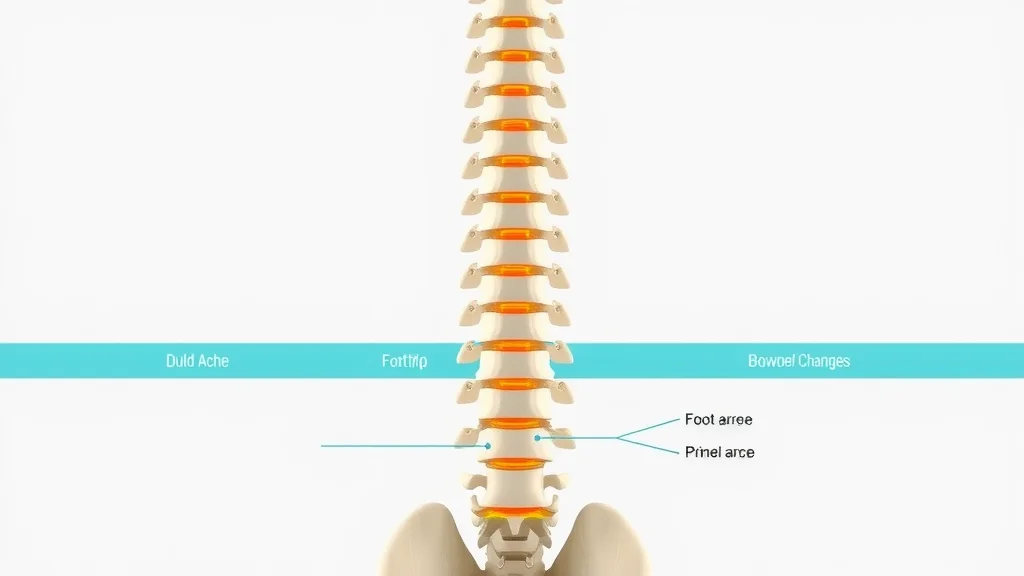
Clinical illustration of the spine highlighting sciatic nerve pathways and sciatica red flags; no faces, standing anatomical model, info graphics on symptom areas

Understanding Low Back Pain: Not All Lower Back Issues Signal Sciatica Red Flags

Many people experience low back pain at some point in their lives, but not every back ache is related to sciatic nerve irritation or medical emergencies. Often, soft tissue strains, muscle tightness, or natural changes from aging are the root causes. Lifestyle factors—like poor posture, sedentary habits, or stress—can lead to nerve pain that feels intense but is not necessarily a red flag. Recognizing the difference empowers you to select the safest, most effective destination for care—especially when seeking natural or holistic solutions near Gig Harbor.

It’s essential to acknowledge how varied lower back issues can be. Some conditions, such as herniated discs or mild cases of sciatica, can cause pain that radiates to the legs but often resolve with gentle, natural management. Learning when to be cautious and when to seek advanced help is a cornerstone of holistic health. This nuanced awareness supports long-term healing and helps prevent unnecessary anxiety—or missed emergencies.

Common Causes of Low Back and Nerve Pain

  • Strained muscles in the lower back
  • Irritation of the sciatic nerve
  • Natural and lifestyle contributors

Nerve root irritation can stem from various sources, not just a slipped (herniated) disc. Prolonged sitting, improper lifting, physical inactivity, or even stress can trigger discomfort throughout the lower back and legs. Some may experience temporary nerve pain from strenuous exercise, while others face persistent aches due to underlying health imbalances.

For those in the Gig Harbor area, holistic practitioners often assess the bigger picture: movement patterns, sleep quality, nutrition, and emotional well-being. By identifying whether symptoms are routine or warning signs for sciatica red flags, natural health experts can create safer, more individualized wellness plans that minimize long-term risks and foster resilience.

Lifestyle scene with middle-aged person stretching lower back on yoga mat for nerve pain relief, soft morning sunlight, plants in background

Sciatica Red Flags: Key Symptoms and When to Take Action

  • Intense nerve pain or burning in the leg
  • Loss of sensation, numbness, or weakness in the sciatic nerve's distribution
  • Difficulty walking or standing due to low back pain

Certain symptoms stand apart as unmistakable red flags for serious conditions. If you experience unrelenting sciatic nerve pain, new numbness, or clear muscle weakness that interferes with walking or balance, it's time to take prompt action. These signs may indicate compression of the nerve roots or other urgent problems, including the rare but serious condition called cauda equina syndrome.

"In some cases, waiting too long can lead to permanent nerve damage," caution holistic practitioners near Gig Harbor. "Recognizing sciatica red flags can change the course of recovery. " If intense pain or sciatica symptoms escalate, connect with a trusted healthcare provider immediately to rule out emergencies—and to set the stage for safe, natural recovery once cleared.

"Recognizing sciatica red flags can change the course of recovery," say holistic practitioners near Gig Harbor.

Defining Red Flag Symptoms: Cauda Equina, Equina Syndrome, and Medical Emergency Signs

A select group of red flag symptoms require immediate medical evaluation. The most urgent—often called cauda equina syndrome—involves pressure on the bundle of nerves at the base of the spine. Signs include sudden bowel or bladder changes, numbness in the groin/saddle area, or rapidly worsening leg weakness. Without swift intervention, this emergency can lead to permanent disability.

Symptoms that fit this description are never normal and should not be managed solely with home remedies, natural therapies, or even over-the-counter pain medication. Instead, individuals near Gig Harbor should head straight to an ER. Only after life- or limb-threatening causes have been excluded is it safe to pursue deeper holistic healing to address the underlying causes and nurture long-term wellness.

Classic Red Flags Indicating Cauda Equina Syndrome

  • Sudden onset bowel or bladder difficulties
  • Numbness around the saddle area
  • Rapidly progressing leg weakness

The classic sudden onset of these symptoms signals a need for urgent care. Cauda equina and equina syndrome are among the few instances where delay can result in irreversible harm. Early identification and intervention can prevent lasting injury to the nerve roots associated with bowel, bladder, and leg function.

Many holistic health professionals in Gig Harbor encourage their clients to err on the side of caution. If you notice a new inability to control your bladder, sudden numbness in your groin, or severe leg weakness progressing over hours to a day, treat this as a true medical emergency.

Hospital emergency room scene assisting patient with leg weakness and nerve pain, doctor and nurse team, modern monitors, urgent care environment

Why Cauda Equina and Equina Syndrome Are True Medical Emergencies

  • Nerve damage risk
  • Loss of mobility if untreated

Cauda equina syndrome and related emergencies involve rapid, often severe compression of the lower spinal cord and nerve bundles. The result can be sudden paralysis, bladder or bowel incontinence, and loss of sexual function if not addressed immediately. These conditions spell an urgent need for medical treatment, even for those dedicated to natural and holistic healing approaches.

The risk here is not simply pain, but irreversible nerve damage. While holistic care has a role in supporting comprehensive recovery, only prompt medical or surgical care can decompress the nerve roots implicated in cauda equina syndrome. If any red flag symptoms are present, don’t wait—protect your long-term mobility and well-being by getting help right away.

Holistic Perspectives: How Natural Health Approaches Sciatica Red Flags

  • Emphasis on early detection and thorough assessment
  • Root cause analysis: holistic evaluation beyond symptoms
  • Incorporation of therapeutic movement, nutrition, and bodywork

Natural and holistic health practitioners in Gig Harbor take a proactive, whole-person approach to sciatica red flags and low back pain. Their process usually begins with a detailed assessment, aimed at distinguishing between routine discomfort and signs of a possible medical emergency. Early screening ensures urgent emergencies aren’t missed.

"A natural approach doesn’t replace urgent care—but it can address underlying imbalances that lead to sciatica symptoms long-term," according to holistic health experts.

Once emergencies are ruled out, holistic strategies focus on promoting deep healing: hands-on therapy, therapeutic exercise, nutritional guidance, and mind-body relaxation. This multi-layered perspective minimizes the risk of recurrence, addresses sources like poor movement patterns or inflammation, and supports ongoing wellness.

"A natural approach doesn’t replace urgent care—but it can address underlying imbalances that lead to sciatica symptoms long-term," according to holistic health experts.

When to Seek Immediate Help: Distinguishing a True Sciatica Emergency

  • Red flags persisting beyond 24 hours
  • New loss of bowel or bladder control
  • Progressive numbness or sudden weakness

If sciatica symptoms persist, worsen, or are accompanied by new sensations of numbness, tingling, bladder dysfunction, or weakness, it’s crucial to act quickly. Do not self-treat with natural remedies or wait for a holistic appointment if severe red flags develop—proactive medical care protects both the spinal cord and your long-term function.

Once urgent dangers have been addressed and your care team has excluded serious problems like cauda equina syndrome, holistic providers in Gig Harbor are uniquely positioned to guide the safe, natural recovery of back and leg discomfort. Your best next step: combine the wisdom of urgent intervention with the healing power of natural therapies for a balanced, effective recovery.

A short, patient-story video presentation — compassionate tone, a real patient in everyday clothing describing the onset of numbness and urgent hospital visit, interspersed with supportive holistic health footage (therapy room, stretching, nature walks), ending with a quick summary about knowing when to seek emergency care and pursuing holistic follow-up in Gig Harbor.

Holistic Interventions for Lower Back Pain and Sciatica Red Flags

  • Hands-on bodywork and gentle adjustments
  • Herbal and nutritional protocols
  • Restorative movement and relaxation techniques

Once emergencies like a condition called cauda equina syndrome are excluded, holistic intervention focuses on easing stress on the nerve roots and supporting tissue recovery. Therapies such as targeted massage, chiropractic adjustments, and guided movement can restore balance and function for those experiencing low back and nerve discomfort.

Natural remedies—such as herbal anti-inflammatories, stress reduction with mindfulness, yoga, and therapeutic nutrition—help soothe irritated nerve roots and promote faster, more sustainable healing. Holistic approaches aim not just to mask pain, but to restore the natural alignment and mobility of the back, support soft tissue healing, and prevent future flare-ups.

Holistic therapy session for lower back pain and sciatica red flags, peaceful practitioner performing back adjustment for adult client, serene therapy environment, natural wood and plant decor

Preventing Sciatica Red Flags: Tips for Natural Wellness in Gig Harbor

  • Regular movement and postural awareness
  • Stress reduction strategies
  • Personalized holistic care plans

The best medicine for sciatica red flags is prevention. Consistent movement, attention to body mechanics, and a holistic lifestyle can minimize the likelihood of severe lower back or nerve pain. Local practitioners in Gig Harbor recommend regular stretching, ergonomic assessments, and relaxation strategies—such as meditation, tai chi, or nature walks.

A customized wellness plan, tailored by holistic professionals, integrates movement, nutrition, and targeted therapies that reflect your unique needs. Early engagement with holistic care not only helps to alleviate minor flare-ups but may also help avoid ever reaching the point where red flag symptoms arise. The key is to listen to your body and partner with a trusted practitioner before symptoms escalate.

People Also Ask About Sciatica Red Flags and Back Pain

What is a red flag for sciatic nerve pain?

A red flag for sciatic nerve pain includes sudden severe pain, numbness surrounding the groin, loss of bladder or bowel control, or rapidly worsening weakness. These are signs of possible medical emergencies, such as cauda equina syndrome, that need urgent medical attention to prevent long-term nerve damage.

How do you know when sciatica is serious?

Sciatica is serious if symptoms progress rapidly, involve new numbness in the groin, a sudden loss of bladder or bowel control, or the development of sudden weakness in one or both legs. These indicators point to potential nerve root compression and call for an immediate evaluation by a healthcare provider.

When is sciatic pain an emergency?

Sciatic pain becomes an emergency if it’s accompanied by sudden loss of bladder or bowel function, newly numb areas in the lower body, or sudden inability to move or feel the leg(s). Such symptoms can result from a condition called cauda equina syndrome, requiring emergency intervention.

What often gets mistaken for sciatica?

Several conditions, including piriformis syndrome, herniated discs, or referred pain from the hip or lower back, can mimic sciatica symptoms. The differences lie in symptom location, progression, and the presence or absence of red flag emergency signs.

FAQs on Sciatica Red Flags and Holistic Health Approaches

  • Are natural treatments safe if I have sciatica red flags?
    No. If you have true red flag symptoms—such as new bowel/bladder problems, groin numbness, or rapidly worsening weakness—seek emergency care first. Holistic approaches support healing after emergencies are excluded.
  • How can holistic practitioners in Gig Harbor help with emergency symptoms?
    Holistic providers can help rule out red flags and support safe recovery with personalized movement, bodywork, and nutrition advice, but will always defer to medical providers for emergencies.
  • What should I bring to my first appointment about lower back pain?
    Bring a detailed history of your symptoms, a list of current medications or supplements, and any relevant test results. Being thorough helps holistic practitioners plan the right approach for your needs.

Expert-Backed Takeaways on Sciatica Red Flags for Gig Harbor Residents

  • Early recognition of sciatica red flags is crucial for safe, natural care
  • Seek emergency medical help for sudden, severe, or progressive symptoms
  • Holistic health approaches support long-term healing once an emergency is ruled out

Ready to Find Relief? Discover How Natural Holistic Practitioners in Gig Harbor Address Sciatica Red Flags

Don’t wait for back and leg pain to disrupt your life. Contact a skilled and compassionate natural health practitioner near Gig Harbor today for guidance on both urgent and holistic solutions. Secure your best chance for fast, lasting recovery—and embrace the benefits of a naturally pain-free lifestyle!

If you’re inspired to take a proactive approach to your well-being, consider exploring additional holistic strategies that go beyond emergency care. Embracing practices such as targeted yoga, mindful movement, and personalized wellness routines can help you build resilience and prevent future flare-ups. For a deeper dive into gentle, restorative techniques that support hip and lower back health, discover how Yin Yoga can transform your mobility and comfort by visiting this guide to healing movement in Gig Harbor. Your journey to lasting relief and vibrant health is just beginning—explore new possibilities and empower your body with holistic care.


Top Chiropractor for Back Pain in Gig Harbor

0 Views

0 Comments

Write A Comment

*
*
Please complete the captcha to submit your comment.
Related Posts All Posts
10.19.2026

Is Bed Rest Good or Bad for Sciatica?

Picture this: you wake up with a sharp, shooting pain radiating from your lower back down your leg. You instinctively reach for a pillow and retreat to bed, hoping time and plenty of rest will be the cure. But what if more bed rest is exactly what’s keeping your sciatica pain from truly healing? The traditional advice to rest in bed for back pain is being challenged by modern holistic experts who see prolonged inactivity as a barrier—not a bridge—to lasting relief. This article delves into bed rest for sciatica, weighs expert opinions, and helps you discover natural solutions for back pain, empowering those near Gig Harbor to take confident next steps toward better, pain-free living. Is Bed Rest for Sciatica the Right Approach? Opening Observations For decades, bed rest has been recommended as the primary response to debilitating back pain and sciatica. The soothing comfort of lying still and avoiding movement seems both intuitive and nurturing—especially when pain radiates down the leg and disrupts daily life. But as more patients with sciatica have discovered, too much rest may not just delay healing, but can actually set back recovery by weakening muscles and encouraging joint stiffness. Modern holistic perspectives emphasize that the approach to back pain needs a personalized, balanced touch. Early on, advocates for bed rest pointed to its ability to ease pressure on the sciatic nerve, offering momentary relief from severe pain and inflammation. However, the current consensus from natural and holistic health practitioners around Gig Harbor—who focus on treating the body as an interconnected system—is that while rest might be necessary during the most acute episodes, extended inactivity fails to address the fundamental causes of sciatica pain. Holistic therapies and gentle movement now lead the way when it comes to both pain relief and full recovery, helping patients regain functional status and return to normal activities. What You’ll Learn About Bed Rest for Sciatica and Natural Back Pain Solutions Key insights into the link between bed rest for sciatica and back pain recovery How bed rest for sciatica affects sciatic nerve health and overall healing Comparisons of conventional versus holistic sciatica treatment strategies Recommendations for safe movement, best sleeping positions, and lifestyle modifications Guidance for choosing a natural holistic health practitioner near Gig Harbor Understanding Sciatica: Causes, Symptoms, and the Role of the Sciatic Nerve What Triggers Sciatica and Sciatic Pain? Sciatica pain is often caused by compression or irritation of the sciatic nerve—the largest nerve running from the lower back through the hips and down each leg. Common triggers include herniated discs in the lumbar spine, spinal stenosis (narrowing of the spinal canal), or injuries that put pressure on nerve roots stemming from the lower back. Even prolonged sitting or sudden awkward movements may lead to leg pain. People with acute low back pain often experience sciatica as pain radiating to the affected area, sometimes combined with tingling or numbness. Acute episodes might be initiated by heavy lifting, falls, or repetitive stress that overloads back structures. What many overlook is that lifestyle factors—such as poor posture, chronic inactivity, or a weak core—play a major role in both the onset and recurrence of sciatica pain. Holistic practitioners near Gig Harbor analyze both the physical and lifestyle components, seeking to address not just the immediate symptoms but underlying causes, such as imbalances or inflammation throughout the body. In fact, integrating gentle movement practices can be especially beneficial for those experiencing sciatic discomfort. For example, approaches like Yin Yoga for sore hips have shown promise in supporting mobility and easing tension, making them a valuable complement to holistic sciatica care. How Does the Sciatic Nerve Contribute to Back Pain? The sciatic nerve serves as a critical communication highway between the spinal cord and the muscles of the lower body. When it becomes compressed or inflamed, pain can radiate from the lower back through the hips, buttocks, and all the way down the leg—sometimes even reaching the foot. Sciatic nerve irritation is often the main reason for persistent leg pain and can interfere with daily mobility, sleep, and quality of life. Whether pain arises from an acute back injury, degenerative changes in the lumbar spine, or postural issues caused by prolonged sitting, the result is often a cycle of pain and stiffness. Disruption to the normal function of the sciatic nerve can lead to reduced strength, numbness, or even changes in gait. Holistic strategies for managing sciatica pain focus not just on calming nerve irritation, but on promoting healthy movement, nutrition, and lifestyle habits to support nerve recovery. Common Signs and Symptoms of Sciatica Pain The hallmark sign of sciatica is a persistent, shooting pain that travels from the lower back and radiates down the leg, sometimes accompanied by tingling, numbness, or muscle weakness. Patients may find the pain is aggravated by prolonged bed rest, extended sitting, or specific sleeping positions. Some describe sharp, electric-like shocks, while others notice a dull ache along the affected area. Lower back pain is often the first sign, but symptoms of sciatica can intensify during coughing, sneezing, or sudden movement. Muscle spasms, burning sensations, and difficulty standing or walking are also common in patients with sciatica. Recognizing these signs early allows for timely intervention with proven natural therapies that minimize the risk of chronic pain patterns. Bed Rest for Sciatica: Why Is It So Popular? Historical Advice: Where Did Bed Rest for Sciatica Begin? For decades, advice to rest was the gold-standard form of therapy for back pain. Rooted in the belief that resting the affected area would reduce strain and inflammation, doctors historically advised patients with sciatica or acute low back pain to rest in bed for extended periods. This approach, often reinforced by family members and early medical training, suggested that physical activity might worsen nerve irritation or slow recovery. However, our understanding of back pain and nerve health has evolved. Researchers and holistic practitioners now see that prolonged bed rest can actually hinder functional status by decreasing muscle strength, flexibility, and circulation. Today, while short-term rest remains a part of sciatica management during severe pain, experts increasingly recommend limiting bed rest and encouraging movement as soon as possible for optimal long-term recovery. Many people still believe that bed rest is the best medicine for back pain and sciatica, but modern holistic research suggests otherwise. Is Bed Rest for Sciatica Effective or Misguided? Expert Insight Short-Term Bed Rest for Acute Sciatic Pain: Pros and Cons There are moments when the pain caused by sciatica becomes so overwhelming that moving seems impossible — and in these acute cases, a brief period of bed rest may provide a welcome respite. Taking one or two days to ease the burden on the lumbar spine and affected sciatic nerve can reduce inflammation and allow the body to regroup. In this short window, gentle positions, such as lying with knees supported or using pillows for leg elevation, can help relieve pressure points and relax tense muscles. However, when bed rest extends beyond a couple of days, the risks start to outweigh the rewards. Research shows that muscle atrophy, joint stiffness, and reduced circulation can set in quickly, often making the return to movement more challenging. Functional status may suffer, and patients can develop a fear of activity, increasing the risk of long-term disability. Holistic practitioners near Gig Harbor stress the importance of active engagement in healing, encouraging their patients to stay active with safe, modified routines whenever feasible. Does Prolonged Bed Rest Make Sciatica Pain Worse? Extended inactivity is seldom helpful for sciatica recovery; in fact, prolonged bed rest has been shown to make both back pain and sciatic nerve irritation worse for many individuals. Staying in bed for long periods allows muscles in the lower back and hips to weaken, disrupts normal joint lubrication, and contributes to stiffness that can linger even after the initial pain subsides. Worse yet, lengthy periods of bed rest may slow down circulation, which can hinder the body’s natural healing processes. Experts in holistic pain management caution that inactivity not only prolongs recovery but can create secondary issues, such as insomnia, mood changes, and even increased pain sensitivity over time. Their advice: rest only when absolutely necessary, and adopt gentle movements or stretching to keep the recovery process moving forward. The Science: How Bed Rest Affects Back Pain and Sciatic Nerve Health Research Findings on Bed Rest for Sciatica (Holistic Perspective) Holistic health research consistently finds limited benefit to extended bed rest for sciatica. Scientific reviews suggest that while rest can provide temporary comfort, it does little to speed up healing or resolve the underlying inflammation along the sciatic nerve. Instead, the evidence points toward worsened outcomes for those who avoid all movement, sometimes resulting in longer-lasting leg pain or recurrent episodes of low back pain. Current guidelines from natural and holistic professionals recommend using bed rest sparingly—a day or two at most. The focus should quickly shift toward mild activity, proper nutrition, and lifestyle modifications that reduce inflammation and promote healthy nerve function. Combining gentle stretches, mind-body practices, and hands-on therapies often accelerates recovery, restore functional status, and promotes lasting pain relief. Comparing Bed Rest to Active Natural Sciatica Treatment When pitted against active treatment, bed rest often falls short in supporting full recovery from sciatica pain. Numerous studies have shown that patients who embrace guided movement—such as stretching, gentle yoga, or supervised physical therapy—tend to experience faster declines in pain and earlier improvements in mobility. Holistic sciatica treatment options include anti-inflammatory diets, acupuncture, and bodywork that combine to address both the symptoms and sources of back pain. Active approaches are tailored to each patient’s situation. For example, a holistic provider near Gig Harbor may recommend a program that blends natural movement therapies with stress reduction, ergonomic adjustments, and herbal or homeopathic remedies. This integrative strategy not only hastens physical recovery but supports the emotional and mental aspects critical to overcoming chronic back pain. Top Holistic Alternatives to Bed Rest for Sciatica Gentle movement therapies for sciatic nerve wellness Anti-inflammatory nutrition to ease sciatic pain Mind-body practices for reducing back pain Natural remedies: herbal, homeopathic, and hands-on modalities Holistic alternatives to bed rest place a strong emphasis on safe movement, even in the presence of pain. These therapies—ranging from restorative yoga and tai chi, to somatic stretching and gentle walking—promote blood flow and prevent muscle deconditioning. Dietary changes, like reducing inflammatory foods and emphasizing nutrient-dense meals, strengthen the body’s natural defenses against nerve irritation. Mind-body techniques, such as breathwork, mindfulness meditation, and guided relaxation, help modulate pain perception and lower stress, which is known to aggravate back pain. Holistic practitioners frequently weave in natural modalities like massage, acupuncture, and homeopathy, providing lasting relief for patients with sciatica while addressing their whole-body wellness. Sleeping Position, Mattresses, and Sciatica: What’s Best for Back Pain Relief? The Impact of Sleeping Position on Sciatic Pain and Bed Rest Your chosen sleeping position has a profound impact on sciatic pain and recovery. Sleeping in positions that place pressure on the lower back or twist the spine can aggravate nerve symptoms, especially during periods of bed rest. Experts suggest aligning the spine in a neutral position, often by sleeping on the side with a pillow between the knees or lying on the back with legs slightly elevated. Holistic sleep hygiene emphasizes both comfort and support for those with acute sciatic pain. Patients should avoid sleeping in twisted or cramped postures, as these can irritate the sciatic nerve and lead to increased stiffness by morning. Adjusting the sleeping environment, such as using body pillows or ergonomic supports, creates optimal conditions for rest and recovery. Choosing Between a Soft or Firm Mattress for Sciatica Support The right mattress can make a difference in managing both lower back pain and sciatica. Generally, a medium-firm mattress is recommended by holistic experts, as it provides a supportive base without being overly rigid. A mattress that is too soft may allow the spine and hips to sag, increasing stress on the sciatic nerve; conversely, mattresses that are too firm can result in pressure points and discomfort. If you have sciatica, consult with a practitioner about bedding choices and consider mattress toppers or ergonomic pillows to customize your sleep setup. Experimenting with different support options helps identify the most comfortable combination that limits sciatic flare-ups and encourages deeper, restorative sleep. Bed Rest for Sciatica: The Dangers of Prolonged Sitting and Inactivity How Prolonged Sitting Can Aggravate Sciatic Nerve Problems It’s not just time in bed that poses problems—prolonged sitting can be just as harmful for those battling sciatica. Extended periods at a desk, car seat, or lounging position contributes to tightening of the hip flexors, stagnation in the lower back, and increased compression along the sciatic nerve. For patients with acute or chronic sciatica pain, the advice to stay active and break up periods of inactivity is crucial to fostering recovery and preventing flare-ups. Holistic practitioners near Gig Harbor recommend regular micro-breaks, gentle stretching, and postural corrections throughout the day. Adjusting your work setup, using ergonomic chairs, or even incorporating a standing desk can dramatically reduce the risk of functional decline. Remember, inactivity not only strains the body physically but can also create mental and emotional barriers to healing. Checklist: Safe movement guidelines during sciatica pain episodes Change positions every 30–60 minutes, even if only briefly Be mindful of posture; avoid slouching or awkward twists Incorporate gentle pelvic tilts or knee-to-chest stretches Limit long car rides or static computer work Use supportive cushions or lumbar pillows Holistic Sciatica Treatment: Professional Guidance and Natural Healing Why Choose a Natural Holistic Health Practitioner for Back Pain? A holistic health practitioner combines detailed assessment, hands-on therapies, lifestyle coaching, and natural remedies to create a treatment plan that supports the whole person—not just the site of pain. These professionals focus on uncovering root causes, whether related to posture, movement habits, nutrition, or even stress. Patients near Gig Harbor benefit from this integrative approach, receiving not just symptom management but a roadmap for true healing and prevention of future episodes. The best practitioners work with you to develop movement programs, teach ergonomics, recommend anti-inflammatory nutrition, and apply therapies like acupuncture or bodywork. Their goal is to restore functional status, empower you to stay active, and promote resilience against future sciatic challenges—all while minimizing reliance on conventional medication or invasive procedures. An expert holistic provider combines hands-on therapies, movement, and natural remedies for a complete approach to sciatic pain that addresses body, mind, and lifestyle. Bed Rest for Sciatica vs. Natural Movement: Summary Comparison Table Approach Potential Benefits Potential Drawbacks Expert Holistic Guidance Bed Rest for Sciatica Initial pain relief, less strain Muscle atrophy, stiffness, slower recovery Limit to acute symptoms, no more than 1-2 days Gentle Movement & Holistic Care Improved mobility, circulation, faster recovery May need supervision for severe pain Personalized routine, lifestyle changes, ongoing support Common Myths About Bed Rest for Sciatica and Back Pain Bed rest for sciatica always helps the healing process All back pain requires prolonged rest Inactivity prevents further sciatic nerve irritation People Also Ask: Expert Answers for Bed Rest for Sciatica Can bed rest cure sciatica? Expert Answer: While brief bed rest for sciatica can mitigate intense pain, it does not cure the underlying sciatic nerve inflammation. Gentle motion and holistic therapies are more effective for sustainable relief. What's the worst thing you can do for sciatica? Expert Answer: Prolonged inactivity or sitting, ignoring your discomfort, and avoiding all movement are among the worst actions for sciatica, especially in the context of natural healing. How long should I bed rest for sciatica? Expert Answer: Generally, bed rest for sciatica should not exceed 1-2 days. Holistic experts recommend active interventions and professional assessment if pain persists. Is it better to sleep on a hard or soft mattress for sciatica? Expert Answer: For most people, a medium-firm mattress provides the best balance of support and comfort, helping reduce sciatic pain during rest. Real Stories: Experiences with Bed Rest for Sciatica and Holistic Recovery After days of rest, my pain only got worse until I tried gentle movement and holistic therapies recommended by my practitioner. Time and again, patients near Gig Harbor share how prolonged bed rest didn’t address their pain, but turning to holistic movement and natural therapies led to true transformation. Guided stretching, anti-inflammatory nutrition, bodywork, and supportive coaching play vital roles in breaking the pain cycle and restoring full function, both physically and emotionally. When you combine hands-on care with holistic lifestyle changes, recovery from back pain and sciatica becomes not only attainable but also sustainable, paving the way for a healthier, longer, pain-free life. Key Takeaways: Bed Rest for Sciatica and Paths to Lasting Back Pain Relief Bed rest for sciatica offers temporary relief but long-term healing requires active, holistic approaches Natural holistic practitioners are a critical resource for creating sustainable pain management plans If you live near Gig Harbor, exploring holistic care may help you live pain-free and improve your quality of life FAQs on Bed Rest for Sciatica and Holistic Options How can I find the best holistic practitioner near Gig Harbor for sciatica? Search for practitioners with expertise in natural pain relief, hands-on therapies, and holistic lifestyle guidance. Look for those who offer personalized assessments, active treatment plans, and emphasize education on movement and nutrition. Is gentle exercise safe during sciatic pain? In most cases, guided gentle exercise is encouraged, even during mild to moderate pain. Always consult with a qualified provider to ensure movements are adapted to your current symptoms and needs. What lifestyle changes support natural recovery from back pain? Focus on ergonomic adjustments, anti-inflammatory diets, frequent movement breaks, and stress management techniques. These changes assist holistic recovery and help prevent future episodes of sciatica pain. Are there herbal supplements that can ease sciatic nerve discomfort? Several natural remedies—including turmeric, devil’s claw, and magnesium—may help reduce inflammation and soothe nerve pain. Always discuss supplements with your holistic practitioner to ensure they are safe and appropriate for you. Expert Holistic Video Guide: Natural Sciatica Treatment and Lifestyle Tips Motivate Your Healing Journey: Book Your Holistic Consultation Today Ready to move beyond pain? If you're in the Gig Harbor area, make the choice for lasting relief—reach out to a trusted holistic health practitioner and take your first step toward a pain-free, vibrant life! If you’re inspired to take your recovery further, consider exploring how mindful movement practices can transform your approach to pain management. Delving into healing movement through Yin Yoga offers a gentle yet powerful way to nurture your hips, support your back, and foster holistic well-being. By integrating these advanced techniques, you can build resilience, enhance flexibility, and create a foundation for long-term comfort. Let your journey toward lasting relief be guided by both expert care and the wisdom of mindful movement.

10.17.2026

Why Does Sciatica Keep Coming Back?

Have you ever asked yourself why recurring sciatica seems to have a mind of its own—just when you think you’ve beaten it, the pain returns? If you’re tired of temporary fixes and cycle after cycle of discomfort, you’re not alone. Sciatica pain can be relentless, impacting your lower back, leg, and every part of your daily life. But what if the real solution isn't more pills or repeated standard treatments? What if understanding the unique causes of recurring sciatica could finally set you on a path to lasting relief? Let's unlock the answers together and empower you with the knowledge—and inspiration—to take charge of your healing journey today. Unlocking the Mystery: Why Recurring Sciatica Is So Common Opening Inquiry: Have You Ever Wondered Why Recurring Sciatica Seems Unstoppable? If you’ve struggled with recurring sciatica, you know the frustration of pain that keeps coming back, sometimes without warning. Many people believe a few stretches or medications are enough, only to be surprised by leg pain or lower back twinges weeks—or even days—later. Unlike simple back pain, sciatica involves the intricate sciatic nerve. This nerve is the longest in your body, extending from the lower spine down through your hip, buttock, and leg. When it’s compressed, inflamed, or irritated, symptoms often recur, especially if the underlying triggers remain unresolved. Standard medical approaches often miss the root issue, focusing solely on symptom relief, instead of nerve or spinal wellness. This investigative guide will show why sciatica is different from other pain issues, highlight the factors that increase your risk for recurrence, and introduce holistic solutions targeted at true recovery—right here in Gig Harbor. Recurring sciatica is common because the triggers are stealthy and often misunderstood. Daily posture habits, inactivity, repetitive stress, or underlying health imbalances create the perfect environment for flare-ups. Even if you don’t notice pain daily, certain movements or stresses can “wake up” the nerve, making leg pain or radiating discomfort return. Many cases occur because preventative care gets neglected once pain subsides, but real healing happens when we support the whole nervous system and learn what makes sciatica pain return. By looking beyond quick symptom relief and embracing natural care, you can finally break the cycle and look forward to a pain-free future. What You'll Learn About Recurring Sciatica and Natural Relief Understand what causes recurring sciatica and why it keeps coming back Explore how the sciatic nerve contributes to sciatica pain Identify factors that increase the risk of recurrent sciatica Discover holistic and natural methods for lasting relief Find expert advice for choosing the best practitioner in Gig Harbor Understanding Recurring Sciatica: Not Just Regular Back Pain Comparing Recurring Sciatica, Sciatica Pain, and Back Pain Understanding recurring sciatica starts by recognizing it as more than just back pain or occasional sciatica pain. While back pain affects many people through muscle strain or injury, sciatica refers specifically to irritation or compression of the sciatic nerve. Recurring sciatica is unique in its persistence—it doesn't just flare up once, but often returns in cycles, especially when underlying factors, like poor posture or lack of movement, remain unaddressed. This repetition can make sufferers feel like their discomfort will never truly go away. Core differences lie in pain location—sciatica radiates through the lower back, buttock, and down the leg—and in cause. While general back pain might respond to simple rest, recurring sciatica needs a more comprehensive, holistic solution for lasting relief. Let’s look at how recurring sciatica compares with other pain conditions you may have experienced. Whereas typical back pain can feel dull, aching, or localized, sciatica pain is sharper, burning, and often shoots down the leg. Sometimes, issues like a herniated disc, spinal stenosis, or nerve root irritation cause recurring sciatica to come back again and again. The key to breaking free is by understanding these differences and tailoring your treatment plan accordingly. Many people find that integrative approaches—such as massage, acupuncture, and customized movement therapy—address not just the immediate nerve pain, but also the underlying posture and lifestyle habits that fuel recurrence. Condition Location Symptoms Triggers Potential Solutions Recurring Sciatica Lower back, buttock, down leg Shooting, radiating pain Repetitive stress, posture Holistic therapies, nerve care Sciatica Pain Buttock, lower leg Sharp, burning pain Disc issues, nerve compression Natural anti-inflammatories Back Pain Central or side of lower back Aching, stiff pain Muscle strain, injury Holistic bodywork, movement therapy Why Do I Keep Getting Recurring Sciatica? The Role of the Sciatic Nerve in Persistent Sciatica Pain The primary reason recurring sciatica keeps coming back lies in the unique structure of the sciatic nerve itself. This major nerve root originates from the lower spine, weaving through the pelvis and buttocks, branching all the way down to each foot. When parts of the lower back—like vertebrae, discs, or tightly knotted muscles—pinch or irritate the nerve, you’ll feel symptomatic leg pain or burning discomfort. Unlike short-lived back pain, sciatic nerve irritation can return easily, especially when the conditions that caused it remain. If the source is a herniated disc or chronic inflammation of soft tissue, simple rest or medication may dull symptoms but rarely solve the root issue. When your sciatic nerve faces repeated compression—whether from poor posture, muscle weakness, or lack of movement—you're at high risk for recurrent sciatica. That's why standard physical therapy or nerve blocks can sometimes bring only temporary relief if daily life isn’t rebalanced to protect the nerve long term. Reoccurring sciatica pain is a signal that your body’s fundamental patterns—how you move, rest, stand, and even carry emotional stress—need more holistic support. If you’re experiencing ongoing discomfort, particularly if the pain is severe or radiates consistently down one leg, working with a holistic health expert can be essential. They can identify and address both physical and emotional contributors to the reactivation of sciatic pain, ensuring your healing plan is tailored for true, lasting relief. Common Triggers That Bring Sciatica Back Even after symptoms subside, several common triggers can cause sciatica to flare up again. Our modern lives often encourage sedentary habits, leading to poor posture and insufficient use of core muscles that stabilize the lower back. Sitting for long periods tightens muscles and increases pressure on the sciatic nerve, setting the stage for recurrent sciatica to emerge. Similarly, improper lifting techniques—particularly with heavy objects—or repetitive movement patterns can strain the lower spine and trigger nerve irritation all over again. Poor posture and sedentary lifestyles Improper lifting or repetitive movements Underlying health imbalances Lack of targeted holistic treatment It’s also important to recognize less obvious contributors such as underlying health imbalances (like joint problems, inflammatory diets, or even emotional stress), which can subtly increase your risk of recurring flare-ups. Often, the loop continues due to a lack of personalized, holistic care. Quickly reaching for over-the-counter drugs or ignoring warning signs only delays true healing. By focusing on body mechanics, lifestyle changes, and advanced holistic therapies, you can remove the repeating triggers and create a more resilient foundation for your sciatic nerve. For those seeking gentle, restorative movement to complement their sciatica recovery, exploring practices like yin yoga can be especially beneficial. In fact, incorporating yin yoga for sore hips may help release tension in the hips and lower back, supporting sciatic nerve health and reducing the likelihood of future flare-ups. "Recurring sciatica is often a sign your body needs a new approach—not just more of the same fixes." What to Do During a Recurring Sciatica Flare Up Natural and Holistic Solutions for Immediate Sciatica Pain Experiencing a flare-up of recurring sciatica can feel overwhelming, especially if you’ve tried standard painkillers or physical therapy and still find the pain coming back. Holistic and natural solutions can provide immediate, gentle relief while addressing the root of nerve irritation. Begin with gentle stretching or simple yoga poses that release tension across the lower back, hips, and glutes, targeting the sciatic nerve pathway. This reduces pressure on the nerve and improves flexibility without causing more harm. Mindful movement paired with deep, calm breathing can help quiet the body’s stress response and lessen inflammation, helping you regain some control and comfort. Gentle stretching or yoga targeting the lower back and sciatic nerve Mindful movement and breathwork to calm inflammation Applying heat/cold compresses with natural herbs Consulting a holistic health practitioner for tailored care For short-term relief, alternate heat and cold packs on the lower back or leg—using natural herbs or essential oils can enhance relaxation and reduce inflammation. In some rare cases, pain may be intense and require immediate attention, but holistic supportive care remains key. The most important step is to seek a holistic health practitioner specializing in nerve pain and bodywork. They can guide you with hands-on therapies, nutritional adjustments, and lifestyle strategies to stop the pain from escalating, paving the way for lasting relief. Remember, a flare-up isn’t just an inconvenience; it’s a sign to listen to your body and seek the right blend of natural, sustainable solutions. What Not to Do with Recurring Sciatica Habits and Actions That Can Make Recurring Sciatica Worse If you’re prone to recurring sciatica episodes, avoiding certain habits is just as important as knowing what to do. Ignoring early warning signs—like subtle tingling, mild leg pain, or regular lower back tightness—can allow sciatic pain to spiral out of control. Don’t make the mistake of continuing high-impact exercise routines or repetitive motions when your body is signaling distress. Many people try to self-medicate with over-the-counter drugs, but while these might offer temporary relief, they rarely address the actual nerve irritation or its triggers. Ignoring early signs of sciatic pain Continuing high-impact or repetitive motions Self-medicating with over-the-counter drugs without addressing the root cause Postponing proper holistic intervention The longer you wait to seek holistic help, the greater the risk of nerve damage or chronic pain. Avoid putting off intervention when things feel “not too bad”—early holistic evaluation and lifestyle adjustments can make an enormous difference in your long-term health. Refrain from overexertion or lifting heavy objects during a flare-up, and never rely solely on quick-fix approaches that treat only symptoms. A holistic approach will help you finally break the cycle of recurrence, giving your sciatic nerve and lower back the opportunity to recover fully and remain resilient. Why Does My Sciatica Go Away And Come Back? Deeper Patterns: Understanding Recurrence from a Holistic Perspective You might wonder, "Why does my sciatica pain subside just to return weeks or months later?" This ongoing pattern points to a deeper, underlying imbalance rather than simple overuse or injury. Relying purely on temporary, relief-focused strategies—like medication or isolated exercises—often misses the source of the recurring problem. The pain may reduce for a while, but if the root issues aren’t addressed, dis-ease finds a way back. That’s why the most effective approach to recurring sciatica starts with a holistic view—one that honors your body’s unique history, environment, and daily patterns. Relief-focused approaches that miss the root cause Hidden physical or emotional stressors linked to recurrence Lack of ongoing lifestyle and movement support Physical and emotional stressors, such as poor ergonomics, unresolved trauma, or long-standing postural habits, often operate beneath the surface. Without mindful attention and ongoing movement support, even the most determined recovery attempts can be undermined. Natural, ongoing care—incorporating bodywork, nutritional guidance, and stress management—aligns the whole person for better nerve health. When you address your lifestyle habits, emotional well-being, and physical alignment together, you empower your body to break the cycle and build true resistance against future flare-ups. "Lasting relief from recurring sciatica requires addressing the whole person—not just the symptoms." Sciatic Nerve Health: Foundations for Lasting Relief from Recurring Sciatica Supporting the Sciatic Nerve with Natural Approaches Achieving true, lasting relief for recurring sciatica is not about chasing each episode with isolated treatments, but about building long-term foundations for sciatic nerve health. Nutrition takes center stage, as certain supplements—such as magnesium, omega-3s, and B vitamins—fuel nerve repair and resilience. Rich, anti-inflammatory foods and ample hydration support tissue healing and protect against irritation in the lower back and nerve root. Nutrition and supplementation for nerve health Holistic therapies—massage, acupuncture, chiropractic care Consistent movement and ergonomic awareness Holistic bodywork—such as massage, acupuncture, or gentle chiropractic adjustments—can help relieve chronic tension, improve circulation, and realign nerve pathways. When combined with consistent movement (like mindful walking, yoga, or targeted exercise) and an awareness of ergonomic habits at home and work, you provide multi-layered support to the sciatic nerve. These practices, especially when guided by a natural health expert, safeguard against flare-ups and rebuild the body’s strength over time. A proactive approach is key: regular wellness check-ins and lifestyle adjustments pave the way for you to live pain free, even if you’ve suffered with recurrent sciatica for years. Choosing the Best Holistic Practitioner for Recurring Sciatica in Gig Harbor What Sets True Holistic Sciatica Pain Care Apart? Not all practitioners are equipped to deal with the complexity of recurrent sciatica. What separates truly effective, holistic care is their commitment to seeing and treating you as a whole person. This means going far beyond temporary fixes or one-size-fits-all solutions. The best natural holistic practitioners in the Gig Harbor area begin with an in-depth understanding of your lifestyle, daily movements, health goals, and even emotional well-being. Their approach integrates multiple therapies—blending bodywork, movement education, and nutritional guidance—crafted precisely for your needs. Personalized care that gets to the root of recurring sciatica Integrated therapies for sciatic nerve and overall well-being Support for sustainable lifestyle changes When seeking care for recurring sciatica, look for professionals who offer ongoing support with focused follow-ups and a willingness to adapt your treatment plan as your body heals and changes. A practitioner who helps you create healthy, sustainable habits can make a transformative difference in your trajectory. Choosing the right expert is not just about resolving current pain, but about empowering lasting relief and a lifetime of wellness in the scenic Gig Harbor community. Watch this explainer video for a visual guide to sciatic nerve anatomy, the most common triggers for sciatica, and natural relief methods—including expert tips from holistic practitioners and 3D visualizations to deepen your understanding. Discover effective, natural approaches for reducing the risk of recurrent sciatica. This video features easy-to-adopt lifestyle habits, movement sequences, and holistic remedies presented by experts who specialize in nerve health and pain resilience. FAQs on Recurring Sciatica Can recurring sciatica go away on its own? While some cases of recurrent sciatica may improve with rest and time, most people benefit from active, holistic intervention. True healing usually requires identifying and addressing posture, movement, nerve health, and lifestyle contributors. Relying solely on rest risks allowing the underlying issue to persist, increasing your risk for future flare-ups. Is recurring sciatica always caused by the same trigger? No, recurring sciatica can have multiple or changing triggers. It may be due to repetitive postural habits, past injuries, emotional stressors, or shift in overall health. A comprehensive assessment with an experienced holistic practitioner can help isolate and resolve individual factors specific to your situation. How can I prevent recurring sciatica in the future? Preventing recurring sciatica involves consistent focus on core strength, movement, and overall wellness. Nutritional support, bodywork, mindful movement, and ergonomic adjustments all play vital roles. Most importantly, building a personalized, natural health plan—and following up regularly with a practitioner—can substantially reduce recurrence. Key Takeaways for Overcoming Recurring Sciatica and Living Pain Free Recurring sciatica isn’t random—find the underlying cause Holistic health offers effective, long-term approaches The right practitioner in Gig Harbor can help you achieve lasting relief Ready to Experience Relief from Recurring Sciatica? Book Your Holistic Consultation Today Don’t wait another day for natural, long-lasting relief. Reach out now to connect with a leading holistic health expert in Gig Harbor and reclaim your active, pain-free life. If you’re interested in expanding your holistic wellness journey beyond sciatica relief, consider exploring other gentle movement practices that support joint health and flexibility. Our guide to embracing healing movement with yin yoga for sore hips offers valuable insights into nurturing your body, reducing discomfort, and building resilience for a more active, pain-free lifestyle. Discover how integrating mindful movement can be a powerful next step in your path to holistic well-being.

10.16.2026

Can Sciatica Cause Leg Weakness?

Picture this: You bend over one morning and, instead of discomfort limited to your back, there’s a sudden weakness in your leg. Many individuals chalk up these sensations to regular fatigue or a poor night’s sleep, but persistent sciatica leg weakness can signal deeper issues with your nerves. Whether you’re new to holistic solutions or looking for the best options near Gig Harbor, understanding these symptoms—and acting early—could be your key to living an active, pain-free life. Understanding Sciatica Leg Weakness: Symptoms and Impact Sciatica leg weakness isn’t just about pain radiating down the leg. It’s a collection of symptoms that can strongly influence your mobility, independence, and quality of life. The link between sciatica and leg weakness primarily stems from irritation or compression of the largest nerve in your body: the sciatic nerve. Recognizing the difference between ordinary aches and true nerve pain is critical, as early intervention can mean a faster return to normal activity—and better long-term outcomes with the right natural therapies available near Gig Harbor, WA. Sciatica usually presents as shooting or burning pain down one leg, but when it escalates to leg weakness, this indicates actual nerve root involvement. This weak feeling may manifest as difficulty climbing stairs, trouble rising from a chair, or even noticeable muscle weakness that impacts daily tasks. Unchecked, persistent leg weakness may also hint at more serious nerve compromise, such as from a herniated disc, spinal stenosis, or other conditions affecting the lower back or spinal canal. What Is Sciatica? Overview of Sciatic Nerve and Sciatica Leg Weakness The term sciatica refers to pain and neurological symptoms along the course of the sciatic nerve, which starts in the low back and travels through the buttock, down the back of the thigh, and into the lower leg. Sciatica leg weakness is a sign that not only pain fibers but also movement-controlling nerve fibers—responsible for leg strength—are being affected. When this nerve becomes compressed or inflamed, signals to the muscles of the affected leg may be reduced or disrupted, sometimes leading to actual muscle loss or difficulty walking. Common Symptoms: Distinguishing Sciatica and Leg Weakness While leg pain is often a hallmark of sciatica, the addition of true leg weakness sets it apart from simple back pain or muscular soreness. Signs to watch for include a feeling that one leg is “giving out,” noticeable muscle weakness in the thigh, calf, or foot, or difficulty standing on tiptoes or heels. These symptoms differ from the tingling or numbness that may accompany other nerve problems: true weaknesses reflect disrupted nerve function, often due to significant nerve compression in the lower back. Sciatica-related symptoms may worsen with certain activities, such as prolonged sitting or sudden twisting. Pay attention if the pain is persistent or if leg weakness appears without obvious cause. Since the sciatic nerve’s route connects the spinal canal to the back and buttock, symptoms may also be accompanied by low back pain, making it important to differentiate between nerve-driven symptoms and those caused by simple musculoskeletal strain. Observational Signs: When Leg Weakness May Signal Sciatica Nerve Pain Unlike basic soreness or tiredness, sciatica leg weakness often manifests as an observable change in the way you walk, rise from seating, or bear weight on one leg. Friends or family might notice that you limp, drag your foot, or need extra support to stand up. These observations are more than cosmetic—they may indicate that the nerve roots controlling your leg strength are struggling to keep up. Left unchecked, these symptoms can evolve into chronic instability or risk for falls, especially in those over 40 living active lifestyles around Gig Harbor. Monitoring for subtle changes early on can help you differentiate between simple muscle tiredness and underlying sciatica leg weakness. If these signs persist or progressively worsen, it’s vital to consult with practitioners skilled in both holistic and mainstream evaluation to diagnose and address the root cause, thus supporting the best natural recovery possible. The Importance of Early Recognition for Effective Treatment Recognizing leg weakness as an early component of sciatica gives you the advantage of early intervention—a key step for anyone interested in natural, long-term solutions. When sciatic nerve issues are addressed promptly, damage to nerve roots can often be minimized, and natural therapies have the chance to help restore balance and function without the need for invasive interventions. Early holistic care supports not only leg strength but also overall wellness, mobility, and prevention of chronic pain syndromes commonly observed in the Gig Harbor area. What You’ll Learn About Sciatica Leg Weakness How sciatica causes leg weakness Key symptoms and warning signs Holistic strategies for managing sciatica and leg weakness naturally Ways to find the best natural practitioners near Gig Harbor The Sciatic Nerve: Structure, Function, and Role in Sciatica Leg Weakness Anatomy of the Sciatic Nerve and Its Connection to Leg Function The sciatic nerve is the body’s largest nerve, formed from multiple nerve roots in the lower spine (L4-S3). It travels from the low back through the pelvic region and down the back of each leg. Its primary job is to supply both sensation and muscle control to the lower extremity—so when anything disrupts its pathway, both nerve pain and leg weakness can result. The nerve’s size means it’s uniquely prone to irritation or compression, whether from a bulging/herniated disc, spinal stenosis, or soft tissue injury like piriformis syndrome. Any changes in movement, strength, or sensation in the affected leg can typically be traced back to disruption along this nerve’s route. Since the sciatic nerve supplies key muscles needed for walking, rising, and posture, even minor compression can significantly affect daily life, from simple chores to recreational activities enjoyed by Gig Harbor’s active residents. How Sciatic Nerve Compression Leads to Sciatica and Leg Weakness Compression of the sciatic nerve can occur at various points along its course, but most often at the spinal canal or as it passes through the pelvis. Common causes include disc herniation, where a spinal disc protrudes and presses against the nerve roots, and spinal stenosis, the narrowing of nerve passageways. These conditions reduce the nerve’s ability to transmit signals properly, leading to symptoms from mild tingling and numbness to serious sciatica leg weakness and muscle loss. Prolonged nerve compression does not only cause pain but can lead to nerve damage if left untreated. This is why persistent, unexplained leg weakness demands quick attention from a qualified practitioner familiar with holistic and conventional approaches, especially to preserve nerve function and maintain independence in everyday activities. For those seeking practical ways to support hip and lower back health, incorporating gentle movement practices can be especially beneficial. Exploring approaches like Yin Yoga for sore hips may help ease tension and improve flexibility, which can complement holistic strategies for managing sciatica and leg weakness. Back Pain, Spinal Stenosis, and their Relationship to Sciatic Nerve Pain Much of what we perceive as back pain can actually be traced to sciatic nerve irritation or compression. Spinal stenosis, for instance, reduces the space within the spinal canal, squeezing the nerve roots that eventually form the sciatic nerve. This can cause not only pain in the back and buttock regions but also radiating symptoms down the leg, including numbness, pins-and-needles, or outright leg weakness. Those who suffer from chronic low back pain may not realize that evolving symptoms in the leg—especially reduced strength, heaviness, or foot drop—signal more than a simple muscular issue. Keeping an eye out for these changes and opting for early holistic assessment can help prevent progressive nerve damage and allow for non-invasive solutions tailored to your needs as an individual seeking natural care near Gig Harbor. “Many individuals overlook mild leg weakness as a simple fatigue issue, when in reality, it could be an early warning sign of sciatica affecting the nerves.” Key Causes of Sciatica Leg Weakness Root Causes: Piriformis Syndrome, Herniated Discs, and Spinal Stenosis Multiple factors may contribute to sciatica leg weakness. Herniated discs are the most common cause, where pressure from a disc in the lower spine directly compresses the sciatic nerve roots. Spinal stenosis, or narrowing of the spine’s bony canal, can squeeze nerve roots gradually, appearing as both back pain and increasing difficulties with walking or standing due to muscle weakness. Another frequent culprit is piriformis syndrome, where a small muscle in the buttock irritates the sciatic nerve as it passes by. Other contributors include traumatic injuries, tumors, or metabolic conditions (such as diabetes) that physically or chemically affect nerve roots. Because these root causes can have overlapping symptoms—pain, numbness, tingling, and especially leg weakness—a precise diagnosis is crucial. This is where holistic health practitioners can provide a whole-person evaluation, looking for interconnected factors of sciatica and leg weakness beyond just medical imaging. How Lifestyle and Postural Factors Exacerbate Sciatica and Leg Weakness Life in today’s digital age brings new risk factors—long hours at a desk, driving, or using mobile devices can all worsen sciatica leg weakness for residents of Gig Harbor and beyond. Prolonged poor posture places extra pressure on the lower spine, contributing to prolonged nerve compression. Sedentary habits, weak core muscles, and inflexible hip muscles can each strain the back and buttock regions, increasing your risk for chronic leg pain and neurological symptoms. Conversely, regular movement, stretching routines, and ergonomic adjustments can help mitigate these risks. Many individuals find that integrating holistic practices into their daily routine can keep their spines healthy and drastically reduce the likelihood of sciatic nerve irritation. If left unaddressed, however, these lifestyle factors can allow sciatica symptoms—and especially leg weakness—to become entrenched and resistant to simple remedies. Holistic and Natural Health Risk Factors Local to the Gig Harbor Community Unique local factors can also play a role in sciatica leg weakness risk near Gig Harbor. Outdoor lifestyles, gardening, hiking, and water sports can all place repetitive strain on the lower back and pelvic regions. At the same time, colder Northwest winters can lead to less movement and increase the effects of sedentary behavior. Local holistic health practitioners are tuned into these factors, offering advice and treatment options that fit your specific environment and activity level. Awareness of these community-specific risks equips you to be proactive rather than reactive. Early holistic intervention, ergonomic adjustments at home or work, and individualized care plans can help prevent sciatica and leg weakness from interfering with your active lifestyle in picturesque Gig Harbor and the surrounding region. Sciatica and Leg Weakness: How Does Nerve Pain Manifest? Pathways of Nerve Pain and Its Effects on Leg Muscles Nerve pain originating from the sciatic nerve often begins as tingling or numbness before progressing to noticeable changes in leg strength. The nerve’s pathway means that weakness can show up in the gluteal muscles, thigh, calf, or even into the foot and toes. Because these messages control both movement and sensation, compromised nerves may manifest as everything from odd muscle twitches to a heavy, “dead leg” feeling. Observers might note that those affected move more slowly, have trouble balancing, or can’t fully engage in physical activities like walking, stair climbing, or gardening. Left untreated, nerve pain can transition to chronic weakness or even nerve damage. Holistic strategies—including physical therapy, gentle movement, and anti-inflammatory lifestyle measures—can help restore function, provided that care is timely and tailored to each individual’s needs in the Gig Harbor area. Comparing Back Pain, Nerve Pain, and Leg Weakness Symptoms Low back pain by itself is incredibly common, but not everyone with back pain will develop sciatica or leg weakness. Nerve pain, by contrast, often radiates from the back down the leg, following the nerve’s path. The unique quality of sciatica-related symptoms lies in the fact that pain, numbness, and weakness can all be present either together or separately. If your symptoms include sharp, shooting pain down into your calf or foot, burning sensations, or significant muscle weakness, this typically signals a sciatic nerve or nerve root issue, rather than a simple pulled muscle. Early distinction enables a more targeted, effective intervention—especially when integrating natural modalities esteemed in holistic health circles around Gig Harbor. Unique Indicators: What Makes Sciatica Leg Weakness Different The difference between sciatica leg weakness and other forms of leg discomfort is primarily neurological. It’s not just tiredness after a long hike, but a sudden or progressive inability to perform normal movements. For example, you may struggle to rise from a squat, climb stairs, or maintain balance. You might feel your affected leg suddenly buckling, or notice visible muscle wasting over time. What sets true leg weakness from sciatica apart is how it fails to improve with rest or “walking it off. ” Muscle testing (often part of a physical exam) may reveal weakness with little or no pain, underscoring the need to evaluate nerve function rather than just muscle strain. Tracking these indicators and sharing them with your healthcare provider—especially those versed in holistic and natural approaches—can be the difference-maker for effective care near Gig Harbor. Natural Holistic Health Strategies for Sciatica Leg Weakness Lifestyle Adjustments: Movement, Stretching & Ergonomics One of the first steps for addressing sciatica leg weakness naturally is to adjust how you move and position your body day-to-day. Regular gentle stretching, mindful movement, and attention to proper posture are crucial. Incorporate daily activities like walking, yoga, or physical therapy protocols designed to relieve pressure from the lower spine and strengthen supporting muscles. Thoughtful ergonomic designs at your workspace and in your car—lumbar supports, standing desks, and proper shoe choices—all play a key role in reducing nerve pain and supporting leg strength. These small, sustainable changes help reduce daily strain and support healing from the inside out. Many holistic practitioners in Gig Harbor offer posture assessments and personalized movement routines as foundational pieces of a comprehensive care plan for sciatica and leg weakness. Holistic Therapies: Acupuncture, Chiropractic, and Massage for Sciatica Leg Weakness Holistic therapies have gained significant attention for their ability to address the root of sciatica leg weakness with minimal side effects. Acupuncture works by stimulating specific points to support nerve function and alleviate nerve pain. Chiropractic care can help correct misalignments that compress the sciatic nerve or strain the lower back. Therapeutic massage often eases muscle tension, improves circulation, and supports healing in the back and buttock regions. These therapies are frequently used in combination—and under the supervision of experienced holistic practitioners—to promote faster, safer recovery. They can be tailored to your personal needs, ensuring interventions address everything from posture and biomechanics to underlying inflammation and stress. Mind-Body Approaches: Stress Reduction and Mindfulness The connection between emotional wellbeing and physical pain is well established. Chronic nerve pain and leg weakness can be made worse by stress, anxiety, or poor sleep. Mindfulness, meditation, breathing techniques, and gentle movement practices like tai chi can help reset your nervous system’s response to pain. These mind-body approaches are a vital component of a balanced care plan, supporting both the body’s natural healing abilities and your personal resilience against recurring episodes of sciatica leg weakness. Many holistic clinics in the Gig Harbor area offer mind-body workshops or integrate stress management into their protocols. The result? A comprehensive approach that empowers you to manage symptoms and maintain an energetically healthy lifestyle—even during recovery. Nutrition and Anti-Inflammatory Diet Tips Nutrition impacts nerve health and inflammation at many levels. An anti-inflammatory diet rich in leafy greens, berries, omega-3s (from fish or flaxseed), and healthy fats helps reduce systemic inflammation that can irritate the sciatic nerve. Reducing processed foods, added sugars, and unhealthy fats may further support nerve function and recovery from nerve damage. Supplementing with magnesium, B-vitamins, and other nutrients known to support nervous system health can also be part of an individualized plan — guided by knowledgeable practitioners near Gig Harbor who blend nutritional advice with holistic and lifestyle interventions. As part of your routine, a restorative diet may not only help ease leg pain but also build resilience against future episodes of sciatica and leg weakness. Comparison of Holistic Approaches for Sciatica Leg Weakness Approach Primary Benefit Best For Integration Movement & Stretching Improves strength, flexibility Daily maintenance Home/expert-guided Acupuncture Reduces pain, supports nerve health Acute & chronic symptoms Practitioner office Chiropractic Care Corrects spinal alignment Nerve root causes Office-based/manual Massage Therapy Relieves muscle tension Secondary pain/relaxation Practitioner/at-home Mind-Body Practices Reduces stress, supports healing All stages of recovery Anywhere, anytime Anti-Inflammatory Diet Decreases systemic inflammation Long-term prevention Home-focused Best Practices: Choosing a Natural Health Practitioner for Sciatica and Leg Weakness Near Gig Harbor Qualities to Look For in Holistic Practitioners Choosing the right practitioner is pivotal for managing sciatica leg weakness holistically. Seek professionals who blend evidence-based assessments with natural interventions and who prioritize collaboration and communication. Key qualities include experience with sciatica, nerve pain, and leg weakness, strong clinical intuition, compassionate care, thorough physical exams, and the ability to craft individualized care plans. Warmth, clear credentials, and willingness to coordinate with your other healthcare providers matter as well. How to Assess Experience Treating Sciatica Leg Weakness Experience counts when it comes to sciatica and leg weakness. Ask potential practitioners about specific cases they have managed, their training in holistic and functional approaches, and how they approach complex nerve issues. Practitioners should be knowledgeable about anatomy, nerve roots, common causes like disc herniation or spinal stenosis, and possess the practical skills to tailor movement, nutritional, and manual therapies. Review testimonials and seek referrals from community members who have addressed similar issues. The best practitioners encourage active patient involvement, offer clear explanations, and are open to integrating both traditional and alternative therapies into your healing plan. Exploring Local Options in the Gig Harbor, WA Region The Gig Harbor region is home to a vibrant community of integrative and holistic health practitioners adept at treating sciatica leg weakness. Clinics and solo practitioners in the area frequently offer services such as chiropractic care, acupuncture, therapeutic massage, mind-body coaching, and personalized exercise programs. When exploring your options, look for practitioners committed to continuous learning and familiar with the unique health challenges of the Pacific Northwest’s active, outdoor-loving population. You may consult online directories, check local wellness groups, or ask for personal recommendations. Many practitioners also provide virtual consultations, making care accessible even if you live outside central Gig Harbor. Remember, your goal is to find the practitioner who aligns with your values, explains your options, and works with you to achieve lasting relief and improved leg strength naturally. People Also Ask: Your Sciatica Leg Weakness Questions Answered How can I improve my sciatica leg weakness? Improving sciatica leg weakness involves a holistic approach that incorporates targeted exercises and stretches to support the lower back and leg muscles, attention to correct posture, and regular physical activity. Many benefit from dietary adjustments focused on reducing inflammation, as well as therapies like acupuncture or chiropractic care that address nerve pain at its source. Working with a skilled practitioner ensures your plan is individualized, maximizing your chances for a full recovery and stronger legs. How long does leg weakness last with sciatica? The length of time leg weakness lasts in the setting of sciatica varies depending on what’s causing the nerve to be compressed and how promptly you address it. Mild cases may resolve in a matter of days, while longer-lasting or severe weakness can persist for weeks or longer. Commitment to a holistic treatment plan—including movement, therapy, and nutrition—greatly influences your recovery speed. Can sciatica feel like a dead leg? Absolutely, sciatica leg weakness can produce symptoms that mimic a “dead leg”—feelings of heaviness, numbness, or even partial inability to move the limb. This “dead leg” sensation results from reduced nerve signals being transmitted to the muscles of the affected leg, underscoring the need for prompt, expert assessment and appropriate care. What are stage 4 sciatica symptoms? Stage 4 sciatica symptoms are rare but serious, marked by severe, unrelenting pain, significant and persistent leg weakness, marked loss of mobility, and possible changes in control of bladder or bowel function. These are considered medical emergencies—if you experience these symptoms, it’s vital to seek immediate evaluation to rule out conditions like cauda equina or equina syndrome and pursue both holistic and mainstream care urgently. Recognizing When Sciatica Leg Weakness Requires Immediate Medical Evaluation Red Flag Symptoms: Severe Weakness, Numbness, or Loss of Bladder/Bowel Control While many cases of sciatica leg weakness respond well to natural care, there are critical “red flag” symptoms that require urgent medical evaluation. Watch for sudden or rapidly progressing leg weakness, severe numbness, or any loss of control over bowel or bladder habits. These may hint at dangerous conditions like cauda equina syndrome, which can cause permanent nerve damage if not treated immediately. Holistic practitioners in Gig Harbor will work collaboratively with mainstream providers to ensure you receive the safest, quickest care possible for these emergencies. When to Consider Both Holistic and Mainstream Medical Approaches For most, integrating holistic care with appropriate conventional medical evaluation is the best way to address sciatica leg weakness, especially if symptoms worsen or new red flags appear. Initial holistic interventions may include movement and nutrition, but new or worsening signs—persistent muscle weakness, abnormal sensations, or bladder/bowel concerns—warrant timely consultation with a healthcare provider skilled in both natural and mainstream diagnostics. This balanced approach keeps your health at the center while maximizing your options for recovery and prevention. Top 7 Takeaway Tips for Managing Sciatica Leg Weakness Naturally Don’t ignore persistent leg weakness or sciatic nerve pain Seek holistic assessment if symptoms linger Integrate movement, posture, and diet changes Explore acupuncture and hands-on therapies Practice daily stress reduction Customize your care plan with a Gig Harbor area practitioner Listen to your body and monitor changes closely Frequently Asked Questions: Sciatica and Leg Weakness Can diet and exercise really help with sciatica leg weakness? Yes. A nutritious, anti-inflammatory diet and regular exercise can reduce swelling, bolster nerve function, and promote healing. In combination with therapies like stretching and movement, these changes are powerful tools in managing and resolving sciatica and leg weakness naturally, often with faster and longer-lasting results than medications alone. What holistic therapies are best for sciatica and leg weakness? Holistic favorites for sciatica leg weakness include acupuncture, chiropractic adjustments, massage therapy, mindful movement practices (like yoga or tai chi), and nutritional counseling. The best results come from a collaborative, individualized plan crafted with help from an experienced holistic practitioner. How do nerve pain symptoms differ from muscular injury? Nerve pain symptoms—as seen in sciatica leg weakness—typically involve sharp, shooting sensations, tingling, or numbness radiating down the leg, along with possible muscle weakness. Muscular injuries usually cause localized, dull aches, tenderness, or swelling without the radiating, electrical quality or profound changes in strength seen with nerve involvement. Can natural approaches fully resolve sciatica leg weakness? Many individuals achieve lasting relief from sciatica leg weakness using natural methods—especially when interventions begin early and are consistently applied. However, the best outcomes come from personalized care and, when needed, integrative collaboration between holistic and conventional practitioners for both prevention and lasting recovery. Move Forward: Book a Consultation With a Trusted Holistic Practitioner for Sciatica Leg Weakness in Gig Harbor Discover personalized, natural solutions for sciatica leg weakness. Take the next step towards a longer, healthier, and pain-free life—schedule your holistic assessment today. Take action—don’t let sciatica leg weakness define your lifestyle. Connect with a holistic expert in Gig Harbor and start your personalized healing journey now. If you’re inspired to take your recovery further, consider exploring additional holistic movement practices that support not just your back, but your entire body’s resilience. Techniques such as Yin Yoga can be a gentle yet powerful way to nurture flexibility and ease discomfort, especially for those managing chronic pain or stiffness. By broadening your approach to include mindful movement and restorative routines, you’ll be better equipped to maintain long-term mobility and comfort. For more ideas on integrating healing movement into your wellness journey, discover how embracing Yin Yoga for sore hips can complement your holistic strategy for sciatica and leg weakness.

Community Business Network (CBN)

CBN boosts the online visibility of independent business owners, helping them grow a large audience of prospective customers by being recognized as a local influencer for their expertise.

CBN Builds local media channels making business owners the star they are as they become the most credible local authority and go-to source for their niche in their community.

CBN

  • Privacy Policy
  • Terms of Use
  • Advertise
  • Menu 5
  • Menu 6

CONTACT US

Website
https://cbn.media/

Email: Mark@CBN.media

Gig Harbor, Washington

MARK CLAYTON
EDITOR-IN-CHIEF


The statements and information on this website, including the statements and information contained in the videos on this website, have not been evaluated by the Food and Drug Administration. This website is offered as a public service for the reader’s informational and educational purposes only; it is not meant to substitute for medical care, prescribe treatment for any specific health condition, or diagnose, treat, cure, or prevent any disease or illness. This website has NOT verified, and does not warrant, the information listed. These listings do not constitute either an endorsement or recommendation of any practitioner or modality. This website is not liable for any act or omission of the listed practitioners, who are solely responsible for their own practice, and for the accuracy and completeness of their personal and professional information, credentials, and claims.

© 2026 CompanyName All Rights Reserved. Address . Contact Us . Terms of Service . Privacy Policy

Terms of Service

Privacy Policy

Core Modal Title

Sorry, no results found

You Might Find These Articles Interesting

T
Please Check Your Email
We Will Be Following Up Shortly
*
*
*