Gig Harbor Natural Holistic and Alternative Health

Heal Naturally. Live Fully.
  • Home
  • Categories
  • Top Chiropractor for Back Pain in Gig Harbor
  • Holistic Spas and Day Retreats in Gig Harbor
  • Yoga, Tai Chi, and Movement Classes Near You
  • Mind‑Body Therapy, Hypnosis, and Stress Relief
  • Holistic Stores, Herbs, and Natural Remedies
  • Discover Adventures and Treasures with Mark
  • Featured Gig Harbor Area Businesses
November 02.2026
1 Minute Read

Neck Pain and Headaches: Are They Connected?

Imagine waking up to a dull ache in your neck, only to feel a headache building as the day goes on. Does this sound familiar? Many people experience neck pain and headaches together, sometimes not realizing how closely these symptoms can be linked. Understanding this connection is the first step towards finding long-term, natural relief, especially if you’re seeking holistic health solutions in the Gig Harbor area. This educational guide will walk you through what ties these two common discomforts so closely, explore their root causes, and illuminate paths to relief that go beyond just masking the pain.

Exploring the Link Between Neck Pain and Headaches

When you feel pain that radiates from your neck area to your head, you’re experiencing a phenomenon that’s both common and often misunderstood. Neck pain and headaches frequently occur hand-in-hand, largely due to the complex interplay between your head and neck anatomy. Issues like muscle tension, poor posture, or injuries can lead to discomfort that’s felt not only in the neck but also as headaches, including specific types like cervicogenic, tension headaches, and even sharp pains such as occipital neuralgia.

Addressing both neck pain and headaches together is key for effective, lasting relief. Traditional treatments may separate the two, but holistic and natural health approaches—popular with those in and around Gig Harbor—view the body as a unified system. By considering your lifestyle, posture, emotional wellbeing, and body alignment, a holistic practitioner can create a treatment plan that addresses the true source of your discomfort using therapies like physical therapy, massage, and mind-body practices.

    What You'll Learn in This Guide
  • How neck pain and headaches often occur together
  • Common types of headaches linked with neck pain
  • Holistic approaches to relief
  • When to see a healthcare provider
  • Natural treatments available in the Gig Harbor area

Calm middle-aged woman with neck pain relief, practicing holistic therapy in a warm, natural home environment - neck pain and headaches

The Anatomy of Neck Pain and Headaches

How the Head and Neck Work Together

The head and neck are intimately connected—physically, neurologically, and even emotionally. The cervical spine, comprised of the uppermost vertebrae of your spine, supports your head’s weight and enables its movement. At the base of the skull, the transition from the neck to the head involves a network of muscles, ligaments, and nerves. When there is muscle tension or joint restriction in the neck area, discomfort can easily radiate upward, often resulting in a headache you may feel in your head but whose source lies in the neck.

Disturbances in this harmony—such as poor posture, repetitive daily movements, or prolonged time spent in unnatural positions like looking down at phones—place stress on neck muscles and joints. This, in turn, can provoke pain that either starts in the neck and moves upward or manifests concurrently in both areas, profoundly affecting your quality of life. Holistic health practitioners view the neck pain and headaches combination as more than a local issue: they consider how your body’s structure and balance contribute to or relieve these symptoms.

Common Causes of Neck Pain and Headaches

The causes of neck pain and headaches are varied. Physical strain from poor ergonomic habits, stress-induced muscle tension, injuries (such as whiplash), and underlying spinal issues are all frequent culprits. Sometimes, what begins as difficulty with neck movement can become a persistent ache in the base of the skull, evolving into tension headaches or even more severe forms of discomfort.

Emotional stress can tighten muscles in the neck and upper back, leading to both pain and tension-type headaches. Meanwhile, certain injuries or conditions affecting the cervical spine—such as degenerative changes or nerve impingement—can give rise to cervicogenic headaches. With such a range of causes, proper assessment becomes crucial. Holistic practitioners focus on identifying triggers, whether they’re postural, lifestyle, emotional, or anatomical, and develop personalized treatment strategies that address the whole person, aiming for root cause resolution rather than symptom control.

What Is a Cervicogenic Headache?

A cervicogenic headache is defined as a secondary headache—meaning it has an identifiable cause, in this case, stemming from the cervical spine or neck structures. These headaches typically start in the neck and can radiate toward the front of the head, sometimes following a specific nerve pathway. With cervicogenic headaches, you might feel pain deep in the neck or at the base of the skull, and turning or moving your neck may make the discomfort worse.

Many people are surprised to learn that cervicogenic headaches can result from relatively minor issues such as poor posture or chronic muscle tension. This type of headache frequently affects people who work at desks or spend significant time using digital devices with poor posture. Holistic assessment and targeted therapy can relieve these headaches by correcting posture, improving mobility, and addressing muscular imbalances.

“Many holistic health practitioners observe that muscle tension and joint restriction in the neck can often trigger headaches.”

Types of Headaches Associated with Neck Pain

Cervicogenic Headaches: Symptoms and Causes

Cervicogenic headaches stand out among the types of headaches due to their direct connection to neck issues. Common symptoms include one-sided head pain starting at the back of the neck or base of the skull, which can radiate behind the eyes or into the forehead. Movements that stress the neck—like suddenly turning your head or holding a fixed position—often worsen the symptoms. Triggers may also involve underlying issues with the cervical spine, such as joint dysfunction or disc problems, making a careful evaluation essential.

If your headaches seem to follow neck strain or are associated with limited neck movement, there’s a good chance they have a cervicogenic origin. Treatments focus on restoring neck health through manual therapies, posture education, and gentle stretching. These approaches are particularly valued in holistic care circles, helping clients regain a pain-free, functional life without heavy reliance on medications.
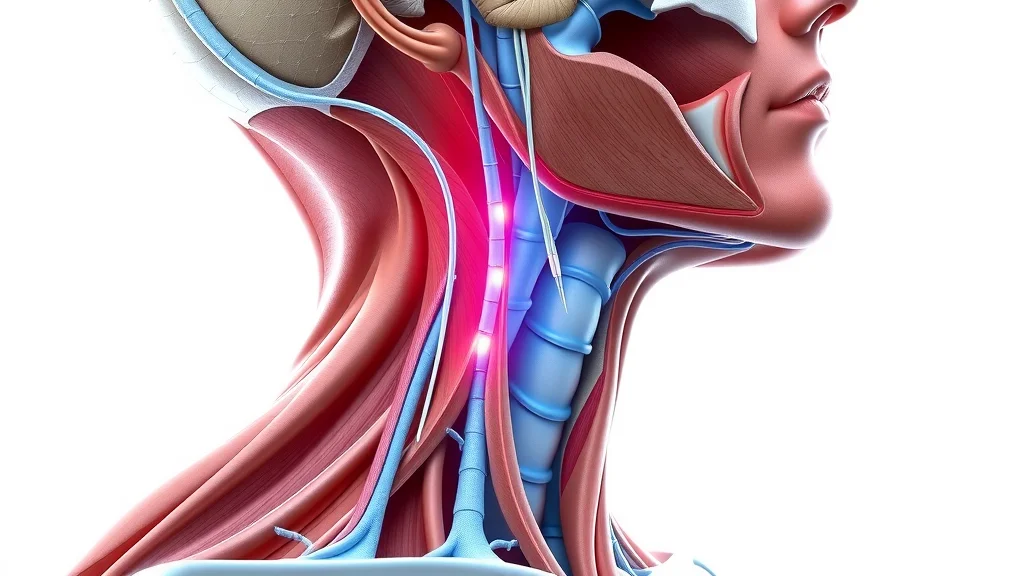
Detailed medical illustration of neck muscles and nerves connecting to the base of the skull for cervicogenic headache - neck pain and headaches

Tension Headache and Neck Pain

Tension headaches are among the most common headache types, often linked with stress, emotional strain, or prolonged muscle contraction in the head, neck, and upper shoulders. People with tension headaches frequently describe the pain as a tight band or pressure around the head, sometimes extending down into the neck area. The discomfort can be persistent, ranging from mild to moderate, sometimes lasting for hours or days.

The connection between neck pain and tension headaches is strong, as chronic muscle tension in the neck can refer pain upward. Managing these headaches holistically involves stretching, relaxation techniques, posture correction, and sometimes therapeutic massage—tools that address both the symptom and its underlying causes. Adopting good posture and managing stress are vital first steps in breaking the cycle of tension-related head and neck pain.

Occipital Neuralgia: Sharp Pains Radiating from the Neck

Occipital neuralgia represents a less common but very distinct type of headache associated with neck pain. Characterized by sharp, electric shock-like pain that starts at the base of the skull and can shoot upwards to the scalp, forehead, or even behind the eyes, occipital neuralgia is usually the result of irritation or inflammation of the occipital nerves. This may occur due to neck injury, nerve compression, or chronic muscle tightness.

Unlike tension headaches or cervicogenic headaches, the pain of occipital neuralgia is frequently sudden and severe, and it may worsen with specific neck movements or even light touch. Holistic management focuses on nerve calming techniques, targeted manual therapies, and sometimes natural anti-inflammatory remedies. If standard approaches do not resolve the symptoms, a thorough evaluation with your healthcare provider is necessary to rule out more serious underlying conditions.

Comparing Types of Headaches: Table of Key Features

Headache Type Linked to Neck Pain Typical Symptoms
Cervicogenic Yes Pain starts in neck, radiates to head
Tension Sometimes Dull, tight pain, head and neck
Occipital Neuralgia Yes Electric shock-like pain from neck

Why Do You Feel Neck Pain and Headaches Together?

Professional at ergonomic workstation adjusting monitor for proper neck posture - head and neck pain prevention

Posture and Lifestyle Factors in Head and Neck Pain

The modern lifestyle is a major driver of neck pain and headaches. Hours spent at desks, hunched over computers or scrolling on phones, put our necks under constant strain. This extended poor posture can contribute to muscle fatigue, compromised alignment of the cervical spine, and restricted movement. Over time, this muscle tension and joint stress can cause both neck pain and a variety of headaches, including tension and cervicogenic types.

Holistic practitioners in the Gig Harbor area pay special attention to these lifestyle contributors, often making posture education and ergonomic adjustments key parts of the treatment plan. Small changes—raising a screen to eye level, taking micro-breaks, or practicing posture-corrective stretches—can yield dramatic improvements. Addressing underlying lifestyle and alignment issues provides the foundation for effective and sustainable relief from head and neck pain.

For those interested in how spinal alignment and chiropractic adjustments can further support relief from neck and upper back discomfort, exploring natural chiropractic care options in Gig Harbor may offer additional strategies for managing pain holistically. Learn more about chiropractic adjustments as a pathway to naturally relieve upper back pain and how they complement holistic approaches to head and neck wellness.

Stress, Sleep, and Emotional Wellbeing

In addition to physical factors, stress and poor sleep play crucial roles in the development of neck pain and headaches. Chronic emotional stress can trigger muscle tightness in the head and neck region, leading to persistent discomfort. Likewise, inadequate sleep doesn’t give your body the chance to recover, increasing your risk of experiencing chronic headaches or neck pain.

Holistic health care prioritizes mind-body balance as well as physical alignment. Simple strategies like breathwork, meditation, and improved sleep hygiene can help break the cycle of tension, supporting both physical and emotional resilience.

“Holistic approaches emphasize body alignment and mind-body balance as essential for both neck pain and headache relief.”

How Natural and Holistic Therapies Address Neck Pain and Headaches

Physical Therapy and Manual Treatments

Physical therapy is a cornerstone of holistic care for neck pain and headaches. Skilled practitioners use hands-on techniques to release muscle tightness, restore joint motion, and address any movement dysfunction in the neck and upper back. Gentle stretching, targeted exercises, and manual therapies not only relieve immediate pain but also build long-term resilience against recurrent problems.

In a holistic context, physical therapy might also involve tailored assessments, ergonomics education, and guidance for safe movement patterns in daily life. This comprehensive approach helps you remain active and engaged, reducing the likelihood of future pain episodes and reliance on medication.

Mind-Body Approaches: Yoga, Meditation, and Breathwork

Peaceful woman practicing gentle yoga stretches for neck pain and headaches relief in a sunlit minimalist studio

Mind-body practices complement physical therapies by fostering relaxation and encouraging awareness of postural habits and muscle tension. Gentle yoga stretches and poses focused on the neck area can loosen tight muscles, improve blood flow, and calm the nervous system. Meditation and breathwork further reduce stress, which is a major contributor to tension headaches and chronic neck pain.

Many holistic practitioners develop custom yoga and mindfulness routines for clients struggling with head and neck pain. These simple, accessible strategies empower individuals to manage stress and support their recovery journey from home.

Alternative and Complementary Therapies (Acupuncture, Chiropractic, Massage)

In the Gig Harbor area, alternative therapies such as acupuncture, chiropractic adjustments, and therapeutic massage are highly valued for chronic headaches and neck pain relief. Acupuncture promotes natural healing by stimulating specific points that soothe pain signals and inflammation. Chiropractic care addresses misalignments in the cervical spine, enhancing movement and reducing pressure on nerves that may contribute to headaches.

Massage therapy works on muscle tension and trigger points, offering comfort for both neck and head pain. These therapies, when integrated into a holistic care plan, can offer a powerful boost in comfort and function—especially when combined with lifestyle and self-care modifications.

“Clients in the Gig Harbor area often see substantial relief when they commit to a holistic plan tailored to their individual needs.”

Assessment: Medical History and Physical Exam for Neck Pain and Headaches

What a Holistic Practitioner Looks for in Your Medical History

Holistic healthcare practitioner assessing patient with neck pain during a personalized consultation - medical history for neck pain and headaches

Holistic practitioners take a detailed look at your medical history to uncover patterns and possible triggers for your neck pain and headaches. They might ask about your lifestyle, work habits, previous injuries, sleep routine, and stress levels. This information helps to make connections between different aspects of your health, painting a complete picture of what might be causing your discomfort.

Such a thorough intake allows the practitioner to design a targeted treatment plan that addresses not only the pain but also the contributing factors, ensuring sustainable, holistic improvement. Reviewing medical history is crucial for your safety too, as it can flag more serious conditions that might require further assessment with imaging tests or referral to another healthcare provider.

What to Expect During a Physical Exam

Your first appointment with a holistic practitioner often includes a gentle and respectful physical exam. The provider will observe your posture, test the range of motion in your neck, and check for muscle tightness or soreness. They may gently palpate the area to locate specific points of pain or stiffness, helping to distinguish between different types of headaches and neck dysfunction.

This exam may also include basic neurological checks, such as testing your reflexes or sensation, to rule out nerve impingement. The physical exam, combined with your history, guides the development of an effective, individualized treatment plan and may inform whether additional conventional assessment (like imaging tests) is necessary.

When to See a Healthcare Provider About Neck Pain and Headaches

Red Flags in Neck Pain and Headaches: Warning Signs

Concerned woman experiencing neck pain and headache warning signs, seeking holistic healthcare advice in a cozy living room

Most headaches and neck pain respond well to natural and holistic care, but some symptoms require urgent medical attention. Red flags include sudden severe headache, neck pain after trauma, persistent pain that won’t go away, weakness or numbness in limbs, or signs of infection like fever and neck stiffness. If you experience any of these symptoms, it’s essential to consult with a conventional healthcare provider right away.

Holistic practitioners in the Gig Harbor area are skilled at recognizing these warning signs and will coordinate with conventional medical professionals when needed. Your safety and long-term wellness always come first—don’t delay seeking help if you’re worried about your symptoms.

Collaborating with Conventional and Holistic Healthcare Providers

The most effective path to relief often combines the strengths of both conventional and holistic care teams. Holistic practitioners work alongside physicians, sharing insights and supporting a comprehensive recovery plan. While holistic care focuses on root causes, whole-person wellness, and natural therapies, conventional providers may offer diagnostic tests or medication if necessary.

Open communication and collaborative care ensure that you benefit from the broadest range of expertise, maximizing your chances for lasting pain relief and a healthier future.

Treatment Options for Neck Pain and Headaches: Holistic Approaches

Lifestyle Adjustments and Self-Care Techniques

Changing daily habits can have a powerful impact on neck pain and headache relief. Creating an ergonomic workstation, practicing stress management, and incorporating gentle, regular movement into your routines can break the cycle of chronic discomfort. Prioritizing good posture, staying well-hydrated, and ensuring adequate rest are foundational self-care steps emphasized by holistic practitioners.

Techniques such as applying heat to the neck, practicing mindful posture checks, taking movement breaks throughout the day, and gentle stretching are accessible ways to immediately ease symptoms and prevent recurrence.

Natural Remedies Popular in Gig Harbor

Selection of natural holistic remedies for neck pain and headache relief on a table in Gig Harbor

In the Gig Harbor area, many people turn to natural remedies for managing neck pain and headaches. Herbal teas like chamomile or ginger are soothing and can help lower inflammation. Essential oils—especially lavender, peppermint, or eucalyptus—are often used for topical application or aromatherapy to ease muscle tightness and tension-type headaches. Tools like massage rollers offer targeted muscle relief, complementing other self-care practices.

These natural remedies, while gentle, can be very effective when combined with lifestyle and movement strategies. Holistic practitioners guide you through selecting and safely using these options as part of your treatment plan.

Personalized Holistic Care Plans

Every individual’s journey through neck pain and headaches is different, and so holistic care focuses on personalized plans. These plans might include a blend of physical therapy, nutrition, manual therapies, mind-body work, and ergonomic coaching. The goal is to address both the symptoms and the underlying causes, helping you achieve sustainable relief and a better quality of life.

    Holistic Treatments at a Glance
  • Gentle stretching and movement therapies
  • Herbal and nutritional support
  • Therapeutic massage
  • Posture correction
  • Stress reduction strategies

Key Takeaways: Holistic Insights on Neck Pain and Headaches

  • Neck pain and headaches often share underlying causes
  • Holistic assessment focuses on whole-body wellness
  • Multiple treatment strategies offer hope for lasting relief

People Also Ask About Neck Pain and Headaches

What causes headache and neck pain together?

Neck pain and headaches can be caused by muscle tension, poor posture, injuries, or underlying conditions affecting the upper spine or nerves. Holistic practitioners assess full body patterns to address root causes.

How to get rid of a headache at the base of the neck?

Relief strategies include gentle stretching, massage, application of heat, proper hydration, and stress minimization. Many find additional benefits from acupuncture and mind-body practices.

Woman applying warm compress to base of her neck in a serene bedroom for headache and neck pain relief

What are the red flags for neck pain?

Red flags include persistent pain, weakness, numbness, sudden severe headache, or signs of infection. Seek prompt evaluation by a healthcare provider for these symptoms.

When should I worry about headaches and neck pain?

If headaches and neck pain are frequent, severe, or accompanied by neurological symptoms, consult a healthcare provider. Holistic evaluation can complement conventional diagnostic care.

Frequently Asked Questions about Neck Pain and Headaches

Can lifestyle changes alone resolve neck pain and headaches?

In some cases, consistent lifestyle changes—like improving posture, reducing stress, and practicing regular movement—can resolve mild neck pain and headaches. However, lasting or severe symptoms may require a tailored approach combining holistic therapies and professional assessment.

How do holistic practitioners differ from conventional doctors in treating neck pain and headaches?

Holistic practitioners focus on whole-person care, emphasizing natural therapies, movement, nutrition, and mind-body balance. While conventional doctors may use medications or surgery for rapid symptom relief, holistic care prioritizes long-term solutions and prevention by addressing underlying causes.

Are holistic treatments safe for all ages?

Most holistic therapies, such as gentle physical therapy, yoga, and massage, can be adapted for all ages. A proper assessment ensures any treatment plan is age-appropriate and considers health history and unique needs.

Watch: Educational video explaining the holistic connection between neck pain and headaches, featuring live action, expert interviews, and animation, shot in a bright clinic with calm explanatory visuals and gentle music.

Discover effective stretches and exercises guided by holistic practitioners to ease neck pain and headaches, designed for use at home or in a clinical setting in the Gig Harbor area.

Ready to Take Control of Your Health?

Book your holistic evaluation today and start your journey toward a pain-free, healthy life in Gig Harbor.

Conclusion: Addressing neck pain and headaches the holistic way means considering your whole body, your lifestyle, and your personal goals. With natural therapies and expert guidance, you can take confident steps toward lasting relief.

If you’re eager to deepen your understanding of holistic pain relief and want to explore how spinal health impacts your overall well-being, consider broadening your perspective with resources on natural chiropractic care. Discover how integrating chiropractic adjustments with other holistic therapies can create a comprehensive strategy for managing not just neck pain and headaches, but also upper back discomfort and related issues. For a more in-depth look at these advanced techniques and their benefits, visit our guide on natural relief for back pain through chiropractic adjustments. Taking this next step can empower you with new tools and insights for a healthier, pain-free future.


Top Chiropractor for Back Pain in Gig Harbor

0 Views

0 Comments

Write A Comment

*
*
Please complete the captcha to submit your comment.
Related Posts All Posts
10.31.2026

Why Does My Neck Hurt After Driving?

Picture this: You pull into your driveway after a long commute or weekend road trip, only to realize a nagging ache has crept into your neck and shoulders. You adjust your seat or crack your neck, but the discomfort lingers—or sometimes even gets worse. If you’ve wondered why neck pain after driving is such a common problem, and what natural solutions truly help, you’re not alone. In this comprehensive guide, we’ll uncover the science behind driving-related neck pain, holistic ways to relieve it, and how to choose the best practitioner near Gig Harbor for a pain-free future. What You’ll Learn About Neck Pain After Driving Common causes of neck pain after driving Natural, holistic strategies for neck discomfort relief Warning signs and when to seek help Tips for choosing the best holistic health practitioner near Gig Harbor Experiencing Neck Pain After Driving: A Common Scenario It happens to drivers everywhere—whether you’re navigating city traffic or embarking on another long drive down the highway. You start the journey feeling fine, but as the miles add up, so does the stiffness in your neck and upper back. Even professional drivers and those with seemingly “perfect” seats aren’t immune to neck discomfort after driving. The nature of driving puts your body into a fixed, static posture for long periods, straining neck muscles and taxing your cervical spine. Over time, this adds up. Even daily short commutes can contribute to discomfort, especially if compounded by poor posture, stress, and improper seat alignment. "Many drivers describe neck discomfort that sets in even after a short commute. Our neck and back are sensitive to our posture, stress, and daily habits—especially behind the wheel." Why Neck Pain After Driving Happens: The Science of Static Posture Static Posture and Forward Head Effects on Neck Pain Static posture refers to maintaining the same position for extended periods—exactly what happens during long drives or road trips. The neck and upper back are especially vulnerable when your head tilts forward (“forward head”), which often happens as you focus on the road or slump towards the steering wheel. This position places undue stress on the cervical spine, causing neck pain, upper back pain, and tight muscles. Over time, the forward head posture leads to muscle fatigue and strains vital ligaments and neck muscles, leaving you more susceptible to discomfort even after shorter commutes. Physical therapists highlight that repeated static posture compounds poor alignment, contributing to both immediate and chronic neck issues after driving. The Impact of Prolonged Sitting and Steering Wheel Position The way you position your seat and steering wheel can either help prevent neck pain or make it worse. When the steering wheel is too far away, you instinctively jut your head and neck forward, straining both the cervical spine and your upper back. If your seatback is too reclined or not adjusted to support the natural curve of your spine, it’s even easier to slip into poor posture. The good news is, even minor misalignments can contribute to discomfort, but slight adjustments make a big difference. Prolonged sitting, a hallmark of long drives, reduces blood flow to neck muscles, builds tension, and makes muscle fatigue and neck discomfort more likely. While neck pain is a common complaint after long periods of driving, similar discomfort can also develop in other areas of the body due to static posture and muscle tension. For example, many people experience hip soreness from extended sitting, and gentle practices like Yin Yoga have proven effective for easing sore hips and promoting overall mobility. Exploring these holistic approaches can complement your neck pain relief strategies and support full-body wellness. Common Causes of Neck Pain After Driving Poor Posture, Forward Head, and Static Posture The most frequent culprit behind neck pain after driving is a combination of poor posture and the forward head position. When you droop or lean toward the wheel, gravity pulls your head downward—placing extra force through the cervical spine and into your upper back. Over hours or weeks of driving, this takes a toll, often resulting in both neck discomfort and back pain. Static posture amplifies the effect, especially on long drives, since you aren’t shifting position or giving your neck muscles relief. This combination also tightens the neck and upper back, leading some to mistakenly blame their “bad neck” for the problem, when lifestyle and driving habits are real contributors. Seat and Steering Wheel Misalignment Your driving position and ergonomic setup play a central role in neck and back pain after driving. A seat that’s positioned too far from your pedals or steering wheel causes you to lean and stretch forward. An improperly aligned steering wheel, placed too high or low, increases upper back and neck muscle strain. Ergonomic studies and physical therapists agree that even experienced drivers may not realize their seat and wheel are subtly out of alignment, pushing the neck away from a neutral position. Using proper seat adjustment and steering wheel alignment can dramatically reduce the impact on your cervical spine and prevent neck discomfort from setting in. Muscle Fatigue, Stress, and Back Pain Connection Driving is a surprisingly stressful activity—mental tension quickly translates to physical tension. When you grip the wheel, brace for traffic, or respond to sudden stops, your neck and upper back muscles instinctively tighten. Over long periods, these neck muscles fatigue, amplifying discomfort. If you already experience back pain or low back issues, you may unconsciously compensate by altering your posture, putting even more pressure on your neck and cervical spine. Addressing neck pain after driving may also mean considering the health of your entire back and adopting a holistic, whole-body approach to relief. Natural and Holistic Solutions for Neck Pain After Driving Posture Correction Exercises and Mindful Driving Committing to regular posture correction exercises is one of the most effective natural ways to ease neck discomfort after driving. Simple stretches for the neck, shoulders, and upper back performed before, during, or after long drives can create lasting change. Incorporating mindful driving—checking in with your body, adjusting your seat when needed, and practicing deep, even breathing—reduces both physical and mental stress. Physical therapists and holistic health practitioners often recommend targeted exercises that restore the neutral position of the cervical spine. Even daily “microbreaks” for neck stretches and movement go a long way in reducing long-term pain. Holistic Interventions: Massage Therapy, Acupuncture, and Yoga Many drivers living near Gig Harbor find profound relief in holistic therapies like massage, acupuncture, and yoga. Massage therapy targets tight muscles in the neck, upper back, and shoulders, increasing blood flow and promoting relaxation. Acupuncture addresses underlying imbalances that contribute to chronic neck pain after driving, while yoga improves posture, flexibility, and strength throughout the cervical spine and upper body. These methods are particularly effective for those seeking a natural alternative to medications and are supported by a growing body of positive clinical experiences and patient feedback. Regular visits to a skilled holistic practitioner ensure that your body remains in optimal condition even with a busy commute or frequent long drives. Best Practices for Maintaining Neck Health Maintaining neck and upper back health starts with self-awareness and small changes to everyday habits. Practice stretching the neck, rolling the shoulders, and gently moving the upper back at regular intervals. Adjust your seat and steering wheel to find a truly neutral position that doesn’t force your head forward or hunch your upper back. Mindful breathing techniques can calm both mind and body during commutes. Consider using supportive devices—such as ergonomic headrests, lumbar rolls, or neck pillows—for additional comfort, especially on long drives. For persistent neck pain or back pain, partnering with a reputable holistic health expert in Gig Harbor amplifies your results and ensures sustainable, drug-free relief. How to Prevent Neck Pain After Driving: Practical Tips Adjusting your seat position and steering wheel for optimal alignment: Your knees should be slightly lower than your hips, seatback upright, and steering wheel within easy reach. This maintains a neutral position for your cervical spine and ensures minimal strain. Incorporating microbreaks and stretches while driving: Stop every hour on long drives to stretch your neck, shoulders, and upper back. Simple movements prevent static posture from causing neck discomfort. Practicing mindful posture and breathing techniques: Regularly check in with your body, adjust posture, and breathe deeply to reduce both muscle tension and mental fatigue. Using supportive devices for neck and back comfort: Try ergonomic headrests, cushions, or seat adjustments tailored for your unique anatomy to enhance comfort, especially on road trips. Table: Comparing Strategies for Neck Discomfort Relief Method Benefits Limitations Ease of Use Seat Adjustment Aligns spine, reduces forward head May require expert fitting Easy Yoga & Stretching Improves flexibility Needs routine practice Moderate Holistic Therapy Addresses underlying issues Time/investment Moderate Red Flags: When Neck Pain After Driving Needs Urgent Attention Severe pain radiating to arms or hands Numbness, tingling, or weakness Sudden headaches or vision changes Difficulty with balance (the 5 D’s: dizziness, diplopia, dysarthria, dysphagia, drop attacks) "Persistent or severe neck discomfort following driving, especially with other symptoms, should prompt immediate consultation with a holistic health practitioner." People Also Ask: Common Questions About Neck Pain After Driving How to fix neck pain while driving? To fix neck pain while driving, start by correcting your posture—make sure your head and neck are in line with your spine, avoiding forward head position. Adjust your seat and steering wheel for optimal comfort, and take frequent microbreaks to stretch your neck muscles and shoulders. Incorporate simple neck exercises or stretches before and after long drives, and consider using ergonomic supports. If neck pain persists, holistic therapies like massage, physical therapy, or acupuncture may help address underlying issues for lasting relief. What are the 5 D's for neck pain? The 5 D’s are danger signals that may indicate a serious neck issue and need urgent medical advice. They include dizziness, diplopia (double vision), dysarthria (difficulty speaking), dysphagia (difficulty swallowing), and drop attacks (sudden loss of muscle tone causing collapse). If any of these symptoms occur alongside neck pain after driving, seek immediate evaluation by a healthcare professional or holistic practitioner to rule out any underlying nerve or spinal cord involvement. Does whiplash heal on its own? Whiplash often improves on its own with rest and gentle movement, but recovery time varies. For many, symptoms of neck pain and stiffness resolve within a few weeks. However, persistent pain may indicate underlying soft tissue injuries or postural issues, especially after a long drive or accident. Holistic interventions such as targeted exercises, massage, or physical therapy can support recovery and prevent chronic neck discomfort. Always consult a healthcare provider if symptoms are severe or do not improve. What is a red flag for neck pain? Red flags for neck pain include severe or sudden pain, pain radiating to your arms or hands, numbness or tingling, weakness, sudden headaches, vision changes, or difficulties with balance or speech. These symptoms may signal serious cervical spine problems or nerve involvement that require immediate medical attention. If you notice any of these warning signs after driving, consult a trusted holistic health practitioner or healthcare provider for expert evaluation and care. A step-by-step video of a holistic practitioner demonstrating simple neck and shoulder stretches, ideal for drivers experiencing neck pain after long commutes. Calm, welcoming studio environment with clear instruction and closeups of correct technique. Watch as an experienced holistic health practitioner walks through an integrative approach to managing neck pain after driving. From gentle hands-on therapies and targeted exercises to practical tips for improving posture behind the wheel, learn what to expect from a holistic session and how to personalize your path toward lasting comfort. FAQs: Addressing Neck Pain After Driving What natural remedies are best for neck pain after driving? Natural remedies include posture correction exercises, yoga, massage therapy, hot or cold packs, acupuncture, and relaxation techniques. These approaches reduce muscle tension and restore the neutral position of the cervical spine, promoting faster healing without medications. Can ergonomic products really reduce neck discomfort? Yes, ergonomic products like supportive headrests, seat cushions, and lumbar rolls help maintain correct posture, minimize muscle strain, and can significantly reduce neck and upper back pain during long drives or daily commutes. Is holistic care more effective than conventional methods for neck pain and back pain? Many patients report lasting relief and improved well-being with holistic care, especially when combining therapies like massage, acupuncture, and targeted stretching. Holistic approaches address root causes, rather than masking symptoms, leading to better long-term outcomes for neck and back pain. Key Takeaways for Managing Neck Pain After Driving Understanding the root of your neck discomfort is the first step toward relief. Commitment to posture improvement, holistic care, and proactive prevention will yield the best long-term results. Choosing a qualified holistic health practitioner near Gig Harbor can make a transformative difference in living a pain-free, healthy life. Ready for Relief from Neck Pain After Driving? "Your road to natural healing starts now—book an appointment with a trusted holistic health practitioner in the Gig Harbor area and discover the difference expert care can make." Conclusion: Take control of your neck health today—understand your pain, take preventive steps, and connect with a holistic practitioner to start your journey to a more comfortable, pain-free drive. If you’re inspired to take your holistic wellness journey further, consider exploring how mindful movement practices can address discomfort throughout your body—not just your neck. Techniques such as Yin Yoga offer gentle, restorative benefits that can help release tension in areas like the hips, which often become tight from prolonged sitting. To discover how these approaches can complement your neck pain relief plan and support your overall mobility, learn more about embracing healing movement with Yin Yoga in Gig Harbor. Expanding your self-care toolkit with these holistic strategies can empower you to move freely and comfortably, both on and off the road.

10.30.2026

Neck Pain After Sleeping: Is Your Pillow to Blame?

Ever woken up with a stiff, achy neck, wondering if you slept wrong—or if your pillow betrayed you overnight? If your mornings are often greeted by discomfort or pain after sleep, you’re not alone. Neck pain after sleeping can quickly derail your day and impact your overall quality of life, leaving you searching for solutions that are both effective and natural. In this guide, you’ll learn why your pillow might be at the center of your discomfort and how alternative, holistic practices can help you wake refreshed—not rubbed the wrong way by neck pain. Waking Up with Neck Pain After Sleeping: Observations and Experiences Waking up to neck pain after sleeping is more common than many realize. It usually starts subtly—perhaps a soreness or tenderness that you brush off, only for it to intensify as the day progresses. Sometimes, it’s a sharp pain or stiffness that threatens to turn even the simplest daily activities, like turning your head or lifting a bag, into a major ordeal. Many people in Gig Harbor and surrounding communities have experienced this, and it often happens unexpectedly, regardless of age or activity level. The initial moments out of bed can feel like you’ve strained your neck muscles overnight, even when you haven’t done anything strenuous the day before. This discomfort isn’t just a minor annoyance; it can affect your mood, productivity, and physical activity. Some notice their neck pain from sleeping comes and goes, while for others, it becomes a repeat offender every morning. Observing these patterns is important—when pain after sleep frequently interrupts your morning or persists throughout the day, it’s a signal from your body that your sleep posture or pillow may not be supporting the natural curve of your cervical spine. Understanding the root cause is the first step towards a pain-free morning. What You’ll Learn About Neck Pain After Sleeping The most common causes of neck pain after sleep How sleep posture and pillow choice impact neck pain from sleeping Natural, holistic approaches to relieve and prevent neck pain after sleeping When neck pain after sleeping may be serious and require attention Answers to frequently asked questions about stiff necks and waking up sore Understanding Neck Pain After Sleeping: Causes and Contributors Common Causes: Neck Pain from Sleeping Wrong Neck pain after sleeping can catch even the healthiest people off guard. One of the most common culprits is simply sleeping wrong. When your head and neck remain in an awkward position for hours, the muscles and ligaments supporting your cervical spine become strained. This may happen because of a misaligned pillow, an unsupportive mattress, or a poor sleep posture like sleeping on your stomach. Such misalignment places undue pressure on the neck muscles, sometimes compressing nerves and leading to a dull or shooting pain from sleeping. This discomfort can persist after you get out of bed, sometimes turning into lingering pain after sleep that follows you throughout the day. Other contributors to neck pain from sleeping include tossing and turning, sudden movements while switching sleeping positions, or using pillows that don’t match your preferred sleeping position. Even stress and tension built up from your day can make your neck muscles more susceptible to tightness or stiffness overnight. Addressing these contributors holistically can not only prevent neck pain but also improve your quality of life by helping you wake up with neck flexibility and comfort. For those interested in expanding their holistic approach to pain relief, exploring gentle movement practices like Yin Yoga for sore hips can offer additional benefits for overall musculoskeletal health and flexibility. The Role of the Cervical Spine in Neck Pain After Sleep The cervical spine is the seven-vertebrae structure at the top of your spinal column, responsible for supporting your head and facilitating movement. Misalignment of the cervical spine—often from sleeping wrong or using an improper pillow—may cause or worsen neck pain after sleep. When the natural curve of your cervical spine flattens or exaggerates during sleep, it can create muscular imbalance and even nerve compression. This can result in a stiff neck, tingling sensations, or pain that radiates into the shoulders or arms. Maintaining proper alignment of your cervical spine as you sleep is essential. Pilates, gentle yoga, and targeted stretching are natural solutions that can build strength and flexibility in the neck muscles and ligaments, making them more resilient to pain from sleeping. A focus on spinal health supports overall well-being, as it helps ensure restful, restorative sleep with minimal risk of waking up sore or stiff. The Impact of Pillow Choice on Neck Pain After Sleeping Is Your Pillow Causing Neck Pain After Sleeping? Your pillow plays a starring role in either supporting spinal health or fueling neck pain after sleeping. When your pillow fails to maintain the natural curve of the neck, or when it’s too high, too firm, or too soft, it can strain your neck muscles nightly. Most people don’t realize that the wrong pillow can force the head into unnatural angles, creating pressure that builds up into morning neck pain. If you often wake up with neck or shoulder discomfort—or you find relief only when switching pillows—your neck pain from sleeping may have a simple but powerful solution. Even a minor change in pillow height or material can make a difference. For example, people who sleep on their side need pillows that fill the gap between head and mattress, preventing neck kinks. Natural fill or orthopedic pillows, if poorly suited to your sleep position, can just as easily contribute to pain after sleeping wrong. That’s why being intentional about pillow selection is a foundational step in comprehensive, natural care for neck pain after sleep. Sleep Posture and Its Connection to Neck Pain After Sleep Sleep posture directly affects whether you wake up with neck pain after sleeping. Sleeping on your stomach, though comfortable for some, often twists the head and strains neck, back, and even shoulder muscles. Back sleepers tend to fare better, as this position keeps the head, neck, and spine in better alignment, though the right pillow remains crucial. Side sleeping is also healthy, so long as your head and neck are supported to keep the spine straight. If your habitual sleep posture is contributing to pain after sleep, consider gradually training yourself to adopt healthier positions. Small adjustments—like placing a pillow between the knees for side sleepers or using a rolled towel under your neck for extra cervical support—can help prevent neck pain from sleeping wrong. Pairing thoughtful posture with an ergonomic pillow lays the personalized groundwork for long-term relief, supporting both musculoskeletal health and restorative sleep. Types of Pillows That May Help Prevent Neck Pain After Sleep Memory foam pillows designed for cervical support: These conform to the natural curvature of your head and neck, offering tailored support and reducing pressure points that can cause neck pain from sleeping. Orthopedic pillows for neck pain after sleeping: Engineered to cradle and align the cervical spine, orthopedic pillows are ideal for those seeking targeted relief from persistent pain or stiff neck after sleep. Natural fill pillows and their holistic benefits: Filled with materials like buckwheat or organic wool, these pillows are prized in alternative health communities for their breathability, resilience, and ability to support the head and neck without toxic chemicals. How Natural and Holistic Practices Address Neck Pain After Sleeping Holistic Approaches to Relieving Neck Pain After Sleep Holistic solutions for neck pain after sleeping focus on the whole body, not simply the site of discomfort. This may include gentle bodywork, massage, or craniosacral therapy to restore balance to the musculoskeletal system. Techniques such as yoga or tai chi are widely recommended among natural health practitioners around Gig Harbor for improving posture, enhancing flexibility, and strengthening the neck muscles that support the cervical spine. Integrating these holistic methods can provide lasting relief for those suffering from recurring pain after sleep, while nurturing overall wellness. Another key element is mindfulness. Guided meditation or simple breathing exercises done before bedtime can quiet the mind and release tension, reducing the chance of waking up with neck pain. Nutritional support—ensuring you receive enough anti-inflammatory foods and minerals—can also make a difference, as chronic neck pain may sometimes link back to systemic inflammation. A holistic practitioner can tailor interventions to your needs, helping you adopt new sleep, exercise, and stress management routines for sustainable healing. Prevent Neck Pain from Sleeping Wrong: Lifestyle and Sleep Hygiene Tips Gentle stretching and yoga to support the cervical spine: Simple, consistent routines in the morning and before bed can maintain neck and upper back mobility, reducing the risk of strain as you sleep. Guided meditation and stress reduction before bed: Relaxing your body and mind lowers muscle tension and may prevent neck pain from sleeping, especially if your discomfort worsens with stress. Sleep environment optimization for pain after sleeping: Maintain a comfortable temperature, reduce noise, and ensure your mattress and pillow meet your needs, promoting healthy sleep posture and spinal alignment. "Holistic care involves understanding your body’s unique needs—from pillow choices to posture habits—to address not just the symptoms, but the root causes of neck pain after sleeping." — Local Holistic Practitioner Comparing Common Sleep Positions: Which Ones Contribute to Neck Pain After Sleeping? Table Comparing Sleep Positions and Their Impact on Neck Pain After Sleeping Sleeping Position Neck and Spine Alignment Neck Pain Risk Comments Back Sleeping Neutral, supports cervical spine with proper pillow Low-Moderate Best for spinal health; neck pain possible if pillow too high/low Side Sleeping Aligned with suitable head and neck support Low Healthy if pillow fills gap; reduces snoring/acid reflux Stomach Sleeping Poor alignment, neck often twisted High Strains neck muscles, increases risk of pain after sleep Pros and Cons of Sleeping Positions for Preventing Neck Pain Each common sleeping position has distinct impacts on neck and back health. Back sleepers, when supported by just the right pillow, often enjoy optimal cervical alignment. This minimizes the risk of strain and supports the gentle curve of the cervical spine. However, a pillow that is too thick or too flat can push the head into an unnatural angle, causing neck pain after sleeping. Side sleeping is considered safe and comfortable if you use a supportive pillow that keeps your head level with your spine—this position is also preferred for those who experience snoring or acid reflux. Stomach sleeping, on the other hand, is most likely to cause issues. The neck is forced into rotation, compromising the alignment of your cervical spine and putting excessive pressure on your neck and shoulder muscles. If this is your go-to position and you’re experiencing persistent pain from sleeping, consider transitioning toward side or back sleeping to help prevent neck pain. Your pillow and sleep environment can make adopting healthier positions easier over time with guidance from a holistic practitioner. Recognizing Serious Symptoms: When Neck Pain After Sleeping Requires Attention Persistent severe neck pain after sleeping that doesn’t improve Pain radiating into arms or hands Loss of mobility or sensation after sleeping wrong While most neck pain after sleeping resolves with natural self-care, some symptoms require prompt evaluation. If you notice severe, recurring pain after sleep that does not go away with rest or gentle stretch, it’s time to see a professional. Additional warning signs include numbness, tingling, radiating pain into your shoulders, arms, or hands, and any weakness or loss of movement. These could indicate issues beyond muscle strain, such as nerve compression or a herniated disc. Taking neck pain after sleep seriously ensures you receive the expert, holistic care needed to prevent further complications or chronic issues. Expert Advice: Natural Solutions for Neck Pain After Sleeping Gentle At-Home Relief Techniques for Pain from Sleeping Apply a warm compress to ease stiff neck: Gentle heat therapy can relax tight muscles and improve blood flow, which helps reduce pain after sleep—simply use a warm towel for 15 minutes. Practice mindful neck stretches each morning: Slow, controlled stretches help relieve tension and increase range of motion, key for preventing persistent neck pain after sleeping. Invest in a supportive pillow tailored for neck pain: Choose a memory foam or orthopedic pillow that fits your sleep position and body size to maintain cervical spine alignment and prevent neck pain from sleeping wrong. Experiment with sleep posture adjustments: If you’re used to sleeping on your stomach, try training your body to sleep on your side or back for healthier head and neck alignment. Schedule a visit with a holistic health practitioner near Gig Harbor: An expert can offer tailored guidance, hands-on therapies, and lifestyle support for sustainable relief from neck pain after sleep. Frequently Asked Questions on Neck Pain After Sleeping How do you get rid of neck pain after sleeping? To relieve neck pain after sleeping, start with gentle stretching and applying a warm compress to your neck for 10-15 minutes to relax tense muscles. Adjust your pillow to ensure it properly supports your head and neck and check that your sleep posture isn’t straining your cervical spine. If pain persists, consider consulting a holistic practitioner for tailored recommendations—natural therapies and lifestyle adjustments can provide lasting relief. How do you get rid of a stiff neck? Treating a stiff neck involves combining heat therapy, gentle range-of-motion exercises, and periods of rest. Avoid sudden twists or heavy lifting, and use mindful neck stretches to improve flexibility. Practicing stress management and using the right pillow can reduce recurring stiffness and support overall neck health, helping prevent neck pain after sleeping from becoming a chronic issue. How to know if neck pain is serious? Neck pain is considered serious if it is severe and persistent, or if you experience numbness, tingling, weakness in your arms or hands, or loss of mobility. These symptoms could indicate nerve compression or spinal issues and should be evaluated by a qualified health practitioner promptly. Don’t ignore pain after sleeping if it interferes with daily activities or gets worse over time. How to fix a tight neck in 30 seconds? If you wake up with a tight neck, try this quick technique: Gently tilt your head to one side, bringing your ear toward your shoulder. Hold for 15 seconds, then switch sides. Repeat once more, moving slowly and without forcing the stretch. This sequence can help release muscle tension and provide quick relief from mild stiffness caused by pain after sleep. Key Takeaways on Managing Neck Pain After Sleeping Sleep posture and pillow selection are crucial for preventing neck pain after sleeping. Holistic, natural approaches are often effective for neck pain relief. Persistent or severe pain after sleeping should be assessed by a professional. Ready to Live Pain-Free? Book a Natural Holistic Consultation for Neck Pain After Sleeping Today Your path to waking up refreshed and pain-free can start with one step. Consider connecting with a holistic health practitioner in the Gig Harbor area for a comprehensive, natural assessment of your neck pain after sleeping. Expert care, personalized sleep guidance, and effective holistic solutions are available to help you regain comfort and live with greater ease. Watch a wellness instructor guide you through the safest, most effective stretches for instant relief from neck pain after sleeping. Perfect for anyone seeking holistic, at-home solutions. Learn how to select the right pillow and adopt sleep positions that support your neck health with guidance from natural health experts. Wake up renewed—every morning. If you’re inspired to take your holistic wellness journey further, consider exploring how mindful movement and restorative practices can benefit other areas of your body. Discover the transformative effects of gentle stretching and healing movement by reading about Yin Yoga for sore hips in Gig Harbor. This approach not only supports hip flexibility and comfort but also complements your efforts to achieve pain-free, restorative sleep and a healthier, more balanced lifestyle.

10.28.2026

Why Is My Neck Pain Worse in the Morning?

Ever found yourself asking, "Why is my neck pain always worse in the morning?" You’re not alone—countless people wake up each day with sudden stiffness and discomfort that disrupts a hopeful morning. But what if your morning neck pain is more than just a fluke? What if there are simple changes and holistic practices that could help you wake up pain-free? This comprehensive guide reveals expert-backed answers, easy natural remedies, and how you can find lasting relief in Gig Harbor. Are You Waking Up with Morning Neck Pain? Let’s Uncover the Answer Waking up with neck pain can instantly set a negative tone for your entire day. If you are consistently greeted by a sore neck or morning neck pain, it’s not just an inconvenience— it’s a wake-up call from your body. Most people don’t realize that their sleep position, sleep habits, and overall wellness play major roles in neck discomfort. Instead of dismissing your pain, it’s important to uncover the root cause so you can regain control over your mornings and your overall health. Morning neck pain isn’t something you have to “just get used to. ” Whether your pain is a sudden twinge or a pattern of ongoing stiffness and pain, holistic insight can transform your healing journey. By the end of this article, you’ll understand why your neck feels worse when the sun rises, how your daily choices play a part, and how natural, holistic care in Gig Harbor can finally offer the relief you deserve. Morning Neck Pain: A Common but Overlooked Problem Morning neck pain is a common but easily overlooked health concern. People often ignore it or chalk it up to “sleeping wrong,” but the reality is that consistent neck pain in the morning signals a deeper imbalance. When you wake up with neck pain or stiffness, it usually reflects issues such as suboptimal sleep positions, old or unsupportive pillows, tight or spasming neck muscles, or even stress that’s carried overnight. Left unaddressed, these factors can make pain last longer, limit movement, and increase your risk of chronic neck pain. The good news? Because morning neck pain is so widespread, it means many holistic solutions have been tried, tested, and refined to provide genuine relief. From gentle stretches to natural therapies, targeting the unique causes of your pain brings real results—especially when you’re ready to work with a skilled holistic practitioner in the Gig Harbor area. While morning neck pain is often rooted in sleep habits and posture, it's important to remember that other areas of the body—like the hips—can also contribute to overall discomfort and tension. Exploring gentle movement practices, such as Yin Yoga for sore hips, may help release tightness and support a more balanced, pain-free body. What You'll Learn About Morning Neck Pain The most frequent causes of morning neck pain and neck stiffness Why sleeping positions and sleep habits matter for neck pain How holistic approaches address pain and stiffness When to seek a natural holistic health practitioner Simple at-home remedies to reduce morning neck pain Morning Neck Pain Explained: Why Do You Wake Up with Neck Discomfort? Morning neck pain often comes as a surprise and may leave you frustrated before you even start your day. But why does it flare up after a night of rest? The answer usually lies in a combination of physical stressors, postural habits, and even emotional stress that build up while you sleep. Although you expect to wake refreshed, poor sleep posture, unsupportive pillows, tension from stress, and old injuries can all trigger neck muscles to stiffen and spasm. Morning neck pain is your body’s way of highlighting areas that need attention. Many times, the culprit is your sleep position—especially if it forces your neck into awkward angles or doesn’t maintain the natural curve of your cervical spine. Muscles need a neutral position to recover; without it, tension accumulates and the pain persists. Holistic care focuses on correcting these imbalances with gentle remedies and lifestyle changes tailored to your needs, moving beyond temporary fixes to restore well-being. Morning Neck Pain and Your Sleep Position Your sleep position is one of the most influential factors behind morning neck pain. The way you position your head and neck during sleep can either support your spine’s natural alignment or strain neck muscles, causing pain and stiffness when you wake up. Stomach sleeping, for example, twists the neck for several hours, leading to muscle fatigue and spasms. On the other hand, back sleeping—especially with a pillow that supports both the head and neck—can help maintain a neutral position, reducing pressure and promoting healing overnight. If your pillow is too high, too flat, or unsupportive, it can compromise your natural curve and encourage uncomfortable neck positions while you sleep. Repeatedly waking up with neck pain is often a strong indicator that your sleep accessories need a major update. Holistic practitioners in Gig Harbor often assess both your sleep position and pillow for subtle contributors to morning neck pain, ensuring that your rest becomes a powerful tool for neck and shoulder health instead of a source of discomfort. How Poor Sleep Habits Contribute to Morning Neck Pain It’s not just your sleeping position that matters—your overall sleep habits play a major role in neck pain and stiffness. Habits such as staying up late, using devices with poor posture before bed, and inadequate sleep routines can all impact your body’s recovery time. Poor sleep hygiene leads to shallow sleep, increased stress hormone levels, and ultimately, greater muscle tension throughout the night. These factors create the perfect storm for neck stiffness and pain upon waking. Consistent sleep schedules, supportive mattresses, and a pre-bedtime routine focused on relaxation signal your body to relax and allow neck muscles to heal. If you’re used to tossing and turning or waking up feeling unrested, your neck muscles never truly reset. Small adjustments, including limiting screen time before bed and choosing sleep environments that promote a natural, neutral position, can significantly reduce morning neck pain. A holistic practitioner can guide you in adopting sleep habits that put your long-term comfort first. Muscle Spasms and Stiffness: The Mechanics Behind Morning Neck Pain The physical mechanics behind morning neck pain often involve muscle spasms and stiffness that accumulate during rest. When you sleep with your head in an awkward position or under stress, the neck muscles may contract and become tense, leading to the pain and limited movement you feel in the morning. Muscle spasms are involuntary contractions that can make a sore neck even more noticeable, especially after long hours spent in one fixed position overnight. Tension may also be caused by daily habits outside the bedroom—such as long hours at a computer, poor posture, or heavy lifting. Over time, tight muscles lose flexibility and circulation, increasing the risk of both sudden stiffness and chronic pain. Holistic approaches focus on gentle movements, targeted stretches, and therapies that restore healthy blood flow and relax the cervical spine, helping your neck and shoulders return to a comfortable, pain-free state by morning. Waking Up with Neck Pain: Is Your Stress Making It Worse? Stress doesn’t clock out when you go to bed. High stress levels can cause muscle tension to linger overnight, which means waking up with neck pain may be a direct result of your body holding onto emotional or mental burdens. When the body is tense, the neck and shoulders are prime targets for muscle spasms and protective tightening. Chronic or high stress can lead to repeated sleep disruptions, keeping you in light sleep and preventing your neck muscles from achieving lasting relaxation. Recognizing how stress impacts physical health is a core concept in holistic medicine. Holistic practitioners use techniques such as mindfulness, breathwork, and relaxation rituals in addition to addressing posture and alignment. By reducing stress and its effects on your neck muscles, you can experience a significant reduction in morning neck pain and stiffness. Sore Neck vs. Chronic Morning Neck Pain: Know the Difference It’s important to differentiate occasional soreness from chronic morning neck pain. A sore neck might occur after a single night of poor sleep or unusual activity, usually resolving within a day or two. However, if the pain persists for weeks or is accompanied by stiffness and limited movement, you may be facing an ongoing issue that needs deeper attention and holistic support. Chronic pain can stem from underlying imbalances, recurring muscle spasms, poor posture, or even early signs of arthritis in the cervical spine. Chronic morning neck pain can gradually reduce your quality of life and make even simple tasks difficult. If you notice your pain lasts longer without explanation, worsens over time, or impacts everyday activities, seeking professional help is critical. Holistic care aims not only to relieve pain but also to restore your body’s natural curve, balance, and full function for good. Holistic Approaches to Morning Neck Pain Relief Rather than simply masking discomfort, holistic approaches focus on resolving the underlying causes of morning neck pain. By aligning treatment with your lifestyle, posture, and wellness goals, these remedies offer sustainable solutions—especially when personalized by an expert natural health practitioner in Gig Harbor. Holistic health recognizes the connection between the physical, emotional, and environmental factors that contribute to pain and stiffness, creating a foundation for lasting change. The commitment to gentle movement, supportive sleep practices, and whole-person healing empowers you to create real, long-lasting relief. In this section, we’ll cover proven stretches, alternative therapies, and lifestyle changes that can transform your mornings from painful to pain-free. Gentle Movement and Stretches for Morning Neck Pain The first step to overcoming morning neck pain is incorporating gentle movement as soon as you wake. Gentle neck stretches and mobility exercises improve circulation, reduce stiffness, and restore the natural curve of your cervical spine. Classic exercises include slow rotations, side bends, and chin tucks—each performed with deliberate care and patience. Holistic practitioners often develop customized routines to fit your specific muscle tension and lifestyle needs. Remember, the goal is to restore gentle motion, not force through pain. Listen to your body and prioritize stretches that bring relief without straining your neck and shoulders. Practicing these movements daily can help prevent pain from progressing and, when coupled with breathwork or meditation, can also ease the impact of stress. Over time, you’ll notice increased flexibility, less tension, and reduced risk of recurring morning neck pain. Physical Therapy and Alternative Treatments for Neck Pain Physical therapy remains a cornerstone for managing chronic morning neck pain. A skilled physical therapist will analyze your movement patterns, sleep position, and muscle function to develop a plan that addresses both symptoms and root causes. Physical therapy may include manual adjustments, soft tissue techniques, targeted strengthening, and gentle stretching, all designed to restore the health of your neck muscles and cervical spine. Holistic alternatives such as acupuncture, massage, chiropractic care, and craniosacral therapy can also provide deep relief. These hands-on modalities reduce pain and stiffness, improve circulation, and support your body’s natural healing processes. Working with a practitioner who truly understands pain and stiffness can accelerate healing—especially if you’ve struggled with waking up with neck pain for an extended period. Combining traditional and holistic treatments delivers a well-rounded solution tailored to your needs. The Role of Diet and Lifestyle in Managing Morning Neck Pain Beyond movements and physical treatments, your diet and lifestyle play a surprising role in neck pain and stiffness. Poor nutrition, dehydration, and lack of restorative sleep can delay muscle recovery and perpetuate pain. A balanced diet rich in anti-inflammatory foods (think fresh fruits, leafy greens, nuts, fatty fish, and herbal teas) provides the nutrients your neck muscles need to heal efficiently. Reducing processed foods and excess sugar also diminishes inflammation in the neck and shoulders. Lifestyle changes are just as important. Prioritizing ergonomic seats, keeping devices at eye level, and adopting relaxation rituals before bed all promote a pain-free neck. Small steps, like staying hydrated and practicing mindfulness, further support your body on a cellular level. Holistic practitioners bring together the best in diet, movement, and lifestyle to offer powerful, whole-body healing for morning neck pain. Natural Remedies for Morning Neck Pain: What Works? For those seeking natural, at-home relief, several tried-and-tested remedies can make mornings much more comfortable. Applying a warm compress to your neck upon waking can ease muscle spasms and promote blood flow. Gentle self-massage using natural oils helps reduce tightness, while essential oils such as lavender or peppermint may offer extra soothing effects. Alternating heat and cold therapies may also relieve pain and stiffness by reducing inflammation and relaxing tense muscles. Holistic remedies extend beyond physical care; incorporate mindfulness practices like meditation and deep breathing to lower stress levels, which in turn helps relax the neck muscles. Building a bedtime ritual that prioritizes relaxation sets a foundation for full-body rest and renewal. Most importantly, listening to your body and tracking what truly helps you—whether it’s daily stretching or sleep environment changes—empowers you to tailor your approach for the best long-term results. "Morning neck pain is often your body's gentle invitation to restore balance with natural, holistic care. Listen to what your neck is telling you." — Holistic Health Expert How to Choose a Natural Holistic Health Practitioner in Gig Harbor for Morning Neck Pain If you’re in the Gig Harbor area, turning to a natural holistic health practitioner for morning neck pain provides access to personalized care and sustainable solutions. Selecting the right practitioner can transform your experience from simply managing symptoms to truly restoring your quality of life. Here’s what to look for as you begin your search: Research practitioner qualifications and specialties Ask about their holistic approach to neck and spinal health Seek out reviews and testimonials for pain and stiffness relief Consider proximity and availability in Gig Harbor or neighboring areas Trust your comfort level in initial consultations Working with a holistic practitioner ensures you benefit from the latest in natural therapies, hands-on techniques, and a whole-person perspective. Whether you’re new to holistic health or seeking new approaches, finding a practitioner who listens and tailors care to your lifestyle and goals is the most important step to living pain-free. Morning Neck Pain Causes and Solutions Comparison Cause Symptoms Holistic Solution Poor Sleep Position Neck pain, stiffness, limited movement Sleep posture coaching, new supportive pillow, gentle morning stretches Stress & Tension Muscle tightness, recurring morning neck pain Mindfulness, breathwork, relaxation techniques before bed Muscle Spasms Sharp pain, reduced mobility, pain on movement Warm compress, massage, movement therapy Poor Diet/Lifestyle Slow healing, chronic pain, inflammation Anti-inflammatory diet, hydration, consistent sleep schedule Chronic Condition (eg. Arthritis) Persistent pain and stiffness, joint changes Physical therapy, holistic pain management, natural anti-inflammatory supplements Frequently Asked Questions about Morning Neck Pain What are the first signs of arthritis in the neck? The initial signs of arthritis in the neck (cervical spondylosis) often include morning neck stiffness, pain that may extend to the shoulders or arms, and occasional tingling or numbness. Some people also notice limited movement or slight crunching sounds when turning their head and neck. If your pain persists and is accompanied by these symptoms, especially after waking, it’s wise to consult a practitioner for a professional assessment. Recognizing Arthritis-Related Morning Neck Pain Arthritis in the neck tends to cause stiffness and aching that are most noticeable in the morning or after periods of inactivity. This discomfort can last for several hours and may be made worse by poor sleeping positions or old pillows. A careful evaluation from a holistic practitioner—including gentle examination and review of your sleep habits—can distinguish arthritis-related pain from ordinary muscle soreness, guiding you toward appropriate care and lifestyle adjustments. How do you relieve neck pain? Relieving neck pain starts with identifying the root cause. Simple steps such as gentle stretching, applying warm compresses, and improving your sleep position can provide immediate ease for occasional pain. For ongoing issues, working with a physical therapist or holistic practitioner can address muscle imbalances and promote long-term healing. Daily habits—including mindful posture, hydration, and stress reduction—also contribute to lasting relief and prevention of neck pain. Holistic and At-Home Relief for Morning Neck Pain At-home remedies for morning neck pain include starting your day with slow neck stretches, heat therapy, and self-massage with essential oils. Practicing deep breathing and mindfulness techniques can minimize stress that tightens neck muscles. Maintaining proper sleep hygiene—consistent schedules, ergonomic pillows, and supporting your natural neck curve—also greatly reduces neck pain and stiffness over time. What is a red flag for neck pain? Red flags for neck pain include persistent pain that does not improve with rest, severe stiffness accompanied by fever or headache, or pain following trauma (like a fall or accident). Additional red flags include weakness, numbness, or tingling in the arms or hands, as these may signal nerve involvement. If you notice any of these symptoms together with your morning neck pain, seek immediate medical attention. When Is Morning Neck Pain a Medical Concern? If your morning neck pain becomes severe, increases in frequency, does not respond to gentle at-home remedies, or is associated with neurological symptoms, it may indicate a more serious underlying issue. This includes possible herniated discs, spinal cord involvement, or systemic medical conditions. Consulting a professional—whether holistic or conventional—ensures a safe and thorough evaluation. What medication is good for stiff neck? For a stiff neck, conventional treatments often include over-the-counter pain relievers like acetaminophen or nonsteroidal anti-inflammatories (NSAIDs). However, these should be used with caution and under appropriate supervision, as they only mask symptoms and do not address the root cause of stiffness. Exploring natural alternatives with a holistic practitioner is often recommended for sustainable relief. Natural Alternatives to Medication for Morning Neck Pain If you prefer to avoid medication, natural remedies such as warm compresses, gentle neck exercises, stress reduction, and anti-inflammatory dietary choices can support your healing. Herbal supplements (like curcumin or white willow bark) and hands-on therapies (such as massage or acupuncture) provide additional tools for overcoming morning neck pain—especially when combined with lifestyle changes and expert holistic guidance. Key Takeaways on Morning Neck Pain and Natural Relief Morning neck pain can signal deeper imbalances in sleep habits, posture, and wellness. Holistic health practitioners in Gig Harbor offer expert solutions beyond conventional clinics. Sustainable relief starts with understanding causes, practicing prevention, and seeking natural care. Ready to Live Pain-Free? Book Your Holistic Neck Pain Consultation in Gig Harbor Today Take the next step toward lasting relief from morning neck pain—reach out to a holistic practitioner in the Gig Harbor area and rediscover pain-free mornings. If you’re inspired to take a holistic approach to your well-being, consider how integrating mindful movement and restorative practices can benefit your entire body—not just your neck. Exploring modalities like Yin Yoga can be a powerful way to address underlying tension, improve flexibility, and support healing from head to toe. For a deeper dive into how gentle yoga can transform discomfort and promote lasting mobility, discover the benefits of healing movement for sore hips and see how a whole-body approach can elevate your journey to pain-free living. Follow along with a guided stretching routine designed by holistic practitioners to relieve morning neck pain and prevent stiffness throughout your day.

Community Business Network (CBN)

CBN boosts the online visibility of independent business owners, helping them grow a large audience of prospective customers by being recognized as a local influencer for their expertise.

CBN Builds local media channels making business owners the star they are as they become the most credible local authority and go-to source for their niche in their community.

CBN

  • Privacy Policy
  • Terms of Use
  • Advertise
  • Menu 5
  • Menu 6

CONTACT US

Website
https://cbn.media/

Email: Mark@CBN.media

Gig Harbor, Washington

MARK CLAYTON
EDITOR-IN-CHIEF


The statements and information on this website, including the statements and information contained in the videos on this website, have not been evaluated by the Food and Drug Administration. This website is offered as a public service for the reader’s informational and educational purposes only; it is not meant to substitute for medical care, prescribe treatment for any specific health condition, or diagnose, treat, cure, or prevent any disease or illness. This website has NOT verified, and does not warrant, the information listed. These listings do not constitute either an endorsement or recommendation of any practitioner or modality. This website is not liable for any act or omission of the listed practitioners, who are solely responsible for their own practice, and for the accuracy and completeness of their personal and professional information, credentials, and claims.

© 2026 CompanyName All Rights Reserved. Address . Contact Us . Terms of Service . Privacy Policy

Terms of Service

Privacy Policy

Core Modal Title

Sorry, no results found

You Might Find These Articles Interesting

T
Please Check Your Email
We Will Be Following Up Shortly
*
*
*