
Imagine waking up with an ache in your neck, only to realize that your jaw feels tense as well. For many individuals living near Gig Harbor, these discomforts aren't isolated. Instead, they reveal a deeper, anatomical and functional link—one that natural and holistic health practitioners recognize and address. Exploring the complex relationship between neck pain and jaw pain could be your first step toward genuine relief and a healthier, pain-free life.
Exploring the Link Between Neck Pain and Jaw Pain
“Many clients in holistic practices find relief when both neck and jaw pain are addressed together, rather than in isolation.”
The connection between neck pain and jaw pain is more common than you might think. If you notice discomfort in the neck that seems to coincide with tightness, pain, or clicking in the jaw, you’re not alone. Many people experience concurrent neck and jaw pain, which can reduce your quality of life and make even simple activities exhausting. This pairing often results from shared anatomy—muscles and nerves that channel tension or dysfunction from one area to the other. Understanding this link is crucial: addressing only neck or jaw discomfort separately may not yield lasting results, which is why holistic practitioners take a comprehensive approach to assessment and care.
Holistic health experts in the Gig Harbor area often see clients frustrated by symptoms that seem disconnected, but are actually intertwined. By looking at the body as an integrated system rather than siloed parts, these professionals find the root causes of pain, taking into account posture, stress, lifestyle, and habits. They empower you with education and targeted strategies, helping you recognize how your jaw and neck work in tandem—and how restoring balance can lead to relief from both jaw pain and neck pain.
How Neck and Jaw Pain Often Occur Together
Neck and jaw pain tend to flare up simultaneously because of the proximity and interdependence of surrounding structures. Muscles connecting your jaw and neck—such as the sternocleidomastoid, masseter, and temporalis—may spasm or grow tight due to stress, poor posture, or inflammation. This can lead to cascading effects: tense jaw muscles may limit neck movement, while neck disability can alter how the jaw aligns and functions. Importantly, what begins as minor discomfort can evolve into chronic issues if left unchecked.
To better understand how this plays out, consider how jaw clenching from daily stress creates additional strain on the neck. This can manifest as headaches, radiating facial pain, or overall head and neck discomfort. Holistic practitioners use specific assessment tools to spot these patterns, looking for signs not just of isolated jaw dysfunction or neck pain, but their shared impact on your daily life. By addressing both simultaneously, the entire system can be restored to function more harmoniously, offering longer-lasting relief.
In addition to holistic approaches for neck and jaw discomfort, incorporating gentle movement practices can further support your recovery. For example, targeted routines like Yin Yoga for sore hips have been shown to ease muscle tension and improve overall mobility, which may indirectly benefit posture and reduce strain on the neck and jaw.
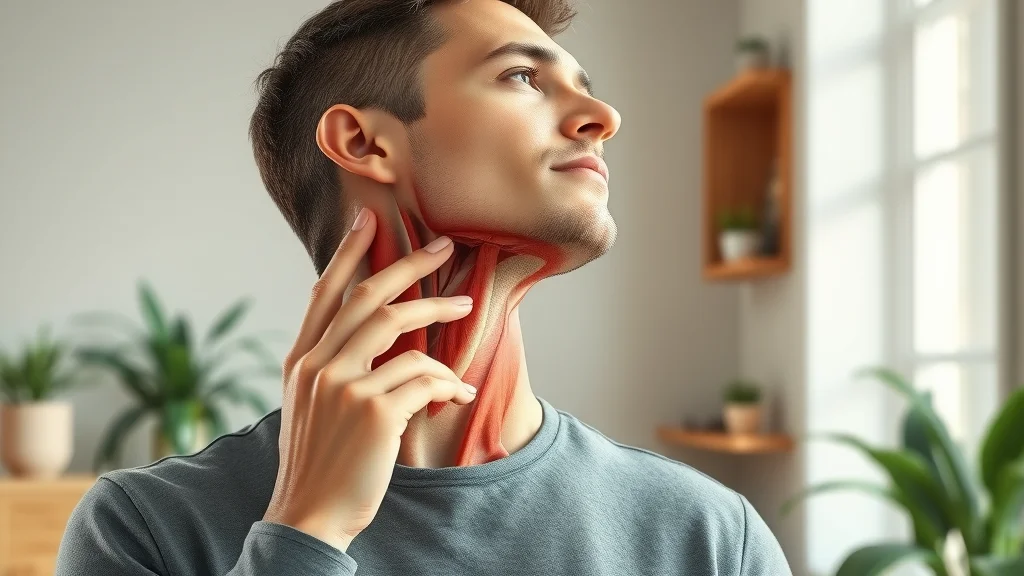
Observing Concurrent Neck and Jaw Pain in Natural Health Practices
Natural practitioners near Gig Harbor increasingly observe the trend of concurrent neck and jaw complaints. Whether clients are experiencing acute jaw pain, signs of a temporomandibular disorder (TMD), or persistent discomfort in the neck and jaw, holistic health assessments dig deeper than just the painful area. Practitioners evaluate posture, body mechanics, and even breathing patterns to map out how daily life might be straining the head and neck muscles.
Through techniques such as gentle palpation, range-of-motion tests, and listening carefully to a full health history, holistic providers develop a clear understanding of how issues in the jaw could be fueling neck pain or vice versa. They might find that clients with jaw dysfunction also report stiffness or soreness when turning their head or that headaches worsen with chewing. This approach isn’t about chasing symptoms—it’s about empowering clients with knowledge and providing whole-person solutions, so relief from neck and jaw pain is truly sustainable.
What You'll Learn About Neck Pain and Jaw Pain
- The anatomical and functional link between neck and jaw pain
- Common causes and risk factors
- Natural and holistic assessment and treatment options
- When to seek further help
- How to choose a practitioner near Gig Harbor
Understanding the Anatomy: Why Neck and Jaw Pain Are Connected
The Importance of Jaw and Neck Structures
The jaw and neck are structurally and functionally intertwined, forming a complex web of muscles, nerves, ligaments, and bones that must coordinate smoothly. The temporomandibular joints (TMJs), located just in front of the ears, connect the lower jaw (mandible) to the skull. These joints, together with the muscles around the jaw and neck, allow for movements such as chewing, speaking, and turning your head.
A problem affecting the jaw often initiates changes in posture, prompting muscles in your head and neck to overcompensate. This pattern can foster pain not only in the jaw muscles but also in the neck and shoulder region. In fact, disturbances in the alignment or function of the jaw can lead to loss of normal curvature in the cervical spine, making the neck disability more likely. Recognizing these anatomical links empowers practitioners and clients to address jaw pain and neck pain comprehensively.
Nerves and Muscles Involved in Jaw Dysfunction and Neck Disability
The trigeminal nerve is the primary nerve innervating the jaw and passing through crucial head and neck areas. When irritated by jaw dysfunction or neck inflammation, this nerve can transmit pain signals to various regions—leading to headaches, facial pain, or radiating discomfort. Muscles such as the masseter, temporalis, and pterygoids (linked to chewing) often tighten in response to neck tension, perpetuating a cycle of pain and dysfunction.
The sternocleidomastoid and trapezius, key neck muscles, not only influence neck motion but also interact dynamically with jaw mechanics. Chronic tightness in these muscles may result in jaw pain as well as neck pain, further exacerbating issues like headaches or restricted mobility. A holistic approach, often employed by practitioners near Gig Harbor, takes all these structures into account to design a treatment plan that helps break this cycle and restore healthy jaw and neck function.
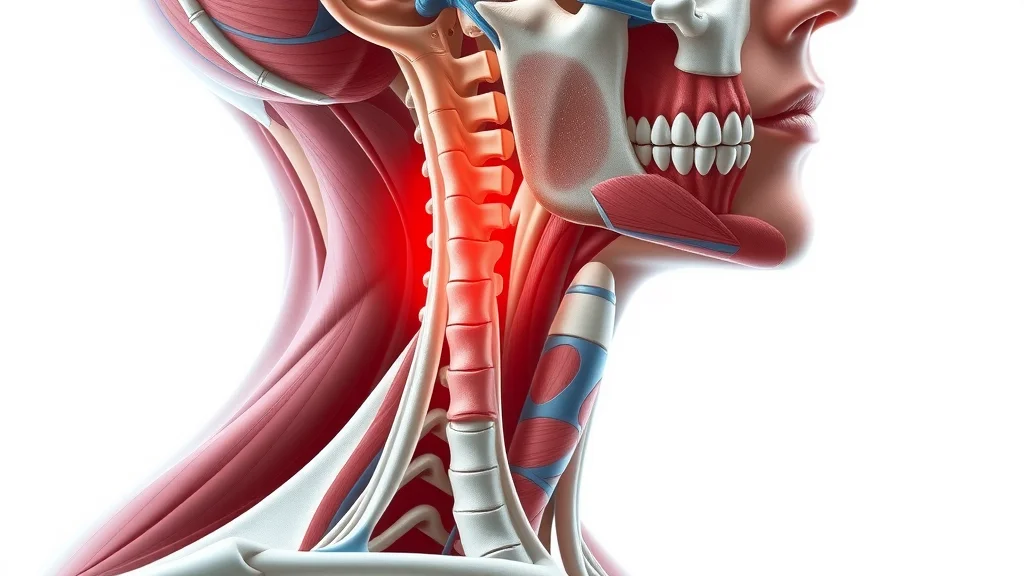
Signs and Symptoms of Neck and Jaw Pain
- Stiffness or soreness in neck or jaw
- Clicking, popping, or locking of the jaw
- Difficulty moving the neck
- Headaches related to neck or jaw tension
- Pain radiating from jaw into the neck or vice versa
Recognizing Symptoms of Temporomandibular Disorders (TMD)
Temporomandibular disorders encompass a broad group of problems affecting the TMJ, muscles of the jaw, and sometimes the neck. Common symptoms of TMD extend beyond the jaw itself and frequently include concurrent neck pain, headaches, and even soreness spreading to the shoulders. Clicks, pops, or a sense of “locking” in the jaw are hallmarks of TMD, often accompanied by stiffness or difficulty chewing and speaking.
It’s not uncommon for clients in holistic clinics to report that their jaw pain seemed to appear after a period of neck discomfort, or vice versa. This overlap isn’t accidental; TMDs may stem from bruxism (nighttime clenching), misaligned bite, whiplash, prolonged computer work, or emotional stress. Recognizing the range and overlap of these symptoms is critical for both practitioners and clients—early detection allows for holistic interventions before pain becomes chronic, leading to a dramatic improvement in day-to-day comfort and long-term well-being.

How to Identify Jaw Dysfunction and Neck Pain Together
Identifying jaw dysfunction in combination with neck pain relies on careful observation of overlapping symptoms and risk factors. Patients may experience pain while chewing or yawning, accompanied by a stiff or sore neck after prolonged computer use or poor posture. A significant indicator is if jaw movement aggravates neck discomfort, or if turning the head increases jaw pain—clear signs that these areas are functionally linked.
Natural practitioners go beyond isolated symptom-checklists by performing functional assessments. They may have clients perform gentle jaw opening and lateral neck movement to observe pain patterns, ask about any popping or weakness in the jaw, and explore stress triggers. Recognizing how dysfunction and neck disability “communicate” within the body enables individualized treatment plans, ensuring that strategies like posture correction, soft tissue release, and mindfulness training directly support sustainable relief.
Common Causes of Neck Pain and Jaw Pain
Jaw Dysfunction and Posture-Related Neck Pain
One of the leading causes of concurrent neck and jaw pain is a combination of jaw dysfunction and poor posture. When the jaw is out of alignment, the entire head and neck region compensates—which can fatigue both the jaw muscles and the supporting muscles in your upper back. Over time, this compensation causes not just jaw pain, but significant neck pain, headaches, and stiffness. For many, habitual factors such as slouching at a desk or constantly looking down at mobile devices can compound this issue, straining both the jaw and neck.
In cases of jaw dysfunction (such as TMD), clenching or grinding teeth at night may unknowingly tighten the neck and shoulder muscles, making morning discomfort a recurring reality. Holistically minded practitioners pay close attention to these patterns, looking at your posture during sleep, work, and daily activities. By addressing both jaw mechanics and neck posture through natural therapy, significant progress towards find relief from neck and jaw pain can be made.
Stress and Muscle Tension: Impact on Neck and Jaw
Chronic stress is a pervasive contributor to muscle tension in both the neck and jaw. Feelings of anxiety and emotional overload can result in jaw clenching, teeth grinding, and subconscious tightening of the neck and shoulders. This cycle not only triggers episodes of pain but may also perpetuate chronic tmd symptoms, making it hard to distinguish where the tension originates.
A holistic practitioner will often help you become more aware of your body’s stress responses, teaching supportive techniques such as mindfulness, deep breathing, and relaxation exercises. The goal isn’t simply to eliminate stress (which is unrealistic) but to empower you with skills that reduce the physical impact on jaw and neck muscles. Over time, this mindful awareness supports healthier muscle patterns—reducing strain on the jaw, improving posture, and safeguarding your quality of life.

Concurrent Neck and Jaw Issues in Holistic Health Context
Holistic practitioners in the Gig Harbor region frequently observe that clients with unexplained neck pain are actually experiencing subtle jaw dysfunction, and vice versa. Common daily activities—like extended screen time, holding a phone between ear and shoulder, or even wearing ill-fitting dental devices—can each contribute to a recurrent cycle of tension. These factors may initiate a domino effect, causing the jaw and neck to reinforce one another’s discomfort instead of healing.
Addressing this cycle requires a comprehensive evaluation of movement, stress, and underlying inflammation. Practitioners might identify previously overlooked contributors such as weak neck stabilizers, restricted TMJs, or compensatory breathing habits. By targeting both the cause and the effect, the holistic approach breaks the cycle of pain and supports long-term health and vitality in the head and neck.
How Natural and Holistic Treatments Address Neck and Jaw Pain
“Natural therapies focus on addressing the root causes of jaw dysfunction and neck disability, empowering the body’s own healing process.”
Physical Therapy for Jaw and Neck Pain Relief
Physical therapy is a foundational treatment in managing jaw and neck pain, especially when both present at once. Highly skilled physical therapists use gentle, targeted exercises to restore movement, reduce inflammation, and retrain muscles that have compensated unsuccessfully. Exercises may include gentle jaw opening and closing, neck rotations, and posture alignment drills. The focus is not just symptom relief but restoration of healthy jaw and neck mechanics so that you see meaningful improvements in comfort, function, and overall well-being.
A holistic physical therapy approach also involves educating clients on daily habits, ergonomics, and stress-reduction strategies. By empowering individuals to actively participate in their recovery, the results tend to be longer-lasting. Many clients notice a gradual drop in both jaw pain and neck pain as muscle patterns normalize and mobility increases. For those in the Gig Harbor area, seeking a physical therapist with a specialty in head and neck pain can make all the difference in crafting a successful, customized treatment plan.
Osteopathy, Chiropractic, and Other Manual Therapies for Jaw and Neck
Manual therapies—including osteopathy and chiropractic care—are essential components of a holistic solution to concurrent neck and jaw pain. Osteopaths assess the body’s natural alignment, gently manipulating joints and soft tissue to restore balance and improve flow between the jaw and neck. Chiropractic care may involve carefully adjusting the cervical spine or jaw, helping to decrease muscle tension, enhance mobility, and relieve pain.
Other manual techniques might include myofascial release, craniosacral therapy, or soft tissue mobilization. These modalities address the root cause of dysfunction, rather than masking symptoms. Practitioners near Gig Harbor frequently blend these natural approaches, creating individualized plans based on a client’s unique anatomy and functional needs. The result is a supportive, whole-body healing environment—one where neck pain and jaw pain are addressed together, not separately.

Mindfulness, Stress Reduction, and Nutritional Support
Mindfulness training and stress reduction are critical partners in natural healing for neck and jaw pain. Techniques such as guided relaxation, deep breathing, restorative yoga, and meditation help clients recognize and dissolve patterns of chronic tension. Beyond helping you respond to stress, these tools can teach your nervous system to “reset,” so muscle tension in the jaw and neck diminishes over time.
Practitioners may also offer nutritional support, focusing on anti-inflammatory foods, adequate hydration, and essential nutrients for muscle and nerve health. Avoiding excessive caffeine or processed sugars can reduce facial pain and muscle irritation, while magnesium, calcium, and omega-3 fatty acids support tissue repair. When these holistic strategies are woven together in a personalized plan, many find relief that is sustainable and leads to an improved, pain-free quality of life.
In this expert interview, a holistic practitioner clarifies the anatomical and functional ties between neck pain and jaw pain, using animated diagrams and real-life examples to deepen your understanding.
Assessment Techniques for Neck Pain and Jaw Pain
The 3 Finger Test for Jaw Pain
The 3 finger test is a reliable, at-home method to screen for limited jaw mobility. Simply stack three fingers and try to place them vertically between your upper and lower front teeth. If you cannot accomplish this without pain or restriction, it suggests your jaw opening is less than normal—a potential indicator of jaw dysfunction. Difficulty performing this task, especially if you also have neck pain, may indicate the need for holistic evaluation by a practitioner experienced in temporomandibular and cervical issues.
This test is a quick way for individuals to self-assess, but it is not a substitute for expert assessment by a holistic or physical therapist. Still, bringing these insights to your practitioner can facilitate a more targeted and effective treatment plan, especially when addressing neck and jaw pain together.
Other Common Evaluation Methods in Holistic Practice
Holistic practitioners utilize a suite of assessments to thoroughly evaluate jaw dysfunction and neck pain. They may observe jaw tracking (the way your lower jaw moves), palpate head and neck muscles for tenderness, listen for joint noises, and assess posture from head to toe. Range-of-motion testing, bite evaluation, and even breathing assessments are integrated to uncover hidden contributors to pain.
Together, these tools enable practitioners near Gig Harbor to tailor interventions for each unique presentation—whether you’re struggling with acute tension, chronic headaches, or a long-standing tmj disorder. Accurate diagnosis is the foundation for creating a plan that addresses the entire system and maximizes your chances for sustainable, pain-free living.
Signs of Temporomandibular Disorder
A holistic assessment for temporomandibular disorder looks beyond obvious jaw symptoms. Red flags include persistent jaw pain, locking, or asymmetrical jaw movement, as well as headaches, earaches, dizziness, and trouble opening the mouth fully. Neck stiffness and pain often present simultaneously, and in some cases, pain may radiate upward into the head or downward into the shoulders.
Careful observation and open communication with your practitioner regarding onset, severity, and triggers are essential. Timely identification of these symptoms leads to early intervention—critical for preventing chronic pain patterns and restoring quality of life.
Tables: Comparing Common Conditions Causing Neck and Jaw Pain
| Condition | Main Features | Symptoms | Holistic Approach |
|---|---|---|---|
| Temporomandibular Disorders (TMD) | Jaw dysfunction, joint clicking, muscle tightness | Jaw pain, neck pain, headaches, facial pain | Manual therapy, physical therapy, stress reduction |
| Poor Posture/Forward Head Syndrome | Rounded shoulders, head juts forward | Neck stiffness, jaw tension, upper back pain | Posture re-education, ergonomic corrections, stretching |
| Bruxism (Teeth Clenching/Grinding) | Nocturnal jaw clenching, worn teeth | Jaw soreness, neck discomfort, disrupted sleep | Mindfulness, mouthguards, stress management |
| Cervical Disc Issues/Nerve Compression | Disc degeneration, nerve impingement | Neck pain, radiating pain to jaw/shoulder, numbness | Manual therapy, gentle traction, targeted exercises |
When to Seek Professional Help for Neck and Jaw Pain
Red Flags for Jaw Pain That Should Not Be Ignored
While many cases of neck and jaw pain are mild and respond well to holistic care, certain symptoms require immediate professional attention. If you develop sudden, severe jaw pain without a clear cause, especially if accompanied by chest pain, difficulty breathing, vision changes, or significant facial swelling, you should seek emergency medical evaluation. These red flags may signal a more serious underlying condition—such as infection, cardiac issues, or neurological problems—and timely intervention is critical for your health.
Likewise, persistent jaw pain that interferes with eating, speaking, or daily activities deserves careful assessment. Holistic practitioners are well-equipped to identify when collaborative or referral care is necessary for your safety.
What Neck Pain Radiating to Jaw May Indicate
If you notice that your neck pain is radiating into your jaw, it may point to more than a simple muscle strain. This symptom can be a sign of temporomandibular disorder, cervical disc problems, or nerve involvement. In some rare situations, pain in the neck and jaw can mimic symptoms of cardiac or major dental issues, making it doubly important to seek professional guidance if symptoms are severe or persistent. Holistic practitioners near Gig Harbor will conduct a thorough history and examination to guide the safest and most effective next steps.
Don't ignore radiating pain—being proactive can prevent escalation and speed your recovery.
Guidance for Residents in Gig Harbor Considering Holistic Practitioners
If you live in or around Gig Harbor and are exploring natural, holistic solutions for neck and jaw pain, choosing the right practitioner is crucial. Look for professionals who specialize in head, neck, and TMJ disorders, and who take a whole-person approach to assessment and treatment. They should listen deeply, conduct comprehensive exams, and offer therapies tailored to your individual needs—from physical therapy and hands-on manual work to lifestyle advice and mindfulness coaching.
Ask about their training, experience working with concurrent neck and jaw pain, and philosophies around holistic healing. Many practitioners happily provide consultations, answering questions about how their approach could benefit your unique situation. Taking this step can open the door to sustainable relief and a healthier, more vibrant way of living.

People Also Ask: What is the 3 Finger Test for Jaw Pain?
The 3 finger test is a practical, at-home method to assess jaw mobility. By stacking three fingers and placing them vertically between your front teeth, you can evaluate if you have normal jaw opening. Difficulty performing this may suggest limited jaw function or underlying jaw dysfunction.
People Also Ask: When Should I Be Worried About Jaw Pain?
Jaw pain may require prompt attention if it is severe, occurs with other symptoms like chest pain or swelling, is persistent, or is linked to difficulty eating, chewing, or speaking. Sudden, unexplained jaw pain accompanied by fever, swelling, or neurological changes should be evaluated immediately by a professional.
People Also Ask: What Neck Pain Radiates to the Jaw?
Neck pain radiating to the jaw can be a sign of issues like temporomandibular disorder, cervical disc problems, or nerve compression. Holistic practitioners look for patterns of pain and muscle tension to determine the underlying cause and appropriate treatment.
People Also Ask: What is a Red Flag for Jaw Pain?
Red flags for jaw pain include sudden onset without clear cause, jaw pain with chest pain, difficulty breathing, vision changes, or significant swelling. Such symptoms may signal urgent medical issues and should prompt immediate professional assessment.
Watch this practical video guide for gentle self-assessment techniques you can do at home. Learn safe ways to check your jaw and neck mobility and better understand your body's unique needs before scheduling with a holistic provider.
Natural Holistic Self-Care Strategies for Neck and Jaw Pain
- Gentle stretching routines
- Mindful posture correction
- Soft tissue self-massage
- Heat and cold therapy
- Holistic stress management practices
“Holistic approaches acknowledge the mind-body connection, empowering you to take control of your own healing journey.”
Key Takeaways on Neck Pain and Jaw Pain
- Neck and jaw pain share anatomical and functional links
- Holistic assessment can reveal underlying dysfunctions
- Early intervention and proactive self-care are crucial
- Comprehensive natural treatments address body, mind, and lifestyle
- Seek a trusted holistic practitioner in Gig Harbor for tailored solutions
FAQs on Neck Pain and Jaw Pain
Q: Can neck pain cause jaw dysfunction?
A: Yes, dysfunction in the neck can lead to compensatory jaw problems and vice versa, especially when posture and muscle imbalances are present.
Q: Is physical therapy effective for neck and jaw pain?
A: Physical therapy can be highly effective when a practitioner tailors treatment to address both jaw and neck function, posture, and individual needs.
Q: What natural remedies can help neck and jaw pain?
A: Natural remedies may include relaxation techniques, gentle movement, mindful posture, and soft tissue work, ideally with guidance from a natural holistic practitioner.
Ready to Find Relief? Book Your Consultation With a Trusted Holistic Practitioner in Gig Harbor
If you’re ready to address neck pain and jaw pain at the root, don’t wait. Reach out to a reputable, experienced natural holistic practitioner near Gig Harbor today—and take the first step on your journey to lasting relief and vibrant health.
As you continue your journey toward holistic well-being, remember that addressing interconnected pain often requires a blend of targeted therapies and mindful movement. Exploring practices like Yin Yoga can be a gentle yet powerful way to release tension, improve flexibility, and support your body's natural healing processes. If you're interested in expanding your self-care toolkit and discovering how mindful movement can complement your recovery from neck and jaw pain, consider learning more about healing movement and Yin Yoga for sore hips. This approach not only nurtures your physical health but also fosters a deeper sense of balance and resilience for the long term.






Write A Comment