
Imagine getting up from your couch, only to feel a sharp jolt of nerve pain shoot down your leg, making even simple tasks feel daunting. Whether it flares in your lower back or radiates down your leg, understanding if you’re dealing with sciatica or a pinched nerve is more than just medical jargon—it’s the first step to reclaiming a pain-free, active life. In this expert guide, we unpack the key differences in sciatica vs pinched nerve, help you recognize early signs, and reveal how holistic therapies around Gig Harbor can make all the difference in your journey back to comfort and mobility.
Recognizing the Signs: Sciatica vs Pinched Nerve in Your Daily Life
Your daily habits and movements can reveal important clues about nerve health. Have you noticed discomfort when standing after sitting for a while, or tingling in your hands after typing all day? These indicators help differentiate between sciatica and a pinched nerve. Often, sciatica comes with leg pain that starts in the lower back and travels down one side, while pinched nerves might spark pain or numbness in other areas like your neck or wrist. Recognizing these nuances is the foundation for effective, personalized healing. By listening to your body’s subtle messages, you empower yourself to seek natural, lasting relief—especially vital for those interested in holistic health around Gig Harbor.
- Difficulty rising from sitting due to shooting pain down one leg (common sciatica sign)
- Numbness or tingling in your hand from extended computer use (typically a pinched nerve)
- Discomfort or stabbing pain after heavy lifting or awkward bending (can signal either condition)
- Limping or noticeable changes in the way you walk when pain flares

“Many people confuse sciatica and pinched nerves, but understanding the true cause is the first step toward natural relief.” — Holistic Health Expert
What You'll Learn in This Guide to Sciatica vs Pinched Nerve
Navigating the realm of nerve pain is easier when you know what sets sciatica apart from other pinched nerves. In this comprehensive guide, you’ll discover the essential differences, how to spot warning signs, and the safest holistic approaches available near you in Gig Harbor. Whether you’re seeking ways to manage pain from a herniated disc or optimizing your daily routine for prevention, every tip here aims to put you on a faster track to natural healing—and equip you with questions to ask your next practitioner.
- Key differences between sciatica and pinched nerves: How to tell them apart and why it matters
- How to identify symptoms of nerve pain: Simple self-checks to clarify your discomfort
- Holistic healing options near Gig Harbor: Who to trust and which therapies may help you recover naturally
- Guidance on choosing a natural health practitioner: What to look for in your journey to pain-free living
Sciatica vs Pinched Nerve: Defining the Difference
What is a Pinched Nerve?
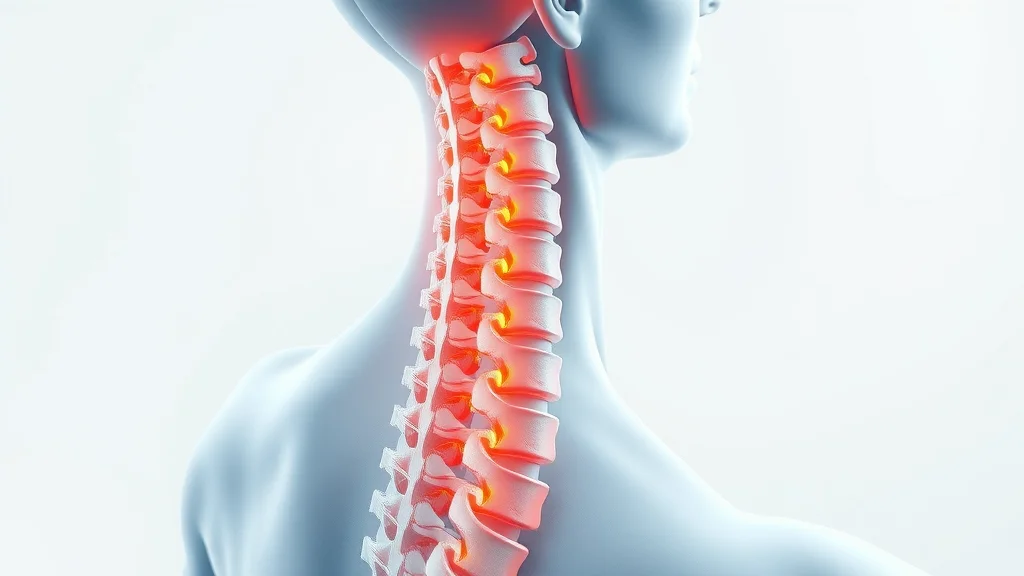
A pinched nerve occurs when surrounding tissues such as bones, cartilage, muscles, or tendons press on a nerve or its roots. This nerve compression can disrupt signals, causing pain, numbness, tingling, or weakness. Pinched nerves don’t just happen in the spine—your neck, elbows, and wrists are also vulnerable, which is why understanding their root cause is crucial for proper treatment. In many cases, simple actions like repetitive motions, holding poor posture, or even temporary swelling can trigger this discomfort, highlighting how lifestyle and ergonomics are critical to prevention.
- How nerve pain occurs: Nerve roots squeezed or irritated by surrounding tissues interrupt normal signal flow, causing discomfort or loss of function.
- Reasons a nerve becomes pinched: Herniated discs, spinal stenosis, repetitive use, poor posture, and injuries are common triggers.
- Areas commonly affected: Neck (cervical radiculopathy), lower back (lumbar radiculopathy), wrist (carpal tunnel), and hand are primary sites.
What is Sciatica?
Sciatica describes nerve pain that stems from irritation or compression of the sciatic nerve—the longest nerve in the body, running from your lower back through your hips, buttocks, and down each leg. Unlike other pinched nerves, sciatica pain typically starts in the low back or buttock, radiating through one side of the lower body. You might feel sharp pain, burning, tingling, or numbness in the path of the nerve, affecting mobility and comfort. While sciatica is a type of pinched nerve issue, its hallmark is pain that travels (radiates) from the spine down the leg, often intensified with movement or prolonged sitting.
- Overview of the sciatic nerve: Controls muscles in the back of your knee and lower leg, offering sensation to the skin of the foot and most of the lower leg.
- Understanding sciatic nerve pain: Discomfort often ranges from mild aches to excruciating, shooting sensations that disrupt daily life.
- Differences in pain patterns: Sciatica typically affects one side of the body and follows a clear pathway, unlike some pinched nerves, which cause more localized pain.
| Feature | Sciatica | Pinched Nerve (General) |
|---|---|---|
| Origin of Pain | Compression/irritation of sciatic nerve roots (lower back) | Compression at any nerve root or peripheral nerve |
| Pain Pattern | Radiating pain down buttock, leg, sometimes into the foot | Localized pain, numbness, or weakness near the site of compression |
| Common Causes | Herniated disc, spinal stenosis, piriformis syndrome | Poor posture, repetitive motion, inflammation, injury |
| Side of the Body Affected | Typically one side | May affect one or both sides, or various locations |
| Associated Symptoms | Tingling, burning, leg weakness, numbness | Tingling, numbness, pain, or weakness in fingers, arms, neck, or lower back |
Nerve Pain: Why Understanding Matters for Your Pain-Free Life
Nerve pain can impact every step, every movement, and even your sleep. Deciphering the cause—be it back pain from a herniated disc or concentrated leg pain—is vital to finding lasting solutions. Too often, nerve issues are dismissed as “just aging” or “overuse”, delaying healing and potentially leading to more complex nerve damage. Taking a mindful, holistic approach enables earlier identification and more effective, minimally invasive responses, reducing reliance on medication or surgical intervention.
For those seeking gentle, movement-based relief, incorporating practices like yin yoga can be especially beneficial for nerve pain and mobility. If you’re interested in how mindful stretching and targeted poses can ease discomfort, explore this guide on using yin yoga to transform sore hips and support holistic healing in Gig Harbor.
Recognizing Nerve Pain Symptoms
The hallmark of sciatic nerve pain is a pattern: discomfort begins in the lower back or buttock and radiates down the leg (sometimes as far as the foot). Other pinched nerves cause pain, tingling, or numbness focused in the hands, arms, neck, or back—usually at the level of compression. Signs such as pain that starts after a specific motion or worsens at a particular time of day provide useful clues. The way nerve pain interrupts your daily routine—limiting movement, sleep, or even work—underscores the urgency of finding the right therapeutic approach.
- Leg pain versus back pain: If the sensation radiates from the lower back, think sciatica; if it remains local, it may be another pinched nerve.
- Signs of sciatic nerve pain vs other pinched nerves: Sciatica follows a single clear path through the buttock and down one leg, while general pinched nerves create symptoms at the compression location.
- How nerve pain affects daily activities: From trouble sitting comfortably to difficulty walking or grasping objects, nerve issues can erode quality of life.

“Listening to your body’s signals can reveal the true source of nerve pain and lead you to the right holistic therapy.”
Root Causes: Exploring Risk Factors for Sciatica and Pinched Nerve
Both sciatica and other pinched nerves generally share similar risk factors, including those related to age, lifestyle, and injury. Conditions that place pressure or irritation on the nerve roots—such as herniated discs and spinal stenosis—often underlie these issues. Additionally, day-to-day habits such as sitting for long periods or failing to move and stretch regularly can increase your vulnerability. Understanding your personal risk factor profile can illuminate not only the root of your pain but also the path to effective, natural relief.
- Back pain and lower back problems: Chronic or sudden back pain often hints at nerve involvement, especially when paired with leg weakness or numbness.
- Herniated disc and spinal stenosis: Discs pushing against nerve roots or narrowing spinal canals can cause classic nerve compression and pain.
- Lifestyle and ergonomic factors: Jobs or routines with poor posture, little movement, or repeated strain add up over time for higher risk.
- Aging and genetic risk factors: The likelihood of developing nerve pain rises as spinal structures change with age or genetic predisposition.
-
Top lifestyle contributors to nerve pain:
- Poor posture
- Sedentary habits
- Heavy lifting
- Lack of movement
Sciatic Nerve Pain Versus Pinched Nerve Pain: Spotting the Signs
Sciatica Pain: Hallmarks and Locations
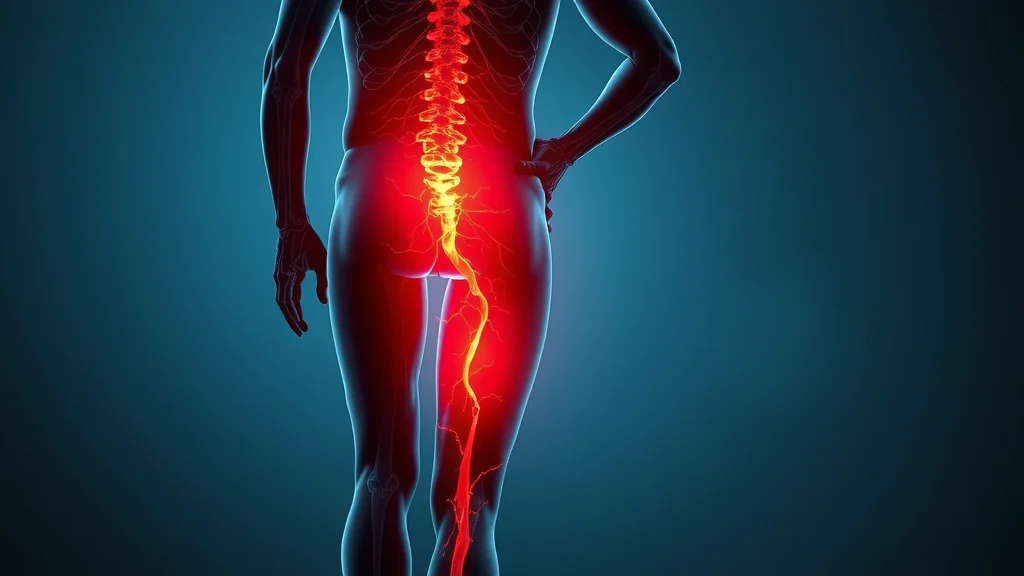
Sciatica pain usually presents as discomfort starting in the lower back or buttock and radiating pain down one leg—a signature pathway of the sciatic nerve. Many describe tingling, numbness, or even burning along this track. What makes it unique is its predictable spread: it rarely impacts both sides at once and often intensifies with certain postures or movements. This “pain that travels” sets sciatica apart from other nerve issues, and can include muscle weakness, making walking, climbing stairs, or bending over challenging.
- Pain radiates from lower back through leg, sometimes reaching the foot
- Tingling, numbness, or a “pins and needles” sensation following the same path
- Sharp, electric, or shooting pain sensations especially on one side of the body
Pinched Nerve Pain: Unique Features
Unlike sciatica, a general pinched nerve is often more localized, triggering discomfort, tingling, or numbness in a specific area near the compression. This can be your neck, causing pain radiating to the arm, or the wrist, leading to hand numbness. The pain might worsen at night or with particular movements. Recognizing these signs helps target the source accurately—which drives better, more natural solutions. Weakness at the site, loss of sensation, or sudden disability should always prompt a visit to a holistic health expert for tailored care.
- Localized pain and numbness—often focuses in the hands, arms, neck, or back
- Areas commonly affected outside the sciatic nerve: wrists (carpal tunnel), elbows, cervical spine, and lumbar back
- Can cause muscle weakness or reduced coordination depending on severity and location
Holistic and Natural Approaches to Healing: Looking Beyond Surgery
Relying solely on medication or invasive procedures isn’t the only way to manage nerve pain. Individuals in the Gig Harbor area are increasingly seeking minimally invasive holistic therapies, which support the body’s ability to heal itself. Approaches like chiropractic care, acupuncture, and therapeutic massage are time-tested practices that relieve nerve pressure and restore comfort. When tailored by trained holistic practitioners, these therapies can unlock lasting relief—without the risk and recovery time of surgery.
Minimally Invasive Natural Interventions
Holistic interventions often target the sources of nerve irritation and inflammation while supporting your whole body’s wellness. Chiropractic adjustments realign the spine, reducing nerve compression; acupuncture uses gentle needles to stimulate blood flow and healing along specific pathways; massage breaks down tension and improves circulation; and targeted physical therapy tailors movement and stretching to restore mobility. These therapies offer empowering alternatives to aggressive interventions, allowing you to participate actively in your recovery.
- Chiropractic care to realign spinal structures and relieve pressure
- Acupuncture, which eases nerve pain through traditional energy and modern science
- Therapeutic massage for tension, inflammation, and improved blood flow
- Physical therapy tailored to your unique pattern of pain and movement goals

Lifestyle Adjustments That Make a Difference
Integrating everyday changes—such as mindful movement, ergonomic support, and anti-inflammatory nutrition—magnifies the benefits of hands-on therapy. Stretching throughout your day, using posture-supportive furniture, and choosing foods rich in natural antioxidants can help minimize risk and speed recovery. What’s most empowering is that you become an active participant in your own healing, supported by guidance from experienced holistic practitioners near Gig Harbor, who help match lifestyle strategies to your unique needs.
- Movement and gentle stretching: Stay mobile with targeted stretches that ease nerve tension
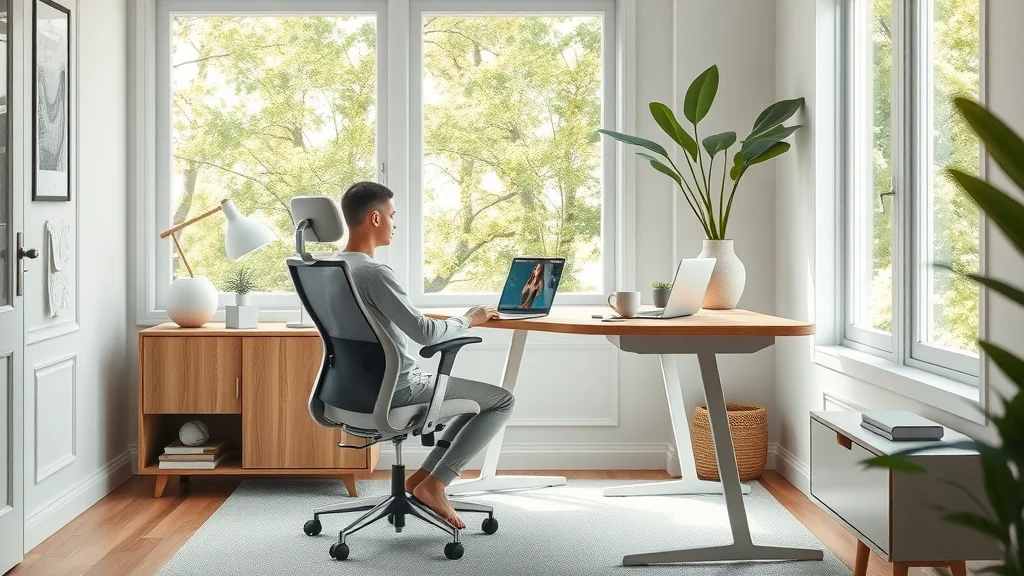
- Mindful ergonomic practices: Proper workspace setup, sitting alignment, and sleep posture reduce long-term strain
- Nutritional guidance: Foods that fight inflammation and support nerve healing, avoiding processed choices known to worsen pain
“Natural methods often empower patients to take control of their nerve pain without aggressive interventions.”
Sciatica vs Pinched Nerve: When to Seek a Holistic Health Practitioner
Persistent, worsening, or recurring nerve pain calls for professional holistic evaluation. Warning signs include unyielding pain, loss of sensation, weakness in the legs or hands, or pain disrupting work and sleep. A holistic health practitioner will assess not just your pain, but the context—your movement habits, stress, nutrition, and overall wellbeing—to develop a plan that is as unique as your body. An initial visit often involves a thorough history, physical evaluation, lifestyle review, and goal setting, helping to personalize care and ensure your path toward pain-free living is both natural and effective.
- Warning signals: Severe or sudden changes in sensation, weakness, or pain that radiates down the leg or arm
- Natural practitioners use in-depth assessment and minimally invasive healing strategies
- Expect personalized guidance, hands-on therapy, and at-home habits for best results
-
Questions to ask your holistic health practitioner:
- What is the root cause of my nerve pain?
- How do you personalize care for my unique body and lifestyle?
- Can you recommend at-home strategies for pain management?

Watch a trusted holistic health expert break down the core differences between sciatica and pinched nerve conditions with easy-to-understand visuals and nurturing, expert advice. Gain clarity on the path to natural recovery and how to choose the best therapy for your needs.
Learn and follow along as a practitioner demonstrates gentle, holistic stretches and self-care routines proven to relieve sciatica and other forms of nerve pain. These natural approaches can be part of your daily routine, no matter your starting point.
Case Study: Natural Recovery Stories from Gig Harbor Area Patients
- Personal experiences overcoming sciatica with holistic therapies: For one local, gentle hands-on care plus lifestyle changes meant the end of daily leg pain and a reclaimed zest for outdoor walks and gardening.
- Patient narratives about conquering pinched nerve issues naturally: Another shares how learning the proper stretches and receiving acupuncture eased hand numbness and restored confidence while working.

Frequently Asked Questions about Sciatica vs Pinched Nerve
How do you release a pinched sciatic nerve?
- Gentle movements, postural changes, and professional holistic therapy can provide lasting relief for a pinched sciatic nerve.
How do I tell if my sciatic nerve is pinched?
- Symptoms like radiating leg pain, numbness, and tingling suggest sciatic nerve involvement. A holistic practitioner can help identify the cause.
How do I unpinch a nerve?
- A blend of rest, guided movements, manual therapy, and mind-body practices tailored by a holistic expert can help unpinch a nerve.
Will a pinched sciatic nerve go away?
- With natural holistic care and lifestyle support, many people experience significant improvement in symptoms.
People Also Ask
How do you release a pinched sciatic nerve?
- Natural therapy, proper stretching, and gentle holistic care can help relieve a pinched sciatic nerve and improve mobility.
How do I tell if my sciatic nerve is pinched?
- Radiating leg pain, numbness, and changes in posture or movement often point to a pinched sciatic nerve. Consult a holistic expert for clarity.
How do I unpinch a nerve?
- Holistic approaches including chiropractic adjustments, acupuncture, and targeted stretching can naturally support nerve healing.
Will a pinched sciatic nerve go away?
- Many cases improve with dedicated holistic intervention and self-care routines designed for nerve health.
Key Takeaways on Sciatica vs Pinched Nerve and the Path to Holistic Healing
- Early recognition and action can prevent chronic nerve pain
- Holistic therapies are effective and minimally invasive
- Seek an expert for personalized, natural solutions in Gig Harbor
Ready to Take Control? Book Your Consultation with a Natural Holistic Practitioner Near Gig Harbor Today
Don’t let nerve pain control your life—empower yourself to heal naturally. Reach out to a trusted holistic health practitioner near Gig Harbor, and take your first step toward lasting comfort, mobility, and a vibrant, pain-free tomorrow.
If you’re inspired to deepen your journey toward holistic wellness, consider exploring additional movement therapies and mindful practices that complement nerve pain relief. Techniques like yin yoga not only target physical discomfort but also foster a sense of balance and restoration throughout your body. By integrating these gentle approaches, you can enhance your recovery and build resilience against future pain. For more advanced strategies and inspiration on embracing healing movement in Gig Harbor, discover how yin yoga can support your path to lasting comfort and vitality.







Write A Comment