
Imagine waking up to a sudden jolt—an intense shooting pain that travels from your lower back down the back of your leg. For many, this scenario is all too familiar and signals the start of a journey with sciatica symptoms. If you’ve ever wondered why your back or leg aches, tingles, or feels weak after something as simple as sitting or bending, you’re not alone. Sciatic nerve pain affects millions globally, often disrupting daily activities, mood, and overall wellbeing. This comprehensive guide is designed to decode what sciatica is, what it truly feels like, and how you can take the first steps toward all-natural, holistic relief—especially if you’re seeking expert solutions near Gig Harbor, Washington.
Understanding Sciatica Symptoms: The First Steps Toward Natural Relief
When addressing sciatica symptoms, many people want immediate, practical insights into what’s happening within their body and how to naturally achieve relief. Sciatica is not a health condition in itself, but a set of symptoms triggered by irritation or compression of the sciatic nerve, the body’s largest nerve. These symptoms often begin in the lower back, radiating through the buttocks, into the hamstring, calf, and sometimes even the feet. Sciatic nerve pain can feel like a sharp, burning, or electric shock—making everyday tasks such as walking, standing, or driving incredibly uncomfortable. Early recognition is crucial, as it paves the way for more effective holistic treatment options and lifestyle adjustments that address the root cause of nerve pain.
Prevention and rapid intervention are possible through natural strategies that focus not only on relieving your current discomfort, but also on supporting your body’s innate healing ability. By taking the time to understand your symptoms and the underlying causes, you can work with a holistic care provider to develop a personalized plan for managing your sciatica symptoms naturally, reducing your risk of further nerve damage, and restoring comfort and function to your everyday life.
For those seeking gentle, restorative movement to complement their sciatica recovery, exploring practices like yin yoga can be especially beneficial. Discover how targeted yin yoga poses may help ease tension and support healing in the hips and lower back by visiting this guide to embracing healing movement for sore hips in Gig Harbor.
Scenario: Recognizing Sciatica in Your Daily Life
Picture yourself sitting comfortably on your couch as the morning sunlight filters into your living room. Without warning, a deep ache builds in your lower back, then a radiating discomfort moves down your thigh, sometimes reaching the calf or foot. You shift, massage your back or leg, hoping the irritation will subside. This fleeting or persistent feeling is exactly how sciatica often presents—pain that starts in your lower back and travels along the limb, sometimes accompanied by numbness or tingling sensations.
These episodes can be unpredictable, triggered by activities as common as tying your shoes, sneezing, or even prolonged sitting. Sometimes, sciatica will linger as dull or throbbing pain; other times, it’s a fierce, shooting pain that stops you in your tracks. Recognizing the pattern and timing of these episodes can help you articulate your symptoms to a healthcare professional or holistic care provider, leading to quicker and more effective relief strategies.

What You'll Learn About Sciatica Symptoms and Holistic Wellness
- Detailed overview of sciatica symptoms and their impact
- How sciatic nerve pain develops and how it feels
- Natural approaches to managing sciatic nerve pain
- Risk factors that could affect your sciatic nerve and overall wellness
- Expert holistic strategies for lasting sciatica relief
Defining Sciatica Symptoms: Foundations of Sciatic Nerve Pain
What Is the Sciatic Nerve?
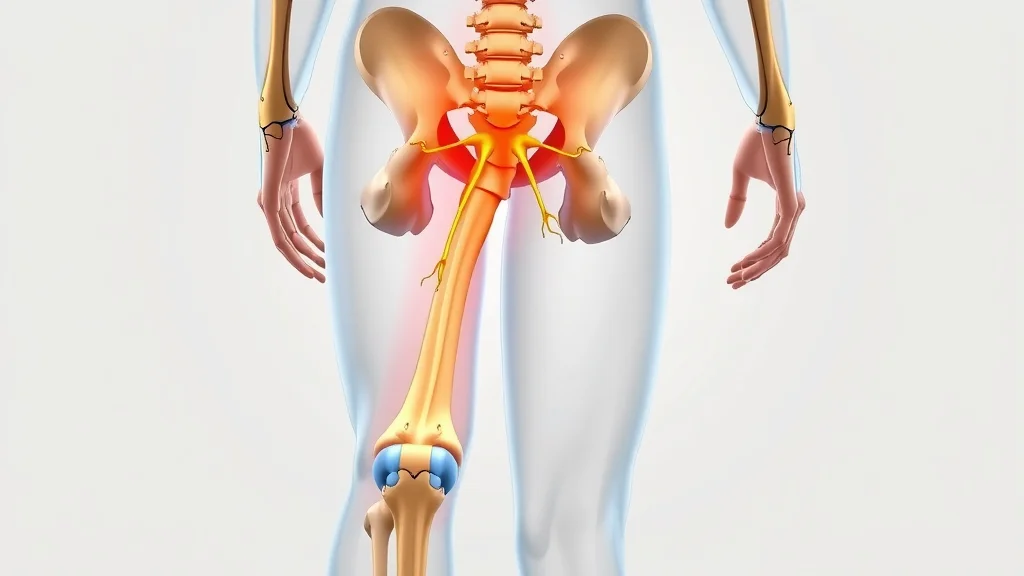
The sciatic nerve is the longest and largest nerve in the human body, originating from the lower spine (lumbar and sacral nerve roots) and running through the buttock and down each leg. This vital nerve controls movement and sensation throughout the legs and feet. Sciatica occurs when these delicate nerve roots become compressed or irritated, often by a herniated disc, bone spur, or muscle tightening in the lower back or buttocks.
Understanding the anatomy of the sciatic nerve is essential for anyone dealing with back or leg pain. The nerve itself acts as a communication superhighway that branches out from the spine, delivering messages between your brain and your lower body. Inflammation, pressure, or injury may disrupt this pathway, resulting in nerve pain, weakness, numbness, or tingling. This disruption underscores the importance of a holistic approach, which not only seeks to relieve acute discomfort but also restore optimal function and health to the nerve roots of your lower back and legs.
Classic Signs and Sciatica Symptoms You Should Know
The most recognizable symptom of sciatica is a distinct pain that radiates along the path of the sciatic nerve. You may notice back pain concentrated in the lower back, a consistent ache in the buttocks (sometimes referred to as the back or buttock pain), and especially leg pain that worsens when sitting for long periods or attempting certain movements. Many people experience numbness, tingling, or muscle weakness, particularly affecting one side at a time.
Some symptoms may occur suddenly, after a physical activity like lifting, while others develop gradually over days or weeks. Sciatica can range from mild discomfort to severe nerve pain that makes simple actions—such as walking or tying shoes—difficult. Recognizing these classic signs helps you and your care provider pinpoint the precise nerve root or disc herniation responsible, ensuring that your treatment for sciatica is as personalized and effective as possible.
Sciatic Nerve Pain: How Does It Manifest Physically and Emotionally?
Physically, sciatic nerve pain most often presents as a sharp, burning, or shooting ache beginning in the lower back and radiating downwards. You may experience weakness in your leg or foot, numbness (especially along the nerve path), and sometimes difficulty controlling movement. This isn’t just a physical experience; the emotional toll of chronic pain, disrupted sleep, or reduced mobility can cause frustration, anxiety, or feelings of isolation.
Persistent sciatica symptoms can also sap your motivation, make you hesitant to exercise, or limit your enjoyment of social activities. However, holistic approaches not only consider the physical healing of the sciatic nerve but also support mental and emotional wellbeing. Engaging with a care provider who takes a whole-person approach allows you to address both the visible symptoms and the hidden emotional stressors that come with recurring nerve pain.
People Also Ask: Answers About Sciatica Symptoms and Sciatic Nerve Pain
What does sciatica feel like?
Sciatica commonly feels like a shooting pain that radiates from the lower back, through the buttock, and down one leg. Depending on the severity and cause, it can be sharp, burning, throbbing, or even resemble an electric jolt. Many individuals also report tingling, numbness, or muscle weakness along this nerve path, particularly when sitting, bending, or after long periods of inactivity. The intensity may fluctuate throughout the day or spike during certain movements.
What not to do with sciatica?
With sciatica, avoid prolonged sitting, heavy lifting, sudden twisting movements, and bending from the waist. These actions can further compress the sciatic nerve and worsen symptoms. It’s also unwise to ignore persistent lower back or leg pain, as delaying care could lead to more serious nerve damage. Always consult a healthcare professional or holistic practitioner before starting new exercise regimens or self-treating with over-the-counter remedies, as some may be unsuitable depending on your underlying condition.
What is the best position for sciatic nerve pain?
The most comfortable position for relieving sciatic nerve pain often involves lying flat on your back with a pillow under your knees to support your lower spine’s natural curve. Alternatively, some people find relief by lying on their unaffected side with a cushion between the knees. Avoid positions that cause your back or legs to twist, as this can exacerbate nerve irritation. Always prioritize comfort and gentle movement, and consider working with a holistic provider to develop ergonomic strategies for sitting, sleeping, and standing.
How to relieve sciatica pain fast?
To relieve sciatica pain quickly, start with gentle stretching exercises, use a warm compress on the lower back, and avoid movements that intensify discomfort. Some people find temporary relief from guided yoga or mindful breathing. Natural therapies like acupuncture or chiropractic care can also address underlying nerve irritation. However, if your symptoms persist or worsen, it’s important to seek evaluation from a holistic health practitioner familiar with treatment options tailored for sciatic nerve pain.
Exploring Risk Factors: What Increases Your Risk of Sciatic Nerve Pain?
Key Lifestyle and Health Risk Factors Influencing Sciatica Symptoms
Certain risk factors make individuals more susceptible to sciatica symptoms. Sedentary lifestyles, jobs requiring long periods of sitting, heavy lifting, or repetitive motion all stress the lower back and can lead to nerve compression. Health conditions including herniated disc, spinal stenosis, obesity, diabetes, or poor core strength further increase your susceptibility to sciatic nerve pain.
Additionally, age-related degeneration of the spine, chronic stress, and poor posture can gradually weaken the nerve roots or cause disc herniation. Being mindful of these risk factors empowers you to make preventative changes—like adopting ergonomic work habits or engaging in targeted exercise routines. Holistic practitioners pay special attention to lifestyle, nutrition, and stress management, giving you tools to reduce your risk while supporting your overall health and wellness.

How Nerve Damage Relates to the Onset of Sciatica Symptoms
Nerve damage can occur when the sciatic nerve or its spinal nerve roots are compressed for prolonged periods, often due to ongoing physical strain, untreated injuries, or chronic health conditions. When nerve fibers are exposed to constant irritation, the protective coating (myelin sheath) may become damaged, leading to long-term symptoms. In severe cases, this can result in permanent numbness, muscle weakness, or loss of function in the legs and feet, impacting your quality of life.
Holistic intervention focuses on detecting the earliest signs of nerve stress—like recurring back pain, tingling, or intermittent leg pain—rather than waiting for more advanced nerve damage. By seeking natural care early, you help preserve the healthy function of your sciatic nerve and reduce the risk of lasting complications. Remember, combining nutrition, movement, and hands-on therapies can be instrumental in healing and protecting your nerve roots from ongoing harm.
Comparing Sciatic Nerve Pain and Other Nerve Pain: Understand the Difference
All nerve pain is not the same. While sciatica is defined by pain, tingling, or numbness along the path of the sciatic nerve, other types of nerve pain (neuropathies) can stem from conditions like diabetes, shingles, or carpal tunnel syndrome, each with distinct symptoms. It’s crucial to distinguish sciatica from other nerve disorders in order to pursue the right treatment options.
A professional physical exam and detailed symptom history help your care provider determine whether your pain arises from the sciatic nerve roots or elsewhere. Based on this evaluation, a holistic practitioner can help you navigate the safest, most effective strategies for nerve pain relief and overall wellbeing—ensuring no time is lost on ineffective solutions.
| Feature | Sciatica Symptoms | Other Nerve Pain |
|---|---|---|
| Pain Location | Lower back, buttock, back of leg, sometimes into foot | Varies; can be hands, arms, face, or feet (depends on affected nerve) |
| Type of Pain | Shooting, burning, electric shock, or throbbing | Numbness, tingling, burning, stabbing (may be persistent or intermittent) |
| Triggers | Sitting, bending, lifting, rapid movement | Depends on condition; e.g., repetitive motion, certain infections, metabolic changes |
| Associated Symptoms | Muscle weakness, reduced reflexes, numbness along sciatic nerve path | Muscle loss, temperature sensitivity, pain outside sciatic nerve path |
| Treatment Options | Physical therapy, yoga, chiropractic, acupuncture, holistic approaches | Medication, physical therapy, lifestyle changes, sometimes surgery |
Holistic & Natural Treatment Options for Sciatica Symptoms
Integrative and Alternative Approaches for Sciatic Nerve Pain
Holistic practitioners blend evidence-based therapies with time-tested natural modalities to provide comprehensive care for sciatica symptoms. Chiropractic adjustments aim to relieve nerve impingement in the lower back, restoring spinal alignment and reducing pressure on the sciatic nerve. Acupuncture has gained widespread recognition for its ability to reduce pain intensity and promote healing by stimulating specific energy points along the sciatic nerve path.
- Chiropractic adjustments targeting sciatic nerve impingement
- Acupuncture for sciatica symptom relief
- Targeted yoga and mindful movement practices
- Herbal and nutritional support to soothe nerve pain
Targeted yoga and mindful movement work by gently mobilizing stiff muscles, improving circulation, and fostering a mind-body connection crucial for healing. Nutrition and herbal medicine may further support nerve regeneration and decrease inflammation. By choosing an integrative approach, you address both the mechanical and systemic contributors to sciatica, setting the stage for natural, lasting improvement.

Benefits of a Personalized Holistic Health Plan for Sciatica Symptoms
No two cases of sciatica are identical, which is why personalized care is so powerful. A dedicated holistic care provider will begin with a comprehensive assessment, considering your lifestyle, history, and goals. They craft a plan integrating hands-on therapy, movement, and nutrition specifically for your unique nervous system and symptoms. This customization fosters trust, empowers you to take an active role in your healing, and increases your likelihood of long-lasting success.
"Patients empowered to take a holistic approach often see lasting improvement in sciatica symptoms and overall wellbeing." – Expert in Natural Pain Management
Being proactive about your nerve health—especially with the guidance of a natural health expert—means you’re far less likely to experience recurring pain or permanent damage. This holistic mindset is the cornerstone of pain-free, vibrant living, giving you confidence to participate fully in the activities you love.
Understanding When Surgical Treatment May Be Necessary
Recognizing Signs That Indicate Advanced Sciatic Nerve Damage
While most people recover from sciatica with conservative, holistic approaches, some cases require medical or even surgical treatment. Warning signs of advanced nerve involvement include persistent numbness, significant muscle weakness in the legs or feet, loss of bowel or bladder control, or pain that progressively worsens despite dedicated natural care. These symptoms may signal severe nerve damage or a rapidly worsening health condition that exceeds the scope of conservative care.
Immediate consultation with a care provider or referral to a specialist is critical if you experience these red flags. Your health and safety are always the priority. Fortunately, most cases of sciatica won’t reach this stage if you’re attentive to early symptoms and work closely with your holistic practitioner to monitor progress and adapt your treatment plan.
Weighing Surgical Treatment Versus Conservative Holistic Care for Sciatica Symptoms
Surgical treatment is generally reserved for severe cases where conservative measures fail or when structural issues like a large disc herniation continue to compress the sciatic nerve root. Surgery’s goal is to relieve mechanical pressure, but it carries risks and usually requires lengthy recovery. In contrast, most holistic and natural therapies focus on reducing inflammation, improving nerve function, and strengthening supportive muscles—often with fewer risks and less downtime.
In collaboration with your care provider, you can evaluate all factors, including the severity and duration of symptoms, risk of permanent damage, and your personal wellness goals. Holistic practitioners often work in concert with conventional providers to ensure seamless, safe care—empowering you with every option, and the best possible outcome for your unique situation.
When to Seek a Natural Holistic Health Practitioner for Sciatica Symptoms
Questions to Ask When Selecting a Practitioner in Gig Harbor, Washington
Choosing the right natural health partner for your sciatica symptoms can transform your recovery experience. Not all practitioners are equally equipped or experienced in the nuances of holistic management of nerve pain. Consider asking:
- Do they have experience with holistic management of sciatica symptoms?
- What natural treatment modalities do they offer for sciatic nerve pain?
- How do they customize treatment plans to meet individual needs?
- Can they help educate on preventative risk factors for sciatic nerve pain?
Ensuring that your care provider is deeply knowledgeable about the risk factors, root causes, and prevention strategies for sciatic nerve pain helps you make the most of their expertise and avoid unnecessary interventions.

FAQs on Sciatica Symptoms and Sciatic Nerve Pain
Can natural treatments cure sciatica symptoms completely?
Natural treatments—including chiropractic, acupuncture, physical therapy, movement, and nutrition—can provide significant, even lasting relief for many people experiencing sciatica symptoms. However, outcomes depend on the underlying cause, the duration of nerve involvement, and individual health factors. Working closely with a holistic provider ensures you receive customized care and equips you for the best possible recovery without relying solely on pharmaceuticals or surgery.
Are certain risk factors more prevalent in Gig Harbor, Washington?
In the Gig Harbor region and similar communities, factors such as sedentary office work, recreational boating, gardening, or physically demanding trades may increase the likelihood of low back injury and sciatica symptoms. Population aging trends and active lifestyles may also influence the rates of nerve-related pain. Local holistic practitioners are adept at tailoring prevention advice and treatment to the unique profiles and needs of the Gig Harbor community.
Which holistic therapies are best for sciatic nerve pain relief?
The most effective natural therapies for sciatic nerve pain often combine chiropractic care, acupuncture, mindful stretching (like yoga), and personalized nutrition. Additional tools may include herbal medicine, massage therapy, stress management, and ergonomic coaching. A thorough assessment by your care provider ensures the therapies selected match your symptoms and health condition for the greatest, longest-lasting benefit.
Key Takeaways: Sciatica Symptoms and Next Steps
- Recognize and document your own sciatica symptoms for better diagnosis
- Explore all-natural, holistic treatment options in your community
- Consult with a qualified practitioner for personalized guidance
- Prioritize a holistic approach for lasting sciatic nerve pain relief

Book a Consultation: Find Holistic Sciatica Symptom Relief Near Gig Harbor
Ready to take control of your sciatica symptoms? Book a consultation with a holistic health practitioner in your area today. Discover tailored natural solutions, regain your mobility and confidence, and start your journey to a pain-free, active life in Gig Harbor, Washington.
References and Further Learning on Sciatica Symptoms and Natural Healing
If you’re inspired to deepen your journey toward holistic wellness and want to explore additional ways to support your body’s healing, consider learning more about the benefits of mindful movement for hip and back health. Embracing practices like yin yoga not only targets sore hips but also fosters flexibility and relaxation, which can be transformative for those managing nerve pain. For a comprehensive look at how gentle yoga can complement your sciatica care and enhance your overall wellbeing, explore the healing power of yin yoga for sore hips in Gig Harbor. Taking this next step can empower you with new tools and insights for a more comfortable, active lifestyle.







Write A Comment