Gig Harbor Natural Holistic and Alternative Health

Heal Naturally. Live Fully.
  • Home
  • Categories
  • Top Chiropractor for Back Pain in Gig Harbor
  • Holistic Spas and Day Retreats in Gig Harbor
  • Yoga, Tai Chi, and Movement Classes Near You
  • Mind‑Body Therapy, Hypnosis, and Stress Relief
  • Holistic Stores, Herbs, and Natural Remedies
  • Discover Adventures and Treasures with Mark
  • Featured Gig Harbor Area Businesses
June 17.2025
2 Minutes Read

Understanding How to Combat Depression Beyond Sadness in Gig Harbor

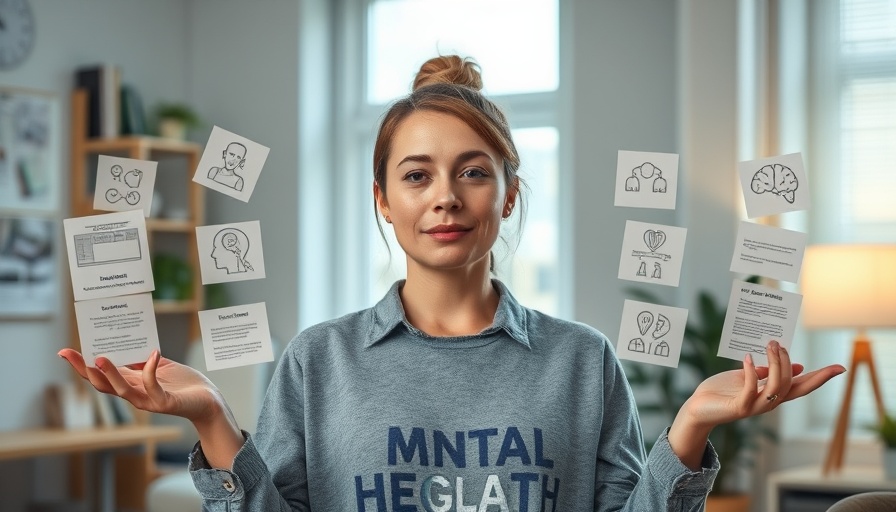
Woman explaining depression using tools, understanding depression.

Understanding the Depth of Depression

Depression is often misconceived as merely feeling sad; however, it encompasses a broader spectrum of emotional paralysis where individuals struggle to experience joy. Many who face depression find themselves stuck in a cycle of negativity, where past hurts prevent them from embracing positivity. For professionals living in Gig Harbor, understanding how this cycle manifests can help foster greater compassion for oneself and others.

In 'Depression Isn’t Just About Feeling Sad,' the discussion dives into the often-overlooked facets of depression and offers insights that sparked a deeper analysis on our end.

The Downside of Dismissiveness

Have you ever had a positive experience but downplayed it? For instance, receiving a raise only to dismiss it by pointing out inflation, or appreciating a beautiful sunset but reducing it to just pollution? This is common among those battling depression. It’s a way to protect oneself from further hurt by distancing from good feelings, but ironically, this habit fuels the very depression one aims to escape.

Building Awareness: An Essential Step

Awareness plays a crucial role in mitigating depressive tendencies. When individuals habitually ignore or dismiss positivity, they may train their brains to focus solely on negative aspects, exacerbating their mental health challenges. Recognizing this pattern is the first step in breaking the cycle. By embracing feelings—from joy to sadness—individuals can begin to regain control over their emotional landscape.

The Importance of Connection

Engaging in meaningful conversations can provide immense relief for those feeling trapped in their depressive thoughts. Sharing experiences with a trusted friend, family member, or even a mental health professional can establish pathways to healing. In Gig Harbor, counselors and therapists offer valuable support to help individuals navigate their emotional struggles.

Practical Steps Towards Healing

It’s vital to actively seek joy, even in small ways. Making the conscious choice to appreciate good moments—a kind word from a coworker or a beautiful day—can help reshape perspectives over time. Whether through mindfulness practices or by speaking with a marriage or family counselor, individuals can foster their mental well-being, creating a shield against falling back into the depths of depression.

As we consider the insights shared in Depression Isn’t Just About Feeling Sad, it’s crucial to reflect on how we can allow ourselves to experience the full spectrum of our emotions. Depression can manifest through the avoidance of positive stimuli, but tools and resources abound to help individuals develop healthier emotional reactions.

5 Views

0 Comments

Write A Comment

*
*
Please complete the captcha to submit your comment.
Related Posts All Posts
09.21.2026

What Is Sciatica and What Does It Feel Like?

Imagine waking up to a sudden jolt—an intense shooting pain that travels from your lower back down the back of your leg. For many, this scenario is all too familiar and signals the start of a journey with sciatica symptoms. If you’ve ever wondered why your back or leg aches, tingles, or feels weak after something as simple as sitting or bending, you’re not alone. Sciatic nerve pain affects millions globally, often disrupting daily activities, mood, and overall wellbeing. This comprehensive guide is designed to decode what sciatica is, what it truly feels like, and how you can take the first steps toward all-natural, holistic relief—especially if you’re seeking expert solutions near Gig Harbor, Washington. Understanding Sciatica Symptoms: The First Steps Toward Natural Relief When addressing sciatica symptoms, many people want immediate, practical insights into what’s happening within their body and how to naturally achieve relief. Sciatica is not a health condition in itself, but a set of symptoms triggered by irritation or compression of the sciatic nerve, the body’s largest nerve. These symptoms often begin in the lower back, radiating through the buttocks, into the hamstring, calf, and sometimes even the feet. Sciatic nerve pain can feel like a sharp, burning, or electric shock—making everyday tasks such as walking, standing, or driving incredibly uncomfortable. Early recognition is crucial, as it paves the way for more effective holistic treatment options and lifestyle adjustments that address the root cause of nerve pain. Prevention and rapid intervention are possible through natural strategies that focus not only on relieving your current discomfort, but also on supporting your body’s innate healing ability. By taking the time to understand your symptoms and the underlying causes, you can work with a holistic care provider to develop a personalized plan for managing your sciatica symptoms naturally, reducing your risk of further nerve damage, and restoring comfort and function to your everyday life. For those seeking gentle, restorative movement to complement their sciatica recovery, exploring practices like yin yoga can be especially beneficial. Discover how targeted yin yoga poses may help ease tension and support healing in the hips and lower back by visiting this guide to embracing healing movement for sore hips in Gig Harbor. Scenario: Recognizing Sciatica in Your Daily Life Picture yourself sitting comfortably on your couch as the morning sunlight filters into your living room. Without warning, a deep ache builds in your lower back, then a radiating discomfort moves down your thigh, sometimes reaching the calf or foot. You shift, massage your back or leg, hoping the irritation will subside. This fleeting or persistent feeling is exactly how sciatica often presents—pain that starts in your lower back and travels along the limb, sometimes accompanied by numbness or tingling sensations. These episodes can be unpredictable, triggered by activities as common as tying your shoes, sneezing, or even prolonged sitting. Sometimes, sciatica will linger as dull or throbbing pain; other times, it’s a fierce, shooting pain that stops you in your tracks. Recognizing the pattern and timing of these episodes can help you articulate your symptoms to a healthcare professional or holistic care provider, leading to quicker and more effective relief strategies. What You'll Learn About Sciatica Symptoms and Holistic Wellness Detailed overview of sciatica symptoms and their impact How sciatic nerve pain develops and how it feels Natural approaches to managing sciatic nerve pain Risk factors that could affect your sciatic nerve and overall wellness Expert holistic strategies for lasting sciatica relief Defining Sciatica Symptoms: Foundations of Sciatic Nerve Pain What Is the Sciatic Nerve? The sciatic nerve is the longest and largest nerve in the human body, originating from the lower spine (lumbar and sacral nerve roots) and running through the buttock and down each leg. This vital nerve controls movement and sensation throughout the legs and feet. Sciatica occurs when these delicate nerve roots become compressed or irritated, often by a herniated disc, bone spur, or muscle tightening in the lower back or buttocks. Understanding the anatomy of the sciatic nerve is essential for anyone dealing with back or leg pain. The nerve itself acts as a communication superhighway that branches out from the spine, delivering messages between your brain and your lower body. Inflammation, pressure, or injury may disrupt this pathway, resulting in nerve pain, weakness, numbness, or tingling. This disruption underscores the importance of a holistic approach, which not only seeks to relieve acute discomfort but also restore optimal function and health to the nerve roots of your lower back and legs. Classic Signs and Sciatica Symptoms You Should Know The most recognizable symptom of sciatica is a distinct pain that radiates along the path of the sciatic nerve. You may notice back pain concentrated in the lower back, a consistent ache in the buttocks (sometimes referred to as the back or buttock pain), and especially leg pain that worsens when sitting for long periods or attempting certain movements. Many people experience numbness, tingling, or muscle weakness, particularly affecting one side at a time. Some symptoms may occur suddenly, after a physical activity like lifting, while others develop gradually over days or weeks. Sciatica can range from mild discomfort to severe nerve pain that makes simple actions—such as walking or tying shoes—difficult. Recognizing these classic signs helps you and your care provider pinpoint the precise nerve root or disc herniation responsible, ensuring that your treatment for sciatica is as personalized and effective as possible. Sciatic Nerve Pain: How Does It Manifest Physically and Emotionally? Physically, sciatic nerve pain most often presents as a sharp, burning, or shooting ache beginning in the lower back and radiating downwards. You may experience weakness in your leg or foot, numbness (especially along the nerve path), and sometimes difficulty controlling movement. This isn’t just a physical experience; the emotional toll of chronic pain, disrupted sleep, or reduced mobility can cause frustration, anxiety, or feelings of isolation. Persistent sciatica symptoms can also sap your motivation, make you hesitant to exercise, or limit your enjoyment of social activities. However, holistic approaches not only consider the physical healing of the sciatic nerve but also support mental and emotional wellbeing. Engaging with a care provider who takes a whole-person approach allows you to address both the visible symptoms and the hidden emotional stressors that come with recurring nerve pain. People Also Ask: Answers About Sciatica Symptoms and Sciatic Nerve Pain What does sciatica feel like? Sciatica commonly feels like a shooting pain that radiates from the lower back, through the buttock, and down one leg. Depending on the severity and cause, it can be sharp, burning, throbbing, or even resemble an electric jolt. Many individuals also report tingling, numbness, or muscle weakness along this nerve path, particularly when sitting, bending, or after long periods of inactivity. The intensity may fluctuate throughout the day or spike during certain movements. What not to do with sciatica? With sciatica, avoid prolonged sitting, heavy lifting, sudden twisting movements, and bending from the waist. These actions can further compress the sciatic nerve and worsen symptoms. It’s also unwise to ignore persistent lower back or leg pain, as delaying care could lead to more serious nerve damage. Always consult a healthcare professional or holistic practitioner before starting new exercise regimens or self-treating with over-the-counter remedies, as some may be unsuitable depending on your underlying condition. What is the best position for sciatic nerve pain? The most comfortable position for relieving sciatic nerve pain often involves lying flat on your back with a pillow under your knees to support your lower spine’s natural curve. Alternatively, some people find relief by lying on their unaffected side with a cushion between the knees. Avoid positions that cause your back or legs to twist, as this can exacerbate nerve irritation. Always prioritize comfort and gentle movement, and consider working with a holistic provider to develop ergonomic strategies for sitting, sleeping, and standing. How to relieve sciatica pain fast? To relieve sciatica pain quickly, start with gentle stretching exercises, use a warm compress on the lower back, and avoid movements that intensify discomfort. Some people find temporary relief from guided yoga or mindful breathing. Natural therapies like acupuncture or chiropractic care can also address underlying nerve irritation. However, if your symptoms persist or worsen, it’s important to seek evaluation from a holistic health practitioner familiar with treatment options tailored for sciatic nerve pain. Exploring Risk Factors: What Increases Your Risk of Sciatic Nerve Pain? Key Lifestyle and Health Risk Factors Influencing Sciatica Symptoms Certain risk factors make individuals more susceptible to sciatica symptoms. Sedentary lifestyles, jobs requiring long periods of sitting, heavy lifting, or repetitive motion all stress the lower back and can lead to nerve compression. Health conditions including herniated disc, spinal stenosis, obesity, diabetes, or poor core strength further increase your susceptibility to sciatic nerve pain. Additionally, age-related degeneration of the spine, chronic stress, and poor posture can gradually weaken the nerve roots or cause disc herniation. Being mindful of these risk factors empowers you to make preventative changes—like adopting ergonomic work habits or engaging in targeted exercise routines. Holistic practitioners pay special attention to lifestyle, nutrition, and stress management, giving you tools to reduce your risk while supporting your overall health and wellness. How Nerve Damage Relates to the Onset of Sciatica Symptoms Nerve damage can occur when the sciatic nerve or its spinal nerve roots are compressed for prolonged periods, often due to ongoing physical strain, untreated injuries, or chronic health conditions. When nerve fibers are exposed to constant irritation, the protective coating (myelin sheath) may become damaged, leading to long-term symptoms. In severe cases, this can result in permanent numbness, muscle weakness, or loss of function in the legs and feet, impacting your quality of life. Holistic intervention focuses on detecting the earliest signs of nerve stress—like recurring back pain, tingling, or intermittent leg pain—rather than waiting for more advanced nerve damage. By seeking natural care early, you help preserve the healthy function of your sciatic nerve and reduce the risk of lasting complications. Remember, combining nutrition, movement, and hands-on therapies can be instrumental in healing and protecting your nerve roots from ongoing harm. Comparing Sciatic Nerve Pain and Other Nerve Pain: Understand the Difference All nerve pain is not the same. While sciatica is defined by pain, tingling, or numbness along the path of the sciatic nerve, other types of nerve pain (neuropathies) can stem from conditions like diabetes, shingles, or carpal tunnel syndrome, each with distinct symptoms. It’s crucial to distinguish sciatica from other nerve disorders in order to pursue the right treatment options. A professional physical exam and detailed symptom history help your care provider determine whether your pain arises from the sciatic nerve roots or elsewhere. Based on this evaluation, a holistic practitioner can help you navigate the safest, most effective strategies for nerve pain relief and overall wellbeing—ensuring no time is lost on ineffective solutions. Sciatica Symptoms vs. Other Nerve Pain Conditions Feature Sciatica Symptoms Other Nerve Pain Pain Location Lower back, buttock, back of leg, sometimes into foot Varies; can be hands, arms, face, or feet (depends on affected nerve) Type of Pain Shooting, burning, electric shock, or throbbing Numbness, tingling, burning, stabbing (may be persistent or intermittent) Triggers Sitting, bending, lifting, rapid movement Depends on condition; e.g., repetitive motion, certain infections, metabolic changes Associated Symptoms Muscle weakness, reduced reflexes, numbness along sciatic nerve path Muscle loss, temperature sensitivity, pain outside sciatic nerve path Treatment Options Physical therapy, yoga, chiropractic, acupuncture, holistic approaches Medication, physical therapy, lifestyle changes, sometimes surgery Holistic & Natural Treatment Options for Sciatica Symptoms Integrative and Alternative Approaches for Sciatic Nerve Pain Holistic practitioners blend evidence-based therapies with time-tested natural modalities to provide comprehensive care for sciatica symptoms. Chiropractic adjustments aim to relieve nerve impingement in the lower back, restoring spinal alignment and reducing pressure on the sciatic nerve. Acupuncture has gained widespread recognition for its ability to reduce pain intensity and promote healing by stimulating specific energy points along the sciatic nerve path. Chiropractic adjustments targeting sciatic nerve impingement Acupuncture for sciatica symptom relief Targeted yoga and mindful movement practices Herbal and nutritional support to soothe nerve pain Targeted yoga and mindful movement work by gently mobilizing stiff muscles, improving circulation, and fostering a mind-body connection crucial for healing. Nutrition and herbal medicine may further support nerve regeneration and decrease inflammation. By choosing an integrative approach, you address both the mechanical and systemic contributors to sciatica, setting the stage for natural, lasting improvement. Benefits of a Personalized Holistic Health Plan for Sciatica Symptoms No two cases of sciatica are identical, which is why personalized care is so powerful. A dedicated holistic care provider will begin with a comprehensive assessment, considering your lifestyle, history, and goals. They craft a plan integrating hands-on therapy, movement, and nutrition specifically for your unique nervous system and symptoms. This customization fosters trust, empowers you to take an active role in your healing, and increases your likelihood of long-lasting success. "Patients empowered to take a holistic approach often see lasting improvement in sciatica symptoms and overall wellbeing." – Expert in Natural Pain Management Being proactive about your nerve health—especially with the guidance of a natural health expert—means you’re far less likely to experience recurring pain or permanent damage. This holistic mindset is the cornerstone of pain-free, vibrant living, giving you confidence to participate fully in the activities you love. Understanding When Surgical Treatment May Be Necessary Recognizing Signs That Indicate Advanced Sciatic Nerve Damage While most people recover from sciatica with conservative, holistic approaches, some cases require medical or even surgical treatment. Warning signs of advanced nerve involvement include persistent numbness, significant muscle weakness in the legs or feet, loss of bowel or bladder control, or pain that progressively worsens despite dedicated natural care. These symptoms may signal severe nerve damage or a rapidly worsening health condition that exceeds the scope of conservative care. Immediate consultation with a care provider or referral to a specialist is critical if you experience these red flags. Your health and safety are always the priority. Fortunately, most cases of sciatica won’t reach this stage if you’re attentive to early symptoms and work closely with your holistic practitioner to monitor progress and adapt your treatment plan. Weighing Surgical Treatment Versus Conservative Holistic Care for Sciatica Symptoms Surgical treatment is generally reserved for severe cases where conservative measures fail or when structural issues like a large disc herniation continue to compress the sciatic nerve root. Surgery’s goal is to relieve mechanical pressure, but it carries risks and usually requires lengthy recovery. In contrast, most holistic and natural therapies focus on reducing inflammation, improving nerve function, and strengthening supportive muscles—often with fewer risks and less downtime. In collaboration with your care provider, you can evaluate all factors, including the severity and duration of symptoms, risk of permanent damage, and your personal wellness goals. Holistic practitioners often work in concert with conventional providers to ensure seamless, safe care—empowering you with every option, and the best possible outcome for your unique situation. When to Seek a Natural Holistic Health Practitioner for Sciatica Symptoms Questions to Ask When Selecting a Practitioner in Gig Harbor, Washington Choosing the right natural health partner for your sciatica symptoms can transform your recovery experience. Not all practitioners are equally equipped or experienced in the nuances of holistic management of nerve pain. Consider asking: Do they have experience with holistic management of sciatica symptoms? What natural treatment modalities do they offer for sciatic nerve pain? How do they customize treatment plans to meet individual needs? Can they help educate on preventative risk factors for sciatic nerve pain? Ensuring that your care provider is deeply knowledgeable about the risk factors, root causes, and prevention strategies for sciatic nerve pain helps you make the most of their expertise and avoid unnecessary interventions. FAQs on Sciatica Symptoms and Sciatic Nerve Pain Can natural treatments cure sciatica symptoms completely? Natural treatments—including chiropractic, acupuncture, physical therapy, movement, and nutrition—can provide significant, even lasting relief for many people experiencing sciatica symptoms. However, outcomes depend on the underlying cause, the duration of nerve involvement, and individual health factors. Working closely with a holistic provider ensures you receive customized care and equips you for the best possible recovery without relying solely on pharmaceuticals or surgery. Are certain risk factors more prevalent in Gig Harbor, Washington? In the Gig Harbor region and similar communities, factors such as sedentary office work, recreational boating, gardening, or physically demanding trades may increase the likelihood of low back injury and sciatica symptoms. Population aging trends and active lifestyles may also influence the rates of nerve-related pain. Local holistic practitioners are adept at tailoring prevention advice and treatment to the unique profiles and needs of the Gig Harbor community. Which holistic therapies are best for sciatic nerve pain relief? The most effective natural therapies for sciatic nerve pain often combine chiropractic care, acupuncture, mindful stretching (like yoga), and personalized nutrition. Additional tools may include herbal medicine, massage therapy, stress management, and ergonomic coaching. A thorough assessment by your care provider ensures the therapies selected match your symptoms and health condition for the greatest, longest-lasting benefit. Key Takeaways: Sciatica Symptoms and Next Steps Recognize and document your own sciatica symptoms for better diagnosis Explore all-natural, holistic treatment options in your community Consult with a qualified practitioner for personalized guidance Prioritize a holistic approach for lasting sciatic nerve pain relief Watch: Book a Consultation: Find Holistic Sciatica Symptom Relief Near Gig Harbor Ready to take control of your sciatica symptoms? Book a consultation with a holistic health practitioner in your area today. Discover tailored natural solutions, regain your mobility and confidence, and start your journey to a pain-free, active life in Gig Harbor, Washington. References and Further Learning on Sciatica Symptoms and Natural Healing If you’re inspired to deepen your journey toward holistic wellness and want to explore additional ways to support your body’s healing, consider learning more about the benefits of mindful movement for hip and back health. Embracing practices like yin yoga not only targets sore hips but also fosters flexibility and relaxation, which can be transformative for those managing nerve pain. For a comprehensive look at how gentle yoga can complement your sciatica care and enhance your overall wellbeing, explore the healing power of yin yoga for sore hips in Gig Harbor. Taking this next step can empower you with new tools and insights for a more comfortable, active lifestyle.

09.19.2026

How to Keep Lower Back Pain From Limiting Your Life

Imagine waking up and moving through your day—getting out of bed, enjoying family activities, or simply heading to work—without that familiar ache dragging you down. Chronic lower back pain affects thousands in the Gig Harbor area, impacting everything from confidence to mobility. Yet, with the right natural approaches and expert holistic health guidance, you can regain control. This guide empowers you to address chronic lower back pain holistically so pain doesn’t decide what your life looks like: you do. Discovering the Impact of Chronic Lower Back Pain on Everyday Living Experiencing chronic lower back pain can influence everything from getting out of bed to enjoying time with family. Imagine regaining mobility, confidence, and control over your life—all while exploring holistic, natural approaches to well-being within the Gig Harbor community. Chronic lower back pain doesn’t just slow you physically, it threatens your emotional well-being and independence. Simple chores like dressing, carrying groceries, or playing with your children can become daunting. Many people in Gig Harbor find daily routines interrupted, driving them to seek solutions that go beyond temporary fixes. Whether your pain is newly persistent or decades old, embracing holistic strategies can rejuvenate how you approach daily living, helping you restore your quality of life and shed fear of movement. Adopting a natural, whole-person perspective is about more than masking symptoms—it’s about building a lifestyle equipped to protect and restore your back health long-term. As you read on, you’ll discover insights into why chronic lower back pain lingers, what makes it unique, and how trusted local holistic practitioners can help you find relief and freedom—not just today, but for years to come. What You’ll Learn About Chronic Lower Back Pain Management Understanding chronic lower back pain and its causes Recognizing red flags and when to seek expert care Holistic and alternative strategies for managing low back pain Navigating physical therapy, spinal cord involvement, and nerve stimulation options naturally Finding the best natural holistic health practitioner near Gig Harbor Defining Chronic Lower Back Pain: What Sets It Apart? Chronic Lower Back Pain vs Acute Back Pain: Key Differences Duration and daily impact Understanding the difference between acute and chronic lower back pain is crucial for successful management. Acute pain typically flares up suddenly after an injury or strenuous activity and fades within a few days or weeks. Chronic lower back pain, on the other hand, persists for 12 weeks or longer regardless of treatment. Its ongoing nature can wear down both body and spirit, making holistic, patient-centered care vital. Symptoms of chronic low back pain Common misconceptions about lower back pain Common symptoms of chronic low back pain include a persistent dull or deep ache, stiffness, and pain aggravated by certain movements or prolonged sitting. Some mistakenly believe rest is best or that pain automatically signals serious structural issues, leading to avoidance and worsening function. In reality, staying active and integrating holistic approaches can often do more to relieve pain and restore well-being than medication alone. For those seeking gentle, restorative movement to complement their back pain management, exploring practices like yin yoga can be especially beneficial. If hip tightness or discomfort is part of your experience, you may find additional relief and flexibility by learning about how yin yoga supports healing movement for sore hips in Gig Harbor, offering another natural avenue to ease discomfort and improve mobility. Causes and Risk Factors of Chronic Lower Back Pain Mechanical Causes: Everyday Movements and Posture Much of chronic low back discomfort traces back to our habits—how we sit, lift, stand, and move. Prolonged sitting, slumping over devices, or heavy lifting with improper form can strain low back muscles and spinal ligaments. Even minor mechanical imbalances over time can set the stage for chronic pain. Correcting posture and addressing daily movement patterns are essential steps to break the cycle: a pillar of holistic back health that local practitioners emphasize for those in the Gig Harbor region. Chronic Low Back Pain From Stress, Inflammation, and Lifestyle Choices Stress and inflammation don’t just affect your mood or gut—they contribute heavily to chronic lower back pain. Ongoing stress increases muscle tension and aggravates nerve sensitivity, while processed foods and sedentary routines intensify inflammation in the body. Holistic approaches address these issues together, combining nutrition, movement, and stress management to foster healing. Practitioners near Gig Harbor often weave mindfulness, anti-inflammatory diets, and wellness coaching into comprehensive care plans for lasting relief. Structural Causes: Disc, Nerve, and Spinal Cord Involvement Structural changes, including herniated discs, spinal stenosis, or nerve compression, also contribute to chronic low back pain. These issues may trigger radiating discomfort, numbness, or decreased function. While conventional treatments sometimes focus solely on symptom suppression, a natural holistic practitioner assesses how these issues fit into your whole health picture. Solutions may include gentle movement therapies, spine-safe exercise, and careful hands-on care that restore both structure and comfort—without over-reliance on drugs or invasive interventions. Holistic Health Perspective: Mind-Body Connection and Chronic Back Pain Holistic practitioners see chronic lower back pain as more than an isolated symptom; it’s often a signal from the mind-body connection. Emotional stress, unresolved trauma, and anxiety can manifest in physical symptoms like low back pain, perpetuating a difficult cycle. Yoga, breathwork, and mindfulness meditation break this loop, calming both body and mind—evidence now backs these methods as valuable tools for pain relief. Embracing this perspective empowers Gig Harbor residents to reclaim autonomy over their health and open the door to sustainable healing. Signs, Symptoms, and Red Flags for Chronic Low Back Pain Recognizing Lower Back Pain Symptoms Symptoms of low back problems extend far beyond pain alone. Chronic lower back pain can present as persistent soreness, sharp or burning sensations, stiffness, or difficulty standing and walking for long periods. Some people notice their range of motion is limited, while others feel muscle spasms or radiating discomfort down their legs. Early recognition and clear communication of these symptoms with a holistic health care provider are critical to developing a targeted treatment plan. Red Flags for Chronic Low Back Pain: When to Seek Immediate Help Urgent indicators beyond typical low back pain While most chronic low back pain is manageable with holistic strategies, certain symptoms demand prompt medical attention. Red flag warning signs include sudden weakness or numbness in your legs, difficulty walking, loss of bladder or bowel control, unexplained weight loss, or pain after trauma (such as a fall or car accident). These symptoms may signal severe nerve or spinal cord involvement requiring immediate evaluation for your safety and well-being. If you notice any of these, seek urgent care from a qualified health care provider in your area. Physical Exam in Chronic Low Back Pain Assessment A thorough physical exam is the cornerstone of accurate diagnosis and effective chronic back pain treatment. Holistic practitioners near Gig Harbor will observe your posture, movement, reflexes, strength, and flexibility, searching for abnormalities. This hands-on approach often uncovers subtle contributors—like muscle tightness or hip restriction—that imaging alone could miss. Comprehensive evaluation sets the stage for a holistic care plan tailored to your unique needs, ensuring pain relief and restoration go hand in hand. How Do You Treat Chronic Lower Back Pain? Natural Options That Work Holistic Approaches: Mindful Movement, Yoga, and Stress Reduction Movement is medicine, especially for managing chronic lower back pain naturally. Practices like yoga, tai chi, and Pilates not only build core strength but also reduce tension from stress and encourage fluid spinal motion. Breathing techniques within these disciplines calm the central nervous system, dampening the body’s pain response and inviting relaxation. Leading holistic practitioners in Gig Harbor frequently recommend gentle, mindful movement routines tailored to individual capabilities—empowering you to rediscover joy in activity, not fear of it. Physical Therapy and Gentle Bodywork for Low Back Pain Physical therapy is a cornerstone of low back pain control from a holistic perspective. Skilled therapists utilize individualized exercises, stretching, and hands-on bodywork to identify dysfunctional movement patterns and restore health to the lumbar spine. Gentle therapies like myofascial release, massage, and chiropractic adjustment relieve muscle tension and promote circulation. Working with a holistic physical therapist encourages long-term healing by addressing root causes rather than just providing temporary relief—a strategy well suited to residents of Gig Harbor seeking to live pain-free. Nutrition and Chronic Back Pain Relief The food you eat shapes inflammation, tissue repair, and overall resilience. A diet rich in whole foods—fresh vegetables, fruits, omega-3 fatty acids, and lean proteins—can help the body manage inflammation and speed the recovery process. Nutritional counseling, especially from holistic practitioners, identifies food sensitivities that may be exacerbating your pain and recommends supplements or meal plans uniquely suited to your healing needs. Together, mindful eating and strategic supplementation create a strong foundation for lasting pain relief. Exploring Nerve Stimulation and Electrical Nerve Stimulation For some people with chronic back pain and nerve involvement, natural therapies can be complemented with modern modalities like nerve stimulation and electrical nerve stimulation. These treatments use low-level electrical impulses to help block pain signals from reaching the brain, reducing reliance on opioid medications or invasive procedures. Holistic providers in Gig Harbor often integrate these therapies as part of a broader approach—pairing them with mindful movement and nutrition to optimize outcome and comfort. Role of Muscle Relaxants: Natural Alternatives and Cautions Muscle relaxants are frequently prescribed for lumbar pain, but long-term use can come with side effects like drowsiness and dependency. Instead, holistic health embraces natural alternatives, such as magnesium baths, herbal remedies, or topical essential oils that soothe muscle tension. Techniques such as massage, guided relaxation, and regular movement often achieve similar results without pharmaceutical risks. Discuss any supplements or alternatives with your care provider to ensure they are safe and suitable for your unique health circumstances. Practicing Prevention: Daily Habits to Prevent Lower Back Pain Recurrence Consistent, mindful habits are your best defense against future episodes of chronic low back pain. These include frequent posture checks, regular stretching, maintaining a healthy weight, and incorporating core-strengthening exercises into your routine. Preventive strategies also extend to stress management—simple practices like deep breathing, walking in Gig Harbor’s natural beauty, and prioritizing quality sleep. Ongoing partnership with a holistic health provider keeps prevention a central part of your pain control strategy, empowering you to reclaim the quality of life you deserve. Understanding Spinal Cord and Nerve Involvement in Chronic Back Pain What spinal cord changes mean for chronic low back pain When nerve stimulation or electrical nerve stimulation may help Differential diagnosis in holistic practice In some cases, chronic lower back pain is linked to alterations in the spinal cord or nerve pathways. These changes can amplify pain signals or diminish sensation, often requiring a combination of natural and technical approaches for best results. Advanced natural therapies—such as electrical nerve stimulation—can provide lasting relief by calming overactive nerves. Holistic practitioners in Gig Harbor always consider the entire nervous system in their assessment to ensure care addresses the true root causes, not just symptoms that mimic lower back pain. Why Is My Lower Back Hurting All the Time? Common Mistakes and Myths Misdiagnosis and Overlooked Causes in Chronic Back Pain Not all chronic back pain is what it seems. Misdiagnosis—such as labeling hip arthritis, pelvic instability, or abdominal issues as low back problems—can delay effective treatment. Holistic practitioners excel in differential diagnosis, looking beyond symptoms to identify hidden contributors. This thorough approach helps ensure your pain management plan truly addresses the source, not just the surface complaint. Lifestyle Factors Unique to Gig Harbor Residents Sitting habits, local recreational activities, and environmental effects People living in Gig Harbor may develop chronic lower back pain from lifestyle factors like long commutes, remote work routines, or active outdoor hobbies (hiking, kayaking, gardening). The Pacific Northwest climate can also encourage more indoor sitting during rainy months. Holistic providers help you adapt your daily habits and recreational routines to protect your back, suggesting ergonomic adjustments and tailored exercises that suit your unique environment and preferred activities. What Can Be Mistaken for Lower Back Pain? Looking Beyond the Obvious Differential Diagnosis: Hip, Pelvis, and Other Source Pain It’s not uncommon for pain from nearby structures—like the hips, pelvis, or digestive organs—to masquerade as low back pain. Symptoms might overlap, such as stiffness, discomfort with movement, or difficulty standing. Only a comprehensive assessment—including a careful physical exam—can accurately determine the pain’s true origin. If chronic back-focused therapies haven’t yielded results, a holistic practitioner will look deeper to catch underlying non-spinal sources. Red Flag Symptoms Requiring Further Investigation Persistent pain accompanied by severe symptoms—unexpected weight loss, fevers, cancer history, or sudden neurological changes—calls for immediate evaluation. These may indicate serious medical issues requiring specialized intervention. The best holistic practitioners always prioritize your health and safety, ensuring urgent signs are recognized and addressed swiftly within the community’s trusted care network. Physical Exam: Getting a Precise Diagnosis Proper diagnosis hinges on a focused, hands-on physical exam. Expert holistic providers assess the lower back, hips, pelvis, and even abdominal areas for clues to your pain's source. This process goes beyond imaging—identifying imbalances, flexibility concerns, or abnormal movement patterns. Accurate diagnosis opens the door to a targeted, whole-person healing strategy, maximizing your potential for pain-free living in Gig Harbor. TABLE: Chronic Lower Back Pain – Holistic Solutions Matrix Comparing holistic and natural management strategies for chronic lower back pain (mind-body, physical therapy, nutrition, practitioner care, daily habits) Solution Type Focus Area Benefits How Practitioners Support Mind-Body Practices (Yoga, Meditation) Movement & Stress Reduction Improved flexibility, calmer nervous system, less tension Create tailored routines; teach coping techniques Physical Therapy & Manual Bodywork Posture, Muscle & Joint Health Corrects imbalances, builds core strength Guided exercise, gentle adjustments, education Nutrition Inflammation Control Supports tissue repair, lowers pain-causing inflammation Personalized meal plans, supplement advice Nerve & Electrical Stimulation Nerve Pain Management Reduces nerve sensitivity, lowers pain signals Integrate gentle stimulation with other therapies Daily Habits Long-Term Prevention Protects spine, reduces flare-ups Coaching on movement, posture & stress LIST: Top Natural Therapies for Chronic Lower Back Pain in Gig Harbor Acupuncture Massage and Myofascial Release Chiropractic and Osteopathy Mindfulness Meditation Functional Movement and Yoga Nutritional Counseling Herbal Supplements and Natural Muscle Relaxants Real Voices: Quotes from Patients Choosing Holistic Health for Chronic Back Pain "After years of chronic lower back pain, switching to holistic therapies changed my outlook and level of comfort." "The natural practitioner I found near Gig Harbor understood my chronic low back pain better than anyone else ever had." FAQs: Your Questions About Chronic Lower Back Pain Answered Can chronic lower back pain be managed without surgery? Yes. Many people find significant relief from chronic lower back pain through holistic and natural methods such as physical therapy, yoga, nutrition, and mindfulness. Surgery is rarely required and is usually reserved for severe cases where conservative therapies have not succeeded. How do holistic health practitioners approach chronic back pain differently? Holistic health practitioners address the root causes of chronic back pain, emphasizing the whole person rather than just the symptoms. They integrate mind-body techniques, natural therapies, and lifestyle changes tailored to your unique needs, focusing on sustainable pain control and improved quality of life. What daily changes can help with low back pain? Adopting an anti-inflammatory diet, practicing good posture, scheduling regular gentle movement or stretching, managing stress, and getting enough sleep are all key. Holistic health providers can provide practical, individualized coaching on these habits for lasting results. Do natural therapies provide lasting relief for chronic low back pain? Natural therapies—when thoughtfully combined under professional guidance—frequently offer long-lasting relief for chronic lower back pain. They address both physical and emotional contributors, lower inflammation, and promote healing, making recurring pain less likely. Key Points to Remember About Chronic Lower Back Pain Holistic health can empower you to overcome chronic back pain and regain your lifestyle. Integrating natural therapies, mindful movement, and nutritional guidance offers effective, sustainable solutions. Early recognition of red flags ensures your health and safety. Selecting a leading natural holistic health practitioner near Gig Harbor is a vital step toward better living. Ready to Take Control Over Chronic Lower Back Pain? Live your healthiest life free from chronic back pain—schedule an expert holistic health consultation today near Gig Harbor. People Also Ask: Chronic Lower Back Pain How do you treat chronic lower back pain? Chronic lower back pain is often managed through a blend of holistic techniques such as physical therapy, yoga, mindfulness, and natural therapies, tailored to individual needs and guided by expert practitioners. What are the red flags for chronic low back pain? Red flags include sudden weakness, numbness, loss of bowel or bladder control, or pain following trauma. Immediate consultation with a health professional is essential in these cases. Why is my lower back hurting all the time? Chronic lower back pain can be caused by posture, lifestyle, ongoing stress, or undiagnosed conditions. A personalized evaluation is key to finding the root cause. What can be mistaken for lower back pain? Pain from the hips, sacroiliac joint, pelvis, or even digestive issues can mimic lower back pain. A comprehensive physical exam is necessary for accurate diagnosis. Conclusion With holistic care and proactive habits, chronic lower back pain doesn’t have to decide what’s possible for you—choose a brighter, pain-free future today. If you’re inspired to deepen your journey toward pain-free living, consider expanding your toolkit with additional holistic movement practices. Exploring the benefits of yin yoga for sore hips can further enhance your flexibility and comfort, especially if you experience tightness beyond your lower back. By integrating these gentle, restorative techniques, you’ll be better equipped to support your body’s healing process and maintain an active lifestyle in Gig Harbor. Discover how mindful movement can transform your approach to wellness by visiting this guide to yin yoga for hip relief and holistic healing.

09.18.2026

Lower Back Pain in Older Adults: Is It Just Aging?

Imagine waking up one morning in your comfortable Gig Harbor home, reaching for your slippers, and feeling a stubborn twinge in your lower back. For many older adults, this subtle pain creeps in slowly, often brushed off as “just getting older. ” But what if we told you this discomfort signals more than the march of time? Let’s explore lower back pain in older adults and reveal why a holistic, natural approach may be the smartest investment in your golden years. Understanding Lower Back Pain in Older Adults Lower back pain in older adults is a common but often misunderstood challenge. Many assume it’s an unavoidable aspect of aging, but not all pain is simply due to wear and tear. In fact, low back pain remains one of the chief complaints among older adults, shaping daily activities and diminishing quality of life. Factors such as chronic conditions, previous injuries, and even environmental factors play a larger role than most realize. Addressing the root causes ensures you don’t dismiss persistent pain that could signal something more serious. Back pain impacts not only mobility but also independence and overall well-being. What makes this issue complex is how symptoms can be subtle or vary from person to person. In some cases, the pain is constant and dull, while others experience sharp discomfort only upon movement. Recognizing the difference early is key—especially when proactive steps and holistic therapies can help restore comfort, flexibility, and peace of mind for pain in older adults. Let’s look at a common scenario to see how lower back pain often emerges. Scenario: The Subtle Onset of Lower Back Pain in Older Adults It often starts innocently: a mild ache while gardening or a quick wince during a morning stretch. For one older adult, it’s the result of lifting a grandchild; for another, it’s persistent after a brisk walk around the neighborhood. Over time, the ache can flare into a chronic problem, turning simple tasks like tying shoes or standing for long periods into sources of discomfort. The subtle progression of lower back pain in older adults often causes many to delay seeking help, assuming it will fade on its own. This common scenario highlights the need for attentive care and individualized pain management. By noticing minor pain patterns early and choosing holistic solutions—before discomfort becomes limiting—you can prevent small aches from becoming chronic, lifelong burdens. Why Lower Back Pain in Older Adults Should Not Be Ignored Ignoring back pain can be risky, as even mild symptoms may signal deeper issues such as degenerative discs, muscle imbalances, or even spinal conditions like stenosis. Left unchecked, low back pain can lead to restricted movement, heightened fall risk, and a decline in mental wellness. Moreover, chronic pain often triggers a cycle of inactivity, which worsens both pain and overall health in older adults. Most importantly, persistent pain in older adults is never just a sign of aging but a message from your body—one you should address proactively. By working with holistic health practitioners near Gig Harbor, you open doors to alternative therapies that not only relieve symptoms but target causes. Choosing not to ignore pain is the first and most vital step to regaining a pain-free, active lifestyle. What You'll Learn About Lower Back Pain in Older Adults The difference between normal aging and concerning lower back pain in older adults Major risk factors and preventive lifestyle changes for lower back pain in older adults Natural, holistic approaches to managing lower back pain in older adults How to identify when to seek help for lower back pain in older adults Common Causes of Lower Back Pain in Older Adults Lower back pain in older adults emerges from diverse interrelated causes. While aging introduces natural changes in the spine and joints, factors such as degenerative disc disease, muscle weakness, and poor posture play pivotal roles. On top of that, chronic conditions and sedentary habits often amplify back pain, making it a leading complaint for older adults in the United States. Addressing these common causes can be the first step toward sustainable pain relief and improved quality of life. By learning about the underlying causes, older adults can understand whether their pain is normal or if it demands further assessment. Here, we explore the most prevalent sources of low back pain in older adults, empowering you with the knowledge to prevent, recognize, and manage discomfort before it becomes debilitating. For those seeking gentle, targeted movement to complement their back care routine, exploring practices like Yin Yoga can be especially beneficial. In fact, incorporating Yin Yoga for sore hips may help improve flexibility and relieve tension, supporting holistic pain management for older adults. Degenerative Discs and Spinal Changes in Older Adults As we age, the spinal discs—soft, shock-absorbing cushions between vertebrae—can begin to thin and dry out. This degeneration reduces flexibility and increases the risk of herniation or pinched nerves. For many, this leads to dull aches or sharp pains radiating through the lower back and hips. These degenerative disc changes are a natural part of the aging process, but when combined with other risk factors (like poor posture or previous injuries), discomfort often intensifies. In addition, arthritic changes in the facet joint and narrowing of spaces within the spine can pinch nerves, resulting in chronic low back pain, numbness, or tingling. Recognizing these changes early allows older adults to take action with posture correction, strengthening exercises, and holistic pain management approaches, rather than relying solely on medication. Muscle Weakness and Poor Posture: A Key Factor in Lower Back Pain in Older Adults Muscle weakness is a silent contributor to back pain in older adults. Years of sitting, lack of regular exercise, or simply moving less as we age leads to weakened core and back muscles. This reduced strength puts more strain on spinal joints and discs, making it harder for the body to withstand daily stresses. Pair that with poor posture—such as slouching while reading or hunching over mobile devices—and back pain can quickly become chronic. Improving muscle strength through targeted exercises and correcting posture reduces pressure on the lower back, restoring balance and promoting better healing. Engaging with a qualified holistic health practitioner in the Gig Harbor area can help you design a routine that gradually rebuilds these critical muscle groups, improving stability and reducing discomfort for lasting relief. Chronic Back Pain and Its Implications for Older Adults For some, chronic back pain becomes a constant companion—lasting months or even years. Chronic low back pain impacts mobility, sleep quality, and social life, contributing to feelings of frustration or isolation among older adults. Factors such as persistent inflammation, untreated injuries, or cumulative strain frequently worsen this type of pain. Ignoring chronic pain can lead to further deconditioning, as a reluctance to move causes muscles to atrophy and joints to stiffen. Proactive pain management is essential. Employing a combination of gentle physical activity, holistic approaches, and ongoing professional assessment ensures discomfort doesn’t dictate your days. Addressing chronic pain with a tailored strategy improves not only your back’s health but also your mental and emotional well-being—paving the way for an active, fulfilling life. Spinal Stenosis: Understanding Its Role in Lower Back Pain for Older Adults Spinal stenosis is a condition in which the spaces within your spine narrow, pressing on the spinal cord and nerves. For older adults, spinal stenosis often results from age-related changes such as thickened ligaments, bone overgrowth, or herniated discs. The result: lower back pain that may radiate down the legs, causing weakness, numbness, or difficulty walking. Because symptoms can be subtle at first, many people chalk it up to aging, which may delay getting the specialized care they need. Holistic practitioners often suggest targeted exercises and gentle movement, which can alleviate compression and build resilience. Early diagnosis and appropriate management of spinal stenosis can significantly slow progression and reduce discomfort, offering a quality of life boost for older adults experiencing pain in the elderly population. Obesity, Inactivity, and Additional Risk Factors for Lower Back Pain in Older Adults Lifestyle factors like obesity and inactivity are major contributors to lower back pain in older adults. Carrying extra weight puts additional pressure on the spine and joints, accelerating wear and tear. Moreover, prolonged sitting or a sedentary lifestyle reduces muscle strength and flexibility—key defenses against developing back pain. Other risk factors include smoking, poor nutrition, past surgeries, and exposure to physical or environmental stressors. By adopting healthier habits—regular movement, anti-inflammatory nutrition, and mindful stress reduction—older adults can dramatically reduce their risk factors for developing or worsening lower back pain. Every positive change counts, fostering resilience against discomfort and promoting a pain-free lifestyle well into your later years. Risk Factors for Lower Back Pain in Older Adults Recognizing risk factors is the bedrock of prevention. Lower back pain in older adults stems from a web of influences: long-standing health conditions, environmental factors, past injuries, and the body’s natural wear and tear. By acting on controllable risks, you stack the odds in favor of comfort and mobility. For those seeking a holistic approach to pain in the elderly, risk awareness empowers smarter decisions about health and wellness. Let’s identify the core risk factors that most impact lower back pain and outline steps you can take—right here in Gig Harbor or wherever you call home—to reduce your risk and enjoy a longer, more active life. Primary Risk Factors Impacting Lower Back Pain in Older Adults Chronic conditions (e.g., osteoporosis, arthritis, diabetes) Cumulative wear and tear on the spine Past injuries and surgeries Environmental and ergonomic considerations for older adults Chronic health conditions such as arthritis and osteoporosis directly affect the structure and durability of the spine, often making low back pain worse. Years of physical activity, injuries, or heavy lifting accumulate as micro-injuries and structural changes—a classic example of cumulative wear and tear. Similarly, prior surgeries or spinal interventions raise your risk for future pain or complications. Environmental and ergonomic risk factors, such as inadequate seating, improper lifting habits, or slippery floors, amplify the likelihood of casual injuries that escalate into chronic back pain. By understanding and modifying these risks, older adults can maintain independence and reduce the burden of pain in older adults for years to come. Why Some Older Adults Experience More Severe Lower Back Pain Not all older adults have the same back pain experience. Some transition through their golden years with little discomfort, while others are plagued by continuous pain. The severity often hinges on genetics, personal health history, and daily habits. Those with a history of heavy physical work, chronic disease, or repeated injuries may notice more profound limitations or persistent pain. Additionally, some older adults are more vulnerable due to nutritional deficiencies, regular use of certain medications, or a lack of proactive care. Regular check-ins with a holistic health practitioner, attention to mental well-being, and consistent movement can help minimize the impact of severe pain and promote lasting health improvements. Holistic and Natural Approaches to Managing Lower Back Pain in Older Adults Holistic and natural approaches to lower back pain in older adults focus on treating the whole person, not just the symptoms. Unlike quick fixes or medication-heavy regimens, holistic methods combine physical movement, nutrition, mind-body practices, and gentle therapies to restore balance. Many find these options relieve discomfort and boost overall well-being, making them a top choice for pain management in older adults. Working with a practitioner who specializes in holistic health ensures that your pain management plan is safe, gentle, and tailored to your body’s unique needs—offering an effective alternative or complement to traditional medicine. Let’s dive into popular holistic strategies redefining pain relief for Gig Harbor’s active older community. Physical Activity and Exercise: Building Resilience in Older Adults with Lower Back Pain Physical activity is foundational for managing and preventing low back pain. Regular, gentle movement helps strengthen the muscles supporting your spine, reduces inflammation, and keeps joints flexible. Whether it’s walking, swimming, yoga, or simple stretching, every bit of movement helps you break the pain-inactivity cycle. For best results, work with a practitioner who can customize exercises to your abilities and limitations, ensuring they enhance mobility without causing strain. Many older adults benefit from physical therapy designed specifically for back pain, which often includes core strengthening, posture re-education, and safe stretching. By integrating physical activity into daily routines, you support healthy weight, promote circulation, and give your back the support it needs to heal and thrive—no matter your age. Importance of customized physical therapy for older adults Gentle stretching, walking, and core strengthening Mind-Body Techniques for Lower Back Pain in Older Adults Reducing back pain is not just physical—it’s also psychological. Mind-body techniques such as yoga, Tai Chi, and mindful movement encourage relaxation and strengthen the connection between body and mind. These techniques are shown to ease tension, improve mobility, and reduce the emotional impact of chronic pain in older adults. Adding meditation, mindfulness, or breathwork to your routine brings a sense of calm that makes pain easier to manage. Simple breathing exercises, when practiced regularly, activate the body’s natural relaxation response, easing muscle tension and promoting healing. By adopting these mind-body strategies, Gig Harbor residents can bring balance and comfort into daily routines without relying only on medications or invasive treatments. Yoga, Tai Chi, and mindful movement Breathing exercises to promote relaxation and healing Holistic Pain Management Strategies for Lower Back Pain in Older Adults Holistic pain management uses natural remedies and complementary therapies to address the root cause of discomfort. Many older adults find relief with anti-inflammatory foods, herbal supplements like turmeric or ginger, and essential oils such as lavender or peppermint. Used under professional guidance, these options help manage pain without harsh side effects. Complementary therapies such as chiropractic care and acupuncture offer additional relief, especially for those seeking alternatives to medicine or surgery. When combined with nutrition and movement, these holistic approaches can enhance overall effectiveness, improve quality of life, and empower older adults to reclaim their independence and comfort naturally. Herbal remedies, essential oils, and anti-inflammatory foods Chiropractic care and acupuncture as complementary therapies Creating a Pain Management Plan with Your Practitioner A personalized approach is critical for older adults with lower back pain. Holistic health practitioners in the Gig Harbor area can help you design a plan tailored to your medical history, pain patterns, and wellness goals. This plan might include supervised physical therapy, nutritional adjustments, herbal support, or mind-body training to ensure well-rounded care. Regular communication with your practitioner helps you refine your strategy as your needs evolve. Sharing changes in pain, mood, or activity levels will allow your provider to adjust recommendations and prevent setbacks, fostering a lasting sense of support and optimal pain management. Physical Examination and Assessment for Lower Back Pain in Older Adults A comprehensive physical examination is the starting point for every successful pain management plan. When you consult a holistic provider, you can expect a warm, thorough review of your symptoms, lifestyle, and health history. The practitioner will examine posture, range of motion, reflexes, and muscle strength, often using gentle manual techniques rather than invasive tools. Such careful, hands-on assessment helps distinguish between pain caused by natural aging and that which signals a more serious underlying condition. Your practitioner may also suggest further diagnostic steps, ensuring every aspect of your lower back health is addressed. Initial Consultations: What Older Adults Can Expect During an initial consultation for pain in older adults, holistic health practitioners take time to listen and gather a full medical, social, and lifestyle history. They’ll ask specific questions about when and how the pain started, what makes it better or worse, and how it affects your daily life. Physical observations—such as posture, gait, and flexibility—help pinpoint areas of concern. Initial visits set the tone for the care to come: you should feel heard, understood, and empowered to play an active role in your own healing. Transparent communication and trust with your provider are essential for the best outcomes, especially when aiming for natural pain relief. The Role of Physical Exam and Imaging in Lower Back Pain Physical exams may be complemented by imaging tests (like X-ray, MRI, or CT scans) if your provider suspects structural problems such as a herniated disc, spinal stenosis, or fractures. However, many cases of lower back pain in older adults can be carefully managed without advanced imaging, especially if the root causes are muscular, postural, or lifestyle-related. Working closely with your holistic practitioner ensures imaging, if needed, is used wisely and that physical examination findings inform every step of your therapeutic journey. By focusing on individualized assessment, providers ensure no concern goes overlooked—and your journey to pain-free living remains the central goal. When to Seek Help: Warning Signs for Lower Back Pain in Older Adults Symptoms requiring urgent evaluation Indicators of chronic or worsening pain in older adults Some symptoms should never be ignored. If you or a loved one experience sudden, intense pain, difficulty walking, changes in bladder or bowel function, unexplained weight loss, or fever with back pain, seek evaluation immediately. These warning signs could signal nerve involvement or other serious conditions requiring prompt medical care. Indicators that pain is becoming chronic or disabling—such as persistent discomfort interfering with sleep, ongoing reliance on pain medication, or increasing difficulty with daily tasks—also warrant a professional assessment. Early intervention with a holistic provider near Gig Harbor can keep minor pain from escalating into a life-altering issue. Communication Tips: Talking to a Holistic Health Practitioner About Lower Back Pain Open, honest communication is key to forming an effective partnership with your provider. Prepare a list of your symptoms, daily routines, and any physical limitations you face. Share what you’ve tried already—whether it’s medications, home remedies, or lifestyle changes—and discuss your goals for pain relief, independence, and quality of life. When your holistic practitioner understands the full picture, they can customize a plan respecting your preferences and unique needs, increasing your chances of successful, long-term pain management in older adults. Treatment Options for Lower Back Pain in Older Adults: Holistic and Evidence-Based Choices Modern holistic care offers a spectrum of treatment options for lower back pain in older adults. These range from individualized physical therapy to alternative therapies designed to support healing without reliance on harsh medications or surgical interventions. Blending evidence-based methods with natural, gentle approaches creates a personalized pathway to lasting relief. Let’s look at the most effective therapies combining physical movement, lifestyle adjustments, and alternative treatments to address the unique challenges faced by older adults. Physical Therapy and Rehabilitation Approaches for Lower Back Pain in Older Adults Physical therapy is a cornerstone of effective pain management for older adults. Rehabilitation strategies target mobility, flexibility, and strength with gentle but structured exercises. Your therapist will tailor sessions to your physical level, focusing on movements that address specific limitations and reduce discomfort without straining vulnerable tissues. Sessions may include assisted stretches, resistance training, posture correction, and core stabilization—all crucial for protecting your spine and enhancing daily function. Home exercise plans and ongoing support ensure your progress continues outside the clinic, helping you build resilience for the long haul. Epidural Steroid Injections and Alternative Methods For cases where natural pain relief methods aren’t quite enough, epidural steroid injections may be recommended to control inflammation and offer temporary relief of severe symptoms. However, holistic practitioners often emphasize combining injections with lifestyle modifications, physical therapy, and alternative therapies for a comprehensive approach. Acupuncture, massage, and chiropractic care together form a robust toolkit to address chronic pain without heavy long-term medication use. By layering these modalities thoughtfully, you reduce dependence on invasive procedures and encourage genuine healing in the spine and surrounding tissues. Lifestyle Modifications for Lower Back Pain Prevention in Older Adults Prevention remains the best long-term strategy for lower back pain in older adults. Adopting nutritious, anti-inflammatory diets; maintaining regular movement; and practicing stress reduction techniques all contribute to a resilient, pain-free body. Adjusting your environment for better ergonomics—supportive shoes, chairs, mattresses—helps reduce daily strain on vulnerable joints and muscles. Making minor changes today can mean a life free of chronic pain tomorrow. Holistic practitioners can guide adjustments tailored to your needs, ensuring every aspect of your environment, activity, and nutrition works in harmony to safeguard your back health and independence. The Importance of Individualized Treatment for Lower Back Pain in Older Adults No two individuals experience lower back pain the same way. That’s why a one-size-fits-all solution often falls short. Holistic practitioners prioritize individualized care, blending assessment findings with patient goals, health history, and lifestyle. This tailored approach not only considers the physical aspect of pain but also mental, nutritional, and social factors—ensuring comprehensive and lasting improvement. By focusing on your unique needs, an individualized strategy paves the way for consistent healing and empowers you to take an active role in your health journey, supported by a skilled, compassionate provider. Building a Long-Term Pain Management Strategy for Older Adults Effective pain management doesn’t stop with relief—it plans for the future. A long-term strategy might include regular check-ups, ongoing exercise, balanced nutrition, and periodic reassessment by your provider. Such a plan anticipates your evolving needs, offering you peace of mind and ongoing access to holistic tools as your life and health change. Investing in personalized, preventive care now can keep you enjoying favorite activities, making memories, and maintaining freedom for years to come. The support of a dedicated holistic practitioner turns pain management into an empowering, sustainable way of life. A short educational animated video explaining the anatomical and lifestyle causes of lower back pain in older adults, highlighting degenerative changes, muscular weakness, and risk factors with clear, senior-friendly visuals, gentle narration, and closed captions. People Also Ask: Lower Back Pain in Older Adults Is lower back pain normal as you age? What are the best natural remedies for lower back pain in older adults? How can physical activity help with lower back pain in older adults? When should older adults seek medical help for lower back pain? Answers to People Also Ask Lower back pain is common in older adults, but not all pain is simply a result of aging. While some wear and tear is inevitable, persistent or severe pain often signals an underlying condition that deserves attention and personalized care. Some of the best natural remedies for lower back pain in older adults include consistent gentle exercise, lowering inflammation through diet, applying heat and cold therapies, using herbal supplements under guidance, and incorporating techniques like acupuncture or chiropractic care. Physical activity strengthens muscles, improves mobility, supports a healthy weight, and helps manage pain cycles in older adults. Even low-impact activities like walking or yoga can make a significant difference in managing lower back pain. Older adults should seek prompt evaluation if their lower back pain is severe, sudden, persistent, or associated with other symptoms like weakness, numbness, bladder/bowel issues, or fever. Table: Comparing Treatment Options for Lower Back Pain in Older Adults Treatment Option Benefits Risks/Considerations Holistic Suitability Customized Physical Therapy Improved mobility, strength, posture and pain relief Risk of overexertion if unsupervised Highly recommended for most older adults Mind-Body Practices (Yoga, Tai Chi) Stress reduction, better flexibility, mental well-being May need instructor guidance to avoid injury Effective and gentle; excellent complement Herbal Remedies and Nutrition Reduced inflammation, overall health boost Requires practitioner guidance to avoid interactions Very holistic; supports natural healing Chiropractic/Acupuncture Pain relief, improved movement, relaxation Possible soreness; select certified providers Good adjuncts to other therapies Epidural Steroid Injections Temporary relief for severe inflammation Potential side effects, not a long-term solution Use sparingly as part of a broader plan Quote: Expert Insights on Lower Back Pain in Older Adults "While some age-related changes are unavoidable, most lower back pain in older adults can be significantly improved with holistic and proactive care. Don’t let pain rob you of your golden years. " – Board-Certified Holistic Practitioner Lists: Tips for Preventing Lower Back Pain in Older Adults Maintain an active lifestyle suited for older adults Practice daily stretches and strengthening for the lower back Incorporate ergonomics—supportive furniture and proper bending/lifting techniques Prioritize anti-inflammatory nutrition Schedule regular well checks with a holistic health practitioner Key Takeaways for Lower Back Pain in Older Adults Not all lower back pain in older adults is solely due to aging—many treatable causes exist Holistic and natural strategies are highly effective for most older adults Proactive prevention is always preferable to long-term reliance on medication An individualized approach ensures lasting results and a higher quality of life FAQs About Lower Back Pain in Older Adults Does weather really affect lower back pain in older adults? Many older adults notice their lower back pain worsens with changes in weather, especially before rain or with barometric shifts. While scientific evidence is mixed, these perceptions are common, and keeping warm, moving regularly, and adjusting routines on cold/damp days can provide comfort. Can chronic back pain be reversed in older adults? While not all cases of chronic back pain can be fully reversed, many older adults experience significant improvement with holistic strategies that combine physical therapy, nutrition, mind-body techniques, and environmental changes. Early intervention yields the best results. Are natural therapies safe for older adults with low back pain? Most natural therapies—including gentle movement, mind-body practices, and nutritional adjustments—are safe when supervised by a credentialed provider familiar with the needs of older adults. Always consult your holistic practitioner before starting new treatments. A guided video with senior-friendly, gentle stretches for lower back pain—offering step-by-step instructions and safety tips. Consider Your Next Steps for Lower Back Pain in Older Adults If you're living in the Gig Harbor area and want to experience life without the limitations of lower back pain, it's time to consult a dedicated holistic health practitioner. Book your appointment today and start enjoying healthy, pain-free years ahead. As you continue your journey toward better back health, remember that holistic movement practices can be a powerful ally in your routine. Exploring modalities like Yin Yoga not only supports your lower back but also addresses hip flexibility and overall mobility—key factors in maintaining independence as you age. If you’re interested in expanding your toolkit for pain relief and gentle movement, discover how embracing healing movement through Yin Yoga can help you ease discomfort and unlock new levels of comfort. Taking the next step with mindful, restorative practices may be the key to a more vibrant, active lifestyle in your golden years.

Community Business Network (CBN)

CBN boosts the online visibility of independent business owners, helping them grow a large audience of prospective customers by being recognized as a local influencer for their expertise.

CBN Builds local media channels making business owners the star they are as they become the most credible local authority and go-to source for their niche in their community.

CBN

  • Privacy Policy
  • Terms of Use
  • Advertise
  • Menu 5
  • Menu 6

CONTACT US

Website
https://cbn.media/

Email: Mark@CBN.media

Gig Harbor, Washington

MARK CLAYTON
EDITOR-IN-CHIEF


The statements and information on this website, including the statements and information contained in the videos on this website, have not been evaluated by the Food and Drug Administration. This website is offered as a public service for the reader’s informational and educational purposes only; it is not meant to substitute for medical care, prescribe treatment for any specific health condition, or diagnose, treat, cure, or prevent any disease or illness. This website has NOT verified, and does not warrant, the information listed. These listings do not constitute either an endorsement or recommendation of any practitioner or modality. This website is not liable for any act or omission of the listed practitioners, who are solely responsible for their own practice, and for the accuracy and completeness of their personal and professional information, credentials, and claims.

© 2026 CompanyName All Rights Reserved. Address . Contact Us . Terms of Service . Privacy Policy

Terms of Service

Privacy Policy

Core Modal Title

Sorry, no results found

You Might Find These Articles Interesting

T
Please Check Your Email
We Will Be Following Up Shortly
*
*
*