
Imagine this: You've just finished a long workday at your desk, stand up to get a cup of tea, and suddenly a sharp ache seizes your lower back. If this sounds familiar, you are not alone—millions encounter lower back pain after sitting, especially those with desk jobs or sedentary lifestyles. But why does this happen, and more importantly, how can you find lasting, natural relief right here near Gig Harbor? Let's dive into the holistic answers.
Recognizing Lower Back Pain After Sitting
Lower back pain after sitting often appears as a deep ache or discomfort in the lumbar region, sometimes radiating toward the hips or glutes. Other warning signs might include stiffness, sharp spasms, or even numbness when standing after a long period of sitting. Unlike upper or mid-back pain, lower back aches stem from muscles and structures around the lumbar spine, sensitive to posture and pressure from remaining seated. Some individuals may notice the pain intensifies when transitioning from sitting to standing, or after sitting for long periods without movement. This low back pain can impact work, daily routines, and even sleep—so it's crucial to identify it early.
- Common symptoms and warning signs of lower back pain after sitting
- How lower back pain differs from other back pain
- Why prolonged sitting leads to lower back pain in daily life
In daily life, prolonged sitting leads to changes in spinal alignment, reduces blood flow, and places excessive pressure on discs and muscles. Unlike upper back or neck pain, discomfort from sitting is closely tied to how your hips, core, and spine interact as you rest in one position. This highlights the need for holistic interventions and ergonomic awareness for those who experience back pain from sitting.

What You'll Learn About Lower Back Pain After Sitting
- The connection between sitting posture and pain
- Holistic and natural approaches to easing pain when sitting
- How to recognize when back pain after sitting might need professional care
By the end of this comprehensive guide, you’ll understand the mechanics of lower back pain, discover how small changes can support your body, and learn why seeking holistic solutions near Gig Harbor can set you on the path to a pain-free lifestyle.
Causes of Lower Back Pain After Sitting
Prolonged Sitting and Its Impact on the Lower Back
When you sit for long periods, your lower back and surrounding muscles endure constant pressure. This static position reduces circulation to the spinal discs and hip flexors, making them especially vulnerable to inflammation or even minor injury. Over time, prolonged sitting weakens the lower back muscles and core—key components for stabilizing your spine. The body’s natural curves flatten, the pelvis tilts, and strain accumulates. This gradual muscle strain and tightness can cause lingering low back pain that’s hard to ignore. Incorporating frequent breaks, stretches, and movement into your daily routine can counteract the impact of sitting for long periods.
It's also worth noting that hip tightness often goes hand-in-hand with lower back discomfort, especially for those who spend extended hours seated. Exploring gentle practices like Yin Yoga for sore hips can be a valuable addition to your routine, as these movements help release tension and improve mobility in both the hips and lower back.
Poor Sitting Posture as a Driver for Low Back Pain
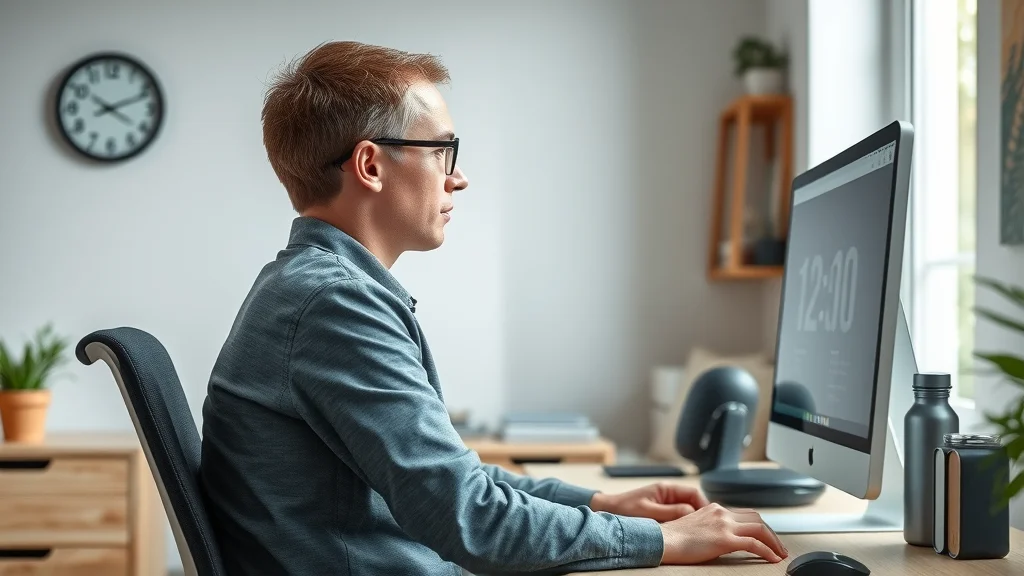
Poor posture is one of the most common reasons people experience back pain after sitting. Slouching forward, crossing your legs, or not using lumbar support all contribute to increased pressure on spinal discs and supporting structures. When your sitting posture is misaligned, it places uneven force on the low back and hip flexor muscles, generating stress points where pain can originate. Consistently using improper posture not only increases discomfort but can also lead to long-term back pain that persists even when you’re active. Correcting posture with ergonomic chairs, lower back support, and mindful seating habits is a key step in holistic pain management.
Muscle Strain and Imbalance From Sitting Position
The act of sitting for long periods makes certain back muscles and hip flexors tight while others become weak. This imbalance, or muscle strain, happens because the muscles at the front of the hips (hip flexor group) shorten, while the core and glute muscles weaken from lack of engagement. Over time, these imbalances can pull the pelvis and lower back out of healthy alignment, creating ongoing discomfort and increasing the risk of injury. Simple interventions such as core strengthening, active stretches, and alternating your position throughout the day can help restore balance and support a healthier, pain-free lower back.
Common Conditions: Herniated Disc & Spinal Stenosis
Some physical conditions, like a herniated disc or spinal stenosis, contribute directly to lower back pain after sitting. A herniated disc occurs when the cushioning disc between vertebrae bulges or breaks, pressing on nerves and causing sharp pain or even numbness, especially after sitting for a long period. Spinal stenosis, which is a narrowing of the spinal canal, also intensifies discomfort during or after sitting, often accompanied by tingling or weakness in the legs. People with these conditions should approach pain management carefully under the guidance of a physical therapist or holistic practitioner familiar with both medical and natural therapies.
Impact of Core Weakness and Flexibility on Back Pain When Sitting
A weak core and poor flexibility are significant contributors to lower back pain when sitting. The core supports your lumbar spine and pelvis; when these muscles are underdeveloped or inflexible from lack of movement, the lower back is left to carry too much weight and stress. This is especially problematic for individuals sitting in the same position for extended periods, leading to increased risk of muscle strain or even persistent pain from sitting. Activities like yoga, Pilates, or guided physical therapy focusing on flexibility and core strength can make a notable difference, helping to stretch and strengthen key muscles that provide support to your low back.

How Sitting Position Influences Back Pain
- Analyzing posture: What does healthy sitting look like?
- The mechanics of low back pain and pain from sitting
- Role of ergonomic adjustments to ease lower back pain after sitting
A healthy sitting position supports all natural curves of the spine—shoulders relaxed, both feet flat on the floor, knees at hip level, and a lumbar cushion for extra support. This ideal sitting posture distributes weight evenly and reduces excess pressure on the lower back and spinal discs. Incorrect posture, like slouching forward or sitting on the edge of a chair, amplifies tension in the low back, intensifies muscle strain, and leads to persistent pain from sitting. Ergonomic adjustments—such as using a supportive chair, adjusting monitor and desk height, and adding seat cushions—provide practical, holistic tools for prevention and relief.
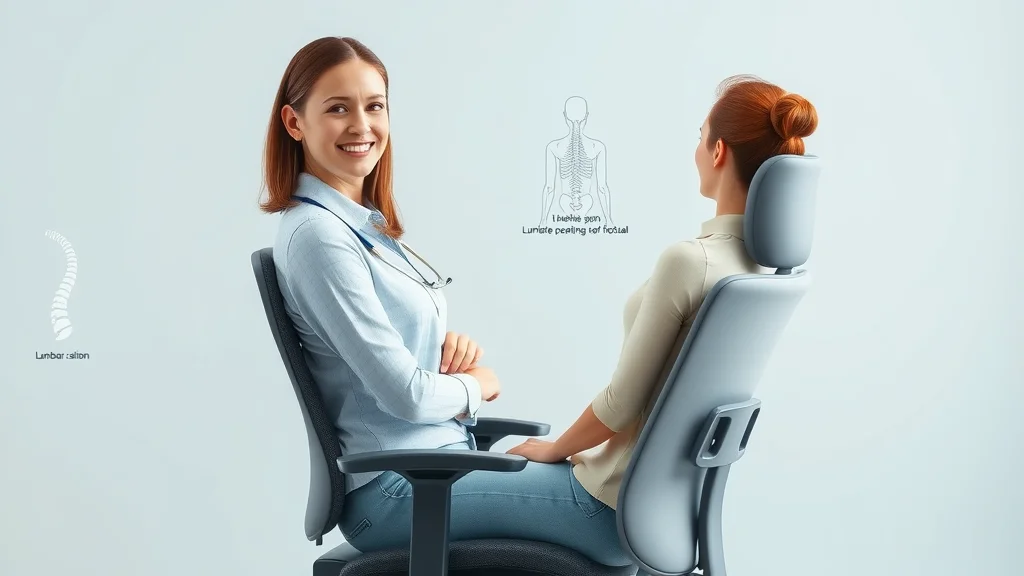
The mechanics of back pain when sitting involve compounded stress on the lumbar region—especially if muscle support is lacking or the spine is misaligned. Over days, weeks, or months, tension builds up, reducing mobility and comfort. Integrating daily posture checks and ergonomic upgrades can make every sitting hour more sustainable, supporting lifelong back health whether you work from home or in-office near Gig Harbor.
Physical Therapist Insights on Lower Back Pain After Sitting
“Many clients overlook the basics—a well-aligned pelvis, active core muscles, and frequent breaks can prevent most low back pain from sitting. Our holistic approach offers simple strategies that work for all bodies, and early assessment helps us personalize gentle routines to restore comfort and mobility.”
— Holistic Physical Therapist
- Why early assessment by physical therapists is recommended
- Holistic strategies tailored for people with chronic back pain from sitting
Early assessment from a qualified physical therapist or holistic practitioner is critical for anyone experiencing ongoing back pain after sitting. These experts are trained to recognize the root causes of pain—whether it's muscle strain, weakness, or posture issues—and tailor corrective routines to your specific needs. In holistic practice, assessments go beyond symptom management and encourage a partnership with your practitioner in Gig Harbor, focusing on restoring mobility, balance, and natural comfort for long-term wellness.

Natural and Holistic Solutions for Pain When Sitting
Active Interventions: Movement, Stretching, and Core Strengthening
Active interventions are foundational in managing and preventing lower back pain from sitting. Simple routines such as gentle stretches, dynamic movement breaks, and targeted core strengthening exercises help to relieve pressure in the lumbar muscles and correct muscle imbalances. These practices encourage blood flow, lubricate joints, and restore alignment lost during long sitting sessions. In holistic practice, clients may be taught to stretch and strengthen their back and core several times throughout the workday or at home. Whether it's regular walking, yoga, or mindful movement, integrating activity into your daily schedule offers a natural and accessible way to ease pain and strengthen your back.

Lifestyle Changes: Mindfulness, Chair Choice, and Workstation Adjustments
Maintaining good back health requires more than just movement—it’s about creating a holistic environment that supports your spine every day. Mindfulness around posture, selecting an ergonomic chair with proper lumbar support, and arranging your workstation to promote healthy mechanics can make a dramatic difference. This may include ensuring that your monitor is at eye level, your keyboard at a natural height, and your feet can comfortably rest flat. Mindful movement, regular breath work, and attentiveness to bodily cues further empower you to take charge of pain management. For those interested in natural options, switching to a standing desk part of the day or incorporating meditation can further bolster both body and mind.
Alternative Therapies Popular in the Gig Harbor Area
In the Gig Harbor area, holistic alternatives such as therapeutic massage, acupuncture, and chiropractic care are increasingly popular for managing back pain from sitting. These therapies focus on restoring overall balance, releasing muscle tension, and encouraging natural healing without medication. Many holistic clinics offer personalized care plans that combine bodywork, education, and lifestyle guidance. Exploring these options can complement at-home routines and empower you to address not just the symptoms, but also the underlying root causes of your lower back pain.
Table: Common Causes of Lower Back Pain After Sitting
| Source of Pain | Key Symptoms | Recommended Holistic Interventions |
|---|---|---|
| Poor Sitting Posture | Dull ache, muscle tension, stiffness after sitting | Ergonomic chairs, posture training, frequent movement breaks |
| Prolonged Sitting | Lower back fatigue, pain when getting up, tight hips | Routine stretching, dynamic daily movement, core strengthening |
| Muscle Strain/Imbalance | Sharp twinges, localized discomfort, reduced flexibility | Physical therapy, massage, targeted strengthening exercises |
| Herniated Disc | Shooting pain, numbness, pain radiating to legs | Medical evaluation, gentle activity, supportive therapies |
| Spinal Stenosis | Tingling, weakness, pain after standing | Comprehensive physical therapist assessment, posture correction, movement |
Why Does My Lower Back Hurt When I Get Up From Sitting?
Addressing stiffness, low back pain, and related causes after sitting
Transitioning from a sitting to standing position can trigger sharp or stiff sensations in the lower back. This happens because muscles and soft tissues become stiff or locked from lack of movement, and the sudden change in pressure as you stand can accentuate underlying issues. In many cases, this type of lower back pain after sitting reveals chronic muscle tightness or imbalances. The pain may range from a brief, catching twinge to more lasting aches or discomfort, especially if you’ve been sitting for long periods without breaks. Healthy habits, like gently stretching before standing up and practicing mindful posture changes, can help minimize these symptoms and build resilience over time.
- How lower back pain manifests with movement
How to Fix Lower Back Pain After Sitting
Gentle Exercise and Mobilization Techniques
Begin by incorporating gentle, spine-friendly exercises that ease muscle tension and activate the core. Pelvic tilts, knee-to-chest stretches, bridge exercises, and walking are all excellent for mobilizing the lumbar region and increasing flexibility. Physical therapists and holistic practitioners recommend these exercises because they’re safe and simple to do at home or at work. Aim for a series of stretches every couple of hours, especially if you notice back pain from sitting escalating during the day. Over time, these habits can enhance circulation, encourage muscle balance, and make every movement less painful.
Mind-Body Practices: Yoga, Meditation, and Breathwork
A holistic approach addresses not only the body, but also the mind. Practices like yoga, guided meditation, and breathwork foster relaxation and reduce the tension that accumulates during long periods of sitting. Gentle yoga flows or poses such as cat-cow, child's pose, and spinal twists relieve tension in lower back muscles, while mindful breathing improves focus and helps break the pain cycle. Many people in Gig Harbor have found that regular yoga or meditation classes introduce them to a community of peers interested in holistic wellness, reinforcing healthy habits for lifelong comfort.
Importance of ongoing pain management from a holistic health perspective
Ongoing, comprehensive pain management is essential for both preventing and addressing lower back pain after sitting. Holistic practitioners focus on the whole person—integrating movement, nutrition, stress reduction, and ergonomic adjustments as part of an individualized plan. By being proactive with self-care, and by seeking professional support when discomfort persists, you can maintain mobility and comfort even with a demanding, sedentary lifestyle.
Why Can I Barely Walk After Sitting?
Understanding acute versus chronic lower back pain symptoms
If you find it hard to walk immediately after sitting, you may be experiencing either acute or chronic lower back pain. Acute pain typically arises after a specific incident—such as an awkward movement or lifting injury. Chronic pain, however, develops gradually through repetitive stress or muscle imbalance from sedentary habits. Both types can cause significant discomfort when standing or moving after rest. Early diagnosis is important, as persistent pain may indicate a deeper medical condition such as a herniated disc or spinal stenosis. Holistic practitioners focus on assessing your posture, mobility, and lifestyle factors to recommend the best path forward.
Role of prolonged sitting in reducing mobility and increasing pain
Prolonged sitting makes deeper muscles rigid and weak, decreasing overall flexibility and increasing your risk of experiencing severe mobility limitations. Extended periods without movement allow hip flexors and lumbar stabilizers to tighten, making it difficult to straighten up or walk comfortably. The solution often lies in regular movement, gentle stretching, and preventive routines tailored by holistic health experts in the Gig Harbor area who understand the interplay of muscle mechanics, lifestyle, and posture.
When to consult a physical therapist or holistic practitioner
If your pain leaves you feeling stuck or unable to walk easily after sitting, it’s time to seek skilled guidance. A qualified physical therapist or holistic practitioner can provide a hands-on assessment to determine contributing factors—whether it’s muscle strain, medical conditions, or posture problems. They create personalized, non-invasive strategies so you can regain your mobility and transition toward a pain-free, active life.
Watch a step-by-step video demonstration led by an expert instructor on the best ergonomic sitting postures for preventing and relieving lower back pain. See real-time adjustments and simple tips to keep your spine healthy during long workdays.
This guided movement routine will help mobilize stiff muscles, improve core strength, and reduce pain associated with sitting. These exercises are easy to follow at home or in any workspace.
How to Fix Lower Back Pain
Step-by-step guide for managing and preventing low back pain after sitting
- Check and adjust your sitting posture with every seating change
- Use an ergonomic chair with lumbar support or add a lower back cushion
- Set a timer to remind you to stand and stretch every 30–45 minutes
- Incorporate gentle movement—like walking or dynamic stretches—between sitting sessions
- Practice core and flexibility exercises 3–4 times weekly
- Apply holistic methods, such as mindful breathwork and occasional massage, for ongoing back care
- If pain continues, consult a holistic practitioner or physical therapist for individualized care
- Top recommendations from holistic health experts
Lists: Practical Tips to Prevent Lower Back Pain After Sitting
- Correct ergonomics for sitting posture: Keep feet flat, knees at hip height, and choose supportive seating.
- Movement breaks and daily habits for back pain prevention: Stand, stretch, and walk regularly. Change your position and take short breaks from screens.
- Holistic remedies and supportive therapies in the Gig Harbor region: Explore massage therapy, yoga classes, chiropractic adjustments, and guided meditation locally.
FAQs About Lower Back Pain After Sitting
-
What are warning signs of serious lower back pain?
Severe pain unrelieved by rest, pain radiating to the legs, numbness, or weakness, especially after sitting, may indicate a more serious condition such as a herniated disc or spinal stenosis. If these symptoms occur, seek professional assessment immediately. -
How can I find a qualified holistic health practitioner for back pain?
Look for licensed practitioners specializing in physical therapy, chiropractic, or integrative therapies. Seek referrals in your local Gig Harbor area, or consider visiting clinics that offer comprehensive, holistic assessments. -
Best home remedies and natural treatments for pain when sitting:
Use heat or cold packs for temporary relief, perform gentle stretches, maintain correct sitting posture, and take regular movement breaks. Natural remedies like massage or yoga can complement your self-care plan.
Key Takeaways for Addressing Lower Back Pain After Sitting
- Emphasis on the importance of early intervention for low back pain
- Focus on holistic, natural, and practical pain management solutions
- Encouragement to seek expert support if pain persists
Your Next Step: Find Holistic Options for Lower Back Pain After Sitting
- Ready to find lasting relief? Book your comprehensive natural pain assessment today and take the first step to living pain-free!
If you’re eager to deepen your understanding of holistic movement and discover new ways to support your body, consider exploring how targeted practices like Yin Yoga can transform not just your hips, but your overall mobility and comfort. This gentle approach is especially beneficial for those dealing with both hip and lower back tension from prolonged sitting. For a closer look at how mindful movement can accelerate your healing journey, visit our guide on embracing healing movement with Yin Yoga in Gig Harbor. Taking the next step with these holistic strategies can empower you to move freely and live with greater ease every day.







Write A Comment