
Have you ever asked yourself why recurring sciatica seems to have a mind of its own—just when you think you’ve beaten it, the pain returns? If you’re tired of temporary fixes and cycle after cycle of discomfort, you’re not alone. Sciatica pain can be relentless, impacting your lower back, leg, and every part of your daily life. But what if the real solution isn't more pills or repeated standard treatments? What if understanding the unique causes of recurring sciatica could finally set you on a path to lasting relief? Let's unlock the answers together and empower you with the knowledge—and inspiration—to take charge of your healing journey today.
Unlocking the Mystery: Why Recurring Sciatica Is So Common
Opening Inquiry: Have You Ever Wondered Why Recurring Sciatica Seems Unstoppable?
If you’ve struggled with recurring sciatica, you know the frustration of pain that keeps coming back, sometimes without warning. Many people believe a few stretches or medications are enough, only to be surprised by leg pain or lower back twinges weeks—or even days—later. Unlike simple back pain, sciatica involves the intricate sciatic nerve. This nerve is the longest in your body, extending from the lower spine down through your hip, buttock, and leg. When it’s compressed, inflamed, or irritated, symptoms often recur, especially if the underlying triggers remain unresolved. Standard medical approaches often miss the root issue, focusing solely on symptom relief, instead of nerve or spinal wellness. This investigative guide will show why sciatica is different from other pain issues, highlight the factors that increase your risk for recurrence, and introduce holistic solutions targeted at true recovery—right here in Gig Harbor.
Recurring sciatica is common because the triggers are stealthy and often misunderstood. Daily posture habits, inactivity, repetitive stress, or underlying health imbalances create the perfect environment for flare-ups. Even if you don’t notice pain daily, certain movements or stresses can “wake up” the nerve, making leg pain or radiating discomfort return. Many cases occur because preventative care gets neglected once pain subsides, but real healing happens when we support the whole nervous system and learn what makes sciatica pain return. By looking beyond quick symptom relief and embracing natural care, you can finally break the cycle and look forward to a pain-free future.

What You'll Learn About Recurring Sciatica and Natural Relief
- Understand what causes recurring sciatica and why it keeps coming back
- Explore how the sciatic nerve contributes to sciatica pain
- Identify factors that increase the risk of recurrent sciatica
- Discover holistic and natural methods for lasting relief
- Find expert advice for choosing the best practitioner in Gig Harbor
Understanding Recurring Sciatica: Not Just Regular Back Pain
Comparing Recurring Sciatica, Sciatica Pain, and Back Pain
Understanding recurring sciatica starts by recognizing it as more than just back pain or occasional sciatica pain. While back pain affects many people through muscle strain or injury, sciatica refers specifically to irritation or compression of the sciatic nerve. Recurring sciatica is unique in its persistence—it doesn't just flare up once, but often returns in cycles, especially when underlying factors, like poor posture or lack of movement, remain unaddressed. This repetition can make sufferers feel like their discomfort will never truly go away. Core differences lie in pain location—sciatica radiates through the lower back, buttock, and down the leg—and in cause. While general back pain might respond to simple rest, recurring sciatica needs a more comprehensive, holistic solution for lasting relief.
Let’s look at how recurring sciatica compares with other pain conditions you may have experienced. Whereas typical back pain can feel dull, aching, or localized, sciatica pain is sharper, burning, and often shoots down the leg. Sometimes, issues like a herniated disc, spinal stenosis, or nerve root irritation cause recurring sciatica to come back again and again. The key to breaking free is by understanding these differences and tailoring your treatment plan accordingly. Many people find that integrative approaches—such as massage, acupuncture, and customized movement therapy—address not just the immediate nerve pain, but also the underlying posture and lifestyle habits that fuel recurrence.
| Condition | Location | Symptoms | Triggers | Potential Solutions |
|---|---|---|---|---|
| Recurring Sciatica | Lower back, buttock, down leg | Shooting, radiating pain | Repetitive stress, posture | Holistic therapies, nerve care |
| Sciatica Pain | Buttock, lower leg | Sharp, burning pain | Disc issues, nerve compression | Natural anti-inflammatories |
| Back Pain | Central or side of lower back | Aching, stiff pain | Muscle strain, injury | Holistic bodywork, movement therapy |
Why Do I Keep Getting Recurring Sciatica?
The Role of the Sciatic Nerve in Persistent Sciatica Pain
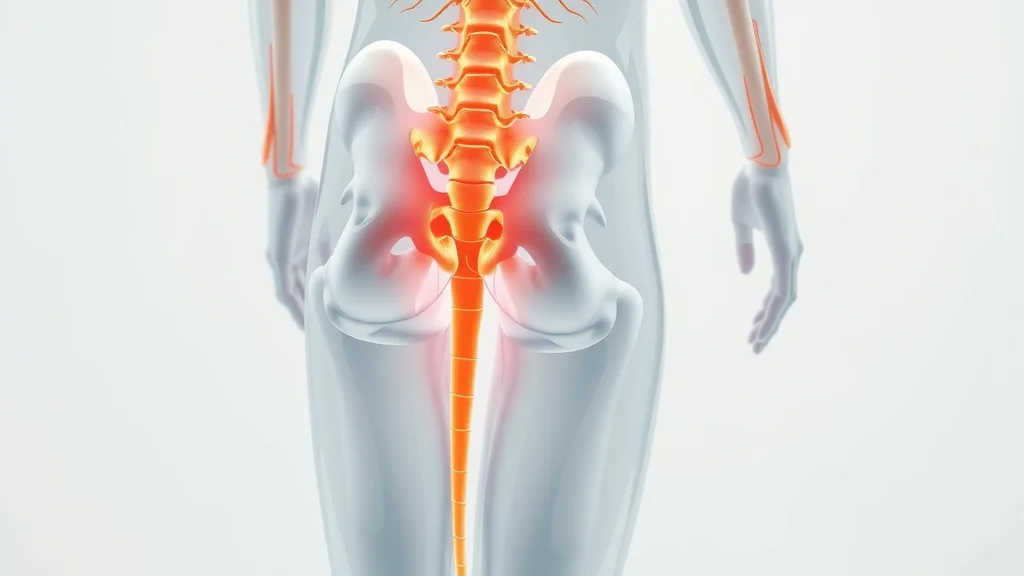
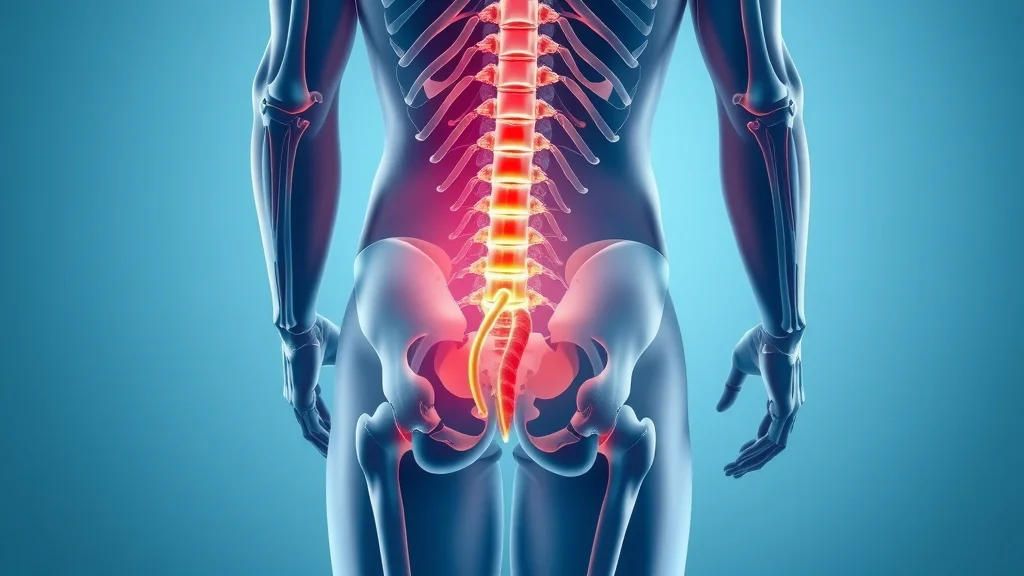
The primary reason recurring sciatica keeps coming back lies in the unique structure of the sciatic nerve itself. This major nerve root originates from the lower spine, weaving through the pelvis and buttocks, branching all the way down to each foot. When parts of the lower back—like vertebrae, discs, or tightly knotted muscles—pinch or irritate the nerve, you’ll feel symptomatic leg pain or burning discomfort. Unlike short-lived back pain, sciatic nerve irritation can return easily, especially when the conditions that caused it remain. If the source is a herniated disc or chronic inflammation of soft tissue, simple rest or medication may dull symptoms but rarely solve the root issue.
When your sciatic nerve faces repeated compression—whether from poor posture, muscle weakness, or lack of movement—you're at high risk for recurrent sciatica. That's why standard physical therapy or nerve blocks can sometimes bring only temporary relief if daily life isn’t rebalanced to protect the nerve long term. Reoccurring sciatica pain is a signal that your body’s fundamental patterns—how you move, rest, stand, and even carry emotional stress—need more holistic support. If you’re experiencing ongoing discomfort, particularly if the pain is severe or radiates consistently down one leg, working with a holistic health expert can be essential. They can identify and address both physical and emotional contributors to the reactivation of sciatic pain, ensuring your healing plan is tailored for true, lasting relief.
Common Triggers That Bring Sciatica Back
Even after symptoms subside, several common triggers can cause sciatica to flare up again. Our modern lives often encourage sedentary habits, leading to poor posture and insufficient use of core muscles that stabilize the lower back. Sitting for long periods tightens muscles and increases pressure on the sciatic nerve, setting the stage for recurrent sciatica to emerge. Similarly, improper lifting techniques—particularly with heavy objects—or repetitive movement patterns can strain the lower spine and trigger nerve irritation all over again.
- Poor posture and sedentary lifestyles
- Improper lifting or repetitive movements
- Underlying health imbalances
- Lack of targeted holistic treatment
It’s also important to recognize less obvious contributors such as underlying health imbalances (like joint problems, inflammatory diets, or even emotional stress), which can subtly increase your risk of recurring flare-ups. Often, the loop continues due to a lack of personalized, holistic care. Quickly reaching for over-the-counter drugs or ignoring warning signs only delays true healing. By focusing on body mechanics, lifestyle changes, and advanced holistic therapies, you can remove the repeating triggers and create a more resilient foundation for your sciatic nerve.
For those seeking gentle, restorative movement to complement their sciatica recovery, exploring practices like yin yoga can be especially beneficial. In fact, incorporating yin yoga for sore hips may help release tension in the hips and lower back, supporting sciatic nerve health and reducing the likelihood of future flare-ups.
"Recurring sciatica is often a sign your body needs a new approach—not just more of the same fixes."
What to Do During a Recurring Sciatica Flare Up
Natural and Holistic Solutions for Immediate Sciatica Pain
Experiencing a flare-up of recurring sciatica can feel overwhelming, especially if you’ve tried standard painkillers or physical therapy and still find the pain coming back. Holistic and natural solutions can provide immediate, gentle relief while addressing the root of nerve irritation. Begin with gentle stretching or simple yoga poses that release tension across the lower back, hips, and glutes, targeting the sciatic nerve pathway. This reduces pressure on the nerve and improves flexibility without causing more harm. Mindful movement paired with deep, calm breathing can help quiet the body’s stress response and lessen inflammation, helping you regain some control and comfort.

- Gentle stretching or yoga targeting the lower back and sciatic nerve
- Mindful movement and breathwork to calm inflammation
- Applying heat/cold compresses with natural herbs
- Consulting a holistic health practitioner for tailored care
For short-term relief, alternate heat and cold packs on the lower back or leg—using natural herbs or essential oils can enhance relaxation and reduce inflammation. In some rare cases, pain may be intense and require immediate attention, but holistic supportive care remains key. The most important step is to seek a holistic health practitioner specializing in nerve pain and bodywork. They can guide you with hands-on therapies, nutritional adjustments, and lifestyle strategies to stop the pain from escalating, paving the way for lasting relief. Remember, a flare-up isn’t just an inconvenience; it’s a sign to listen to your body and seek the right blend of natural, sustainable solutions.
What Not to Do with Recurring Sciatica
Habits and Actions That Can Make Recurring Sciatica Worse
If you’re prone to recurring sciatica episodes, avoiding certain habits is just as important as knowing what to do. Ignoring early warning signs—like subtle tingling, mild leg pain, or regular lower back tightness—can allow sciatic pain to spiral out of control. Don’t make the mistake of continuing high-impact exercise routines or repetitive motions when your body is signaling distress. Many people try to self-medicate with over-the-counter drugs, but while these might offer temporary relief, they rarely address the actual nerve irritation or its triggers.
- Ignoring early signs of sciatic pain
- Continuing high-impact or repetitive motions
- Self-medicating with over-the-counter drugs without addressing the root cause
- Postponing proper holistic intervention
The longer you wait to seek holistic help, the greater the risk of nerve damage or chronic pain. Avoid putting off intervention when things feel “not too bad”—early holistic evaluation and lifestyle adjustments can make an enormous difference in your long-term health. Refrain from overexertion or lifting heavy objects during a flare-up, and never rely solely on quick-fix approaches that treat only symptoms. A holistic approach will help you finally break the cycle of recurrence, giving your sciatic nerve and lower back the opportunity to recover fully and remain resilient.
Why Does My Sciatica Go Away And Come Back?
Deeper Patterns: Understanding Recurrence from a Holistic Perspective
You might wonder, "Why does my sciatica pain subside just to return weeks or months later?" This ongoing pattern points to a deeper, underlying imbalance rather than simple overuse or injury. Relying purely on temporary, relief-focused strategies—like medication or isolated exercises—often misses the source of the recurring problem. The pain may reduce for a while, but if the root issues aren’t addressed, dis-ease finds a way back. That’s why the most effective approach to recurring sciatica starts with a holistic view—one that honors your body’s unique history, environment, and daily patterns.
- Relief-focused approaches that miss the root cause
- Hidden physical or emotional stressors linked to recurrence
- Lack of ongoing lifestyle and movement support
Physical and emotional stressors, such as poor ergonomics, unresolved trauma, or long-standing postural habits, often operate beneath the surface. Without mindful attention and ongoing movement support, even the most determined recovery attempts can be undermined. Natural, ongoing care—incorporating bodywork, nutritional guidance, and stress management—aligns the whole person for better nerve health. When you address your lifestyle habits, emotional well-being, and physical alignment together, you empower your body to break the cycle and build true resistance against future flare-ups.
"Lasting relief from recurring sciatica requires addressing the whole person—not just the symptoms."
Sciatic Nerve Health: Foundations for Lasting Relief from Recurring Sciatica
Supporting the Sciatic Nerve with Natural Approaches
Achieving true, lasting relief for recurring sciatica is not about chasing each episode with isolated treatments, but about building long-term foundations for sciatic nerve health. Nutrition takes center stage, as certain supplements—such as magnesium, omega-3s, and B vitamins—fuel nerve repair and resilience. Rich, anti-inflammatory foods and ample hydration support tissue healing and protect against irritation in the lower back and nerve root.

- Nutrition and supplementation for nerve health
- Holistic therapies—massage, acupuncture, chiropractic care
- Consistent movement and ergonomic awareness
Holistic bodywork—such as massage, acupuncture, or gentle chiropractic adjustments—can help relieve chronic tension, improve circulation, and realign nerve pathways. When combined with consistent movement (like mindful walking, yoga, or targeted exercise) and an awareness of ergonomic habits at home and work, you provide multi-layered support to the sciatic nerve. These practices, especially when guided by a natural health expert, safeguard against flare-ups and rebuild the body’s strength over time. A proactive approach is key: regular wellness check-ins and lifestyle adjustments pave the way for you to live pain free, even if you’ve suffered with recurrent sciatica for years.
Choosing the Best Holistic Practitioner for Recurring Sciatica in Gig Harbor
What Sets True Holistic Sciatica Pain Care Apart?
Not all practitioners are equipped to deal with the complexity of recurrent sciatica. What separates truly effective, holistic care is their commitment to seeing and treating you as a whole person. This means going far beyond temporary fixes or one-size-fits-all solutions. The best natural holistic practitioners in the Gig Harbor area begin with an in-depth understanding of your lifestyle, daily movements, health goals, and even emotional well-being. Their approach integrates multiple therapies—blending bodywork, movement education, and nutritional guidance—crafted precisely for your needs.
- Personalized care that gets to the root of recurring sciatica
- Integrated therapies for sciatic nerve and overall well-being
- Support for sustainable lifestyle changes

When seeking care for recurring sciatica, look for professionals who offer ongoing support with focused follow-ups and a willingness to adapt your treatment plan as your body heals and changes. A practitioner who helps you create healthy, sustainable habits can make a transformative difference in your trajectory. Choosing the right expert is not just about resolving current pain, but about empowering lasting relief and a lifetime of wellness in the scenic Gig Harbor community.
Watch this explainer video for a visual guide to sciatic nerve anatomy, the most common triggers for sciatica, and natural relief methods—including expert tips from holistic practitioners and 3D visualizations to deepen your understanding.
Discover effective, natural approaches for reducing the risk of recurrent sciatica. This video features easy-to-adopt lifestyle habits, movement sequences, and holistic remedies presented by experts who specialize in nerve health and pain resilience.
FAQs on Recurring Sciatica
-
Can recurring sciatica go away on its own?
While some cases of recurrent sciatica may improve with rest and time, most people benefit from active, holistic intervention. True healing usually requires identifying and addressing posture, movement, nerve health, and lifestyle contributors. Relying solely on rest risks allowing the underlying issue to persist, increasing your risk for future flare-ups. -
Is recurring sciatica always caused by the same trigger?
No, recurring sciatica can have multiple or changing triggers. It may be due to repetitive postural habits, past injuries, emotional stressors, or shift in overall health. A comprehensive assessment with an experienced holistic practitioner can help isolate and resolve individual factors specific to your situation. -
How can I prevent recurring sciatica in the future?
Preventing recurring sciatica involves consistent focus on core strength, movement, and overall wellness. Nutritional support, bodywork, mindful movement, and ergonomic adjustments all play vital roles. Most importantly, building a personalized, natural health plan—and following up regularly with a practitioner—can substantially reduce recurrence.
Key Takeaways for Overcoming Recurring Sciatica and Living Pain Free
- Recurring sciatica isn’t random—find the underlying cause
- Holistic health offers effective, long-term approaches
- The right practitioner in Gig Harbor can help you achieve lasting relief
Ready to Experience Relief from Recurring Sciatica? Book Your Holistic Consultation Today
Don’t wait another day for natural, long-lasting relief. Reach out now to connect with a leading holistic health expert in Gig Harbor and reclaim your active, pain-free life.
If you’re interested in expanding your holistic wellness journey beyond sciatica relief, consider exploring other gentle movement practices that support joint health and flexibility. Our guide to embracing healing movement with yin yoga for sore hips offers valuable insights into nurturing your body, reducing discomfort, and building resilience for a more active, pain-free lifestyle. Discover how integrating mindful movement can be a powerful next step in your path to holistic well-being.





Write A Comment