
Have you ever wondered if that nagging morning lower back pain could be stemming from the very mattress meant to give you restful sleep? Many people dismiss discomfort as a fact of life or age, but your sleep surface plays a crucial role in your well-being. As holistic health practices continue to rise in Gig Harbor and beyond, understanding how a mattress can contribute to—or relieve—lower back pain becomes increasingly vital. This educational guide will reveal the surprising science, practical red flags, and expert-backed solutions for those seeking natural, long-lasting relief and improved sleep quality.
Uncovering the Connection: Mattress Causing Lower Back Pain
If you've been waking up stiff or sore, your mattress may be the hidden culprit behind your lower back pain. Many individuals are unaware that the quality and composition of their sleep surface can directly affect spinal alignment, contributing to discomfort that lingers throughout the day. Conditions such as improper firmness level, sagging foam, or worn-out springs can misalign your body and pressure points, leading to aches or worsening lower back pain overnight. Addressing the root cause, like upgrading your mattress or making adjustments, can lead not only to improved comfort but can also significantly enhance your holistic health journey. Lower back pain often causes people to miss out on good nights of sleep, making it harder for the body to heal and function optimally. Embracing expert advice with a holistic lens, especially from health practitioners near Gig Harbor, could be your first step to waking up pain-free and energized each morning.
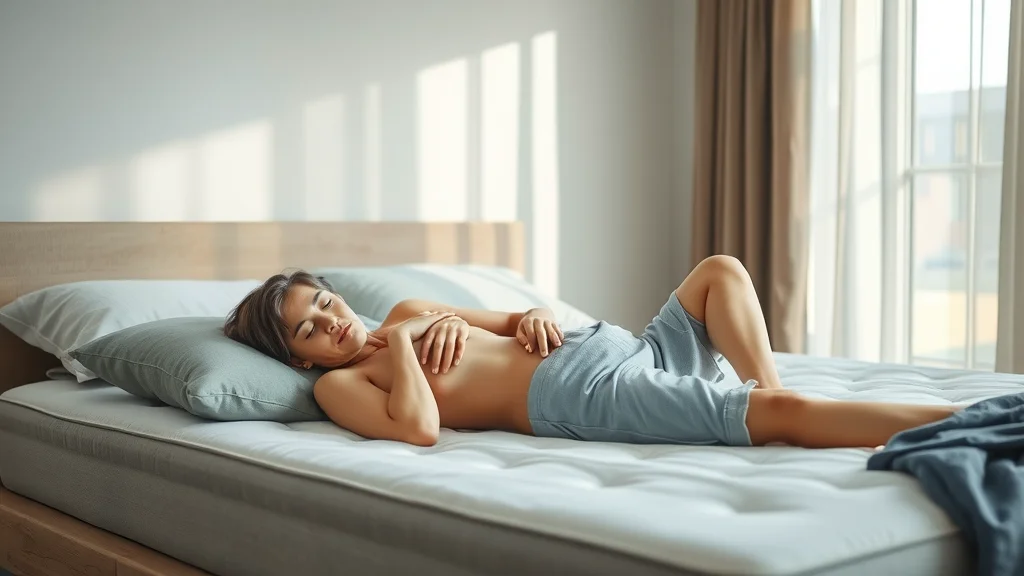
What You'll Learn About Mattress Causing Lower Back Pain
- How a mattress can lead to lower back pain
- Common signs your mattress is impacting your lower back
- The role of sleep position, firmness, and mattress topper options
- Natural, holistic strategies for pain-free sleep in Gig Harbor
- Recommendations to support long-term spinal health
The Science: Understanding Mattress Causing Lower Back Pain
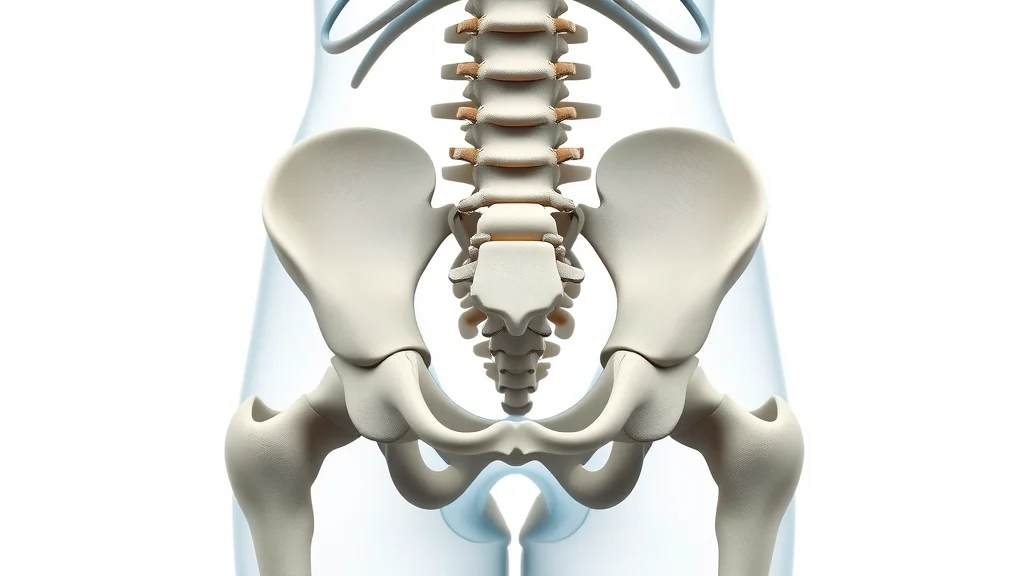
To truly address mattress causing lower back pain, it’s crucial to understand the science behind proper sleep support. Spinal alignment is foundational for your overall health, and a mattress should support your body’s natural curve throughout the night. When your mattress fails to sustain this curvature—whether because it’s too firm, too soft, or just worn out—your lower back muscles and spinal discs bear unnecessary strain. A suitable mattress distributes your weight evenly and eliminates excess pressure points. This is particularly important for back sleepers, side sleepers, and stomach sleepers alike, as their preferred sleep positions influence how the back interacts with the mattress surface. Chronic alignment issues may not just contribute to back pain; they can disrupt sleep quality, worsen existing health conditions, and block progress for those seeking holistic healing.
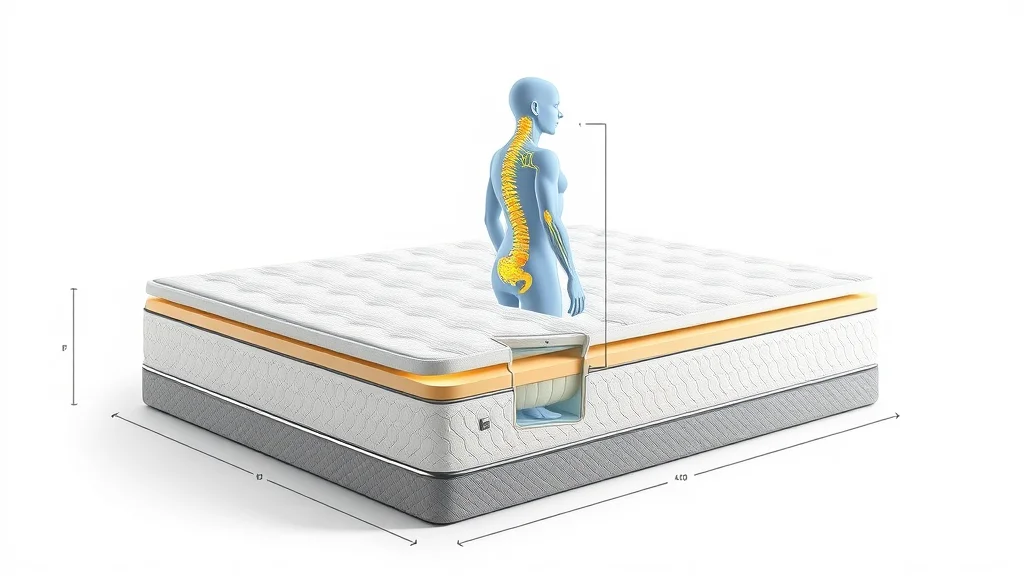
How Mattress Support Affects Lower Back Alignment
The amount and type of support your mattress provides can determine whether you wake up refreshed or battling lower back pain. Mattresses that sag or lack targeted support force your spine out of its natural alignment. This triggers tension in the lower back, hips, and shoulders, causing pressure points that build up overnight. For instance, a firm mattress may not cushion curves, pressing against the hip bones and lower spine, while a soft mattress may permit excessive sinking, leading to misalignment. A memory foam mattress or hybrid mattress with adaptive layers often delivers improved pressure relief, contouring to the unique shape of your body without causing slumping. However, not all memory foam is created equal—quality and density matter greatly. Taking your body type, preferred sleep position, and firmness level into account ensures your mattress supports your natural curve, helping minimize or prevent lower back pain and enabling a truly restorative night’s sleep.
For those seeking additional ways to ease discomfort and support holistic healing, incorporating gentle movement practices can be highly beneficial. Exploring approaches like Yin Yoga for sore hips may complement your efforts to relieve lower back pain, as these mindful stretches help release tension and improve flexibility alongside mattress adjustments.
Identifying How Your Mattress May Be Causing Back Pain
Diagnosing your mattress as the source of back pain can be challenging due to the complex interplay of daily activities, sleep habits, and preexisting conditions. However, several patterns reveal themselves. If your pain worsens after a night’s sleep and gradually fades as you move about your day, your mattress is likely a contributing factor. You might also notice an increase in tossing and turning, frequent awakenings, or reliance on pain relief techniques by morning. Observing the presence of visible sagging, lumps, or uneven surfaces in your mattress offers another clue—a lack of support where your lower back needs it the most. If discomfort disappears while sleeping elsewhere (like a couch or hotel bed), your mattress’s support level and pressure relief properties may be the direct cause. These are strong signals to consider a professional assessment or holistic practitioner’s input, especially if you experience recurrent lower back pain despite other healthy lifestyle choices.
Pressure Relief and Back Pain: What Holistic Health Experts Say
Holistic health practitioners in Gig Harbor and beyond emphasize the principle that your sleep environment can either foster healing or perpetuate pain. According to local experts, a mattress that fails to provide sufficient pressure relief places undue strain on sensitive areas of the spine and hips, aggravating existing discomfort or even creating new problems. Quality pressure relief through suitable mattress materials—such as memory foam, latex, or advanced hybrids—is essential for those managing lower back pain. Beyond mattress selection, these experts frequently recommend pairing the right sleep surface with daily lifestyle adjustments and tailored sleep hygiene practices. For people new to natural health, making small, strategic changes—like adding a suitable mattress topper, adjusting sleep position, or incorporating mindful stretching routines—can collectively deliver lasting comfort and support spinal health from the inside out.
Common Signs Your Mattress Is Causing Lower Back Pain
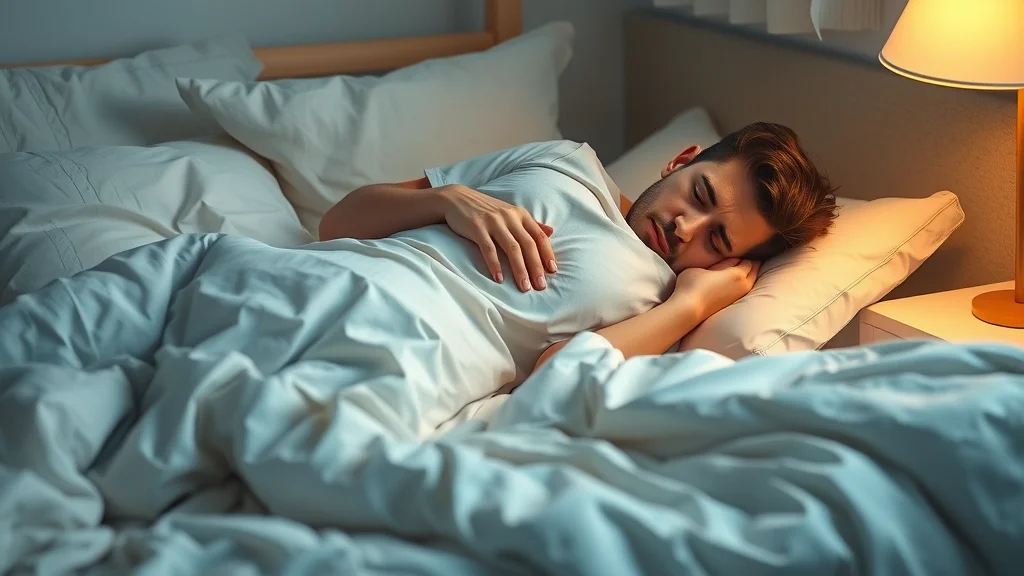
Recognizing the symptoms of a mattress causing lower back pain is critical for taking timely, effective action. If you wake up each morning with stiffness or find that your lower back discomfort is most severe after sleeping, your mattress may be undermining your sleep quality and well-being. These symptoms aren’t always immediately obvious, but persistent patterns are telltale indicators, especially if you rely increasingly on pain management strategies just to start your day.
- Waking up with stiffness
- Pain that worsens overnight
- Discomfort that improves outside of bed
- Increased reliance on pain relief techniques

Mattress Types: Which Are Most Likely to Cause Lower Back Pain?
Not all mattresses are created equal when it comes to back pain relief. A firm mattress may feel supportive, but if it doesn’t cushion your body’s natural curves, it could leave your lower back unsupported and aching. Conversely, a soft mattress that allows your body to sink too much may disrupt spinal alignment, particularly for back sleepers and stomach sleepers, contributing to chronic discomfort. Hybrid, latex, and memory foam mattresses can offer a balance of support and pressure relief, but the effectiveness depends on the material’s quality and your unique needs. Those living in humid, coastal climates like Gig Harbor should also consider the mattress’s breathability and resilience, as environmental factors can influence longevity and comfort over time. Consulting with holistic health experts can help you select a mattress tailored to your body and health goals.
Firm Mattress vs. Soft Mattress: Effects on Lower Back Pain
The debate between firm mattresses and soft mattresses is age-old, with both extremes potentially problematic. Firm mattresses may not conform enough to the body, causing pressure points, especially for side sleepers whose hips and shoulders bear more weight. On the other hand, soft mattresses might seem luxe but can lead to excess sinking, leaving your lower back unsupported. This often leads the spine to arch uncomfortably, as the body’s weight is not evenly distributed. The best mattress for most is one that’s neither extremely soft nor excessively firm—a medium-firm feel often provides superior spinal alignment and pressure relief. Your sleeping position and body type also matter: back sleepers usually need more support than side sleepers, while stomach sleepers require a mattress that prevents their hips from sinking. A personalized approach, ideally guided by a holistic health practitioner in Gig Harbor, ensures that your mattress supports healthy sleep posture and minimizes the risk of back pain.
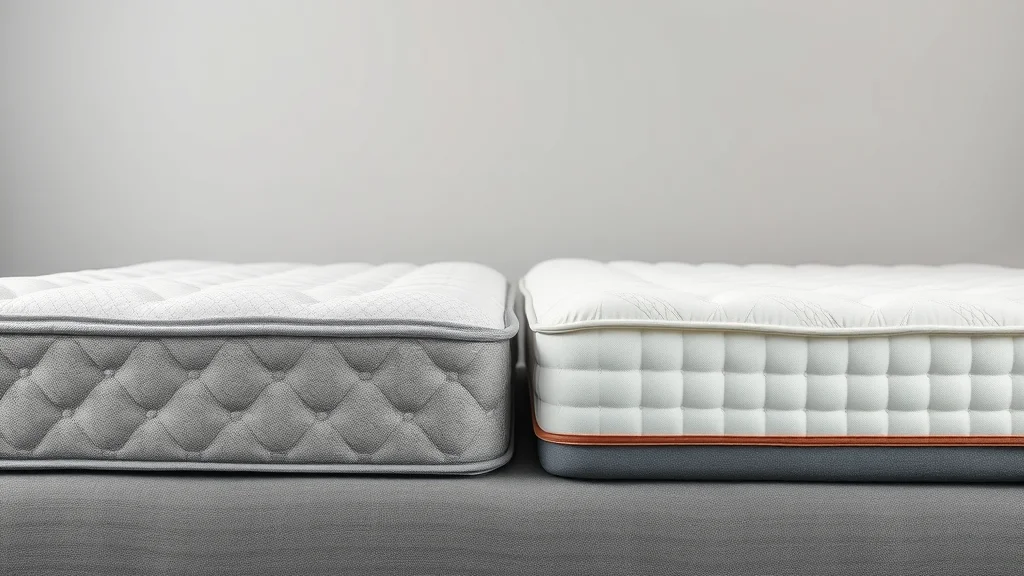
Memory Foam, Hybrid, and Latex: Alternatives for Back Pain Relief
Memory foam, latex, and hybrid mattresses are increasingly recognized for their adaptability to various body types and positions. Memory foam offers superior pressure relief and contouring support, cradling the spine’s natural curve and minimizing pressure points. Latex mattresses, made from natural materials, bring a buoyant yet supportive feel, often lauded for their durability and hypoallergenic properties—a holistic favorite for those with sensitivities. Hybrid mattresses combine coil support with adaptive foam or latex layers, aiming to deliver responsive support and targeted pressure relief for lower back pain. The secret sauce is selecting the right firmness level for your needs, using tried-and-true holistic recommendations to ensure optimal sleep quality. For Gig Harbor’s health seekers, exploring these innovative mattress options can be a key step in achieving sustainable relief and minimizing chronic pain.
Examining the Role of Mattress Toppers for Pressure Relief
Mattress toppers are cost-effective, holistic solutions for those not ready to replace an entire mattress but seeking immediate relief from lower back pain. High-quality toppers add an extra layer of cushioning, redistributing pressure and improving spinal alignment. Materials like memory foam, latex, or natural wool address different needs, so seek guidance from a holistic health practitioner to determine the best match. Adding a mattress topper can be especially useful if your current mattress is too firm, as it softens the sleep surface and reduces harsh pressure points on hips and shoulders. For those sensitive to chemicals or allergens, opting for natural, organic toppers is a route promoted by many holistic experts. Remember, the goal is enhanced comfort and alignment rather than covering up an unsupportive or worn-out mattress indefinitely.
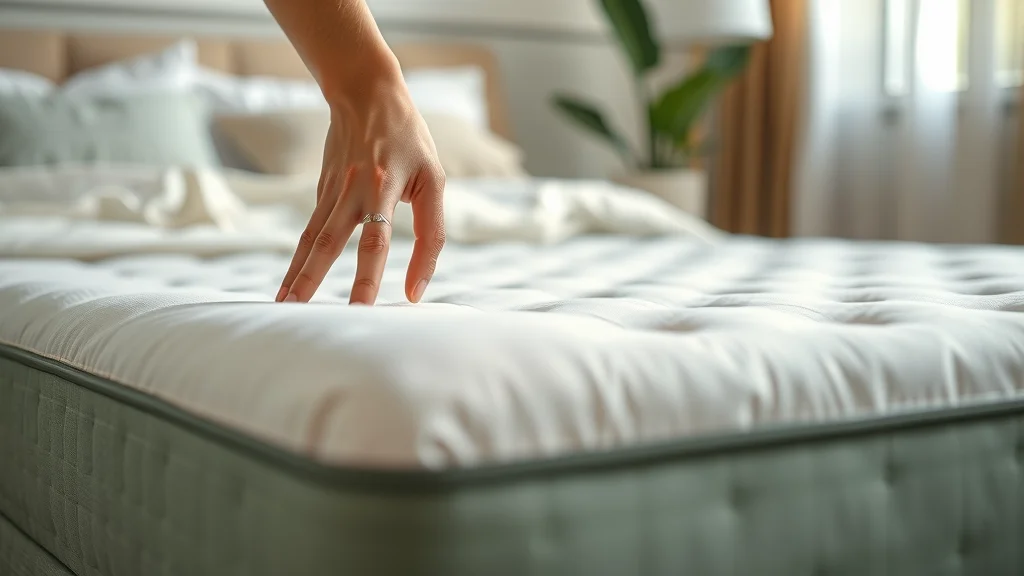
Influence of Sleep Position on Mattress Causing Lower Back Pain
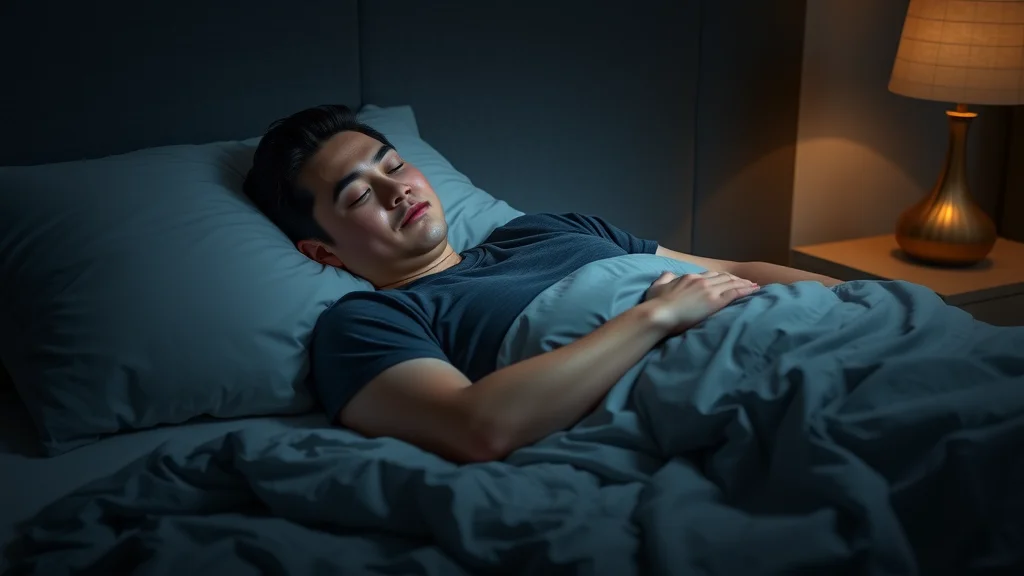
Your preferred sleep position significantly influences how your mattress affects your lower back health. Side sleepers, back sleepers, and stomach sleepers each exert different types of pressure on mattresses, requiring unique support characteristics. The right mattress accommodates your sleep position, supporting the natural curve of your spine and minimizing stress on the lower back. For example, side sleepers often benefit from a softer surface that cushions hips and shoulders, while back sleepers need enough support to keep the spine straight. Stomach sleepers must prevent the hips from sinking, reducing lower back strain. Mindfully aligning your sleep position with your mattress is a powerful holistic step toward lasting comfort and reduced pain.
Best Sleeping Position for Lower Back Support
Holistic practitioners consistently tout side or back sleeping as the most supportive positions for lower back health. Using a pillow between or beneath your knees helps maintain the spine’s natural alignment and relieves pressure on the lower back, especially important for those experiencing pain from an unsupportive mattress. Stomach sleepers are advised to modify their position or use a thin pillow under their hips to prevent lumbar strain. Consistency with sleep position, paired with the right mattress and proper sleep hygiene, can deliver significant relief. If experimenting with new postures seems daunting, seek the advice of a natural health expert in Gig Harbor to develop a customized strategy for improved sleep and reduced pain.
How Sleeping Position Impacts Mattress Effects on Lower Back
The impact of your sleeping position goes hand-in-hand with the effectiveness of your mattress. An otherwise suitable mattress may still contribute to back pain if your sleep posture repeatedly strains the lower back. For instance, sleeping on a poorly supported mattress as a stomach sleeper often arches the spine unnaturally, leading to persistent soreness. Conversely, a supportive mattress tailored to your sleep position helps distribute weight evenly, ensuring minimal muscle tension and ongoing spinal health. Adjusting sleep positions and investing in ergonomic pillows are holistic strategies strongly recommended by Gig Harbor practitioners for sustained comfort and long-term back pain prevention.
Natural & Holistic Solutions for Mattress Causing Lower Back Pain
Holistic health emphasizes treating the body as an interconnected whole, making it crucial to address both the mattress itself and the habits that surround your nightly routine. Beyond choosing the right mattress, integrating stretching, posture awareness, and self-care into your daily life cultivates the right foundation for healing and prevention.
Alternative Approaches: Practices from Holistic Health Experts
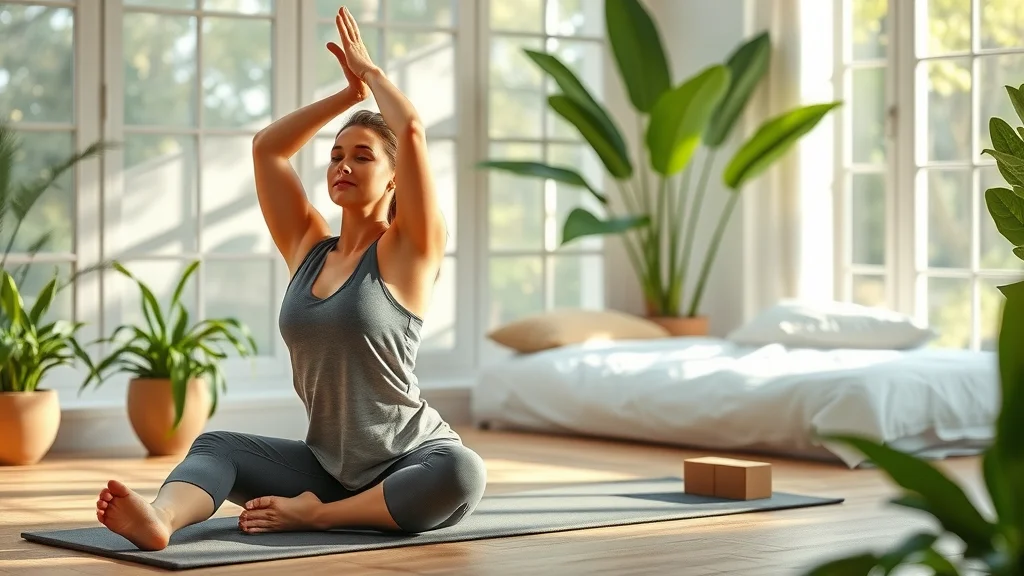
Naturopathic and holistic health practitioners advocate for a multi-faceted approach to lower back pain caused by poor-quality mattresses. Incorporate gentle stretching and mindful movement, such as yoga or tai chi, to maintain spinal flexibility and strength. Stress management techniques like deep breathing, meditation, and regular movement breaks throughout the day further aid recovery by calming muscle tension. Additionally, staying hydrated, eating an anti-inflammatory diet, and consulting with a Gig Harbor wellness specialist about supplements can enhance your body’s natural healing processes. When paired with the right mattress or mattress topper, these strategies go far beyond temporary relief, providing a resilient foundation for lasting comfort and well-being.
Improving Sleep Hygiene for Lower Back Relief
Good sleep hygiene, according to holistic experts, is just as important as mattress selection. By following healthy evening routines, you signal your body that it’s time to unwind, reducing muscle tension and preparing for restorative rest. Aim to stick to a regular sleep schedule, avoid screens before bed, and ensure your bedroom is cool and clutter-free. Think holistically by practicing daily stretching, mindful movement, and easy stress management techniques. Consider supplements or natural sleep aids under the guidance of a practitioner to address underlying issues that may contribute to lower back pain and poor sleep quality.
- Daily stretching
- Mindful movement
- Stress management
- Supplements and sleep aids with practitioner guidance
How Do I Tell if My Mattress is Causing Back Pain?
Many people ask, “How do I know if my mattress is causing my back pain?” Look for patterns—if you find relief after spending time out of bed or notice pain specifically after sleep, your mattress is a prime suspect. Visibly worn mattresses, sagging areas, or a recent increase in tossing and turning can indicate your sleep surface is no longer properly supporting your spine’s natural curve. Evaluate your sleep quality and symptoms after sleeping elsewhere—if you notice a marked improvement, your mattress is likely the problem. Check for impressions or unevenness where you commonly lie, as these point to failing support systems that contribute to back pain. Consulting with a holistic health professional in Gig Harbor can yield insights tailored to your individual situation and needs.
Recognizing the Red Flags of a Mattress Causing Lower Back Pain
Be vigilant for these warning signs: Increasing morning stiffness or pain localized in the lower back area Worsening discomfort as the night progresses Reliance on pain relievers upon waking or throughout the day Finding lasting comfort only while sleeping in locations other than your current bed If these symptoms persist, it’s time to consider holistic intervention or seek expert advice for a comprehensive, natural approach to lasting relief.
Expert Advice: When It’s Time to Replace Your Mattress
According to holistic practitioners, a mattress should typically be replaced every 7–10 years, sooner if it exhibits sagging, lumps, or clear support loss. Back pain that does not respond to other interventions is another red flag. An expert assessment—often available through wellness centers in Gig Harbor—can help ensure your mattress meets your body’s current needs as you age, recover from injury, or adapt your routine for holistic well-being.
How to Fix a Mattress Causing Lower Back Pain
If purchasing a new mattress isn’t possible right away, there are several quick interventions you can implement for relief. These strategies aim to improve spinal alignment and support while you pursue long-term solutions.
Quick Interventions and Adjustments
Try adding a supportive mattress topper or placing a rolled towel under your lower back to redistribute pressure and bolster weak spots. Adjust your sleeping position by placing a pillow beneath or between your knees, or experiment with different pillow heights for better neck and spine alignment. Regularly rotate your mattress and replace worn bedding to maintain an even sleep surface. Simple, mindful adjustments—practiced consistently—can sometimes provide dramatic short-term relief, buying you time to consult with a holistic expert about next steps tailored to your personal situation.

Long-Term Solutions for Back Pain from Your Mattress
Ultimately, investing in the right mattress is a core strategy for sustained relief from lower back pain. Seek guidance in selecting a mattress that matches your body type, sleep position, and unique health requirements. Holistic practitioners near Gig Harbor often recommend memory foam, latex, or advanced hybrid options known for their balance of support and pressure relief. Long-term solutions also include enhancing your daily wellness habits: integrate movement, maintain a healthy weight, and prioritize restorative sleep. If you struggle to find relief, don’t hesitate to seek the personalized support of a local holistic health expert dedicated to guiding you through the journey of pain-free living.
What Kind of Mattress is Best for Lupus Patients?
Individuals with lupus or other chronic pain conditions require mattresses that minimize flare-ups and reduce pressure on sensitive areas. Prioritizing pressure relief is essential, and natural or hypoallergenic materials can further benefit those with sensitivities. Memory foam or latex mattresses are often recommended due to their adaptive properties, but each person’s needs are unique.
Choosing a Mattress with Pressure Relief for Sensitive Conditions
Lupus patients, or anyone managing a chronic health condition, should opt for mattresses with exceptional support and minimal pressure points. Natural latex offers durability and gentle resilience, while high-density memory foam contours the body and helps evenly distribute weight. A consultation with a holistic health expert ensures you aren’t sacrificing safety, comfort, or alignment—key elements for those in search of holistic, restorative sleep.

Adapting Wellness Habits for Holistic Comfort
Alongside a carefully chosen mattress, holistic practitioners encourage patients to adopt gentle lifestyle changes: embrace stress reduction, practice regular low-impact exercise, and prioritize anti-inflammatory nutrition. By supporting your body both day and night, you can reduce chronic pain episodes and improve your quality of life in a sustainable, natural way.
Why Does My Back Hurt in Bed but Not on the Couch?
This common question offers clues about your sleep surface’s role in back pain. Couches often provide firmer, more supportive surfaces with less sagging, promoting better spinal alignment for short periods. Beds with old or soft mattresses, meanwhile, may lead to improper positioning and muscle tension as you sleep.
Analysis of Mattress vs. Couch Support for Lower Back Pain
The difference lies in support and distribution of weight. Couches typically don’t have the worn mattress dips or excessive softness found in old beds, allowing for more even spinal support. However, they are not designed for long-term sleep, and frequent use can lead to their own set of aches and issues. If your pain is alleviated on a couch but exacerbated in bed, it’s time to assess whether your mattress is failing to properly support your body’s natural curve.
What This Means for Choosing a Mattress in Gig Harbor
Your experience is a strong indicator that it may be time for a new mattress or holistic intervention. Residents of Gig Harbor benefit from consulting with local practitioners who understand not just the science but the unique climate and lifestyle considerations of the region. A collaborative approach yields the best results for lasting, pain-free sleep.
Table: Comparing Mattress Types and Their Effects on Lower Back Pain
| Mattress Type | Support Level | Pressure Relief | Common Issues |
|---|---|---|---|
| Firm | High | Low to Moderate | May worsen lower back pain |
| Soft | Low | High | Can misalign spine, causing pain |
| Memory Foam | Adaptive | High | May trap heat, but good for lower back |
| Latex | Balanced | High | Durable, supportive |
| Hybrid | Variable | Moderate-High | Can offer targeted lower back support |
Expert Quotes on Managing Mattress Causing Lower Back Pain
"A mattress unsuited to your body's needs alters your spinal alignment and could leave you waking up with lower back pain." – Local Holistic Practitioner
"Natural interventions, like targeted stretching and posture awareness, can go a long way toward easing back pain from a poor mattress." – Wellness Specialist
Practical Steps: Lists for Choosing and Using a Mattress for Lower Back Pain
- Assess mattress age and sagging
- Consider testing different firmness levels
- Try a mattress topper designed for pressure relief
- Seek input from holistic health professionals in Gig Harbor
A short informational video demonstrating three natural remedies for lower back pain caused by poor mattress support, including stretches, optimal sleep positions, and how to select a topper, filmed in a sunny bedroom and narrated by a holistic practitioner.
FAQs on Mattress Causing Lower Back Pain
How often should I replace my mattress to prevent lower back pain?
Most holistic experts recommend replacing your mattress every 7–10 years. If you notice sagging, unevenness, or consistent discomfort, it may need earlier replacement. Regular assessments help maintain optimal back support and comfort.
Can natural materials help reduce back pain from mattresses?
Yes, natural materials such as organic latex, cotton, and wool can improve breathability, support, and pressure relief while reducing the risk of sensitivity reactions. These materials are commonly favored by holistic health practitioners.
Are there holistic treatments that work alongside mattress changes for lower back pain?
Absolutely. Combining a supportive mattress with daily stretching, gentle movement, mindful stress reduction, and proper sleep hygiene can enhance your body’s healing process. Consult with a holistic health provider for a personalized plan.
Is a memory foam mattress good for lower back pain relief?
Memory foam can offer excellent pressure relief and support for many lower back pain sufferers, especially if properly matched to your sleep position and firmness preferences. High-density, quality memory foam is key for optimal outcomes.
Key Takeaways on Mattress Causing Lower Back Pain and Holistic Solutions
- The right mattress is essential for lower back support
- Natural, holistic approaches support lasting relief
- Consult a holistic expert before making major changes
- Pay attention to your sleeping position and mattress condition
Contact a Top Holistic Health Practitioner Near Gig Harbor for Expert Guidance
Ready to transform your nights and upgrade your well-being? Schedule a consultation with a leading holistic health practitioner in the Gig Harbor area today for personalized support, comprehensive assessments, and truly restorative answers to back pain relief.
If you’re inspired to take your holistic wellness journey even further, consider exploring the broader benefits of mindful movement and restorative practices. Techniques like Yin Yoga not only target sore hips but also foster deep relaxation and improved mobility throughout the body. By integrating these gentle modalities with your mattress and sleep environment upgrades, you can create a comprehensive approach to pain relief and overall vitality. Discover how embracing healing movement in Gig Harbor can complement your efforts for a healthier, more comfortable life by learning more about transforming sore hips with Yin Yoga and holistic self-care.





Write A Comment