
Ever found yourself wincing in pain as you try to roll over in bed, wondering why your lower back rebels with each turn? You’re not alone. For countless people, lower back pain rolling over in bed disrupts precious sleep and spells frustration as nighttime comfort becomes elusive. But what exactly is causing this discomfort, and is there a holistic, nature-centered way to find relief—especially for those exploring the best natural health options near Gig Harbor? Read on to unlock eye-opening answers, practical strategies, and expert holistic advice tailored for your nighttime well-being.
Unlocking the Mystery: Understanding Lower Back Pain When Rolling Over in Bed
Lower back pain rolling over in bed is an issue experienced by many people, regardless of age or activity level. Whether you’re dealing with a sharp pain or a dull ache, this discomfort can disrupt restorative sleep and leave you feeling groggy and tense the next day. Not only does lower back pain make turning in bed a challenge, but it can also be a clue that your daily habits, muscle tension, or underlying conditions—like nerve compression or disc problems—need closer attention. If you live near Gig Harbor and are seeking holistic approaches, understanding both the root cause and the practical, gentle interventions available is key to regaining pain-free rest and everyday function.
People often overlook the remarkable connection between sleep posture, sleep quality, and lower back health. When you toss and turn, there’s a complex interplay happening between your back muscles, lumbar vertebrae, soft tissues, and even your overall emotional state. Poor posture, chronic muscle strain, and the type of mattress or pillow you use can all influence how your lower back copes with night-time movements. Fortunately, natural relief strategies—rooted in holistic, mind-body, and gentle physical therapy practices—can reduce pain and support true healing.
Curiosity Begins: Why Does Rolling Over Trigger Lower Back Pain?
Rolling over in bed seems like a simple, instinctive action, yet for those experiencing lower back pain, each movement can feel laborious, as if your body resists the transition from one side to another. Why is that? Turning in bed engages the lower back muscles, connective tissues, and joints, especially when these areas are already tight or inflamed from daily activities, poor posture, or chronic strain. The act of rolling temporarily compresses and stretches sensitive tissues—sometimes exposing issues such as muscle imbalance, lack of movement during the day, or even undiagnosed low back conditions.
For many, a sharp pain during this transition can indicate acute back muscle tension or minor injuries like strains or spasms. Others experience a dull ache that hints at more chronic causes—such as degenerative disc changes or subtle nerve irritation. Compounding factors like sleeping on a soft mattress, prior episodes of poor sleep, or failing to stay active can exacerbate these sensations. Unraveling why your back hurts at night uncovers a story where posture, lifestyle, and sleep environment all play interconnected roles—inviting you to make empowering, natural changes for lasting comfort.

-
Quick Facts About Lower Back Pain Rolling Over in Bed
- Lower back pain often worsens with turning in bed due to strain on muscles and vertebrae.
- Improper sleep posture and unsupportive mattresses can contribute to discomfort.
- Holistic approaches—including gentle movement and targeted therapies—can effectively reduce pain.
- Consistent pain may be a sign of underlying nerve compression, particularly at L4-L5.
- Early intervention and lifestyle adjustment often prevent longer-term complications.
What You'll Learn About Lower Back Pain When Rolling Over in Bed
- Recognize common causes behind lower back pain rolling over in bed
- Discover how anatomy, sleep position, and mattress selection affect pain
- Explore natural and holistic pain relief options available in the Gig Harbor area
- Understand the importance of posture, gentle movement, and physical therapy
- Gain practical tips for adjusting sleep habits to reduce pain and promote healing
- Know when to consult a holistic health expert for lasting relief
The Connection Between Your Lower Back and Sleep Movements
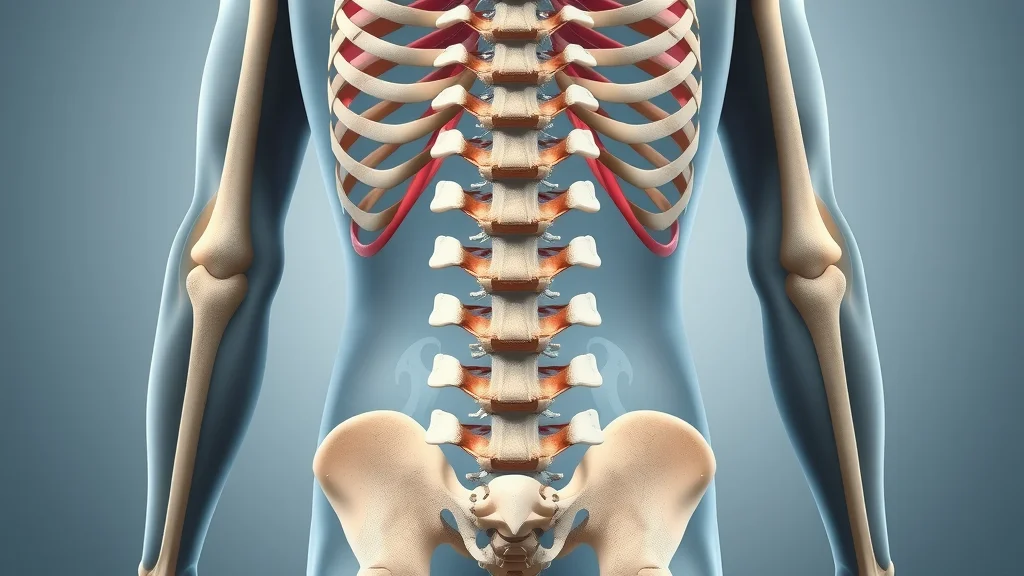
Anatomy of the Lower Back: Structures Affected During Rolling Over
The lower back, or lumbar region, comprises five vertebrae—often referenced as L1 through L5—supported by intricate muscles, intervertebral discs, and lumbar nerve roots. During rolling or turning in bed, these structures work together to stabilize movement and protect spinal alignment. When functioning optimally, the back muscles contract and relax in choreographed harmony, minimizing strain and distributing body weight smoothly. However, tightness, weakness, or inflammation in this region—especially at L4-L5—can create a bottleneck effect, where even simple actions like turning trigger discomfort or pain.
Additionally, daily habits such as poor posture and a lack of movement lead to muscle imbalance, reducing the lower back’s ability to adapt to night-time position changes. If you frequently wake up with low back pain or experience a dull ache while rolling, there is a good chance it’s due to subtle dysfunction in these supporting tissues. Knowing what anatomical structures are involved provides clarity, guiding better choices for movement, mattress support, and holistic interventions to nurture your body back to balance.
How Sleep Position Impacts Lower Back Pain Rolling Over in Bed

Your sleep position can either help or hinder lower back comfort during nightly movements. For instance, sleeping on your back with knees slightly elevated supports the lumbar curve and evenly distributes body weight, thus easing pressure on sensitive structures. On the other hand, lying on your stomach may overextend the lower back, intensifying strain during rolling or turning in bed. Side sleeping—especially with a pillow between your knees—reduces spinal twisting and minimizes mechanical stress.
The ideal sleeping position varies for each person, but if you notice worsening lower back pain rolling over in bed, consider switching to a posture that encourages natural alignment and uses well-placed supports. Even something as simple as upgrading to a more supportive mattress or adjusting your pillow height can dramatically decrease discomfort. Mindful adjustments in sleep posture paired with consistent sleep hygiene foster nighttime healing, setting you up for pain relief and deeply restorative rest.
For those seeking additional ways to ease discomfort and improve mobility, incorporating gentle movement practices can be especially beneficial. Exploring approaches like Yin Yoga for sore hips may offer supportive, restorative techniques that complement your lower back care routine and promote overall flexibility.
Pain When Lying Versus Pain When Rolling: Spotting the Differences
Not all nocturnal back pain is created equal. Understanding the difference between pain when lying still and pain experienced during rolling over in bed helps refine both diagnosis and care. If you have persistent pain when lying that only slightly increases during movement, this may point toward a chronic issue like degenerative discs or a soft mattress that's failing to support your lumbar spine. Sharp, shooting pain during rolling, on the other hand, often implicates acute muscle strain, recent injury, or nerve irritability such as that at the L4-L5 level.
Holistic practitioners in the Gig Harbor area emphasize discerning these differences, as targeted strategies for pain relief depend on the specifics of your experience. Gentle movement advice, anti-inflammatory herbs, and conscious changes in sleep position are all tailored once your primary pain pattern—whether it’s at rest, during turning, or both—is understood. Knowing your pain triggers is the first step towards effective, natural healing, and choosing interventions that suit your unique needs best.
Common Causes of Lower Back Pain When Rolling Over in Bed
Muscle Strain and Sharp Pain During Turning in Bed

Sharp pain while rolling over in bed is frequently attributed to muscle strain. Overexertion, awkward movements during daily activities, or lack of regular stretching may cause microtears or tightness in the back muscle groups. This muscle tension becomes most apparent at night, when the body attempts to transition from one position to another, suddenly awakening you with discomfort.
The cumulative effects of daily stress, poor sleep posture, or lack of movement further intensify this discomfort. In the holistic model, addressing muscle-related lower back pain means focusing on restoring blood flow, adopting simple movement routines, and reducing inflammation through natural therapies and relaxation techniques. Healing is accelerated by paying attention to your lifestyle and eliminating root causes—not just masking symptoms.
Disc Issues: Back Pain Worsening With Rolling or Movement
For some, lower back pain rolling over in bed signals underlying disc problems, such as bulging or herniated discs. Repeated flexion and torsion (twisting during rolling) put stress on the delicate discs situated between each vertebra. The most vulnerable site for these issues is often the L4-L5 segment, known for transmitting much of the load during movement and sleep transitions. When disc integrity is compromised, it can lead to radiating pain, stiffness, or restricted mobility that flares up during turning in bed.
Disc-related back pain is best managed through a combination of gentle movement, supportive sleep surfaces, and avoiding activities that intensify symptoms. Natural pain relief modalities and physical therapy devised by holistic practitioners help restore mobility while minimizing the risk of chronic damage. Listening to your body's warning signals paves the way for tailored, non-invasive healing over time.
Nerve Compression: Lumbar Roots and L4-L5 Concerns
Nerve compression stands out as a cause of persistent or severe lower back pain when rolling over in bed, often marked by tingling, weakness, or radiating discomfort down the legs. The lumbar roots—especially at the L4 and L5 levels—can get pinched by inflamed tissues, disc bulges, or misaligned vertebrae. This compression is exacerbated during rolling, as the twisting action further narrows nerve pathways, aggravating pain when lying or moving.
Because nerve compression involves intricate structures, self-diagnosis can be challenging. Expert holistic health practitioners in the Gig Harbor area employ a mix of observation, skilled palpation, and gentle movement therapy to support nerve health, reduce pain, and guide patients through safe activity modifications. Addressing the underlying nerve issues holistically helps ensure that your lower back finds relief not just at night, but throughout all your daily activities as well.
Natural and Holistic Approaches to Lower Back Pain Relief
Physical Therapy Techniques for Lower Back Pain Rolling Over in Bed

Physical therapy remains a cornerstone for non-invasive, lasting pain relief in those suffering from lower back pain rolling over in bed. Methods often emphasized by holistic health professionals include tailored stretching routines, core stability exercises, and postural training that integrates with your daily rhythm. Especially for recurring muscle tension and poor movement patterns, expert guidance ensures you use simple movements that are safe and effective.
Key elements of holistic physical therapy include teaching you how to move mindfully, release chronic tension, and improve blood flow to deep back muscles. Therapists may use manual techniques to gently mobilize stiff joints or provide education about optimal sleep posture. These approaches empower you to decrease lower back pain not only during sleep but also throughout your waking activities. Investing in physical therapy in the Gig Harbor area provides natural tools that reduce pain, prevent further injury, and support whole-body wellness.
Holistic Remedies: Herbs, Topicals & Mind-Body Interventions

Herbal medicine, topical applications, and mind-body practices form the heart of holistic approaches for lower back pain relief. Herbal teas and natural anti-inflammatory blends can gently reduce muscle pain and support restfulness, while topical liniments, arnica, or essential oils offer soothing support right at the site of discomfort. Applying warm or cold packs delivers targeted relief, minimizing swelling and easing tension without unwanted side effects.
Mindfulness-based interventions—such as guided relaxation, meditation, and breathing exercises—work synergistically with natural remedies to calm the nervous system, reduce the perceived intensity of pain, and promote deep healing. Holistic health practitioners curate these remedies to match your individual constitution and lifestyle, ensuring that you feel empowered and at ease both in bed and beyond. Embracing both traditional wisdom and contemporary evidence, these integrated therapies help restore pain-free movement as you sleep and awaken.
The Role of Gentle Movement and Simple Movement Practices
Movement—when performed gently and mindfully—is essential for resolving low back pain associated with rolling over in bed. Simple movement practices, like gentle stretching, yoga-inspired exercises, and mobility routines, decrease muscle tension and encourage natural spinal alignment. Unlike strenuous workouts, these gentle activities help maintain flexibility, foster tissue healing, and reduce the chance of recurrence.
Regular movement also counteracts the effects of a sedentary lifestyle or lack of movement that may have contributed to pain in the first place. Holistic practitioners in the Gig Harbor area often design individual movement protocols, empowering you to stay active, reduce inflammation, and invest in long-term pain relief. Whether you integrate these movements into your bedtime routine or start your mornings with them, the body responds to gentle activity with greater resilience and lasting comfort.
Improving Sleep Position and Posture for Lower Back Pain Relief
- Best Sleep Position Strategies for Lower Back Pain Rolling Over in Bed
- Back sleeping with knees elevated on a supportive pillow maintains lumbar alignment.
- Side sleeping with a pillow between your knees reduces pressure and twisting on the spine.
- Choose a supportive mattress—avoid overly soft mattresses that don’t support your lower back.
- Maintain a neutral spinal curve with additional pillow support at the waist and neck if needed.
- Regularly reassess your sleep setup to ensure optimal comfort and alignment.
Practical Tips: Adjusting Sleep Posture to Minimize Pain When Lying
Improving your sleep posture begins with small, thoughtful changes. Evaluate the firmness of your current mattress; ideally, opt for a medium-firm to firm surface for adequate lumbar support, sidestepping the pitfalls of a soft mattress that can lead to sagging and discomfort. When settling into bed, align your ears, shoulders, and hips to maintain a straight, comfortable posture while lying down. If you prefer sleeping on your side, place a pillow between your knees to reduce spinal torque, and consider an extra pillow at your waist for extra support.
For back sleepers, slip a pillow beneath your knees to preserve the spine's natural curve and prevent tension in the lower back. Avoid stomach sleeping when possible, as it may provoke or worsen sharp pain and reinforce poor posture patterns. Lastly, mindful nighttime stretching and a calming bedtime ritual—such as practicing a few minutes of deep breathing—help relax tight back muscles, preparing you for restful, pain-free slumber. Committing to sleep hygiene and regular reassessment of your sleep environment ensures that your lower back is supported through every toss and turn.
Seeking the Best Natural Holistic Health Practitioners for Lower Back Pain in Gig Harbor

Why Choose a Holistic Practitioner to Address Rolling Over Back Pain
The path to resolving persistent lower back pain rolling over in bed is often clearer and more empowering with the support of a skilled holistic health practitioner. Unlike conventional models, holistic practitioners see you as a whole person, blending physical, emotional, and lifestyle-based strategies for true healing. They look beyond symptoms to address underlying imbalances—be it poor sleep posture, chronic inflammation, or nerve compression—offering you integrative physical therapy, mind-body work, and natural remedies tailored precisely to your unique needs and health goals.
"Personalized, whole-body approaches in holistic health practices can make a remarkable difference for those suffering from lower back pain, especially during nightly movements."
By seeking expertise rooted in natural healing and prevention, you benefit from therapies that restore your back's resilience while fitting seamlessly into your daily routine. Many in Gig Harbor discover that a holistic partnership not only relieves pain when lying and rolling but also supports a longer, healthier, and more vibrant life—both at night and throughout the day.
Signs It’s Time to Book a Holistic Health Consultation
Recognizing when to seek help is crucial in your journey to pain relief. If you experience sharp pain that interrupts sleep, notice weakness or tingling in the legs, or find that gentle movement doesn’t bring improvement, booking a consultation with a holistic health provider becomes a wise step. Additionally, if home adjustments to your sleep posture and bedtime routine do not reduce pain, or if back discomfort impacts your daily activities and quality of life, professional insight will ensure you receive customized strategies and ongoing support.
For those within the Gig Harbor area, now is the ideal moment to explore holistic care—empowering yourself to break free from the grip of lower back pain and reclaim comfort every night.
People Also Ask: Lower Back Pain Rolling Over in Bed
What are the first signs of L4 L5 compression?
Signs of L4 L5 compression typically include lower back pain, possible tingling or weakness in the legs, and increased discomfort when rolling over in bed or changing position. Persistent symptoms may signal nerve involvement and warrant a holistic evaluation, especially if nighttime pain impacts daily activities or movement quality.
Can GLP-1 cause lower back pain?
With current research, GLP-1 medications have not shown a direct link to lower back pain when rolling over in bed, but always consult a care provider for side effect management. If you notice new or unexplained lower back symptoms after starting any new medication, discussing these concerns with both medical and holistic health professionals is important for holistic care.
Why does my back hurt when I try to turn over in bed?
Pain during turning in bed may stem from strains, inflammation, disc issues, or poor sleep posture—addressing root causes and holistic strategies can help reduce discomfort. Personalized assessment can further pinpoint whether lifestyle, anatomical, or environmental factors are at play, guiding the choice of movement, physical therapy, or natural remedies for optimal pain relief.
How can I decompress L4 and L5 at home?
Gentle stretches, proper sleep posture, and mind-body techniques are key; however, holistic practitioner support ensures safety and effectiveness when managing L4-L5 issues. Guided stretching routines, ergonomic adjustments in the bedroom, and breathwork all help decompress lumbar vertebrae, but expert supervision prevents accidental aggravation of sensitive tissues.
FAQs on Lower Back Pain Rolling Over in Bed
- What lifestyle changes help reduce lower back pain at night? Focus on consistent gentle movement during the day, improve sleep posture, and integrate calming nighttime routines to foster healing.
- Do mattresses and pillows really make a difference? Yes—supportive mattresses and proper pillow placement align your spine and minimize night-time back pain.
- What are effective at-home pain relief strategies? Incorporate holistic remedies like warm compresses, herbal teas, and mindfulness exercises, and seek advice from qualified practitioners for long-term improvement.
- When is professional help needed? Seek help if pain persists, worsens, or impacts quality of life—even after adjusting habits or trying holistic remedies.
Key Takeaways for Holistic Management of Lower Back Pain Rolling Over in Bed
- Natural, holistic strategies—including posture tweaks, movement, and herbs—provide lasting pain relief for lower back pain rolling over in bed.
- Mindful attention to sleep posture and routine adjustments can restore nighttime comfort.
- Don’t ignore persistent pain—timely consultation with a holistic practitioner in Gig Harbor assures safe, effective care
- Holistic, personalized approaches help you reclaim restful, pain-free nights and support overall well-being.
Table: Comparing Natural, Holistic, and Conventional Approaches to Lower Back Pain Rolling Over in Bed
| Approach | Modalities | Benefits | Focus Areas |
|---|---|---|---|
| Natural/Holistic | Herbs, manual therapy, mindfulness, gentle movement, nutrition | Addresses root mind-body causes, integrates daily self-care, minimal side effects | Whole-person care, sleep hygiene, lifestyle, posture, gentle pain relief |
| Physical Therapy | Targeted exercises, manual techniques, mobility training | Improves flexibility, strength, and alignment; prevents recurrence | Muscle balance, movement patterns, injury rehabilitation |
| Conventional | Medications, injections, imaging, surgery | Rapid symptom suppression, diagnostic clarity with tests | Acute pain management, severe or structural conditions |
Conclusion
No one should have to trade their precious sleep for pain. Thoughtful, holistic care is within reach—take the next step, and partner with a natural health practitioner in Gig Harbor to restore comfort, resilience, and truly restful nights, starting tonight.
If you’re inspired to deepen your journey toward pain-free movement and holistic well-being, consider exploring additional restorative practices that nurture your body from multiple angles. Techniques such as Yin Yoga not only target sore hips but also foster gentle flexibility and relaxation throughout the lower back and pelvis. By broadening your approach to include mindful movement and holistic self-care, you can unlock new levels of comfort and resilience. Discover how embracing healing movement in Gig Harbor can transform your nightly routine and support your overall vitality by learning more about the benefits of Yin Yoga for sore hips and beyond.






Write A Comment