
Ever wondered why lower back and hip pain so often strike together, causing discomfort that seems to move seamlessly from one area to the other? You’re not imagining it—these pains truly are connected, and understanding this powerful link could be key to finding lasting relief. This article uncovers why these pains coincide, what it means for your health, and why seeking a holistic, natural approach in the Gig Harbor area can be life-changing for your well-being.
Curiosity Unveiled: Why Do Lower Back and Hip Pain Often Occur Together?
For many, lower back and hip pain develop at the same time, making daily activities difficult and reducing overall quality of life. This isn’t a coincidence—the lower back, pelvis, and hips are intricately linked both anatomically and functionally. The joints, muscles, and connective tissues that form your core are designed to work together, supporting movement, stability, and posture. When one part is strained or injured, the impact can travel quickly to neighboring regions, often compounding discomfort and complicating recovery.
The connection between lower back and hip pain is frequently overlooked in conventional care, where symptoms are sometimes treated in isolation. In reality, pain occurs most efficiently when both regions are addressed holistically. Holistic and natural approaches focus on restoring balance throughout the hips and spine, addressing root causes rather than simply masking symptoms. If you live near Gig Harbor and are seeking answers or lasting relief, exploring these interconnections could be your first step toward a fuller, more active life.
Exploring the Connection Between Lower Back and Hip Pain
Understanding why lower back and hip pain frequently coexist requires a dive into our body’s interconnected architecture. The lumbar spine, pelvis, and hip joint are not just neighbors; they’re part of a collective system stabilized and mobilized by shared muscles such as the glutes, hip flexors, and the core. The sacroiliac joint, which bridges the lower spine and pelvis, plays an especially pivotal role—when inflamed or misaligned, it can trigger pain that radiates into both the lower back and hips. Nerves stemming from the lumbar spine branch out to supply both regions, so pinching or irritation here may cause symptoms in the hip as well as the low back.
When lower back pain arises, compensatory shifts in movement often place extra strain on the hip joint, and vice versa. For example, if hip mobility becomes limited—due to arthritis, injury, or prolonged sitting—the lumbar spine may attempt to perform movements outside its usual range. Over time, this compensation leads to tightness, joint pain, or even nerve impingement in the lower back and hips. This cycle highlights why comprehensive, integrative care is so vital: Only by recognizing these relationships can practitioners provide effective, lasting treatment options for back and hip pain.
For those looking to complement holistic care with gentle movement, incorporating practices like yin yoga can be especially beneficial for easing hip discomfort and supporting lower back health. Discover how targeted yin yoga routines can help transform sore hips and promote healing movement in Gig Harbor by exploring the benefits of yin yoga for sore hips.
How Lower Back Pain Impacts Hip Mobility
Lower back pain often sets off a chain reaction that restricts hip movement and overall mobility. When you experience pain in the lower back, it’s natural for your body to limit activity in surrounding areas as a form of protection. Unfortunately, this healthy instinct can quickly reduce flexibility and joint health. The hips, crucial for bearing weight and maintaining balance, may lose range of motion or develop compensatory tightness, further exacerbating discomfort.
For instance, lumbar spine dysfunction or herniated discs may cause muscles near the hip joint to spasm or tighten. Over time, these changes can lead to an altered walking pattern, stiffness with sitting or standing, and even difficulty rising from a chair. The result is often a vicious cycle, as immobility in the hips places even more load on the lower back and pelvis. Early, holistic intervention targeting both the lower back and hips can break this cycle, restoring comfort and freedom of movement in daily life.
What You’ll Learn About Lower Back and Hip Pain
- Understand causes of lower back and hip pain
- Recognize signs and symptoms
- Learn holistic treatment options
- Discover when to seek a natural health practitioner
- Explore preventive strategies
Understanding Lower Back and Hip Pain: Anatomy and Common Causes
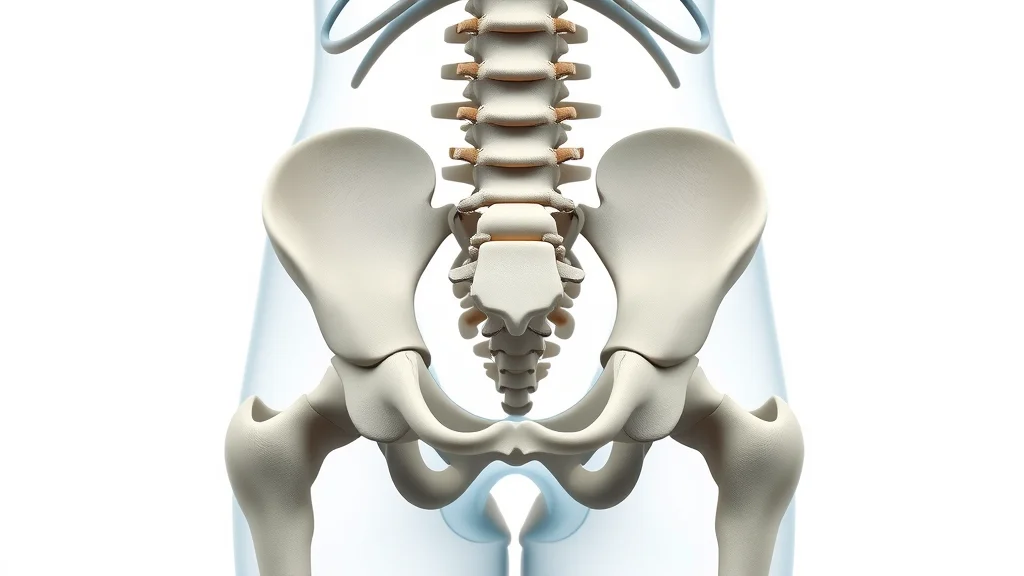
A solid understanding of the anatomy behind lower back and hip pain can empower you to make informed decisions about your health. The lumbar spine forms the lower back and is made up of vertebrae, discs, ligaments, and muscles; the hips are built around the hip joint and pelvis, connected by muscles that also support the lower back. Vulnerabilities or disruptions anywhere in this intricate system can trigger discomfort that radiates, migrates, or lingers.
The most common reasons for pain in this region include muscle strain, sacroiliac joint dysfunction, herniated discs, and arthritis—issues that often overlap. Recognizing how these structures interact, and differentiating between hip pain and low back pain, is essential for successful long-term treatment, especially when using natural and holistic solutions.
Key Structures of the Lower Back and Hip
The lumbar spine, pelvis, sacroiliac joint, and hip joint serve as anchors for the body’s movement and support. The lumbar spine houses the spinal canal and nerves, while the sacroiliac joint connects the sacrum at the base of the spine to the hip bones, mitigating movement between the lower back and pelvis. The hip joint, a sturdy ball-and-socket, carries much of the body’s weight in motion.
Muscles such as the gluteus medius, piriformis, and iliopsoas act as critical bridges—quite literally—connecting the hips and spine, and maintaining proper function and flexibility. When any of these structures become strained, inflamed, or misaligned, pain can radiate from one area to another, reinforcing the idea that lower back pain and hip pain are rarely isolated incidents. Addressing these key anatomical elements together is fundamental to achieving sustainable relief.

Common Causes of Lower Back and Hip Pain
Several factors can trigger pain in the lower back and hip region, with muscle strain from heavy lifting, poor posture, and prolonged sitting among the most frequent. Degenerative processes such as arthritis or age-related joint change, herniated discs, spinal stenosis, and sacroiliac joint dysfunction also rank high as root causes. Each of these conditions can initiate compensatory mechanisms elsewhere in the body, often resulting in combined lower back and hip pain.
Sports injuries, falls, or sudden increases in activity level may also spark discomfort stretching from the back to the hip joint. In some cases, repetitive stress can inflame or destabilize the sacroiliac joint or overstress the supporting musculature, producing radiating pain that toggles between the lower back and hips. Recognizing these underlying causes is crucial for determining the right treatment options and for knowing when it's time to seek out an expert holistic health practitioner in Gig Harbor or nearby areas.
How Back and Hip Pain Interact in the Body
Lower back and hip pain are closely tied due to the body’s need to compensate when one area loses function or becomes injured. When muscles supporting the spine are weakened or fatigued, the pelvis may tilt or rotate, shifting pressure onto the hip joint. Conversely, hip dysfunction—from impingement, arthritis, or muscle tightness—can spark overuse in the lumbar spine or sacroiliac joint, resulting in a ripple effect of discomfort.
This interconnectedness means that treating only one symptom or area is unlikely to yield long-term relief. Instead, integrative strategies that support healthy movement, strengthen core musculature, and restore joint stability are essential. By reflecting on how back and hip pain interact, holistic practitioners can develop tailored care plans that address the true source of pain, empowering you to return to an active, pain-free lifestyle.
Symptoms and Diagnostic Clues of Lower Back and Hip Pain
Recognizing the subtle differences—and striking similarities—between lower back and hip pain can make all the difference in achieving relief. Symptoms may include persistent soreness, aching, sharp pain with movement, stiffness after inactivity, or pain radiating from the lumbar region to the hip joint or vice versa. Symptoms often intensify after prolonged sitting, standing, or even gentle movement if underlying inflammation or misalignment is unaddressed.
The involvement of the sacroiliac joint can be a telltale clue, as pain may radiate across the buttocks or down the leg, often mimicking sciatic pain. Differentiation between joint pain, muscle strain, and nerve irritation is best done in partnership with a holistic care team or practitioner, ensuring a clear diagnosis and targeted, natural care strategies.
Recognizing Joint Pain, Radiating Pain, and Sacroiliac Joint Involvement
Joint pain in the lower back and hips may present as deep aching, tenderness on movement, or pain that seems to ‘travel’ along the pelvis or thigh. Sacroiliac joint pain, in particular, is recognized by discomfort in the buttocks, lower back, or even the groin area, often exacerbated by standing up from a seated position or twisting the torso. Radiating pain—a hallmark of nerve irritation—can complicate diagnostic efforts since symptoms may appear in areas distant from the injury.
If pain seems to switch sides, migrate, or remains unaffected by changes in position, this usually points to joint or nerve involvement. Awareness of these distinctions not only aids in prompt identification but also ensures the most suitable holistic treatment pathway is chosen for your unique symptoms.
Differentiating Between Low Back Pain and Hip Pain
Determining whether your pain originates from the lower back or hip joint can be challenging, as both regions share nerves, muscles, and supportive connective tissue. Lower back pain often accompanies stiffness, tingling, or shooting sensations along the leg (sciatica), while hip pain typically manifests as discomfort in the groin, outer hip, or buttocks, occasionally radiating to the thigh.
Observing when and how the pain occurs is key: Activities like ascending stairs, standing from a seated position, or rotating your torso can provide clues about which structure is primarily affected. However, because the hips and lower back are so closely connected by muscles and nerves, collaborating with a holistic health professional can provide the detailed assessment needed to develop a precise, effective care plan.
Natural and Holistic Approaches for Lower Back and Hip Pain
Holistic care offers a gentle, whole-body solution to lower back and hip pain, focusing on correcting imbalances, strengthening core musculature, and restoring natural mobility. Unlike traditional approaches, which may rely heavily on prescription medications or minimally invasive procedures, natural therapies consider how lifestyle, nutrition, movement, and emotional well-being collectively impact pain and recovery. For those near Gig Harbor, a holistic practitioner may craft a personalized care plan addressing everything from posture and diet to manual therapy and mindfulness.
Treatment options can range from nutritional and lifestyle adjustments to targeted manual therapies and guided exercise programs. The aim is not only to alleviate acute symptoms but to prevent future flare-ups by nurturing resilient, adaptable structures in both the back and hip. This approach supports lifelong mobility and improves your overall quality of life.
Nutritional and Lifestyle Support for Back and Hip Health
Your diet and daily routines play powerful roles in your musculoskeletal health. Nutrient-rich foods, rich in anti-inflammatory properties and essential minerals like magnesium and calcium, can strengthen bones and aid the repair of worn tissue. Staying well-hydrated, practicing stress management, and prioritizing restful sleep boost your body’s natural ability to recover and minimize the risk of chronic joint pain in the lower back and hips.
Holistic practitioners often recommend incremental lifestyle changes rather than drastic overhauls, helping you integrate healthy habits that last. Maintaining an active lifestyle—with gentle, regular movement—and avoiding prolonged sitting are crucial in preventing stiffness, supporting circulation, and ensuring joint change is gradual, not abrupt. Small steps in nutrition, sleep, and daily activity can deliver substantial and sustainable benefits for back and hip pain prevention and recovery.
Manual Therapies: Chiropractic, Massage, and Physical Therapy
Natural and holistic manual therapies are increasingly recognized as effective and gentle pathways to relieve back and hip pain. Chiropractic adjustments realign the spine, reducing pressure on nerves and restoring natural joint motion. Massage therapy eases muscle tension and improves blood flow, directly targeting areas of tightness that aggravate pain in the lower back and hips. Meanwhile, physical therapy uses carefully planned exercises and stretches to strengthen the core, increase flexibility, and retrain the body’s movement patterns.
A skilled care team will design a therapy plan tailored to your specific needs, utilizing non-invasive techniques to engage the body’s healing capacities. These hands-on methods are not just about reducing symptoms in the short term—they’re focused on building long-term resilience, mobility, and comfort, empowering you to move freely again.

Movement Practices: Gentle Exercise, Stretching, and Mindfulness
Maintaining the health of your lower back and hips requires consistent, mindful movement. Gentle exercises, such as yoga, Pilates, or tai chi, enhance joint stability and mobility without adding undue strain. Stretching routines that specifically target the hips, piriformis, glutes, and lower back help counteract tightness from daily life or sedentary habits, while breath-centered practices bring balance to the nervous system—an essential aspect of long-term pain management.
Incorporating mindfulness, whether through guided meditation or awareness during movement, helps reduce the impact of stress on the body. By engaging in regular, restorative movement, you not only decrease discomfort but also prevent recurrence, creating a foundation for whole-body health. With professional guidance, these practices can become transformative tools on your journey to a pain-free life.
"Holistic approaches empower you to not only relieve pain but also restore balance in your body and life."
Watch an educational walkthrough with a certified holistic practitioner as they demonstrate integrative care for lower back and hip pain. This video covers a patient case example, hands-on therapies, and essential lifestyle advice for natural healing in the Gig Harbor area.
[Insert educational video walkthrough here]Evidence-Based Benefits of Holistic Treatment for Lower Back and Hip Pain
The shift toward natural, holistic care is supported by a growing body of evidence demonstrating improvements in pain relief, mobility, and overall well-being. Patients frequently report superior results, fewer side effects, and improved quality of life compared to conventional pharmaceutical approaches. By focusing on root causes and comprehensive healing, holistic practitioners address underlying dysfunctions in the hips and spine, reducing the likelihood of recurrent pain.
Expert insights show that strategies such as guided physical therapy, chiropractic care, nutrition optimization, and stress management can minimize joint pain while restoring healthy movement. Such individualized approaches are especially valuable for those in the Gig Harbor region seeking alternatives to medication or surgery, and wanting sustainable, whole-person wellness.
Success Stories and Expert Insights
Countless individuals have reclaimed their lives through holistic approaches to lower back and hip pain. From those sidelined by years of chronic discomfort to athletes seeking peak performance, natural care strategies have helped many return to work, hobbies, and sports without the cycle of pain meds and missed activities. Testimonials from patients and practitioners alike highlight improvements in daily function, sleep, mood, and energy.
These outcomes are possible when care is tailored to your precise needs and guided by professionals who see the body as an integrated whole. As more people near Gig Harbor choose holistic therapy, the message is clear: Relief is real, lasting, and achievable without invasive interventions or dependency on pharmaceuticals.

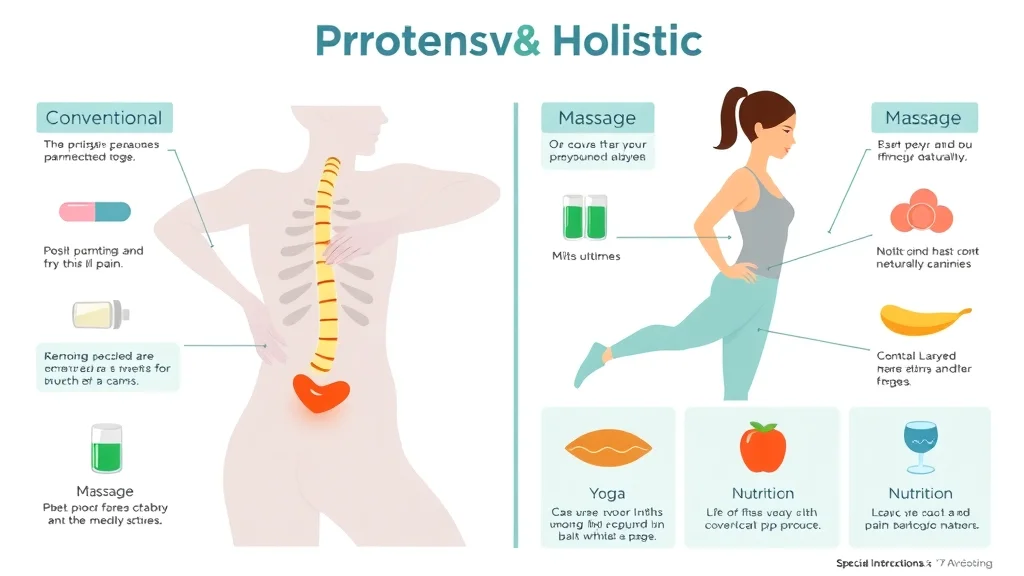
Table: Comparison of Conventional vs. Holistic Approaches for Back and Hip Pain
See how conventional medical treatments differ from holistic approaches when it comes to addressing lower back and hip pain. Understanding these differences can help you make the best choice for your health and long-term mobility.
| Approach | Key Techniques | Focus | Common Outcomes |
|---|---|---|---|
| Conventional | Medications, steroid injections, minimally invasive surgery | Managing symptoms, short-term pain relief | Temporary comfort, possible side effects, recurring pain for some |
| Holistic | Nutrition, manual therapies, lifestyle counseling, exercise programs, stress reduction | Addressing root causes, whole-body healing | Long-term relief, improved function, enhanced well-being, reduced recurrence |
Prevention and Self-Care Strategies for Lower Back and Hip Pain
- Daily mobility routines
- Ergonomic modifications
- Stress reduction and sleep hygiene
- Nutrition for joint health
Preventing lower back and hip pain begins with small, daily choices. Commit to gentle movement routines and exercises that increase flexibility and core strength. Create an ergonomic home or work environment by aligning your chair, desk, and computer screen to promote healthy posture and decrease strain. Prioritize stress-relieving practices and consistent sleep to aid muscle repair and overall resilience. Finally, nourish your body with foods and supplements that support joint health, such as omega-3s, leafy greens, and sufficient hydration. These preventive strategies help ensure that pain is not a recurring visitor in your life.
People Also Ask: Answers to Lower Back and Hip Pain Questions
How do you relieve lower back and hip pain?
To relieve lower back and hip pain, begin with gentle stretching, regular movement, and supportive exercises that enhance flexibility in both regions. Incorporate practices like heat application, self-massage, or mindful movement (such as yoga or tai chi) to ease stiffness. For ongoing or severe cases, working with a holistic practitioner can help address underlying imbalances and provide tailored guidance for natural recovery and long-term joint health.
Natural Relief Methods for Lower Back and Hip Pain
Natural relief focuses on lifestyle changes, such as anti-inflammatory nutrition, improved sleep hygiene, and daily movement. Therapies like chiropractic care, massage, acupuncture, and gentle physical therapy have shown promise in managing pain without medications. Always listen to your body, progress gradually, and seek advice from a holistic health professional to develop a program that supports sustained relief for both back and hip pain.
What are red flags for back and hip pain?
Red flags include sudden, severe pain; loss of bladder or bowel control; numbness or weakness in the legs; fever or unexplained weight loss; and pain following trauma. These symptoms may indicate a more serious condition requiring immediate medical attention. If you notice any of these signs, consult with a healthcare provider or orthopedic surgeon without delay rather than solely relying on holistic care.
Recognizing When Lower Back and Hip Pain Needs Immediate Attention
If pain is accompanied by neurological symptoms, progressive weakness, loss of sensation in the groin or legs, or if daily function rapidly declines, seek urgent evaluation. Severe, unrelenting joint pain with other systemic symptoms warrants immediate care, as early intervention can prevent long-term complications and ensure the best possible outcome for your lower back and hips.
When to worry about hip and back pain?
Persistent pain lasting several weeks, pain that worsens with rest, or pain interfering with sleep and daily activities should not be ignored. If conservative measures fail, or if the discomfort is associated with numbness, weakness, or systemic symptoms, consult a holistic practitioner or care team for thorough evaluation and treatment options.
Understanding When Lower Back and Hip Pain Requires a Holistic Practitioner
If conventional treatments are not providing lasting relief, or if you’re seeking a drug-free, whole-body solution, consider consulting a holistic health practitioner. They can perform a detailed assessment to identify root causes, design integrative care plans, and help you restore balance through natural therapies customized to your body's needs.
How to decompress lower back and hips?
Decompression can be achieved through gentle stretches such as child’s pose, hip bridges, or supported spinal twists. Inversion (using a yoga swing or gently hanging), foam rolling, and physical therapy guidance can also help relieve tension in these areas. Always perform decompression exercises slowly and within a comfortable range of motion, and seek input from a holistic or physical therapist if discomfort persists.
Decompression Techniques for Lower Back and Hip Pain
Techniques like supported bridge pose, gentle lumbar rotations, and active decompression on an exercise ball can alleviate pressure on the spine and hip joint. Manual therapies provided by holistic practitioners, such as traction or specific chiropractic adjustments, may further enhance decompression and provide relief from chronic pain, especially for those seeking natural solutions near Gig Harbor.
Experience a guided, gentle yoga flow designed to stretch and strengthen the hips and lower back. This beginner-friendly routine may help soothe pain, increase flexibility, and support overall back and hip wellness.
[Insert gentle yoga routine video here]FAQs on Lower Back and Hip Pain
-
Can holistic approaches help chronic lower back and hip pain?
Yes, many people find that sustained, natural therapies—including chiropractic, nutrition, and lifestyle counseling—provide lasting relief from chronic lower back and hip pain. These approaches address root causes and help prevent flare-ups. -
How often should you see a natural health practitioner?
The frequency depends on your symptoms and goals, but many benefit from regular re-evaluations (every few weeks or months) to monitor progress and adjust care plans as mobility and function improve. -
What lifestyle changes best support lower back and hip health?
Prioritize consistent movement, ergonomic workspaces, anti-inflammatory diets, stress reduction, and quality sleep. Holistic practitioners can offer specific recommendations based on your health profile and daily routine.
Key Takeaways: Your Path to Relief from Lower Back and Hip Pain
- Lower back and hip pain are often interconnected due to shared anatomy
- Holistic, natural therapies can provide lasting relief
- Early intervention can prevent chronic pain
- Consulting a qualified holistic practitioner in the Gig Harbor area is a step toward a pain-free life
Ready to Experience Lasting Relief? Book Your Assessment with a Holistic Practitioner Near Gig Harbor Today
Don’t let lower back and hip pain dictate your life. Take action—schedule an assessment with a trusted holistic practitioner in the Gig Harbor area and start your journey toward natural, lasting comfort and wellness.
Conclusion: Taking Charge of Lower Back and Hip Pain Through Holistic Health
By understanding the connection between lower back and hip pain and embracing holistic care, you can reclaim your mobility, reduce discomfort, and live each day to the fullest.
If you’re inspired to deepen your journey toward pain-free living, consider exploring additional holistic movement practices that nurture both body and mind. Embracing modalities like yin yoga not only supports hip flexibility but also enhances overall well-being and resilience. For those in Gig Harbor, discovering new approaches to healing movement can open doors to greater comfort and vitality. Take the next step and learn how mindful movement can be a cornerstone of your holistic health strategy by visiting this guide to yin yoga for sore hips—your path to lasting relief and renewed energy may be closer than you think.






Write A Comment