
Ever wondered if your daily commute or a long road trip could actually make your sciatica worse? If you’re struggling to find ways to drive comfortably without triggering nerve pain and keeping your quality of life in balance, this detailed guide is for you. Let’s dive into how driving impacts sciatica pain, why it can lead to flares, and which holistic strategies are most effective for people with this condition—especially if you’re considering working with a natural health expert near Gig Harbor, WA.
Can Driving Make Sciatica Worse?
For those living with sciatica pain, even the thought of sitting behind the wheel can bring up concerns about nerve flares, lower back pain, and the dreaded “pain while sitting. ” The truth is, driving with sciatica has unique challenges due to the time spent sitting, the position of your lumbar spine, and limited opportunities for movement. Prolonged sitting, especially during a car ride, compresses the sciatic nerve and can often result in pain that radiates through the lower back, buttocks, and even into the leg.
Not only does the lack of movement restrict blood flow to sore or inflamed areas, it also reinforces poor postural habits. This can make sciatica flare episodes more likely and can worsen back pain over time. If you frequently find your pain intensifying during or after a drive, you’re definitely not alone—and there are both natural and practical solutions to prevent sciatic nerve pain from disrupting your life behind the wheel. Understanding the strong link between driving, sitting posture, and nerve pain is the first step toward a holistic change in your daily comfort.
Exploring the Connection Between Driving with Sciatica and Pain Flares
The relationship between driving and sciatica pain often centers around how our bodies respond to long hours in a car seat. The seated position, with knees bent and lower back pressed against the seat, can aggravate the sciatic nerve, especially in a typical car ride that lasts for long periods. With each mile, the combination of vibration, road stress, and insufficient lumbar support sets the stage for increased nerve pain and muscle tension. People with chronic back pain and sciatica often notice these symptoms worsening after even short drives because of the added stress placed on the sensitive nerve pathways.
In addition to direct pressure on the lumbar spine, the need to constantly reach for the steering wheel or control pedals can lead to uneven posture. This, combined with lack of movement, disrupts the body’s natural alignment and circulation. Many drivers report increased pain and sciatica symptoms, such as tingling, numbness, or sharp, shooting sensations running from the low back down to the foot. Understanding these patterns is crucial for anyone hoping to prevent sciatica from getting worse and to maintain a higher quality of life while on the road.

What You'll Learn About Driving with Sciatica
- How driving with sciatica can affect lower back and leg pain
- Common causes of sciatica pain while sitting in a car ride
- Expert holistic strategies to prevent sciatica flare while driving
- Best seat position and adjustments for driving with sciatica
- Natural and holistic solutions to prevent sciatic nerve pain
Understanding Sciatica Pain and the Sciatic Nerve
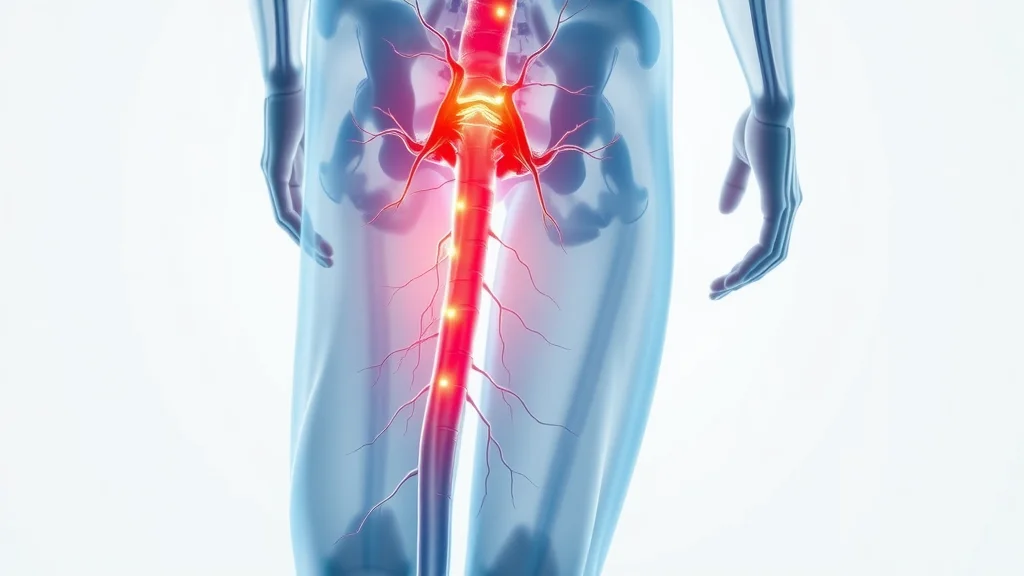
What Is Sciatica and Sciatica Pain While Driving?
Sciatica pain is caused by irritation or compression of the sciatic nerve—the largest nerve in your body, which originates in the lumbar spine and travels through the buttock, down the leg, and into the foot. When this nerve becomes compressed, either by a herniated disc, spinal stenosis, or muscle tension, it can lead to symptoms such as sharp nerve pain, tingling, burning, numbness, or even muscle weakness. People who suffer from sciatica often say that sitting, especially during a car ride, triggers pain episodes and sometimes a full-blown sciatica flare.
While driving, the body remains in a fixed position, and vibration from the road further stresses already sensitive tissues. This can intensify sciatica pain, especially in those who already have a history of chronic back pain or leg pain related to nerve root irritation. By understanding the anatomy of the sciatic nerve and its role in lower back and leg pain, drivers can take meaningful steps to address pain while sitting and, more importantly, can prevent sciatic symptoms from worsening over time.
How the Sciatic Nerve Responds to Sitting and Nerve Pain in Car Rides
Sitting for long periods can significantly affect how the sciatic nerve functions. The compressed position narrows the spaces through which the nerve travels, reducing blood flow and increasing nerve sensitivity. People with sciatica while driving might find that even short trips lead to escalating discomfort due to the persistent, static pressure on the lower back and buttocks. The lack of active movement that usually relieves pressure instead creates a “perfect storm” for nerve irritation and pain flares.
Additionally, the continuous engagement of the muscles supporting the spine during driving—in combination with suboptimal seat design or poor posture—can cause both lower back and nerve pain to intensify. Utilizing the right cushioning and making frequent seat adjustments may be overlooked but remain essential aspects of managing sciatic nerve pain during car rides.
For those seeking additional relief strategies, incorporating gentle movement practices can be especially beneficial. Exploring approaches like Yin Yoga for sore hips may help release tension in the lower back and hips, supporting better mobility and comfort during long drives.
Why Driving with Sciatica Can Make Symptoms Worse
The Impact of Prolonged Sitting on Lower Back and Sciatic Nerve Pain
Prolonged sitting is one of the biggest culprits behind increased lower back and sciatic nerve pain, especially when it comes to driving. Over time, sitting in a cramped position places repetitive stress on the lumbar spine, compressing both intervertebral discs and the sciatic nerve itself. This results in the lower back becoming tight, the hip flexors shortening, and pressure building up along the nerve’s path. People with this condition often report heightened pain by the end of a longer car ride—especially if their car seat lacks adequate lumbar support.
In addition, the forward tilt or slouched position that many drivers adopt can lead to poor posture, reducing natural spinal curves and negatively impacting alignment. This not only worsens existing back pain but also increases the likelihood of a sciatica flare. By becoming mindful of how their bodies respond to the demands of driving, individuals with sciatica can take proactive steps to relieve nerve pain and preserve their quality of life.
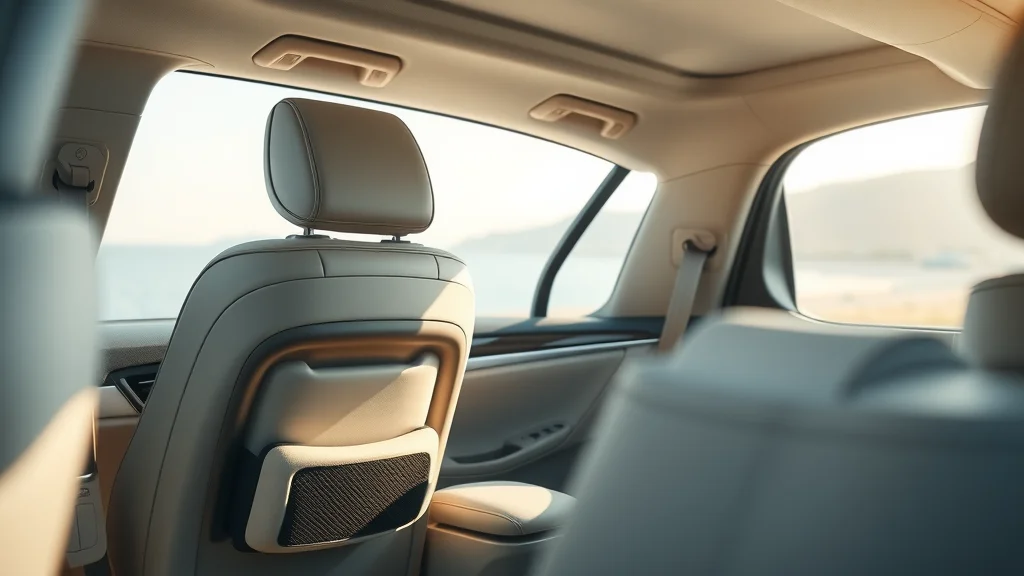
Driving Habits That Trigger Sciatica Flare and Sciatica Worse
Certain driving habits can dramatically worsen sciatica symptoms, making it crucial to identify and replace them with more supportive practices. Constantly leaning forward toward the steering wheel, sitting with uneven weight distribution, or neglecting to adjust the seat for proper lumbar support are common triggers for a sciatica flare. Furthermore, rarely taking breaks to stretch or move—especially during longer trips—almost guarantees increased discomfort and can prolong nerve pain after you’ve arrived at your destination.
Other repetitive actions, such as repeatedly pressing the pedals with one foot (often the right) or twisting to reach items in the back seat, can exacerbate lower back strain and cause sciatic nerve irritation. By reshaping daily driving routines to emphasize posture and regular movement, you can effectively prevent sciatica from escalating into chronic pain—and begin to restore comfort during even the most demanding journeys.
Natural and Holistic Ways to Prevent Sciatica Flare While Driving
Holistic Techniques to Prevent Sciatic Nerve Pain During a Car Ride
A holistic approach to managing driving with sciatica focuses on integrating body awareness, mindful movement, and natural therapies to support nerve health. One of the most effective strategies is to prioritize mindful seat adjustments—positioning both the backrest and the seat to maintain the spine’s natural curves, while adding supportive cushions for enhanced lumbar support. Starting with brief stretching routines before, during, and after a drive helps to reduce stiffness and improve circulation, both of which work to prevent sciatic nerve pain.
Incorporating relaxation techniques, such as controlled breathing or gentle mindfulness exercises, can also lessen the perception of pain and soothe aggravated nerves. Topical remedies, like natural essential oils with anti-inflammatory properties, may provide calming relief when applied to tense areas before embarking on a car ride. Small, consistent changes make a significant difference in how you experience long drives with or without sciatica.
- Mindful seat adjustments to support lower back
- Stretching routines for drivers before, during, and after driving
- Breathing practices for nerve pain relief
- Essential oils or topical remedies for comfort

Expert Tips for the Best Seat Position When Driving with Sciatica
| Feature | Expert Recommendation | Benefit for Sciatica |
|---|---|---|
| Seat Angle | Backrest reclined at ~100°-110°, hips level with or slightly higher than knees | Reduces pressure on lumbar spine and sciatic nerve |
| Lumbar Support | Use a lumbar cushion or built-in car lumbar support | Supports natural spine alignment, relieves nerve compression |
| Seat Cushion | Orthopedic or memory-foam cushion for seat base | Relieves pressure points, improves circulation during long periods of sitting |
| Foot Position | Feet flat on floor, avoid crossing legs or leaning on one hip | Distributes weight evenly, prevents sciatic nerve irritation |
| Break Frequency | Stop every 45-60 minutes for gentle stretching | Keeps muscles loose, helps prevent sciatica flare |
Treatment Options Beyond Driving: Holistic Recovery for Sciatica Pain
Physical Therapy and Alternative Approaches for Sciatica While Driving
When looking for natural solutions to support healing and comfort, many find that embracing physical therapy and integrative practices can be highly effective. Individualized treatment plans often include gentle stretching, posture retraining, and specific exercises to build strength and flexibility in the lower back and hips. Alternative therapies such as massage and chiropractic care further enhance recovery by addressing muscular imbalances and alleviating pressure on the sciatic nerve.
Additionally, acupuncture offers an evidence-supported pathway to managing nerve pain without medication. Yoga and mindful movement, tailored to people with sciatica, blend gentle stretching, breathing work, and movement that supports optimal nerve function and reduces tension patterns that contribute to chronic back or leg pain. Working with a holistic health practitioner ensures your approach to sciatica while driving is both safe and customized to your needs, leading to long-term comfort behind the wheel and improved overall wellbeing.
- Massage therapy for lower back and leg pain
- Acupuncture for nerve pain management
- Chiropractic adjustments
- Yoga and mindful movement exercises tailored to sciatica

Quotes from Holistic Health Experts on Driving with Sciatica
“Frequent breaks and mindful movement are the first steps to prevent sciatica flare when traveling by car.”
“A holistic approach to driving with sciatica blends posture, breathwork, and natural therapies for pain reduction.”

People Also Ask: Driving with Sciatica
What's the worst thing you can do for sciatica?
Answer: Prolonged sitting, poor posture, and ignoring early warning signs can make sciatica worse. Failing to take breaks, proper seat adjustments, or holistic preventive steps during a car ride can intensify sciatic nerve pain.
How painful is sciatica on a scale of 1 to 10?
Answer: Sciatica pain varies from mild discomfort to severe nerve pain, sometimes described as a shooting or burning sensation, and can be debilitating during long drives if preventive action is not taken.
What is the best seat position for driving with sciatica?
Answer: The best seat position for driving with sciatica keeps the lower back supported, knees just below hip level, and allows feet to rest flat on the floor to reduce sciatic nerve compression.
What will permanently make sciatica go away?
Answer: A combination of holistic approaches such as regular exercise, mindful posture, stretching, and natural therapy sessions can support long-term relief from sciatica pain and help prevent sciatica flare.
Key Takeaways for Driving with Sciatica and Preventing Sciatica Flare
- Mindful posture and seat positioning reduce sciatica pain during car rides.
- Natural and holistic methods can prevent sciatica from getting worse while driving.
- Holistic health practitioners provide tailored plans for sciatic nerve pain management.
FAQs: Your Top Questions About Driving with Sciatica
- Can driving long distances make sciatica worse? Yes, longer drives increase the risk of nerve compression, which can trigger or worsen sciatica pain. Take regular breaks, practice seat adjustments, and use supportive cushions to minimize discomfort.
- Are there specific seat cushions that help with nerve pain? Orthopedic, memory-foam, or custom cushions designed for lumbar support are most effective for managing nerve pain during drives.
- How often should you take breaks to prevent sciatic nerve pain? Aim for a brief standing and stretching break every 45-60 minutes during longer trips to reduce the risk of sciatica flare and ensure healthy blood flow.
Real Stories: How Holistic Health Changed My Driving with Sciatica
"After working with a holistic health practitioner, my sciatica pain during long drives has noticeably decreased—I'm back to enjoying road trips again!"
Demonstrative video showing a person performing safe stretching routines next to a parked car, focusing on hamstring and lower back stretches recommended for people with sciatica, shot in a scenic, accessible parking lot with calm background music and close-ups on proper stretching form.
Discover natural self-care techniques to prevent sciatic nerve pain during drives—featuring quick at-the-wheel stretches, breathing exercises, and ergonomic hacks for every journey.
Your Next Step: Book a Consultation with a Holistic Health Practitioner Near Gig Harbor
Ready to put your sciatica pain in the rear-view mirror? Connect with a holistic health expert near Gig Harbor today, and start your journey toward pain-free, comfortable driving—so every car ride brings you closer to living your healthiest life. Act now for a customized, natural approach to managing and overcoming nerve pain!
Conclusion: Addressing driving with sciatica with mindful habits, expert-backed seat adjustments, and holistic practices will keep you comfortable on the road and support long-term pain relief—one mile at a time.
If you’re ready to take your recovery and comfort to the next level, consider exploring holistic movement practices that go beyond the car. Embracing healing modalities such as Yin Yoga can be a transformative way to ease tension, improve flexibility, and support your body’s natural resilience—especially for those dealing with persistent hip or lower back discomfort. Discover how gentle, restorative movement can complement your driving routine and help you reclaim freedom from pain by visiting our guide on embracing healing movement for sore hips in Gig Harbor. Your journey to lasting relief and empowered wellbeing starts with the next mindful step.







Write A Comment