Gig Harbor Natural Holistic and Alternative Health

Heal Naturally. Live Fully.
  • Home
  • Categories
  • Top Chiropractor for Back Pain in Gig Harbor
  • Holistic Spas and Day Retreats in Gig Harbor
  • Yoga, Tai Chi, and Movement Classes Near You
  • Mind‑Body Therapy, Hypnosis, and Stress Relief
  • Holistic Stores, Herbs, and Natural Remedies
  • Discover Adventures and Treasures with Mark
  • Featured Gig Harbor Area Businesses
September 30.2026
1 Minute Read

Why Is Sciatica Worse at Night?

Why does sciatica flare up and become so intense just as you’re trying to fall asleep? If you’ve ever found yourself tossing and turning, desperate to find relief from nerve pain as darkness falls, you’re not alone. In this comprehensive guide, we’ll uncover the science behind sciatica at night and show you how natural, holistic health strategies can help you reclaim restful nights—starting today.

Unlocking the Mystery: Why Does Sciatica at Night Intensify?

Many who struggle with sciatica pain are baffled by why their discomfort gets worse at night. While sciatica can be persistent throughout the day, it often feels harsher, sharper, and far more difficult to ignore during bedtime. This isn’t simply your imagination at work—there are real, physical reasons for this nighttime uptick. When you lie down, subtle changes in blood flow, decreased activity, and different sleeping positions can all increase nerve irritation and intensity. Without the day’s distractions, the trademark burning or shooting nerve pain can seem to amplify, making it tough to sleep with sciatica. Furthermore, if you have underlying issues like disc herniation or spinal stenosis, positional factors during sleep can aggravate nerve compression, making pain at night a regular disturbance.

The Nocturnal Puzzle: A Question for Every Sleeper

Nighttime sciatica raises common questions: Why does lying down cause such discomfort? Is it the mattress, the sleeping position, or something about the body’s nightly repair process causing nerve pain to spike? Understanding the role of the sciatic nerve’s structure, sleep posture, and even daily habits is crucial. It’s also important to know that night is a vulnerable time for the body, when inflammation, body temperature, and muscle tension interact to make sciatica symptoms worse at night than during the day.

"If you’ve ever wondered why your sciatica at night feels unbearable, you’re not alone. Many are unaware that sleep can be one of the most challenging times for sciatic nerve pain."

What You'll Learn About Sciatica at Night
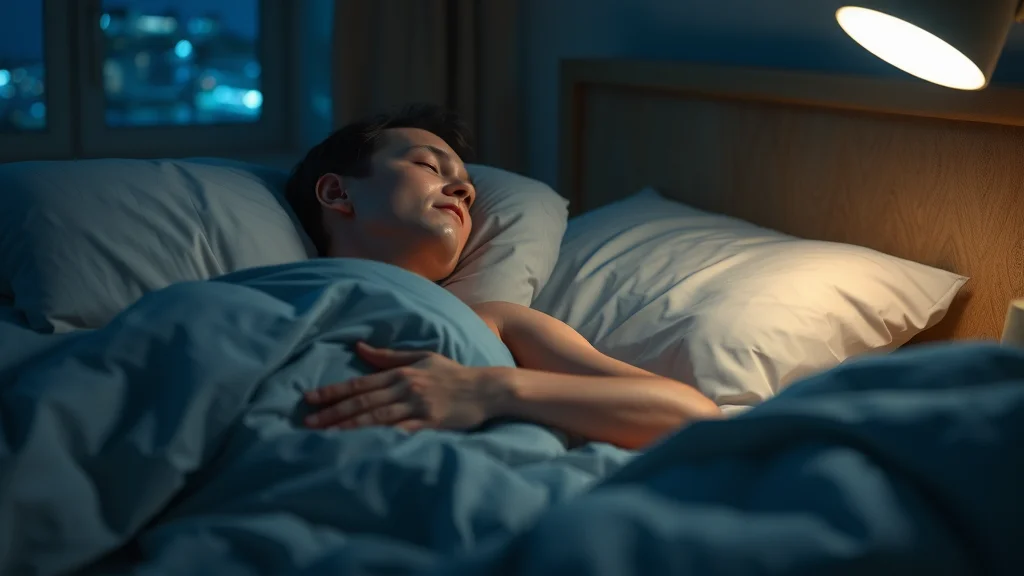
Person experiencing sciatica at night, lying in bed with one hand on their lower back, conveying sciatica pain discomfort and sleep challenges in a softly lit bedroom.
  • How sciatica pain becomes worse at night
  • The sciatic nerve’s role in nighttime sciatica
  • Top sleeping positions for sciatica pain relief
  • Natural and holistic methods for pain relief
  • When nighttime sciatica could be a red flag
  • How to choose a holistic health practitioner for sciatica at night

For those seeking practical ways to ease discomfort, incorporating gentle movement practices can be especially beneficial. Exploring approaches like Yin Yoga for sore hips may help release tension and support better alignment, which is particularly valuable for individuals managing sciatica at night.

Anatomy of Sciatica at Night: How the Sciatic Nerve Affects Sleep

Understanding how the body works while we sleep is essential for those experiencing sciatica at night. The sciatic nerve is the largest in the body, running from your lower back through the hips and down each leg. Anything that puts pressure on this nerve—like poor spinal alignment during sleep—can create significant discomfort. As we rest, the choice of sleep position and mattress quality can heighten nerve pain by pinching or stretching the nerve. Nighttime is also when muscles naturally relax, reducing support for the lower back, which can inadvertently aggravate nerve irritation, especially for those dealing with acute sciatica.

What Is Sciatica Pain and Why Is It Often Worse at Night?

Sciatica pain, by definition, is irritation of the sciatic nerve. For many, this pain seems to vary in intensity throughout the day but markedly worsens at night. When you lie down, the body’s weight distribution changes, sometimes putting more pressure on nerve roots—particularly if you suffer from conditions like disc herniation or spinal stenosis. Additionally, reduced movement while sleeping decreases circulation and causes built-up inflammation to concentrate near inflamed nerves, making pain at night feel more acute. This decrease in movement and natural relaxation of muscles can also heighten sensitivity, which is why so many people suffer from sciatic nerve pain when all they want is a good night’s rest.

The Relationship Between the Sciatic Nerve and Sleeping Position

The way you sleep—side, back, or stomach—has a dramatic effect on the lower back and the sciatic nerve. When your sleeping position causes your spine to twist or bend unnaturally, it can increase nerve compression. For example, sleeping flat on your back without proper support under the knees may cause the lower back to arch, compressing the nerve roots. On the flip side, side sleeping can sometimes put uneven pressure on the hips and lower back, triggering pain radiating along one side of your body. Aligning the spine with the right amount of support is a foundational part of any sciatica treatment plan, which is why holistic practitioners often start by evaluating how you sleep and recommending supportive changes.

Diagram of person lying in bed, overlay showing sciatic nerve running from lower back down the leg, illustrating how sleeping position impacts sciatica at night.

Common Nighttime Sciatica Pain Triggers: Disc Herniation, Spinal Stenosis, and More

Several underlying conditions can make nighttime sciatica more severe. Two of the most common are disc herniation—where a spinal disc presses against the nerve—and spinal stenosis, which involves narrowing of the spinal canal. Both lead to increased nerve irritation, especially in certain sleep positions. Other possible factors include degenerative disc disease, arthritis, or even muscular tightness in the lower back and hips that worsens as the body settles for the night. Identifying these triggers is crucial for developing a comprehensive holistically-minded treatment plan that goes beyond masking symptoms and gets to the root of why your sciatica is worse at night.

Understanding How Sleeping Positions Influence Sciatica at Night

Your sleeping position may be the single most overlooked contributor to nighttime sciatica pain. When the pelvis rotates or the spine is unsupported, it places extra tension on the lower back and the sciatic nerve. Sleeping on an overly soft mattress can allow the spine to sink out of alignment, while a mattress that’s too firm can press directly into sensitive points. If you find that your pain flares as soon as you lie down or in the middle of the night, taking a closer look at your sleep position is a logical first step. Adjusting the way you sleep with sciatica can offer almost immediate pain relief while also facilitating better sleep quality and improved quality of life over time.

Why Certain Sleep Positions Make Sciatic Nerve Pain Worse at Night

Certain sleeping positions directly affect how pressure is distributed along the lower back and hips. For instance, lying flat on your back without support may cause the lumbar spine to arch too much, increasing the risk of nerve compression and amplifying nerve pain. Sleeping on your stomach, meanwhile, twists the spine, pulling the pelvis and lower back out of alignment. Side sleeping can be problematic if your mattress doesn’t provide enough support, causing your hips to sink lower than your shoulders or knees, which also translates into increased tension on the sciatic nerve. Addressing these positional patterns is essential to finding relief and lessening the frustration of sciatica symptoms worse at night.

Comparison of sleep positions for sciatica pain relief, showing back sleeper uncomfortable and side sleeper with pillow under knees feeling relieved.

Adjusting Your Sleep Position for Nighttime Sciatica Pain Relief

To support pain relief, holistic experts often recommend sleeping on your side with a pillow between or under the knees to keep hips, pelvis, and spine in natural alignment. This can minimize pressure on the sciatic nerve while supporting the lower back. If you prefer sleeping on your back, place a pillow under your knees to reduce lumbar strain and promote healthy spinal alignment. It’s also important to find a mattress that supports your particular needs: not too firm, not too soft, but just right to cradle your frame. By refining your sleep position and making small adjustments, you can dramatically change how your body responds to rest and reduce nerve pain that gets worse at night.

The Role of Natural and Holistic Health in Managing Sciatica at Night

When traditional methods fall short, embracing natural and holistic pain relief approaches can make all the difference in managing nighttime sciatica. Alternative therapies, such as massage, acupuncture, gentle movement practices like yoga, and mindfulness meditation, address the entire body—helping to relax tense muscles, restore balance, and lower inflammation that contributes to nerve compression and irritation. Many in the Gig Harbor area discover that holistic health practitioners take the time to learn about your unique sleeping patterns and daily stressors, building a sciatica treatment plan that not only relieves symptoms at night but also supports your overall well-being.

Alternative Therapies for Sciatica Pain: Massage, Acupuncture, and Movement

Natural therapies can be powerful tools in reducing sciatic nerve pain and restoring sleep quality. Massage therapy works by easing muscle tension in the lower back and hips, improving blood flow, and directly reducing nerve irritation. Acupuncture, a staple of holistic health, targets specific points to reduce inflammation and promote the body’s natural healing abilities. Movement modalities such as therapeutic yoga or tai chi further support spinal alignment and flexibility, making the nerves less susceptible to compression during sleep. Holistic practitioners near Gig Harbor often combine these therapies to give comprehensive, personalized support to those dealing with sciatica at night.

Holistic therapy session massage for sciatica pain relief, person receiving back massage in relaxing spa-like setting with natural elements.

Benefits of Lifestyle Changes for Nerve Pain and Sciatica Relief

Beyond in-clinic treatments, lifestyle changes play a significant role in reducing lower back pain and improving sciatica symptoms—especially at night. Simple practices like staying active during the day, maintaining a healthy weight, and adopting calming bedtime rituals can reduce tension in the lower back and help regulate inflammation. Regular stretching, avoiding stimulants late at night, and creating a soothing pre-bedtime routine further support nerve health. Holistic practitioners work to empower their clients with tools and education to take ownership of their pain management, cultivating habits that yield lasting improvement and better quality of life.

"Incorporating regular stretching and holistic therapies can make all the difference in living pain-free, especially when sciatica at night disrupts your rest."

Best Practices: How to Sleep with Sciatica and Reduce Nighttime Sciatica Pain

Adopting holistic self-care routines before bed can lower the frequency and severity of nerve pain at night. Experts recommend developing rituals that relax both mind and body. Gentle stretching, warm baths, restorative yoga, and controlled breathing can prime the body to enter a restful state. Paying attention to ergonomic sleep supports, such as using the right mattress and pillow arrangement, can also help align the spine and minimize compression. These small-but-powerful steps can make all the difference for those struggling to sleep with sciatica and looking to find relief without medication.

Self-Care Routines Before Bed to Ease Sciatic Nerve Pain at Night

Developing a bedtime routine that specifically targets sciatica pain can lead to steadier improvement over time. Start with five minutes of gentle stretching focused on the hamstrings, piriformis muscle, and lower back to relieve tension and promote circulation. Warmth applied to the lower back—such as a heating pad or warm compress—can relax tight muscles and soothe irritated nerves. Consider herbal teas with calming properties, like chamomile or valerian root, to encourage relaxation. Holistic self-care also means turning off electronics at least 30 minutes before bed and dimming the lights to signal to your brain that it’s time to rest. These calming rituals make it easier for anyone experiencing nighttime sciatica to transition smoothly into restorative sleep.

Person gently stretching near bed before sleep, practicing evening self-care for sciatica at night in a warmly lit bedroom.

When Should You Seek a Holistic Health Practitioner for Sciatica at Night?

If your sciatica at night is persistent, worsening, or interfering with your sleep despite self-care efforts, it may be time to consult a holistic health practitioner. Warning signs—such as numbness, weakness, persistent muscle pain, or pain radiating down the leg—could indicate underlying nerve compression that requires tailored care. Holistic experts can provide a comprehensive assessment, recommend targeted therapies, and develop a sciatica treatment plan customized to address the root cause of your pain. Partnering with a knowledgeable practitioner not only promotes faster pain relief but also empowers you to take control of your healing journey in a safe, natural way.

People Also Ask: Your Top Sciatica at Night Questions Answered

What can be mistaken for sciatica?

Answer to: What can be mistaken for sciatica?

Conditions such as piriformis syndrome, sacroiliac joint dysfunction, or lumbar disc issues can present symptoms similar to sciatica. Additionally, hip bursitis, muscle spasms in the lower back, or referred leg pain from arthritis may also mimic sciatic nerve pain. It’s important to receive a thorough assessment to ensure the pain truly comes from sciatic nerve irritation and not another source.

What helps sciatic nerve pain at night?

Answer to: What helps sciatic nerve pain at night?

Effective relief for sciatic nerve pain at night often includes adjusting your sleeping position, using supportive pillows, stretching before bed, and employing natural remedies like gentle heat or holistic therapies. Techniques such as chiropractic adjustments, acupuncture, or massage can also promote healing, reduce inflammation, and lower nerve irritation to help you sleep with sciatica more comfortably.

Why is my sciatica pain worse at night?

Holistic health specialist consulting with patient about why sciatica pain is worse at night, in a brightly lit clinic near Gig Harbor.

Answer to: Why is my sciatica pain worse at night?

Several factors contribute to sciatic pain getting worse at night. When you lie down, spinal alignment shifts and muscle support decreases, putting more pressure on inflamed nerve roots. Reduced background activity makes pain signals more noticeable, while certain mattresses or pillow setups intensify nerve irritation. Addressing these factors holistically can provide the relief you need for a restful night’s sleep.

What is a red flag for sciatica pain?

Answer to: What is a red flag for sciatica pain?

If sciatica pain is accompanied by sudden weakness, numbness in your legs or groin, loss of bladder or bowel control, or severe, progressively worsening pain, seek expert assessment immediately. These red flags may indicate serious nerve compression that requires prompt medical intervention beyond holistic support.

Holistic Sciatica at Night Relief: Key Takeaway Strategies

  • Understanding your unique body can improve nighttime sciatica
  • Supportive sleep positions reduce sciatic nerve pain
  • Natural pain relief practices provide gentle, effective comfort
  • Early attention to painful signals can prevent worsening conditions

Comprehensive Comparison Table: Approaches to Relieving Sciatica at Night

Approach Pros Cons Natural/Holistic? Best For
Changing sleep position Immediate relief, easy to apply May not work for all Yes Mild to moderate pain
Acupuncture Holistic, low risk Needs practitioner Yes Chronic or recurring pain
Traditional medication Quick effect Side effects, not holistic No Acute, severe pain
Stretching/exercise Whole-body benefit May be difficult in pain Yes Prevention, ongoing relief

Expert Tips: Lists of Simple Steps for Better Sleep With Sciatica at Night

  1. Practice gentle stretching before bed
  2. Experiment with pillow support under knees
  3. Avoid heavy meals and stimulants late at night
  4. Use calming bedtime rituals like herbal teas
  5. Try holistic therapies such as acupuncture or chiropractic care

Real Stories: Quotes from Holistic Health Advocates Battling Sciatica at Night

"Switching to a holistic approach didn’t just help my sciatica at night—it gave me back my mornings. I wake up rested and ready for life again."
"Finding the right natural practitioner near Gig Harbor changed how I manage my sciatic nerve pain. There’s hope, even for the toughest nights."

Sciatica at Night FAQs: Your Most Pressing Questions

  • What holistic methods can help with sciatica at night?
  • Is night pain always severe with sciatica?
  • Are there natural remedies for sciatic nerve pain at night?
  • How do I find a reputable holistic practitioner in Gig Harbor?

Choosing the Best Holistic Health Practitioner Near Gig Harbor for Sciatica at Night

Qualities to Look For in an Expert on Sciatica at Night

When searching for a holistic health practitioner, prioritize experience with nerve pain and a track record of successfully helping clients with nighttime sciatica. Look for credentials in natural therapies, patient-centered communication, and the ability to customize sciatica treatment plans. Compassion, ongoing education, and client testimonials are also positive signs that a practitioner is equipped to help you find relief—even for pain that worsens at night. Choose someone who listens, investigates your unique sleep challenges, and encourages whole-person healing.

How to Book a Consultation with a Natural Health Practitioner Today

Booking your first appointment is easy. Many practitioners near Gig Harbor offer online scheduling, phone consultations, or prompt in-person visits. Begin by reaching out through their website or calling their office to ask about their approach to sciatica at night. Prepare a list of your symptoms, sleep patterns, and prior therapies so your first session can be productive and reassuring. Schedule an appointment with a holistic expert who can guide you toward pain-free nights and brighter mornings—naturally.

Book Your Path to Pain-Free Nights: Schedule a Holistic Health Appointment Today

Ready to overcome sciatica at night for good? Contact a natural holistic health practitioner near Gig Harbor and take the first step toward restorative sleep and lasting vitality. Your body—and your future—deserve it.

Watch: An expert explains the science behind sciatica at night, sleep strategies, and holistic pain relief. Get top posture tips, illustrated lifestyle tweaks, and see how a natural health approach can empower you to sleep with sciatica.

Learn: Follow along with real-time demonstrations of gentle stretches and optimal sleeping positions specifically chosen to reduce nerve pain at night and support holistic recovery.

Conclusion: Sciatica at night doesn’t have to control your rest. Focus on smart sleep positions, natural therapies, and expert holistic care to take back your nights—and your mornings.

If you’re ready to deepen your journey toward pain-free nights, consider exploring additional holistic movement practices that target the root causes of discomfort. Techniques such as Yin Yoga not only nurture flexibility and joint health but also foster a sense of calm that can be transformative for those with persistent nerve pain. By broadening your approach to include mindful movement and restorative routines, you empower yourself with advanced strategies for lasting relief. Discover how integrating these holistic methods can elevate your overall well-being and help you reclaim restful, rejuvenating sleep.

Top Chiropractor for Back Pain in Gig Harbor

0 Views

0 Comments

Write A Comment

*
*
Please complete the captcha to submit your comment.
Related Posts All Posts
09.28.2026

Why Is Sciatica Worse When Sitting?

Imagine settling into your favorite chair after a long day, only to be greeted by a sharp, shooting pain traveling from your lower back down your leg. For many dealing with sciatica worse when sitting, this scenario is all too real. But why does sitting, which seems so passive and harmless, often become a trigger for severe discomfort? In this comprehensive guide, we’ll explore the hidden reasons behind worsening sciatic nerve pain while seated and reveal holistic, actionable solutions to help you reclaim your comfort—especially if you’re exploring natural care options in the Gig Harbor area. Living With Sciatica: Why Sciatica Is Worse When Sitting For individuals experiencing sciatica pain, daily life can feel like navigating a minefield—especially when sitting is required for work, travel, or relaxation. Many notice that back pain and leg pain intensify during long periods of sitting, leaving them yearning for relief. This intensification is not just coincidental; it’s rooted in the anatomy and behavior of the sciatic nerve. When you’re seated, the pressure on the lower back increases, and the chances of nerve compression go up, particularly if you struggle with poor posture or lack lumbar support. Recognizing the triggers of sciatica worse when sitting is essential for finding effective natural interventions. Unaddressed, these triggers can lead to prolonged discomfort, reduced mobility, and even chronic lower back issues. Fortunately, understanding the nature of sciatic pain opens the door to holistic management and prevention strategies that can help individuals return to pain-free, active lives. Whether you’re exploring new options or seeking to enhance your current care plan, this article provides the insights you need for lasting relief. Scenario: Experiencing Sciatica Pain When You Sit Down Picture yourself entering a well-lit home office, ready to start your morning routine. As you sit, a jolt of nerve pain radiates from your lower spine, sometimes traveling through the buttock and down one leg. This familiar scenario highlights just how quickly sciatic nerve pain can be aggravated by something as simple as sitting. Even ergonomic chairs, if not adjusted properly according to your body’s needs—with feet flat on the floor and good lumbar support—may fail to prevent the pressure that ignites these flare-ups. The struggle to find comfort can make workdays grueling and hinder your quality of life, emphasizing the need for proactive, holistic strategies tailored to your unique situation. What You'll Learn About Sciatica Worse When Sitting The anatomy of the sciatic nerve and why the sciatic nerve is vulnerable during prolonged sitting How sitting mechanics contribute to back pain and lower back discomfort Natural and holistic approaches for managing sciatica pain Recognizing nerve compression and its role in sciatic pain Lifestyle changes to improve your quality of life Understanding the Sciatic Nerve and Sciatica Worse When Sitting How the Sciatic Nerve Works The sciatic nerve is the largest nerve in the human body, starting from the lower spine and branching downward through the hips, buttocks, and legs. Its primary role is to relay movement and sensation between the spinal cord and the lower extremities. When functioning optimally, it enables smooth, pain-free movement. However, the length and location of the sciatic nerve make it vulnerable to nerve compression, especially when exposed to certain stressors—such as prolonged sitting or tight muscles in the gluteal region. Daily habits play a pivotal role in determining how well the sciatic nerve operates. Seemingly minor activities, like how you sit, the surfaces you sit on, and how often you stand or move, can all impact the nerve’s health. Over time, unhealthy postural habits and repetitive pressure can cause nerve root irritation, leading to classic sciatica pain—tingling, numbness, or even severe pain shooting down the leg. If you’re noticing recurring discomfort, understanding the underlying anatomy is the first step toward making lasting changes. What Causes Sciatica Pain and Sciatic Pain? Sciatica pain is most commonly caused by nerve compression within the lower back, where the sciatic nerve is either pinched or irritated. Common culprits include a herniated disc, spinal stenosis (narrowing of the spinal canal), or even muscle tension and inflammation in the surrounding region. These conditions can create increased pressure on the sciatic nerve, especially when the body is stationary for long periods, like during sitting. Sitting, particularly in a slouched or unsupported position, can pinch the sciatic nerve between the spinal column and the seat, resulting in immediate discomfort or longer-lasting leg pain and numbness. It’s important to remember that sciatic pain differs from generic back pain due to its specific pathway and underlying physiological mechanisms. Recognizing these patterns is crucial for identifying the right holistic or conventional interventions tailored to your situation and lifestyle. For those seeking additional natural strategies to complement their sciatica relief, incorporating gentle movement practices can be especially beneficial. Exploring approaches like Yin Yoga for sore hips may help release tension in the lower back and hips, supporting holistic healing and greater comfort during daily activities. Common Causes: Why Is Sciatica Worse When Sitting? Pressure on the Lower Back and Lower Back Discomfort One of the primary drivers of sciatica worse when sitting is increased pressure on the lower back. Unlike standing or walking, where body weight is distributed among several muscle groups, sitting places direct weight and stress on the lumbar spine. This pressure is amplified if your chair lacks proper lumbar support or your posture causes your spine to curve excessively. Over time or even after a single long session, this additional load can push spinal discs out of alignment or compress the nerve roots, leading to pain that radiates down the sciatic nerve. When pressure on the lower back becomes a regular occurrence, not only does back pain intensify, but associated symptoms like tingling, weak muscles, or leg pain can emerge. The relationship between sitting and worsening sciatic pain underscores the importance of mindful body mechanics. Even subtle shifts in weight distribution or habitual slouching can set the stage for chronic discomfort, which is why targeted solutions are so valuable for those seeking long-term relief. The Role of Poor Posture and Prolonged Sitting in Sciatic Nerve Issues Many people are surprised to learn how significantly poor posture and prolonged sitting can aggravate sciatic nerve discomfort. Habitually sitting with the pelvis tilted, slouching forward, or crossing legs can place abnormal stress on the lower back and hips. Over time, these small deviations from good posture cause the spine to lose its natural curves, inadvertently contributing to nerve compression. As the muscles supporting the spinal column tire, they transfer extra workload to passive structures like discs and ligaments, placing the sciatic nerve at further risk. Workspaces with improperly adjusted chairs, screens, or workstations only amplify the problem. Even if you maintain good lumbar support for short intervals, long periods of immobility promote muscle stiffness and reduced circulation, which are known contributors to rising sciatica pain. Investing time in correcting these patterns with regular posture checks and movement intervals can dramatically alter the trajectory of your sciatic discomfort. Nerve Compression and Sciatic Pain At the core of many cases of sciatica is the issue of nerve compression. When tissues—such as bones, cartilage, muscles, or ligaments—apply prolonged or repeated pressure on the sciatic nerve, pain caused by irritation or inflammation almost always follows. What amplifies discomfort for those with sciatica worse when sitting is the direct line of force against the nerve roots when weight is absorbed through an unsupported lower back. Other factors, including physiological differences, underlying spinal conditions, and muscle imbalances, can heighten susceptibility to nerve pain. Holistic approaches often seek to identify and eliminate any lifestyle or ergonomic triggers contributing to nerve compression. By addressing the underlying causes—rather than just masking symptoms—natural treatments open doors for both immediate pain relief and sustainable recovery. How Sitting Posture Affects Sciatic Nerve and Back Pain Why lumbar support is crucial The benefits of good posture How to avoid pressure on the lower body Proper sitting posture is not only about appearing upright—it’s essential for keeping pressure off the sciatic nerve and reducing back pain. Maintaining good posture keeps your spinal curves intact and ensures that bodyweight is distributed evenly through the seat bones, not the lower back. Lumbar support tools or cushions bridge the gap between your natural lumbar curve and the backrest, actively offloading pressure from your discs and nerve roots. This can be especially helpful during long periods of desk work or travel. To further reduce back pain and mitigate pressure on the sciatic nerve, consider these tips: keep your feet flat on the ground, avoid crossing your legs, set your chair at a height where your knees are just below hip level, and take regular breaks every hour. Strengthening the muscles in your core and back through exercise also fortifies your ability to maintain good posture unconsciously, creating a stable foundation for body mechanics throughout the day. Natural and Holistic Approaches for Sciatica Worse When Sitting Gentle Stretches and Home Exercises for Lower Back and Sciatic Pain One of the most empowering ways to address sciatica worse when sitting is through daily gentle stretches and targeted exercises. Movements like the seated figure-four stretch, gentle spinal twists, and slow hamstring stretches release tension in the lower back and hips—areas where nerve compression often begins. These exercises not only ease muscle tightness but also improve circulation and flexibility, reducing the likelihood of future pain flare-ups. Consistency is key for results. Dedicating just a few minutes each morning and evening to movement and stretching routines can dramatically decrease sciatic pain and associated symptoms of back pain and leg pain. Many natural holistic health practitioners in the Gig Harbor area offer individualized exercise plans or host classes focused on safe, restorative movement for those dealing with chronic discomfort. Remember, the most effective home exercise plans honor your unique pain tolerance and body mechanics—never push into severe pain and consult a professional for personalized guidance. Alternative Therapies and Holistic Techniques Beyond stretching, a wide array of alternative and holistic techniques can powerfully support those with sciatic nerve pain. Therapies such as acupuncture, chiropractic care, therapeutic massage, and mindfulness training target both the physical and emotional facets of sciatica pain. Acupuncture, for instance, has been traditionally used to release energetic blockages and minimize nerve pain without medications. Chiropractic adjustments seek to restore spinal alignment, addressing nerve compression at its root. Mindful breathwork and meditation also play important roles in pain perception—reducing stress, calming muscle tension, and building greater resilience against everyday triggers. These practices, when integrated with lifestyle changes and stretching, create a holistic care plan that can significantly enhance your quality of life. Consulting with a respected natural holistic practitioner ensures that your therapy is both safe and tailored to your needs, especially if you’re near Gig Harbor searching for trusted, experienced providers. Lifestyle Modifications to Minimize Sciatica Pain Small, sustainable lifestyle modifications make a dramatic difference for those living with sciatica worse when sitting. Begin with your environment: invest in chairs with comprehensive lumbar support, redesign your home and workspaces to encourage movement, and set reminders to stand up and move every 30-60 minutes. Maintaining good posture, which includes aligning your ears, shoulders, and hips in a straight line while sitting, can help reduce frequency and severity of pain episodes. Consider adjustments to your daily routines—avoid carrying heavy loads that strain the lower back, opt for gentle low-impact exercise (like walking or swimming), and focus on staying hydrated to support tissue and nerve health. By upholding these holistic lifestyle practices, you set yourself up for less reliance on medication and fewer pain-related interruptions in your pursuits, making a significant step toward living pain-free with natural remedies. Table: Comparing Common Approaches for Sciatica Worse When Sitting Approach Description Pros Cons Lumbar Support Devices or cushions used to support the lower back when sitting Reduces pressure; affordable May not address underlying cause Stretching Daily gentle stretching routines for lower back and sciatic nerve Supports flexibility; holistic Needs regular practice Chiropractic Manual adjustment of spine May relieve nerve compression Requires ongoing visits Acupuncture Needling therapy for sciatic nerve relief Non-drug; traditional Varies in response Mindfulness Meditation and breathwork practices Promotes relaxation, reduces pain perception Depends on individual commitment PAA: How Do I Stop Sciatica Pain When Sitting? Effective Strategies to Relieve Sciatica Pain When Sitting Relieving sciatica pain while sitting requires a blend of posture awareness, supportive equipment, and mindful habits. First, prioritize good lumbar support—a well-chosen cushion or ergonomic chair can offload pressure from the lower back and protect the sciatic nerve. Next, keep your feet flat on the ground and avoid slouching or crossing your legs, both of which can intensify nerve compression. Periodically shift positions and take standing breaks every 30–60 minutes to prevent increased pressure and muscle fatigue. Incorporate gentle stretches throughout your day, focusing on movements that lengthen the lower back and hips, as recommended by professionals who understand natural care. If pain is severe or persistent, consulting a holistic health practitioner near Gig Harbor can provide you with personalized advice, hands-on therapies, and guided exercise routines to ensure safe and effective recovery. Addressing Prolonged Sitting and Poor Posture Combatting worsening sciatic pain means taking real steps to counteract prolonged sitting and habitual poor posture. Even small adjustments—like raising screens to eye level, using a standing desk, or setting reminders to avoid sitting throughout the day—can break up patterns that promote nerve compression. Strengthening routines offered by physical therapy experts are ideal for those needing extra help building strong postural support and adaptive movement strategies. The more you maintain good posture and integrate movement, the further you move from daily discomfort and toward radiant, pain-free living. Remember, the journey begins with awareness—and often flourishes through partnership with expert natural and holistic practitioners who prioritize your comfort and vitality. PAA: What Could Be Mistaken for Sciatica? Differentiating Sciatica From Other Conditions It’s important to realize not all leg pain or lower back discomfort signifies sciatica. Other conditions that may present similarly include herniated disc without nerve involvement, spinal stenosis, piriformis syndrome, or peripheral neuropathy. Even muscular strains and joint injuries can be mistaken for sciatic nerve pain due to overlapping symptoms—such as shooting sensations, tingling, or numbness radiating down the leg. Differentiating true sciatica pain from other ailments often comes down to tracing the source and path of the discomfort. Reliable holistic practitioners will conduct thorough assessments, asking about onset, movement patterns, and aggravating or easing factors. When in doubt, always seek medical evaluation to ensure accurate diagnosis and the safest, most effective treatment approach. PAA: Why Does My Sciatica Hurt Worse When I Sit? The Mechanics of Sciatica Worse When Sitting The reason sciatica gets worse when sitting ties back to simple mechanics. When seated, the pelvis and lower spine must absorb and distribute the body's full weight, especially when posture falters or lumbar support is lacking. This concentrated pressure on the sciatic nerve roots, combined with static muscle tension, impairs nerve function and often causes pain to radiate below the knee. Additionally, extended sitting reduces circulation to soft tissues surrounding the sciatic nerve, making it more susceptible to irritation and inflammation. Emphasizing good posture, using supportive seating, and adopting frequent breaks restores healthy blood flow and reduces tissue swelling—offering both short-term respite and long-term improvement for those suffering from sciatica pain. PAA: What Is a Red Flag for Sciatica Pain? Recognizing When to Seek Immediate Help While most episodes of sciatica pain are manageable with natural or holistic approaches, certain symptoms are considered red flags and require urgent medical attention. These include rapid onset of weakness or numbness in the legs, loss of bladder or bowel control, and inability to stand or walk—indications of severe nerve compromise. If pain is severe and accompanied by these signs, or if traditional treatment options have failed, always seek medical assessment immediately to rule out serious causes and prevent long-term nerve damage. Proactive care is paramount—even in seemingly routine cases, working with an experienced holistic provider allows you to monitor your symptoms closely and adjust your plan before complications develop. Don’t hesitate to request an appointment promptly if you notice any concerning changes. Expert Quotes: Insights on Sciatica Worse When Sitting "Holistic therapies can make a world of difference for those suffering from sciatic nerve pain, especially when sitting triggers flare-ups." – Natural Health Practitioner "Improving your posture and addressing underlying nerve compression are crucial for lasting relief." – Board-Certified Holistic Doctor FAQs: Sciatica Worse When Sitting Can specific sitting positions make sciatica worse? Yes, sitting with poor posture—such as slouching, crossing your legs, or positioning your knees higher than your hips—can intensify sciatic pain. Optimal positioning involves keeping your feet flat, maintaining upright alignment, and ensuring your back is supported. What natural remedies help with lower back and sciatic pain? Natural approaches include gentle stretching, use of lumbar cushions, chiropractic care, acupuncture, therapeutic massage, and mindfulness practices. Implementing these methods consistently often leads to improved comfort and function. How often should I stretch or exercise to prevent sciatica flare-ups? Daily stretching—even 10–15 minutes—can significantly decrease the risk and severity of sciatica pain. Listen to your body’s limits and progressively build mobility and strength for lasting results. Is sitting cross-legged bad for sciatica? Sitting cross-legged can lead to pelvic misalignment and additional pressure on the sciatic nerve, potentially worsening symptoms. Opt instead to keep your feet flat and body evenly balanced. Should I seek a holistic health practitioner for sciatic pain? Absolutely. Holistic practitioners provide whole-person care that often includes natural and lifestyle-based interventions, personalized to your situation, and help you explore sustainable options for sciatica pain beyond temporary symptom management. Lists: Quick Tips for Easing Sciatica Worse When Sitting Stand up and walk around every 30-60 minutes Use proper lumbar support in chairs Practice mindful breathing to relax tension Incorporate gentle stretches for lower back daily Seek professional advice from holistic practitioners Key Takeaways About Sciatica Worse When Sitting and Holistic Health Understanding sciatic nerve anatomy is essential for effective relief Holistic therapies offer natural solutions for sciatic pain Poor posture and sedentary habits aggravate sciatica worse when sitting Lasting change comes from lifestyle improvements and expert guidance How to Find the Best Natural Holistic Health Practitioner for Sciatica Worse When Sitting Near Gig Harbor Qualities to Look For in a Holistic Provider Choosing a holistic health practitioner is a major step toward managing sciatica worse when sitting. Look for providers with proven experience in treating back pain, nerve compression, and chronic discomfort through natural methods. Certified credentials, patient reviews, and a philosophy that integrates both physical and lifestyle interventions are also important. The best practitioners in the Gig Harbor area typically emphasize thorough assessments, individualized care plans, and open communication about your goals and progress. Strong empathy, attentive listening, and a collaborative approach indicate that a provider will view you as a partner in your healing journey. Confirm they offer a range of treatment options—from stretching guidance to bodywork to mindfulness training—and can adapt strategies as your needs evolve. Questions to Ask When Booking an Appointment When seeking an appointment with a holistic provider for sciatica pain, consider these questions: “What natural therapies do you recommend for sciatica worse when sitting?” “How do you personalize care for each patient’s needs?” “What ongoing support or education do you provide?” “Are you experienced with integrating alternative therapies like acupuncture or chiropractic?” “How do you help clients maintain good posture and prevent recurrence?” Open dialogue at the start builds trust and ensures that your provider’s methods resonate with your values and health vision. Don’t hesitate to request an appointment today—expert partners are ready to guide you toward natural, lasting relief. Ready to Live Pain-Free? Book a Consultation With a Leading Natural Holistic Health Practitioner Near Gig Harbor Today! Motivated to leave sciatica pain behind? Prioritize your well-being and request an appointment with a leading holistic health practitioner in the Gig Harbor area. Personalized, natural support is just a step away. Watch as a certified holistic health practitioner demonstrates sitting techniques and stretches designed specifically for sciatica worse when sitting. See how simple movements and ergonomic adjustments can lead to lasting relief. Explore helpful demonstrations of proper lumbar support use, posture tips, and holistic lifestyle modifications that protect your lower back and nurture your sciatic nerve—all from the comfort of your home. Conclusion Embracing holistic strategies—proper posture, daily movement, and expert guidance—can transform your experience of sciatica worse when sitting. Ready to take charge? Book your consultation with a leading practitioner in the Gig Harbor area today for natural, lasting relief. If you’re inspired to deepen your journey toward pain-free living, consider expanding your toolkit with additional holistic practices. Exploring modalities such as Yin Yoga not only targets sore hips but also nurtures the connective tissues and flexibility essential for spinal health. By integrating mindful movement and restorative techniques, you can further support your body’s resilience against sciatica and related discomforts. Discover how embracing healing movement in Gig Harbor can complement your current strategies by visiting this guide to Yin Yoga for sore hips—and take the next step toward holistic well-being.

09.26.2026

Can You Have Sciatica Without Back Pain?

Imagine this: You’re living your normal routine near Gig Harbor, feeling persistent tingling, numbness, or even sharp leg pain—all without a single ache in your lower back. It’s confusing because sciatica is usually linked to back pain, isn’t it? If your symptoms don’t fit the typical picture, you’re not alone. Understanding sciatica without back pain can empower you to find relief through holistic, natural care. This article breaks down what’s really going on in your body, why these symptoms matter, and how to start your journey toward lasting, pain-free wellness without medication or invasive procedures. Exploring Sciatica Without Back Pain: Why This Matters for Holistic Health in Gig Harbor Most people associate sciatica with sharp pain shooting from the lower back down the leg, but what happens when you notice nerve pain—like tingling, numbness, or leg pain—yet your back feels fine? This scenario is more common than many realize. In Gig Harbor, where an active lifestyle is the norm, recognizing and treating sciatica without back pain is vital for maintaining long-term mobility and comfort. Ignoring these signs can lead to chronic symptoms, decreased activity, and even emotional frustration. From a holistic health perspective, addressing these symptoms early and naturally offers significant benefits. Physical therapy, gentle movement, and integrative care can correct underlying root causes, restore blood flow, and help you resume favorite activities. If you’re seeking natural solutions, learning to identify and address sciatic nerve pain without the classic back pain is the first step—empowering you to take proactive control of your body and your life. Observation-Based Scenario: When Sciatica Strikes Without Back Pain Picture someone who enjoys hiking the lush trails near Gig Harbor. One day, they notice shooting pain and tingling radiating down the side of one leg. Their hip joint feels stiff, and sometimes their foot tingles—but there’s zero discomfort in their back. At first, they wonder if it’s a pulled muscle or just fatigue. But as symptoms of sciatica—like numbness or weakness—persist, it becomes clear something deeper is happening. This is a classic presentation of sciatica without back pain. Because traditional thinking links all sciatic nerve pain to a sore lower back, it’s easy to overlook or misdiagnose this pattern. Holistic practitioners in the Gig Harbor area, however, are skilled at recognizing subtle nerve pain presentations and providing non-invasive, effective care tailored to your unique situation. For those experiencing hip tightness or discomfort as part of their sciatica symptoms, incorporating targeted movement practices can be especially beneficial. Exploring gentle modalities such as Yin Yoga for sore hips may help release tension and support holistic healing, particularly for individuals in the Gig Harbor community. What You'll Learn About Sciatica Without Back Pain How sciatica can occur without back pain The role of the sciatic nerve and possible causes Distinguishing symptoms of sciatica without back pain Holistic and alternative approaches to nerve pain relief Guidance for finding expert natural care near Gig Harbor Understanding the Sciatic Nerve: Sciatica Without Back Pain Explained To understand how you can have sciatica without back pain, let’s start by exploring the role of the sciatic nerve. The sciatic nerve is the largest nerve in your body, running from the lower spine, through the hips and buttocks, and down each leg. Sciatic nerve pain occurs when this nerve is compressed or irritated. Surprisingly, this irritation doesn’t need to originate from the back itself. You might experience symptoms like leg pain, hip joint discomfort, and numbness even if your lower back feels totally normal. Factors like muscle imbalances, tightness in the hips, or localized nerve compression can trigger pain along the nerve’s pathway. Understanding this anatomy shows why individualized care—beyond “one-size-fits-all” approaches to back pain—is essential, especially for those in the Gig Harbor holistic health community. Anatomy of the Sciatic Nerve and Its Relation to Back Pain The sciatic nerve originates from several nerve roots in the lower spine. It weaves through deep muscles like the piriformis muscle and passes the hip joint before traveling down to the leg. While discs or tightness in the lower back often compress the nerve root, other structures—like inflamed soft tissue or muscle spasm near the hip—can irritate the nerve as well. Notably, if the compression or irritation occurs outside the spine (such as at the piriformis muscle or hip joint), the classic symptom is leg pain, sometimes extending to the foot, with the back unaffected. This distinction is critical for an accurate diagnosis and a customized treatment plan. Understanding where the pain originates helps guide natural therapies and avoids unnecessary interventions focused only on the lower back. How Sciatic Nerve Pinching Causes Sciatica Pain Without Back Pain It’s a misconception that all sciatic nerve pain begins with disc herniation or low back pain. If tight muscles or nearby structures like the piriformis muscle pinch the nerve where it passes near the hip joint, you may experience sciatica symptoms—like radiating pain, numbness, or tingling—without feeling anything in your back. This phenomenon, commonly seen with piriformis syndrome or hip joint issues, creates nerve pain that’s distinct. Instead of radiating from your lower back, discomfort starts at the hip or buttocks and shoots down the leg. Since sciatica pain can present so differently, holistic health providers focus on a full-body assessment, considering posture, soft tissue health, blood flow, and your medical history for a thorough evaluation. Common Symptoms: Recognizing Sciatica Without Back Pain Leg pain and tingling Hip joint discomfort Numbness or weakness in legs Pain focused away from the lower back If you experience nerve pain, tingling, or numbness confined to your affected leg, hip joint, or buttocks—without any accompanying low back pain—you may be dealing with sciatica without back pain. These symptoms often worsen during long periods of sitting, especially in unsupportive chairs or cars, or when rising after rest. Because the pain doesn’t follow the classic lower back to leg path, people sometimes delay getting care. Recognizing the pattern—leg pain, numbness, and sometimes weakness focused away from the lower back—enables you to seek timely holistic intervention. Early attention to these symptoms can mean a quicker, more lasting recovery, particularly when you work with physical therapy or natural health experts in Gig Harbor. Comparing Sciatica Symptoms Without Back Pain vs. Typical Sciatica Classic sciatica typically includes lower back pain that radiates down the buttocks and one leg. In contrast, with sciatica without back pain, pain and other symptoms are restricted to the leg, buttocks, or hip joint, with little to no back discomfort. Numbness, tingling, or even a sensation of heaviness in the affected leg may appear. Typical sciatica often stems from nerve root compression near the spine—think disc herniation or spinal stenosis. Sciatic pain without back involvement is more likely from piriformis syndrome, hip joint issues, or local nerve entrapment. Understanding these differences is crucial for targeted treatment and relief. Professional evaluation helps distinguish which structures are at play, improving your chances for rapid, natural recovery from sciatic nerve pain. Causes of Sciatica Without Back Pain: Beyond the Obvious While many people think back pain is necessary for sciatica, multiple causes can trigger sciatic nerve irritation further down the nerve’s pathway. These root issues often need a holistic perspective to solve, rather than just traditional back-focused approaches. Let’s look at the common culprits for sciatic nerve pain when there’s no obvious lower back involvement—so you know what to consider on your healing journey. Piriformis Syndrome: A Hidden Source of Sciatica Pain Without Back Pain One of the leading causes of sciatica without back pain is piriformis syndrome. The piriformis muscle, nestled deep in the buttocks near the hip joint, can spasm or tighten, compressing the underlying sciatic nerve. This can result from overuse, prolonged sitting, traumatic injury, or muscle imbalances. Piriformis syndrome mimics classic sciatica symptoms: pain, tingling, or numbness along the outside of the affected leg, yet leaves the lower back untouched. Because it’s easily missed on standard imaging, a holistic practitioner may use a thorough physical exam and observation of gait, movement, and muscle tenderness to reach an accurate diagnosis. Addressing soft tissue imbalances through stretching, myofascial work, and targeted therapeutic exercises can offer substantial relief. Hip Joint Issues and Their Link to Sciatica Without Back Pain Problems centered in the hip joint—like arthritis, inflammation, or injury—can directly impact the nearby sciatic nerve or its branches. This proximity means hip joint discomfort can translate to sciatica-like symptoms, focusing pain or numbness down the leg without causing back pain at all. SI joint (sacroiliac joint) dysfunction, tight gluteal muscles, or misalignment in the hips can all compress or irritate the nerve. In these cases, pain will worsen during certain activities, such as standing from a chair or climbing stairs. Recognizing the hip joint’s role is crucial, as treatment might include hip-specific physical therapy, supportive posture realignment, and integrative care—rather than unnecessary back-focused interventions. Other Causes: Nerve Entrapment, Posture, and Lifestyle Factors There are additional contributors to sciatica without back pain. Direct nerve entrapment from trauma, scar tissue, or chronic inflammation can trigger symptoms. Sedentary habits, poor posture, or long commutes further weaken supporting muscles and decrease blood flow, making nerve pain more likely. Even stress—linked to muscle tension—can aggravate nerve roots near the hip or thigh, resulting in radiating pain or altered sensation. Addressing these lifestyle and functional factors is a cornerstone of holistic health in Gig Harbor: it ensures your healing plan tackles not just the symptoms, but the root causes driving your pain. Diagnosing Sciatica Without Back Pain: A Holistic Approach Accurately diagnosing sciatica without back pain begins with a comprehensive evaluation. Holistic practitioners emphasize not only the physical exam, but also your movement, posture, activity levels, and medical history. They assess the sciatic nerve’s pathway, identifying areas of tension, muscle tightness, and nerve sensitivity distinct from traditional lower back evaluation. Such a broad approach can uncover overlooked conditions like piriformis syndrome, SI joint dysfunction, or nerve entrapment from soft tissue. This holistic assessment ensures that the care you receive addresses the precise sources of your nerve pain—setting the stage for gentle, long-term relief without relying on medications or invasive procedures. Importance of Physical Therapy and Natural Practitioners in Diagnosis When it comes to sciatica symptoms without back pain, the expertise of physical therapists and natural health providers is invaluable. They use hands-on assessment techniques, including range-of-motion tests, manual muscle evaluation, and postural analysis, to pinpoint exactly where the sciatic nerve is irritated. Physical therapy focuses on restoring healthy blood flow, strengthening weak muscles, and correcting compensatory movement patterns. Holistic practitioners may combine these strategies with lifestyle guidance, stretching protocols, and integrative therapies for faster, more lasting improvement. Their ability to differentiate sciatic nerve pain from other nerve disorders makes their guidance especially powerful on your path to wellness. "Listening to your body's subtle signals—beyond just back pain—is crucial for holistic recovery." Differentiating Sciatica Pain from Other Types of Nerve Pain It’s vital to distinguish sciatica without back pain from other nerve conditions. Nerve pain might arise from peripheral neuropathy, vascular problems, or even referred pain from the hip joint or SI joint. These often present with similar tingling, numbness, or weakness, making a thorough diagnosis essential. An experienced practitioner will explore your symptoms’ pattern, triggers, and how they change with activity, movement, or rest. They’ll differentiate sciatic nerve compression from broader nerve root syndromes, ensuring your natural treatment plan is as targeted as possible. This attention to unique patterns and subtle clues is what sets holistic care apart—leading to faster and more complete relief. Natural and Holistic Approaches for Sciatica Without Back Pain Relief Holistic and alternative interventions shine when addressing sciatica without back pain. They provide safe, non-pharmaceutical solutions focused on treating the root cause, strengthening your body, and empowering your lifestyle. Key strategies include movement-based therapies, mindful bodywork, and intentional lifestyle adjustments, all supported by science and the wisdom of natural healing traditions. In the supportive community of Gig Harbor, you have access to practitioners and studios offering yoga, physical therapy, and other integrative therapies—all focused on lasting relief without medication side effects. Integrative Therapies: Yoga, Stretching, and Physical Therapy Restorative yoga, gentle stretching routines, and skilled physical therapy are foundational to managing and healing nerve pain when there’s no back discomfort. Yoga and stretching open tight hip muscles, release pressure on the sciatic nerve, and restore healthy blood flow. Physical therapy programs, tailored to your individual symptoms, can correct muscular imbalances, improve posture, and reduce the risk of future flare-ups. Many clients in Gig Harbor find group and one-on-one sessions effective for relieving symptoms and regaining mobility. The blend of movement, mindful breathing, and therapeutic support not only accelerates physical recovery, but also boosts your resilience and wellbeing. Lifestyle and Diet Strategies That May Ease Sciatic Nerve Pain Lifestyle changes can have a dramatic effect on sciatic nerve pain. Prioritizing daily movement, adopting supportive ergonomic setups at work and home, and making mindful postural adjustments protect the nerve from repeated irritation. Gentle activities—like walking, swimming, or tai chi—promote circulation and healing. A diet rich in anti-inflammatory foods and hydration supports nerve repair and decreases overall pain. Prioritizing leafy greens, omega-3-rich fish, nuts, and colorful fruits can naturally lower inflammation. Avoiding processed foods, excessive caffeine, and sugar helps too. Holistic practitioners near Gig Harbor can design a personalized nutrition and lifestyle plan, optimizing every aspect of your healing journey. When to Seek Help: Finding a Natural Holistic Health Practitioner Near Gig Harbor If you recognize the symptoms of sciatica without back pain—especially if they persist or worsen—it’s time to consult a trusted natural health or physical therapy expert in the Gig Harbor area. Early intervention, guided by practitioners skilled in holistic and alternative therapies, can prevent symptoms from becoming chronic and help you return to your active lifestyle more quickly. Reach out if you notice weakness, numbness, or pain that limits your daily activities. Opt for evaluation if symptoms change, intensify, or if you haven’t found relief with routine self-care. Holistic health providers offer the understanding, tools, and confidence you need to recover without unnecessary medication. "Early intervention with natural health experts can set you on a pain-free path without unnecessary medication." Questions to Ask Before Booking Your Appointment Does the practitioner have experience treating sciatica symptoms without back pain? Are natural, non-pharmaceutical treatments prioritized? Will your care be individualized based on a thorough assessment? How are progress and long-term prevention plans developed? Is physical therapy or integrative movement therapy part of the approach? Table: Differentiating Sciatica Without Back Pain from Other Conditions Symptom/Condition Sciatica Without Back Pain Typical Sciatica Other Nerve Pain Leg Pain Present Present Possible Back Pain Absent Present Varies Hip Pain Possible Possible Possible Numbness Present Present Often Present Source Sciatic Nerve Sciatic Nerve Varied (e.g. peripheral nerves) Lists: At-Home Strategies for Managing Sciatica Without Back Pain Gentle stretching routines for sciatic nerve pain Mindful postural adjustments throughout the day Holistic remedies such as heat and cold compresses Regular movement and ergonomic support Video demonstration: Follow a step-by-step series of gentle stretches designed for sciatica without back pain. Watch as a skilled practitioner shows clear instructions for hip and leg relief, with a focus on safe technique and practical tips for daily use. People Also Ask: Answers to Common Questions About Sciatica Without Back Pain What is the best sitting position for sciatica without back pain? Answer The best sitting position for sciatica without back pain keeps your hips level and knees slightly lower than your hips, with feet planted flat on the floor. Use a chair with supportive cushioning, and avoid crossing your legs. Take frequent breaks to stand and stretch, and consider using a wedge pillow to tilt your pelvis and relieve sciatic nerve pressure. Proper ergonomic support can reduce nerve irritation and improve circulation in your affected leg. What can be mistaken for sciatica without back pain? Answer Several conditions can mimic sciatica symptoms without involving back pain. Hip joint disorders, SI joint dysfunction, piriformis syndrome, peripheral neuropathy, vascular issues, or even muscle strains can all cause similar leg pain, numbness, or tingling. Consulting a holistic practitioner ensures you receive an accurate diagnosis and the right treatment, preventing unnecessary worry or ineffective care. Why is my sciatica getting worse if I have no back pain? Answer If your sciatica pain is worsening absent back pain, factors like prolonged sitting, poor posture, sedentary habits, or tightness in the hip joint or piriformis muscle may be increasing pressure on the sciatic nerve. Left unchecked, these factors can intensify nerve irritation. Timely intervention—through physical therapy, stretching, and lifestyle adjustments—can halt progression and set you on a path to pain relief. What to do during sciatica flare up when there's no back pain? Answer During a flare-up of sciatica without back pain, focus on gentle movement rather than complete rest. Try targeted stretches, apply heat or cold compresses to the hip or thigh, stay hydrated, and avoid sitting for extended periods. Mindful posture and self-care strategies can calm nerve irritation. If symptoms persist or worsen, consult a holistic practitioner for individualized guidance and supportive therapies. FAQs: Sciatica Without Back Pain Can sciatica symptoms appear in just one leg or hip? Is it safe to self-diagnose sciatica without back pain? What steps can I take to prevent future flare-ups? Are alternative therapies effective for nerve pain? Who should I consult for holistic sciatica management near Gig Harbor? Key Takeaways for Managing Sciatica Without Back Pain Holistically Sciatica can occur without lower back pain—attention to nerve pain, leg symptoms, and hip joint is key. Natural approaches such as physical therapy and lifestyle changes are effective solutions. Seeking guidance from a holistic health practitioner in Gig Harbor may provide long-term relief. Learn from holistic health experts in this video on managing sciatica without back pain naturally. Get actionable tips, hear real stories from the Gig Harbor community, and discover the best approaches for pain-free living. Ready to Experience Lasting Relief? Book Your Holistic Sciatica Assessment Near Gig Harbor Today Take control of your nerve pain and return to the lifestyle you love. Schedule your personalized, holistic sciatica assessment with a trusted practitioner near Gig Harbor today for long-term, natural relief. If you’re inspired to take your healing journey further, consider exploring additional holistic practices that nurture both body and mind. Techniques like Yin Yoga not only target hip flexibility and nerve health but also foster a deeper sense of relaxation and resilience. By integrating mindful movement into your routine, you can enhance your recovery from sciatica and support overall well-being. For a closer look at how gentle yoga can transform sore hips and complement your holistic care, discover the benefits of embracing healing movement with Yin Yoga in Gig Harbor. Your next step toward lasting comfort and mobility may be just one mindful practice away.

09.25.2026

What Causes Sciatica Pain Down the Leg?

Imagine waking up one morning eager for a walk in the coastal air, but a sharp, shooting pain radiates down your leg every time you move. For many in Gig Harbor and beyond, sciatica pain down leg can transform simple joys into daily challenges. But did you know that holistic, natural therapies could be your key to lasting relief? Understanding Sciatica Pain Down Leg Definition and overview of sciatica pain down leg: Sciatica pain down leg refers to discomfort, burning, or sharp pain that begins in the lower back and radiates down along the sciatic nerve pathway, often affecting just one leg at a time. This nerve pain is a common condition impacting countless adults, typically resulting from compression, irritation, or inflammation of the sciatic nerve. The prevalence and impact of sciatic nerve discomfort: People with sciatica experience sciatica symptoms in varying degrees, ranging from mild to severe. Sciatic nerve pain can arise suddenly or develop gradually, often interfering with mobility, work, family life, and physical activity. How nerve pain can affect daily life: Individuals often report back pain, leg pain, numbness, tingling, or muscle weakness in the affected lower leg. Some may find it hard to stand, sit for long periods, or perform routine activities. Over time, untreated sciatic pain can impact your quality of life, making early intervention with holistic care essential. What You’ll Learn About Sciatica Pain Down Leg Key causes of sciatic pain and nerve pain How holistic approaches address sciatica pain down leg What alternative therapies can help in recovery Questions to ask your natural health practitioner Sciatic Nerve Anatomy: What Causes Sciatica Pain Down Leg? Structure and Function of the Sciatic Nerve The sciatic nerve is the largest nerve in the human body, originating at several nerve roots in the lower back, specifically from the lumbar and sacral regions. This nerve runs through the hips and buttocks, traveling down each leg to the lower leg and foot. Its primary function is to transmit signals for both sensation and movement—making proper sciatic nerve function essential for walking, balance, and even sitting comfortably. Because the sciatic nerve is so long and exposed, it’s vulnerable to compression, irritation, or inflammation at multiple points, often leading to sciatica pain down leg. When the sciatic nerve is compromised, nerve pain and dysfunction will often radiate from the low back to the buttock, and all the way down the lower leg. Connections to the nerve roots mean that any issue—be it disc herniation, muscle tension, or alignment problems—can easily manifest as widespread, impactful symptoms. That’s why understanding nerve anatomy is key in both recognizing the cause of sciatica and pursuing natural, holistic treatment options for relief. Common Triggers for Sciatica Pain Down Leg Herniated discs: When the gel-like interior of a spinal disc bulges or leaks, it may press on or inflame a nerve root where the sciatic nerve starts, causing sharp or burning pain down the back and leg. Spinal stenosis: Narrowing of the spinal canal can compress nerves, especially with wear and tear or aging, leading to persistent sciatic pain and numbness. Piriformis syndrome: The piriformis muscle in the buttocks can tighten or spasm, irritating the sciatic nerve underneath and causing pain down the leg. Inflammation and nerve pain: Chronic inflammation, often from repetitive strain, posture issues, or injury, may aggravate the nerve and cause ongoing nerve pain symptoms. Other risk factors: Lifestyle habits, poor ergonomics, lack of movement, obesity, or even certain health conditions may trigger or worsen sciatic pain. Understanding these risks makes it possible to tailor holistic care interventions for better healing. Symptoms and Progression of Sciatica Pain Down Leg Identifying Characteristics of Sciatic Pain Sciatica pain down leg is often unmistakable, typified by sharp, shooting, or burning sensations that begin in the low back and follow the sciatic nerve down the buttock, thigh, and lower leg. Unlike general back pain, sciatic pain often affects just one leg at a time and can make simple activities—like standing, bending, or sneezing—suddenly excruciating. People with sciatica may also describe waves of numbness, muscle weakness, or the unsettling feeling of “pins and needles” throughout their lower body. These symptoms may range from mild to severe but should never be ignored, as they suggest ongoing nerve irritation or compression. Knowing how to accurately identify sciatica-related symptoms is essential for anyone seeking timely, natural holistic care. Even if symptoms appear to subside temporarily, sciatic nerve irritation can persist or even worsen without holistic intervention, making it vital to prioritize assessment and early, gentle care. For those seeking gentle, restorative movement to complement holistic care for sciatica, exploring practices like yin yoga can be especially beneficial. Discover how targeted yin yoga poses may help ease discomfort and support hip mobility by visiting this guide to yin yoga for sore hips in Gig Harbor. How Nerve Pain Radiates Down the Leg Sensory symptoms: Many experience numbness, tingling, burning, or electric sensations running from the low back to the lower leg and foot. These sensory symptoms are classic signs of nerve root compression. Motor challenges: Weakness, noticeable loss of mobility, or unsteadiness in the affected leg can make daily tasks—like walking or climbing stairs—particularly daunting. Addressing both sensory and motor symptoms with holistic strategies can restore strength, confidence, and ease. Natural Holistic Perspectives on Sciatica Pain Down Leg How holistic health views the origins of sciatic pain: Holistic practitioners in areas like Gig Harbor see sciatica pain down leg not simply as a physical symptom, but as the result of stress, posture, lifestyle, and environmental factors affecting the whole person. Treatment aims to address emotional, nutritional, and mechanical imbalances, not just the site of nerve pain. Natural approaches for nerve pain relief: Focus centers on gentle hands-on therapies, mind-body practices, and improving overall wellness. This could include chiropractic adjustments, osteopathic care, massage, or herbal remedies—as well as gentle movement and dietary support to reduce inflammation and promote nerve healing. Lifestyle modifications that support healing: Long periods of inactivity, poor posture, and chronic stress can undermine recovery. Natural holistic care encourages mindful movement, stress reduction, and sleep hygiene as pillars of nerve pain recovery, giving individuals ownership of their health journey. Chiropractic and osteopathic treatments Herbal therapies and anti-inflammatory diets Meditation, yoga, and mind-body practices “The body has remarkable healing potential when we approach sciatica pain down leg with a holistic mindset.” Physical Therapy and Movement Therapy for Sciatica Pain Down Leg Role of Physical Therapy in Sciatic Pain Recovery Exercises for improving nerve mobility and reducing pain: Physical therapy is a cornerstone of holistic care for sciatic pain, focusing on specific stretches, strengthening routines, and mobility drills that gently release pressure along the sciatic nerve. Physical therapists may employ a structured treatment plan combining core stabilization, targeted stretches, and gradual progression to ensure optimal nerve healing. By improving flexibility and reducing inflammation, these exercises help individuals regain independence and minimize nerve pain. How posture and movement patterns influence sciatic nerve discomfort: Everyday activities—such as prolonged sitting, bending, or even walking with poor form—may worsen or trigger sciatica pain down leg. Physical therapists educate patients on ergonomic modifications, body awareness, and movement retraining to prevent recurrence. By addressing postural imbalances and functional movement patterns, therapy helps restore overall alignment and function, making re-injury less likely. “A targeted movement program can greatly reduce sciatic pain and help people regain their active lifestyles.” Holistic At-Home Remedies for Sciatica Pain Down Leg Simple stretches and exercises for immediate relief Heat and cold therapies for nerve pain management Mindfulness and relaxation techniques to ease pain Holistic at-home care empowers you to take control of your sciatica pain down leg between visits to your health care provider. Gentle stretching—such as the seated piriformis stretch, knee-to-chest, and gentle hamstring stretches—may offer prompt relief by opening tight muscles and easing nerve tension. Alternate between heat and cold applications; a warm compress soothes muscle tightness, while a cold pack reduces inflammation after activity. Mindfulness practices like guided meditation or breathing exercises help calm the nervous system and decrease pain perception, supporting a holistic healing journey every day. When to Consider Holistic Practitioners for Sciatica Pain Down Leg Signs that professional holistic intervention is needed: If your sciatic pain persists beyond a few weeks, disrupts sleep, worsens with time, or is accompanied by weakness or significant numbness, it’s time to consult a holistic health care provider near Gig Harbor. Early, expert assessment can prevent chronic pain and promote more rapid recovery. Choosing the best natural holistic health practitioner near Gig Harbor: Look for professionals specializing in integrated, patient-centered care. They should offer a blend of physical therapy, bodywork, mind-body techniques, and lifestyle coaching tailored to your needs. Personal rapport, a collaborative treatment plan, and consistent follow-up make all the difference. Benefits of a tailored holistic approach for sciatic pain: A skilled holistic practitioner considers the causes, symptoms, and contributing factors of your sciatica—designing a plan that addresses root causes and fosters lasting relief. The best care is never one-size-fits-all; trust practitioners who listen to your story and adapt their approach to suit your lifestyle and wellness goals. Table: Causes and Holistic Approaches for Sciatica Pain Down Leg Cause Common Symptoms Holistic Approaches Practitioner Types Herniated Disc Sharp low back and leg pain, numbness, weakness Chiropractic care, movement therapy, anti-inflammatory nutrition Chiropractor, Physical Therapist Spinal Stenosis Pain with walking/standing, tingling, loss of balance Osteopathic adjustments, gentle exercise, restorative yoga Osteopath, Physical Therapist, Yoga Therapist Piriformis Syndrome Buttock pain, sciatic pain with sitting, leg at a time symptoms Manual therapy, stretching, herbal muscle relaxants Massage Therapist, Herbalist, Physical Therapist Chronic Inflammation Persistent nerve pain, burning sensations Dietary changes, meditation, targeted movement routines Naturopath, Integrative Health Practitioner Overview of Nerve Pain and Holistic Strategies Demonstration of movement routines for nerve pain People Also Ask: How do you get rid of sciatica down your leg? Answer: Combining gentle movement, holistic therapies, and personalized physical therapy is often effective for reducing sciatica pain down leg. Consulting a natural health practitioner for tailored advice can help speed recovery and address underlying causes. People Also Ask: When to go to the ER for sciatica? Answer: Seek emergency care if you experience sudden, severe weakness, loss of bowel or bladder control, or intense nerve pain down leg that comes on quickly. These may indicate a serious or urgent condition requiring rapid intervention. People Also Ask: What not to do with sciatica? Answer: Avoid prolonged bed rest and heavy lifting. Refrain from movements or habits that aggravate sciatic pain, and always consult a natural health practitioner before starting new exercises if you have nerve pain down leg. People Also Ask: Is walking good for sciatica? Answer: Gentle walking can often improve circulation and alleviate sciatic nerve pain. However, it’s important to go at your own pace and consult with a holistic practitioner about what’s best for your particular sciatica pain down leg. Frequently Asked Questions About Sciatica Pain Down Leg How long does it take for sciatica pain down leg to resolve? Recovery varies—mild cases may improve in weeks with holistic care, while more persistent nerve pain often requires consistent, comprehensive therapies and lifestyle adjustments. Are there specific foods that help with nerve pain? Anti-inflammatory foods, such as leafy greens, wild-caught fish, berries, nuts, and healthy fats, may support nerve healing. Consult a holistic practitioner for personalized nutrition guidance. What holistic treatments are recommended for chronic sciatic pain? Combined approaches—chiropractic adjustments, manual therapy, physical therapy, acupuncture, and mind-body practices—often offer the best results. Can physical therapy fully heal sciatic nerve issues? Many people find significant relief or full recovery with individualized physical therapy and holistic support, especially when combined with at-home care and lifestyle changes. Key Takeaways for Managing Sciatica Pain Down Leg Address the root cause of nerve pain with professional holistic care Implement natural remedies and lifestyle changes for lasting relief Personalized approaches from local practitioners near Gig Harbor yield the best results Start Your Journey to Pain-Free Living Today Schedule your evaluation with a top-rated natural holistic health practitioner near Gig Harbor Discover a tailored plan for your sciatica pain down leg Experience optimal health and wellness for the long term Take action today and reclaim your comfort—expert holistic support for sciatica pain down leg is just a step away! If you’re inspired to deepen your holistic wellness journey, consider how mindful movement and restorative practices can transform not just your pain, but your overall vitality. Exploring approaches like yin yoga can offer a gentle yet powerful way to nurture your hips, spine, and nervous system, supporting long-term mobility and comfort. For a comprehensive look at how these healing movements can be integrated into your daily routine, explore the benefits and techniques outlined in this in-depth resource on yin yoga for sore hips. Embracing these advanced strategies may be the next step toward lasting relief and a more vibrant, pain-free life.

Community Business Network (CBN)

CBN boosts the online visibility of independent business owners, helping them grow a large audience of prospective customers by being recognized as a local influencer for their expertise.

CBN Builds local media channels making business owners the star they are as they become the most credible local authority and go-to source for their niche in their community.

CBN

  • Privacy Policy
  • Terms of Use
  • Advertise
  • Menu 5
  • Menu 6

CONTACT US

Website
https://cbn.media/

Email: Mark@CBN.media

Gig Harbor, Washington

MARK CLAYTON
EDITOR-IN-CHIEF


The statements and information on this website, including the statements and information contained in the videos on this website, have not been evaluated by the Food and Drug Administration. This website is offered as a public service for the reader’s informational and educational purposes only; it is not meant to substitute for medical care, prescribe treatment for any specific health condition, or diagnose, treat, cure, or prevent any disease or illness. This website has NOT verified, and does not warrant, the information listed. These listings do not constitute either an endorsement or recommendation of any practitioner or modality. This website is not liable for any act or omission of the listed practitioners, who are solely responsible for their own practice, and for the accuracy and completeness of their personal and professional information, credentials, and claims.

© 2026 CompanyName All Rights Reserved. Address . Contact Us . Terms of Service . Privacy Policy

Terms of Service

Privacy Policy

Core Modal Title

Sorry, no results found

You Might Find These Articles Interesting

T
Please Check Your Email
We Will Be Following Up Shortly
*
*
*