
Imagine settling into your favorite chair after a long day, only to be greeted by a sharp, shooting pain traveling from your lower back down your leg. For many dealing with sciatica worse when sitting, this scenario is all too real. But why does sitting, which seems so passive and harmless, often become a trigger for severe discomfort? In this comprehensive guide, we’ll explore the hidden reasons behind worsening sciatic nerve pain while seated and reveal holistic, actionable solutions to help you reclaim your comfort—especially if you’re exploring natural care options in the Gig Harbor area.
Living With Sciatica: Why Sciatica Is Worse When Sitting
For individuals experiencing sciatica pain, daily life can feel like navigating a minefield—especially when sitting is required for work, travel, or relaxation. Many notice that back pain and leg pain intensify during long periods of sitting, leaving them yearning for relief. This intensification is not just coincidental; it’s rooted in the anatomy and behavior of the sciatic nerve. When you’re seated, the pressure on the lower back increases, and the chances of nerve compression go up, particularly if you struggle with poor posture or lack lumbar support.
Recognizing the triggers of sciatica worse when sitting is essential for finding effective natural interventions. Unaddressed, these triggers can lead to prolonged discomfort, reduced mobility, and even chronic lower back issues. Fortunately, understanding the nature of sciatic pain opens the door to holistic management and prevention strategies that can help individuals return to pain-free, active lives. Whether you’re exploring new options or seeking to enhance your current care plan, this article provides the insights you need for lasting relief.
Scenario: Experiencing Sciatica Pain When You Sit Down
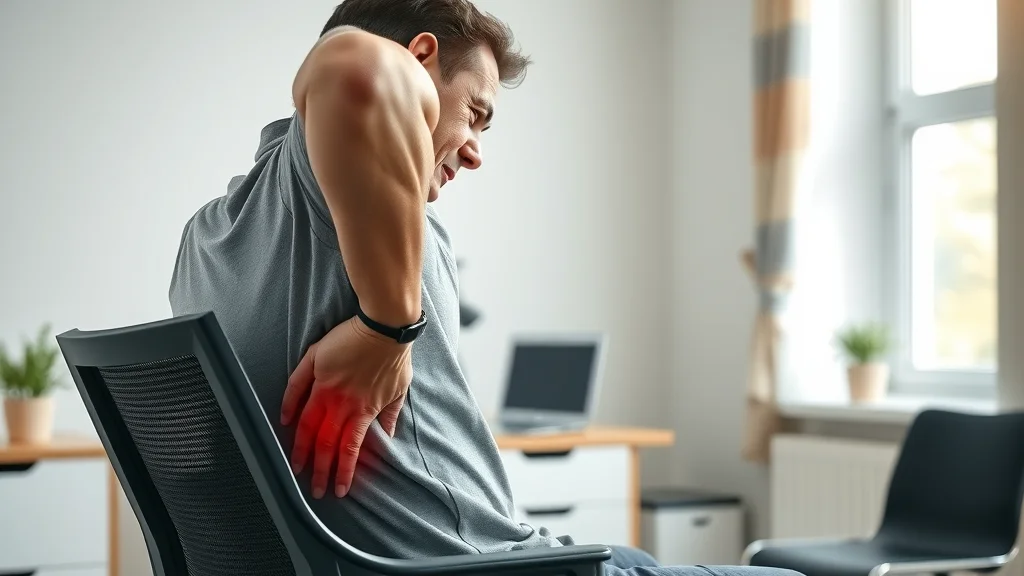
Picture yourself entering a well-lit home office, ready to start your morning routine. As you sit, a jolt of nerve pain radiates from your lower spine, sometimes traveling through the buttock and down one leg. This familiar scenario highlights just how quickly sciatic nerve pain can be aggravated by something as simple as sitting. Even ergonomic chairs, if not adjusted properly according to your body’s needs—with feet flat on the floor and good lumbar support—may fail to prevent the pressure that ignites these flare-ups. The struggle to find comfort can make workdays grueling and hinder your quality of life, emphasizing the need for proactive, holistic strategies tailored to your unique situation.
What You'll Learn About Sciatica Worse When Sitting
- The anatomy of the sciatic nerve and why the sciatic nerve is vulnerable during prolonged sitting
- How sitting mechanics contribute to back pain and lower back discomfort
- Natural and holistic approaches for managing sciatica pain
- Recognizing nerve compression and its role in sciatic pain
- Lifestyle changes to improve your quality of life
Understanding the Sciatic Nerve and Sciatica Worse When Sitting
How the Sciatic Nerve Works
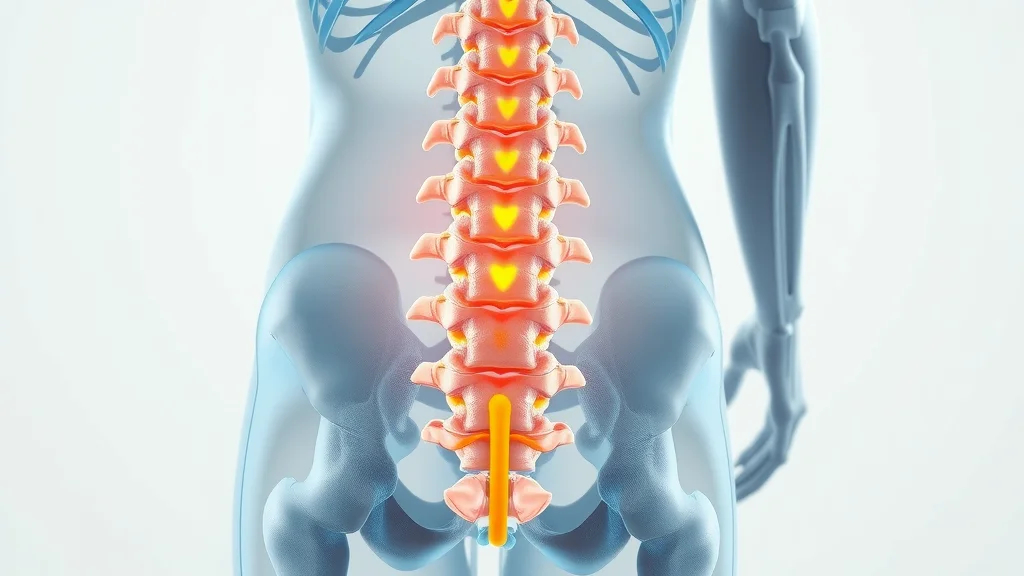
The sciatic nerve is the largest nerve in the human body, starting from the lower spine and branching downward through the hips, buttocks, and legs. Its primary role is to relay movement and sensation between the spinal cord and the lower extremities. When functioning optimally, it enables smooth, pain-free movement. However, the length and location of the sciatic nerve make it vulnerable to nerve compression, especially when exposed to certain stressors—such as prolonged sitting or tight muscles in the gluteal region.
Daily habits play a pivotal role in determining how well the sciatic nerve operates. Seemingly minor activities, like how you sit, the surfaces you sit on, and how often you stand or move, can all impact the nerve’s health. Over time, unhealthy postural habits and repetitive pressure can cause nerve root irritation, leading to classic sciatica pain—tingling, numbness, or even severe pain shooting down the leg. If you’re noticing recurring discomfort, understanding the underlying anatomy is the first step toward making lasting changes.
What Causes Sciatica Pain and Sciatic Pain?
Sciatica pain is most commonly caused by nerve compression within the lower back, where the sciatic nerve is either pinched or irritated. Common culprits include a herniated disc, spinal stenosis (narrowing of the spinal canal), or even muscle tension and inflammation in the surrounding region. These conditions can create increased pressure on the sciatic nerve, especially when the body is stationary for long periods, like during sitting.
Sitting, particularly in a slouched or unsupported position, can pinch the sciatic nerve between the spinal column and the seat, resulting in immediate discomfort or longer-lasting leg pain and numbness. It’s important to remember that sciatic pain differs from generic back pain due to its specific pathway and underlying physiological mechanisms. Recognizing these patterns is crucial for identifying the right holistic or conventional interventions tailored to your situation and lifestyle.
For those seeking additional natural strategies to complement their sciatica relief, incorporating gentle movement practices can be especially beneficial. Exploring approaches like Yin Yoga for sore hips may help release tension in the lower back and hips, supporting holistic healing and greater comfort during daily activities.
Common Causes: Why Is Sciatica Worse When Sitting?
Pressure on the Lower Back and Lower Back Discomfort
One of the primary drivers of sciatica worse when sitting is increased pressure on the lower back. Unlike standing or walking, where body weight is distributed among several muscle groups, sitting places direct weight and stress on the lumbar spine. This pressure is amplified if your chair lacks proper lumbar support or your posture causes your spine to curve excessively. Over time or even after a single long session, this additional load can push spinal discs out of alignment or compress the nerve roots, leading to pain that radiates down the sciatic nerve.
When pressure on the lower back becomes a regular occurrence, not only does back pain intensify, but associated symptoms like tingling, weak muscles, or leg pain can emerge. The relationship between sitting and worsening sciatic pain underscores the importance of mindful body mechanics. Even subtle shifts in weight distribution or habitual slouching can set the stage for chronic discomfort, which is why targeted solutions are so valuable for those seeking long-term relief.
The Role of Poor Posture and Prolonged Sitting in Sciatic Nerve Issues
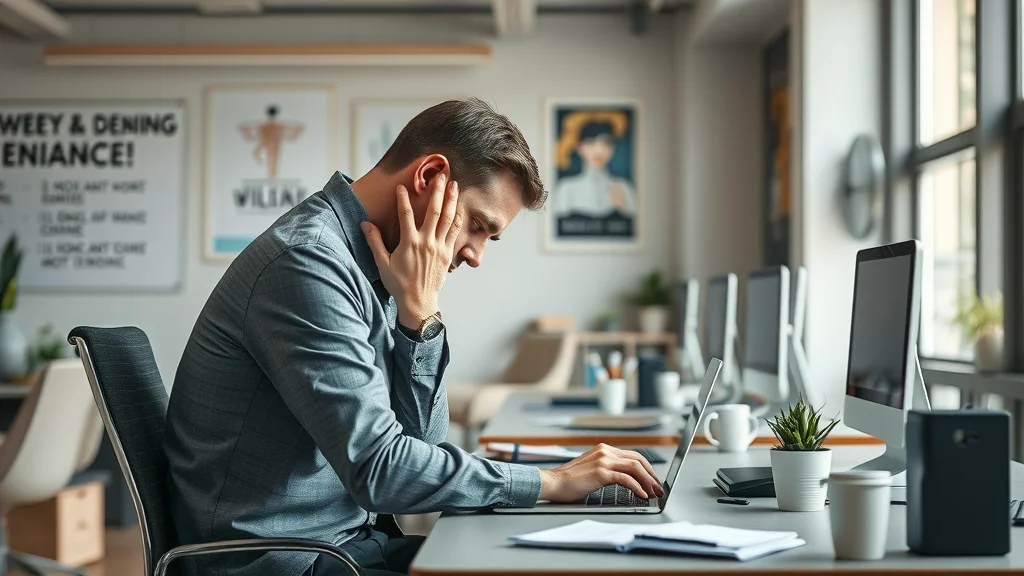
Many people are surprised to learn how significantly poor posture and prolonged sitting can aggravate sciatic nerve discomfort. Habitually sitting with the pelvis tilted, slouching forward, or crossing legs can place abnormal stress on the lower back and hips. Over time, these small deviations from good posture cause the spine to lose its natural curves, inadvertently contributing to nerve compression. As the muscles supporting the spinal column tire, they transfer extra workload to passive structures like discs and ligaments, placing the sciatic nerve at further risk.
Workspaces with improperly adjusted chairs, screens, or workstations only amplify the problem. Even if you maintain good lumbar support for short intervals, long periods of immobility promote muscle stiffness and reduced circulation, which are known contributors to rising sciatica pain. Investing time in correcting these patterns with regular posture checks and movement intervals can dramatically alter the trajectory of your sciatic discomfort.

Nerve Compression and Sciatic Pain
At the core of many cases of sciatica is the issue of nerve compression. When tissues—such as bones, cartilage, muscles, or ligaments—apply prolonged or repeated pressure on the sciatic nerve, pain caused by irritation or inflammation almost always follows. What amplifies discomfort for those with sciatica worse when sitting is the direct line of force against the nerve roots when weight is absorbed through an unsupported lower back.
Other factors, including physiological differences, underlying spinal conditions, and muscle imbalances, can heighten susceptibility to nerve pain. Holistic approaches often seek to identify and eliminate any lifestyle or ergonomic triggers contributing to nerve compression. By addressing the underlying causes—rather than just masking symptoms—natural treatments open doors for both immediate pain relief and sustainable recovery.
How Sitting Posture Affects Sciatic Nerve and Back Pain
- Why lumbar support is crucial
- The benefits of good posture
- How to avoid pressure on the lower body
Proper sitting posture is not only about appearing upright—it’s essential for keeping pressure off the sciatic nerve and reducing back pain. Maintaining good posture keeps your spinal curves intact and ensures that bodyweight is distributed evenly through the seat bones, not the lower back. Lumbar support tools or cushions bridge the gap between your natural lumbar curve and the backrest, actively offloading pressure from your discs and nerve roots. This can be especially helpful during long periods of desk work or travel.
To further reduce back pain and mitigate pressure on the sciatic nerve, consider these tips: keep your feet flat on the ground, avoid crossing your legs, set your chair at a height where your knees are just below hip level, and take regular breaks every hour. Strengthening the muscles in your core and back through exercise also fortifies your ability to maintain good posture unconsciously, creating a stable foundation for body mechanics throughout the day.
Natural and Holistic Approaches for Sciatica Worse When Sitting
Gentle Stretches and Home Exercises for Lower Back and Sciatic Pain
One of the most empowering ways to address sciatica worse when sitting is through daily gentle stretches and targeted exercises. Movements like the seated figure-four stretch, gentle spinal twists, and slow hamstring stretches release tension in the lower back and hips—areas where nerve compression often begins. These exercises not only ease muscle tightness but also improve circulation and flexibility, reducing the likelihood of future pain flare-ups.
Consistency is key for results. Dedicating just a few minutes each morning and evening to movement and stretching routines can dramatically decrease sciatic pain and associated symptoms of back pain and leg pain. Many natural holistic health practitioners in the Gig Harbor area offer individualized exercise plans or host classes focused on safe, restorative movement for those dealing with chronic discomfort. Remember, the most effective home exercise plans honor your unique pain tolerance and body mechanics—never push into severe pain and consult a professional for personalized guidance.

Alternative Therapies and Holistic Techniques
Beyond stretching, a wide array of alternative and holistic techniques can powerfully support those with sciatic nerve pain. Therapies such as acupuncture, chiropractic care, therapeutic massage, and mindfulness training target both the physical and emotional facets of sciatica pain. Acupuncture, for instance, has been traditionally used to release energetic blockages and minimize nerve pain without medications. Chiropractic adjustments seek to restore spinal alignment, addressing nerve compression at its root.
Mindful breathwork and meditation also play important roles in pain perception—reducing stress, calming muscle tension, and building greater resilience against everyday triggers. These practices, when integrated with lifestyle changes and stretching, create a holistic care plan that can significantly enhance your quality of life. Consulting with a respected natural holistic practitioner ensures that your therapy is both safe and tailored to your needs, especially if you’re near Gig Harbor searching for trusted, experienced providers.
Lifestyle Modifications to Minimize Sciatica Pain
Small, sustainable lifestyle modifications make a dramatic difference for those living with sciatica worse when sitting. Begin with your environment: invest in chairs with comprehensive lumbar support, redesign your home and workspaces to encourage movement, and set reminders to stand up and move every 30-60 minutes. Maintaining good posture, which includes aligning your ears, shoulders, and hips in a straight line while sitting, can help reduce frequency and severity of pain episodes.
Consider adjustments to your daily routines—avoid carrying heavy loads that strain the lower back, opt for gentle low-impact exercise (like walking or swimming), and focus on staying hydrated to support tissue and nerve health. By upholding these holistic lifestyle practices, you set yourself up for less reliance on medication and fewer pain-related interruptions in your pursuits, making a significant step toward living pain-free with natural remedies.
Table: Comparing Common Approaches for Sciatica Worse When Sitting
| Approach | Description | Pros | Cons |
|---|---|---|---|
| Lumbar Support | Devices or cushions used to support the lower back when sitting | Reduces pressure; affordable | May not address underlying cause |
| Stretching | Daily gentle stretching routines for lower back and sciatic nerve | Supports flexibility; holistic | Needs regular practice |
| Chiropractic | Manual adjustment of spine | May relieve nerve compression | Requires ongoing visits |
| Acupuncture | Needling therapy for sciatic nerve relief | Non-drug; traditional | Varies in response |
| Mindfulness | Meditation and breathwork practices | Promotes relaxation, reduces pain perception | Depends on individual commitment |
PAA: How Do I Stop Sciatica Pain When Sitting?
Effective Strategies to Relieve Sciatica Pain When Sitting
Relieving sciatica pain while sitting requires a blend of posture awareness, supportive equipment, and mindful habits. First, prioritize good lumbar support—a well-chosen cushion or ergonomic chair can offload pressure from the lower back and protect the sciatic nerve. Next, keep your feet flat on the ground and avoid slouching or crossing your legs, both of which can intensify nerve compression. Periodically shift positions and take standing breaks every 30–60 minutes to prevent increased pressure and muscle fatigue.
Incorporate gentle stretches throughout your day, focusing on movements that lengthen the lower back and hips, as recommended by professionals who understand natural care. If pain is severe or persistent, consulting a holistic health practitioner near Gig Harbor can provide you with personalized advice, hands-on therapies, and guided exercise routines to ensure safe and effective recovery.
Addressing Prolonged Sitting and Poor Posture
Combatting worsening sciatic pain means taking real steps to counteract prolonged sitting and habitual poor posture. Even small adjustments—like raising screens to eye level, using a standing desk, or setting reminders to avoid sitting throughout the day—can break up patterns that promote nerve compression. Strengthening routines offered by physical therapy experts are ideal for those needing extra help building strong postural support and adaptive movement strategies.
The more you maintain good posture and integrate movement, the further you move from daily discomfort and toward radiant, pain-free living. Remember, the journey begins with awareness—and often flourishes through partnership with expert natural and holistic practitioners who prioritize your comfort and vitality.
PAA: What Could Be Mistaken for Sciatica?
Differentiating Sciatica From Other Conditions
It’s important to realize not all leg pain or lower back discomfort signifies sciatica. Other conditions that may present similarly include herniated disc without nerve involvement, spinal stenosis, piriformis syndrome, or peripheral neuropathy. Even muscular strains and joint injuries can be mistaken for sciatic nerve pain due to overlapping symptoms—such as shooting sensations, tingling, or numbness radiating down the leg.
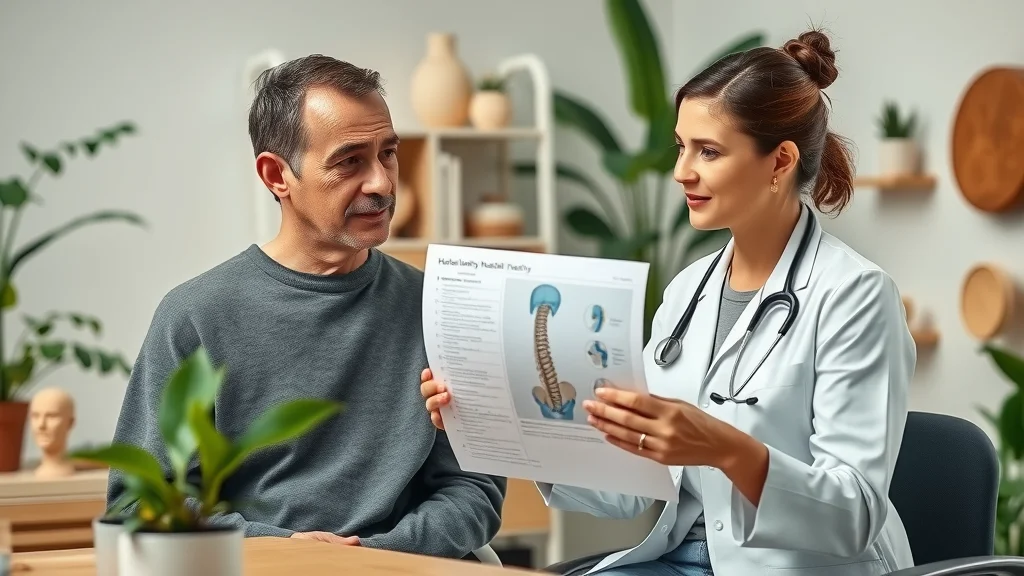
Differentiating true sciatica pain from other ailments often comes down to tracing the source and path of the discomfort. Reliable holistic practitioners will conduct thorough assessments, asking about onset, movement patterns, and aggravating or easing factors. When in doubt, always seek medical evaluation to ensure accurate diagnosis and the safest, most effective treatment approach.
PAA: Why Does My Sciatica Hurt Worse When I Sit?
The Mechanics of Sciatica Worse When Sitting
The reason sciatica gets worse when sitting ties back to simple mechanics. When seated, the pelvis and lower spine must absorb and distribute the body's full weight, especially when posture falters or lumbar support is lacking. This concentrated pressure on the sciatic nerve roots, combined with static muscle tension, impairs nerve function and often causes pain to radiate below the knee.
Additionally, extended sitting reduces circulation to soft tissues surrounding the sciatic nerve, making it more susceptible to irritation and inflammation. Emphasizing good posture, using supportive seating, and adopting frequent breaks restores healthy blood flow and reduces tissue swelling—offering both short-term respite and long-term improvement for those suffering from sciatica pain.
PAA: What Is a Red Flag for Sciatica Pain?
Recognizing When to Seek Immediate Help
While most episodes of sciatica pain are manageable with natural or holistic approaches, certain symptoms are considered red flags and require urgent medical attention. These include rapid onset of weakness or numbness in the legs, loss of bladder or bowel control, and inability to stand or walk—indications of severe nerve compromise. If pain is severe and accompanied by these signs, or if traditional treatment options have failed, always seek medical assessment immediately to rule out serious causes and prevent long-term nerve damage.
Proactive care is paramount—even in seemingly routine cases, working with an experienced holistic provider allows you to monitor your symptoms closely and adjust your plan before complications develop. Don’t hesitate to request an appointment promptly if you notice any concerning changes.
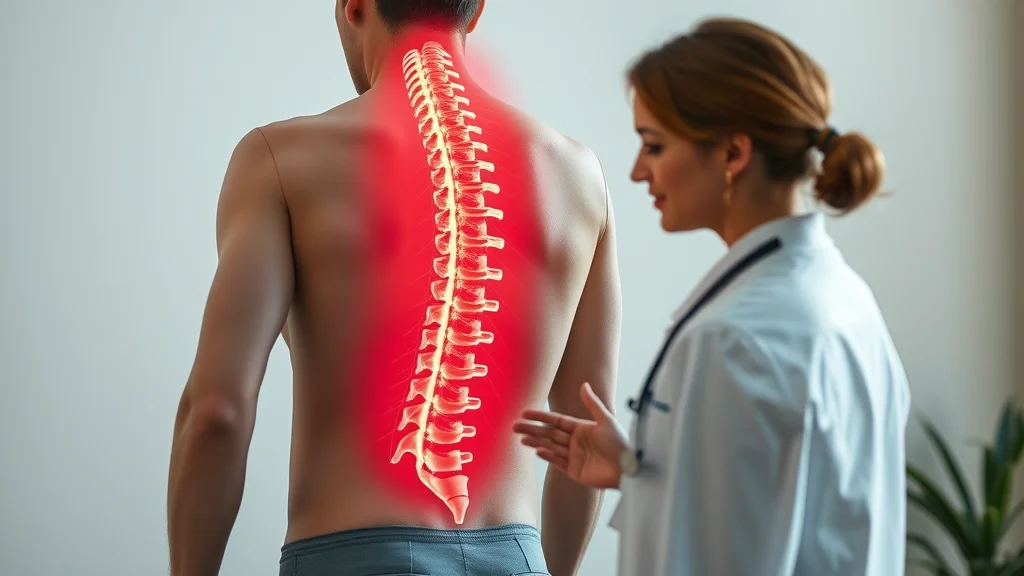
Expert Quotes: Insights on Sciatica Worse When Sitting
"Holistic therapies can make a world of difference for those suffering from sciatic nerve pain, especially when sitting triggers flare-ups." – Natural Health Practitioner
"Improving your posture and addressing underlying nerve compression are crucial for lasting relief." – Board-Certified Holistic Doctor
FAQs: Sciatica Worse When Sitting
-
Can specific sitting positions make sciatica worse?
Yes, sitting with poor posture—such as slouching, crossing your legs, or positioning your knees higher than your hips—can intensify sciatic pain. Optimal positioning involves keeping your feet flat, maintaining upright alignment, and ensuring your back is supported. -
What natural remedies help with lower back and sciatic pain?
Natural approaches include gentle stretching, use of lumbar cushions, chiropractic care, acupuncture, therapeutic massage, and mindfulness practices. Implementing these methods consistently often leads to improved comfort and function. -
How often should I stretch or exercise to prevent sciatica flare-ups?
Daily stretching—even 10–15 minutes—can significantly decrease the risk and severity of sciatica pain. Listen to your body’s limits and progressively build mobility and strength for lasting results. -
Is sitting cross-legged bad for sciatica?
Sitting cross-legged can lead to pelvic misalignment and additional pressure on the sciatic nerve, potentially worsening symptoms. Opt instead to keep your feet flat and body evenly balanced. -
Should I seek a holistic health practitioner for sciatic pain?
Absolutely. Holistic practitioners provide whole-person care that often includes natural and lifestyle-based interventions, personalized to your situation, and help you explore sustainable options for sciatica pain beyond temporary symptom management.
Lists: Quick Tips for Easing Sciatica Worse When Sitting
- Stand up and walk around every 30-60 minutes
- Use proper lumbar support in chairs
- Practice mindful breathing to relax tension
- Incorporate gentle stretches for lower back daily
- Seek professional advice from holistic practitioners
Key Takeaways About Sciatica Worse When Sitting and Holistic Health
- Understanding sciatic nerve anatomy is essential for effective relief
- Holistic therapies offer natural solutions for sciatic pain
- Poor posture and sedentary habits aggravate sciatica worse when sitting
- Lasting change comes from lifestyle improvements and expert guidance
How to Find the Best Natural Holistic Health Practitioner for Sciatica Worse When Sitting Near Gig Harbor
Qualities to Look For in a Holistic Provider
Choosing a holistic health practitioner is a major step toward managing sciatica worse when sitting. Look for providers with proven experience in treating back pain, nerve compression, and chronic discomfort through natural methods. Certified credentials, patient reviews, and a philosophy that integrates both physical and lifestyle interventions are also important. The best practitioners in the Gig Harbor area typically emphasize thorough assessments, individualized care plans, and open communication about your goals and progress.
Strong empathy, attentive listening, and a collaborative approach indicate that a provider will view you as a partner in your healing journey. Confirm they offer a range of treatment options—from stretching guidance to bodywork to mindfulness training—and can adapt strategies as your needs evolve.
Questions to Ask When Booking an Appointment
When seeking an appointment with a holistic provider for sciatica pain, consider these questions: “What natural therapies do you recommend for sciatica worse when sitting?” “How do you personalize care for each patient’s needs?” “What ongoing support or education do you provide?” “Are you experienced with integrating alternative therapies like acupuncture or chiropractic?” “How do you help clients maintain good posture and prevent recurrence?”
Open dialogue at the start builds trust and ensures that your provider’s methods resonate with your values and health vision. Don’t hesitate to request an appointment today—expert partners are ready to guide you toward natural, lasting relief.
Ready to Live Pain-Free? Book a Consultation With a Leading Natural Holistic Health Practitioner Near Gig Harbor Today!
Motivated to leave sciatica pain behind? Prioritize your well-being and request an appointment with a leading holistic health practitioner in the Gig Harbor area. Personalized, natural support is just a step away.
Watch as a certified holistic health practitioner demonstrates sitting techniques and stretches designed specifically for sciatica worse when sitting. See how simple movements and ergonomic adjustments can lead to lasting relief.
Explore helpful demonstrations of proper lumbar support use, posture tips, and holistic lifestyle modifications that protect your lower back and nurture your sciatic nerve—all from the comfort of your home.
Conclusion
Embracing holistic strategies—proper posture, daily movement, and expert guidance—can transform your experience of sciatica worse when sitting. Ready to take charge? Book your consultation with a leading practitioner in the Gig Harbor area today for natural, lasting relief.
If you’re inspired to deepen your journey toward pain-free living, consider expanding your toolkit with additional holistic practices. Exploring modalities such as Yin Yoga not only targets sore hips but also nurtures the connective tissues and flexibility essential for spinal health. By integrating mindful movement and restorative techniques, you can further support your body’s resilience against sciatica and related discomforts. Discover how embracing healing movement in Gig Harbor can complement your current strategies by visiting this guide to Yin Yoga for sore hips—and take the next step toward holistic well-being.







Write A Comment