
Gig Harbor Natural Holistic and Alternative Health

Heal Naturally. Live Fully.
  • Home
  • Categories
  • Top Chiropractor for Back Pain in Gig Harbor
  • Holistic Spas and Day Retreats in Gig Harbor
  • Yoga, Tai Chi, and Movement Classes Near You
  • Mind‑Body Therapy, Hypnosis, and Stress Relief
  • Holistic Stores, Herbs, and Natural Remedies
  • Discover Adventures and Treasures with Mark
  • Featured Gig Harbor Area Businesses
November 20.2026
1 Minute Read

Can Neck Pain Cause Dizziness or Balance Problems?

Imagine waking up to a stiff, aching neck—only to discover, as the day unfolds, that the room spins slightly every time you turn your head. This unsettling combination—neck pain and dizziness—is more common than you might think. But why do these symptoms often appear together, and what can you do about it? If you’re near Gig Harbor and looking for natural, holistic answers, read on to discover the expert insights and practical solutions you’ve been searching for.

Exploring the Connection: Neck Pain and Dizziness in Holistic Health

The intricate relationship between neck pain and dizziness, often viewed through a holistic health perspective, is receiving increased attention from both patients and practitioners. Unlike symptoms that exist in isolation, neck pain and dizziness often intersect due to the complex anatomy of the neck, connections to the nervous and vestibular systems, and responses to lifestyle factors like posture or stress. Understanding this link is crucial for those seeking natural ways to restore balance and well-being.

Holistic health approaches emphasize treating the body as an interconnected system. When the neck experiences pain—whether from tight neck muscles, poor alignment, or trauma—it can disrupt blood flow, nerves, and proprioceptive signals that keep us balanced. These disruptions may manifest as cervicogenic dizziness or cervical vertigo. Addressing both symptoms together rather than separately often yields the best results and can significantly improve your quality of life.

Opening Scenario: When Neck Pain Meets Dizziness

Picture this: After a long day working on your laptop, you notice your neck feels tense, and suddenly, an unexpected wave of dizziness washes over you. This scenario is familiar to many who experience neck pain and dizziness at the same time. Whether triggered by poor posture, injury, or chronic muscle tightness, the resulting discomfort isn’t just a nuisance—it may signal deeper imbalances in your body’s alignment and sensory systems. A holistic perspective recognizes these patterns, guiding you toward solutions that address both the immediate symptoms and their root causes.

For those seeking additional natural strategies to relieve musculoskeletal discomfort, incorporating gentle movement practices can be highly beneficial. Exploring approaches like Yin Yoga for sore hips may offer complementary relief, supporting flexibility and relaxation throughout the body.

Concerned middle-aged woman gently touching her neck, experiencing neck pain and dizziness, sitting in a bright living room with natural daylight and soft pastel tones.

What You'll Learn About Neck Pain and Dizziness

  • The latest expert perspectives on neck pain and dizziness
  • How cervicogenic dizziness and cervical vertigo may affect you
  • Signs, symptoms, and red flags to watch for
  • Holistic approaches for relief, recovery, and prevention
  • When professional help is needed for neck pain and dizziness

Defining Key Terms: Cervicogenic Dizziness, Cervical Vertigo, and Neck Pain

What is Cervicogenic Dizziness?

Cervicogenic dizziness refers to dizziness that originates from problems in the neck, particularly the cervical spine. This often accompanies neck pain, stiffness, or restricted range of motion. The underlying mechanism is thought to involve disrupted proprioceptive and sensory input from neck joints and muscles to the brain—impacting the body’s balance system. Patients with cervicogenic dizziness may describe feeling unsteady, lightheaded, or as though their head is spinning, especially with certain neck movements or changes in head position.

Symptoms include not only dizziness but also associated neck discomfort, headaches, and sometimes visual disturbances or altered eye movement. Recognizing this connection enables targeted, holistic interventions—helping patients in Gig Harbor and beyond regain confidence in their daily activities and lessen their dependence on medications or invasive treatments.

Understanding Cervical Vertigo in Relation to Neck Pain and Dizziness

Cervical vertigo is another term used to describe dizziness arising from dysfunction in the cervical spine. While clinically similar to cervicogenic dizziness, cervical vertigo highlights the role of neck movement, alignment, and joint position errors in disrupting balance. When the neck’s sensory receptors send conflicting signals (a phenomenon known as sensory mismatch) to the brain’s vestibular system, symptoms like dizziness, disorientation, and even nausea may occur.

This interplay between neck pain, cervical spine issues, and the brain’s balance centers underscores the importance of integrated treatment. Manual therapy, gentle exercises, and postural retraining—cornerstones of holistic care—can help to average out these “mixed signals” and restore normal sensation. Many patients notice marked improvement in both pain and dizziness when these approaches are applied consistently.

How Neck Pain Contributes to Dizziness

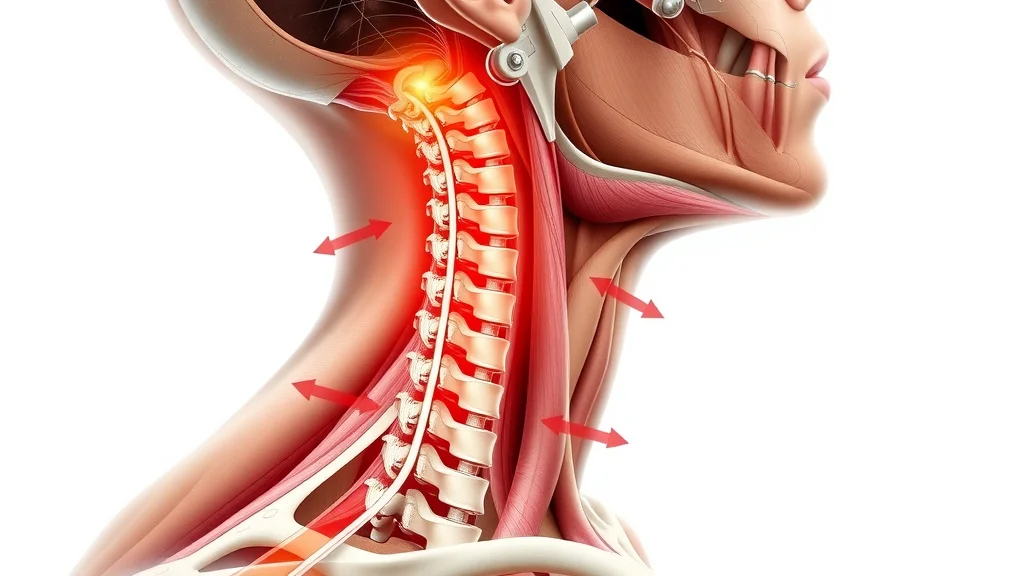
Neck pain doesn’t merely cause discomfort; it can also directly impair balance and spatial orientation. The upper neck is rich in proprioceptive sensors, which send information to the brain about joint position, movement, and body orientation. When the neck becomes stiff, inflamed, or injured, these sensory messages may be distorted, leading to dizziness or a sensation of movement even while still. This is often referred to as a proprioceptive mismatch.

Furthermore, tension in the neck can restrict blood flow to the brainstem and inner ear—critical areas for maintaining equilibrium. Muscular tightness, poor posture, or lingering injuries may contribute to this disruption, raising the risk for dizziness that worsens with quick head movements. By addressing the root causes of neck pain and dizziness, patients can experience long-term relief and restoration of balance.
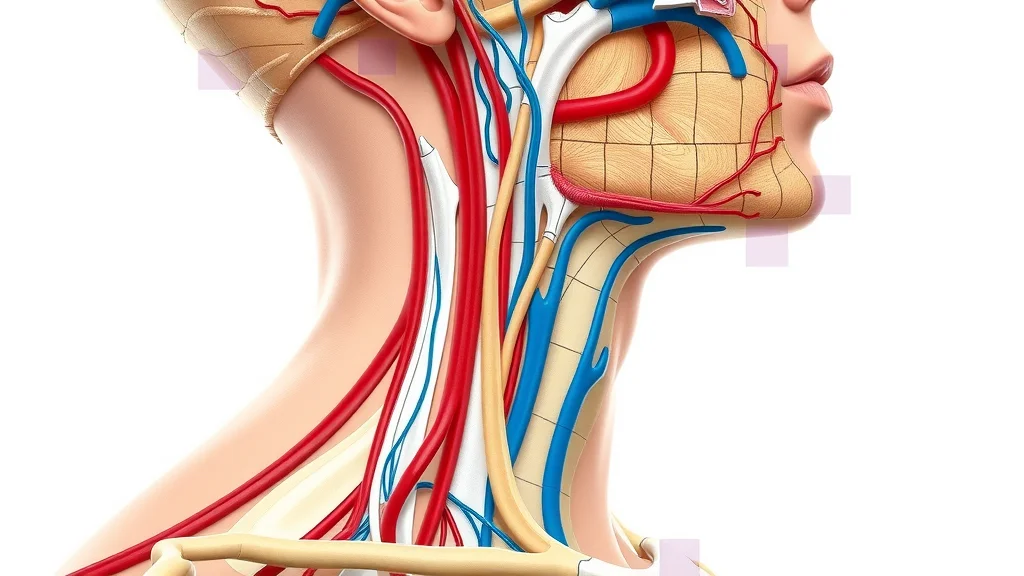
Educational medical illustration of nerves and blood vessels in the human neck, detailing cervical spine and blood flow pathways related to neck pain and dizziness.

Why Am I Dizzy and My Neck Hurts? (People Also Ask)

Answering: Causes of Simultaneous Neck Pain and Dizziness

Experiencing both neck pain and dizziness at the same time is often rooted in a disturbance of the neck’s structures that affects the nervous and vestibular systems. Common causes include muscle strain, joint irritation in the cervical spine, poor posture, or even mild injuries such as whiplash. These disruptions can send faulty proprioceptive input to your brain, interfering with your inherent sense of balance. At the same time, tension or inflammation may reduce blood flow to sensitive balance centers, heightening dizziness, especially during certain neck movements.

Lifestyle factors, such as chronic stress, long hours at a desk, or inadequate sleep, can intensify the risk and persistence of these symptoms. By recognizing the signs early and seeking a holistic assessment, you can address both the underlying causes and improve your quality of life more rapidly.

What Is a Red Flag for Neck Pain? (People Also Ask)

Answering: When to Seek Immediate Help for Neck Pain and Dizziness

While most cases of neck pain and dizziness are not life-threatening, certain “red flag” symptoms demand immediate attention. Severe, sudden-onset neck pain, persistent dizziness that doesn’t improve with rest, or associated symptoms such as weakness, numbness, difficulty speaking, loss of consciousness, vision changes, or severe headache may point to serious conditions like stroke, vertebral artery dissection, or spinal cord compression. If you notice these symptoms, seek emergency care rather than waiting.

For individuals in the Gig Harbor area, it’s essential to be proactive about your health. Seeking timely intervention when red flags appear can prevent complications and ensure prompt, effective solutions. Don’t hesitate to reach out to a qualified healthcare provider if you are unsure or concerned about your symptoms.

How Long Does It Take for Cervicogenic Dizziness to Go Away? (People Also Ask)

Answering: Recovery Timeline and Natural Healing for Neck Pain and Dizziness

The recovery timeline for cervicogenic dizziness varies depending on the underlying cause, individual health status, and the holistic treatment plan employed. Many patients experience episodes that last from minutes to hours, while others may have persistent, recurring symptoms over weeks or months. For most, a focused combination of gentle manual therapy, restorative stretches, postural correction, and stress management accelerates recovery—often noticeable within a few weeks of holistic intervention.

However, ongoing collaboration with your holistic healthcare provider is key. Patience and consistency are vital because healing involves retraining your balance system, restoring full range of motion, and lessening muscle tension. If your symptoms don’t improve within a reasonable timeframe, or if they become more severe, further evaluation and adjustment of your treatment plan may be necessary.

Why Do I Have Neck Pain That Won't Go Away? (People Also Ask)

Answering: Persistent Neck Pain and Ongoing Dizziness

Chronic or unrelenting neck pain and dizziness can be distressing and disruptive. Common reasons for persistent symptoms include unresolved neck stiffness, repetitive strain from poor posture or workplace ergonomics, or underlying conditions such as cervical spondylosis. When the root causes aren’t fully addressed, ongoing irritation of nerves, muscles, and joints can maintain a “sensory mismatch,” perpetuating dizziness even after acute pain subsides.

In these cases, adopting a personalized, holistic approach is especially beneficial. High-quality, natural treatments—ranging from manual therapy and supervised exercise to stress reduction and ergonomic changes—can break the cycle of pain and dysfunction. Regular check-ins with an experienced holistic practitioner near Gig Harbor help tailor your care for lasting recovery and improved quality of life.

Anatomy and Physiology: How the Neck Affects Your Balance

The Role of Cervical Nerves and Blood Flow in Neck Pain and Dizziness

The neck’s sophisticated network of nerves, blood vessels, and joints makes it a crucial hub for both mobility and balance. The upper cervical spine houses proprioceptive receptors that track the orientation and movement of your head. These signals are blended with information from your eyes and inner ear’s vestibular system to create an accurate sense of balance and spatial awareness. When neck injury, tension, or poor movement patterns distort these signals, dizziness and loss of balance can result.

Restricted or irregular blood flow in the neck due to muscle spasms or vascular compression further exacerbates symptoms. Since the brainstem and cerebellum require constant oxygenation to function optimally, any interruption can impair coordination, trigger dizziness, or even cause visual disturbances. Supporting healthy neck function—through holistic care and lifestyle adjustments—can restore nervous system harmony and prevent recurrence of these uncomfortable symptoms.

How Poor Posture and Neck Tension Affect Quality of Life

Today’s tech-driven lifestyles often demand prolonged sitting or looking at screens, adding chronic stress to the neck’s delicate structures. Slouched posture can weaken or shorten vital neck muscles, compromise joint mobility, and set the stage for both pain and sensory disruption. As tension builds, the risk of cervicogenic dizziness and associated discomfort grows, making daily activities more challenging and reducing overall comfort.

But the impacts reach further, affecting your sense of confidence, social interactions, and energy levels. Small postural improvements, regular movement, and targeted relaxation techniques can restore your sense of balance, helping you return to a full, pain-free life.

Young professional with slouched posture experiencing neck pain and dizziness, working at a desk with one hand rubbing neck in a modern office setting.

Common Causes of Neck Pain and Dizziness

Cervicogenic Dizziness and Cervical Vertigo: Triggers and Aggravators

The most frequent triggers of cervicogenic dizziness and cervical vertigo include sudden trauma (like whiplash), chronic muscle tension, and degenerative changes in the cervical spine. These conditions disrupt the way the brain integrates proprioceptive signals with input from the eyes and inner ear, resulting in a sensory mismatch and symptoms like dizziness, lightheadedness, or unsteadiness. Even minor neck injuries can set off these responses, especially if not addressed early with natural, manual therapy.

For patients with cervicogenic dizziness, certain neck movements or sustained postures often act as aggravators. Activities that require turning the head repeatedly—such as driving or certain sports—can bring on symptoms. Early, holistic intervention focusing on gentle mobilization, neck strength, and balance training can significantly reduce the frequency or severity of these dizzy spells.

Lifestyle Factors: Sleep, Ergonomics, and Stress

Daily lifestyle choices significantly impact the development and persistence of neck pain and dizziness. Lack of restorative sleep impairs tissue healing and muscular function, making it harder for your body to recover from minor strains. Poor workplace ergonomics, such as low monitor height or unsupportive seating, encourage unhealthy posture, tightening neck and shoulder muscles over time. Chronic stress further compounds the issue, ramping up muscle tension and altering breathing patterns.

Consciously shifting habits—using an ergonomic chair, adjusting desk height, taking regular movement breaks, and practicing stress reduction—offers powerful, natural protection against both neck pain and dizziness. These foundational changes pay dividends over the long term, making them essential for anyone seeking lasting relief and a higher quality of life.

Underlying Health Conditions That Impact Neck Pain and Dizziness

Several underlying health conditions can increase your risk of experiencing neck pain and dizziness. Degenerative disc disease or cervical spondylosis may compromise nerve and blood vessel function in the neck. Vestibular disorders—problems with the inner ear’s balance system—sometimes overlap with neck-related symptoms, making diagnosis and treatment more complex. Systemic issues like autoimmune disease or migraines may also manifest with both neck and vestibular symptoms.

Holistic practitioners take these factors into account, examining the entire individual rather than isolated complaints. This approach ensures that hidden causes aren’t overlooked and that your treatment plan supports not only symptom relief but also overall health and vitality.

Holistic, Natural Approaches to Managing Neck Pain and Dizziness

Hands-On Therapies: Chiropractic, Massage, and Physical Therapy

Gentle, hands-on therapies are a foundation of holistic care for neck pain and dizziness. Chiropractic adjustments target misalignments in the cervical spine, reducing nerve irritation and restoring range of motion. Massage relieves chronic tension, improves blood flow, and downregulates the nervous system, making it especially effective when combined with bodywork such as craniosacral therapy or myofascial release. Physical therapy offers personalized exercises and movement retraining, addressing joint position errors and building resilience.

Manual therapy also reinforces healthy joint position sense and corrects proprioceptive deficits in patients with cervicogenic dizziness. A skilled holistic therapist will tailor interventions to your unique body, prioritizing gradual progress and safety. This reduces the risk of exacerbating symptoms while moving steadily toward full pain and dizziness relief.

Relaxed adult receiving therapeutic neck massage for dizziness and neck pain relief in a soft-lit wellness clinic.

Breathwork, Mindfulness, and Relaxation Techniques

Breathing deeply and mindfully has a powerful effect on relaxing the neck and calming the body’s stress response. Mindfulness-based practices, such as meditation or gentle guided imagery, support the nervous system by lowering cortisol levels, improving focus, and reducing muscle tension. Practicing these techniques regularly allows your body to “reset” and optimizes the process of healing from neck pain and dizziness.

Incorporating relaxation routines—using methods like progressive muscle relaxation, aromatherapy, or gentle music—can further enhance results when combined with manual therapy. Partners or family members can be involved, creating a supportive, healing environment and reinforcing positive habits over time.

Safe Stretches and Exercises for Cervical Vertigo and Neck Pain

Targeted stretching and movement exercises are key for restoring flexibility, balance, and healthy nerve signaling. Simple neck stretches, chin tucks, gentle rotations, and scapular movements can alleviate muscle tension and support correct joint positioning. For those struggling with cervical vertigo, vestibular rehabilitation—guided by a physical therapist—helps retrain the brain’s balance systems and corrects sensory mismatches.

Consistency is essential—spending just a few minutes daily on carefully chosen exercises can lead to significant reductions in both neck pain and dizziness over time. Working under supervision ensures the exercises are safe and appropriately scaled for your individual condition, minimizing the risk of overexertion or aggravation.

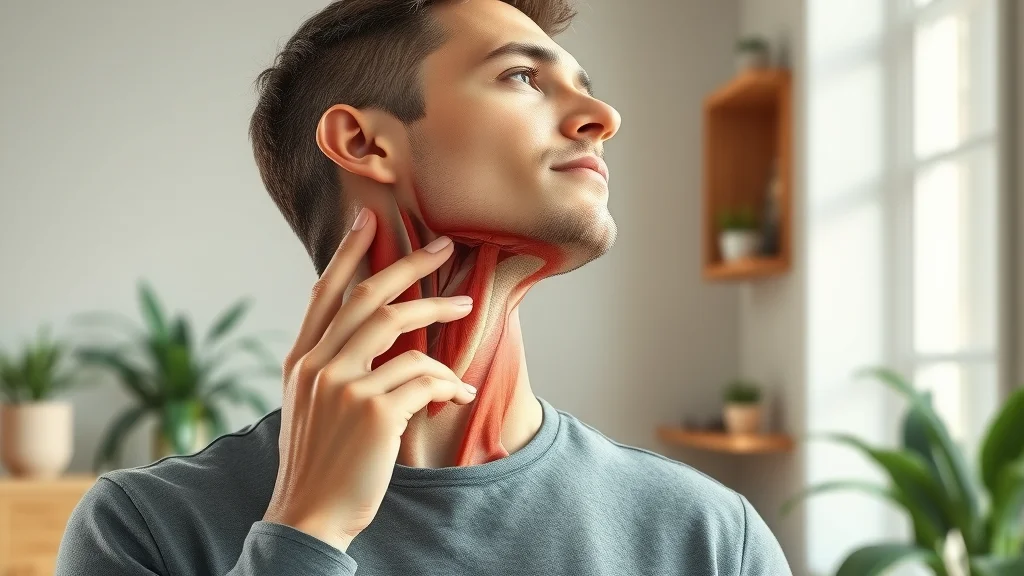
Mature man performing gentle neck stretch at home for cervical vertigo and neck pain relief, sitting calmly with a potted plant in the background.

When to Consult a Healthcare Provider Near Gig Harbor for Neck Pain and Dizziness

Finding the Best Natural Holistic Practitioner for Your Needs

Seeking help from a knowledgeable healthcare provider is essential if your neck pain and dizziness persist, worsen, or significantly impact your quality of life. A skilled holistic health practitioner—such as a naturopath, chiropractor, or manual therapist—will conduct a thorough evaluation, identify underlying patterns, and craft a treatment plan that supports recovery on all levels.

Residents near Gig Harbor benefit from a community rich in integrative health resources. Look for practitioners who listen carefully, offer evidence-based holistic interventions, and collaborate with you as an active participant in your healing. This approach ensures you receive care tailored to your unique needs and promotes a smoother, more sustainable journey back to balance.

Neck Pain and Dizziness: Quality of Life and Long-Term Recovery

Maintaining a Pain-Free, Balanced Lifestyle

The ultimate goal of holistic care for neck pain and dizziness is to restore not just comfort, but also confidence and joy in everyday living. Long-term success comes from adopting healthy habits, regular movement, and ongoing body awareness. With expert support, most people can resume activities they love—whether that’s hiking, gardening, or simply enjoying time with family—without fear of recurring pain or dizzy spells.

Remember: Every small change brings you closer to a healthier, more balanced life. Invest in yourself through holistic care and open the door to richer, pain-free days ahead.

Smiling mature woman walking outdoors, displaying pain-free upright posture and balanced energy in a lush park setting.

Expert Quotes on Neck Pain, Dizziness, and Holistic Healing

“Addressing neck pain holistically can reduce dizziness and restore both mobility and confidence in daily life.”

Helpful Tables for Neck Pain and Dizziness

Table: Comparing Causes and Solutions for Neck Pain and Dizziness

Cause Common Triggers Holistic Solution
Cervicogenic Dizziness Neck injury, whiplash, poor posture, muscle tension Manual therapy, postural training, stretches
Cervical Vertigo Joint position error, sensory mismatch, cervical spine disease Vestibular rehab, chiropractic care, balance exercises
Lifestyle Factors Prolonged sitting, bad ergonomics, stress Workstation adjustment, stress management, regular breaks

Table: Holistic Treatments vs Conventional Approaches

Approach Holistic Treatments Conventional Treatments
Manual Therapy Chiropractic, massage, gentle stretching Pain medication, injections
Exercise & Movement Tailored stretches, movement re-education General physical therapy routines
Whole-body Care Stress reduction, sleep, nutrition, mindfulness Symptom monitoring, lifestyle recommendations

Quick Reference Lists: Symptom Checkers and Remedies for Neck Pain and Dizziness

  • Top holistic remedies at home
  • Warning signs to see your healthcare provider nearby
  • Simple postural habits to reduce neck pain and dizziness

Frequently Asked Questions About Neck Pain and Dizziness

What are the most common natural treatments for neck pain and dizziness?

Natural treatments include gentle manual therapies (like chiropractic and massage), individualized exercise and stretching routines, postural correction, breathwork, and stress management. These approaches address both pain and dizziness by restoring balance to the nervous system and correcting underlying biomechanical issues. Always seek advice from a qualified holistic practitioner to ensure the best results for your unique body.

How do I know if my dizziness is from my neck or something else?

If your dizziness is closely linked to neck movements or is accompanied by neck pain or stiffness, cervicogenic dizziness may be the cause. Other types of dizziness may have different triggers, such as inner ear dysfunction or blood pressure changes. A complete evaluation by a holistic healthcare provider—including assessment of your neck, balance system, and overall health—can clarify the underlying cause and direct you to appropriate care.

Can cervical vertigo and cervicogenic dizziness be prevented?

Prevention is possible through mindful posture, regular movement, ergonomic working environments, adequate sleep, and proactive stress management. Early attention to minor neck aches and investing in holistic self-care routines may reduce your risk. For those with a history of neck injuries or chronic pain, ongoing maintenance visits with a holistic practitioner and a consistently healthy lifestyle offer the strongest defense.

Video Resource: Visualizing Neck Pain and Dizziness Relief Techniques

Watch a demonstration of gentle neck mobility exercises and self-massage for dizziness relief, performed by a healthcare professional in a peaceful, well-lit therapy room. Step-by-step guidance and close-up tips ensure safety and maximum benefit.

Video Tutorial: Simple At-Home Neck Mobility and Balance Exercises

Add these simple neck stretches and gentle balance drills to your daily routine for long-term comfort and confidence—perfect for any fitness or mobility level.

Key Takeaways for Anyone Experiencing Neck Pain and Dizziness

  • Neck pain and dizziness are commonly linked, often through cervicogenic dizziness and cervical vertigo
  • Adopting natural, holistic strategies can restore comfort, function, and peace of mind
  • Trusting your journey to a holistic health professional can transform your quality of life

Your Path Forward: Book a Holistic Consultation for Neck Pain and Dizziness Relief

Ready to feel balanced, comfortable, and truly well again? Connect with a trusted holistic provider near Gig Harbor today and take the first step toward lasting relief from neck pain and dizziness.

If you’re inspired to deepen your holistic wellness journey, consider exploring how mindful movement and restorative practices can benefit other areas of your body as well. For example, gentle modalities like Yin Yoga not only help with hip discomfort but also foster overall flexibility and relaxation, which can positively influence your neck and balance health. Discover more about embracing healing movement and how it can support your path to lasting comfort by visiting our guide on transforming sore hips with Yin Yoga in Gig Harbor. Taking a holistic approach to movement and self-care can unlock new levels of vitality and resilience for your entire body.
Top Chiropractor for Back Pain in Gig Harbor

0 Views

0 Comments

Write A Comment

*
*
Please complete the captcha to submit your comment.
Related Posts All Posts
11.18.2026

Neck Pain and Jaw Pain: Could They Be Connected?

Imagine waking up with an ache in your neck, only to realize that your jaw feels tense as well. For many individuals living near Gig Harbor, these discomforts aren't isolated. Instead, they reveal a deeper, anatomical and functional link—one that natural and holistic health practitioners recognize and address. Exploring the complex relationship between neck pain and jaw pain could be your first step toward genuine relief and a healthier, pain-free life. Exploring the Link Between Neck Pain and Jaw Pain “Many clients in holistic practices find relief when both neck and jaw pain are addressed together, rather than in isolation.” The connection between neck pain and jaw pain is more common than you might think. If you notice discomfort in the neck that seems to coincide with tightness, pain, or clicking in the jaw, you’re not alone. Many people experience concurrent neck and jaw pain, which can reduce your quality of life and make even simple activities exhausting. This pairing often results from shared anatomy—muscles and nerves that channel tension or dysfunction from one area to the other. Understanding this link is crucial: addressing only neck or jaw discomfort separately may not yield lasting results, which is why holistic practitioners take a comprehensive approach to assessment and care. Holistic health experts in the Gig Harbor area often see clients frustrated by symptoms that seem disconnected, but are actually intertwined. By looking at the body as an integrated system rather than siloed parts, these professionals find the root causes of pain, taking into account posture, stress, lifestyle, and habits. They empower you with education and targeted strategies, helping you recognize how your jaw and neck work in tandem—and how restoring balance can lead to relief from both jaw pain and neck pain. How Neck and Jaw Pain Often Occur Together Neck and jaw pain tend to flare up simultaneously because of the proximity and interdependence of surrounding structures. Muscles connecting your jaw and neck—such as the sternocleidomastoid, masseter, and temporalis—may spasm or grow tight due to stress, poor posture, or inflammation. This can lead to cascading effects: tense jaw muscles may limit neck movement, while neck disability can alter how the jaw aligns and functions. Importantly, what begins as minor discomfort can evolve into chronic issues if left unchecked. To better understand how this plays out, consider how jaw clenching from daily stress creates additional strain on the neck. This can manifest as headaches, radiating facial pain, or overall head and neck discomfort. Holistic practitioners use specific assessment tools to spot these patterns, looking for signs not just of isolated jaw dysfunction or neck pain, but their shared impact on your daily life. By addressing both simultaneously, the entire system can be restored to function more harmoniously, offering longer-lasting relief. In addition to holistic approaches for neck and jaw discomfort, incorporating gentle movement practices can further support your recovery. For example, targeted routines like Yin Yoga for sore hips have been shown to ease muscle tension and improve overall mobility, which may indirectly benefit posture and reduce strain on the neck and jaw. Observing Concurrent Neck and Jaw Pain in Natural Health Practices Natural practitioners near Gig Harbor increasingly observe the trend of concurrent neck and jaw complaints. Whether clients are experiencing acute jaw pain, signs of a temporomandibular disorder (TMD), or persistent discomfort in the neck and jaw, holistic health assessments dig deeper than just the painful area. Practitioners evaluate posture, body mechanics, and even breathing patterns to map out how daily life might be straining the head and neck muscles. Through techniques such as gentle palpation, range-of-motion tests, and listening carefully to a full health history, holistic providers develop a clear understanding of how issues in the jaw could be fueling neck pain or vice versa. They might find that clients with jaw dysfunction also report stiffness or soreness when turning their head or that headaches worsen with chewing. This approach isn’t about chasing symptoms—it’s about empowering clients with knowledge and providing whole-person solutions, so relief from neck and jaw pain is truly sustainable. What You'll Learn About Neck Pain and Jaw Pain The anatomical and functional link between neck and jaw pain Common causes and risk factors Natural and holistic assessment and treatment options When to seek further help How to choose a practitioner near Gig Harbor Understanding the Anatomy: Why Neck and Jaw Pain Are Connected The Importance of Jaw and Neck Structures The jaw and neck are structurally and functionally intertwined, forming a complex web of muscles, nerves, ligaments, and bones that must coordinate smoothly. The temporomandibular joints (TMJs), located just in front of the ears, connect the lower jaw (mandible) to the skull. These joints, together with the muscles around the jaw and neck, allow for movements such as chewing, speaking, and turning your head. A problem affecting the jaw often initiates changes in posture, prompting muscles in your head and neck to overcompensate. This pattern can foster pain not only in the jaw muscles but also in the neck and shoulder region. In fact, disturbances in the alignment or function of the jaw can lead to loss of normal curvature in the cervical spine, making the neck disability more likely. Recognizing these anatomical links empowers practitioners and clients to address jaw pain and neck pain comprehensively. Nerves and Muscles Involved in Jaw Dysfunction and Neck Disability The trigeminal nerve is the primary nerve innervating the jaw and passing through crucial head and neck areas. When irritated by jaw dysfunction or neck inflammation, this nerve can transmit pain signals to various regions—leading to headaches, facial pain, or radiating discomfort. Muscles such as the masseter, temporalis, and pterygoids (linked to chewing) often tighten in response to neck tension, perpetuating a cycle of pain and dysfunction. The sternocleidomastoid and trapezius, key neck muscles, not only influence neck motion but also interact dynamically with jaw mechanics. Chronic tightness in these muscles may result in jaw pain as well as neck pain, further exacerbating issues like headaches or restricted mobility. A holistic approach, often employed by practitioners near Gig Harbor, takes all these structures into account to design a treatment plan that helps break this cycle and restore healthy jaw and neck function. Signs and Symptoms of Neck and Jaw Pain Stiffness or soreness in neck or jaw Clicking, popping, or locking of the jaw Difficulty moving the neck Headaches related to neck or jaw tension Pain radiating from jaw into the neck or vice versa Recognizing Symptoms of Temporomandibular Disorders (TMD) Temporomandibular disorders encompass a broad group of problems affecting the TMJ, muscles of the jaw, and sometimes the neck. Common symptoms of TMD extend beyond the jaw itself and frequently include concurrent neck pain, headaches, and even soreness spreading to the shoulders. Clicks, pops, or a sense of “locking” in the jaw are hallmarks of TMD, often accompanied by stiffness or difficulty chewing and speaking. It’s not uncommon for clients in holistic clinics to report that their jaw pain seemed to appear after a period of neck discomfort, or vice versa. This overlap isn’t accidental; TMDs may stem from bruxism (nighttime clenching), misaligned bite, whiplash, prolonged computer work, or emotional stress. Recognizing the range and overlap of these symptoms is critical for both practitioners and clients—early detection allows for holistic interventions before pain becomes chronic, leading to a dramatic improvement in day-to-day comfort and long-term well-being. How to Identify Jaw Dysfunction and Neck Pain Together Identifying jaw dysfunction in combination with neck pain relies on careful observation of overlapping symptoms and risk factors. Patients may experience pain while chewing or yawning, accompanied by a stiff or sore neck after prolonged computer use or poor posture. A significant indicator is if jaw movement aggravates neck discomfort, or if turning the head increases jaw pain—clear signs that these areas are functionally linked. Natural practitioners go beyond isolated symptom-checklists by performing functional assessments. They may have clients perform gentle jaw opening and lateral neck movement to observe pain patterns, ask about any popping or weakness in the jaw, and explore stress triggers. Recognizing how dysfunction and neck disability “communicate” within the body enables individualized treatment plans, ensuring that strategies like posture correction, soft tissue release, and mindfulness training directly support sustainable relief. Common Causes of Neck Pain and Jaw Pain Jaw Dysfunction and Posture-Related Neck Pain One of the leading causes of concurrent neck and jaw pain is a combination of jaw dysfunction and poor posture. When the jaw is out of alignment, the entire head and neck region compensates—which can fatigue both the jaw muscles and the supporting muscles in your upper back. Over time, this compensation causes not just jaw pain, but significant neck pain, headaches, and stiffness. For many, habitual factors such as slouching at a desk or constantly looking down at mobile devices can compound this issue, straining both the jaw and neck. In cases of jaw dysfunction (such as TMD), clenching or grinding teeth at night may unknowingly tighten the neck and shoulder muscles, making morning discomfort a recurring reality. Holistically minded practitioners pay close attention to these patterns, looking at your posture during sleep, work, and daily activities. By addressing both jaw mechanics and neck posture through natural therapy, significant progress towards find relief from neck and jaw pain can be made. Stress and Muscle Tension: Impact on Neck and Jaw Chronic stress is a pervasive contributor to muscle tension in both the neck and jaw. Feelings of anxiety and emotional overload can result in jaw clenching, teeth grinding, and subconscious tightening of the neck and shoulders. This cycle not only triggers episodes of pain but may also perpetuate chronic tmd symptoms, making it hard to distinguish where the tension originates. A holistic practitioner will often help you become more aware of your body’s stress responses, teaching supportive techniques such as mindfulness, deep breathing, and relaxation exercises. The goal isn’t simply to eliminate stress (which is unrealistic) but to empower you with skills that reduce the physical impact on jaw and neck muscles. Over time, this mindful awareness supports healthier muscle patterns—reducing strain on the jaw, improving posture, and safeguarding your quality of life. Concurrent Neck and Jaw Issues in Holistic Health Context Holistic practitioners in the Gig Harbor region frequently observe that clients with unexplained neck pain are actually experiencing subtle jaw dysfunction, and vice versa. Common daily activities—like extended screen time, holding a phone between ear and shoulder, or even wearing ill-fitting dental devices—can each contribute to a recurrent cycle of tension. These factors may initiate a domino effect, causing the jaw and neck to reinforce one another’s discomfort instead of healing. Addressing this cycle requires a comprehensive evaluation of movement, stress, and underlying inflammation. Practitioners might identify previously overlooked contributors such as weak neck stabilizers, restricted TMJs, or compensatory breathing habits. By targeting both the cause and the effect, the holistic approach breaks the cycle of pain and supports long-term health and vitality in the head and neck. How Natural and Holistic Treatments Address Neck and Jaw Pain “Natural therapies focus on addressing the root causes of jaw dysfunction and neck disability, empowering the body’s own healing process.” Physical Therapy for Jaw and Neck Pain Relief Physical therapy is a foundational treatment in managing jaw and neck pain, especially when both present at once. Highly skilled physical therapists use gentle, targeted exercises to restore movement, reduce inflammation, and retrain muscles that have compensated unsuccessfully. Exercises may include gentle jaw opening and closing, neck rotations, and posture alignment drills. The focus is not just symptom relief but restoration of healthy jaw and neck mechanics so that you see meaningful improvements in comfort, function, and overall well-being. A holistic physical therapy approach also involves educating clients on daily habits, ergonomics, and stress-reduction strategies. By empowering individuals to actively participate in their recovery, the results tend to be longer-lasting. Many clients notice a gradual drop in both jaw pain and neck pain as muscle patterns normalize and mobility increases. For those in the Gig Harbor area, seeking a physical therapist with a specialty in head and neck pain can make all the difference in crafting a successful, customized treatment plan. Osteopathy, Chiropractic, and Other Manual Therapies for Jaw and Neck Manual therapies—including osteopathy and chiropractic care—are essential components of a holistic solution to concurrent neck and jaw pain. Osteopaths assess the body’s natural alignment, gently manipulating joints and soft tissue to restore balance and improve flow between the jaw and neck. Chiropractic care may involve carefully adjusting the cervical spine or jaw, helping to decrease muscle tension, enhance mobility, and relieve pain. Other manual techniques might include myofascial release, craniosacral therapy, or soft tissue mobilization. These modalities address the root cause of dysfunction, rather than masking symptoms. Practitioners near Gig Harbor frequently blend these natural approaches, creating individualized plans based on a client’s unique anatomy and functional needs. The result is a supportive, whole-body healing environment—one where neck pain and jaw pain are addressed together, not separately. Mindfulness, Stress Reduction, and Nutritional Support Mindfulness training and stress reduction are critical partners in natural healing for neck and jaw pain. Techniques such as guided relaxation, deep breathing, restorative yoga, and meditation help clients recognize and dissolve patterns of chronic tension. Beyond helping you respond to stress, these tools can teach your nervous system to “reset,” so muscle tension in the jaw and neck diminishes over time. Practitioners may also offer nutritional support, focusing on anti-inflammatory foods, adequate hydration, and essential nutrients for muscle and nerve health. Avoiding excessive caffeine or processed sugars can reduce facial pain and muscle irritation, while magnesium, calcium, and omega-3 fatty acids support tissue repair. When these holistic strategies are woven together in a personalized plan, many find relief that is sustainable and leads to an improved, pain-free quality of life. In this expert interview, a holistic practitioner clarifies the anatomical and functional ties between neck pain and jaw pain, using animated diagrams and real-life examples to deepen your understanding. Assessment Techniques for Neck Pain and Jaw Pain The 3 Finger Test for Jaw Pain The 3 finger test is a reliable, at-home method to screen for limited jaw mobility. Simply stack three fingers and try to place them vertically between your upper and lower front teeth. If you cannot accomplish this without pain or restriction, it suggests your jaw opening is less than normal—a potential indicator of jaw dysfunction. Difficulty performing this task, especially if you also have neck pain, may indicate the need for holistic evaluation by a practitioner experienced in temporomandibular and cervical issues. This test is a quick way for individuals to self-assess, but it is not a substitute for expert assessment by a holistic or physical therapist. Still, bringing these insights to your practitioner can facilitate a more targeted and effective treatment plan, especially when addressing neck and jaw pain together. Other Common Evaluation Methods in Holistic Practice Holistic practitioners utilize a suite of assessments to thoroughly evaluate jaw dysfunction and neck pain. They may observe jaw tracking (the way your lower jaw moves), palpate head and neck muscles for tenderness, listen for joint noises, and assess posture from head to toe. Range-of-motion testing, bite evaluation, and even breathing assessments are integrated to uncover hidden contributors to pain. Together, these tools enable practitioners near Gig Harbor to tailor interventions for each unique presentation—whether you’re struggling with acute tension, chronic headaches, or a long-standing tmj disorder. Accurate diagnosis is the foundation for creating a plan that addresses the entire system and maximizes your chances for sustainable, pain-free living. Signs of Temporomandibular Disorder A holistic assessment for temporomandibular disorder looks beyond obvious jaw symptoms. Red flags include persistent jaw pain, locking, or asymmetrical jaw movement, as well as headaches, earaches, dizziness, and trouble opening the mouth fully. Neck stiffness and pain often present simultaneously, and in some cases, pain may radiate upward into the head or downward into the shoulders. Careful observation and open communication with your practitioner regarding onset, severity, and triggers are essential. Timely identification of these symptoms leads to early intervention—critical for preventing chronic pain patterns and restoring quality of life. Tables: Comparing Common Conditions Causing Neck and Jaw Pain Condition Main Features Symptoms Holistic Approach Temporomandibular Disorders (TMD) Jaw dysfunction, joint clicking, muscle tightness Jaw pain, neck pain, headaches, facial pain Manual therapy, physical therapy, stress reduction Poor Posture/Forward Head Syndrome Rounded shoulders, head juts forward Neck stiffness, jaw tension, upper back pain Posture re-education, ergonomic corrections, stretching Bruxism (Teeth Clenching/Grinding) Nocturnal jaw clenching, worn teeth Jaw soreness, neck discomfort, disrupted sleep Mindfulness, mouthguards, stress management Cervical Disc Issues/Nerve Compression Disc degeneration, nerve impingement Neck pain, radiating pain to jaw/shoulder, numbness Manual therapy, gentle traction, targeted exercises When to Seek Professional Help for Neck and Jaw Pain Red Flags for Jaw Pain That Should Not Be Ignored While many cases of neck and jaw pain are mild and respond well to holistic care, certain symptoms require immediate professional attention. If you develop sudden, severe jaw pain without a clear cause, especially if accompanied by chest pain, difficulty breathing, vision changes, or significant facial swelling, you should seek emergency medical evaluation. These red flags may signal a more serious underlying condition—such as infection, cardiac issues, or neurological problems—and timely intervention is critical for your health. Likewise, persistent jaw pain that interferes with eating, speaking, or daily activities deserves careful assessment. Holistic practitioners are well-equipped to identify when collaborative or referral care is necessary for your safety. What Neck Pain Radiating to Jaw May Indicate If you notice that your neck pain is radiating into your jaw, it may point to more than a simple muscle strain. This symptom can be a sign of temporomandibular disorder, cervical disc problems, or nerve involvement. In some rare situations, pain in the neck and jaw can mimic symptoms of cardiac or major dental issues, making it doubly important to seek professional guidance if symptoms are severe or persistent. Holistic practitioners near Gig Harbor will conduct a thorough history and examination to guide the safest and most effective next steps. Don't ignore radiating pain—being proactive can prevent escalation and speed your recovery. Guidance for Residents in Gig Harbor Considering Holistic Practitioners If you live in or around Gig Harbor and are exploring natural, holistic solutions for neck and jaw pain, choosing the right practitioner is crucial. Look for professionals who specialize in head, neck, and TMJ disorders, and who take a whole-person approach to assessment and treatment. They should listen deeply, conduct comprehensive exams, and offer therapies tailored to your individual needs—from physical therapy and hands-on manual work to lifestyle advice and mindfulness coaching. Ask about their training, experience working with concurrent neck and jaw pain, and philosophies around holistic healing. Many practitioners happily provide consultations, answering questions about how their approach could benefit your unique situation. Taking this step can open the door to sustainable relief and a healthier, more vibrant way of living. People Also Ask: What is the 3 Finger Test for Jaw Pain? The 3 finger test is a practical, at-home method to assess jaw mobility. By stacking three fingers and placing them vertically between your front teeth, you can evaluate if you have normal jaw opening. Difficulty performing this may suggest limited jaw function or underlying jaw dysfunction. People Also Ask: When Should I Be Worried About Jaw Pain? Jaw pain may require prompt attention if it is severe, occurs with other symptoms like chest pain or swelling, is persistent, or is linked to difficulty eating, chewing, or speaking. Sudden, unexplained jaw pain accompanied by fever, swelling, or neurological changes should be evaluated immediately by a professional. People Also Ask: What Neck Pain Radiates to the Jaw? Neck pain radiating to the jaw can be a sign of issues like temporomandibular disorder, cervical disc problems, or nerve compression. Holistic practitioners look for patterns of pain and muscle tension to determine the underlying cause and appropriate treatment. People Also Ask: What is a Red Flag for Jaw Pain? Red flags for jaw pain include sudden onset without clear cause, jaw pain with chest pain, difficulty breathing, vision changes, or significant swelling. Such symptoms may signal urgent medical issues and should prompt immediate professional assessment. Watch this practical video guide for gentle self-assessment techniques you can do at home. Learn safe ways to check your jaw and neck mobility and better understand your body's unique needs before scheduling with a holistic provider. Natural Holistic Self-Care Strategies for Neck and Jaw Pain Gentle stretching routines Mindful posture correction Soft tissue self-massage Heat and cold therapy Holistic stress management practices “Holistic approaches acknowledge the mind-body connection, empowering you to take control of your own healing journey.” Key Takeaways on Neck Pain and Jaw Pain Neck and jaw pain share anatomical and functional links Holistic assessment can reveal underlying dysfunctions Early intervention and proactive self-care are crucial Comprehensive natural treatments address body, mind, and lifestyle Seek a trusted holistic practitioner in Gig Harbor for tailored solutions FAQs on Neck Pain and Jaw Pain Q: Can neck pain cause jaw dysfunction? A: Yes, dysfunction in the neck can lead to compensatory jaw problems and vice versa, especially when posture and muscle imbalances are present. Q: Is physical therapy effective for neck and jaw pain? A: Physical therapy can be highly effective when a practitioner tailors treatment to address both jaw and neck function, posture, and individual needs. Q: What natural remedies can help neck and jaw pain? A: Natural remedies may include relaxation techniques, gentle movement, mindful posture, and soft tissue work, ideally with guidance from a natural holistic practitioner. Ready to Find Relief? Book Your Consultation With a Trusted Holistic Practitioner in Gig Harbor If you’re ready to address neck pain and jaw pain at the root, don’t wait. Reach out to a reputable, experienced natural holistic practitioner near Gig Harbor today—and take the first step on your journey to lasting relief and vibrant health. As you continue your journey toward holistic well-being, remember that addressing interconnected pain often requires a blend of targeted therapies and mindful movement. Exploring practices like Yin Yoga can be a gentle yet powerful way to release tension, improve flexibility, and support your body's natural healing processes. If you're interested in expanding your self-care toolkit and discovering how mindful movement can complement your recovery from neck and jaw pain, consider learning more about healing movement and Yin Yoga for sore hips. This approach not only nurtures your physical health but also fosters a deeper sense of balance and resilience for the long term.

11.16.2026

Whiplash Neck Pain: Why Symptoms Can Be Delayed

You’re driving through Gig Harbor, the day is calm, and then—out of nowhere—a jolt from behind. You check yourself: no immediate neck pain, no dizziness, just rattled nerves. But days later, you wake up with stiffness and an aching neck and upper back. This is the hidden challenge of whiplash neck pain: symptoms that sneak up well after the event. This article unveils why symptoms can be delayed, how whiplash injury affects your neck, and how natural, holistic care in Gig Harbor paves the road to real recovery. Understanding Whiplash Neck Pain Whiplash neck pain is a unique type of discomfort that can take anyone by surprise. After events like car accidents or sudden jolts, many individuals initially feel fine—only to experience significant neck pain or neck strain hours, or even days, later. Understanding the mechanics behind a whiplash injury is critical for early intervention, as delayed symptoms may increase the risk of persistent symptoms and prolonged discomfort. Armed with the right information, you’ll be better equipped to identify warning signs early and seek out the most effective, natural pathways to healing. This guide will walk you through what happens to the neck during a whiplash injury, why many people experience delayed onset symptoms, and how to navigate holistic treatment options—specifically crafted for those living in or near Gig Harbor. Whether you’re seeking alternatives to conventional care or want to make an informed choice about which natural holistic health practitioner to trust, everything you need to start your recovery journey is here. What Is Whiplash Injury and Neck Strain? Whiplash injury refers to a strain or sprain of the neck resulting from a sudden, forceful movement—typically neck movement that rapidly whips back and forth. The most common cause is a car accident, but sports injuries and falls can also trigger this condition. The sudden motion overstretches and sometimes tears the delicate muscles, ligaments, and tendons that support your cervical spine. Unlike straightforward neck pain from poor posture or tension, whiplash injuries often involve a combination of symptoms: stiffness, headaches, limited mobility, and even upper back pain. These may not appear immediately after the incident, further complicating self-diagnosis. Sometimes, people dismiss mild symptoms, attributing them to stress, only to realize later they are dealing with real consequences of neck strain that require a targeted treatment plan. How Whiplash Injuries Affect the Neck and Spine During a whiplash injury, a powerful force snaps the head and neck in a rapid acceleration-deceleration motion. This quick movement forces the cervical spine into extreme positions of hyperextension and flexion, stretching muscles and ligaments beyond their normal range of motion. Soft tissue damage and microtears may not cause immediate pain, but inflammation builds over time, and nerves become increasingly sensitive. The interconnected structures of the neck—muscles, nerves, joints, and intervertebral discs—make whiplash neck pain complex to manage. Poor healing or lack of early care increases the risk of persistent symptoms and chronic pain, such as headaches, back pain, and recurring difficulties with neck movement. Early recognition and holistic intervention are essential in minimizing long-term repercussions for your neck and upper back health. Common Myths About Whiplash Neck Pain Many mistakenly believe that whiplash injuries are always immediate or severe enough to notice right away. In reality, it’s common for neck pain to be delayed, intensifying only after the body’s stress response subsides. Additionally, there’s a myth that whiplash is a trivial injury that always resolves on its own. Unfortunately, without proper treatment, some individuals develop persistent symptoms and even risk complications such as herniated discs or nerve irritation. Finally, it is often assumed that rest alone is adequate, which ignores the importance of holistic, guided physical therapy and mind-body integration. Dispelling these myths is crucial—knowing that whiplash neck pain can develop gradually, linger, and benefit from early holistic care empowers you to seek help before symptoms persist. What You'll Learn About Whiplash Neck Pain Why whiplash symptoms may be delayed Key signs and symptoms of whiplash neck pain Natural and holistic approaches to whiplash injury recovery When to seek medical attention for neck pain Tips for choosing natural holistic health practitioners in Gig Harbor Scenario: The Delayed Onset of Whiplash Neck Pain Imagine leaving a local parking lot after a minor collision. No one seems hurt, and you even turn your head with relative ease. Yet, as the days pass, neck pain creeps in—moving your head is suddenly uncomfortable, and you notice stiffness when you wake up or fatigue by afternoon. This is the reality of delayed whiplash injuries; they don’t always make themselves known right away, especially when adrenaline and stress hormones mask early discomfort. The delay in symptoms isn’t a sign of insignificant injury. Instead, it’s your body’s way of keeping you functional under stress. Many seek help only when daily life becomes impacted—by which time, more comprehensive care is often required. Early awareness, especially after an accident, can help you prevent chronic pain and the risk of persistent symptoms with prompt intervention. In addition to addressing neck pain, many individuals find that holistic movement practices can support recovery from related musculoskeletal discomfort. For example, gentle modalities like Yin Yoga have been shown to ease tension and promote healing in areas such as the hips, which often become tight after injury or prolonged immobility. If you're interested in exploring how mindful movement can complement your recovery, consider learning about healing sore hips with Yin Yoga in Gig Harbor as part of a holistic approach. An Experiential Look at Post-Accident Whiplash Injury Those who’ve experienced whiplash injury often report a pause between incident and discomfort. Initially attributing their neck pain to normal soreness or stress, the reality only sets in when headaches, dizziness, or even difficulty concentrating begin to appear. Daily tasks, from looking over your shoulder while driving to sleeping comfortably, become increasingly difficult. The emotional toll is equally important—waiting for pain to pass can lead to frustration and stress as persistent symptoms disrupt routines and affect mood. Addressing these issues early by consulting a holistic practitioner in Gig Harbor can provide not just pain relief, but an integrated approach to wellness and recovery. "Many people walk away from a fender bender feeling fine, only to wake up days later with debilitating neck pain." Symptoms of Whiplash Neck Pain: What to Watch For Identifying the symptoms of whiplash early gives you a proactive edge. These may differ for each person, ranging from mild annoyances to more intense discomfort. While some experience pain immediately, others only notice issues once inflammation peaks. Common delayed symptoms don’t only impact the neck, but may radiate to the upper back and even cause blurred vision or balance challenges. The most defining feature of whiplash neck pain is its ability to evolve. A subtle ache can intensify, transitioning into limited range of motion or recurring headaches. Left unchecked, the risk of persistent symptoms rises—making it all the more vital to intervene with holistic and natural remedies early on. Common and Delayed Symptoms of Whiplash Injury Stiffness and soreness Headaches Dizziness Fatigue Limited mobility Symptoms can span beyond just physical pain. Some people experience irritability, sleep disturbances, or even trouble focusing. The unpredictability underscores the need for care options that treat the whole person—body and mind. With each passing day of untreated neck strain, the duration of recovery can lengthen. Recognizing early signs and pursuing support from skilled practitioners in Gig Harbor is key. Why Symptoms of Whiplash Can Be Delayed The delay in whiplash injury symptoms is largely due to the body’s natural stress response. Immediately after an accident, your body releases adrenaline and other stress hormones that temporarily suppress pain and inflammation. Once these chemicals dissipate, inflammation and nerve sensitivity can take center stage. As the body works to heal damaged tissues, hidden microtrauma becomes more apparent—from pain and swelling to muscle tightness and loss of range of motion. Additionally, the brain may initially “gate” pain signals—protecting you until you are safe, before allowing more intense symptoms to surface. Understanding these physiological processes helps explain why seeking early, holistic care makes a substantial difference in managing neck pain and preventing long-term complications. The Physiology Behind Delayed Whiplash Neck Pain The root cause of delayed whiplash neck pain lies in a complex physiological cascade. The combination of inflammation, muscle strain, and nervous system responses all contribute to evolving symptoms. This dynamic process underscores the importance of early detection, consistent monitoring, and integrative care tailored to each phase of recovery. Understanding the interplay of these factors is crucial—realizing how a seemingly minor incident can ripple into more profound discomfort days later. This knowledge allows individuals and practitioners alike to form structured recovery strategies to deal with neck pain and avoid the risk of persistent symptoms. Inflammation, Muscle Strain, and Nervous System Response After a whiplash injury, the neck muscles and soft tissues undergo immediate stress—even microscopic damage to fibers and nerves. Inflammation, the body’s way of starting the healing process, can manifest gradually, peaking over 24-72 hours. This swelling increases nerve sensitivity, leading to symptoms such as stiffness, limited mobility, and referred pain into the upper back or shoulders. The nervous system plays an equally significant role. Pain signals may be temporarily suppressed by adrenaline, but as the body relaxes, these signals intensify, alerting you to injury. Persistent inflammation without effective intervention fuels the risk of persistent symptoms. Proactive holistic care and gentle movement strategies work with your body’s healing timeline, encouraging tissue repair and minimizing chronic issues. Neck Pain and Injury Progression Over Time In mild cases, whiplash neck pain subsides after a few days or weeks with proper care. But for others, symptoms may worsen or linger, especially without early intervention. The longer pain and inflammation persist, the more likely you are to develop compensatory movements that strain the neck and upper back further. Chronic cases can lead to muscle imbalances, reduced range of motion, and heightened sensitivity. Over time, even simple activities—like looking over the shoulder—become difficult. With natural, integrative care, patients in Gig Harbor can break this cycle, restore healthy neck movement, and return to an active life much sooner. Natural and Holistic Treatments for Whiplash Neck Pain Herbal remedies Homeopathic support Gentle movement therapies Mind-body practices Holistic approaches to whiplash neck pain offer relief without relying solely on medication or immobilization. Herbal remedies such as arnica or turmeric, homeopathic treatments aimed at reducing inflammation, and mindful movement therapies (like yoga or Tai Chi) form a multi-pronged strategy. Mind-body practices, such as meditation and guided breathing, also support the body’s ability to heal. For those in the Gig Harbor region, finding a practitioner who blends physical therapy techniques with holistic principles creates a more comprehensive path to pain relief and recovery. These experts design personalized treatment plans that reduce the risk of persistent symptoms and focus on sustainable health for your neck and upper back. Effectiveness of Physical Therapy and Natural Approaches Physical therapy is a cornerstone of both conventional and holistic recovery from whiplash injuries. Gentle, supervised exercises help restore mobility, rebuild muscle strength, and reduce scar tissue formation. When paired with holistic treatments like herbal compresses or mindfulness techniques, these approaches not only alleviate neck pain but also help manage the psychological stress that often accompanies recovery. Research and clinical experience show that a holistic, patient-centered approach leads to faster improvement, greater satisfaction, and lower recurrence of chronic pain. The combination of evidence-informed movement, natural remedies, and ongoing practitioner support is especially valued by those seeking integrative care in the Pacific Northwest. "Combining holistic care with guided physical therapy helps many patients lessen whiplash neck pain faster and more naturally." Whiplash Injury Recovery: Choosing a Practitioner in Gig Harbor Selecting the right practitioner in Gig Harbor is pivotal for effective and lasting recovery from whiplash neck pain. A natural holistic health practitioner stands out by offering more than just symptom management—they treat the entire person and promote lifestyle changes, not just isolated injuries. Unlike a traditional medical center, holistic practitioners customize their approach based on your unique body, medical history, and healing preferences. To get the most effective, individualized care, consider practitioners who use evidence-based methods and are experienced in treating whiplash injuries. Personalization is key; your treatment plan should reflect not only the physical trauma but also address chronic pain, stress, and overall wellness. Gig Harbor is home to many such professionals guiding those who want to move beyond temporary fixes to lasting, pain-free health. What Sets Natural Holistic Health Practitioners Apart Natural holistic practitioners focus on whole-body healing rather than just symptom suppression. They collaborate with you to design a plan that combines hands-on therapies, nutrition, lifestyle advice, and emotional support—aimed at supporting recovery beyond the acute phase. This method reduces the risk of persistent symptoms and lays the foundation for a healthier, more resilient neck and spine. With a holistic provider, you aren’t just another case of neck pain—you’re treated as an individual. This approach resonates with those seeking a deeper, more lasting solution to whiplash injury by targeting root causes and empowering you to take an active role in your health journey. Questions to Ask When Selecting a Holistic Provider What is their experience with treating whiplash injuries? Do they offer customized neck pain treatment plans? Are their methods evidence-informed? These questions help you determine whether a potential provider is equipped to support your neck pain recovery effectively and holistically. Ask about their knowledge of integrating physical therapy with herbal or mind-body practices, and how they individualize care for each patient. The answers will help guide you to the right fit in Gig Harbor, ensuring trust and confidence along your path to healing. When to Seek Medical Attention for Whiplash Neck Pain While most cases of whiplash neck pain resolve with holistic care, there are situations where prompt medical attention is required. Recognizing urgent symptoms and knowing when to coordinate care between holistic and conventional providers can significantly reduce complications, ensuring your health and safety. If symptoms worsen despite home care, or you notice troubling issues such as severe headaches, neurological symptoms, or difficulty moving your limbs, immediate consultation is advised. A collaborative approach between your holistic practitioner and a local medical center ensures a seamless continuum of care. Red Flags and Urgent Symptoms to Watch For Don’t delay medical assessment if you experience any of the following after a whiplash injury: Loss of consciousness Tingling, numbness, or weakness in arms or legs Severe or worsening headaches Problems with vision or difficulty speaking Bladder or bowel dysfunction Should these appear, visit a qualified medical center or emergency provider immediately. Early evaluation and the use of diagnostic tools like scans may be crucial for preventing lasting damage. Coordinating Care Between Holistic and Medical Centers Collaborative care is the gold standard for managing complex cases of whiplash neck pain. A trusted holistic practitioner will communicate with conventional medical professionals as needed, ensuring that your recovery plan is safe and comprehensive. This is especially important if your symptoms persist or if new issues develop. Establishing care in both domains can optimize healing— natural therapies ease pain and support wellness, while mainstream medicine addresses any serious complications. In Gig Harbor, many practitioners work hand-in-hand with local providers, providing a bridge between holistic principles and advanced medical resources. People Also Ask: Answers to Common Whiplash Neck Pain Questions How long does whiplash neck pain last? The duration of whiplash neck pain varies; many people begin to improve within a few weeks with proper holistic care, but chronic cases may take longer depending on the severity of the whiplash injury and the body’s healing response. Early intervention—especially approaches that include gentle movement, manual therapy, and natural remedies—often results in a shorter recovery window. However, if persistent symptoms continue beyond several weeks, additional assessment and a more advanced treatment plan may be required. What is the best thing to do for whiplash? Gentle movement, rest, natural remedies, and early interventions from holistic practitioners experienced in neck pain are the best initial steps for managing whiplash injuries. Immediate immobilization is rarely advised; instead, supporting the body with evidence-informed mind-body practices, supervised physical therapy, and holistic support leads to better, longer-lasting outcomes. Personalized treatment ensures your needs and risk factors are fully addressed. What are the four stages of whiplash? The four commonly recognized stages include: hyperextension, flexion, recoil, and recovery. Each stage describes the movement your neck undergoes during a whiplash event and relates to how whiplash neck pain might progress. Understanding these phases helps both patients and practitioners design safer, more effective strategies for managing pain and returning to normal activities. How long after whiplash can you exercise? Light, guided exercise under the supervision of a holistic practitioner or physical therapist may begin within days, once acute inflammation subsides, but always tailor to individual recovery from whiplash injury. Early movement stimulates blood flow, reduces stiffness, and prevents long-term complications, provided it respects the body’s limitations. Regular reassessment is necessary to safely advance activity and ensure a full return to function. Holistic Recovery Roadmap: Steps to Healing Whiplash Neck Pain Naturally Seek a thorough evaluation from a knowledgeable natural holistic health practitioner Follow a personalized neck pain relief plan Integrate gentle physical therapy and holistic methods Monitor symptoms and adapt the recovery plan as needed This roadmap ensures your recovery is active, intentional, and tailored to your unique needs. Working closely with a local holistic practitioner in Gig Harbor provides access to continuous support, gentle guidance, and integrative tools that make dealing with neck pain far more manageable. Comparing Conventional and Holistic Approaches to Whiplash Neck Pain Conventional vs. Holistic Approaches to Whiplash Neck Pain Approach Focus Typical Treatments Conventional Symptom management Medication, bracing Holistic Whole-body healing Lifestyle, mind-body, natural therapies While conventional care often focuses narrowly on symptom management (painkillers, anti-inflammatories, or bracing), holistic approaches embrace whole-person healing with lifestyle changes, herbal supports, and gentle physical therapy. Many residents of Gig Harbor find that combining both—especially with a practitioner who knows how to harmonize traditional and alternative therapies—leads to the best results in resolving whiplash neck pain. FAQs: Whiplash Neck Pain and Natural Healing Can alternative therapies help chronic whiplash injury? Are there specific supplements recommended for neck pain? How do natural practitioners in Gig Harbor approach delayed whiplash symptoms? Alternative therapies such as acupuncture, chiropractic adjustment, and herbal supplementation can be powerful additions to any whiplash injury recovery plan. Practitioners may suggest magnesium or anti-inflammatory botanicals to complement gentle movement work. Programs in Gig Harbor always include a careful evaluation and a commitment to evidence-informed, integrative protocols. If you’re seeking detailed supplement guidance, consult a local holistic provider for recommendations tailored to your body and medical history. Key Takeaways for Managing Whiplash Neck Pain Whiplash neck pain often appears hours or days after injury Early holistic care leads to better recovery from whiplash injuries Gig Harbor offers skilled practitioners focused on gentle, natural approaches Always seek professional help for prolonged or worsening neck pain Start Your Recovery from Whiplash Neck Pain Today Ready to live pain-free? Book a consultation with a trusted Gig Harbor holistic practitioner and take the first step toward natural whiplash neck pain relief. If you’re inspired to take a more proactive role in your healing journey, remember that holistic recovery is about more than just addressing pain—it’s about restoring balance and resilience throughout your body. Exploring additional integrative practices, such as mindful movement or targeted yoga, can further enhance your recovery and help prevent future discomfort. For those interested in expanding their toolkit for natural healing, discovering how gentle approaches like Yin Yoga can transform not only sore hips but also overall mobility may offer valuable next steps. Embrace the opportunity to deepen your wellness journey and unlock new levels of comfort and vitality by integrating holistic movement into your routine.

11.14.2026

Neck Pain After a Car Accident: What Should You Know?

Picture this: You’re in your car, the airbag has deployed, and your heart is racing. As the adrenalin fades, that subtle ache in your neck becomes sharper. Whether it’s your first experience with neck pain after a car accident or you’re searching for better, more natural solutions in Gig Harbor, knowing what’s normal—and what needs urgent attention—can mean the difference between months of ongoing pain and a smooth, holistic recovery. Understanding Neck Pain After a Car Accident When it comes to neck pain after a car accident, understanding the underlying causes and potential complications is essential for effective recovery. Many people experience discomfort, soreness, or persistent pain in the neck, often right after the impact or hours later. The reasons range from muscle strain to more serious injuries like whiplash or even a herniated disc, which can affect your quality of life if untreated. These injuries often occur as your head snaps backward and forward in a split second—a sudden movement that strains neck muscles, tendons, and the cervical spine itself. The neck pain you feel may not only be localized; it can radiate to your shoulders, upper back, or trigger headaches. It’s important to recognize that accident injuries, even those that seem minor, may not fully surface until days later. The soft tissues and ligaments in your neck are delicate and highly susceptible to injury from even low-speed collisions. If you live in the Gig Harbor area, taking swift, informed action and seeking guidance from a holistic health practitioner could help you recover naturally and avoid chronic pain. Ignoring early signs could allow discomfort to become chronic, highlighting the need for early assessment and intervention. For those interested in gentle, restorative movement as part of their recovery, exploring practices like yin yoga can be especially beneficial. In fact, incorporating yin yoga for sore hips may complement your neck pain management by improving flexibility and reducing overall tension throughout the body. Why Does Neck Pain Occur After a Car Accident? The primary reason neck pain after a car accident occurs is the rapid and forceful movement of the head during impact. This sudden motion, typical in rear-end or side-impact collisions, results in what’s known as a whiplash injury. During a whiplash event, the neck undergoes a cycle of hyperextension and hyperflexion—meaning it’s quickly forced beyond its normal range of motion. This not only overstretches muscles and soft tissue but can also harm spinal joints and even cause a herniated disc within the cervical spine. Such movement isn’t just uncomfortable; it may lead to small tears in muscles or ligaments, causing inflammation and ongoing stiffness. For some, back pain or injuries to the upper back and even the head or shoulders can be present. Because nerves and the spinal cord run through the neck, any trauma can potentially lead to nerve-related symptoms, like tingling, numbness, or decreased range of motion. In some severe cases, a broken bone or nerve compression may occur, further complicating recovery. This is why expert evaluation and holistic care, particularly in a supportive setting like Gig Harbor, are vital immediately following an accident. Common Neck Injuries Following a Car Accident The spectrum of neck injuries from car accidents is broad. Besides classic whiplash injury, you might observe muscle strains, sprains, even disc-related issues like a herniated disc. Other potential accident injuries include nerve impingements or, rarely, fractures. Soft tissue injuries often accompany neck pain and can hinder function if untreated. It’s important to be attentive to any changes in sensation or strength. The common symptoms of these injuries range from neck stiffness, pain radiating to the shoulders or arms, numbness, headaches, and even dizziness. Taking a comprehensive approach with both traditional and holistic health evaluations ensures every aspect of your injury is considered. In the Pacific Northwest, and particularly around Gig Harbor, seeking out providers who address more than just the physical injury is essential for long-term wellness and peace of mind. Back Pain and Other Related Injuries Neck injuries from car accidents are frequently accompanied by back pain. The sudden jolt often transmits force to the upper back and even down to the lower back, leading to strains, minor misalignments, or soft tissue swelling. Because your spinal cord is central to body function, trauma can sometimes result in symptoms that extend beyond the neck itself, like shooting pain, numbness, or tingling in your arms or legs. Even in the absence of broken bones, these symptoms can severely disrupt day-to-day living, restrict physical activity, and detract from your quality of life. CT scans or physical exams conducted by your health practitioner may help diagnose deeper issues. The holistic approach popular in Gig Harbor emphasizes not just relieving symptoms, but also restoring your body's natural resilience and balance, setting the stage for genuine recovery rather than just symptom management. What You’ll Learn in This Guide to Neck Pain After a Car Accident The most common causes of neck pain after a car accident Symptoms and warning signs of whiplash injuries Holistic and natural treatment options for neck injuries When to seek professional help in Gig Harbor, WA Frequently asked questions on pain after a car accident Neck Injuries After a Car Accident: Types and Symptoms Understanding Whiplash Injuries and Their Four Phases Whiplash injuries are among the most common outcomes of a vehicular accident. This condition develops as your neck undergoes a rapid cycle of extension and flexion upon impact. The four phases of whiplash involve the initial crash impact, a swift backward movement (hyperextension) of the neck, a forward rebound (hyperflexion), and a final stabilization phase. Each stage can lead to tears or strains in the neck’s soft tissue, creating symptoms like neck stiffness, pain, headache, and reduced range of motion. Left untreated, a whiplash injury can manifest as ongoing chronic pain or even contribute to nerve issues. Awareness of these distinct phases helps explain why symptoms can appear suddenly or emerge days afterwards. For those seeking holistic recovery, early identification by a practitioner versed in natural healing methods is crucial. Such a proactive approach can prevent chronic neck pain and help restore normal function. Herniated Disc and Its Impact on Neck Pain A herniated disc in the cervical spine is another injury frequently seen after car accidents. The force may cause the soft center of a spinal disc to push through its tougher exterior, placing pressure on nearby nerves. This can lead to localized neck pain, numbness down the arms, weakness, and a characteristic loss of range of motion. Unlike muscle or soft tissue injuries, disc injuries often result in sharper or more severe symptoms, sometimes requiring imaging like CT scans to fully diagnose. A herniated disc can significantly limit your activity and quality of life. Working with a healthcare provider who prioritizes non-invasive, holistic therapies is key. Targeted nutrition, gentle movement, and hands-on therapies form the cornerstone of natural solutions for disc-related neck injuries in Gig Harbor and beyond. Recognizing Chronic Pain After a Car Accident While many people improve within weeks, a significant percentage develop chronic pain—often described as discomfort that lasts longer than three months. Chronic neck pain after a car accident may be constant or intermittent, sometimes accompanied by headaches, fatigue, sleep disruption, or even mood changes. The origin could stem from unresolved soft tissue injuries, nerve involvement, or a poorly managed whiplash injury. If pain persists or worsens, it’s vital to revisit your treatment plan. Holistic experts near Gig Harbor offer thoughtful assessment, often considering lifestyle, nutrition, movement, and stress—as well as physical injury—to target the full spectrum of contributing factors. Addressing chronic pain in a natural, integrative fashion can make the difference between surviving an accident and thriving in its aftermath. Common Symptoms and Warning Signs The common symptoms of neck injuries after a car accident are more varied than many realize. Besides classic neck pain and stiffness, be alert to headaches, dizziness, tingling or numbness in your arms or fingers, difficulty turning your head, and pain that may radiate into your upper back or shoulders. Less obvious warning signs include fatigue, trouble concentrating, or increased irritability. Any loss of sensation, grip strength, or signs of spinal cord involvement demand immediate medical attention. Knowing these signs allows for quicker intervention and more effective holistic treatment in the Gig Harbor lifestyle. Early recognition is your best defense against chronic pain, long-term disability, or compromised well-being after a car accident. First Steps for Managing Neck Pain After a Car Accident Immediate Actions to Take After a Car Accident Immediately following a car accident, safety and prompt action are crucial. First, ensure you’re in a safe place and check for visible injuries. Even if you feel fine initially, monitor for any developing neck pain, stiffness, or back pain—these are all common symptoms of underlying trauma. Apply ice to the affected area for 15–20 minutes every couple of hours during the first 48 hours to reduce swelling. Avoid overly vigorous movement, and do not attempt to “push through” pain. If you experience numbness, severe headache, confusion, or muscular weakness, seek medical attention immediately. Even for less urgent symptoms, booking a prompt consultation with a holistic practitioner in Gig Harbor ensures you’re assessed for neck injuries in a way that considers your entire well-being and future recovery. Should You Rest After Whiplash and Neck Injuries? Short-term rest is important after a whiplash injury or neck trauma, giving your soft tissues time to start healing and reducing inflammation. However, complete immobility for more than a few days can actually delay recovery. Gentle activity, as recommended by your healthcare provider, helps maintain range of motion and limits the risk of chronic stiffness or ongoing pain. A holistic approach often incorporates careful, guided movement—such as light stretching or mindful exercise—tailored to your symptoms and stage of recovery. In the supportive environment of Gig Harbor, holistic practitioners recommend gradually integrating activity, ensuring no new or worsening symptoms occur, and prioritizing whole-body healing. When to Seek Medical Attention in Gig Harbor Knowing when to seek professional help is vital in preventing long-term injury. If you notice severe neck pain, persistent headaches, shooting pain down your arms or legs, numbness, or reduced ability to move your neck, consult with a provider immediately. Not all injuries are visible on imaging like CT scans; holistic health practitioners in the Gig Harbor area often use comprehensive assessments, including medical history and postural analysis, to craft a holistic recovery plan that addresses the whole person. Don’t wait for symptoms to worsen. Early assessment can help you regain your quality of life quickly and naturally—while late or absent intervention can risk chronic pain or permanent nerve involvement. Natural and Holistic Approaches to Healing Neck Pain After a Car Accident Holistic Care: How It Supports Neck Injuries A holistic approach looks at the root of neck pain after car accident, not just the surface aches. Unlike traditional care, which may focus on medications or immobilization alone, holistic therapies assess physical, emotional, and lifestyle factors affecting your recovery. These include bodywork, restorative movement, mind-body practices, and personalized nutrition plans. Holistic practitioners in Gig Harbor often emphasize the importance of gentle, individualized care. This may involve acupuncture, manual therapy, or energy medicine—always tailored to your specific symptoms and healing timeline. The goal is to activate your body’s inherent healing potential, reduce inflammation, and restore full range of motion without masking important pain signals during your recovery. Alternative Therapies for Pain After a Car Accident Many people suffering from ongoing or chronic pain after accident injuries find relief through alternative therapies. Chiropractic care, acupuncture, massage, and craniosacral therapy can each help address different aspects of post-trauma pain. Techniques are chosen to reduce muscle tension, promote circulation, and relax the nervous system. In Gig Harbor, alternative therapies are often integrated with conventional care, building a treatment plan that not only alleviates pain but supports lasting recovery. These options are valued for minimizing reliance on medications, avoiding side effects, and encouraging a more active role in the healing process. Lifestyle and At-Home Practices for Reducing Chronic Pain Recovery doesn’t stop at the clinic. At-home practices—like applying warm compresses, mindful stretching, adequate hydration, and eating anti-inflammatory foods—are crucial for managing neck pain after a car accident. Establishing daily relaxation routines also helps minimize the effects of stress, a common contributor to chronic pain. Regular, gentle movement ensures the muscles and soft tissues regain flexibility and strength. Holistic health practitioners often provide custom home exercise routines designed for safe, gradual enhancement of range of motion—empowering you to take an active role in maintaining your recovery, especially after accident injuries. Role of a Holistic Health Practitioner in Neck Pain Recovery Holistic health practitioners offer more than symptom relief. They assess the interconnected aspects of your well-being—body, mind, nutrition, and stress—and develop a personalized treatment plan. Through hands-on therapy, guidance on lifestyle changes, and coaching through the emotional aspects of pain, they provide ongoing support. In the Gig Harbor area, many people find that working with an experienced holistic provider accelerates recovery, helps prevent chronic pain, and restores full participation in work and personal life. Holistic practitioners may also coordinate with other professionals (like physical therapists or medical doctors) to ensure a comprehensive healing experience. Table: Comparison of Conventional vs. Holistic Solutions for Neck Pain After a Car Accident Treatment Benefits Natural Alternatives Medications (Painkillers, Anti-inflammatories) Rapid symptom relief; inflammation control Herbal remedies, acupuncture, anti-inflammatory diet Physical Therapy Restores range of motion, prevents stiffness Yoga, gentle movement with practitioner, somatic exercises Immobilization (Neck Collar) Protects injured neck during acute phase Guided rest, mindful movement protocols Surgical Intervention Addresses severe structural issues Holistic lifestyle changes, bodywork, non-surgical therapies Pain Management Clinics Chronic pain monitoring and medication Holistic coaching, mind-body therapy, nutritional counseling Expert Quotes on Recovering from Neck Injuries and Car Accidents “A holistic approach treats the root cause of neck pain after a car accident, not just the symptoms.” “Gentle movement, nutrition, and mindful therapies play vital roles in long-term recovery from neck injuries.” Long-Term Management of Neck Pain After a Car Accident Preventing Chronic Pain Using Natural Approaches The risk of chronic pain after a car accident is significantly reduced by an early, proactive approach centered around natural healing. Consistent, gentle exercise helps maintain neck strength and range of motion, while restorative sleep, guided mindfulness, and adequate nutrition give your body the resources needed to repair. The natural beauty and community spirit of Gig Harbor offers the perfect setting for outdoor walking, relaxation, and connection—core elements of holistic living. Holistic pain prevention includes stress management, proper posture, and avoidance of activities that strain the neck. With professional support from a practitioner trained in holistic care, you’re empowered to recognize early warning signs, take action at the first indication of ongoing pain, and develop routines that foster a pain-free, active lifestyle for the future. Developing an Ongoing Wellness Plan with Your Practitioner Healing is rarely linear. After the initial phase of recovery, creating a sustainable, ongoing wellness plan with your holistic practitioner is the key to preventing setbacks. This plan may include: regular check-ins, updates to your movement or nutrition regimen, and strategies for managing stress and environmental triggers. Holistic practitioners in Gig Harbor are known for considering seasonal changes, family obligations, and personal goals when crafting these plans. By collaborating closely with your provider and remaining adaptable, you’ll have the tools to manage any lingering issues and fully restore your quality of life long after the accident. Lists: Tips for Living Pain-Free After a Car Accident Prioritize gentle stretching and movement Stay hydrated and eat anti-inflammatory foods Practice mindful relaxation techniques Attend regular holistic health check-ins Listen to your body during recovery Watch a gentle, guided video demonstration of holistic neck stretches, led by a certified practitioner in a serene space. These movements are safe, soothing, and designed to support natural recovery after a car accident. People Also Ask: Neck Pain After a Car Accident How long does neck pain last after a car accident? The duration of neck pain after a car accident varies widely based on the severity of the injury, the individual’s health, and their approach to recovery. Mild pain may resolve within days, while more severe cases, like whiplash injuries or chronic pain, may persist for weeks or longer. Holistic health strategies and timely support are key to a faster, more complete recovery. What to do when your neck hurts after a car accident? Immediately after a car accident, prioritize rest and avoid strenuous activity. Apply ice to reduce swelling, support your neck with a soft collar if recommended, and consult a holistic health practitioner in Gig Harbor to assess for neck injuries and design a natural, comprehensive care plan. What are the 4 phases of whiplash? The four phases of whiplash involve: 1) initial impact, 2) hyperextension of the neck, 3) hyperflexion as the neck rebounds, and 4) the stabilization phase that follows. Each stage can cause distinct neck pain and symptoms, often requiring specialized support to recover fully. Should you rest after whiplash? Short-term rest is important after a whiplash injury, but prolonged immobility can hinder recovery. Holistic practitioners often recommend gradual, gentle movement and therapies to promote circulation and healing, tailored to your current level of neck pain after a car accident. FAQs on Neck Pain After a Car Accident Can natural treatments help with chronic neck pain after a car accident? Yes, many natural treatments—such as acupuncture, gentle therapeutic movement, massage, and nutritional adjustments—have been shown to support healing and relieve chronic neck pain after a car accident. These approaches focus on restoring balance and addressing root causes, working hand-in-hand with your body's natural healing mechanisms. Many individuals in Gig Harbor have found lasting relief by choosing holistic care over solely conventional methods. Is it safe to use home remedies for neck pain after a car accident? Home remedies, including warm compresses, ice, gentle stretching, and anti-inflammatory foods, can be effective for mild symptoms. However, persistent or severe neck pain after a car accident should always be evaluated by a practitioner—especially if symptoms worsen, involve numbness, or limit your activity. Combining at-home care with professional holistic guidance in Gig Harbor ensures both safety and success in recovery. How does holistic care differ from conventional medical care for neck injuries? Holistic care addresses the whole person, integrating physical, emotional, and lifestyle factors into a personalized treatment plan. Unlike conventional care, which may focus only on symptom management or medications, holistic practitioners in Gig Harbor provide hands-on therapy, nutrition advice, and mind-body strategies for comprehensive healing. This approach emphasizes long-term wellness and prevention of chronic pain. Who is the best holistic practitioner for neck pain after a car accident in Gig Harbor? The best holistic practitioner for your recovery is one who listens to your unique story, offers expert, compassionate care, and customizes your treatment to fit your needs and lifestyle. In Gig Harbor, look for licensed professionals with ample experience in treating neck injuries after car accidents—those who offer a blend of natural therapies, education, and hands-on support for both physical and emotional healing. Key Takeaways for Managing Neck Pain After a Car Accident Neck pain after a car accident should be taken seriously and assessed promptly Whiplash injuries are common and may require specialized holistic treatment Combining natural therapies and professional guidance accelerates healing Personalized care in Gig Harbor can help you return to a pain-free lifestyle Ready to Begin Your Natural Recovery Journey? Book a consultation today with a qualified holistic health practitioner near Gig Harbor and start your path to healing neck pain after a car accident. Discover how real people in your community have found relief from neck pain after car accidents by choosing holistic care. Listen to inspiring stories and learn what made the difference for their lasting recovery. If you’re inspired to take your recovery further, consider how holistic movement practices can support your overall healing journey. Exploring modalities like yin yoga not only addresses specific areas of discomfort, such as sore hips, but also fosters a deeper sense of balance and resilience throughout your body. For a closer look at how mindful movement can enhance your well-being after injury, discover the benefits of embracing healing movement in Gig Harbor. This approach can be a valuable next step in your holistic wellness plan, empowering you to move forward with confidence and comfort.

Community Business Network (CBN)

CBN boosts the online visibility of independent business owners, helping them grow a large audience of prospective customers by being recognized as a local influencer for their expertise.

CBN Builds local media channels making business owners the star they are as they become the most credible local authority and go-to source for their niche in their community.

CBN

  • Privacy Policy
  • Terms of Use
  • Advertise
  • Menu 5
  • Menu 6

CONTACT US

Website
https://cbn.media/

Email: Mark@CBN.media

Gig Harbor, Washington

MARK CLAYTON
EDITOR-IN-CHIEF


The statements and information on this website, including the statements and information contained in the videos on this website, have not been evaluated by the Food and Drug Administration. This website is offered as a public service for the reader’s informational and educational purposes only; it is not meant to substitute for medical care, prescribe treatment for any specific health condition, or diagnose, treat, cure, or prevent any disease or illness. This website has NOT verified, and does not warrant, the information listed. These listings do not constitute either an endorsement or recommendation of any practitioner or modality. This website is not liable for any act or omission of the listed practitioners, who are solely responsible for their own practice, and for the accuracy and completeness of their personal and professional information, credentials, and claims.

© 2026 CompanyName All Rights Reserved. Address . Contact Us . Terms of Service . Privacy Policy

Terms of Service

Privacy Policy

Core Modal Title

Sorry, no results found

You Might Find These Articles Interesting

T
Please Check Your Email
We Will Be Following Up Shortly
*
*
*