Gig Harbor Natural Holistic and Alternative Health

Heal Naturally. Live Fully.
  • Home
  • Categories
  • Top Chiropractor for Back Pain in Gig Harbor
  • Holistic Spas and Day Retreats in Gig Harbor
  • Yoga, Tai Chi, and Movement Classes Near You
  • Mind‑Body Therapy, Hypnosis, and Stress Relief
  • Holistic Stores, Herbs, and Natural Remedies
  • Discover Adventures and Treasures with Mark
  • Featured Gig Harbor Area Businesses
August 05.2026
1 Minute Read

Can Stress Cause Back Pain and Muscle Tension?

Imagine sitting at your desk, deadlines approaching, your shoulders growing tighter by the minute and that familiar, nagging ache creeping up your lower back. If you’ve ever wondered whether life’s pressures could be behind your daily aches and pains, you’re not alone. The connection between stress and back pain isn’t just a feeling—it’s a proven phenomenon that many people in Gig Harbor and beyond experience every single day. In this comprehensive guide, you’ll discover not just why these issues occur, but how you can break the cycle and reclaim comfort in your body, naturally.

Observing the Link: How Stress and Back Pain Interact in Everyday Life

In today’s fast-paced world, stress and back pain are close companions for many adults. It’s common to notice that stressful events—from work deadlines to relationship tensions—are often paired with episodes of muscle tension and back pain symptoms. The reality is that our bodies and minds are deeply connected; when mental stress rises, physical discomfort can quickly follow. For instance, sitting for hours in a static position while worried can lead to increased muscle tension in the shoulders, neck, and lower back, amplifying pain and discomfort throughout the day.

Many residents near Gig Harbor have found themselves reaching for pain relievers or seeking physical therapy, only to realize the relief is temporary if underlying stress remains unaddressed. Scientific research supports that chronic stress floods the body with hormones like cortisol, which alters the way we perceive pain and triggers muscle tightness. In other words, managing stress is not only about mental peace, but is essential for long-term back pain and stress relief. In the following sections, we’ll unravel the ways stress truly affects your body and empower you to seek effective, natural strategies right here in your community.
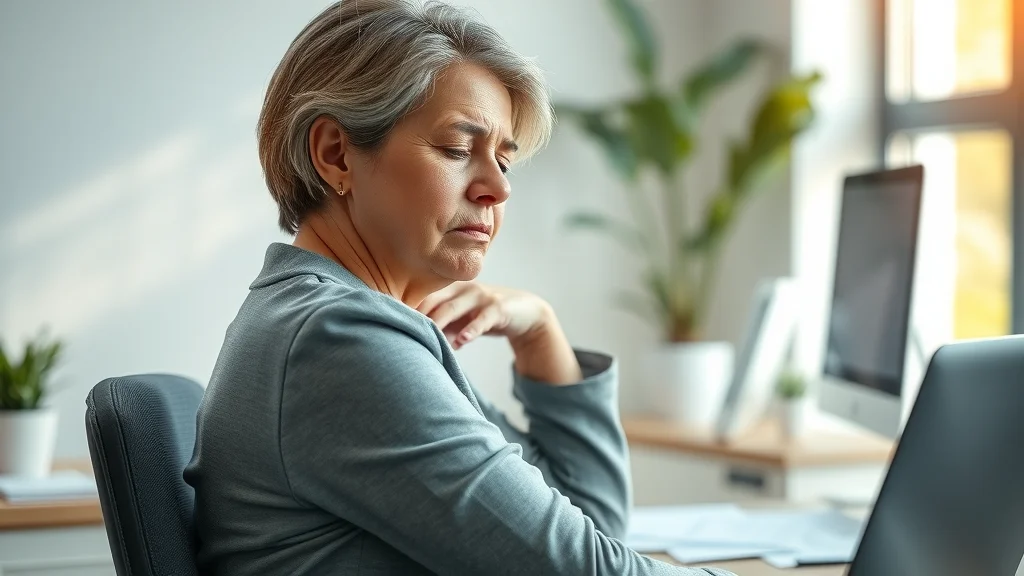
Stressed middle-aged woman with muscle tension massaging her upper back at a bright office desk, stress and back pain

What You'll Learn About Stress and Back Pain

  • The science behind stress and back pain connections
  • Common symptoms of stress-induced back pain and muscle tension
  • Holistic approaches to reducing pain and stress naturally
  • Expert strategies for choosing the right practitioner near Gig Harbor

The Science of Stress and Back Pain: Body and Mind Under Pressure

Understanding the intricate relationship between stress and back pain is essential for those seeking relief. Stress triggers a physiological response in the body, priming you for 'fight or flight. ' While this response is helpful in short bursts, persistent stress can wreak havoc on your low back and overall posture. Tension accumulates, often leading to chronic pain, muscle stiffness, and spasms. In fact, many individuals suffer lower back pain due to an overlooked emotional burden, with pain symptoms exacerbating the cycle.

The nervous system plays a pivotal role by ramping up sensitivity to pain when stress levels are high. This means that everyday aches can feel more intense and last longer, particularly for those already managing chronic stress or anxiety. Recognizing this mind-body link is the first step toward more effective and holistic treatment plans—not just masking symptoms, but addressing root causes to foster true healing.

For those interested in practical, movement-based solutions, exploring gentle practices like yin yoga can be especially beneficial for easing muscle tension and supporting back health. In fact, incorporating yin yoga for sore hips may help release deep-seated tension and complement your holistic approach to managing stress-related discomfort.

The Physical Reaction: Why Stress Causes Muscle Tension and Back Pain

When you experience acute or ongoing mental strain, your muscle tension naturally increases as part of the body's innate protection mechanism. This “bracing” response—tightening shoulders, neck, and back—can become automatic, especially under continuous stress. Over time, these patterns restrict blood flow, decrease mobility, and commonly culminate in back pain or worsened low back pain. If your stress remains unchecked, so too does the cycle of discomfort, leaving you vulnerable to both new injuries and the intensification of current pain symptoms.

These bodily responses are not only uncomfortable, but can interfere with daily activities, sleep quality, and physical activity you once enjoyed. The longer muscle tension persists, the more likely that inflammation, micro-tears, or even damage to the intervertebral discs may occur. Being aware of these physical consequences highlights how crucial it is to tackle stress—not only for your mind but for your spinal health as well.

Nervous System and Pain: How Stress Amplifies Low Back Pain

Ongoing stress primes the nervous system for heightened pain sensitivity, which means the body's natural “alarm system” becomes more active, signaling pain even from mild stimuli. This is especially true for low back pain, where nerve pathways become sensitized, leading to greater discomfort during ordinary movements such as standing, sitting, or carrying groceries. Cortisol secretion, elevated during stress, can slow healing and keep muscles tense, further contributing to lower back pain.

As stress and back pain reinforce each other, your body can slip into a feedback loop—where the presence of pain itself heightens anxiety and muscle tension. This dynamic is often seen in people who experience chronic pain conditions. By understanding this cyclical connection, you can appreciate why traditional approaches may not always yield lasting results and why holistic, mind-body therapies are essential for sustainable relief.
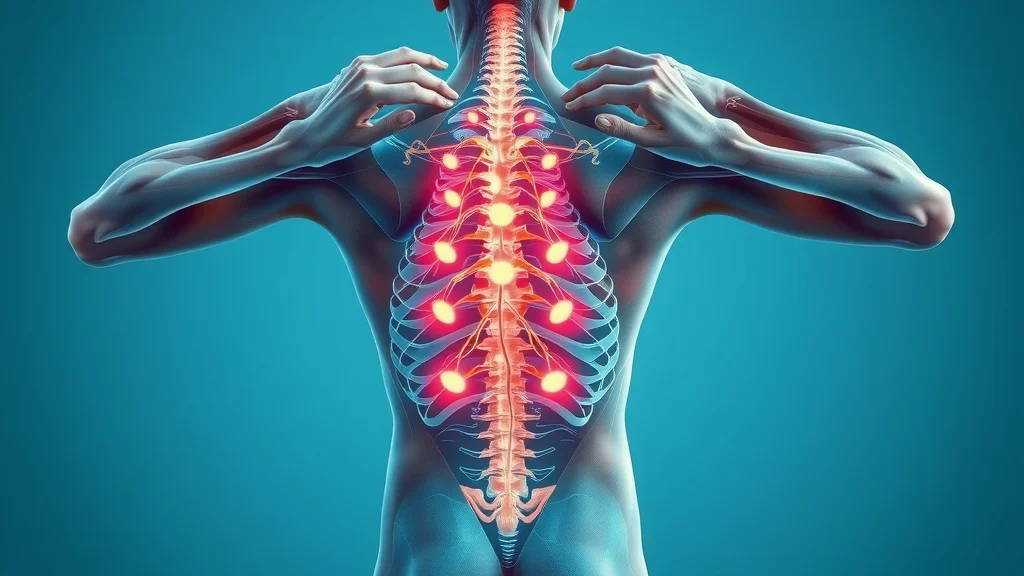
Human nervous system and back muscles under stress showing low back pain, stress and back pain

Psychological Components: Low Back Pain and Stress Feedback Loops

Stress and pain don’t just exist separately—they actively fuel each other through psychological feedback loops. Imagine feeling pain in your lower back that’s triggered by a strenuous week at work. The more you worry about the pain, the greater your body tenses further, creating a cycle of back pain and stress that becomes increasingly hard to break. Emotional distress and anxiety can heighten pain perception, magnifying everyday discomforts into notable pain symptoms that affect every aspect of life.

This loop is why many people in the United States and globally find that standard painkillers or isolated physical therapy provide only temporary relief. Addressing both the mind and body is critical—when you soothe emotional turmoil, muscle relaxation and physical healing naturally follow. Breaking this cycle requires techniques that teach awareness of body tension, breathing, and positive self-talk, which form the core of many holistic healing approaches.

Common Symptoms of Stress-Related Back Pain and Muscle Tension

  • Tight shoulders and neck
  • Lower back pain and stiffness
  • Intermittent or chronic pain symptoms triggered by stress
  • Changes in posture due to pain and stress

Recognizing the hallmarks of stress and back pain is the starting point for effective self-care and holistic intervention. While the symptoms of back pain include obvious aches in the lower back or upper spine, they often spread to other regions—like the neck and shoulders—especially when under mental duress. Pain may feel intermittent or become part of a chronic pain cycle, frequently flaring during or after stressful life events. Changes in posture, such as hunching or slumping, can occur unconsciously as your body tries to protect itself from discomfort or further injury.

Other pain symptoms include muscle stiffness, a reduced range of motion, and sometimes pain radiating down the legs. These indicators, triggered or worsened by stress, are your body's signal that it's time to engage in proactive strategies to reduce stress and restore natural balance. By catching symptoms early and using holistic tools, you can minimize their intensity and duration, improving both comfort and overall general health.

How to Recognize Stress and Back Pain Symptoms

The challenge for many is distinguishing between pain caused by physical strain and pain induced or worsened by stress. Notably, stress-induced back pain is characterized by muscle tightness that sets in during or after emotionally demanding days, or when you notice that rest and standard stretches don’t relieve the discomfort. Persistent tightness, random spasms, or sharp twinges—especially alongside increased irritability—are strong clues that stress and back pain are at play.

Monitoring your symptoms over time can help you identify patterns: Is your lower back pain worse at the end of a workweek, or does anxiety make your posture collapse, creating more strain? Many people also experience interrupted sleep, low energy, and a need to constantly shift positions as the body struggles to find relief. Taking these signs seriously and discussing them with a holistic practitioner near Gig Harbor gives you a head start on restoring balance and choosing the right treatment plan for your needs.

Young adult man with poor posture and evident lower back pain, stress and back pain symptoms

Lower Back Pain and Stress: Why the Lower Back Suffers Most

The lower back—or lumbar region—is especially vulnerable to stress-related pain. As a weight-bearing structure that supports almost every movement, it endures immense pressure during stressful periods, particularly for individuals with sedentary jobs or chronic stress. The lumbar region contains large supporting muscles and intervertebral discs, both of which tighten up or weaken under stress and poor posture, escalating lower back pain and discomfort.

Emotional turmoil and ongoing tension can also disrupt blood flow to the low back, slowing healing and increasing inflammation. Over months or years, this can lead to persistent low back pain that seems resistant to standard care. Recognizing the link between pain and stress in your lower back is essential for seeking proper support, as holistic practitioners can formulate natural treatment plans to address both physical and emotional triggers for longer-lasting relief.

Types of Lower Back Pain Linked to Stress

Not all lower back pain is the same, but several forms are directly tied to stress. Acute episodes may arise suddenly, often following a period of intense anxiety or emotional strain, leading to sharp twinges or muscle spasms in the lower back. More commonly, though, the pain is chronic—persistent aching, stiffness, or a dull sensation that flares up during moments of increased stress or fatigue.

Many people describe their pain symptoms as unpredictable, varying in intensity and location. The discomfort may be one-sided or affect the entire lower back, especially when stress creates muscle imbalances or poor posture habits. Chronic conditions, like tension myositis syndrome (TMS), further illustrate that persistent emotional stressors often underlie or worsen longstanding back pain and stress.

Back Pain and Stress: Hidden Causes in Everyday Routines

It’s easy to overlook how daily routines quietly contribute to stress and back pain. Extended sitting or repetitive movements—combined with multitasking, screen glare, or emotional strain—reinforce muscle tension patterns that keep pain alive. Even activities meant to help, like excessive physical activity or unsupervised workouts, can backfire if your stress levels and muscle readiness are not accounted for.

Simple habits, from slumping while texting to carrying heavy bags on one side, can reinforce imbalances and worsen back pain symptoms when you’re feeling overwhelmed. These feedback loops highlight why it’s crucial not only to address the obvious (muscle tightness, posture) but to look deeper at stress management, emotional well-being, and supportive daily habits for sustainable change. With the right approach, you can intervene before pain becomes chronic—and holistic practitioners near Gig Harbor are uniquely equipped to guide you through this transformation.

Pain and Stress: The Vicious Cycle and Its Effects

The relentless interchange between pain and stress creates a self-perpetuating cycle that can be difficult to escape. Experiencing back pain can increase anxiety, prompting more muscle tension and exacerbating discomfort—a perfect environment for chronic pain to flourish. Left unaddressed, this cycle can affect not only the body but your mood, outlook, and even your willingness to engage in everyday activities or physical therapy.

Breaking free from this loop takes a proactive, mind-body approach. Engaging in stress-reduction techniques and holistic therapies can help lower your physiological response to stress, reduce tension, and open the door to complete healing. For those in Gig Harbor, this means seeking natural solutions that empower your journey to pain-free living instead of relying solely on short-term fixes.

How Ongoing Pain Triggers More Stress

Living with ongoing or chronic pain often fuels feelings of frustration, helplessness, and worry. As you become preoccupied with discomfort, your stress levels naturally rise—making it even more difficult for muscles to relax and for your nervous system to reset. Sensitivity to pain increases, physical activity becomes less appealing, and a downward spiral of inactivity and declining general health can develop.

This cycle affects sleep, work, and relationships, reinforcing a belief that relief isn’t possible without medication or invasive intervention. However, understanding this connection empowers you to pivot toward holistic self-care, supportive community resources, and expert practitioners who focus on healing both body and mind simultaneously.

Middle-aged woman meditating outdoors to reduce stress and back pain, holistic healing near Gig Harbor

Breaking the Back Pain and Stress Connection Naturally

Fortunately, the cycle of back pain and stress is not permanent. Research and expert testimony highlight a range of natural, holistic approaches designed to break this loop. These include mindfulness meditation, breathing exercises, therapeutic movement like yoga and gentle stretching, nutritional strategies, herbal supplements, and professional massage therapy. Local practitioners near Gig Harbor often combine these therapies, developing personalized wellness plans that address both the physiological and psychological aspects of pain.

Additionally, adopting stress reduction as a daily routine—incorporating intentional pauses, nature walks, and social connections—can help retrain your body’s physiological response to stress triggers. Many have found that integrating holistic methods, even in small ways, offers a significant difference in comfort and quality of life, motivating ongoing commitment to natural health care and long-term well-being.

Expert Insights: Holistic Ways to Reduce Stress and Relieve Back Pain

"Holistic health creates harmony in body and mind, unlocking relief from both stress and back pain." – Expert Holistic Practitioner

Holistic medicine focuses on treating the whole person, acknowledging the inextricable links between mind, body, emotions, and environment. By addressing more than just physical symptoms, practitioners help patients in Gig Harbor discover the root causes—be it stress, chronic pain, or muscle tension—and create sustainable results with gentle, natural therapies. Unlike conventional approaches that often suppress pain temporarily, holistic health contributes to true healing and resiliency.

Common recommendations from Gig Harbor practitioners include integrating gentle movement, mindfulness, nurturing nutrition, and regular self-care rituals. These methods, validated by both scientific research and patient experience, are safe, effective, and compatible with almost any lifestyle. They not only reduce stress but also build resilience, enabling your body and mind to better respond to future challenges and pain triggers.

Popular Natural Methods to Reduce Stress-Related Back Pain

  • Mindfulness meditation and breathing exercises
  • Gentle yoga and stretching for back pain relief
  • Herbal and nutritional approaches for muscle tension
  • Massage and bodywork from holistic practitioners

Each of these practices plays a unique role in managing the relationship between stress and back pain. Mindfulness helps reset your nervous system, lowering the perception of pain and helping you develop a compassionate, present-moment awareness. Yoga and stretching increase flexibility, restore healthy posture, and ease muscle tension. Herbal remedies and nutrition—such as anti-inflammatory plants and magnesium-rich foods—support muscle health and reduce inflammation naturally. Professional massage and bodywork directly address muscle knots and tension, encouraging relaxation and improved circulation for lasting relief.

Most importantly, these methods offer tailored options for every individual, allowing you to build a treatment plan that fits your needs, lifestyle, and preferences. With so many proven strategies available near Gig Harbor, now is the perfect time to explore a new path to wellness—one that combines expert guidance with personal empowerment.

Diverse group practicing yoga for back pain and stress relief in a sunlit studio near Gig Harbor

Choosing a Holistic Health Practitioner for Stress and Back Pain in the Gig Harbor Area

When the goal is lasting comfort and resilience—not just a temporary fix—choosing the right holistic health practitioner becomes key. The Gig Harbor area offers a variety of highly skilled professionals specializing in natural pain relief, stress management, and whole-person care. Their role extends far beyond symptom management; they act as educators and partners, guiding you to new habits, tools, and techniques for lifelong wellness and reduced pain.

Successful outcomes depend on practitioners who combine hands-on experience, up-to-date training, and a genuine commitment to personalized care. The best holistic providers will tailor your treatment plan to your unique pain symptoms, activity levels, stress triggers, and goals—ensuring you feel heard, understood, and empowered throughout your healing journey.

Key Factors to Consider for Natural Back Pain Relief

  • Experience in pain and stress management
  • Certifications in holistic or alternative practices
  • Personalized treatment plans for back pain and stress
  • Patient testimonials and holistic clinic approach

Ask potential practitioners about their approach to both pain and stress, any continuing education credentials, and how they design wellness plans. Authentic reviews and feedback from local patients can be especially telling about the practitioner’s success in delivering long-term results. Whether through massage therapy, stretching programs, nutritional counseling, or mindfulness-based interventions, the ideal practitioner offers genuine support and skill to move you toward pain-free, vibrant living in and around Gig Harbor.

Holistic health practitioner consulting patient in clinic plan for back pain and stress near Gig Harbor

Table: Comparing Common Natural Therapies for Stress and Back Pain

Therapy Type Primary Benefits Holistic Focus Best For
Yoga/Stretching Increases flexibility, reduces tension Mind-body integration All ages, chronic pain
Massage Therapy Relieves muscle knots, improves circulation Physical relaxation Acute muscle tension
Mindfulness/Meditation Reduces stress, calms nervous system Mental/emotional wellness Stress-induced pain
Herbal Supplements Supports muscle health, reduces inflammation Nutritional support Supplemental care

People Also Ask: Stress and Back Pain Questions Answered

Can stress cause back pain on one side?

Yes, stress can cause muscle imbalances leading to back pain on one side, particularly if you tense certain muscles more frequently or have poor posture when anxious. Holistic approaches can help address these imbalances and promote overall alignment.

How does stress back pain feel like?

Stress-related back pain often feels like a deep ache, persistent tightness, or random sharp twinges. It may intensify during stressful periods, especially in the lower back and neck, and can be accompanied by muscle spasms.

How do you get rid of stress back pain?

To reduce stress back pain naturally, use a holistic routine: practice mindfulness, pursue gentle movement and stretching, try alternative therapies like massage or acupuncture, and consult a local holistic health practitioner for a tailored wellness plan.

Can anxiety cause back pain?

Yes, anxiety can lead to physical pain—including back pain—by increasing muscle tension and activating stress pathways. Holistic techniques can break this cycle by calming both the mind and body.

FAQs: Stress and Back Pain

  • Are there specific stretches for anxiety-induced lower back pain?
    Yes, gentle stretches targeting hip flexors, hamstrings, and lumbar muscles can ease muscle tension and reduce stress-related discomfort. Yoga poses like Child’s Pose and Cat-Cow are commonly recommended.
  • What role does sleep play in pain and stress reduction?
    Quality sleep allows your body to repair tissues, reset stress hormone levels, and reduce overall sensitivity to pain. Practicing bedtime mindfulness or gentle stretches can enhance rest and minimize morning pain.
  • How quickly can holistic treatments relieve back pain and stress?
    Some people notice relief after a single session of yoga, mindfulness, or massage, while others require a few weeks of consistent practice. Lasting improvement usually comes with a regular, tailored approach from an experienced holistic practitioner.

Key Takeaways for Stress and Back Pain Relief

  • Stress and back pain are closely linked physiologically and emotionally.
  • Lower back pain and muscle tension can often be reduced with holistic methods.
  • Choosing an experienced natural health practitioner makes a significant difference in pain relief.
  • Start your journey to pain-free living by choosing natural, effective solutions close to Gig Harbor.

If you’re ready to take your healing journey a step further, consider how mindful movement and targeted practices can transform not just your back, but your overall well-being. Exploring approaches like yin yoga for sore hips can open new doors to flexibility, relaxation, and deeper stress relief—especially when integrated with holistic care. By expanding your toolkit with gentle, restorative movement, you empower your body to release tension and support long-term resilience. Discover how embracing healing movement in Gig Harbor can complement your path to a pain-free, balanced life by learning more about the benefits of yin yoga for sore hips and holistic wellness.

Ready to Live Pain-Free? Book a Holistic Health Consultation for Stress and Back Pain Near Gig Harbor

Transform your life and health—book your consultation with a trusted holistic health practitioner in Gig Harbor and start experiencing lasting relief from stress and back pain today!


Top Chiropractor for Back Pain in Gig Harbor

1 Views

0 Comments

Write A Comment

*
*
Please complete the captcha to submit your comment.
Related Posts All Posts
08.03.2026

Why Does My Back Keep Going Out?

Imagine reaching for a coffee cup or bending to tie your shoes—and suddenly, a sharp pain jolts your lower back, forcing you to pause mid-motion. If your back keeps going out, you’re not alone—and this recurring disruption can feel both mysterious and frustrating. Whether you’re new to natural health or already working with holistic practitioners in the Gig Harbor area, understanding the deeper reasons behind repeated back pain unlocks your path to real, lasting relief. This comprehensive, expert guide not only demystifies why your back keeps going out but also empowers you with natural, whole-person solutions so you can regain confidence, stay active, and enjoy life free from constant aches and pains. If Your Back Keeps Going Out—Understanding Back Pain Holistically The sensation that your back keeps going out is more than just a fleeting nuisance—it’s a sign your body is signaling for attention. Many people in Gig Harbor and beyond experience back pain that seems to come and go, making daily activities unpredictable or even anxiety-inducing. Holistic health views this issue as more than a simple physical injury; it looks at your entire lifestyle, habits, stress levels, and nutritional factors. When we look at back pain holistically, we see how acute back pain, muscle spasms, lifestyle choices, and emotional well-being are interconnected. Addressing each piece of the puzzle, instead of just the symptoms, is the gateway to real, sustainable change. In this guide, you’ll discover why throwing out your back happens and, more importantly, how natural strategies can help prevent future pain and promote healing from the inside out. The good news is that expert-informed holistic solutions work hand-in-hand with your body’s own healing abilities. By shining a spotlight on common causes—like weak core muscles, poor posture, unmanaged stress, and nutritional gaps—we uncover practical approaches to not only reduce pain but also support number-one priorities like long-term health and resilience. Keep reading to learn what steps you can take today to strengthen your back and invest in a pain-free, active future under the guidance of respected holistic practitioners in the Gig Harbor area. Scenario: When Your Back Keeps Going Out Unexpectedly Few things are more disruptive than when your lower back suddenly “locks” with pain during ordinary movement. Maybe you were simply unloading groceries, stretching while waking up, or standing up from a low seat. These unpredictable episodes are common and can be alarming, especially if you’re unsure why they happen or how long they’ll last. Acute back problems often make you feel vulnerable—or even afraid to move—but understanding their roots is key to both immediate relief and preventing recurrence. As you explore this scenario, keep in mind that holistic approaches address not just the physical event but also the underlying patterns and stresses that contribute to repeated back pain. When you experience back pain that keeps flaring up, it's not always about a major injury; rather, it may signal muscle imbalances, hidden tension, or lifestyle habits that have accumulated over time. The difference between a one-off strain and recurring muscle spasms often comes down to these deeper factors, which holistic practitioners are trained to identify and correct naturally. Recognizing this connection helps you stay ahead of your pain, take proactive steps, and ultimately restore confidence in your body’s resilience. Incorporating gentle, restorative movement into your daily routine can be a powerful way to address underlying muscle imbalances and tension. For example, practices like yin yoga are especially effective for releasing tight hips and supporting spinal health—discover how targeted yin yoga sessions can ease discomfort and promote healing by exploring holistic movement for sore hips in Gig Harbor. What You'll Learn in This Comprehensive Guide to Back Pain and Muscle Spasms Why acute back pain and muscle spasms occur Common triggers of throwing out your back Key differences between herniated disc and pulled muscle Holistic strategies for prevention and recovery Questions to ask your care provider or healthcare provider What Does It Mean When Your Back Keeps Going Out? When your back keeps going out, it usually means that you experience sudden, sharp pain—often in your low back—due to a muscle spasm, acute back injury, or an underlying issue like a slipped or herniated disc. This feeling can range from a brief, intense ache to a sensation of “locking up” where movement is restricted. The pain can feel overwhelming and may radiate from an affected area, making it difficult to perform daily activities or even stay active for long periods. While these incidents might seem like isolated flukes, consistently recurring back pain is your body’s way of alerting you to imbalances that need attention. Holistic practitioners in and around Gig Harbor encourage looking beyond the symptoms to understand the whole person. Back pain can signal overworked muscles, stress-induced tension, poor posture, or nutritional deficiencies. The root causes can differ from person to person, but the recurring pattern is a reason to pause and seek answers. By recognizing what “throwing out your back” really means, you’ll be better equipped to choose a care provider who addresses the cause—not just the consequence—of your discomfort. Defining Throwing Out Your Back and Muscle Spasm The phrase “throwing out your back” is commonly used, but what’s actually happening inside? In many cases, a sudden movement strains a group of muscles or ligaments in your lower back, leading to a muscle spasm—a rapid, involuntary contraction of muscle fibers. This can trap nerves or restrict movement, creating sharp pain and limited mobility. While the pain can feel severe, the injury is often muscular rather than structural, especially in younger or active adults. However, ongoing spasms may indicate a deeper imbalance that needs correcting, such as weakened core muscles or improper lifting techniques. For some people, back spasms are occasional; for others, they recur due to underlying posture problems, lifestyle stress, or even chronic inflammation from poor nutrition. Holistic and natural health practitioners are trained to observe patterns, address body mechanics, and explore factors like sleep quality and emotional stress—which medical research increasingly recognizes as triggers for back pain. Understanding the relationship between your activities, stress, and back health helps you address pain at the root, breaking the cycle of repeated spasms and discomfort. Acute Back Pain: Causes and Triggers Acute back pain—which starts suddenly and can be severe—often stems from more than just a “wrong move. ” In Gig Harbor and throughout the Northwest, the most common triggers include lifting with poor technique, twisting or bending too quickly, or even long periods of sitting without proper support. Everyday actions like gardening, household chores, or sudden sports movements can bring on these sharp aches. In other cases, falls, accidents, or prior injuries set the stage for recurring pain and muscle spasms. However, physical movements aren’t the only culprits. Stress and mental fatigue tighten muscles and affect your posture subconsciously, increasing the likelihood of acute back pain and low back instability. Additionally, dietary factors—such as low magnesium or chronic dehydration—can worsen muscle cramping and recovery times. Holistic practitioners take all these triggers into account, aiming to create a comprehensive prevention and recovery plan tailored to your unique needs, rather than focusing on just short-term symptom relief. The Most Common Reasons Your Back Keeps Going Out The sensation that your back keeps going out is rooted in several common, interconnected factors. Chief among them are muscle spasms, acute back pain episodes, herniated or slipped discs, and ongoing lifestyle habits such as poor posture, inadequate core support, and stress. When considering why these issues keep returning, it’s important to remember that rarely is one single movement to blame. Instead, holistic experts look for patterns—imbalances in muscle tone, nutrition, sleep, and emotional health—that gradually undermine your spine’s stability and lead to repeated setbacks like muscle strain or disc issues. By understanding these most common reasons, you can choose supportive, preventative measures—embracing exercises and stretches, mindful movement, and nutrition—guided by holistic practitioners who see the whole picture. Relief comes more easily, and lasting change is possible, when you recognize how body, mind, and lifestyle all contribute. Let’s break down the main factors below. Muscle Spasms and Acute Back Pain Explained Muscle spasms—those sudden, intense contractions often felt in the low back—are the body’s protective response to strain or overexertion. These are a primary cause of why your back keeps going out, and acute back pain can feel alarming. Whether you lifted a heavy object or twisted at an awkward angle, the muscle reacts by tightening up to prevent further injury, but this “protective” lock can quickly become painful and debilitating. In holistic practice, muscle spasms often signal deeper issues: weak core muscles, chronically tight hamstrings, or even imbalances elsewhere in the body. Chronic stress can keep muscles in a near-constant state of alert, while nutritional gaps (think: not enough magnesium or electrolytes) make spasms more likely and harder to recover from. A natural approach identifies these patterns, providing preventive routines and strategies that strengthen and balance the body—so you can break free of the pain-spasm-pain cycle. When a Herniated Disc or Pulled Muscle Is to Blame Sometimes, episodes where your back keeps going out aren’t just muscle spasms but may involve spinal structures themselves. A herniated or “slipped” disc occurs when the cushiony disc between your vertebrae bulges or breaks open, pressing on nerves and causing shooting pain, tingling, or weakness down the leg—often referred to as sciatica. This type of acute pain often feels very different from a basic pulled muscle, but the two are commonly confused. On the other hand, a pulled muscle or ligament generally causes localized pain, tenderness, and tightness in the affected area without nerve symptoms. Holistic practitioners use detailed questioning, gentle examination, and even non-invasive imaging when necessary to distinguish the two, because each requires a tailored set of care strategies. Whether the issue is muscular or structural, addressing core strength, posture, and overall wellness helps prevent future flare-ups and supports your healing journey. Poor Posture, Lifestyle, and Back Pain Posture is a silent saboteur when it comes to back pain, especially if work or home life involves long periods of sitting, standing, or repetitive movements. Slouching, unsupported low back positions, or crossing legs for hours on end disrupt the natural curvature of the spine, overloading certain muscles and under-activating others. These imbalances create pressure points and increase the risk for both acute back pain and muscle spasms. Lifestyle habits—like skipping warmups before activity, not staying active, or ignoring early warning aches—compound the risk. Even daily stress and lack of movement variety can fuel inflammation and stiffness. In holistic health, correcting posture and lifestyle is as crucial as addressing more obvious injuries. Practitioners teach ergonomic movement, core-strengthening, and relaxation techniques, empowering you to reclaim your spinal health right in your daily environment. Holistic Health Factors: Stress, Nutrition, and Sleep The mind-body connection plays a major role in both causing and resolving recurring back pain. Chronic stress can tense muscles all over the body, especially in the low back, promoting ongoing spasms and limiting recovery. Nutritional gaps—like not enough anti-inflammatory foods, omega-3s, or essential vitamins and minerals—reduce your body’s ability to bounce back, increasing inflammation and lowering your pain threshold. Likewise, poor sleep sabotages the body’s natural recovery processes, keeping your tissues in a constant state of strain. Holistic practitioners frequently address these factors with calming practices like meditation, dietary adjustments, and personalized sleep strategies. In Gig Harbor and other health-conscious communities, rebalancing your lifestyle naturally is central for both immediate relief and prevention of chronic back pain. How Can I Stop My Back from Going Out? Holistic and Natural Prevention If you’re searching for “how can I stop my back from going out?”—you’re ready to move beyond short-term fixes and commit to holistic, preventive strategies. Unlike conventional advice that focuses only on pain after it starts, a whole-person approach helps retrain your body, build resilience, and address the root causes of repeated flare-ups. Emphasizing movement, stress reduction, nutrition, and professional support, these strategies can transform your experience of back pain and support number-one wellness goals for active living. By introducing mindful exercises and stretches, practicing stress management, and developing ergonomic habits, you’ll not only reduce your risk for future pain but also enhance your everyday quality of life. With guidance from trusted holistic practitioners in the Gig Harbor area, you can create a well-rounded plan tailored to your body and lifestyle—making every day more predictable, active, and pain-free. Exercises and Stretches for Preventing Back Pain The foundation for a healthy back lies in strong, supple muscles and mindful movement. Regular exercises and stretches help release tension, balance muscle tone, and reinforce proper alignment. Gentle yoga poses like cat-cow, supine twists, and child’s pose stretch the spine, while strengthening routines—targeting the core, glutes, and supporting muscles—form a protective belt for your low back. It’s not about intense workouts; rather, consistency and gradual progression make the biggest difference. Holistic experts recommend incorporating stretches into your daily routine, especially if you sit or stand for long periods. Ergonomic movement habits—using your legs to lift, maintaining a neutral spine, and keeping your core gently engaged—reduce stress on sensitive areas and prevent future pain. These practices, in combination with regular movement and proper hydration, form the first line of defense when your back keeps going out. Gentle yoga stretches Core strengthening routines Ergonomic movement habits Mind-Body Approaches: Meditation and Stress Management Persistent stress is a hidden trigger for ongoing back pain and muscle spasms, tightening the muscles and lowering the threshold for discomfort. Mind-body techniques—such as meditation, deep breathing, mindfulness, and gentle tai chi—have proven benefits for reducing muscle tension and breaking the pain-stress cycle. These approaches are integral to holistic care plans, helping you build resilience from the inside out. Practicing stress management daily can relax the nervous system, improve sleep, and allow muscles (especially in the low back) to recover effectively. Holistic practitioners often teach these skills as part of a comprehensive strategy, encouraging you to observe what triggers your stress and develop coping tactics. By tackling both emotional and physical aspects, you set yourself up for long-term recovery rather than short-lived symptom relief. When to Consult a Natural Holistic Care Provider While home care is helpful for mild, infrequent pain, recurring or severe episodes suggest it’s time to seek guidance from a holistic care provider. A practitioner will take a whole-person approach, assessing your medical history, physical habits, nutritional status, and even life stressors. This expert assessment uncovers root causes missed by mainstream protocols and ensures your treatment plan fits your body and lifestyle. Book an appointment if you notice your pain gets worse, is interfering with your daily activities, or returns despite your best self-care efforts. Holistic practitioners in Gig Harbor are known for their integrative approach—combining bodywork, nutrition, and mind-body techniques—to provide relief from chronic or recurrent back pain. Don’t wait for a crisis; invest in your long-term health by partnering with a care provider focused on real, sustainable solutions. “A natural, preventative approach to back pain addresses the root—not just the symptoms.” What Are the Warning Signs of a Serious Back Problem? While many episodes of back pain resolve with self-care and holistic approaches, certain symptoms signal a serious underlying issue and require immediate medical attention. These “red flags” go beyond routine aches and pains—they may indicate nerve involvement, structural damage, or an underlying medical condition that’s best evaluated by a qualified healthcare provider. Recognizing these warning signs empowers you to act quickly and reduce the risk of long-term complications. If you experience persistent, worsening pain not improved by rest, numbness or tingling in your legs or groin, new weakness, loss of mobility, or changes in bladder or bowel control, seek professional evaluation without delay. While a holistic practitioner can triage and support mild-to-moderate cases, urgent symptoms should always be addressed with a healthcare provider to rule out serious medical conditions and ensure the best chance for recovery. Persistent, worsening pain Numbness or tingling Loss of mobility Incontinence issues Acute Versus Chronic Back Pain: The Key Differences Understanding the difference between acute back pain and chronic pain is crucial for making smart healthcare decisions. Acute pain is sudden, intense, and usually lasts a few days to a few weeks, often following a specific injury or movement. It may resolve with rest, gentle activity, or basic self-care, provided you allow the underlying strain to heal and don’t rush your return to activity. Chronic back pain, on the other hand, persists for longer than three months and may fluctuate in intensity. It often points to underlying imbalances—in muscles, posture, or even emotional well-being—that require in-depth evaluation and personalized care. Holistic practitioners specialize in unraveling these complexities, guiding you toward both symptom relief and long-term transformation. How to Tell if It’s a Herniated Disc or Pulled Muscle Not all back pain is created equal, and distinguishing between a herniated disc and a pulled muscle is an important step on the way to effective treatment. Each condition has specific symptoms, with some overlap, which is why a careful assessment from a holistic healthcare provider is essential. Here’s a simple comparison to help clarify how each might present: Comparing Herniated Disc and Pulled Muscle Symptoms Symptom Herniated Disc Pulled Muscle Pain Location Low back, can radiate down leg (sciatica) Localized in the affected area Associated Sensations Tingling, numbness, weakness Tightness, soreness, stiffness Trigger Sudden movement or heavy lifting without warning Overstretching, sudden movement, or overuse Onset/Duration Can persist, worsen with certain movements Usually improves with rest and gentle activity Seeking Expert Assessment from a Holistic Healthcare Provider Because herniated discs and pulled muscles share symptoms but need tailored care, a holistic healthcare provider is invaluable for clear diagnosis and recovery. Holistic practitioners blend physical examination with a whole-person intake—exploring your history of acute back pain, lifestyle patterns, posture, and previous injuries. They use gentle, hands-on methods (not just imaging) to assess where pain is originating and how best to support healing naturally. If you struggle to differentiate between a slipped disc and muscle strain, or if your efforts to reduce pain at home aren’t working, don’t wait. Personalized guidance ensures correct, effective strategies—minimizing risk of further injury and helping you build a proactive plan for a healthier back. Natural Holistic Treatments for Back Keeps Going Out Holistic medicine offers a broad toolkit for healing and preventing back pain, with therapies rooted in both age-old wisdom and modern science. If your back keeps going out, targeted manual therapies, nutritional shifts, gentle movement, and stress management provide relief for both acute and chronic issues. In the Gig Harbor area, holistic practitioners integrate body, mind, and lifestyle approaches—creating a supportive environment for lasting transformation beyond just masking symptoms. Key therapies in the holistic repertoire for back pain include therapeutic massage, chiropractic adjustments, acupuncture, nutritional support, and personalized mind-body practices. These not only provide immediate comfort but also strengthen your body and nervous system for long-term resilience. Therapies: Massage, Chiropractic, and Acupuncture Therapeutic massage releases tight muscles, improves blood flow, and calms the nervous system—addressing the muscle spasms and tension driving back pain. Chiropractic adjustments help realign spinal structures, relieve pressure on nerves, and restore healthy movement. Acupuncture is effective for reducing inflammation, promoting tissue repair, and encouraging relaxation, especially in those with chronic muscle spasm or acute back injuries. Holistic practitioners often incorporate several modalities in a tailored plan, working to address root causes and provide natural, side-effect-free relief. Many patients in Gig Harbor choose these therapies for their focus on sustainable wellness, empowering them to reduce pain and thrive in daily activities long after initial recovery. Supportive Nutrition and Supplements for Back Pain Poor nutrition can worsen inflammation and muscle tension, undermining the body’s natural healing. Anti-inflammatory diets rich in leafy greens, healthy fats, fruits, and whole grains help reduce tissue irritation and supply vital nutrients for repair. Supplements like magnesium, vitamin D, and omega-3 fatty acids are especially helpful for soothing muscle spasms, supporting bone health, and promoting faster recovery from acute back pain. Holistic practitioners work with you to identify dietary gaps, food sensitivities, and possible supplement needs to optimize recovery and lower pain. Hydration also plays a pivotal role, as even mild dehydration can contribute to muscle tightness. Through these natural strategies, you lay a solid foundation for overall back health and keep future flare-ups at bay. Adopting a Holistic Lifestyle in Gig Harbor Area The beauty of holistic wellness is its adaptability—blending traditional, evidence-based therapies with lifestyle medicine. In the supportive environment of Gig Harbor, many find that consistent, mindful routines lead to powerful results. Practicing regular yoga, getting outside for gentle walks, engaging with community wellness groups, and prioritizing rest create the perfect conditions for your back to heal and stay pain-free. Choosing a path of holistic self-care empowers you to enjoy each day with energy and confidence. Local holistic healthcare providers can support you in setting actionable goals, adjusting routines, and following through for lifelong relief and mobility. Back Pain Recovery: Personalized Plans from Your Care Provider Long-term healing arises when you receive personalized care that addresses all facets of your well-being. Today’s best natural health practitioners—especially in holistic communities like Gig Harbor—go beyond symptom management, taking time to understand you as a whole person. A recovery plan might layer manual therapy, exercise, stress management, and nutritional optimization, evolving as you progress. Your ideal partner is a care provider that stays proactive, tracks your improvement, and adjusts recommendations to your unique life, medical history, and goals. What to Expect at an Initial Consultation During your first visit to a holistic practitioner for back pain, you’ll experience an in-depth intake—covering your medical history, emotional health, physical habits, and nutrition. The care provider may conduct a gentle physical exam, evaluate your movement patterns, and discuss your personal health goals. Expect a blend of education, hands-on care, and preventive advice tailored to your needs. The most effective plans emerge from open, ongoing communication with your healthcare provider, ensuring you feel heard and supported from the outset. The result? A holistic strategy that fits your lifestyle and lays the groundwork for real, sustainable recovery—empowering you to prevent future recurrences. Building a Long-term Prevention Strategy Prevention is at the heart of holistic medicine. Your care provider will guide you in developing a daily routine that includes simple stretches, core strengthening, ergonomic adjustments, strategic nutrition, and stress reduction. Regular follow-ups and progress tracking help ensure lasting results. Holistic practitioners often partner with clients for weeks or months, making small, personalized adjustments as you grow stronger and more resilient. This individualized, whole-person approach is what sets holistic care apart when recovering from (and finally breaking the cycle of) back keeps going out. People Also Ask: Answers to Your Top Back Keeps Going Out Questions What does it mean when your back goes out? Answer: When your back goes out, it often refers to sudden, sharp pain caused by a muscle spasm, acute back injury, or a spinal issue When your back “goes out,” you typically experience a sudden episode of pain—commonly due to muscle spasm, strain, or an acute shift in the structures of the low back. This sudden locking or restriction can be the result of lifting incorrectly, performing an abrupt movement, or experiencing accumulated tension. Understanding “throwing out your back” is essential for selecting the right preventive and remedial strategies. How can I stop my back from going out? Answer: Regular holistic care, stretching, strengthening, and healthy habits can reduce risk and frequency To prevent your back from going out, prioritize daily exercises and stretches, build core strength, address ergonomic movement, and maintain good posture. Incorporate stress-reducing practices, follow a nutrient-rich diet, and partner with a holistic care provider for individually tailored support. Preventive habits—such as mindful movement and consistent physical activity—offer the best defense against recurring episodes. What are the warning signs of a serious back problem? Answer: Severe or persistent back pain, numbness, weakness, or bowel/bladder issues require immediate attention Red flags for a serious back problem include unrelenting or intensifying pain, numbness or tingling that won’t subside, weakness in the legs, or loss of control over your bladder or bowels. These symptoms suggest nerve involvement or other medical conditions that need prompt professional assessment. Always seek immediate evaluation from your healthcare provider if these warning signs develop. How to tell if it's a herniated disc or pulled muscle? Answer: Herniated discs usually present with nerve symptoms (tingling, weakness); pulled muscle often causes localized pain and tightness A herniated disc typically causes pain that radiates down the leg and may come with tingling, weakness, or numbness. In contrast, a pulled muscle tends to create a localized sensation of tightness, soreness, and stiffness without neurological changes. If you’re uncertain or your pain persists, consult a holistic healthcare provider for careful diagnosis and a personalized treatment plan. Frequently Asked Questions: Back Keeps Going Out and Holistic Health How can holistic health practitioners in Gig Harbor, WA help with recurring back pain? Holistic practitioners in Gig Harbor assess the root causes of your recurring back pain, combining manual therapies, movement instruction, nutrition, and mind-body techniques. Their integrative approach focuses on the whole person, empowering you with strategies that support both immediate relief and long-term prevention. By treating underlying imbalances, they help you achieve pain-free, active living. What holistic therapies are effective for muscle spasm and acute back issues? Therapies like therapeutic massage, chiropractic adjustments, acupuncture, and guided movement (yoga or Pilates) are effective for addressing muscle spasms and acute back pain. In addition, stress reduction, nutritional supplementation, and ergonomic coaching form part of a comprehensive holistic care plan—reducing recurrence and promoting whole-body well-being. When should I seek support from a healthcare provider for back pain? Seek support if your back pain is severe, persists for more than a week, interferes with daily activities, or recurs frequently. If you notice warning signs (numbness, weakness, or incontinence), contact a healthcare provider immediately. Holistic practitioners help with both prevention and recovery, designed to complement medical care as appropriate. Key Takeaways: Preventing and Managing Back Keeps Going Out Addressing root causes leads to long-term relief Natural strategies combine physical, emotional, and nutritional support Working with holistic practitioners personalizes your path to healing Ready for Lasting Relief? Book an Appointment with a Top Natural Holistic Practitioner in Gig Harbor Today You don’t have to live with the uncertainty of recurring back pain. The expert, whole-person care you deserve is within reach. Book an appointment with a trusted holistic health practitioner in Gig Harbor to unlock lasting relief and reclaim a pain-free, active future—starting now. If you’re inspired to take your healing journey further, consider how integrating holistic movement practices can complement your back care routine. Exploring modalities like yin yoga not only targets sore hips but also enhances flexibility and balance throughout your body, supporting spinal health from the ground up. By broadening your approach to include mindful movement, you’ll unlock new levels of comfort and resilience. For a deeper dive into gentle, restorative practices that can transform your mobility and well-being, visit our guide on embracing healing movement with yin yoga in Gig Harbor. Your next step toward lasting relief and holistic vitality is just a mindful stretch away.

08.01.2026

Back Pain Red Flags: When Should You See a Doctor?

Imagine waking up one morning, and suddenly what seemed like an everyday ache in your low back escalates—it won’t let up, and now you’re noticing numbness in your legs, or maybe even trouble controlling your bladder. When is it just a muscle spasm, and when does it signal something far more serious? Identifying back pain red flags could be the difference between a quick recovery and a life-altering delay in treatment. This comprehensive guide will empower you to recognize the warning signs, take timely action, and advocate for holistic, natural health options—especially if you’re a resident near Gig Harbor eager for the safest, most effective approaches to well-being. Understanding Back Pain Red Flags and Their Importance Explore how back pain red flags serve as warning signals for serious issues Learn the differences between typical low back pain and worrisome red flag symptoms Know why identifying back pain red flags early is crucial for your well-being Back pain is among the most common ailments, impacting millions each year. Most episodes are acute, resulting from strain, postural mishaps, or general overuse—and typically resolve with rest, movement, and natural therapies. However, not all back pain is created equal. Some symptoms, known as red flags, signal underlying conditions that demand immediate medical evaluation. Distinguishing between regular low back discomfort and urgent red flag symptoms is a critical skill—one that natural and holistic practitioners prioritize for your safety. Neglecting these warning signs could risk permanent nerve damage, loss of function, or even life-threatening consequences. Early recognition—the cornerstone of natural and integrative medicine—ensures prompt, targeted treatment so you can quickly return to living a vibrant, pain-free life. Identifying back pain red flags isn’t only about responding to emergencies. It’s about prevention, self-awareness, and working collaboratively with health experts who value both natural healing and evidence-based medicine. Whether you’ve always managed pain on your own or you’re turning to a holistic approach for the first time, knowing the warning signs—and trusting your intuition about your body—is empowering. Recognizing these cues helps you avoid unnecessary suffering, supports a safer natural healing journey, and highlights the importance of listening deeply to your body and trusted practitioners. What You’ll Learn About Back Pain Red Flags How to distinguish between common back pain and symptoms that need medical attention Key low back pain red flags every holistic health seeker should recognize What natural and holistic practitioners look for during a physical exam This guide will walk you through the most important distinctions natural and holistic healthcare providers make when assessing acute low back pain versus red flag symptoms. You’ll discover which signs mean it’s time to act right away, and why practitioners in the Gig Harbor community emphasize collaborative, integrative assessment for your peace of mind. We’ll give you the knowledge, confidence, and practical steps needed to keep your body safe while exploring the most natural, effective strategies for back pain relief. Whether you are just beginning your journey toward holistic health or you’ve long partnered with natural care providers, understanding red flag symptoms is key. We’ll cover exactly which warning signs practitioners look for—from sudden unexplained weight loss to nerve root involvement (like tingling or weakness in your legs)—and explain how standard and natural diagnostic approaches work together to spot, assess, and respond quickly to prevent lasting harm. Common Causes of Low Back Pain and When to Worry Typical Causes of Acute Low Back Pain Strain and overuse Postural habits Lifestyle and ergonomic factors Most people will experience acute low back pain at some point, often as a result of lifting heavy objects, repetitive bending, or sudden awkward movements. Poor posture during sitting, standing, or sleeping, coupled with sedentary lifestyles and suboptimal work environments, is a major culprit in everyday aches. Often, this type of back pain comes on suddenly and resolves within days to weeks with rest, gentle movement, and natural interventions like stretching, massage, and mind-body therapies. These cases usually don’t require urgent care—but it’s crucial to remain attentive to any evolving symptoms. Sometimes what appears to be simple overuse may mask more serious underlying problems. By knowing the typical patterns of strain, posture, and overuse, and understanding how they differ from dangerous red flags, you’re better positioned to heal quickly and avoid unnecessary interventions. For those seeking gentle, restorative ways to support back and hip health, incorporating practices like yin yoga can be especially beneficial. If you’re interested in natural movement therapies that complement holistic care, explore how yin yoga for sore hips can ease discomfort and promote healing in the Gig Harbor area. Red Flag Symptoms Associated with Low Back Pain Unexplained weight loss Severe or worsening pain History of trauma or cancer Back pain accompanied by fever Red flag symptoms are those warning signs that set off alarms for any experienced practitioner—natural or conventional. Sudden, unexplained weight loss while experiencing back pain could indicate a serious systemic disease rather than a simple muscle problem. Similarly, a history of recent trauma, cancer, or increased pain at night raises suspicion for bone fractures, spinal metastases, or infection. Back pain associated with fever, night sweats, or overall malaise points toward infection, such as a spinal epidural abscess or discitis. Why is it so critical to spot these signs? Delaying care in the presence of red flags might allow worsening of nerve root compression, progression of an infection, or undiagnosed cancer. Holistic practitioners, especially in communities like Gig Harbor, often look for these symptoms during an initial history and physical exam to determine if further testing, such as imaging or referral to a specialist, is warranted. Knowledge of these signals is essential for blending natural approaches with lifesaving interventions when needed. Key Back Pain Red Flags: Symptoms That Should Prompt Immediate Action Loss of Bowel or Bladder Control: A Cauda Equina Red Flag The sudden loss of control over your bladder or bowels is one of the most significant back pain red flags. This urgent symptom often signals cauda equina syndrome: compression of the nerve roots at the base of the spine. Such compression disrupts function in critical nerves that control pelvic organs and lower limbs and constitutes a surgical emergency. Accompanying symptoms may include saddle anesthesia (loss of sensation in the inner thighs or groin), rapid-onset leg weakness, or severe, escalating back pain. If you experience these symptoms—especially in connection with new or worsening lower back pain—it is vital to stop activity and seek immediate evaluation from your provider. Holistic or natural health practitioners in the Gig Harbor area emphasize this point during every physical exam, collaborating promptly with primary care or emergency specialists to prevent permanent nerve damage. Delayed intervention could result in lifelong consequences, including paralysis or incontinence, so never ignore these warning signs. Progressive Weakness or Numbness in the Lower Limbs Any new, progressive weakness or numbness radiating to the legs suggests nerve root compromise and raises concern for conditions such as herniated disc, spinal cord compression, or even metastatic cancer. When back pain is accompanied by sensory changes, dragging feet, or trouble walking, these are classic hallmarks of serious spinal involvement. Holistic health seekers should know that gentle therapies are only indicated in the absence of such red flags. Experienced practitioners frequently perform straight leg raise or other neurologic assessments during the history and physical exam. If weakness spreads, walking becomes impossible, or numbness persists, they will coordinate immediate referral for advanced imaging or specialist evaluation, taking every measure to protect your function and comfort. Night Pain or Pain at Rest Pain that is worse at night or while resting—as opposed to improving with rest—is another key back pain red flag. For example, pain that keeps you awake, wakes you from sleep, or doesn’t change with movement may indicate underlying processes such as infection, malignancy (metastases from cancer), or even fractures. Many holistic practitioners ask about night pain, night sweats, and associated symptoms to screen for conditions like epidural abscess, spinal infection, or other non-musculoskeletal causes. If your pain profile shifts in this direction, don’t dismiss it as just “overdoing it”—and don’t rely on home remedies alone. Early collaboration with comprehensive medical and natural health teams leads to the most accurate diagnosis and effective, integrative care plan. Pain That Radiates or Is Associated with Neurology (Herniated Disc) When back pain is accompanied by radiating leg pain (also called radicular pain), tingling, numbness, or weakness, a herniated disc may be pressing against one or more nerve roots. While many disc herniations resolve with time and holistic care, some may compress nerves so severely that urgent evaluation is necessary. Practitioners often use physical maneuvers, like the straight leg raise, to assess for radicular symptoms, cord compression, or progressive motor impairment. Don’t ignore pain that shoots down your leg, especially if it is worsening, interferes with walking, or coincides with changes in reflexes, bowel, or bladder function. Swift recognition and referral protects your nerves and ensures the best possible outcome—naturally and safely. Table Comparing Common Low Back Pain vs. Red Flag Symptoms Common Low Back Pain Red Flag Symptoms Muscle ache after lifting or bending Loss of bowel or bladder control (void residual) Pain improves with movement or rest Progressive numbness or weakness in legs No fever or unexplained weight loss Fever, night sweats, or sudden weight loss History of overuse or postural strain History of trauma, cancer, or use of immunosuppressants Minimal effect on daily function Cannot walk, severe or worsening unrelenting pain Physical Exam Insights: How Practitioners Spot Red Flags Overview of what a physical exam for back pain red flags involves Specific maneuvers to uncover cauda equina syndrome, herniated disc, and other red flag conditions Holistic and natural approaches to holistic low back pain assessment A thorough physical exam is the foundation for safely assessing back pain. Practitioners—especially in natural and holistic settings—begin with a detailed history and physical, noting when the pain started, associated symptoms, and overall health background. They look for warning signs such as saddle anesthesia, loss of reflexes, weakness, and check for void residual (difficulty emptying bladder). Key maneuvers like the straight leg raise test can help reveal herniated disc involvement or nerve root compression. Observation of gait, gentle palpation, and neurological screening are combined with a holistic perspective—considering ergonomics, postural alignment, and stress or lifestyle factors contributing to acute or chronic low back issues. Practitioners trained in both natural and biomedical models are adept at identifying when referral or advanced imaging is needed, ensuring that nothing is missed while supporting whole-person wellness. Natural and Holistic Approaches to Addressing Low Back Pain Red Flags Integrative Assessment and When to Refer Role of holistic practitioners in early detection of red flag symptoms Collaborating with other healthcare providers for acute low back pain Holistic practitioners near Gig Harbor take pride in their unique, integrative approach to back pain assessment. Early recognition of red flag symptoms is a top priority in both acute and chronic low back pain evaluations. Through careful listening, gentle physical examination, and consideration of your overall health and wellness goals, natural health experts pick up on subtle clues that something more serious could be present. When red flags are detected, your practitioner will coordinate care with primary care or specialty providers, ensuring rapid access to imaging, specialist consults, or emergency interventions if needed. This collaborative model preserves your safety while honoring your desire for holistic, natural health solutions. Whether you’re dealing with potential cauda equina syndrome, infection, fracture, or a complex case involving aortic aneurysm or spinal epidural abscess, a trusted holistic provider ensures you never have to choose between natural healing and lifesaving medical care. “Wise practitioners know that listening to your body’s signals and recognizing back pain red flags early ensures safety and a quicker return to a pain-free life.” Lists of Actions If You Notice Back Pain Red Flags Stop physical activity if you experience red flag symptoms Contact your holistic health provider promptly Document changes or worsening symptoms Prepare questions about natural and conventional workups FAQs About Back Pain Red Flags What are red flags for low back pain? Red flags include sudden loss of bladder or bowel control, severe or progressive neurological deficits, fever, unexplained weight loss, nighttime pain, or personal history of trauma or cancer. If you notice these symptoms with low back pain, seek prompt expert evaluation, even if you’re focused on natural approaches. Can natural and holistic therapy address back pain red flags? Natural and holistic therapy plays a vital role in prevention, management, and collaborative care of back pain. However, if red flag symptoms are present, your practitioner will prioritize safety by referring you for appropriate diagnostics or medical treatment before resuming natural care. What immediate steps should you take if you experience cauda equina syndrome? Stop all activity, avoid attempting self-care or waiting, and contact your healthcare provider or emergency room urgently. Cauda equina syndrome is an emergency, and early intervention may prevent permanent disability. How can you tell if you have a herniated disc or another urgent back issue? Severe pain radiating down your leg, numbness, tingling, or weakness suggest possible herniated disc or nerve root involvement. If these symptoms are worsening, involve loss of function, or accompany red flag warning signs, seek professional evaluation immediately. People Also Ask: What are 5 red flags of back pain? Answer: Discover the top five back pain red flags, including sudden loss of bladder control, unexplained weight loss, severe neurological symptoms, persistent night pain, and history of cancer. People Also Ask: What are the alarming signs of back pain? Answer: Learn the alarming signs of back pain that need immediate attention, such as inability to walk, loss of sensation, severe unrelenting pain, fever with back pain, and trauma-related pain. People Also Ask: How do I know if my back pain is muscle or organ? Answer: Understand how to differentiate muscle versus organ-caused back pain by the nature, location, onset, and associated red flag symptoms—seek help if unsure or symptoms escalate. People Also Ask: What are the big 3 for lower back pain? Answer: The ‘big three’ include cauda equina syndrome, spinal infection, and fracture—learn how holistic practitioners distinguish and refer these back pain red flags for comprehensive care. Key Takeaways: What Every Gig Harbor Resident Should Remember About Back Pain Red Flags Early recognition of back pain red flags saves lives and preserves function Holistic and natural practitioners are equipped to screen for low back pain red flag symptoms Don’t delay—timely action brings better results Ready to Take Control of Your Back Pain? Let a Natural, Holistic Health Practitioner Near Gig Harbor Help If you’re near Gig Harbor, Washington and concerned about back pain red flags, book your appointment with a trusted holistic health expert today to ensure your health and peace of mind. Conclusion: Pay attention to your body, act promptly at the first sign of red flags, and trust holistic practitioners in Gig Harbor to guide you on your journey to lasting relief and vibrant well-being. Don’t wait—prioritize your health now. If you’re inspired to take a proactive approach to your musculoskeletal health, consider expanding your toolkit with gentle, mindful movement practices. Exploring modalities like yin yoga not only supports recovery from back pain but also enhances flexibility and resilience in your hips and spine. For those in Gig Harbor seeking a holistic path to comfort and mobility, learning about healing movement for sore hips can be a valuable next step. Embrace the journey toward a pain-free, vibrant life by integrating both awareness of red flags and restorative practices into your wellness routine.

07.31.2026

Should You Exercise or Rest With Back Pain?

Imagine waking up one morning, reaching for your water bottle, and suddenly feeling an all-too-familiar twinge in your lower back. Do you press on with your exercise routine, or is it wiser to rest? With back pain affecting millions—especially those exploring natural, holistic solutions—it’s natural to feel uncertain. This comprehensive guide empowers you with expert advice to help you make informed choices about exercise with back pain, providing everything you need to move forward safely and confidently. Understanding Exercise With Back Pain: A Natural Approach Navigating exercise with back pain can feel daunting, especially if you’re committed to a natural, holistic path. In the Gig Harbor region and beyond, many are discovering that activity, when tailored correctly, may actually relieve pain and support long-term healing. Recognizing when exercise is the right step, and what that exercise should look like, is key to unlocking your body’s healing ability. Holistic practitioners emphasize that while not all back problems are created equal, gentle, mindful movement is often one of the most effective tools for managing low back pain. The common misconception is that rest always helps—yet research and natural health wisdom now show that, with certain exceptions, the right exercise can improve mobility, calm inflammation, and restore strength to the muscles that support your spine. Understanding this balance sets you on a safer, more empowered holistic wellness journey. Consider This Scenario: Navigating Back Pain in Everyday Life Picture this: You finish a long work day and notice stiffness in your lower back while reaching for something on the kitchen counter. Should you lie on your back with knees bent and feet flat on the floor and call it a day, or carefully move through a gentle stretch? Natural health experts suggest a practical middle ground—gentle movement that listens to your body. Starting small, such as with mindful breathwork or gentle yoga, lets you assess if pain worsens or improves. This self-awareness, paired with holistic guidance, can make all the difference in favoring progress over setback. For those interested in expanding their movement options, incorporating gentle practices like yin yoga can be especially beneficial for both back and hip discomfort. Discover how yin yoga for sore hips supports healing movement and eases tension, offering a natural complement to your holistic back care routine. What You'll Learn about Exercise With Back Pain From Holistic Experts When to exercise vs. when to rest with lower back pain Natural approaches to managing back pain Best exercises for a bad back from a holistic perspective How to select a natural holistic health practitioner in the Gig Harbor region Back Pain vs. Exercise: What Holistic Research Says The relationship between back pain and exercise is more nuanced than you might expect. Leading holistic practitioners suggest that gentle exercise, when performed correctly, supports the body’s natural healing processes and reduces the recurrence of low back pain. Modern holistic research emphasizes the importance of movement in keeping joints, ligaments, and muscles flexible. Still, a good idea is to distinguish between helpful and harmful movement, an area where personalized, evidence-informed holistic guidance excels. While conventional advice sometimes leans on extended rest for back pain episodes, newer, natural approaches advocate for early reintroduction of movement—especially when exercises are low-impact and tailored. Importantly, holistic health specialists in Gig Harbor recommend focusing on breathwork, stretching, and simple exercises that gently mobilize the spine and hips. Consulting with a local practitioner ensures you avoid exercises that might worsen pain and find those that best align with your specific back problem and body’s capabilities. The Science Behind Exercise With Back Pain Recent studies reveal that a neutral position—such as lying on your back with knees bent and feet flat—can gently decompress the spine and facilitate healing. Integrative health evaluates the starting position of each movement to avoid unnecessary strain. Gentle activity encourages blood flow, helping to deliver oxygen and nutrients to injured tissues. This principle underpins why so many physical therapists and holistic practitioners advocate for mindful movement, even during acute phases of low back pain. At the core of effective back pain management is the understanding that the muscles that support your spine grow weaker with inactivity. When guided appropriately, even simple exercises—such as bringing knees to one side or holding a gentle stretch for five seconds—help restore function and prevent further injury. Many report that after initiating a holistic exercise program, they begin to feel a gentle stretch and gradual reduction in discomfort, highlighting the healing value of movement. "Movement is often the best medicine for back pain – with the right approach, gentle exercise can promote healing and prevent future issues." – Holistic Health Specialist Should You Rest or Exercise With Back Pain? One of the most common questions natural health seekers ask is whether to rest or exercise with back pain. The answer depends on the specific cause, severity, and timing of your symptoms. As a rule, gentle activity is generally safe for most back problems unless your pain is sudden, severe, or worsens with movement. When in doubt, seeking the expertise of a holistic practitioner helps ensure any movement you undertake is both safe and beneficial for your recovery. Consider this: Resting too long can actually delay recovery by weakening stabilizing muscles, reducing flexibility, and decreasing confidence in movement. Instead, focus on subtle, guided movement—like lower back stretching, mindful walking, or low-impact strength exercises. Each action should respect your body’s limits and allow return to the starting position and repeat without an increase in symptoms. As always, if any movement causes your pain to worsen, it’s vital to reassess and consult a qualified healthcare professional. Benefits of Gentle Activity for Lower Back Issues Gentle activity, when performed mindfully, carries numerous benefits for those suffering from low back pain. Engaging in light stretches, yoga poses in a neutral position, or slow walking activates deep stabilizing muscles, enhancing support and alignment. Performing exercises such as lying on your back with knees bent and feet flat on the floor and moving knees from side to side can aid joint mobility and relieve tension. These movements are often supervised by a physical therapist or holistic expert to ensure safety and maximize healing. Beyond physical benefits, movement therapy fosters mental well-being. Many holistic practitioners in Gig Harbor emphasize the stress-relieving effect of breathwork and mindful exercise. Improved circulation supports natural detoxification, while strengthening routines help prevent the recurrence of back problems. The goal is steady progress—increase the number of repetitions as your confidence and ability grow, always observing if the activity remains beneficial and pain-free. When Rest Is Necessary for Back Pain Although gentle exercise with back pain is generally encouraged, there are times when rest is essential. Sudden, severe pain—especially with symptoms such as numbness, tingling, or loss of strength in the legs—signals a need for evaluation by a healthcare professional. In these situations, rest protects irritated tissues and prevents further injury. Other red flags include fever, unexplained weight loss, or loss of bowel/bladder control. If you notice your pain worsens or fails to improve with movement, pause all exercise and consult a holistic back pain specialist near you. Temporary rest is sometimes advocated for acute strains or while awaiting a thorough diagnosis, after which tailored activity is typically reintroduced for optimal recovery. Can You Still Exercise With Back Pain? For many people, the answer is yes: exercise with back pain—done carefully and with expert guidance—contributes to faster, more holistic recovery. The secret lies in listening to your body and honoring its feedback. Start with small, non-strenuous activities; if you can perform movements like lying on your back with your knees bent and your feet flat without discomfort, you’re likely ready to progress gently. Importantly, holistic care reminds us that not all exercise is equal when back pain is present. Activities that promote flexibility, stability, and nervous system balance—such as gentle yoga and breathwork—are often favored. If ever in doubt, seek a personalized recommendation from a trusted holistic health practitioner familiar with the complexities of low back pain. Weighing the Risks and Benefits of Exercise With Back Pain Inviting gentle activity back into your daily life can help you regain trust in your body and speed up healing. Many Gig Harbor practitioners advise that structured exercise sessions, adapted to your condition, help maintain function and prevent a recurring back problem. However, each movement should be monitored for any signs that the pain worsens—always returning to a pain-free starting position. On the other hand, ignoring your body’s limitations can lead to unnecessary strain or, in rare cases, more serious injury. Tailored exercise plans, co-created with holistic professionals, ensure modifications such as using props, performing stretches with knees bent and feet flat on the floor, or slowing down transitions as needed. This approach maximizes benefits and minimizes risk, even for those new to natural health. Signs That Exercise May Not Be Safe Knowing your limits is crucial. If any movement causes sharp pain, radiating symptoms (like numbness down one leg), or significant increase in back pain, stop immediately. Activities that provoke discomfort while lying on your back with your knees bent and feet flat on the floor, or those that aggravate previously manageable pain, signal it’s time to rest and reassess. Additional warning signs include difficulties with normal activities, changes in bladder or bowel control, or feeling less steady on your feet. When these symptoms occur, defer all exercise and book an appointment with a trusted holistic health specialist for a thorough evaluation and safe recovery recommendations. Best Exercise With Back Pain for Holistic Healing The most effective exercise for lower back pain in a holistic context combines gentle movement, core strengthening, and nervous system support. Simple exercises such as mindful walking or controlled stretching balance the need for activity with the body’s inherent desire to heal. If you feel a gentle stretch and can return to the starting position and repeat without new soreness, you’re on the right track. Holistic exercise routines focus on pain-free, sustainable practices—adapting traditional moves like pelvic tilts, child’s pose, or knee-to-chest stretches to suit your unique needs. Consider including breathwork and movement modalities proven effective for low back pain and tailored under the supervision of a knowledgeable practitioner for best results. Top 5 Natural Exercises for Lower Back Pain Walking and mindful movement: Reintroduces gentle mobility without strain, done at your own pace. Gentle yoga and stretching for the lower back: Poses such as child’s pose or knees to one side, performed with knees bent and feet flat, open up tight muscle groups safely. Water-based activities for back pain relief: Aquatic exercises reduce pressure on joints and encourage movement in a supportive environment. Low-impact strength training exercises: Bodyweight or resistance band movements done in a neutral position build the muscles that support the spine. Breathwork and core stabilization techniques: Focused breathing, pelvic tilts, and slow, controlled abdominal engagement nurture the entire back. What Is the Best Exercise for People With Bad Backs? The best exercise for people with bad backs is the one that best aligns with their unique needs and symptoms. For some, gentle stretching or yoga will bring the most relief; for others, aquatic activities or core stabilization will be the best choice. What matters most is that you select exercises that relieve rather than aggravate your back problem and can be performed regularly without making pain worse. Seek out routines that begin in a neutral position such as lying on your back with knees bent and feet flat, gradually introducing movement that increases in scope as your condition improves. Consulting with a holistic health expert ensures your exercise plan remains safe and continues to support your healing as recovery progresses. Comparison of Gentle Exercises for Lower Back Pain and Back Pain (Effectiveness & Safety) Exercise Type Effectiveness Safety Level Best For Walking & Mindful Movement High Very Safe General Mobility, Beginners Gentle Yoga & Stretching High Safe (with Modifications) Flexibility, Stress Relief Water-based Activities Very High Extremely Safe Severe Pain, Joint Issues Low-impact Strength Training High Safe (Supervised) Muscle Support, Prevention Breathwork & Core Stabilization Moderate–High Very Safe Nervous System Regulation Expert Consultation: Tailoring Exercise With Back Pain to Your Needs One size does not fit all when it comes to exercise with back pain. Booking a consultation with a holistic practitioner in the Gig Harbor area gives you a custom plan—one based on your back problem, previous injuries, and unique goals. Experts help you modify exercises to keep the knees bent, feet flat, or hips forward as necessary to protect vulnerable areas. Holistic consultations also cover related aspects: functional movement screening, nutritional advice to reduce inflammation, and strategies for mindful breathing during activity. Open communication ensures you and your practitioner can adjust your plan if you ever experience a setback—or wish to increase the number of repetitions and movements as you heal. The Fastest Way to Heal Lower Back Strain Naturally If your main question is what’s the fastest way to recover from a lower back strain, leading holistic advice is to blend gentle movement with restorative rest, plus nutrition and lifestyle support. Early activity—done mindfully—can help prevent stiffness and boost healing, especially when guided by an expert familiar with natural, integrative solutions. Many practitioners in the Gig Harbor region recommend a stepwise return to activity, starting from bed rest (as absolutely needed) and progressing to light stretching and walking. Nutrition, hydration, and supportive therapies such as bodywork or mindfulness practices play a vital role in this accelerated, whole-person approach. Holistic Strategies for Faster Recovery From Back Pain Holistic strategies focus on the body’s innate resilience. Key elements include incorporating anti-inflammatory foods, prioritizing high-quality sleep, and ensuring adequate hydration throughout your healing period. Practicing mindful breathing and gentle stretching at home—such as lying on your back with knees bent and feet flat—calms the nervous system and aids tissue repair. In parallel, working with a natural health expert enables the integration of natural therapies, such as acupuncture, massage, or herbal remedies, to complement exercise. Recovery timelines vary, but those who adopt a multifaceted, holistic protocol often return to normal function more quickly and confidently. Integrating Movement Therapy and Rest for Healing Lower Back The blend of gentle movement and appropriate rest forms the cornerstone of holistic lower back recovery. Too much rest can lead to weakened stabilizer muscles and longer recovery, while too much movement can exacerbate inflammation or strain. Start with brief, easy routines—perhaps lying on your back, knees bent, feet flat, and slowly rocking knees to one side—and monitor your body’s response. As symptoms improve, increase repetitions and consider adding new activities, always ensuring you return to a neutral position and repeat only as comfortable. Holistic practitioners act as guides, helping tailor your progression and providing holistic therapies that complement movement—offering the best chance for a sustainable, pain-free recovery. How to Tell If Back Pain Is Muscle or Spine Related? When dealing with exercise with back pain, distinguishing between a muscular issue and a more serious spine condition is essential. Muscle-based pain often feels sore, tight, or achy, and generally improves with gentle activity, stretching, and rest. Spinal issues may cause radiating pain, numbness, weakness, or symptoms that worsen with certain movements—these cases require prompt attention from a holistic health expert. Physical therapists and holistic practitioners conduct movement assessments, checking for patterns like whether lying flat on the floor with knees bent and your feet flat eases your symptoms, or if certain movements trigger new discomfort. If symptoms persist despite following a natural, home-based movement plan, schedule a professional evaluation to rule out more complex back problems. Distinguishing Between Lower Back Muscle Issues and Spine Conditions Muscular back pain often develops after overuse, awkward movements, or prolonged sitting. You might feel a gentle stretch in your low back or hips when performing exercises in a neutral starting position and find that your discomfort decreases over time. Red flags for spinal conditions, however, include persistent pain worse with activity, radiating discomfort down the legs, or loss of motor function. If you’re unsure, holistic health professionals near Gig Harbor can perform a comprehensive evaluation—including movement observations, neurological tests, and health history—to help you navigate your healing journey safely and confidently. When to Consult a Holistic Health Practitioner Near Gig Harbor Consulting a holistic practitioner is a good idea if you’re uncertain about the source of your back pain, if the pain is severe or worsening, or if you notice symptoms like numbness, tingling, or balance changes. Similarly, if your back pain interferes with daily living or stops you from performing routine exercise, expert guidance ensures a safe and effective path forward. Many in the Gig Harbor region now seek holistic experts first, appreciating the individualized, whole-person attention these practitioners provide for acute or chronic low back pain. Don’t hesitate to book a consultation to discuss your symptoms, receive professional insights, and craft a plan that goes beyond just symptom management—moving toward lasting wellness. Choosing the Best Natural Holistic Health Practitioner for Exercise With Back Pain in Gig Harbor Finding the right holistic health expert is one of the most important steps you can take for sustainable pain relief and optimal recovery. Look for practitioners who specialize in natural, movement-based therapies for back pain and who prioritize thorough assessments before recommending any exercise routine. The best practitioners collaborate to build customized programs—evaluating whether you should lie on your back, keep knees bent and feet flat, or use specific props for support—and help you progress confidently through each phase of healing. Their expertise bridges the gap between conventional wisdom and holistic innovation, ensuring that every exercise and recommendation supports your long-term health. Key Qualities of a Top Holistic Back Pain Specialist A top back pain specialist listens attentively, tailors plans to your unique symptoms, and holds expertise in both movement therapy and holistic healing modalities. They regularly review your progress and are proactive in making modifications, such as recommending knees bent and feet flat or varying the starting position as your strength improves. True professionals in this field stay current with research, incorporate evidence-informed natural therapies, and ensure your comfort and safety are prioritized at every stage. Their care is rooted in empowerment, education, and partnership. Questions to Ask a Practitioner Before Booking for Your Lower Back Pain What is your approach to differentiating muscle vs. spine-related back pain? How do you personalize exercise routines for my specific symptoms? What experience do you have working with clients in my age and activity group? How do you integrate rest, movement, and holistic therapies for low back pain? What role does breathwork or mindfulness play in your back pain management protocols? People Also Ask: Common Questions About Exercise With Back Pain Can you still exercise with back pain? Yes, many people can still exercise with back pain, provided they choose gentle movements and listen to their bodies. Start with neutral positions, such as lying on your back with your knees bent and feet flat, and gradually build up your activity level as tolerated. Always consult a healthcare professional if pain worsens or if you have concerns about safety. What is the best exercise for people with bad backs? The best exercise is one that is safe, comfortable, and addresses your unique needs. Walking, gentle stretching, water-based activities, and breathwork are often recommended. Begin all exercises in a comfortable position—knees bent and feet flat, if lying down—and progress at your own pace, stopping if pain increases. What is the fastest way to heal a lower back strain? The fastest way to heal a lower back strain is to balance rest with gentle movement, use anti-inflammatory nutrition, and seek holistic therapies (like massage or acupuncture). Start slow, listen to your body, and advance only as healing allows. Consult a qualified practitioner to tailor recovery to your back problem and body. How to tell if back pain is muscle or spine? Muscular back pain is often sore, stiff, or achy and improves with gentle movement. Spinal problems may cause persistent, radiating, or worsening pain, tingling, numbness, or weakness. If in doubt, consult a holistic health professional who can provide an accurate assessment and safe exercise recommendations. FAQ: Exercise With Back Pain and Natural Holistic Health Is it safe to stretch with pain in my lower back? Stretching can be safe if you avoid pain-provoking positions and move gently, keeping knees bent and feet flat when needed. Can water-based exercise help all types of back pain? Water-based activities reduce impact and are generally suitable, but always consult your practitioner for guidance on your condition. What should I do if my symptoms get worse during exercise? Stop immediately and consult a holistic back pain specialist to prevent further injury and receive safe alternatives. Does posture matter when performing exercises? Yes! Maintaining a neutral spine—often with knees bent and your feet flat on the floor—supports safe, effective movement. Key Takeaways for Managing Exercise With Back Pain the Holistic Way Gentle, guided exercise can be beneficial for many experiencing lower back pain. Rest is necessary only in certain circumstances—consult a holistic health expert for guidance. Personalized movement routines can accelerate healing and promote long-term health. Selecting the right holistic practitioner in Gig Harbor is crucial to sustainable pain relief. Ready to Address Your Back Pain? Schedule Your Consultation Today for Holistic Care in Gig Harbor Don’t let uncertainty hold you back from living pain-free. If you’re considering exercise with back pain, connect with a trusted holistic practitioner in the Gig Harbor area for an individualized plan that respects your natural healing journey. Book your consultation and take your first confident step toward sustainable relief and lifelong wellness. As you continue your journey toward holistic back health, consider exploring additional movement therapies that target related areas of discomfort. For example, integrating yin yoga into your routine can provide deep relief for sore hips, which often contribute to or result from back pain. To discover how gentle, restorative practices can further enhance your mobility and overall well-being, explore the benefits of yin yoga for hip and back health. This next step can help you unlock new levels of comfort, flexibility, and holistic healing as you move forward.

Community Business Network (CBN)

CBN boosts the online visibility of independent business owners, helping them grow a large audience of prospective customers by being recognized as a local influencer for their expertise.

CBN Builds local media channels making business owners the star they are as they become the most credible local authority and go-to source for their niche in their community.

CBN

  • Privacy Policy
  • Terms of Use
  • Advertise
  • Menu 5
  • Menu 6

CONTACT US

Website
https://cbn.media/

Email: Mark@CBN.media

Gig Harbor, Washington

MARK CLAYTON
EDITOR-IN-CHIEF


The statements and information on this website, including the statements and information contained in the videos on this website, have not been evaluated by the Food and Drug Administration. This website is offered as a public service for the reader’s informational and educational purposes only; it is not meant to substitute for medical care, prescribe treatment for any specific health condition, or diagnose, treat, cure, or prevent any disease or illness. This website has NOT verified, and does not warrant, the information listed. These listings do not constitute either an endorsement or recommendation of any practitioner or modality. This website is not liable for any act or omission of the listed practitioners, who are solely responsible for their own practice, and for the accuracy and completeness of their personal and professional information, credentials, and claims.

© 2026 CompanyName All Rights Reserved. Address . Contact Us . Terms of Service . Privacy Policy

Terms of Service

Privacy Policy

Core Modal Title

Sorry, no results found

You Might Find These Articles Interesting

T
Please Check Your Email
We Will Be Following Up Shortly
*
*
*