
Imagine waking up one morning, reaching for your water bottle, and suddenly feeling an all-too-familiar twinge in your lower back. Do you press on with your exercise routine, or is it wiser to rest? With back pain affecting millions—especially those exploring natural, holistic solutions—it’s natural to feel uncertain. This comprehensive guide empowers you with expert advice to help you make informed choices about exercise with back pain, providing everything you need to move forward safely and confidently.
Understanding Exercise With Back Pain: A Natural Approach
Navigating exercise with back pain can feel daunting, especially if you’re committed to a natural, holistic path. In the Gig Harbor region and beyond, many are discovering that activity, when tailored correctly, may actually relieve pain and support long-term healing. Recognizing when exercise is the right step, and what that exercise should look like, is key to unlocking your body’s healing ability.
Holistic practitioners emphasize that while not all back problems are created equal, gentle, mindful movement is often one of the most effective tools for managing low back pain. The common misconception is that rest always helps—yet research and natural health wisdom now show that, with certain exceptions, the right exercise can improve mobility, calm inflammation, and restore strength to the muscles that support your spine. Understanding this balance sets you on a safer, more empowered holistic wellness journey.
Consider This Scenario: Navigating Back Pain in Everyday Life
Picture this: You finish a long work day and notice stiffness in your lower back while reaching for something on the kitchen counter. Should you lie on your back with knees bent and feet flat on the floor and call it a day, or carefully move through a gentle stretch? Natural health experts suggest a practical middle ground—gentle movement that listens to your body. Starting small, such as with mindful breathwork or gentle yoga, lets you assess if pain worsens or improves. This self-awareness, paired with holistic guidance, can make all the difference in favoring progress over setback.

For those interested in expanding their movement options, incorporating gentle practices like yin yoga can be especially beneficial for both back and hip discomfort. Discover how yin yoga for sore hips supports healing movement and eases tension, offering a natural complement to your holistic back care routine.
What You'll Learn about Exercise With Back Pain From Holistic Experts
- When to exercise vs. when to rest with lower back pain
- Natural approaches to managing back pain
- Best exercises for a bad back from a holistic perspective
- How to select a natural holistic health practitioner in the Gig Harbor region
Back Pain vs. Exercise: What Holistic Research Says
The relationship between back pain and exercise is more nuanced than you might expect. Leading holistic practitioners suggest that gentle exercise, when performed correctly, supports the body’s natural healing processes and reduces the recurrence of low back pain. Modern holistic research emphasizes the importance of movement in keeping joints, ligaments, and muscles flexible. Still, a good idea is to distinguish between helpful and harmful movement, an area where personalized, evidence-informed holistic guidance excels.
While conventional advice sometimes leans on extended rest for back pain episodes, newer, natural approaches advocate for early reintroduction of movement—especially when exercises are low-impact and tailored. Importantly, holistic health specialists in Gig Harbor recommend focusing on breathwork, stretching, and simple exercises that gently mobilize the spine and hips. Consulting with a local practitioner ensures you avoid exercises that might worsen pain and find those that best align with your specific back problem and body’s capabilities.
The Science Behind Exercise With Back Pain
Recent studies reveal that a neutral position—such as lying on your back with knees bent and feet flat—can gently decompress the spine and facilitate healing. Integrative health evaluates the starting position of each movement to avoid unnecessary strain. Gentle activity encourages blood flow, helping to deliver oxygen and nutrients to injured tissues. This principle underpins why so many physical therapists and holistic practitioners advocate for mindful movement, even during acute phases of low back pain.
At the core of effective back pain management is the understanding that the muscles that support your spine grow weaker with inactivity. When guided appropriately, even simple exercises—such as bringing knees to one side or holding a gentle stretch for five seconds—help restore function and prevent further injury. Many report that after initiating a holistic exercise program, they begin to feel a gentle stretch and gradual reduction in discomfort, highlighting the healing value of movement.
"Movement is often the best medicine for back pain – with the right approach, gentle exercise can promote healing and prevent future issues." – Holistic Health Specialist
Should You Rest or Exercise With Back Pain?
One of the most common questions natural health seekers ask is whether to rest or exercise with back pain. The answer depends on the specific cause, severity, and timing of your symptoms. As a rule, gentle activity is generally safe for most back problems unless your pain is sudden, severe, or worsens with movement. When in doubt, seeking the expertise of a holistic practitioner helps ensure any movement you undertake is both safe and beneficial for your recovery.
Consider this: Resting too long can actually delay recovery by weakening stabilizing muscles, reducing flexibility, and decreasing confidence in movement. Instead, focus on subtle, guided movement—like lower back stretching, mindful walking, or low-impact strength exercises. Each action should respect your body’s limits and allow return to the starting position and repeat without an increase in symptoms. As always, if any movement causes your pain to worsen, it’s vital to reassess and consult a qualified healthcare professional.
Benefits of Gentle Activity for Lower Back Issues
Gentle activity, when performed mindfully, carries numerous benefits for those suffering from low back pain. Engaging in light stretches, yoga poses in a neutral position, or slow walking activates deep stabilizing muscles, enhancing support and alignment. Performing exercises such as lying on your back with knees bent and feet flat on the floor and moving knees from side to side can aid joint mobility and relieve tension. These movements are often supervised by a physical therapist or holistic expert to ensure safety and maximize healing.
Beyond physical benefits, movement therapy fosters mental well-being. Many holistic practitioners in Gig Harbor emphasize the stress-relieving effect of breathwork and mindful exercise. Improved circulation supports natural detoxification, while strengthening routines help prevent the recurrence of back problems. The goal is steady progress—increase the number of repetitions as your confidence and ability grow, always observing if the activity remains beneficial and pain-free.

When Rest Is Necessary for Back Pain
Although gentle exercise with back pain is generally encouraged, there are times when rest is essential. Sudden, severe pain—especially with symptoms such as numbness, tingling, or loss of strength in the legs—signals a need for evaluation by a healthcare professional. In these situations, rest protects irritated tissues and prevents further injury.
Other red flags include fever, unexplained weight loss, or loss of bowel/bladder control. If you notice your pain worsens or fails to improve with movement, pause all exercise and consult a holistic back pain specialist near you. Temporary rest is sometimes advocated for acute strains or while awaiting a thorough diagnosis, after which tailored activity is typically reintroduced for optimal recovery.
Can You Still Exercise With Back Pain?
For many people, the answer is yes: exercise with back pain—done carefully and with expert guidance—contributes to faster, more holistic recovery. The secret lies in listening to your body and honoring its feedback. Start with small, non-strenuous activities; if you can perform movements like lying on your back with your knees bent and your feet flat without discomfort, you’re likely ready to progress gently.
Importantly, holistic care reminds us that not all exercise is equal when back pain is present. Activities that promote flexibility, stability, and nervous system balance—such as gentle yoga and breathwork—are often favored. If ever in doubt, seek a personalized recommendation from a trusted holistic health practitioner familiar with the complexities of low back pain.
Weighing the Risks and Benefits of Exercise With Back Pain
Inviting gentle activity back into your daily life can help you regain trust in your body and speed up healing. Many Gig Harbor practitioners advise that structured exercise sessions, adapted to your condition, help maintain function and prevent a recurring back problem. However, each movement should be monitored for any signs that the pain worsens—always returning to a pain-free starting position.
On the other hand, ignoring your body’s limitations can lead to unnecessary strain or, in rare cases, more serious injury. Tailored exercise plans, co-created with holistic professionals, ensure modifications such as using props, performing stretches with knees bent and feet flat on the floor, or slowing down transitions as needed. This approach maximizes benefits and minimizes risk, even for those new to natural health.
Signs That Exercise May Not Be Safe
Knowing your limits is crucial. If any movement causes sharp pain, radiating symptoms (like numbness down one leg), or significant increase in back pain, stop immediately. Activities that provoke discomfort while lying on your back with your knees bent and feet flat on the floor, or those that aggravate previously manageable pain, signal it’s time to rest and reassess.
Additional warning signs include difficulties with normal activities, changes in bladder or bowel control, or feeling less steady on your feet. When these symptoms occur, defer all exercise and book an appointment with a trusted holistic health specialist for a thorough evaluation and safe recovery recommendations.
Best Exercise With Back Pain for Holistic Healing
The most effective exercise for lower back pain in a holistic context combines gentle movement, core strengthening, and nervous system support. Simple exercises such as mindful walking or controlled stretching balance the need for activity with the body’s inherent desire to heal. If you feel a gentle stretch and can return to the starting position and repeat without new soreness, you’re on the right track.
Holistic exercise routines focus on pain-free, sustainable practices—adapting traditional moves like pelvic tilts, child’s pose, or knee-to-chest stretches to suit your unique needs. Consider including breathwork and movement modalities proven effective for low back pain and tailored under the supervision of a knowledgeable practitioner for best results.
Top 5 Natural Exercises for Lower Back Pain
- Walking and mindful movement: Reintroduces gentle mobility without strain, done at your own pace.
- Gentle yoga and stretching for the lower back: Poses such as child’s pose or knees to one side, performed with knees bent and feet flat, open up tight muscle groups safely.
- Water-based activities for back pain relief: Aquatic exercises reduce pressure on joints and encourage movement in a supportive environment.
- Low-impact strength training exercises: Bodyweight or resistance band movements done in a neutral position build the muscles that support the spine.
- Breathwork and core stabilization techniques: Focused breathing, pelvic tilts, and slow, controlled abdominal engagement nurture the entire back.

What Is the Best Exercise for People With Bad Backs?
The best exercise for people with bad backs is the one that best aligns with their unique needs and symptoms. For some, gentle stretching or yoga will bring the most relief; for others, aquatic activities or core stabilization will be the best choice. What matters most is that you select exercises that relieve rather than aggravate your back problem and can be performed regularly without making pain worse.
Seek out routines that begin in a neutral position such as lying on your back with knees bent and feet flat, gradually introducing movement that increases in scope as your condition improves. Consulting with a holistic health expert ensures your exercise plan remains safe and continues to support your healing as recovery progresses.
| Exercise Type | Effectiveness | Safety Level | Best For |
|---|---|---|---|
| Walking & Mindful Movement | High | Very Safe | General Mobility, Beginners |
| Gentle Yoga & Stretching | High | Safe (with Modifications) | Flexibility, Stress Relief |
| Water-based Activities | Very High | Extremely Safe | Severe Pain, Joint Issues |
| Low-impact Strength Training | High | Safe (Supervised) | Muscle Support, Prevention |
| Breathwork & Core Stabilization | Moderate–High | Very Safe | Nervous System Regulation |
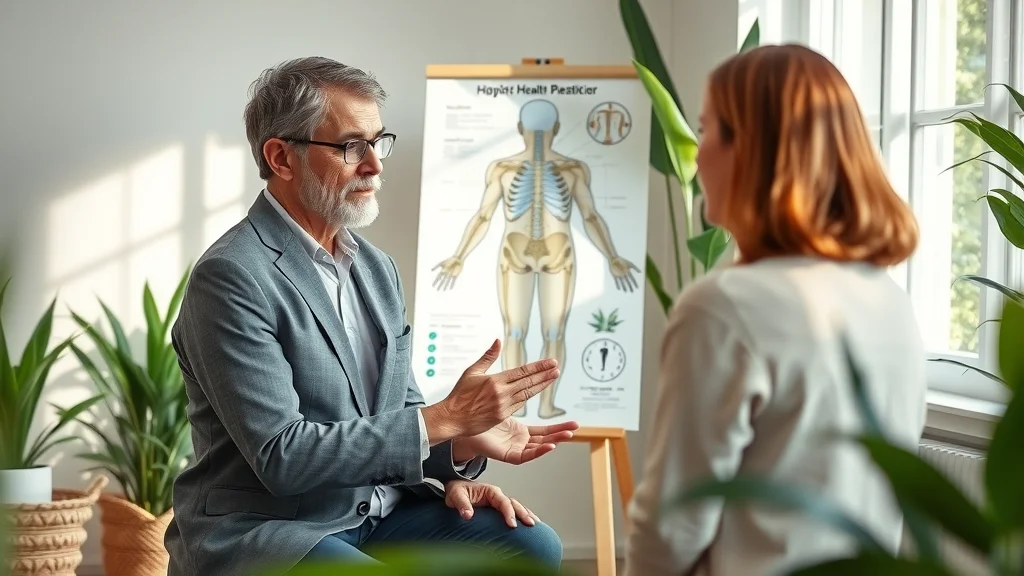
Expert Consultation: Tailoring Exercise With Back Pain to Your Needs
One size does not fit all when it comes to exercise with back pain. Booking a consultation with a holistic practitioner in the Gig Harbor area gives you a custom plan—one based on your back problem, previous injuries, and unique goals. Experts help you modify exercises to keep the knees bent, feet flat, or hips forward as necessary to protect vulnerable areas.
Holistic consultations also cover related aspects: functional movement screening, nutritional advice to reduce inflammation, and strategies for mindful breathing during activity. Open communication ensures you and your practitioner can adjust your plan if you ever experience a setback—or wish to increase the number of repetitions and movements as you heal.
The Fastest Way to Heal Lower Back Strain Naturally
If your main question is what’s the fastest way to recover from a lower back strain, leading holistic advice is to blend gentle movement with restorative rest, plus nutrition and lifestyle support. Early activity—done mindfully—can help prevent stiffness and boost healing, especially when guided by an expert familiar with natural, integrative solutions.
Many practitioners in the Gig Harbor region recommend a stepwise return to activity, starting from bed rest (as absolutely needed) and progressing to light stretching and walking. Nutrition, hydration, and supportive therapies such as bodywork or mindfulness practices play a vital role in this accelerated, whole-person approach.
Holistic Strategies for Faster Recovery From Back Pain
Holistic strategies focus on the body’s innate resilience. Key elements include incorporating anti-inflammatory foods, prioritizing high-quality sleep, and ensuring adequate hydration throughout your healing period. Practicing mindful breathing and gentle stretching at home—such as lying on your back with knees bent and feet flat—calms the nervous system and aids tissue repair.
In parallel, working with a natural health expert enables the integration of natural therapies, such as acupuncture, massage, or herbal remedies, to complement exercise. Recovery timelines vary, but those who adopt a multifaceted, holistic protocol often return to normal function more quickly and confidently.
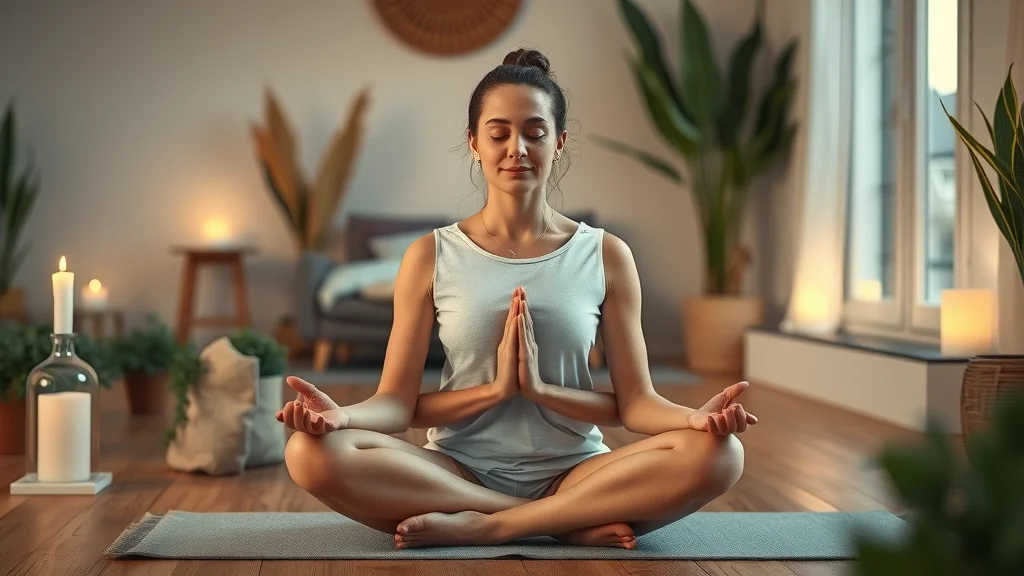
Integrating Movement Therapy and Rest for Healing Lower Back
The blend of gentle movement and appropriate rest forms the cornerstone of holistic lower back recovery. Too much rest can lead to weakened stabilizer muscles and longer recovery, while too much movement can exacerbate inflammation or strain. Start with brief, easy routines—perhaps lying on your back, knees bent, feet flat, and slowly rocking knees to one side—and monitor your body’s response.
As symptoms improve, increase repetitions and consider adding new activities, always ensuring you return to a neutral position and repeat only as comfortable. Holistic practitioners act as guides, helping tailor your progression and providing holistic therapies that complement movement—offering the best chance for a sustainable, pain-free recovery.
How to Tell If Back Pain Is Muscle or Spine Related?
When dealing with exercise with back pain, distinguishing between a muscular issue and a more serious spine condition is essential. Muscle-based pain often feels sore, tight, or achy, and generally improves with gentle activity, stretching, and rest. Spinal issues may cause radiating pain, numbness, weakness, or symptoms that worsen with certain movements—these cases require prompt attention from a holistic health expert.
Physical therapists and holistic practitioners conduct movement assessments, checking for patterns like whether lying flat on the floor with knees bent and your feet flat eases your symptoms, or if certain movements trigger new discomfort. If symptoms persist despite following a natural, home-based movement plan, schedule a professional evaluation to rule out more complex back problems.
Distinguishing Between Lower Back Muscle Issues and Spine Conditions
Muscular back pain often develops after overuse, awkward movements, or prolonged sitting. You might feel a gentle stretch in your low back or hips when performing exercises in a neutral starting position and find that your discomfort decreases over time. Red flags for spinal conditions, however, include persistent pain worse with activity, radiating discomfort down the legs, or loss of motor function.
If you’re unsure, holistic health professionals near Gig Harbor can perform a comprehensive evaluation—including movement observations, neurological tests, and health history—to help you navigate your healing journey safely and confidently.
When to Consult a Holistic Health Practitioner Near Gig Harbor
Consulting a holistic practitioner is a good idea if you’re uncertain about the source of your back pain, if the pain is severe or worsening, or if you notice symptoms like numbness, tingling, or balance changes. Similarly, if your back pain interferes with daily living or stops you from performing routine exercise, expert guidance ensures a safe and effective path forward.
Many in the Gig Harbor region now seek holistic experts first, appreciating the individualized, whole-person attention these practitioners provide for acute or chronic low back pain. Don’t hesitate to book a consultation to discuss your symptoms, receive professional insights, and craft a plan that goes beyond just symptom management—moving toward lasting wellness.
Choosing the Best Natural Holistic Health Practitioner for Exercise With Back Pain in Gig Harbor
Finding the right holistic health expert is one of the most important steps you can take for sustainable pain relief and optimal recovery. Look for practitioners who specialize in natural, movement-based therapies for back pain and who prioritize thorough assessments before recommending any exercise routine.
The best practitioners collaborate to build customized programs—evaluating whether you should lie on your back, keep knees bent and feet flat, or use specific props for support—and help you progress confidently through each phase of healing. Their expertise bridges the gap between conventional wisdom and holistic innovation, ensuring that every exercise and recommendation supports your long-term health.
Key Qualities of a Top Holistic Back Pain Specialist
A top back pain specialist listens attentively, tailors plans to your unique symptoms, and holds expertise in both movement therapy and holistic healing modalities. They regularly review your progress and are proactive in making modifications, such as recommending knees bent and feet flat or varying the starting position as your strength improves.
True professionals in this field stay current with research, incorporate evidence-informed natural therapies, and ensure your comfort and safety are prioritized at every stage. Their care is rooted in empowerment, education, and partnership.
Questions to Ask a Practitioner Before Booking for Your Lower Back Pain
- What is your approach to differentiating muscle vs. spine-related back pain?
- How do you personalize exercise routines for my specific symptoms?
- What experience do you have working with clients in my age and activity group?
- How do you integrate rest, movement, and holistic therapies for low back pain?
- What role does breathwork or mindfulness play in your back pain management protocols?
People Also Ask: Common Questions About Exercise With Back Pain
Can you still exercise with back pain?
Yes, many people can still exercise with back pain, provided they choose gentle movements and listen to their bodies. Start with neutral positions, such as lying on your back with your knees bent and feet flat, and gradually build up your activity level as tolerated. Always consult a healthcare professional if pain worsens or if you have concerns about safety.
What is the best exercise for people with bad backs?
The best exercise is one that is safe, comfortable, and addresses your unique needs. Walking, gentle stretching, water-based activities, and breathwork are often recommended. Begin all exercises in a comfortable position—knees bent and feet flat, if lying down—and progress at your own pace, stopping if pain increases.
What is the fastest way to heal a lower back strain?
The fastest way to heal a lower back strain is to balance rest with gentle movement, use anti-inflammatory nutrition, and seek holistic therapies (like massage or acupuncture). Start slow, listen to your body, and advance only as healing allows. Consult a qualified practitioner to tailor recovery to your back problem and body.
How to tell if back pain is muscle or spine?
Muscular back pain is often sore, stiff, or achy and improves with gentle movement. Spinal problems may cause persistent, radiating, or worsening pain, tingling, numbness, or weakness. If in doubt, consult a holistic health professional who can provide an accurate assessment and safe exercise recommendations.
FAQ: Exercise With Back Pain and Natural Holistic Health
- Is it safe to stretch with pain in my lower back?
Stretching can be safe if you avoid pain-provoking positions and move gently, keeping knees bent and feet flat when needed. - Can water-based exercise help all types of back pain?
Water-based activities reduce impact and are generally suitable, but always consult your practitioner for guidance on your condition. - What should I do if my symptoms get worse during exercise?
Stop immediately and consult a holistic back pain specialist to prevent further injury and receive safe alternatives. - Does posture matter when performing exercises?
Yes! Maintaining a neutral spine—often with knees bent and your feet flat on the floor—supports safe, effective movement.
Key Takeaways for Managing Exercise With Back Pain the Holistic Way
- Gentle, guided exercise can be beneficial for many experiencing lower back pain.
- Rest is necessary only in certain circumstances—consult a holistic health expert for guidance.
- Personalized movement routines can accelerate healing and promote long-term health.
- Selecting the right holistic practitioner in Gig Harbor is crucial to sustainable pain relief.
Ready to Address Your Back Pain? Schedule Your Consultation Today for Holistic Care in Gig Harbor
Don’t let uncertainty hold you back from living pain-free. If you’re considering exercise with back pain, connect with a trusted holistic practitioner in the Gig Harbor area for an individualized plan that respects your natural healing journey. Book your consultation and take your first confident step toward sustainable relief and lifelong wellness.
As you continue your journey toward holistic back health, consider exploring additional movement therapies that target related areas of discomfort. For example, integrating yin yoga into your routine can provide deep relief for sore hips, which often contribute to or result from back pain. To discover how gentle, restorative practices can further enhance your mobility and overall well-being, explore the benefits of yin yoga for hip and back health. This next step can help you unlock new levels of comfort, flexibility, and holistic healing as you move forward.







Write A Comment