
Imagine reaching for a coffee cup or bending to tie your shoes—and suddenly, a sharp pain jolts your lower back, forcing you to pause mid-motion. If your back keeps going out, you’re not alone—and this recurring disruption can feel both mysterious and frustrating. Whether you’re new to natural health or already working with holistic practitioners in the Gig Harbor area, understanding the deeper reasons behind repeated back pain unlocks your path to real, lasting relief. This comprehensive, expert guide not only demystifies why your back keeps going out but also empowers you with natural, whole-person solutions so you can regain confidence, stay active, and enjoy life free from constant aches and pains.
If Your Back Keeps Going Out—Understanding Back Pain Holistically
The sensation that your back keeps going out is more than just a fleeting nuisance—it’s a sign your body is signaling for attention. Many people in Gig Harbor and beyond experience back pain that seems to come and go, making daily activities unpredictable or even anxiety-inducing. Holistic health views this issue as more than a simple physical injury; it looks at your entire lifestyle, habits, stress levels, and nutritional factors. When we look at back pain holistically, we see how acute back pain, muscle spasms, lifestyle choices, and emotional well-being are interconnected. Addressing each piece of the puzzle, instead of just the symptoms, is the gateway to real, sustainable change. In this guide, you’ll discover why throwing out your back happens and, more importantly, how natural strategies can help prevent future pain and promote healing from the inside out.
The good news is that expert-informed holistic solutions work hand-in-hand with your body’s own healing abilities. By shining a spotlight on common causes—like weak core muscles, poor posture, unmanaged stress, and nutritional gaps—we uncover practical approaches to not only reduce pain but also support number-one priorities like long-term health and resilience. Keep reading to learn what steps you can take today to strengthen your back and invest in a pain-free, active future under the guidance of respected holistic practitioners in the Gig Harbor area.

Scenario: When Your Back Keeps Going Out Unexpectedly
Few things are more disruptive than when your lower back suddenly “locks” with pain during ordinary movement. Maybe you were simply unloading groceries, stretching while waking up, or standing up from a low seat. These unpredictable episodes are common and can be alarming, especially if you’re unsure why they happen or how long they’ll last. Acute back problems often make you feel vulnerable—or even afraid to move—but understanding their roots is key to both immediate relief and preventing recurrence. As you explore this scenario, keep in mind that holistic approaches address not just the physical event but also the underlying patterns and stresses that contribute to repeated back pain.
When you experience back pain that keeps flaring up, it's not always about a major injury; rather, it may signal muscle imbalances, hidden tension, or lifestyle habits that have accumulated over time. The difference between a one-off strain and recurring muscle spasms often comes down to these deeper factors, which holistic practitioners are trained to identify and correct naturally. Recognizing this connection helps you stay ahead of your pain, take proactive steps, and ultimately restore confidence in your body’s resilience.
Incorporating gentle, restorative movement into your daily routine can be a powerful way to address underlying muscle imbalances and tension. For example, practices like yin yoga are especially effective for releasing tight hips and supporting spinal health—discover how targeted yin yoga sessions can ease discomfort and promote healing by exploring holistic movement for sore hips in Gig Harbor.
What You'll Learn in This Comprehensive Guide to Back Pain and Muscle Spasms
- Why acute back pain and muscle spasms occur
- Common triggers of throwing out your back
- Key differences between herniated disc and pulled muscle
- Holistic strategies for prevention and recovery
- Questions to ask your care provider or healthcare provider
What Does It Mean When Your Back Keeps Going Out?
When your back keeps going out, it usually means that you experience sudden, sharp pain—often in your low back—due to a muscle spasm, acute back injury, or an underlying issue like a slipped or herniated disc. This feeling can range from a brief, intense ache to a sensation of “locking up” where movement is restricted. The pain can feel overwhelming and may radiate from an affected area, making it difficult to perform daily activities or even stay active for long periods. While these incidents might seem like isolated flukes, consistently recurring back pain is your body’s way of alerting you to imbalances that need attention.
Holistic practitioners in and around Gig Harbor encourage looking beyond the symptoms to understand the whole person. Back pain can signal overworked muscles, stress-induced tension, poor posture, or nutritional deficiencies. The root causes can differ from person to person, but the recurring pattern is a reason to pause and seek answers. By recognizing what “throwing out your back” really means, you’ll be better equipped to choose a care provider who addresses the cause—not just the consequence—of your discomfort.
Defining Throwing Out Your Back and Muscle Spasm
The phrase “throwing out your back” is commonly used, but what’s actually happening inside? In many cases, a sudden movement strains a group of muscles or ligaments in your lower back, leading to a muscle spasm—a rapid, involuntary contraction of muscle fibers. This can trap nerves or restrict movement, creating sharp pain and limited mobility. While the pain can feel severe, the injury is often muscular rather than structural, especially in younger or active adults. However, ongoing spasms may indicate a deeper imbalance that needs correcting, such as weakened core muscles or improper lifting techniques.
For some people, back spasms are occasional; for others, they recur due to underlying posture problems, lifestyle stress, or even chronic inflammation from poor nutrition. Holistic and natural health practitioners are trained to observe patterns, address body mechanics, and explore factors like sleep quality and emotional stress—which medical research increasingly recognizes as triggers for back pain. Understanding the relationship between your activities, stress, and back health helps you address pain at the root, breaking the cycle of repeated spasms and discomfort.

Acute Back Pain: Causes and Triggers
Acute back pain—which starts suddenly and can be severe—often stems from more than just a “wrong move. ” In Gig Harbor and throughout the Northwest, the most common triggers include lifting with poor technique, twisting or bending too quickly, or even long periods of sitting without proper support. Everyday actions like gardening, household chores, or sudden sports movements can bring on these sharp aches. In other cases, falls, accidents, or prior injuries set the stage for recurring pain and muscle spasms.
However, physical movements aren’t the only culprits. Stress and mental fatigue tighten muscles and affect your posture subconsciously, increasing the likelihood of acute back pain and low back instability. Additionally, dietary factors—such as low magnesium or chronic dehydration—can worsen muscle cramping and recovery times. Holistic practitioners take all these triggers into account, aiming to create a comprehensive prevention and recovery plan tailored to your unique needs, rather than focusing on just short-term symptom relief.
The Most Common Reasons Your Back Keeps Going Out
The sensation that your back keeps going out is rooted in several common, interconnected factors. Chief among them are muscle spasms, acute back pain episodes, herniated or slipped discs, and ongoing lifestyle habits such as poor posture, inadequate core support, and stress. When considering why these issues keep returning, it’s important to remember that rarely is one single movement to blame. Instead, holistic experts look for patterns—imbalances in muscle tone, nutrition, sleep, and emotional health—that gradually undermine your spine’s stability and lead to repeated setbacks like muscle strain or disc issues.
By understanding these most common reasons, you can choose supportive, preventative measures—embracing exercises and stretches, mindful movement, and nutrition—guided by holistic practitioners who see the whole picture. Relief comes more easily, and lasting change is possible, when you recognize how body, mind, and lifestyle all contribute. Let’s break down the main factors below.
Muscle Spasms and Acute Back Pain Explained
Muscle spasms—those sudden, intense contractions often felt in the low back—are the body’s protective response to strain or overexertion. These are a primary cause of why your back keeps going out, and acute back pain can feel alarming. Whether you lifted a heavy object or twisted at an awkward angle, the muscle reacts by tightening up to prevent further injury, but this “protective” lock can quickly become painful and debilitating.
In holistic practice, muscle spasms often signal deeper issues: weak core muscles, chronically tight hamstrings, or even imbalances elsewhere in the body. Chronic stress can keep muscles in a near-constant state of alert, while nutritional gaps (think: not enough magnesium or electrolytes) make spasms more likely and harder to recover from. A natural approach identifies these patterns, providing preventive routines and strategies that strengthen and balance the body—so you can break free of the pain-spasm-pain cycle.
When a Herniated Disc or Pulled Muscle Is to Blame
Sometimes, episodes where your back keeps going out aren’t just muscle spasms but may involve spinal structures themselves. A herniated or “slipped” disc occurs when the cushiony disc between your vertebrae bulges or breaks open, pressing on nerves and causing shooting pain, tingling, or weakness down the leg—often referred to as sciatica. This type of acute pain often feels very different from a basic pulled muscle, but the two are commonly confused.
On the other hand, a pulled muscle or ligament generally causes localized pain, tenderness, and tightness in the affected area without nerve symptoms. Holistic practitioners use detailed questioning, gentle examination, and even non-invasive imaging when necessary to distinguish the two, because each requires a tailored set of care strategies. Whether the issue is muscular or structural, addressing core strength, posture, and overall wellness helps prevent future flare-ups and supports your healing journey.
Poor Posture, Lifestyle, and Back Pain
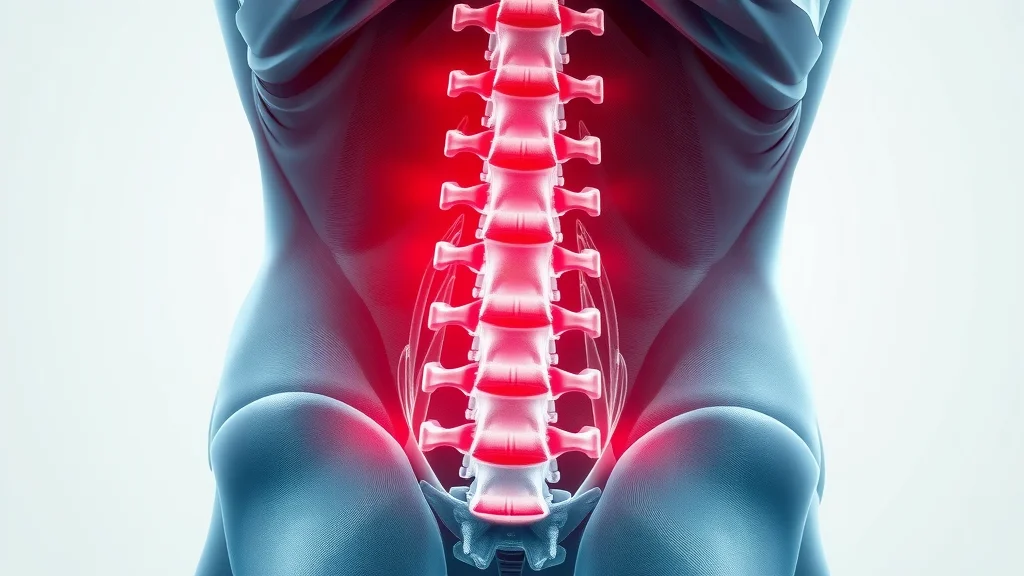
Posture is a silent saboteur when it comes to back pain, especially if work or home life involves long periods of sitting, standing, or repetitive movements. Slouching, unsupported low back positions, or crossing legs for hours on end disrupt the natural curvature of the spine, overloading certain muscles and under-activating others. These imbalances create pressure points and increase the risk for both acute back pain and muscle spasms.
Lifestyle habits—like skipping warmups before activity, not staying active, or ignoring early warning aches—compound the risk. Even daily stress and lack of movement variety can fuel inflammation and stiffness. In holistic health, correcting posture and lifestyle is as crucial as addressing more obvious injuries. Practitioners teach ergonomic movement, core-strengthening, and relaxation techniques, empowering you to reclaim your spinal health right in your daily environment.
Holistic Health Factors: Stress, Nutrition, and Sleep
The mind-body connection plays a major role in both causing and resolving recurring back pain. Chronic stress can tense muscles all over the body, especially in the low back, promoting ongoing spasms and limiting recovery. Nutritional gaps—like not enough anti-inflammatory foods, omega-3s, or essential vitamins and minerals—reduce your body’s ability to bounce back, increasing inflammation and lowering your pain threshold.
Likewise, poor sleep sabotages the body’s natural recovery processes, keeping your tissues in a constant state of strain. Holistic practitioners frequently address these factors with calming practices like meditation, dietary adjustments, and personalized sleep strategies. In Gig Harbor and other health-conscious communities, rebalancing your lifestyle naturally is central for both immediate relief and prevention of chronic back pain.
How Can I Stop My Back from Going Out? Holistic and Natural Prevention
If you’re searching for “how can I stop my back from going out?”—you’re ready to move beyond short-term fixes and commit to holistic, preventive strategies. Unlike conventional advice that focuses only on pain after it starts, a whole-person approach helps retrain your body, build resilience, and address the root causes of repeated flare-ups. Emphasizing movement, stress reduction, nutrition, and professional support, these strategies can transform your experience of back pain and support number-one wellness goals for active living.
By introducing mindful exercises and stretches, practicing stress management, and developing ergonomic habits, you’ll not only reduce your risk for future pain but also enhance your everyday quality of life. With guidance from trusted holistic practitioners in the Gig Harbor area, you can create a well-rounded plan tailored to your body and lifestyle—making every day more predictable, active, and pain-free.
Exercises and Stretches for Preventing Back Pain
The foundation for a healthy back lies in strong, supple muscles and mindful movement. Regular exercises and stretches help release tension, balance muscle tone, and reinforce proper alignment. Gentle yoga poses like cat-cow, supine twists, and child’s pose stretch the spine, while strengthening routines—targeting the core, glutes, and supporting muscles—form a protective belt for your low back. It’s not about intense workouts; rather, consistency and gradual progression make the biggest difference.
Holistic experts recommend incorporating stretches into your daily routine, especially if you sit or stand for long periods. Ergonomic movement habits—using your legs to lift, maintaining a neutral spine, and keeping your core gently engaged—reduce stress on sensitive areas and prevent future pain. These practices, in combination with regular movement and proper hydration, form the first line of defense when your back keeps going out.

- Gentle yoga stretches
- Core strengthening routines
- Ergonomic movement habits
Mind-Body Approaches: Meditation and Stress Management
Persistent stress is a hidden trigger for ongoing back pain and muscle spasms, tightening the muscles and lowering the threshold for discomfort. Mind-body techniques—such as meditation, deep breathing, mindfulness, and gentle tai chi—have proven benefits for reducing muscle tension and breaking the pain-stress cycle. These approaches are integral to holistic care plans, helping you build resilience from the inside out.
Practicing stress management daily can relax the nervous system, improve sleep, and allow muscles (especially in the low back) to recover effectively. Holistic practitioners often teach these skills as part of a comprehensive strategy, encouraging you to observe what triggers your stress and develop coping tactics. By tackling both emotional and physical aspects, you set yourself up for long-term recovery rather than short-lived symptom relief.
When to Consult a Natural Holistic Care Provider
While home care is helpful for mild, infrequent pain, recurring or severe episodes suggest it’s time to seek guidance from a holistic care provider. A practitioner will take a whole-person approach, assessing your medical history, physical habits, nutritional status, and even life stressors. This expert assessment uncovers root causes missed by mainstream protocols and ensures your treatment plan fits your body and lifestyle.
Book an appointment if you notice your pain gets worse, is interfering with your daily activities, or returns despite your best self-care efforts. Holistic practitioners in Gig Harbor are known for their integrative approach—combining bodywork, nutrition, and mind-body techniques—to provide relief from chronic or recurrent back pain. Don’t wait for a crisis; invest in your long-term health by partnering with a care provider focused on real, sustainable solutions.
“A natural, preventative approach to back pain addresses the root—not just the symptoms.”
What Are the Warning Signs of a Serious Back Problem?
While many episodes of back pain resolve with self-care and holistic approaches, certain symptoms signal a serious underlying issue and require immediate medical attention. These “red flags” go beyond routine aches and pains—they may indicate nerve involvement, structural damage, or an underlying medical condition that’s best evaluated by a qualified healthcare provider. Recognizing these warning signs empowers you to act quickly and reduce the risk of long-term complications.
If you experience persistent, worsening pain not improved by rest, numbness or tingling in your legs or groin, new weakness, loss of mobility, or changes in bladder or bowel control, seek professional evaluation without delay. While a holistic practitioner can triage and support mild-to-moderate cases, urgent symptoms should always be addressed with a healthcare provider to rule out serious medical conditions and ensure the best chance for recovery.

- Persistent, worsening pain
- Numbness or tingling
- Loss of mobility
- Incontinence issues
Acute Versus Chronic Back Pain: The Key Differences
Understanding the difference between acute back pain and chronic pain is crucial for making smart healthcare decisions. Acute pain is sudden, intense, and usually lasts a few days to a few weeks, often following a specific injury or movement. It may resolve with rest, gentle activity, or basic self-care, provided you allow the underlying strain to heal and don’t rush your return to activity.
Chronic back pain, on the other hand, persists for longer than three months and may fluctuate in intensity. It often points to underlying imbalances—in muscles, posture, or even emotional well-being—that require in-depth evaluation and personalized care. Holistic practitioners specialize in unraveling these complexities, guiding you toward both symptom relief and long-term transformation.
How to Tell if It’s a Herniated Disc or Pulled Muscle
Not all back pain is created equal, and distinguishing between a herniated disc and a pulled muscle is an important step on the way to effective treatment. Each condition has specific symptoms, with some overlap, which is why a careful assessment from a holistic healthcare provider is essential. Here’s a simple comparison to help clarify how each might present:
| Symptom | Herniated Disc | Pulled Muscle |
|---|---|---|
| Pain Location | Low back, can radiate down leg (sciatica) | Localized in the affected area |
| Associated Sensations | Tingling, numbness, weakness | Tightness, soreness, stiffness |
| Trigger | Sudden movement or heavy lifting without warning | Overstretching, sudden movement, or overuse |
| Onset/Duration | Can persist, worsen with certain movements | Usually improves with rest and gentle activity |
Seeking Expert Assessment from a Holistic Healthcare Provider
Because herniated discs and pulled muscles share symptoms but need tailored care, a holistic healthcare provider is invaluable for clear diagnosis and recovery. Holistic practitioners blend physical examination with a whole-person intake—exploring your history of acute back pain, lifestyle patterns, posture, and previous injuries. They use gentle, hands-on methods (not just imaging) to assess where pain is originating and how best to support healing naturally.
If you struggle to differentiate between a slipped disc and muscle strain, or if your efforts to reduce pain at home aren’t working, don’t wait. Personalized guidance ensures correct, effective strategies—minimizing risk of further injury and helping you build a proactive plan for a healthier back.
Natural Holistic Treatments for Back Keeps Going Out
Holistic medicine offers a broad toolkit for healing and preventing back pain, with therapies rooted in both age-old wisdom and modern science. If your back keeps going out, targeted manual therapies, nutritional shifts, gentle movement, and stress management provide relief for both acute and chronic issues. In the Gig Harbor area, holistic practitioners integrate body, mind, and lifestyle approaches—creating a supportive environment for lasting transformation beyond just masking symptoms.
Key therapies in the holistic repertoire for back pain include therapeutic massage, chiropractic adjustments, acupuncture, nutritional support, and personalized mind-body practices. These not only provide immediate comfort but also strengthen your body and nervous system for long-term resilience.
Therapies: Massage, Chiropractic, and Acupuncture
Therapeutic massage releases tight muscles, improves blood flow, and calms the nervous system—addressing the muscle spasms and tension driving back pain. Chiropractic adjustments help realign spinal structures, relieve pressure on nerves, and restore healthy movement. Acupuncture is effective for reducing inflammation, promoting tissue repair, and encouraging relaxation, especially in those with chronic muscle spasm or acute back injuries.
Holistic practitioners often incorporate several modalities in a tailored plan, working to address root causes and provide natural, side-effect-free relief. Many patients in Gig Harbor choose these therapies for their focus on sustainable wellness, empowering them to reduce pain and thrive in daily activities long after initial recovery.

Supportive Nutrition and Supplements for Back Pain
Poor nutrition can worsen inflammation and muscle tension, undermining the body’s natural healing. Anti-inflammatory diets rich in leafy greens, healthy fats, fruits, and whole grains help reduce tissue irritation and supply vital nutrients for repair. Supplements like magnesium, vitamin D, and omega-3 fatty acids are especially helpful for soothing muscle spasms, supporting bone health, and promoting faster recovery from acute back pain.
Holistic practitioners work with you to identify dietary gaps, food sensitivities, and possible supplement needs to optimize recovery and lower pain. Hydration also plays a pivotal role, as even mild dehydration can contribute to muscle tightness. Through these natural strategies, you lay a solid foundation for overall back health and keep future flare-ups at bay.
Adopting a Holistic Lifestyle in Gig Harbor Area
The beauty of holistic wellness is its adaptability—blending traditional, evidence-based therapies with lifestyle medicine. In the supportive environment of Gig Harbor, many find that consistent, mindful routines lead to powerful results. Practicing regular yoga, getting outside for gentle walks, engaging with community wellness groups, and prioritizing rest create the perfect conditions for your back to heal and stay pain-free.
Choosing a path of holistic self-care empowers you to enjoy each day with energy and confidence. Local holistic healthcare providers can support you in setting actionable goals, adjusting routines, and following through for lifelong relief and mobility.
Back Pain Recovery: Personalized Plans from Your Care Provider
Long-term healing arises when you receive personalized care that addresses all facets of your well-being. Today’s best natural health practitioners—especially in holistic communities like Gig Harbor—go beyond symptom management, taking time to understand you as a whole person.
A recovery plan might layer manual therapy, exercise, stress management, and nutritional optimization, evolving as you progress. Your ideal partner is a care provider that stays proactive, tracks your improvement, and adjusts recommendations to your unique life, medical history, and goals.
What to Expect at an Initial Consultation
During your first visit to a holistic practitioner for back pain, you’ll experience an in-depth intake—covering your medical history, emotional health, physical habits, and nutrition. The care provider may conduct a gentle physical exam, evaluate your movement patterns, and discuss your personal health goals. Expect a blend of education, hands-on care, and preventive advice tailored to your needs.
The most effective plans emerge from open, ongoing communication with your healthcare provider, ensuring you feel heard and supported from the outset. The result? A holistic strategy that fits your lifestyle and lays the groundwork for real, sustainable recovery—empowering you to prevent future recurrences.
Building a Long-term Prevention Strategy
Prevention is at the heart of holistic medicine. Your care provider will guide you in developing a daily routine that includes simple stretches, core strengthening, ergonomic adjustments, strategic nutrition, and stress reduction. Regular follow-ups and progress tracking help ensure lasting results.
Holistic practitioners often partner with clients for weeks or months, making small, personalized adjustments as you grow stronger and more resilient. This individualized, whole-person approach is what sets holistic care apart when recovering from (and finally breaking the cycle of) back keeps going out.
People Also Ask: Answers to Your Top Back Keeps Going Out Questions
What does it mean when your back goes out?
Answer: When your back goes out, it often refers to sudden, sharp pain caused by a muscle spasm, acute back injury, or a spinal issue
When your back “goes out,” you typically experience a sudden episode of pain—commonly due to muscle spasm, strain, or an acute shift in the structures of the low back. This sudden locking or restriction can be the result of lifting incorrectly, performing an abrupt movement, or experiencing accumulated tension. Understanding “throwing out your back” is essential for selecting the right preventive and remedial strategies.
How can I stop my back from going out?
Answer: Regular holistic care, stretching, strengthening, and healthy habits can reduce risk and frequency
To prevent your back from going out, prioritize daily exercises and stretches, build core strength, address ergonomic movement, and maintain good posture. Incorporate stress-reducing practices, follow a nutrient-rich diet, and partner with a holistic care provider for individually tailored support. Preventive habits—such as mindful movement and consistent physical activity—offer the best defense against recurring episodes.
What are the warning signs of a serious back problem?
Answer: Severe or persistent back pain, numbness, weakness, or bowel/bladder issues require immediate attention
Red flags for a serious back problem include unrelenting or intensifying pain, numbness or tingling that won’t subside, weakness in the legs, or loss of control over your bladder or bowels. These symptoms suggest nerve involvement or other medical conditions that need prompt professional assessment. Always seek immediate evaluation from your healthcare provider if these warning signs develop.
How to tell if it's a herniated disc or pulled muscle?
Answer: Herniated discs usually present with nerve symptoms (tingling, weakness); pulled muscle often causes localized pain and tightness
A herniated disc typically causes pain that radiates down the leg and may come with tingling, weakness, or numbness. In contrast, a pulled muscle tends to create a localized sensation of tightness, soreness, and stiffness without neurological changes. If you’re uncertain or your pain persists, consult a holistic healthcare provider for careful diagnosis and a personalized treatment plan.
Frequently Asked Questions: Back Keeps Going Out and Holistic Health
How can holistic health practitioners in Gig Harbor, WA help with recurring back pain?
Holistic practitioners in Gig Harbor assess the root causes of your recurring back pain, combining manual therapies, movement instruction, nutrition, and mind-body techniques. Their integrative approach focuses on the whole person, empowering you with strategies that support both immediate relief and long-term prevention. By treating underlying imbalances, they help you achieve pain-free, active living.
What holistic therapies are effective for muscle spasm and acute back issues?
Therapies like therapeutic massage, chiropractic adjustments, acupuncture, and guided movement (yoga or Pilates) are effective for addressing muscle spasms and acute back pain. In addition, stress reduction, nutritional supplementation, and ergonomic coaching form part of a comprehensive holistic care plan—reducing recurrence and promoting whole-body well-being.
When should I seek support from a healthcare provider for back pain?
Seek support if your back pain is severe, persists for more than a week, interferes with daily activities, or recurs frequently. If you notice warning signs (numbness, weakness, or incontinence), contact a healthcare provider immediately. Holistic practitioners help with both prevention and recovery, designed to complement medical care as appropriate.
Key Takeaways: Preventing and Managing Back Keeps Going Out
- Addressing root causes leads to long-term relief
- Natural strategies combine physical, emotional, and nutritional support
- Working with holistic practitioners personalizes your path to healing
Ready for Lasting Relief? Book an Appointment with a Top Natural Holistic Practitioner in Gig Harbor Today
You don’t have to live with the uncertainty of recurring back pain. The expert, whole-person care you deserve is within reach. Book an appointment with a trusted holistic health practitioner in Gig Harbor to unlock lasting relief and reclaim a pain-free, active future—starting now.
If you’re inspired to take your healing journey further, consider how integrating holistic movement practices can complement your back care routine. Exploring modalities like yin yoga not only targets sore hips but also enhances flexibility and balance throughout your body, supporting spinal health from the ground up. By broadening your approach to include mindful movement, you’ll unlock new levels of comfort and resilience. For a deeper dive into gentle, restorative practices that can transform your mobility and well-being, visit our guide on embracing healing movement with yin yoga in Gig Harbor. Your next step toward lasting relief and holistic vitality is just a mindful stretch away.







Write A Comment