Gig Harbor Natural Holistic and Alternative Health

Heal Naturally. Live Fully.
  • Home
  • Categories
  • Top Chiropractor for Back Pain in Gig Harbor
  • Holistic Spas and Day Retreats in Gig Harbor
  • Yoga, Tai Chi, and Movement Classes Near You
  • Mind‑Body Therapy, Hypnosis, and Stress Relief
  • Holistic Stores, Herbs, and Natural Remedies
  • Discover Adventures and Treasures with Mark
  • Featured Gig Harbor Area Businesses
September 26.2026
1 Minute Read

Can You Have Sciatica Without Back Pain?

Imagine this: You’re living your normal routine near Gig Harbor, feeling persistent tingling, numbness, or even sharp leg pain—all without a single ache in your lower back. It’s confusing because sciatica is usually linked to back pain, isn’t it? If your symptoms don’t fit the typical picture, you’re not alone. Understanding sciatica without back pain can empower you to find relief through holistic, natural care. This article breaks down what’s really going on in your body, why these symptoms matter, and how to start your journey toward lasting, pain-free wellness without medication or invasive procedures.

Exploring Sciatica Without Back Pain: Why This Matters for Holistic Health in Gig Harbor

Most people associate sciatica with sharp pain shooting from the lower back down the leg, but what happens when you notice nerve pain—like tingling, numbness, or leg pain—yet your back feels fine? This scenario is more common than many realize. In Gig Harbor, where an active lifestyle is the norm, recognizing and treating sciatica without back pain is vital for maintaining long-term mobility and comfort. Ignoring these signs can lead to chronic symptoms, decreased activity, and even emotional frustration.

From a holistic health perspective, addressing these symptoms early and naturally offers significant benefits. Physical therapy, gentle movement, and integrative care can correct underlying root causes, restore blood flow, and help you resume favorite activities. If you’re seeking natural solutions, learning to identify and address sciatic nerve pain without the classic back pain is the first step—empowering you to take proactive control of your body and your life.

Professional healthcare practitioner discussing sciatica symptoms with patient in modern clinic, highlighting understanding of sciatica without back pain

Observation-Based Scenario: When Sciatica Strikes Without Back Pain

Picture someone who enjoys hiking the lush trails near Gig Harbor. One day, they notice shooting pain and tingling radiating down the side of one leg. Their hip joint feels stiff, and sometimes their foot tingles—but there’s zero discomfort in their back. At first, they wonder if it’s a pulled muscle or just fatigue. But as symptoms of sciatica—like numbness or weakness—persist, it becomes clear something deeper is happening.

This is a classic presentation of sciatica without back pain. Because traditional thinking links all sciatic nerve pain to a sore lower back, it’s easy to overlook or misdiagnose this pattern. Holistic practitioners in the Gig Harbor area, however, are skilled at recognizing subtle nerve pain presentations and providing non-invasive, effective care tailored to your unique situation.

For those experiencing hip tightness or discomfort as part of their sciatica symptoms, incorporating targeted movement practices can be especially beneficial. Exploring gentle modalities such as Yin Yoga for sore hips may help release tension and support holistic healing, particularly for individuals in the Gig Harbor community.

What You'll Learn About Sciatica Without Back Pain

  • How sciatica can occur without back pain
  • The role of the sciatic nerve and possible causes
  • Distinguishing symptoms of sciatica without back pain
  • Holistic and alternative approaches to nerve pain relief
  • Guidance for finding expert natural care near Gig Harbor

Understanding the Sciatic Nerve: Sciatica Without Back Pain Explained

To understand how you can have sciatica without back pain, let’s start by exploring the role of the sciatic nerve. The sciatic nerve is the largest nerve in your body, running from the lower spine, through the hips and buttocks, and down each leg. Sciatic nerve pain occurs when this nerve is compressed or irritated. Surprisingly, this irritation doesn’t need to originate from the back itself.

You might experience symptoms like leg pain, hip joint discomfort, and numbness even if your lower back feels totally normal. Factors like muscle imbalances, tightness in the hips, or localized nerve compression can trigger pain along the nerve’s pathway. Understanding this anatomy shows why individualized care—beyond “one-size-fits-all” approaches to back pain—is essential, especially for those in the Gig Harbor holistic health community.
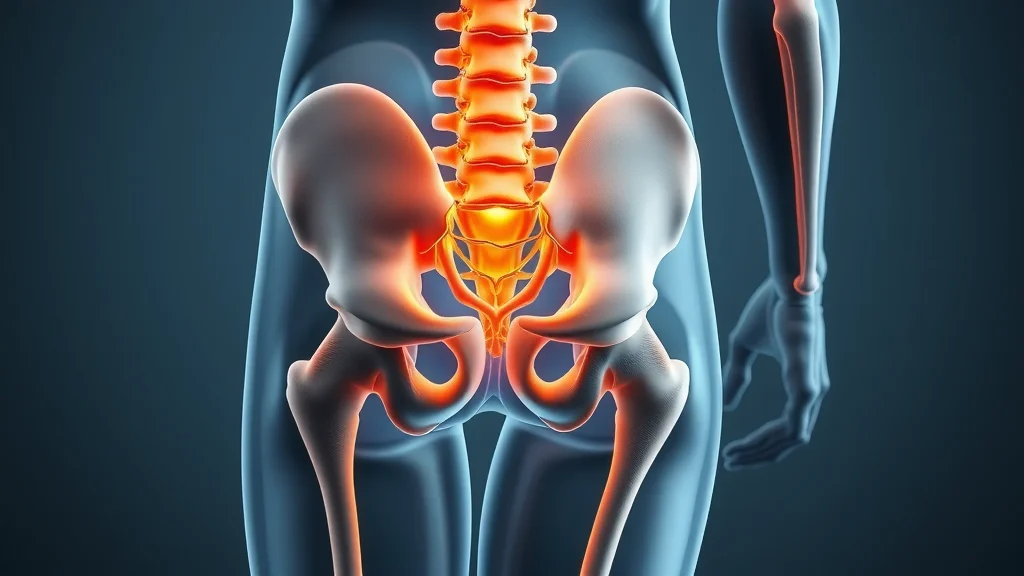
Medical illustration showing the sciatic nerve pathway, highlighting relations to hip joint and illustrating sciatica without back pain

Anatomy of the Sciatic Nerve and Its Relation to Back Pain

The sciatic nerve originates from several nerve roots in the lower spine. It weaves through deep muscles like the piriformis muscle and passes the hip joint before traveling down to the leg. While discs or tightness in the lower back often compress the nerve root, other structures—like inflamed soft tissue or muscle spasm near the hip—can irritate the nerve as well.

Notably, if the compression or irritation occurs outside the spine (such as at the piriformis muscle or hip joint), the classic symptom is leg pain, sometimes extending to the foot, with the back unaffected. This distinction is critical for an accurate diagnosis and a customized treatment plan. Understanding where the pain originates helps guide natural therapies and avoids unnecessary interventions focused only on the lower back.

How Sciatic Nerve Pinching Causes Sciatica Pain Without Back Pain

It’s a misconception that all sciatic nerve pain begins with disc herniation or low back pain. If tight muscles or nearby structures like the piriformis muscle pinch the nerve where it passes near the hip joint, you may experience sciatica symptoms—like radiating pain, numbness, or tingling—without feeling anything in your back.

This phenomenon, commonly seen with piriformis syndrome or hip joint issues, creates nerve pain that’s distinct. Instead of radiating from your lower back, discomfort starts at the hip or buttocks and shoots down the leg. Since sciatica pain can present so differently, holistic health providers focus on a full-body assessment, considering posture, soft tissue health, blood flow, and your medical history for a thorough evaluation.

Common Symptoms: Recognizing Sciatica Without Back Pain

  • Leg pain and tingling
  • Hip joint discomfort
  • Numbness or weakness in legs
  • Pain focused away from the lower back

If you experience nerve pain, tingling, or numbness confined to your affected leg, hip joint, or buttocks—without any accompanying low back pain—you may be dealing with sciatica without back pain. These symptoms often worsen during long periods of sitting, especially in unsupportive chairs or cars, or when rising after rest.

Because the pain doesn’t follow the classic lower back to leg path, people sometimes delay getting care. Recognizing the pattern—leg pain, numbness, and sometimes weakness focused away from the lower back—enables you to seek timely holistic intervention. Early attention to these symptoms can mean a quicker, more lasting recovery, particularly when you work with physical therapy or natural health experts in Gig Harbor.

Comparing Sciatica Symptoms Without Back Pain vs. Typical Sciatica

Classic sciatica typically includes lower back pain that radiates down the buttocks and one leg. In contrast, with sciatica without back pain, pain and other symptoms are restricted to the leg, buttocks, or hip joint, with little to no back discomfort. Numbness, tingling, or even a sensation of heaviness in the affected leg may appear.

Typical sciatica often stems from nerve root compression near the spine—think disc herniation or spinal stenosis. Sciatic pain without back involvement is more likely from piriformis syndrome, hip joint issues, or local nerve entrapment. Understanding these differences is crucial for targeted treatment and relief. Professional evaluation helps distinguish which structures are at play, improving your chances for rapid, natural recovery from sciatic nerve pain.

Active adult holding hip or thigh with mild discomfort, demonstrating sciatica without back pain in a home setting

Causes of Sciatica Without Back Pain: Beyond the Obvious

While many people think back pain is necessary for sciatica, multiple causes can trigger sciatic nerve irritation further down the nerve’s pathway. These root issues often need a holistic perspective to solve, rather than just traditional back-focused approaches.

Let’s look at the common culprits for sciatic nerve pain when there’s no obvious lower back involvement—so you know what to consider on your healing journey.

Piriformis Syndrome: A Hidden Source of Sciatica Pain Without Back Pain

One of the leading causes of sciatica without back pain is piriformis syndrome. The piriformis muscle, nestled deep in the buttocks near the hip joint, can spasm or tighten, compressing the underlying sciatic nerve. This can result from overuse, prolonged sitting, traumatic injury, or muscle imbalances.

Piriformis syndrome mimics classic sciatica symptoms: pain, tingling, or numbness along the outside of the affected leg, yet leaves the lower back untouched. Because it’s easily missed on standard imaging, a holistic practitioner may use a thorough physical exam and observation of gait, movement, and muscle tenderness to reach an accurate diagnosis. Addressing soft tissue imbalances through stretching, myofascial work, and targeted therapeutic exercises can offer substantial relief.

Hip Joint Issues and Their Link to Sciatica Without Back Pain

Problems centered in the hip joint—like arthritis, inflammation, or injury—can directly impact the nearby sciatic nerve or its branches. This proximity means hip joint discomfort can translate to sciatica-like symptoms, focusing pain or numbness down the leg without causing back pain at all.

SI joint (sacroiliac joint) dysfunction, tight gluteal muscles, or misalignment in the hips can all compress or irritate the nerve. In these cases, pain will worsen during certain activities, such as standing from a chair or climbing stairs. Recognizing the hip joint’s role is crucial, as treatment might include hip-specific physical therapy, supportive posture realignment, and integrative care—rather than unnecessary back-focused interventions.

Other Causes: Nerve Entrapment, Posture, and Lifestyle Factors

There are additional contributors to sciatica without back pain. Direct nerve entrapment from trauma, scar tissue, or chronic inflammation can trigger symptoms. Sedentary habits, poor posture, or long commutes further weaken supporting muscles and decrease blood flow, making nerve pain more likely.

Even stress—linked to muscle tension—can aggravate nerve roots near the hip or thigh, resulting in radiating pain or altered sensation. Addressing these lifestyle and functional factors is a cornerstone of holistic health in Gig Harbor: it ensures your healing plan tackles not just the symptoms, but the root causes driving your pain.

Diagnosing Sciatica Without Back Pain: A Holistic Approach

Accurately diagnosing sciatica without back pain begins with a comprehensive evaluation. Holistic practitioners emphasize not only the physical exam, but also your movement, posture, activity levels, and medical history. They assess the sciatic nerve’s pathway, identifying areas of tension, muscle tightness, and nerve sensitivity distinct from traditional lower back evaluation.

Such a broad approach can uncover overlooked conditions like piriformis syndrome, SI joint dysfunction, or nerve entrapment from soft tissue. This holistic assessment ensures that the care you receive addresses the precise sources of your nerve pain—setting the stage for gentle, long-term relief without relying on medications or invasive procedures.

Importance of Physical Therapy and Natural Practitioners in Diagnosis

When it comes to sciatica symptoms without back pain, the expertise of physical therapists and natural health providers is invaluable. They use hands-on assessment techniques, including range-of-motion tests, manual muscle evaluation, and postural analysis, to pinpoint exactly where the sciatic nerve is irritated.

Physical therapy focuses on restoring healthy blood flow, strengthening weak muscles, and correcting compensatory movement patterns. Holistic practitioners may combine these strategies with lifestyle guidance, stretching protocols, and integrative therapies for faster, more lasting improvement. Their ability to differentiate sciatic nerve pain from other nerve disorders makes their guidance especially powerful on your path to wellness.

"Listening to your body's subtle signals—beyond just back pain—is crucial for holistic recovery."

Holistic therapist gently assisting client in stretching for sciatica without back pain relief in a wellness studio

Differentiating Sciatica Pain from Other Types of Nerve Pain

It’s vital to distinguish sciatica without back pain from other nerve conditions. Nerve pain might arise from peripheral neuropathy, vascular problems, or even referred pain from the hip joint or SI joint. These often present with similar tingling, numbness, or weakness, making a thorough diagnosis essential.

An experienced practitioner will explore your symptoms’ pattern, triggers, and how they change with activity, movement, or rest. They’ll differentiate sciatic nerve compression from broader nerve root syndromes, ensuring your natural treatment plan is as targeted as possible. This attention to unique patterns and subtle clues is what sets holistic care apart—leading to faster and more complete relief.

Natural and Holistic Approaches for Sciatica Without Back Pain Relief

Holistic and alternative interventions shine when addressing sciatica without back pain. They provide safe, non-pharmaceutical solutions focused on treating the root cause, strengthening your body, and empowering your lifestyle. Key strategies include movement-based therapies, mindful bodywork, and intentional lifestyle adjustments, all supported by science and the wisdom of natural healing traditions.

In the supportive community of Gig Harbor, you have access to practitioners and studios offering yoga, physical therapy, and other integrative therapies—all focused on lasting relief without medication side effects.

Integrative Therapies: Yoga, Stretching, and Physical Therapy

Restorative yoga, gentle stretching routines, and skilled physical therapy are foundational to managing and healing nerve pain when there’s no back discomfort. Yoga and stretching open tight hip muscles, release pressure on the sciatic nerve, and restore healthy blood flow. Physical therapy programs, tailored to your individual symptoms, can correct muscular imbalances, improve posture, and reduce the risk of future flare-ups.

Many clients in Gig Harbor find group and one-on-one sessions effective for relieving symptoms and regaining mobility. The blend of movement, mindful breathing, and therapeutic support not only accelerates physical recovery, but also boosts your resilience and wellbeing.

Diverse group practicing yoga and stretching for hip and leg pain relief from sciatica without back pain in a bright studio

Lifestyle and Diet Strategies That May Ease Sciatic Nerve Pain

Lifestyle changes can have a dramatic effect on sciatic nerve pain. Prioritizing daily movement, adopting supportive ergonomic setups at work and home, and making mindful postural adjustments protect the nerve from repeated irritation. Gentle activities—like walking, swimming, or tai chi—promote circulation and healing.

A diet rich in anti-inflammatory foods and hydration supports nerve repair and decreases overall pain. Prioritizing leafy greens, omega-3-rich fish, nuts, and colorful fruits can naturally lower inflammation. Avoiding processed foods, excessive caffeine, and sugar helps too. Holistic practitioners near Gig Harbor can design a personalized nutrition and lifestyle plan, optimizing every aspect of your healing journey.

When to Seek Help: Finding a Natural Holistic Health Practitioner Near Gig Harbor

If you recognize the symptoms of sciatica without back pain—especially if they persist or worsen—it’s time to consult a trusted natural health or physical therapy expert in the Gig Harbor area. Early intervention, guided by practitioners skilled in holistic and alternative therapies, can prevent symptoms from becoming chronic and help you return to your active lifestyle more quickly.

Reach out if you notice weakness, numbness, or pain that limits your daily activities. Opt for evaluation if symptoms change, intensify, or if you haven’t found relief with routine self-care. Holistic health providers offer the understanding, tools, and confidence you need to recover without unnecessary medication.

"Early intervention with natural health experts can set you on a pain-free path without unnecessary medication."

Questions to Ask Before Booking Your Appointment

  • Does the practitioner have experience treating sciatica symptoms without back pain?
  • Are natural, non-pharmaceutical treatments prioritized?
  • Will your care be individualized based on a thorough assessment?
  • How are progress and long-term prevention plans developed?
  • Is physical therapy or integrative movement therapy part of the approach?

Table: Differentiating Sciatica Without Back Pain from Other Conditions

Symptom/Condition Sciatica Without Back Pain Typical Sciatica Other Nerve Pain
Leg Pain Present Present Possible
Back Pain Absent Present Varies
Hip Pain Possible Possible Possible
Numbness Present Present Often Present
Source Sciatic Nerve Sciatic Nerve Varied (e.g. peripheral nerves)

Lists: At-Home Strategies for Managing Sciatica Without Back Pain

  1. Gentle stretching routines for sciatic nerve pain
  2. Mindful postural adjustments throughout the day
  3. Holistic remedies such as heat and cold compresses
  4. Regular movement and ergonomic support

Video demonstration: Follow a step-by-step series of gentle stretches designed for sciatica without back pain. Watch as a skilled practitioner shows clear instructions for hip and leg relief, with a focus on safe technique and practical tips for daily use.

People Also Ask: Answers to Common Questions About Sciatica Without Back Pain

What is the best sitting position for sciatica without back pain?

Answer

The best sitting position for sciatica without back pain keeps your hips level and knees slightly lower than your hips, with feet planted flat on the floor. Use a chair with supportive cushioning, and avoid crossing your legs. Take frequent breaks to stand and stretch, and consider using a wedge pillow to tilt your pelvis and relieve sciatic nerve pressure. Proper ergonomic support can reduce nerve irritation and improve circulation in your affected leg.

What can be mistaken for sciatica without back pain?

Answer

Several conditions can mimic sciatica symptoms without involving back pain. Hip joint disorders, SI joint dysfunction, piriformis syndrome, peripheral neuropathy, vascular issues, or even muscle strains can all cause similar leg pain, numbness, or tingling. Consulting a holistic practitioner ensures you receive an accurate diagnosis and the right treatment, preventing unnecessary worry or ineffective care.

Why is my sciatica getting worse if I have no back pain?

Answer

If your sciatica pain is worsening absent back pain, factors like prolonged sitting, poor posture, sedentary habits, or tightness in the hip joint or piriformis muscle may be increasing pressure on the sciatic nerve. Left unchecked, these factors can intensify nerve irritation. Timely intervention—through physical therapy, stretching, and lifestyle adjustments—can halt progression and set you on a path to pain relief.

What to do during sciatica flare up when there's no back pain?

Answer

During a flare-up of sciatica without back pain, focus on gentle movement rather than complete rest. Try targeted stretches, apply heat or cold compresses to the hip or thigh, stay hydrated, and avoid sitting for extended periods. Mindful posture and self-care strategies can calm nerve irritation. If symptoms persist or worsen, consult a holistic practitioner for individualized guidance and supportive therapies.

FAQs: Sciatica Without Back Pain

  1. Can sciatica symptoms appear in just one leg or hip?
  2. Is it safe to self-diagnose sciatica without back pain?
  3. What steps can I take to prevent future flare-ups?
  4. Are alternative therapies effective for nerve pain?
  5. Who should I consult for holistic sciatica management near Gig Harbor?

Key Takeaways for Managing Sciatica Without Back Pain Holistically

  • Sciatica can occur without lower back pain—attention to nerve pain, leg symptoms, and hip joint is key.
  • Natural approaches such as physical therapy and lifestyle changes are effective solutions.
  • Seeking guidance from a holistic health practitioner in Gig Harbor may provide long-term relief.

Learn from holistic health experts in this video on managing sciatica without back pain naturally. Get actionable tips, hear real stories from the Gig Harbor community, and discover the best approaches for pain-free living.

Ready to Experience Lasting Relief? Book Your Holistic Sciatica Assessment Near Gig Harbor Today

Take control of your nerve pain and return to the lifestyle you love. Schedule your personalized, holistic sciatica assessment with a trusted practitioner near Gig Harbor today for long-term, natural relief.

If you’re inspired to take your healing journey further, consider exploring additional holistic practices that nurture both body and mind. Techniques like Yin Yoga not only target hip flexibility and nerve health but also foster a deeper sense of relaxation and resilience. By integrating mindful movement into your routine, you can enhance your recovery from sciatica and support overall well-being. For a closer look at how gentle yoga can transform sore hips and complement your holistic care, discover the benefits of embracing healing movement with Yin Yoga in Gig Harbor. Your next step toward lasting comfort and mobility may be just one mindful practice away.


Top Chiropractor for Back Pain in Gig Harbor

0 Views

0 Comments

Write A Comment

*
*
Please complete the captcha to submit your comment.
Related Posts All Posts
09.25.2026

What Causes Sciatica Pain Down the Leg?

Imagine waking up one morning eager for a walk in the coastal air, but a sharp, shooting pain radiates down your leg every time you move. For many in Gig Harbor and beyond, sciatica pain down leg can transform simple joys into daily challenges. But did you know that holistic, natural therapies could be your key to lasting relief? Understanding Sciatica Pain Down Leg Definition and overview of sciatica pain down leg: Sciatica pain down leg refers to discomfort, burning, or sharp pain that begins in the lower back and radiates down along the sciatic nerve pathway, often affecting just one leg at a time. This nerve pain is a common condition impacting countless adults, typically resulting from compression, irritation, or inflammation of the sciatic nerve. The prevalence and impact of sciatic nerve discomfort: People with sciatica experience sciatica symptoms in varying degrees, ranging from mild to severe. Sciatic nerve pain can arise suddenly or develop gradually, often interfering with mobility, work, family life, and physical activity. How nerve pain can affect daily life: Individuals often report back pain, leg pain, numbness, tingling, or muscle weakness in the affected lower leg. Some may find it hard to stand, sit for long periods, or perform routine activities. Over time, untreated sciatic pain can impact your quality of life, making early intervention with holistic care essential. What You’ll Learn About Sciatica Pain Down Leg Key causes of sciatic pain and nerve pain How holistic approaches address sciatica pain down leg What alternative therapies can help in recovery Questions to ask your natural health practitioner Sciatic Nerve Anatomy: What Causes Sciatica Pain Down Leg? Structure and Function of the Sciatic Nerve The sciatic nerve is the largest nerve in the human body, originating at several nerve roots in the lower back, specifically from the lumbar and sacral regions. This nerve runs through the hips and buttocks, traveling down each leg to the lower leg and foot. Its primary function is to transmit signals for both sensation and movement—making proper sciatic nerve function essential for walking, balance, and even sitting comfortably. Because the sciatic nerve is so long and exposed, it’s vulnerable to compression, irritation, or inflammation at multiple points, often leading to sciatica pain down leg. When the sciatic nerve is compromised, nerve pain and dysfunction will often radiate from the low back to the buttock, and all the way down the lower leg. Connections to the nerve roots mean that any issue—be it disc herniation, muscle tension, or alignment problems—can easily manifest as widespread, impactful symptoms. That’s why understanding nerve anatomy is key in both recognizing the cause of sciatica and pursuing natural, holistic treatment options for relief. Common Triggers for Sciatica Pain Down Leg Herniated discs: When the gel-like interior of a spinal disc bulges or leaks, it may press on or inflame a nerve root where the sciatic nerve starts, causing sharp or burning pain down the back and leg. Spinal stenosis: Narrowing of the spinal canal can compress nerves, especially with wear and tear or aging, leading to persistent sciatic pain and numbness. Piriformis syndrome: The piriformis muscle in the buttocks can tighten or spasm, irritating the sciatic nerve underneath and causing pain down the leg. Inflammation and nerve pain: Chronic inflammation, often from repetitive strain, posture issues, or injury, may aggravate the nerve and cause ongoing nerve pain symptoms. Other risk factors: Lifestyle habits, poor ergonomics, lack of movement, obesity, or even certain health conditions may trigger or worsen sciatic pain. Understanding these risks makes it possible to tailor holistic care interventions for better healing. Symptoms and Progression of Sciatica Pain Down Leg Identifying Characteristics of Sciatic Pain Sciatica pain down leg is often unmistakable, typified by sharp, shooting, or burning sensations that begin in the low back and follow the sciatic nerve down the buttock, thigh, and lower leg. Unlike general back pain, sciatic pain often affects just one leg at a time and can make simple activities—like standing, bending, or sneezing—suddenly excruciating. People with sciatica may also describe waves of numbness, muscle weakness, or the unsettling feeling of “pins and needles” throughout their lower body. These symptoms may range from mild to severe but should never be ignored, as they suggest ongoing nerve irritation or compression. Knowing how to accurately identify sciatica-related symptoms is essential for anyone seeking timely, natural holistic care. Even if symptoms appear to subside temporarily, sciatic nerve irritation can persist or even worsen without holistic intervention, making it vital to prioritize assessment and early, gentle care. For those seeking gentle, restorative movement to complement holistic care for sciatica, exploring practices like yin yoga can be especially beneficial. Discover how targeted yin yoga poses may help ease discomfort and support hip mobility by visiting this guide to yin yoga for sore hips in Gig Harbor. How Nerve Pain Radiates Down the Leg Sensory symptoms: Many experience numbness, tingling, burning, or electric sensations running from the low back to the lower leg and foot. These sensory symptoms are classic signs of nerve root compression. Motor challenges: Weakness, noticeable loss of mobility, or unsteadiness in the affected leg can make daily tasks—like walking or climbing stairs—particularly daunting. Addressing both sensory and motor symptoms with holistic strategies can restore strength, confidence, and ease. Natural Holistic Perspectives on Sciatica Pain Down Leg How holistic health views the origins of sciatic pain: Holistic practitioners in areas like Gig Harbor see sciatica pain down leg not simply as a physical symptom, but as the result of stress, posture, lifestyle, and environmental factors affecting the whole person. Treatment aims to address emotional, nutritional, and mechanical imbalances, not just the site of nerve pain. Natural approaches for nerve pain relief: Focus centers on gentle hands-on therapies, mind-body practices, and improving overall wellness. This could include chiropractic adjustments, osteopathic care, massage, or herbal remedies—as well as gentle movement and dietary support to reduce inflammation and promote nerve healing. Lifestyle modifications that support healing: Long periods of inactivity, poor posture, and chronic stress can undermine recovery. Natural holistic care encourages mindful movement, stress reduction, and sleep hygiene as pillars of nerve pain recovery, giving individuals ownership of their health journey. Chiropractic and osteopathic treatments Herbal therapies and anti-inflammatory diets Meditation, yoga, and mind-body practices “The body has remarkable healing potential when we approach sciatica pain down leg with a holistic mindset.” Physical Therapy and Movement Therapy for Sciatica Pain Down Leg Role of Physical Therapy in Sciatic Pain Recovery Exercises for improving nerve mobility and reducing pain: Physical therapy is a cornerstone of holistic care for sciatic pain, focusing on specific stretches, strengthening routines, and mobility drills that gently release pressure along the sciatic nerve. Physical therapists may employ a structured treatment plan combining core stabilization, targeted stretches, and gradual progression to ensure optimal nerve healing. By improving flexibility and reducing inflammation, these exercises help individuals regain independence and minimize nerve pain. How posture and movement patterns influence sciatic nerve discomfort: Everyday activities—such as prolonged sitting, bending, or even walking with poor form—may worsen or trigger sciatica pain down leg. Physical therapists educate patients on ergonomic modifications, body awareness, and movement retraining to prevent recurrence. By addressing postural imbalances and functional movement patterns, therapy helps restore overall alignment and function, making re-injury less likely. “A targeted movement program can greatly reduce sciatic pain and help people regain their active lifestyles.” Holistic At-Home Remedies for Sciatica Pain Down Leg Simple stretches and exercises for immediate relief Heat and cold therapies for nerve pain management Mindfulness and relaxation techniques to ease pain Holistic at-home care empowers you to take control of your sciatica pain down leg between visits to your health care provider. Gentle stretching—such as the seated piriformis stretch, knee-to-chest, and gentle hamstring stretches—may offer prompt relief by opening tight muscles and easing nerve tension. Alternate between heat and cold applications; a warm compress soothes muscle tightness, while a cold pack reduces inflammation after activity. Mindfulness practices like guided meditation or breathing exercises help calm the nervous system and decrease pain perception, supporting a holistic healing journey every day. When to Consider Holistic Practitioners for Sciatica Pain Down Leg Signs that professional holistic intervention is needed: If your sciatic pain persists beyond a few weeks, disrupts sleep, worsens with time, or is accompanied by weakness or significant numbness, it’s time to consult a holistic health care provider near Gig Harbor. Early, expert assessment can prevent chronic pain and promote more rapid recovery. Choosing the best natural holistic health practitioner near Gig Harbor: Look for professionals specializing in integrated, patient-centered care. They should offer a blend of physical therapy, bodywork, mind-body techniques, and lifestyle coaching tailored to your needs. Personal rapport, a collaborative treatment plan, and consistent follow-up make all the difference. Benefits of a tailored holistic approach for sciatic pain: A skilled holistic practitioner considers the causes, symptoms, and contributing factors of your sciatica—designing a plan that addresses root causes and fosters lasting relief. The best care is never one-size-fits-all; trust practitioners who listen to your story and adapt their approach to suit your lifestyle and wellness goals. Table: Causes and Holistic Approaches for Sciatica Pain Down Leg Cause Common Symptoms Holistic Approaches Practitioner Types Herniated Disc Sharp low back and leg pain, numbness, weakness Chiropractic care, movement therapy, anti-inflammatory nutrition Chiropractor, Physical Therapist Spinal Stenosis Pain with walking/standing, tingling, loss of balance Osteopathic adjustments, gentle exercise, restorative yoga Osteopath, Physical Therapist, Yoga Therapist Piriformis Syndrome Buttock pain, sciatic pain with sitting, leg at a time symptoms Manual therapy, stretching, herbal muscle relaxants Massage Therapist, Herbalist, Physical Therapist Chronic Inflammation Persistent nerve pain, burning sensations Dietary changes, meditation, targeted movement routines Naturopath, Integrative Health Practitioner Overview of Nerve Pain and Holistic Strategies Demonstration of movement routines for nerve pain People Also Ask: How do you get rid of sciatica down your leg? Answer: Combining gentle movement, holistic therapies, and personalized physical therapy is often effective for reducing sciatica pain down leg. Consulting a natural health practitioner for tailored advice can help speed recovery and address underlying causes. People Also Ask: When to go to the ER for sciatica? Answer: Seek emergency care if you experience sudden, severe weakness, loss of bowel or bladder control, or intense nerve pain down leg that comes on quickly. These may indicate a serious or urgent condition requiring rapid intervention. People Also Ask: What not to do with sciatica? Answer: Avoid prolonged bed rest and heavy lifting. Refrain from movements or habits that aggravate sciatic pain, and always consult a natural health practitioner before starting new exercises if you have nerve pain down leg. People Also Ask: Is walking good for sciatica? Answer: Gentle walking can often improve circulation and alleviate sciatic nerve pain. However, it’s important to go at your own pace and consult with a holistic practitioner about what’s best for your particular sciatica pain down leg. Frequently Asked Questions About Sciatica Pain Down Leg How long does it take for sciatica pain down leg to resolve? Recovery varies—mild cases may improve in weeks with holistic care, while more persistent nerve pain often requires consistent, comprehensive therapies and lifestyle adjustments. Are there specific foods that help with nerve pain? Anti-inflammatory foods, such as leafy greens, wild-caught fish, berries, nuts, and healthy fats, may support nerve healing. Consult a holistic practitioner for personalized nutrition guidance. What holistic treatments are recommended for chronic sciatic pain? Combined approaches—chiropractic adjustments, manual therapy, physical therapy, acupuncture, and mind-body practices—often offer the best results. Can physical therapy fully heal sciatic nerve issues? Many people find significant relief or full recovery with individualized physical therapy and holistic support, especially when combined with at-home care and lifestyle changes. Key Takeaways for Managing Sciatica Pain Down Leg Address the root cause of nerve pain with professional holistic care Implement natural remedies and lifestyle changes for lasting relief Personalized approaches from local practitioners near Gig Harbor yield the best results Start Your Journey to Pain-Free Living Today Schedule your evaluation with a top-rated natural holistic health practitioner near Gig Harbor Discover a tailored plan for your sciatica pain down leg Experience optimal health and wellness for the long term Take action today and reclaim your comfort—expert holistic support for sciatica pain down leg is just a step away! If you’re inspired to deepen your holistic wellness journey, consider how mindful movement and restorative practices can transform not just your pain, but your overall vitality. Exploring approaches like yin yoga can offer a gentle yet powerful way to nurture your hips, spine, and nervous system, supporting long-term mobility and comfort. For a comprehensive look at how these healing movements can be integrated into your daily routine, explore the benefits and techniques outlined in this in-depth resource on yin yoga for sore hips. Embracing these advanced strategies may be the next step toward lasting relief and a more vibrant, pain-free life.

09.23.2026

Sciatica or Pinched Nerve: What's the Difference?

Imagine getting up from your couch, only to feel a sharp jolt of nerve pain shoot down your leg, making even simple tasks feel daunting. Whether it flares in your lower back or radiates down your leg, understanding if you’re dealing with sciatica or a pinched nerve is more than just medical jargon—it’s the first step to reclaiming a pain-free, active life. In this expert guide, we unpack the key differences in sciatica vs pinched nerve, help you recognize early signs, and reveal how holistic therapies around Gig Harbor can make all the difference in your journey back to comfort and mobility. Recognizing the Signs: Sciatica vs Pinched Nerve in Your Daily Life Your daily habits and movements can reveal important clues about nerve health. Have you noticed discomfort when standing after sitting for a while, or tingling in your hands after typing all day? These indicators help differentiate between sciatica and a pinched nerve. Often, sciatica comes with leg pain that starts in the lower back and travels down one side, while pinched nerves might spark pain or numbness in other areas like your neck or wrist. Recognizing these nuances is the foundation for effective, personalized healing. By listening to your body’s subtle messages, you empower yourself to seek natural, lasting relief—especially vital for those interested in holistic health around Gig Harbor. Difficulty rising from sitting due to shooting pain down one leg (common sciatica sign) Numbness or tingling in your hand from extended computer use (typically a pinched nerve) Discomfort or stabbing pain after heavy lifting or awkward bending (can signal either condition) Limping or noticeable changes in the way you walk when pain flares “Many people confuse sciatica and pinched nerves, but understanding the true cause is the first step toward natural relief.” — Holistic Health Expert What You'll Learn in This Guide to Sciatica vs Pinched Nerve Navigating the realm of nerve pain is easier when you know what sets sciatica apart from other pinched nerves. In this comprehensive guide, you’ll discover the essential differences, how to spot warning signs, and the safest holistic approaches available near you in Gig Harbor. Whether you’re seeking ways to manage pain from a herniated disc or optimizing your daily routine for prevention, every tip here aims to put you on a faster track to natural healing—and equip you with questions to ask your next practitioner. Key differences between sciatica and pinched nerves: How to tell them apart and why it matters How to identify symptoms of nerve pain: Simple self-checks to clarify your discomfort Holistic healing options near Gig Harbor: Who to trust and which therapies may help you recover naturally Guidance on choosing a natural health practitioner: What to look for in your journey to pain-free living Sciatica vs Pinched Nerve: Defining the Difference What is a Pinched Nerve? A pinched nerve occurs when surrounding tissues such as bones, cartilage, muscles, or tendons press on a nerve or its roots. This nerve compression can disrupt signals, causing pain, numbness, tingling, or weakness. Pinched nerves don’t just happen in the spine—your neck, elbows, and wrists are also vulnerable, which is why understanding their root cause is crucial for proper treatment. In many cases, simple actions like repetitive motions, holding poor posture, or even temporary swelling can trigger this discomfort, highlighting how lifestyle and ergonomics are critical to prevention. How nerve pain occurs: Nerve roots squeezed or irritated by surrounding tissues interrupt normal signal flow, causing discomfort or loss of function. Reasons a nerve becomes pinched: Herniated discs, spinal stenosis, repetitive use, poor posture, and injuries are common triggers. Areas commonly affected: Neck (cervical radiculopathy), lower back (lumbar radiculopathy), wrist (carpal tunnel), and hand are primary sites. What is Sciatica? Sciatica describes nerve pain that stems from irritation or compression of the sciatic nerve—the longest nerve in the body, running from your lower back through your hips, buttocks, and down each leg. Unlike other pinched nerves, sciatica pain typically starts in the low back or buttock, radiating through one side of the lower body. You might feel sharp pain, burning, tingling, or numbness in the path of the nerve, affecting mobility and comfort. While sciatica is a type of pinched nerve issue, its hallmark is pain that travels (radiates) from the spine down the leg, often intensified with movement or prolonged sitting. Overview of the sciatic nerve: Controls muscles in the back of your knee and lower leg, offering sensation to the skin of the foot and most of the lower leg. Understanding sciatic nerve pain: Discomfort often ranges from mild aches to excruciating, shooting sensations that disrupt daily life. Differences in pain patterns: Sciatica typically affects one side of the body and follows a clear pathway, unlike some pinched nerves, which cause more localized pain. Key Differences: Sciatica vs Pinched Nerve Feature Sciatica Pinched Nerve (General) Origin of Pain Compression/irritation of sciatic nerve roots (lower back) Compression at any nerve root or peripheral nerve Pain Pattern Radiating pain down buttock, leg, sometimes into the foot Localized pain, numbness, or weakness near the site of compression Common Causes Herniated disc, spinal stenosis, piriformis syndrome Poor posture, repetitive motion, inflammation, injury Side of the Body Affected Typically one side May affect one or both sides, or various locations Associated Symptoms Tingling, burning, leg weakness, numbness Tingling, numbness, pain, or weakness in fingers, arms, neck, or lower back Nerve Pain: Why Understanding Matters for Your Pain-Free Life Nerve pain can impact every step, every movement, and even your sleep. Deciphering the cause—be it back pain from a herniated disc or concentrated leg pain—is vital to finding lasting solutions. Too often, nerve issues are dismissed as “just aging” or “overuse”, delaying healing and potentially leading to more complex nerve damage. Taking a mindful, holistic approach enables earlier identification and more effective, minimally invasive responses, reducing reliance on medication or surgical intervention. For those seeking gentle, movement-based relief, incorporating practices like yin yoga can be especially beneficial for nerve pain and mobility. If you’re interested in how mindful stretching and targeted poses can ease discomfort, explore this guide on using yin yoga to transform sore hips and support holistic healing in Gig Harbor. Recognizing Nerve Pain Symptoms The hallmark of sciatic nerve pain is a pattern: discomfort begins in the lower back or buttock and radiates down the leg (sometimes as far as the foot). Other pinched nerves cause pain, tingling, or numbness focused in the hands, arms, neck, or back—usually at the level of compression. Signs such as pain that starts after a specific motion or worsens at a particular time of day provide useful clues. The way nerve pain interrupts your daily routine—limiting movement, sleep, or even work—underscores the urgency of finding the right therapeutic approach. Leg pain versus back pain: If the sensation radiates from the lower back, think sciatica; if it remains local, it may be another pinched nerve. Signs of sciatic nerve pain vs other pinched nerves: Sciatica follows a single clear path through the buttock and down one leg, while general pinched nerves create symptoms at the compression location. How nerve pain affects daily activities: From trouble sitting comfortably to difficulty walking or grasping objects, nerve issues can erode quality of life. “Listening to your body’s signals can reveal the true source of nerve pain and lead you to the right holistic therapy.” Root Causes: Exploring Risk Factors for Sciatica and Pinched Nerve Both sciatica and other pinched nerves generally share similar risk factors, including those related to age, lifestyle, and injury. Conditions that place pressure or irritation on the nerve roots—such as herniated discs and spinal stenosis—often underlie these issues. Additionally, day-to-day habits such as sitting for long periods or failing to move and stretch regularly can increase your vulnerability. Understanding your personal risk factor profile can illuminate not only the root of your pain but also the path to effective, natural relief. Back pain and lower back problems: Chronic or sudden back pain often hints at nerve involvement, especially when paired with leg weakness or numbness. Herniated disc and spinal stenosis: Discs pushing against nerve roots or narrowing spinal canals can cause classic nerve compression and pain. Lifestyle and ergonomic factors: Jobs or routines with poor posture, little movement, or repeated strain add up over time for higher risk. Aging and genetic risk factors: The likelihood of developing nerve pain rises as spinal structures change with age or genetic predisposition. Top lifestyle contributors to nerve pain: Poor posture Sedentary habits Heavy lifting Lack of movement Sciatic Nerve Pain Versus Pinched Nerve Pain: Spotting the Signs Sciatica Pain: Hallmarks and Locations Sciatica pain usually presents as discomfort starting in the lower back or buttock and radiating pain down one leg—a signature pathway of the sciatic nerve. Many describe tingling, numbness, or even burning along this track. What makes it unique is its predictable spread: it rarely impacts both sides at once and often intensifies with certain postures or movements. This “pain that travels” sets sciatica apart from other nerve issues, and can include muscle weakness, making walking, climbing stairs, or bending over challenging. Pain radiates from lower back through leg, sometimes reaching the foot Tingling, numbness, or a “pins and needles” sensation following the same path Sharp, electric, or shooting pain sensations especially on one side of the body Pinched Nerve Pain: Unique Features Unlike sciatica, a general pinched nerve is often more localized, triggering discomfort, tingling, or numbness in a specific area near the compression. This can be your neck, causing pain radiating to the arm, or the wrist, leading to hand numbness. The pain might worsen at night or with particular movements. Recognizing these signs helps target the source accurately—which drives better, more natural solutions. Weakness at the site, loss of sensation, or sudden disability should always prompt a visit to a holistic health expert for tailored care. Localized pain and numbness—often focuses in the hands, arms, neck, or back Areas commonly affected outside the sciatic nerve: wrists (carpal tunnel), elbows, cervical spine, and lumbar back Can cause muscle weakness or reduced coordination depending on severity and location Holistic and Natural Approaches to Healing: Looking Beyond Surgery Relying solely on medication or invasive procedures isn’t the only way to manage nerve pain. Individuals in the Gig Harbor area are increasingly seeking minimally invasive holistic therapies, which support the body’s ability to heal itself. Approaches like chiropractic care, acupuncture, and therapeutic massage are time-tested practices that relieve nerve pressure and restore comfort. When tailored by trained holistic practitioners, these therapies can unlock lasting relief—without the risk and recovery time of surgery. Minimally Invasive Natural Interventions Holistic interventions often target the sources of nerve irritation and inflammation while supporting your whole body’s wellness. Chiropractic adjustments realign the spine, reducing nerve compression; acupuncture uses gentle needles to stimulate blood flow and healing along specific pathways; massage breaks down tension and improves circulation; and targeted physical therapy tailors movement and stretching to restore mobility. These therapies offer empowering alternatives to aggressive interventions, allowing you to participate actively in your recovery. Chiropractic care to realign spinal structures and relieve pressure Acupuncture, which eases nerve pain through traditional energy and modern science Therapeutic massage for tension, inflammation, and improved blood flow Physical therapy tailored to your unique pattern of pain and movement goals Lifestyle Adjustments That Make a Difference Integrating everyday changes—such as mindful movement, ergonomic support, and anti-inflammatory nutrition—magnifies the benefits of hands-on therapy. Stretching throughout your day, using posture-supportive furniture, and choosing foods rich in natural antioxidants can help minimize risk and speed recovery. What’s most empowering is that you become an active participant in your own healing, supported by guidance from experienced holistic practitioners near Gig Harbor, who help match lifestyle strategies to your unique needs. Movement and gentle stretching: Stay mobile with targeted stretches that ease nerve tension Mindful ergonomic practices: Proper workspace setup, sitting alignment, and sleep posture reduce long-term strain Nutritional guidance: Foods that fight inflammation and support nerve healing, avoiding processed choices known to worsen pain “Natural methods often empower patients to take control of their nerve pain without aggressive interventions.” Sciatica vs Pinched Nerve: When to Seek a Holistic Health Practitioner Persistent, worsening, or recurring nerve pain calls for professional holistic evaluation. Warning signs include unyielding pain, loss of sensation, weakness in the legs or hands, or pain disrupting work and sleep. A holistic health practitioner will assess not just your pain, but the context—your movement habits, stress, nutrition, and overall wellbeing—to develop a plan that is as unique as your body. An initial visit often involves a thorough history, physical evaluation, lifestyle review, and goal setting, helping to personalize care and ensure your path toward pain-free living is both natural and effective. Warning signals: Severe or sudden changes in sensation, weakness, or pain that radiates down the leg or arm Natural practitioners use in-depth assessment and minimally invasive healing strategies Expect personalized guidance, hands-on therapy, and at-home habits for best results Questions to ask your holistic health practitioner: What is the root cause of my nerve pain? How do you personalize care for my unique body and lifestyle? Can you recommend at-home strategies for pain management? Watch a trusted holistic health expert break down the core differences between sciatica and pinched nerve conditions with easy-to-understand visuals and nurturing, expert advice. Gain clarity on the path to natural recovery and how to choose the best therapy for your needs. Learn and follow along as a practitioner demonstrates gentle, holistic stretches and self-care routines proven to relieve sciatica and other forms of nerve pain. These natural approaches can be part of your daily routine, no matter your starting point. Case Study: Natural Recovery Stories from Gig Harbor Area Patients Personal experiences overcoming sciatica with holistic therapies: For one local, gentle hands-on care plus lifestyle changes meant the end of daily leg pain and a reclaimed zest for outdoor walks and gardening. Patient narratives about conquering pinched nerve issues naturally: Another shares how learning the proper stretches and receiving acupuncture eased hand numbness and restored confidence while working. Frequently Asked Questions about Sciatica vs Pinched Nerve How do you release a pinched sciatic nerve? Gentle movements, postural changes, and professional holistic therapy can provide lasting relief for a pinched sciatic nerve. How do I tell if my sciatic nerve is pinched? Symptoms like radiating leg pain, numbness, and tingling suggest sciatic nerve involvement. A holistic practitioner can help identify the cause. How do I unpinch a nerve? A blend of rest, guided movements, manual therapy, and mind-body practices tailored by a holistic expert can help unpinch a nerve. Will a pinched sciatic nerve go away? With natural holistic care and lifestyle support, many people experience significant improvement in symptoms. People Also Ask How do you release a pinched sciatic nerve? Natural therapy, proper stretching, and gentle holistic care can help relieve a pinched sciatic nerve and improve mobility. How do I tell if my sciatic nerve is pinched? Radiating leg pain, numbness, and changes in posture or movement often point to a pinched sciatic nerve. Consult a holistic expert for clarity. How do I unpinch a nerve? Holistic approaches including chiropractic adjustments, acupuncture, and targeted stretching can naturally support nerve healing. Will a pinched sciatic nerve go away? Many cases improve with dedicated holistic intervention and self-care routines designed for nerve health. Key Takeaways on Sciatica vs Pinched Nerve and the Path to Holistic Healing Early recognition and action can prevent chronic nerve pain Holistic therapies are effective and minimally invasive Seek an expert for personalized, natural solutions in Gig Harbor Ready to Take Control? Book Your Consultation with a Natural Holistic Practitioner Near Gig Harbor Today Don’t let nerve pain control your life—empower yourself to heal naturally. Reach out to a trusted holistic health practitioner near Gig Harbor, and take your first step toward lasting comfort, mobility, and a vibrant, pain-free tomorrow. If you’re inspired to deepen your journey toward holistic wellness, consider exploring additional movement therapies and mindful practices that complement nerve pain relief. Techniques like yin yoga not only target physical discomfort but also foster a sense of balance and restoration throughout your body. By integrating these gentle approaches, you can enhance your recovery and build resilience against future pain. For more advanced strategies and inspiration on embracing healing movement in Gig Harbor, discover how yin yoga can support your path to lasting comfort and vitality.

09.21.2026

What Is Sciatica and What Does It Feel Like?

Imagine waking up to a sudden jolt—an intense shooting pain that travels from your lower back down the back of your leg. For many, this scenario is all too familiar and signals the start of a journey with sciatica symptoms. If you’ve ever wondered why your back or leg aches, tingles, or feels weak after something as simple as sitting or bending, you’re not alone. Sciatic nerve pain affects millions globally, often disrupting daily activities, mood, and overall wellbeing. This comprehensive guide is designed to decode what sciatica is, what it truly feels like, and how you can take the first steps toward all-natural, holistic relief—especially if you’re seeking expert solutions near Gig Harbor, Washington. Understanding Sciatica Symptoms: The First Steps Toward Natural Relief When addressing sciatica symptoms, many people want immediate, practical insights into what’s happening within their body and how to naturally achieve relief. Sciatica is not a health condition in itself, but a set of symptoms triggered by irritation or compression of the sciatic nerve, the body’s largest nerve. These symptoms often begin in the lower back, radiating through the buttocks, into the hamstring, calf, and sometimes even the feet. Sciatic nerve pain can feel like a sharp, burning, or electric shock—making everyday tasks such as walking, standing, or driving incredibly uncomfortable. Early recognition is crucial, as it paves the way for more effective holistic treatment options and lifestyle adjustments that address the root cause of nerve pain. Prevention and rapid intervention are possible through natural strategies that focus not only on relieving your current discomfort, but also on supporting your body’s innate healing ability. By taking the time to understand your symptoms and the underlying causes, you can work with a holistic care provider to develop a personalized plan for managing your sciatica symptoms naturally, reducing your risk of further nerve damage, and restoring comfort and function to your everyday life. For those seeking gentle, restorative movement to complement their sciatica recovery, exploring practices like yin yoga can be especially beneficial. Discover how targeted yin yoga poses may help ease tension and support healing in the hips and lower back by visiting this guide to embracing healing movement for sore hips in Gig Harbor. Scenario: Recognizing Sciatica in Your Daily Life Picture yourself sitting comfortably on your couch as the morning sunlight filters into your living room. Without warning, a deep ache builds in your lower back, then a radiating discomfort moves down your thigh, sometimes reaching the calf or foot. You shift, massage your back or leg, hoping the irritation will subside. This fleeting or persistent feeling is exactly how sciatica often presents—pain that starts in your lower back and travels along the limb, sometimes accompanied by numbness or tingling sensations. These episodes can be unpredictable, triggered by activities as common as tying your shoes, sneezing, or even prolonged sitting. Sometimes, sciatica will linger as dull or throbbing pain; other times, it’s a fierce, shooting pain that stops you in your tracks. Recognizing the pattern and timing of these episodes can help you articulate your symptoms to a healthcare professional or holistic care provider, leading to quicker and more effective relief strategies. What You'll Learn About Sciatica Symptoms and Holistic Wellness Detailed overview of sciatica symptoms and their impact How sciatic nerve pain develops and how it feels Natural approaches to managing sciatic nerve pain Risk factors that could affect your sciatic nerve and overall wellness Expert holistic strategies for lasting sciatica relief Defining Sciatica Symptoms: Foundations of Sciatic Nerve Pain What Is the Sciatic Nerve? The sciatic nerve is the longest and largest nerve in the human body, originating from the lower spine (lumbar and sacral nerve roots) and running through the buttock and down each leg. This vital nerve controls movement and sensation throughout the legs and feet. Sciatica occurs when these delicate nerve roots become compressed or irritated, often by a herniated disc, bone spur, or muscle tightening in the lower back or buttocks. Understanding the anatomy of the sciatic nerve is essential for anyone dealing with back or leg pain. The nerve itself acts as a communication superhighway that branches out from the spine, delivering messages between your brain and your lower body. Inflammation, pressure, or injury may disrupt this pathway, resulting in nerve pain, weakness, numbness, or tingling. This disruption underscores the importance of a holistic approach, which not only seeks to relieve acute discomfort but also restore optimal function and health to the nerve roots of your lower back and legs. Classic Signs and Sciatica Symptoms You Should Know The most recognizable symptom of sciatica is a distinct pain that radiates along the path of the sciatic nerve. You may notice back pain concentrated in the lower back, a consistent ache in the buttocks (sometimes referred to as the back or buttock pain), and especially leg pain that worsens when sitting for long periods or attempting certain movements. Many people experience numbness, tingling, or muscle weakness, particularly affecting one side at a time. Some symptoms may occur suddenly, after a physical activity like lifting, while others develop gradually over days or weeks. Sciatica can range from mild discomfort to severe nerve pain that makes simple actions—such as walking or tying shoes—difficult. Recognizing these classic signs helps you and your care provider pinpoint the precise nerve root or disc herniation responsible, ensuring that your treatment for sciatica is as personalized and effective as possible. Sciatic Nerve Pain: How Does It Manifest Physically and Emotionally? Physically, sciatic nerve pain most often presents as a sharp, burning, or shooting ache beginning in the lower back and radiating downwards. You may experience weakness in your leg or foot, numbness (especially along the nerve path), and sometimes difficulty controlling movement. This isn’t just a physical experience; the emotional toll of chronic pain, disrupted sleep, or reduced mobility can cause frustration, anxiety, or feelings of isolation. Persistent sciatica symptoms can also sap your motivation, make you hesitant to exercise, or limit your enjoyment of social activities. However, holistic approaches not only consider the physical healing of the sciatic nerve but also support mental and emotional wellbeing. Engaging with a care provider who takes a whole-person approach allows you to address both the visible symptoms and the hidden emotional stressors that come with recurring nerve pain. People Also Ask: Answers About Sciatica Symptoms and Sciatic Nerve Pain What does sciatica feel like? Sciatica commonly feels like a shooting pain that radiates from the lower back, through the buttock, and down one leg. Depending on the severity and cause, it can be sharp, burning, throbbing, or even resemble an electric jolt. Many individuals also report tingling, numbness, or muscle weakness along this nerve path, particularly when sitting, bending, or after long periods of inactivity. The intensity may fluctuate throughout the day or spike during certain movements. What not to do with sciatica? With sciatica, avoid prolonged sitting, heavy lifting, sudden twisting movements, and bending from the waist. These actions can further compress the sciatic nerve and worsen symptoms. It’s also unwise to ignore persistent lower back or leg pain, as delaying care could lead to more serious nerve damage. Always consult a healthcare professional or holistic practitioner before starting new exercise regimens or self-treating with over-the-counter remedies, as some may be unsuitable depending on your underlying condition. What is the best position for sciatic nerve pain? The most comfortable position for relieving sciatic nerve pain often involves lying flat on your back with a pillow under your knees to support your lower spine’s natural curve. Alternatively, some people find relief by lying on their unaffected side with a cushion between the knees. Avoid positions that cause your back or legs to twist, as this can exacerbate nerve irritation. Always prioritize comfort and gentle movement, and consider working with a holistic provider to develop ergonomic strategies for sitting, sleeping, and standing. How to relieve sciatica pain fast? To relieve sciatica pain quickly, start with gentle stretching exercises, use a warm compress on the lower back, and avoid movements that intensify discomfort. Some people find temporary relief from guided yoga or mindful breathing. Natural therapies like acupuncture or chiropractic care can also address underlying nerve irritation. However, if your symptoms persist or worsen, it’s important to seek evaluation from a holistic health practitioner familiar with treatment options tailored for sciatic nerve pain. Exploring Risk Factors: What Increases Your Risk of Sciatic Nerve Pain? Key Lifestyle and Health Risk Factors Influencing Sciatica Symptoms Certain risk factors make individuals more susceptible to sciatica symptoms. Sedentary lifestyles, jobs requiring long periods of sitting, heavy lifting, or repetitive motion all stress the lower back and can lead to nerve compression. Health conditions including herniated disc, spinal stenosis, obesity, diabetes, or poor core strength further increase your susceptibility to sciatic nerve pain. Additionally, age-related degeneration of the spine, chronic stress, and poor posture can gradually weaken the nerve roots or cause disc herniation. Being mindful of these risk factors empowers you to make preventative changes—like adopting ergonomic work habits or engaging in targeted exercise routines. Holistic practitioners pay special attention to lifestyle, nutrition, and stress management, giving you tools to reduce your risk while supporting your overall health and wellness. How Nerve Damage Relates to the Onset of Sciatica Symptoms Nerve damage can occur when the sciatic nerve or its spinal nerve roots are compressed for prolonged periods, often due to ongoing physical strain, untreated injuries, or chronic health conditions. When nerve fibers are exposed to constant irritation, the protective coating (myelin sheath) may become damaged, leading to long-term symptoms. In severe cases, this can result in permanent numbness, muscle weakness, or loss of function in the legs and feet, impacting your quality of life. Holistic intervention focuses on detecting the earliest signs of nerve stress—like recurring back pain, tingling, or intermittent leg pain—rather than waiting for more advanced nerve damage. By seeking natural care early, you help preserve the healthy function of your sciatic nerve and reduce the risk of lasting complications. Remember, combining nutrition, movement, and hands-on therapies can be instrumental in healing and protecting your nerve roots from ongoing harm. Comparing Sciatic Nerve Pain and Other Nerve Pain: Understand the Difference All nerve pain is not the same. While sciatica is defined by pain, tingling, or numbness along the path of the sciatic nerve, other types of nerve pain (neuropathies) can stem from conditions like diabetes, shingles, or carpal tunnel syndrome, each with distinct symptoms. It’s crucial to distinguish sciatica from other nerve disorders in order to pursue the right treatment options. A professional physical exam and detailed symptom history help your care provider determine whether your pain arises from the sciatic nerve roots or elsewhere. Based on this evaluation, a holistic practitioner can help you navigate the safest, most effective strategies for nerve pain relief and overall wellbeing—ensuring no time is lost on ineffective solutions. Sciatica Symptoms vs. Other Nerve Pain Conditions Feature Sciatica Symptoms Other Nerve Pain Pain Location Lower back, buttock, back of leg, sometimes into foot Varies; can be hands, arms, face, or feet (depends on affected nerve) Type of Pain Shooting, burning, electric shock, or throbbing Numbness, tingling, burning, stabbing (may be persistent or intermittent) Triggers Sitting, bending, lifting, rapid movement Depends on condition; e.g., repetitive motion, certain infections, metabolic changes Associated Symptoms Muscle weakness, reduced reflexes, numbness along sciatic nerve path Muscle loss, temperature sensitivity, pain outside sciatic nerve path Treatment Options Physical therapy, yoga, chiropractic, acupuncture, holistic approaches Medication, physical therapy, lifestyle changes, sometimes surgery Holistic & Natural Treatment Options for Sciatica Symptoms Integrative and Alternative Approaches for Sciatic Nerve Pain Holistic practitioners blend evidence-based therapies with time-tested natural modalities to provide comprehensive care for sciatica symptoms. Chiropractic adjustments aim to relieve nerve impingement in the lower back, restoring spinal alignment and reducing pressure on the sciatic nerve. Acupuncture has gained widespread recognition for its ability to reduce pain intensity and promote healing by stimulating specific energy points along the sciatic nerve path. Chiropractic adjustments targeting sciatic nerve impingement Acupuncture for sciatica symptom relief Targeted yoga and mindful movement practices Herbal and nutritional support to soothe nerve pain Targeted yoga and mindful movement work by gently mobilizing stiff muscles, improving circulation, and fostering a mind-body connection crucial for healing. Nutrition and herbal medicine may further support nerve regeneration and decrease inflammation. By choosing an integrative approach, you address both the mechanical and systemic contributors to sciatica, setting the stage for natural, lasting improvement. Benefits of a Personalized Holistic Health Plan for Sciatica Symptoms No two cases of sciatica are identical, which is why personalized care is so powerful. A dedicated holistic care provider will begin with a comprehensive assessment, considering your lifestyle, history, and goals. They craft a plan integrating hands-on therapy, movement, and nutrition specifically for your unique nervous system and symptoms. This customization fosters trust, empowers you to take an active role in your healing, and increases your likelihood of long-lasting success. "Patients empowered to take a holistic approach often see lasting improvement in sciatica symptoms and overall wellbeing." – Expert in Natural Pain Management Being proactive about your nerve health—especially with the guidance of a natural health expert—means you’re far less likely to experience recurring pain or permanent damage. This holistic mindset is the cornerstone of pain-free, vibrant living, giving you confidence to participate fully in the activities you love. Understanding When Surgical Treatment May Be Necessary Recognizing Signs That Indicate Advanced Sciatic Nerve Damage While most people recover from sciatica with conservative, holistic approaches, some cases require medical or even surgical treatment. Warning signs of advanced nerve involvement include persistent numbness, significant muscle weakness in the legs or feet, loss of bowel or bladder control, or pain that progressively worsens despite dedicated natural care. These symptoms may signal severe nerve damage or a rapidly worsening health condition that exceeds the scope of conservative care. Immediate consultation with a care provider or referral to a specialist is critical if you experience these red flags. Your health and safety are always the priority. Fortunately, most cases of sciatica won’t reach this stage if you’re attentive to early symptoms and work closely with your holistic practitioner to monitor progress and adapt your treatment plan. Weighing Surgical Treatment Versus Conservative Holistic Care for Sciatica Symptoms Surgical treatment is generally reserved for severe cases where conservative measures fail or when structural issues like a large disc herniation continue to compress the sciatic nerve root. Surgery’s goal is to relieve mechanical pressure, but it carries risks and usually requires lengthy recovery. In contrast, most holistic and natural therapies focus on reducing inflammation, improving nerve function, and strengthening supportive muscles—often with fewer risks and less downtime. In collaboration with your care provider, you can evaluate all factors, including the severity and duration of symptoms, risk of permanent damage, and your personal wellness goals. Holistic practitioners often work in concert with conventional providers to ensure seamless, safe care—empowering you with every option, and the best possible outcome for your unique situation. When to Seek a Natural Holistic Health Practitioner for Sciatica Symptoms Questions to Ask When Selecting a Practitioner in Gig Harbor, Washington Choosing the right natural health partner for your sciatica symptoms can transform your recovery experience. Not all practitioners are equally equipped or experienced in the nuances of holistic management of nerve pain. Consider asking: Do they have experience with holistic management of sciatica symptoms? What natural treatment modalities do they offer for sciatic nerve pain? How do they customize treatment plans to meet individual needs? Can they help educate on preventative risk factors for sciatic nerve pain? Ensuring that your care provider is deeply knowledgeable about the risk factors, root causes, and prevention strategies for sciatic nerve pain helps you make the most of their expertise and avoid unnecessary interventions. FAQs on Sciatica Symptoms and Sciatic Nerve Pain Can natural treatments cure sciatica symptoms completely? Natural treatments—including chiropractic, acupuncture, physical therapy, movement, and nutrition—can provide significant, even lasting relief for many people experiencing sciatica symptoms. However, outcomes depend on the underlying cause, the duration of nerve involvement, and individual health factors. Working closely with a holistic provider ensures you receive customized care and equips you for the best possible recovery without relying solely on pharmaceuticals or surgery. Are certain risk factors more prevalent in Gig Harbor, Washington? In the Gig Harbor region and similar communities, factors such as sedentary office work, recreational boating, gardening, or physically demanding trades may increase the likelihood of low back injury and sciatica symptoms. Population aging trends and active lifestyles may also influence the rates of nerve-related pain. Local holistic practitioners are adept at tailoring prevention advice and treatment to the unique profiles and needs of the Gig Harbor community. Which holistic therapies are best for sciatic nerve pain relief? The most effective natural therapies for sciatic nerve pain often combine chiropractic care, acupuncture, mindful stretching (like yoga), and personalized nutrition. Additional tools may include herbal medicine, massage therapy, stress management, and ergonomic coaching. A thorough assessment by your care provider ensures the therapies selected match your symptoms and health condition for the greatest, longest-lasting benefit. Key Takeaways: Sciatica Symptoms and Next Steps Recognize and document your own sciatica symptoms for better diagnosis Explore all-natural, holistic treatment options in your community Consult with a qualified practitioner for personalized guidance Prioritize a holistic approach for lasting sciatic nerve pain relief Watch: Book a Consultation: Find Holistic Sciatica Symptom Relief Near Gig Harbor Ready to take control of your sciatica symptoms? Book a consultation with a holistic health practitioner in your area today. Discover tailored natural solutions, regain your mobility and confidence, and start your journey to a pain-free, active life in Gig Harbor, Washington. References and Further Learning on Sciatica Symptoms and Natural Healing If you’re inspired to deepen your journey toward holistic wellness and want to explore additional ways to support your body’s healing, consider learning more about the benefits of mindful movement for hip and back health. Embracing practices like yin yoga not only targets sore hips but also fosters flexibility and relaxation, which can be transformative for those managing nerve pain. For a comprehensive look at how gentle yoga can complement your sciatica care and enhance your overall wellbeing, explore the healing power of yin yoga for sore hips in Gig Harbor. Taking this next step can empower you with new tools and insights for a more comfortable, active lifestyle.

Community Business Network (CBN)

CBN boosts the online visibility of independent business owners, helping them grow a large audience of prospective customers by being recognized as a local influencer for their expertise.

CBN Builds local media channels making business owners the star they are as they become the most credible local authority and go-to source for their niche in their community.

CBN

  • Privacy Policy
  • Terms of Use
  • Advertise
  • Menu 5
  • Menu 6

CONTACT US

Website
https://cbn.media/

Email: Mark@CBN.media

Gig Harbor, Washington

MARK CLAYTON
EDITOR-IN-CHIEF


The statements and information on this website, including the statements and information contained in the videos on this website, have not been evaluated by the Food and Drug Administration. This website is offered as a public service for the reader’s informational and educational purposes only; it is not meant to substitute for medical care, prescribe treatment for any specific health condition, or diagnose, treat, cure, or prevent any disease or illness. This website has NOT verified, and does not warrant, the information listed. These listings do not constitute either an endorsement or recommendation of any practitioner or modality. This website is not liable for any act or omission of the listed practitioners, who are solely responsible for their own practice, and for the accuracy and completeness of their personal and professional information, credentials, and claims.

© 2026 CompanyName All Rights Reserved. Address . Contact Us . Terms of Service . Privacy Policy

Terms of Service

Privacy Policy

Core Modal Title

Sorry, no results found

You Might Find These Articles Interesting

T
Please Check Your Email
We Will Be Following Up Shortly
*
*
*