
Picture this: you wake up with a sharp, shooting pain radiating from your lower back down your leg. You instinctively reach for a pillow and retreat to bed, hoping time and plenty of rest will be the cure. But what if more bed rest is exactly what’s keeping your sciatica pain from truly healing? The traditional advice to rest in bed for back pain is being challenged by modern holistic experts who see prolonged inactivity as a barrier—not a bridge—to lasting relief. This article delves into bed rest for sciatica, weighs expert opinions, and helps you discover natural solutions for back pain, empowering those near Gig Harbor to take confident next steps toward better, pain-free living.
Is Bed Rest for Sciatica the Right Approach? Opening Observations
For decades, bed rest has been recommended as the primary response to debilitating back pain and sciatica. The soothing comfort of lying still and avoiding movement seems both intuitive and nurturing—especially when pain radiates down the leg and disrupts daily life. But as more patients with sciatica have discovered, too much rest may not just delay healing, but can actually set back recovery by weakening muscles and encouraging joint stiffness. Modern holistic perspectives emphasize that the approach to back pain needs a personalized, balanced touch.
Early on, advocates for bed rest pointed to its ability to ease pressure on the sciatic nerve, offering momentary relief from severe pain and inflammation. However, the current consensus from natural and holistic health practitioners around Gig Harbor—who focus on treating the body as an interconnected system—is that while rest might be necessary during the most acute episodes, extended inactivity fails to address the fundamental causes of sciatica pain. Holistic therapies and gentle movement now lead the way when it comes to both pain relief and full recovery, helping patients regain functional status and return to normal activities.

What You’ll Learn About Bed Rest for Sciatica and Natural Back Pain Solutions
- Key insights into the link between bed rest for sciatica and back pain recovery
- How bed rest for sciatica affects sciatic nerve health and overall healing
- Comparisons of conventional versus holistic sciatica treatment strategies
- Recommendations for safe movement, best sleeping positions, and lifestyle modifications
- Guidance for choosing a natural holistic health practitioner near Gig Harbor
Understanding Sciatica: Causes, Symptoms, and the Role of the Sciatic Nerve
What Triggers Sciatica and Sciatic Pain?
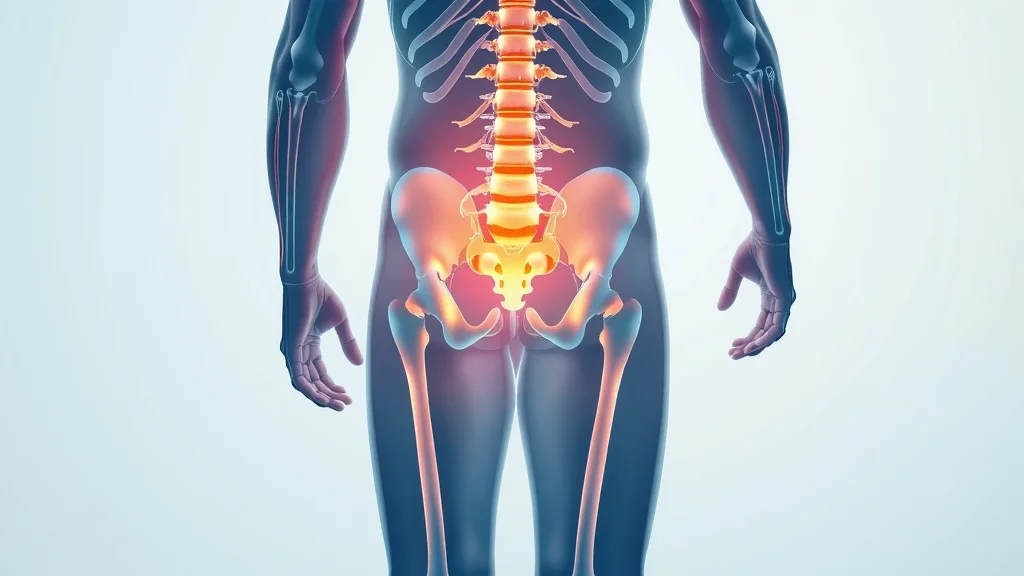
Sciatica pain is often caused by compression or irritation of the sciatic nerve—the largest nerve running from the lower back through the hips and down each leg. Common triggers include herniated discs in the lumbar spine, spinal stenosis (narrowing of the spinal canal), or injuries that put pressure on nerve roots stemming from the lower back. Even prolonged sitting or sudden awkward movements may lead to leg pain. People with acute low back pain often experience sciatica as pain radiating to the affected area, sometimes combined with tingling or numbness. Acute episodes might be initiated by heavy lifting, falls, or repetitive stress that overloads back structures.
What many overlook is that lifestyle factors—such as poor posture, chronic inactivity, or a weak core—play a major role in both the onset and recurrence of sciatica pain. Holistic practitioners near Gig Harbor analyze both the physical and lifestyle components, seeking to address not just the immediate symptoms but underlying causes, such as imbalances or inflammation throughout the body.
In fact, integrating gentle movement practices can be especially beneficial for those experiencing sciatic discomfort. For example, approaches like Yin Yoga for sore hips have shown promise in supporting mobility and easing tension, making them a valuable complement to holistic sciatica care.
How Does the Sciatic Nerve Contribute to Back Pain?
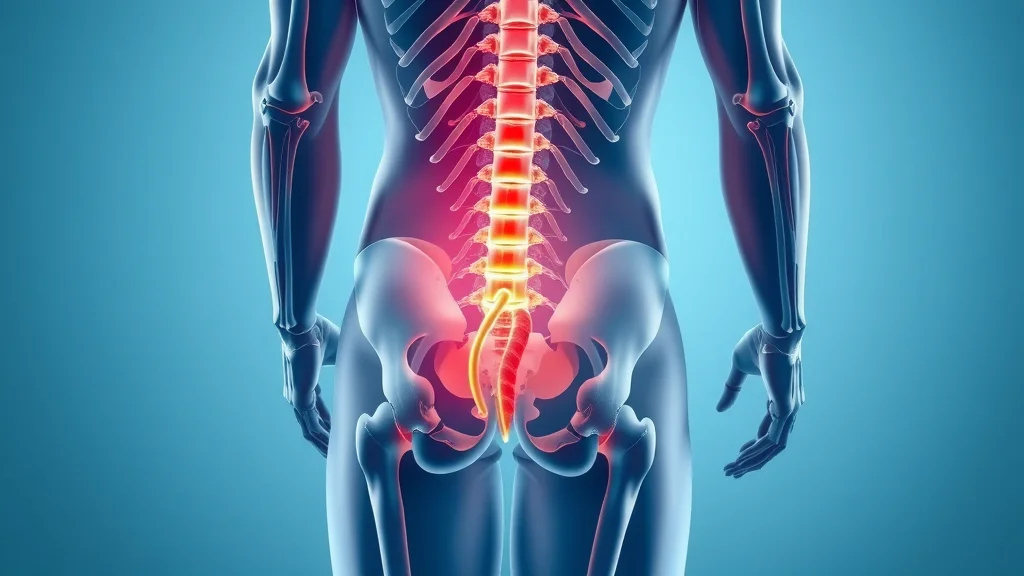
The sciatic nerve serves as a critical communication highway between the spinal cord and the muscles of the lower body. When it becomes compressed or inflamed, pain can radiate from the lower back through the hips, buttocks, and all the way down the leg—sometimes even reaching the foot. Sciatic nerve irritation is often the main reason for persistent leg pain and can interfere with daily mobility, sleep, and quality of life.
Whether pain arises from an acute back injury, degenerative changes in the lumbar spine, or postural issues caused by prolonged sitting, the result is often a cycle of pain and stiffness. Disruption to the normal function of the sciatic nerve can lead to reduced strength, numbness, or even changes in gait. Holistic strategies for managing sciatica pain focus not just on calming nerve irritation, but on promoting healthy movement, nutrition, and lifestyle habits to support nerve recovery.
Common Signs and Symptoms of Sciatica Pain
The hallmark sign of sciatica is a persistent, shooting pain that travels from the lower back and radiates down the leg, sometimes accompanied by tingling, numbness, or muscle weakness. Patients may find the pain is aggravated by prolonged bed rest, extended sitting, or specific sleeping positions. Some describe sharp, electric-like shocks, while others notice a dull ache along the affected area.
Lower back pain is often the first sign, but symptoms of sciatica can intensify during coughing, sneezing, or sudden movement. Muscle spasms, burning sensations, and difficulty standing or walking are also common in patients with sciatica. Recognizing these signs early allows for timely intervention with proven natural therapies that minimize the risk of chronic pain patterns.
Bed Rest for Sciatica: Why Is It So Popular?
Historical Advice: Where Did Bed Rest for Sciatica Begin?
For decades, advice to rest was the gold-standard form of therapy for back pain. Rooted in the belief that resting the affected area would reduce strain and inflammation, doctors historically advised patients with sciatica or acute low back pain to rest in bed for extended periods. This approach, often reinforced by family members and early medical training, suggested that physical activity might worsen nerve irritation or slow recovery.
However, our understanding of back pain and nerve health has evolved. Researchers and holistic practitioners now see that prolonged bed rest can actually hinder functional status by decreasing muscle strength, flexibility, and circulation. Today, while short-term rest remains a part of sciatica management during severe pain, experts increasingly recommend limiting bed rest and encouraging movement as soon as possible for optimal long-term recovery.
Many people still believe that bed rest is the best medicine for back pain and sciatica, but modern holistic research suggests otherwise.
Is Bed Rest for Sciatica Effective or Misguided? Expert Insight
Short-Term Bed Rest for Acute Sciatic Pain: Pros and Cons
There are moments when the pain caused by sciatica becomes so overwhelming that moving seems impossible — and in these acute cases, a brief period of bed rest may provide a welcome respite. Taking one or two days to ease the burden on the lumbar spine and affected sciatic nerve can reduce inflammation and allow the body to regroup. In this short window, gentle positions, such as lying with knees supported or using pillows for leg elevation, can help relieve pressure points and relax tense muscles.
However, when bed rest extends beyond a couple of days, the risks start to outweigh the rewards. Research shows that muscle atrophy, joint stiffness, and reduced circulation can set in quickly, often making the return to movement more challenging. Functional status may suffer, and patients can develop a fear of activity, increasing the risk of long-term disability. Holistic practitioners near Gig Harbor stress the importance of active engagement in healing, encouraging their patients to stay active with safe, modified routines whenever feasible.
Does Prolonged Bed Rest Make Sciatica Pain Worse?
Extended inactivity is seldom helpful for sciatica recovery; in fact, prolonged bed rest has been shown to make both back pain and sciatic nerve irritation worse for many individuals. Staying in bed for long periods allows muscles in the lower back and hips to weaken, disrupts normal joint lubrication, and contributes to stiffness that can linger even after the initial pain subsides.
Worse yet, lengthy periods of bed rest may slow down circulation, which can hinder the body’s natural healing processes. Experts in holistic pain management caution that inactivity not only prolongs recovery but can create secondary issues, such as insomnia, mood changes, and even increased pain sensitivity over time. Their advice: rest only when absolutely necessary, and adopt gentle movements or stretching to keep the recovery process moving forward.
The Science: How Bed Rest Affects Back Pain and Sciatic Nerve Health
Research Findings on Bed Rest for Sciatica (Holistic Perspective)
Holistic health research consistently finds limited benefit to extended bed rest for sciatica. Scientific reviews suggest that while rest can provide temporary comfort, it does little to speed up healing or resolve the underlying inflammation along the sciatic nerve. Instead, the evidence points toward worsened outcomes for those who avoid all movement, sometimes resulting in longer-lasting leg pain or recurrent episodes of low back pain.
Current guidelines from natural and holistic professionals recommend using bed rest sparingly—a day or two at most. The focus should quickly shift toward mild activity, proper nutrition, and lifestyle modifications that reduce inflammation and promote healthy nerve function. Combining gentle stretches, mind-body practices, and hands-on therapies often accelerates recovery, restore functional status, and promotes lasting pain relief.
Comparing Bed Rest to Active Natural Sciatica Treatment
When pitted against active treatment, bed rest often falls short in supporting full recovery from sciatica pain. Numerous studies have shown that patients who embrace guided movement—such as stretching, gentle yoga, or supervised physical therapy—tend to experience faster declines in pain and earlier improvements in mobility. Holistic sciatica treatment options include anti-inflammatory diets, acupuncture, and bodywork that combine to address both the symptoms and sources of back pain.
Active approaches are tailored to each patient’s situation. For example, a holistic provider near Gig Harbor may recommend a program that blends natural movement therapies with stress reduction, ergonomic adjustments, and herbal or homeopathic remedies. This integrative strategy not only hastens physical recovery but supports the emotional and mental aspects critical to overcoming chronic back pain.
Top Holistic Alternatives to Bed Rest for Sciatica
- Gentle movement therapies for sciatic nerve wellness
- Anti-inflammatory nutrition to ease sciatic pain
- Mind-body practices for reducing back pain
- Natural remedies: herbal, homeopathic, and hands-on modalities
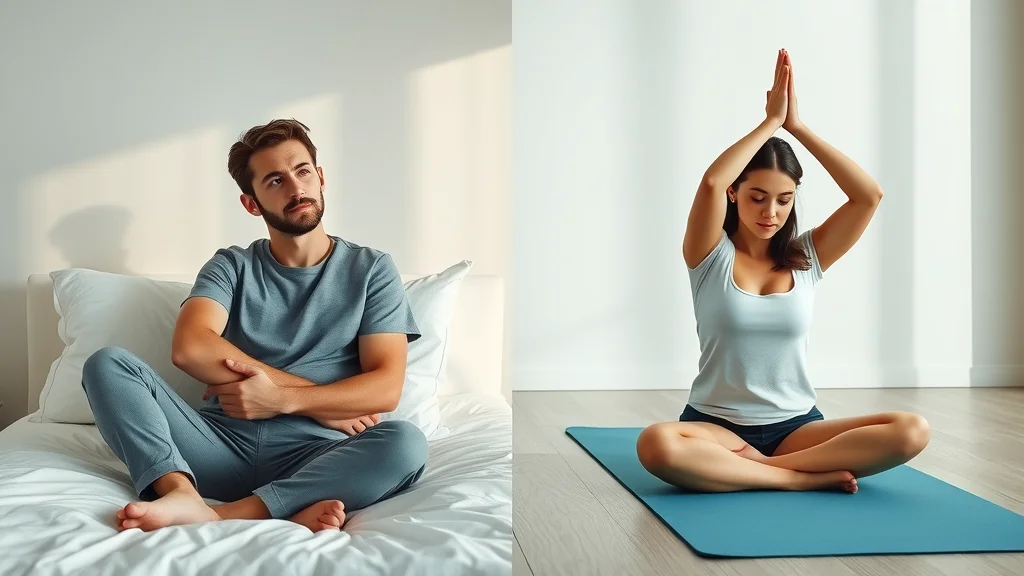
Holistic alternatives to bed rest place a strong emphasis on safe movement, even in the presence of pain. These therapies—ranging from restorative yoga and tai chi, to somatic stretching and gentle walking—promote blood flow and prevent muscle deconditioning. Dietary changes, like reducing inflammatory foods and emphasizing nutrient-dense meals, strengthen the body’s natural defenses against nerve irritation.
Mind-body techniques, such as breathwork, mindfulness meditation, and guided relaxation, help modulate pain perception and lower stress, which is known to aggravate back pain. Holistic practitioners frequently weave in natural modalities like massage, acupuncture, and homeopathy, providing lasting relief for patients with sciatica while addressing their whole-body wellness.

Sleeping Position, Mattresses, and Sciatica: What’s Best for Back Pain Relief?
The Impact of Sleeping Position on Sciatic Pain and Bed Rest
Your chosen sleeping position has a profound impact on sciatic pain and recovery. Sleeping in positions that place pressure on the lower back or twist the spine can aggravate nerve symptoms, especially during periods of bed rest. Experts suggest aligning the spine in a neutral position, often by sleeping on the side with a pillow between the knees or lying on the back with legs slightly elevated.
Holistic sleep hygiene emphasizes both comfort and support for those with acute sciatic pain. Patients should avoid sleeping in twisted or cramped postures, as these can irritate the sciatic nerve and lead to increased stiffness by morning. Adjusting the sleeping environment, such as using body pillows or ergonomic supports, creates optimal conditions for rest and recovery.
Choosing Between a Soft or Firm Mattress for Sciatica Support
The right mattress can make a difference in managing both lower back pain and sciatica. Generally, a medium-firm mattress is recommended by holistic experts, as it provides a supportive base without being overly rigid. A mattress that is too soft may allow the spine and hips to sag, increasing stress on the sciatic nerve; conversely, mattresses that are too firm can result in pressure points and discomfort.
If you have sciatica, consult with a practitioner about bedding choices and consider mattress toppers or ergonomic pillows to customize your sleep setup. Experimenting with different support options helps identify the most comfortable combination that limits sciatic flare-ups and encourages deeper, restorative sleep.

Bed Rest for Sciatica: The Dangers of Prolonged Sitting and Inactivity
How Prolonged Sitting Can Aggravate Sciatic Nerve Problems
It’s not just time in bed that poses problems—prolonged sitting can be just as harmful for those battling sciatica. Extended periods at a desk, car seat, or lounging position contributes to tightening of the hip flexors, stagnation in the lower back, and increased compression along the sciatic nerve. For patients with acute or chronic sciatica pain, the advice to stay active and break up periods of inactivity is crucial to fostering recovery and preventing flare-ups.
Holistic practitioners near Gig Harbor recommend regular micro-breaks, gentle stretching, and postural corrections throughout the day. Adjusting your work setup, using ergonomic chairs, or even incorporating a standing desk can dramatically reduce the risk of functional decline. Remember, inactivity not only strains the body physically but can also create mental and emotional barriers to healing.
-
Checklist: Safe movement guidelines during sciatica pain episodes
- Change positions every 30–60 minutes, even if only briefly
- Be mindful of posture; avoid slouching or awkward twists
- Incorporate gentle pelvic tilts or knee-to-chest stretches
- Limit long car rides or static computer work
- Use supportive cushions or lumbar pillows

Holistic Sciatica Treatment: Professional Guidance and Natural Healing
Why Choose a Natural Holistic Health Practitioner for Back Pain?
A holistic health practitioner combines detailed assessment, hands-on therapies, lifestyle coaching, and natural remedies to create a treatment plan that supports the whole person—not just the site of pain. These professionals focus on uncovering root causes, whether related to posture, movement habits, nutrition, or even stress. Patients near Gig Harbor benefit from this integrative approach, receiving not just symptom management but a roadmap for true healing and prevention of future episodes.
The best practitioners work with you to develop movement programs, teach ergonomics, recommend anti-inflammatory nutrition, and apply therapies like acupuncture or bodywork. Their goal is to restore functional status, empower you to stay active, and promote resilience against future sciatic challenges—all while minimizing reliance on conventional medication or invasive procedures.
An expert holistic provider combines hands-on therapies, movement, and natural remedies for a complete approach to sciatic pain that addresses body, mind, and lifestyle.

Bed Rest for Sciatica vs. Natural Movement: Summary Comparison Table
| Approach | Potential Benefits | Potential Drawbacks | Expert Holistic Guidance |
|---|---|---|---|
| Bed Rest for Sciatica | Initial pain relief, less strain | Muscle atrophy, stiffness, slower recovery | Limit to acute symptoms, no more than 1-2 days |
| Gentle Movement & Holistic Care | Improved mobility, circulation, faster recovery | May need supervision for severe pain | Personalized routine, lifestyle changes, ongoing support |
Common Myths About Bed Rest for Sciatica and Back Pain
- Bed rest for sciatica always helps the healing process
- All back pain requires prolonged rest
- Inactivity prevents further sciatic nerve irritation
People Also Ask: Expert Answers for Bed Rest for Sciatica
Can bed rest cure sciatica?
Expert Answer: While brief bed rest for sciatica can mitigate intense pain, it does not cure the underlying sciatic nerve inflammation. Gentle motion and holistic therapies are more effective for sustainable relief.
What's the worst thing you can do for sciatica?
Expert Answer: Prolonged inactivity or sitting, ignoring your discomfort, and avoiding all movement are among the worst actions for sciatica, especially in the context of natural healing.
How long should I bed rest for sciatica?
Expert Answer: Generally, bed rest for sciatica should not exceed 1-2 days. Holistic experts recommend active interventions and professional assessment if pain persists.
Is it better to sleep on a hard or soft mattress for sciatica?
Expert Answer: For most people, a medium-firm mattress provides the best balance of support and comfort, helping reduce sciatic pain during rest.

Real Stories: Experiences with Bed Rest for Sciatica and Holistic Recovery
After days of rest, my pain only got worse until I tried gentle movement and holistic therapies recommended by my practitioner.
Time and again, patients near Gig Harbor share how prolonged bed rest didn’t address their pain, but turning to holistic movement and natural therapies led to true transformation. Guided stretching, anti-inflammatory nutrition, bodywork, and supportive coaching play vital roles in breaking the pain cycle and restoring full function, both physically and emotionally.
When you combine hands-on care with holistic lifestyle changes, recovery from back pain and sciatica becomes not only attainable but also sustainable, paving the way for a healthier, longer, pain-free life.
Key Takeaways: Bed Rest for Sciatica and Paths to Lasting Back Pain Relief
- Bed rest for sciatica offers temporary relief but long-term healing requires active, holistic approaches
- Natural holistic practitioners are a critical resource for creating sustainable pain management plans
- If you live near Gig Harbor, exploring holistic care may help you live pain-free and improve your quality of life
FAQs on Bed Rest for Sciatica and Holistic Options
-
How can I find the best holistic practitioner near Gig Harbor for sciatica?
Search for practitioners with expertise in natural pain relief, hands-on therapies, and holistic lifestyle guidance. Look for those who offer personalized assessments, active treatment plans, and emphasize education on movement and nutrition. -
Is gentle exercise safe during sciatic pain?
In most cases, guided gentle exercise is encouraged, even during mild to moderate pain. Always consult with a qualified provider to ensure movements are adapted to your current symptoms and needs. -
What lifestyle changes support natural recovery from back pain?
Focus on ergonomic adjustments, anti-inflammatory diets, frequent movement breaks, and stress management techniques. These changes assist holistic recovery and help prevent future episodes of sciatica pain. -
Are there herbal supplements that can ease sciatic nerve discomfort?
Several natural remedies—including turmeric, devil’s claw, and magnesium—may help reduce inflammation and soothe nerve pain. Always discuss supplements with your holistic practitioner to ensure they are safe and appropriate for you.
Expert Holistic Video Guide: Natural Sciatica Treatment and Lifestyle Tips
Motivate Your Healing Journey: Book Your Holistic Consultation Today
Ready to move beyond pain? If you're in the Gig Harbor area, make the choice for lasting relief—reach out to a trusted holistic health practitioner and take your first step toward a pain-free, vibrant life!
If you’re inspired to take your recovery further, consider exploring how mindful movement practices can transform your approach to pain management. Delving into healing movement through Yin Yoga offers a gentle yet powerful way to nurture your hips, support your back, and foster holistic well-being. By integrating these advanced techniques, you can build resilience, enhance flexibility, and create a foundation for long-term comfort. Let your journey toward lasting relief be guided by both expert care and the wisdom of mindful movement.






Write A Comment