Gig Harbor Natural Holistic and Alternative Health

Heal Naturally. Live Fully.
  • Home
  • Categories
  • Top Chiropractor for Back Pain in Gig Harbor
  • Holistic Spas and Day Retreats in Gig Harbor
  • Yoga, Tai Chi, and Movement Classes Near You
  • Mind‑Body Therapy, Hypnosis, and Stress Relief
  • Holistic Stores, Herbs, and Natural Remedies
  • Discover Adventures and Treasures with Mark
  • Featured Gig Harbor Area Businesses
September 09.2026
1 Minute Read

Lower Back Pain After Lifting: What Should You Do?

Have you ever finished a workout, only to be stopped in your tracks by unexpected lower back pain after lifting? What really causes that sharp ache—and how can holistic care help you safely recover and return to doing what you love?

Why Does Lower Back Pain After Lifting Happen?

If you’ve experienced lower back pain after lifting, you’re not alone—this is a common complaint among both new and seasoned exercisers. The main reasons for this type of back pain often stem from improper lifting technique, undue strain on the lumbar spine, or underlying issues like a herniated disc that become aggravated during physical activity. When you lift weights or perform daily tasks without maintaining proper form, your back muscles and supporting structures, such as the hip flexors and core, can become overloaded. As a result, this overload can lead to muscle strain, inflammation, and even acute injury.

  • Common causes of lower back pain after lifting weights: Using your back, rather than your legs, to lift; twisting while lifting; or moving weights that are too heavy for your current fitness level.
  • Understanding how lifting technique affects lower back pain and low back strain: Improper lifting disrupts the movement patterns needed to stabilize the lower back, which can result in injury or chronic pain over time.
  • Role of underlying conditions such as herniated disc in back pain: If you have underlying conditions—like a herniated disc—lifting incorrectly may worsen symptoms, sometimes causing pain to radiate down your legs or resulting in numbness and tingling.

Realistic active weightlifter demonstrating proper and improper lifting postures for lower back health in a modern gym

What You'll Learn About Lower Back Pain After Lifting

Understanding how to manage lower back pain after lifting takes more than just knowing what to avoid. In this article, you’ll discover:

  • Natural and holistic approaches to low back pain: Safe, non-invasive remedies, including nutrition, movement, and alternative therapies.
  • When to seek help from a physical therapist or healthcare provider: Recognize when your symptoms warrant professional support.
  • Integrating alternative therapies for lower back pain relief: How modalities like massage, acupuncture, and yoga support healing.

Signs, Symptoms, and Red Flags for Lower Back Pain After Lifting

It’s crucial to know when your back pain is more than just a temporary soreness. Some discomfort is normal after intense activity, but certain signs could indicate a serious issue. If your lower back pain arises suddenly, worsens over time, or is accompanied by other symptoms—such as numbness, tingling, or weakness in your legs—you might be dealing with more than a simple strain. Recognizing these symptoms early can make a significant difference in your outcome and long-term low back health. For example, severe pain, loss of range of motion, or changes in bladder and bowel control warrant immediate attention from a spine surgeon or healthcare provider.

  1. How to identify back pain severity: Persistent pain that interferes with your daily activities or sleep should never be ignored.
  2. Symptoms suggesting an underlying condition or herniated disc: Sciatic-type pain that travels down your leg, or a history of prior herniated disc, can indicate nerve involvement.
  3. When to consult a physical therapist, spine surgeon, or healthcare provider: Reach out promptly if your pain is sharp, disabling, or accompanied by neurological symptoms.

Patient experiencing lower back pain consulting a physical therapist for holistic care in a bright clinic

Proper Lifting: Techniques to Prevent Lower Back Pain

Whether you’re new to lifting weights or an experienced athlete, adopting proper lifting technique is vital. The foundation of back safety lies in engaging your core strength, using your legs for power, and keeping your spine neutral throughout the motion. According to many physical therapists, minor changes in form can protect your lower back and prevent chronic low back pain. When at work or home, using ergonomic adjustments—like properly positioning your chair, screen, and frequently used objects—decreases the risk of improper lifting and injury.

  • Expert guidance on safe lifting technique for protecting the lower back: Maintain a neutral lumbar curve, keep weights close to your body, and avoid twisting or jerking motions.
  • Physical therapists’ top tips for lifting weights safely: Warm up with dynamic stretches, brace your core, and gradually increase your load based on your progress.
  • Ergonomic adjustments at work and home: Set up your workspace to promote good posture; use assistive devices when lifting heavy items to shield the low back.

For those seeking additional ways to support their back and hip health, incorporating gentle movement practices can be highly beneficial. Exploring approaches like Yin Yoga for sore hips may help improve flexibility and relieve tension, complementing your holistic recovery from lower back pain after lifting.

How Holistic Approaches Support Healing of Lower Back Pain After Lifting

Natural and holistic strategies can be especially effective for promoting lower back healing. Start with nutrition—an anti-inflammatory diet supports tissue repair and helps reduce inflammation in the low back. Next, consider incorporating natural healing modalities such as massage, acupuncture, or chiropractic care. Each of these methods works to improve blood flow, ease muscular tension, and realign movement patterns that may have been disrupted by poor lifting technique or injury.

  • Nutritional strategies for inflammation and low back healing: Choose foods rich in antioxidants, omega-3s, and magnesium to help muscles recover and support connective tissue health.
  • Natural modalities: massage, acupuncture, chiropractic care: These therapies can lessen pain and enhance range of motion—sometimes speeding up recovery and preventing chronic issues.
  • Incorporating gentle movement, yoga, and Pilates for the lower back: Gentle stretching and mind-body practices strengthen the back, loosen tight muscles, and foster a resilient spine.
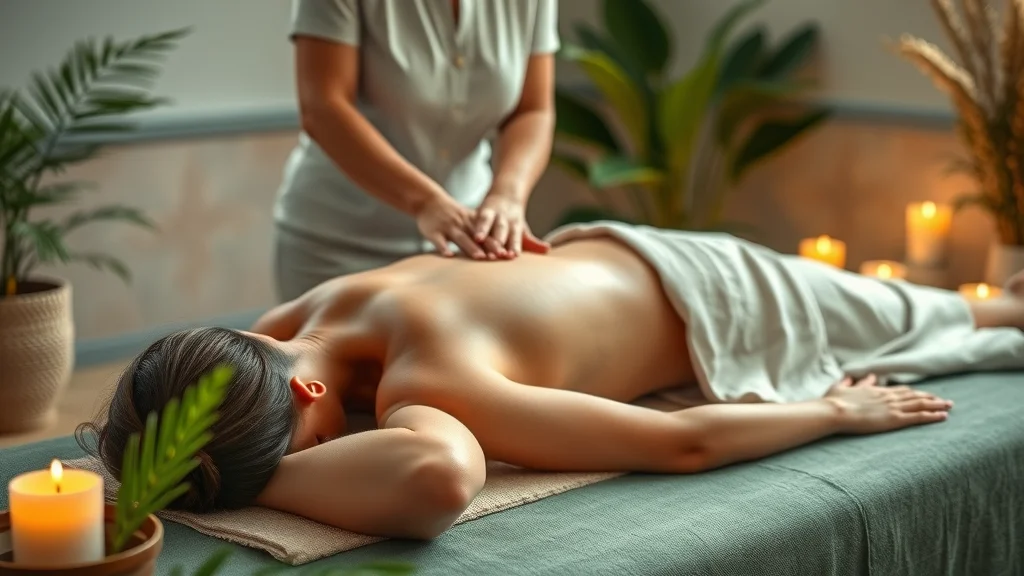
Individual receiving gentle back massage as part of holistic lower back pain relief in a tranquil spa

Physical Therapy and Functional Movement for Lower Back Pain Recovery

Physical therapy is often central to back pain recovery, especially after strain or injury from lifting weights. A well-trained physical therapist will assess your movement patterns, flexibility, and core strength to design a customized plan, empowering you to regain function and minimize future risk. Rehabilitation typically includes gentle stretching, bodyweight exercises, and progressive strengthening of the back, core, and hip muscles. This approach not only alleviates pain but also builds long-term resilience, preventing chronic low back pain by addressing its root causes.

  • Role of physical therapists and physical therapy in lower back pain management: They provide expert guidance, assess postural imbalances, and help restore your safe range of motion.
  • Rehabilitation exercises for lower back injuries after lifting: Bridge, bird-dog, and gentle pelvic tilts are among the movements used to gradually strengthen and stabilize the spine.
  • Developing a prevention plan with your healthcare provider: Collaborate with your healthcare provider to address both immediate pain and longer-term prevention strategies.

Addressing Underlying Conditions: Herniated Disc and More

Sometimes, ongoing lower back pain after lifting signals a deeper health issue like a herniated disc, spinal stenosis, or another underlying condition. Identifying these contributors is essential for lasting recovery. While some cases respond well to conservative care and holistic management, others may require input from a spine surgeon—particularly when neurological symptoms, such as leg weakness or numbness, are present. For most individuals, natural therapies, physical therapy, and patient education collectively provide relief without the need for invasive interventions.

  • Identifying underlying conditions contributing to low back pain: Persistent, radiating, or severe pain warrants medical evaluation to rule out disc herniation or other spinal disorders.
  • Natural management of herniated disc symptoms: Techniques include gentle movement, targeted exercises, hands-on therapies, and anti-inflammatory nutrition.
  • When to consult a spine surgeon or healthcare provider: Unrelenting pain, progressive neurological deficits, or loss of function means it’s time to seek a specialist’s advice.
‘Healing the lower back naturally often means taking a comprehensive approach that includes movement, mindset, and support from experienced practitioners.’ – Holistic Health Expert

Lifestyle Adjustments for Lasting Relief from Lower Back Pain After Lifting

Making consistent lifestyle adjustments is key to keeping your lower back pain at bay after lifting. Daily habits such as conscious posture, regular gentle movement, and stress reduction lay the foundation for long-lasting relief. Engage in mind-body practices—like meditation, yoga, or mindful breathing—to help the body relax and improve flexibility, supporting not just back health but your overall well-being. Building a holistic support system in Gig Harbor—from fitness groups to wellness practitioners—can also provide encouragement, accountability, and expert guidance as you heal.

  • Daily habits for long-term low back health: Stand and sit with optimal alignment, break up long periods of inactivity, and stay hydrated for muscle health.
  • Mind-body practices to manage back pain after lifting weights: These interventions can help manage pain flare-ups, reduce anxiety, and improve movement confidence.
  • Building a holistic support system in Gig Harbor: Surround yourself with like-minded individuals and practitioners to foster resilience on your wellness journey.

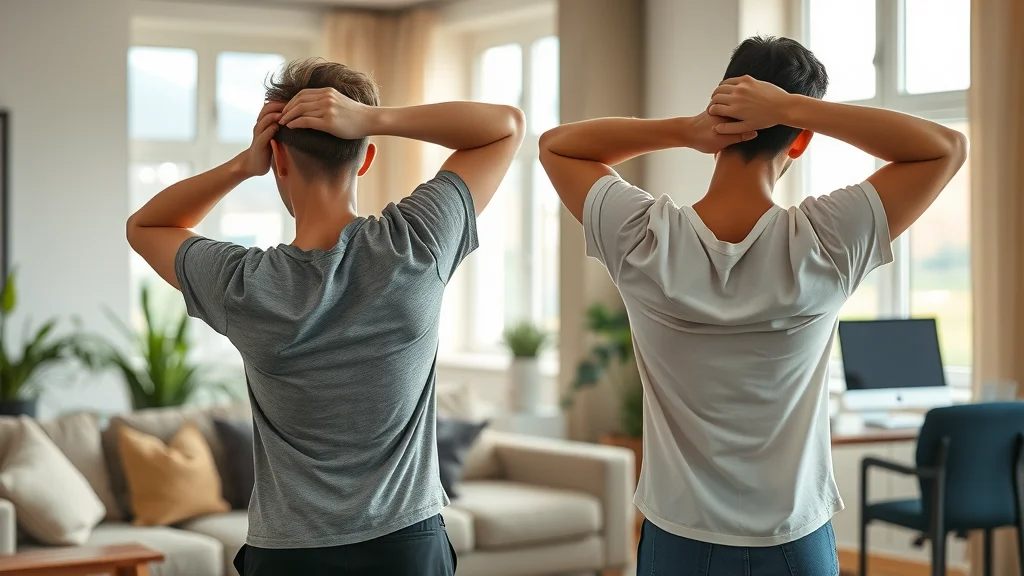
Person practicing gentle yoga and stretching at home for lower back pain relief in a cozy sunlit living room

Lower Back Pain After Lifting vs. Delayed Onset Muscle Soreness (DOMS)

It’s important to distinguish between serious lower back pain after lifting and the dull aches of DOMS—Delayed Onset Muscle Soreness. DOMS usually appears in the lower back or other muscle groups 24-72 hours after an intense or new exercise and gradually resolves with rest, gentle movement, and proper hydration. In contrast, acute or persistent pain right after lifting may indicate an injury that needs further evaluation.

Feature Lower Back Pain After Lifting DOMS in the Lower Back
Onset Immediately or shortly after lifting 24-72 hours after exercise
Pain Quality Sharp, localized, persistent Dull, achy, widespread
Warning Signs Weakness, numbness, tingling Resolved with rest and gentle movement

Natural Remedies & Home Care for Lower Back Pain After Lifting

Many people successfully manage mild lower back pain after lifting at home using holistic self-care routines. These approaches can gently ease muscle soreness, promote blood flow, and support speedy recovery without relying on medications. Safe remedies include alternating heat and cold packs, practicing gentle stretching movements, and engaging in guided relaxation to reduce muscle tension. If pain persists, consider consulting a holistic health practitioner for a customized care plan.

  • Holistic self-care routines for back pain relief: Combine restorative sleep, proper hydration, and balanced nutrition to optimize the body’s natural healing pathways.
  • Safe and effective home treatments for acute lower back pain: Heat helps relax tight muscles and increase circulation, while cold reduces swelling after injury.
  • Using heat, cold, and gentle stretching: Gentle yoga, foam rolling, and mindful movement can all support healing, provided you avoid painful or strenuous activities.

Individual using a heat pack for acute lower back pain relief in a cozy living room with tea and blankets

When to See a Gig Harbor Holistic Health Practitioner for Lower Back Pain

If your lower back pain after lifting lasts longer than a few days, worsens with time, or disrupts your everyday life, seeking guidance from a holistic practitioner in Gig Harbor can be a wise next step. Look for professionals with experience in natural therapies, physical therapy, and the management of underlying conditions. At your first consultation, expect a thorough assessment, and come prepared to ask about different treatment modalities, recovery expectations, and tips for long-term prevention. Choosing an experienced, compassionate practitioner can set you up for a pain-free, active future.

  • How to choose the best practitioner for low back pain in Gig Harbor: Look for qualifications, patient testimonials, and a holistic approach to care.
  • What to expect from your first holistic consultation: A detailed health history, hands-on evaluation, and a collaborative treatment plan tailored to your needs.
  • Questions to ask about natural therapies, physical therapy, and underlying conditions: Inquire about proposed modalities, recovery timelines, and how to integrate self-care into your daily routine.
‘Early intervention with holistic therapies can set the stage for faster recovery and long-term health.’

Frequently Asked Questions on Lower Back Pain After Lifting

How long does back take to recover from a workout?

  • Individual experiences with low back pain recovery: Recovery may range from a few days to several weeks depending on the severity, underlying health, and consistency with holistic self-care.
  • Factors affecting recovery: condition severity, rest, and holistic care: The more committed you are to rest, gentle movement, and nutrition, the quicker most mild cases tend to resolve. Chronic or severe injuries require ongoing care from a healthcare provider or holistic practitioner.

How to treat lower back muscle strain?

  • Rest, ice, and heat for acute low back pain: Give your muscles time to heal, use ice for the first 48 hours to reduce swelling, and transition to heat to loosen tight muscles.
  • Gentle movement and natural therapies for faster healing: Avoid total inactivity; gentle stretching, gradual exercise, and holistic modalities can help restore function and mobility.

Is it bad if your lower back is sore after working out?

  • Recognizing the difference between soreness and injury: Normal muscle soreness (DOMS) is common and usually not a concern. But pain that is sharp, disabling, or accompanied by numbness indicates a possible injury requiring professional evaluation.
  • Holistic strategies for monitoring and managing post-workout pain: Track your symptoms, engage in gentle self-care, and seek help if soreness persists or worsens after several days.

Can you get DOMS in the lower back?

  • Understanding DOMS vs. lower back injury pain: DOMS is possible in the lower back, especially after new or intense exercise, but pain that appears immediately suggests injury rather than simple soreness.
  • When DOMS is expected and when further evaluation is needed: Mild, achy discomfort that improves with rest is typical of DOMS, while pain that worsens or radiates needs professional evaluation.
‘Listening to your body after lifting is the first step toward a pain-free, active life.’

Person on mindful outdoor walk stretching their back as part of natural lower back pain recovery in a green park

Key Takeaways for Managing Lower Back Pain After Lifting

  1. Practice proper lifting technique every time.
  2. Incorporate holistic strategies tailored to your body.
  3. See a healthcare provider or holistic practitioner if pain persists.
  4. Commit to lifestyle habits that support back health.

Supportive friends and family helping someone recover from lower back pain in a warm welcoming home

Get Holistic Help for Lower Back Pain After Lifting Today

  • Start your journey to a pain-free, healthy back with an expert holistic consultation in Gig Harbor.

If you’re ready to take your recovery and mobility to the next level, consider exploring holistic movement practices that nurture both your hips and lower back. Techniques such as Yin Yoga not only target sore hips but also foster deep relaxation and improved flexibility throughout your body. By integrating these mindful approaches into your routine, you can build a foundation for lasting comfort and resilience. Discover how gentle, restorative movement can transform your healing journey by learning more about embracing healing movement with Yin Yoga in Gig Harbor. Your path to holistic well-being is just beginning—explore new ways to move, recover, and thrive.

Top Chiropractor for Back Pain in Gig Harbor

0 Views

0 Comments

Write A Comment

*
*
Please complete the captcha to submit your comment.
Related Posts All Posts
09.07.2026

Can a Bad Mattress Cause Lower Back Pain?

Have you ever wondered if that nagging morning lower back pain could be stemming from the very mattress meant to give you restful sleep? Many people dismiss discomfort as a fact of life or age, but your sleep surface plays a crucial role in your well-being. As holistic health practices continue to rise in Gig Harbor and beyond, understanding how a mattress can contribute to—or relieve—lower back pain becomes increasingly vital. This educational guide will reveal the surprising science, practical red flags, and expert-backed solutions for those seeking natural, long-lasting relief and improved sleep quality. Uncovering the Connection: Mattress Causing Lower Back Pain If you've been waking up stiff or sore, your mattress may be the hidden culprit behind your lower back pain. Many individuals are unaware that the quality and composition of their sleep surface can directly affect spinal alignment, contributing to discomfort that lingers throughout the day. Conditions such as improper firmness level, sagging foam, or worn-out springs can misalign your body and pressure points, leading to aches or worsening lower back pain overnight. Addressing the root cause, like upgrading your mattress or making adjustments, can lead not only to improved comfort but can also significantly enhance your holistic health journey. Lower back pain often causes people to miss out on good nights of sleep, making it harder for the body to heal and function optimally. Embracing expert advice with a holistic lens, especially from health practitioners near Gig Harbor, could be your first step to waking up pain-free and energized each morning. What You'll Learn About Mattress Causing Lower Back Pain How a mattress can lead to lower back pain Common signs your mattress is impacting your lower back The role of sleep position, firmness, and mattress topper options Natural, holistic strategies for pain-free sleep in Gig Harbor Recommendations to support long-term spinal health The Science: Understanding Mattress Causing Lower Back Pain To truly address mattress causing lower back pain, it’s crucial to understand the science behind proper sleep support. Spinal alignment is foundational for your overall health, and a mattress should support your body’s natural curve throughout the night. When your mattress fails to sustain this curvature—whether because it’s too firm, too soft, or just worn out—your lower back muscles and spinal discs bear unnecessary strain. A suitable mattress distributes your weight evenly and eliminates excess pressure points. This is particularly important for back sleepers, side sleepers, and stomach sleepers alike, as their preferred sleep positions influence how the back interacts with the mattress surface. Chronic alignment issues may not just contribute to back pain; they can disrupt sleep quality, worsen existing health conditions, and block progress for those seeking holistic healing. How Mattress Support Affects Lower Back Alignment The amount and type of support your mattress provides can determine whether you wake up refreshed or battling lower back pain. Mattresses that sag or lack targeted support force your spine out of its natural alignment. This triggers tension in the lower back, hips, and shoulders, causing pressure points that build up overnight. For instance, a firm mattress may not cushion curves, pressing against the hip bones and lower spine, while a soft mattress may permit excessive sinking, leading to misalignment. A memory foam mattress or hybrid mattress with adaptive layers often delivers improved pressure relief, contouring to the unique shape of your body without causing slumping. However, not all memory foam is created equal—quality and density matter greatly. Taking your body type, preferred sleep position, and firmness level into account ensures your mattress supports your natural curve, helping minimize or prevent lower back pain and enabling a truly restorative night’s sleep. For those seeking additional ways to ease discomfort and support holistic healing, incorporating gentle movement practices can be highly beneficial. Exploring approaches like Yin Yoga for sore hips may complement your efforts to relieve lower back pain, as these mindful stretches help release tension and improve flexibility alongside mattress adjustments. Identifying How Your Mattress May Be Causing Back Pain Diagnosing your mattress as the source of back pain can be challenging due to the complex interplay of daily activities, sleep habits, and preexisting conditions. However, several patterns reveal themselves. If your pain worsens after a night’s sleep and gradually fades as you move about your day, your mattress is likely a contributing factor. You might also notice an increase in tossing and turning, frequent awakenings, or reliance on pain relief techniques by morning. Observing the presence of visible sagging, lumps, or uneven surfaces in your mattress offers another clue—a lack of support where your lower back needs it the most. If discomfort disappears while sleeping elsewhere (like a couch or hotel bed), your mattress’s support level and pressure relief properties may be the direct cause. These are strong signals to consider a professional assessment or holistic practitioner’s input, especially if you experience recurrent lower back pain despite other healthy lifestyle choices. Pressure Relief and Back Pain: What Holistic Health Experts Say Holistic health practitioners in Gig Harbor and beyond emphasize the principle that your sleep environment can either foster healing or perpetuate pain. According to local experts, a mattress that fails to provide sufficient pressure relief places undue strain on sensitive areas of the spine and hips, aggravating existing discomfort or even creating new problems. Quality pressure relief through suitable mattress materials—such as memory foam, latex, or advanced hybrids—is essential for those managing lower back pain. Beyond mattress selection, these experts frequently recommend pairing the right sleep surface with daily lifestyle adjustments and tailored sleep hygiene practices. For people new to natural health, making small, strategic changes—like adding a suitable mattress topper, adjusting sleep position, or incorporating mindful stretching routines—can collectively deliver lasting comfort and support spinal health from the inside out. Common Signs Your Mattress Is Causing Lower Back Pain Recognizing the symptoms of a mattress causing lower back pain is critical for taking timely, effective action. If you wake up each morning with stiffness or find that your lower back discomfort is most severe after sleeping, your mattress may be undermining your sleep quality and well-being. These symptoms aren’t always immediately obvious, but persistent patterns are telltale indicators, especially if you rely increasingly on pain management strategies just to start your day. Waking up with stiffness Pain that worsens overnight Discomfort that improves outside of bed Increased reliance on pain relief techniques Mattress Types: Which Are Most Likely to Cause Lower Back Pain? Not all mattresses are created equal when it comes to back pain relief. A firm mattress may feel supportive, but if it doesn’t cushion your body’s natural curves, it could leave your lower back unsupported and aching. Conversely, a soft mattress that allows your body to sink too much may disrupt spinal alignment, particularly for back sleepers and stomach sleepers, contributing to chronic discomfort. Hybrid, latex, and memory foam mattresses can offer a balance of support and pressure relief, but the effectiveness depends on the material’s quality and your unique needs. Those living in humid, coastal climates like Gig Harbor should also consider the mattress’s breathability and resilience, as environmental factors can influence longevity and comfort over time. Consulting with holistic health experts can help you select a mattress tailored to your body and health goals. Firm Mattress vs. Soft Mattress: Effects on Lower Back Pain The debate between firm mattresses and soft mattresses is age-old, with both extremes potentially problematic. Firm mattresses may not conform enough to the body, causing pressure points, especially for side sleepers whose hips and shoulders bear more weight. On the other hand, soft mattresses might seem luxe but can lead to excess sinking, leaving your lower back unsupported. This often leads the spine to arch uncomfortably, as the body’s weight is not evenly distributed. The best mattress for most is one that’s neither extremely soft nor excessively firm—a medium-firm feel often provides superior spinal alignment and pressure relief. Your sleeping position and body type also matter: back sleepers usually need more support than side sleepers, while stomach sleepers require a mattress that prevents their hips from sinking. A personalized approach, ideally guided by a holistic health practitioner in Gig Harbor, ensures that your mattress supports healthy sleep posture and minimizes the risk of back pain. Memory Foam, Hybrid, and Latex: Alternatives for Back Pain Relief Memory foam, latex, and hybrid mattresses are increasingly recognized for their adaptability to various body types and positions. Memory foam offers superior pressure relief and contouring support, cradling the spine’s natural curve and minimizing pressure points. Latex mattresses, made from natural materials, bring a buoyant yet supportive feel, often lauded for their durability and hypoallergenic properties—a holistic favorite for those with sensitivities. Hybrid mattresses combine coil support with adaptive foam or latex layers, aiming to deliver responsive support and targeted pressure relief for lower back pain. The secret sauce is selecting the right firmness level for your needs, using tried-and-true holistic recommendations to ensure optimal sleep quality. For Gig Harbor’s health seekers, exploring these innovative mattress options can be a key step in achieving sustainable relief and minimizing chronic pain. Examining the Role of Mattress Toppers for Pressure Relief Mattress toppers are cost-effective, holistic solutions for those not ready to replace an entire mattress but seeking immediate relief from lower back pain. High-quality toppers add an extra layer of cushioning, redistributing pressure and improving spinal alignment. Materials like memory foam, latex, or natural wool address different needs, so seek guidance from a holistic health practitioner to determine the best match. Adding a mattress topper can be especially useful if your current mattress is too firm, as it softens the sleep surface and reduces harsh pressure points on hips and shoulders. For those sensitive to chemicals or allergens, opting for natural, organic toppers is a route promoted by many holistic experts. Remember, the goal is enhanced comfort and alignment rather than covering up an unsupportive or worn-out mattress indefinitely. Influence of Sleep Position on Mattress Causing Lower Back Pain Your preferred sleep position significantly influences how your mattress affects your lower back health. Side sleepers, back sleepers, and stomach sleepers each exert different types of pressure on mattresses, requiring unique support characteristics. The right mattress accommodates your sleep position, supporting the natural curve of your spine and minimizing stress on the lower back. For example, side sleepers often benefit from a softer surface that cushions hips and shoulders, while back sleepers need enough support to keep the spine straight. Stomach sleepers must prevent the hips from sinking, reducing lower back strain. Mindfully aligning your sleep position with your mattress is a powerful holistic step toward lasting comfort and reduced pain. Best Sleeping Position for Lower Back Support Holistic practitioners consistently tout side or back sleeping as the most supportive positions for lower back health. Using a pillow between or beneath your knees helps maintain the spine’s natural alignment and relieves pressure on the lower back, especially important for those experiencing pain from an unsupportive mattress. Stomach sleepers are advised to modify their position or use a thin pillow under their hips to prevent lumbar strain. Consistency with sleep position, paired with the right mattress and proper sleep hygiene, can deliver significant relief. If experimenting with new postures seems daunting, seek the advice of a natural health expert in Gig Harbor to develop a customized strategy for improved sleep and reduced pain. How Sleeping Position Impacts Mattress Effects on Lower Back The impact of your sleeping position goes hand-in-hand with the effectiveness of your mattress. An otherwise suitable mattress may still contribute to back pain if your sleep posture repeatedly strains the lower back. For instance, sleeping on a poorly supported mattress as a stomach sleeper often arches the spine unnaturally, leading to persistent soreness. Conversely, a supportive mattress tailored to your sleep position helps distribute weight evenly, ensuring minimal muscle tension and ongoing spinal health. Adjusting sleep positions and investing in ergonomic pillows are holistic strategies strongly recommended by Gig Harbor practitioners for sustained comfort and long-term back pain prevention. Natural & Holistic Solutions for Mattress Causing Lower Back Pain Holistic health emphasizes treating the body as an interconnected whole, making it crucial to address both the mattress itself and the habits that surround your nightly routine. Beyond choosing the right mattress, integrating stretching, posture awareness, and self-care into your daily life cultivates the right foundation for healing and prevention. Alternative Approaches: Practices from Holistic Health Experts Naturopathic and holistic health practitioners advocate for a multi-faceted approach to lower back pain caused by poor-quality mattresses. Incorporate gentle stretching and mindful movement, such as yoga or tai chi, to maintain spinal flexibility and strength. Stress management techniques like deep breathing, meditation, and regular movement breaks throughout the day further aid recovery by calming muscle tension. Additionally, staying hydrated, eating an anti-inflammatory diet, and consulting with a Gig Harbor wellness specialist about supplements can enhance your body’s natural healing processes. When paired with the right mattress or mattress topper, these strategies go far beyond temporary relief, providing a resilient foundation for lasting comfort and well-being. Improving Sleep Hygiene for Lower Back Relief Good sleep hygiene, according to holistic experts, is just as important as mattress selection. By following healthy evening routines, you signal your body that it’s time to unwind, reducing muscle tension and preparing for restorative rest. Aim to stick to a regular sleep schedule, avoid screens before bed, and ensure your bedroom is cool and clutter-free. Think holistically by practicing daily stretching, mindful movement, and easy stress management techniques. Consider supplements or natural sleep aids under the guidance of a practitioner to address underlying issues that may contribute to lower back pain and poor sleep quality. Daily stretching Mindful movement Stress management Supplements and sleep aids with practitioner guidance How Do I Tell if My Mattress is Causing Back Pain? Many people ask, “How do I know if my mattress is causing my back pain?” Look for patterns—if you find relief after spending time out of bed or notice pain specifically after sleep, your mattress is a prime suspect. Visibly worn mattresses, sagging areas, or a recent increase in tossing and turning can indicate your sleep surface is no longer properly supporting your spine’s natural curve. Evaluate your sleep quality and symptoms after sleeping elsewhere—if you notice a marked improvement, your mattress is likely the problem. Check for impressions or unevenness where you commonly lie, as these point to failing support systems that contribute to back pain. Consulting with a holistic health professional in Gig Harbor can yield insights tailored to your individual situation and needs. Recognizing the Red Flags of a Mattress Causing Lower Back Pain Be vigilant for these warning signs: Increasing morning stiffness or pain localized in the lower back area Worsening discomfort as the night progresses Reliance on pain relievers upon waking or throughout the day Finding lasting comfort only while sleeping in locations other than your current bed If these symptoms persist, it’s time to consider holistic intervention or seek expert advice for a comprehensive, natural approach to lasting relief. Expert Advice: When It’s Time to Replace Your Mattress According to holistic practitioners, a mattress should typically be replaced every 7–10 years, sooner if it exhibits sagging, lumps, or clear support loss. Back pain that does not respond to other interventions is another red flag. An expert assessment—often available through wellness centers in Gig Harbor—can help ensure your mattress meets your body’s current needs as you age, recover from injury, or adapt your routine for holistic well-being. How to Fix a Mattress Causing Lower Back Pain If purchasing a new mattress isn’t possible right away, there are several quick interventions you can implement for relief. These strategies aim to improve spinal alignment and support while you pursue long-term solutions. Quick Interventions and Adjustments Try adding a supportive mattress topper or placing a rolled towel under your lower back to redistribute pressure and bolster weak spots. Adjust your sleeping position by placing a pillow beneath or between your knees, or experiment with different pillow heights for better neck and spine alignment. Regularly rotate your mattress and replace worn bedding to maintain an even sleep surface. Simple, mindful adjustments—practiced consistently—can sometimes provide dramatic short-term relief, buying you time to consult with a holistic expert about next steps tailored to your personal situation. Long-Term Solutions for Back Pain from Your Mattress Ultimately, investing in the right mattress is a core strategy for sustained relief from lower back pain. Seek guidance in selecting a mattress that matches your body type, sleep position, and unique health requirements. Holistic practitioners near Gig Harbor often recommend memory foam, latex, or advanced hybrid options known for their balance of support and pressure relief. Long-term solutions also include enhancing your daily wellness habits: integrate movement, maintain a healthy weight, and prioritize restorative sleep. If you struggle to find relief, don’t hesitate to seek the personalized support of a local holistic health expert dedicated to guiding you through the journey of pain-free living. What Kind of Mattress is Best for Lupus Patients? Individuals with lupus or other chronic pain conditions require mattresses that minimize flare-ups and reduce pressure on sensitive areas. Prioritizing pressure relief is essential, and natural or hypoallergenic materials can further benefit those with sensitivities. Memory foam or latex mattresses are often recommended due to their adaptive properties, but each person’s needs are unique. Choosing a Mattress with Pressure Relief for Sensitive Conditions Lupus patients, or anyone managing a chronic health condition, should opt for mattresses with exceptional support and minimal pressure points. Natural latex offers durability and gentle resilience, while high-density memory foam contours the body and helps evenly distribute weight. A consultation with a holistic health expert ensures you aren’t sacrificing safety, comfort, or alignment—key elements for those in search of holistic, restorative sleep. Adapting Wellness Habits for Holistic Comfort Alongside a carefully chosen mattress, holistic practitioners encourage patients to adopt gentle lifestyle changes: embrace stress reduction, practice regular low-impact exercise, and prioritize anti-inflammatory nutrition. By supporting your body both day and night, you can reduce chronic pain episodes and improve your quality of life in a sustainable, natural way. Why Does My Back Hurt in Bed but Not on the Couch? This common question offers clues about your sleep surface’s role in back pain. Couches often provide firmer, more supportive surfaces with less sagging, promoting better spinal alignment for short periods. Beds with old or soft mattresses, meanwhile, may lead to improper positioning and muscle tension as you sleep. Analysis of Mattress vs. Couch Support for Lower Back Pain The difference lies in support and distribution of weight. Couches typically don’t have the worn mattress dips or excessive softness found in old beds, allowing for more even spinal support. However, they are not designed for long-term sleep, and frequent use can lead to their own set of aches and issues. If your pain is alleviated on a couch but exacerbated in bed, it’s time to assess whether your mattress is failing to properly support your body’s natural curve. What This Means for Choosing a Mattress in Gig Harbor Your experience is a strong indicator that it may be time for a new mattress or holistic intervention. Residents of Gig Harbor benefit from consulting with local practitioners who understand not just the science but the unique climate and lifestyle considerations of the region. A collaborative approach yields the best results for lasting, pain-free sleep. Table: Comparing Mattress Types and Their Effects on Lower Back Pain Mattress Type Support Level Pressure Relief Common Issues Firm High Low to Moderate May worsen lower back pain Soft Low High Can misalign spine, causing pain Memory Foam Adaptive High May trap heat, but good for lower back Latex Balanced High Durable, supportive Hybrid Variable Moderate-High Can offer targeted lower back support Expert Quotes on Managing Mattress Causing Lower Back Pain "A mattress unsuited to your body's needs alters your spinal alignment and could leave you waking up with lower back pain." – Local Holistic Practitioner "Natural interventions, like targeted stretching and posture awareness, can go a long way toward easing back pain from a poor mattress." – Wellness Specialist Practical Steps: Lists for Choosing and Using a Mattress for Lower Back Pain Assess mattress age and sagging Consider testing different firmness levels Try a mattress topper designed for pressure relief Seek input from holistic health professionals in Gig Harbor A short informational video demonstrating three natural remedies for lower back pain caused by poor mattress support, including stretches, optimal sleep positions, and how to select a topper, filmed in a sunny bedroom and narrated by a holistic practitioner. FAQs on Mattress Causing Lower Back Pain How often should I replace my mattress to prevent lower back pain? Most holistic experts recommend replacing your mattress every 7–10 years. If you notice sagging, unevenness, or consistent discomfort, it may need earlier replacement. Regular assessments help maintain optimal back support and comfort. Can natural materials help reduce back pain from mattresses? Yes, natural materials such as organic latex, cotton, and wool can improve breathability, support, and pressure relief while reducing the risk of sensitivity reactions. These materials are commonly favored by holistic health practitioners. Are there holistic treatments that work alongside mattress changes for lower back pain? Absolutely. Combining a supportive mattress with daily stretching, gentle movement, mindful stress reduction, and proper sleep hygiene can enhance your body’s healing process. Consult with a holistic health provider for a personalized plan. Is a memory foam mattress good for lower back pain relief? Memory foam can offer excellent pressure relief and support for many lower back pain sufferers, especially if properly matched to your sleep position and firmness preferences. High-density, quality memory foam is key for optimal outcomes. Key Takeaways on Mattress Causing Lower Back Pain and Holistic Solutions The right mattress is essential for lower back support Natural, holistic approaches support lasting relief Consult a holistic expert before making major changes Pay attention to your sleeping position and mattress condition Contact a Top Holistic Health Practitioner Near Gig Harbor for Expert Guidance Ready to transform your nights and upgrade your well-being? Schedule a consultation with a leading holistic health practitioner in the Gig Harbor area today for personalized support, comprehensive assessments, and truly restorative answers to back pain relief. If you’re inspired to take your holistic wellness journey even further, consider exploring the broader benefits of mindful movement and restorative practices. Techniques like Yin Yoga not only target sore hips but also foster deep relaxation and improved mobility throughout the body. By integrating these gentle modalities with your mattress and sleep environment upgrades, you can create a comprehensive approach to pain relief and overall vitality. Discover how embracing healing movement in Gig Harbor can complement your efforts for a healthier, more comfortable life by learning more about transforming sore hips with Yin Yoga and holistic self-care.

09.05.2026

Why Does My Lower Back Feel Stiff but Not Painful?

Imagine this: You wake up, stretch gently, and notice your lower back feels stiff, but not truly painful. You can move, work, and go about your day—but there’s a nagging tightness that just doesn’t seem to go away. Lower back stiffness is a quiet signal from the body, not always announcing itself with sharp pain, but subtly reminding you that something about your daily habits or physical health may need attention. If you live near Gig Harbor and have begun exploring holistic, natural approaches to health, understanding and addressing this stiffness can put you on the path to long-term, pain-free well-being. What You’ll Learn About Lower Back Stiffness and Holistic Relief The main causes of lower back stiffness without pain How holistic and natural health approaches address lower back stiffness Practical strategies to relieve and prevent lower back tension When to seek further advice from a holistic practitioner in Gig Harbor Lower Back Stiffness: A Common Experience in Everyday Life For millions of people, feeling occasional tightness or tension in the lower back is just part of life. You might notice it after sitting for long hours at your desk or when getting up after resting on your couch. Unlike lower back pain, stiffness may come without a sharp or acute sensation, yet it’s still a clear message from your body. This distinction is crucial: while both low back pain and stiffness affect your movements and comfort, they often have different underlying causes and may require unique solutions. People deal with everyday responsibilities and stressors, often ignoring these early signals, but responding to them early can help maintain or restore a healthy, mobile spine over time. Some days, you might brush off feeling “tight due to” a bad night’s sleep or a demanding workday, not realizing that these episodes could add up and contribute to longer-term issues. In the holistic health world, these subtle discomforts are considered important—addressing them now can help prevent more intense back pain or even chronic conditions in the future. It’s not just about physical posture, but also about lifestyle, stress, hydration, and movement. Taking note of these cues early allows you to practice mindful self-care and avoid more invasive treatments down the line. Why Does My Lower Back Feel Stiff but Not Painful? The sensation of lower back stiffness without pronounced pain is surprisingly common and is often the body’s way of alerting you to mild muscle tension or restricted movement before more severe symptoms develop. This stiffness can be related to tight muscles or imbalance in the structures that support your spine. Unlike acute back pain caused by injury or strain, stiffness doesn’t prevent daily activities but does signal areas that need gentle attention. Typically, this kind of stiffness arises from non-inflammatory factors such as limited movement, low-grade muscle fatigue, or subtle misalignments due to posture or daily habits. Many people deal with stiffness after sleeping in an awkward position or following a period of inactivity. Recognizing and addressing it with natural, holistic approaches can restore your mobility and leave you better equipped to prevent genuine back pain down the road. Not All Back Pain Feels the Same: Stiffness vs Pain in the Lower Back It’s critical to distinguish between lower back stiffness and true lower back pain. Stiffness often feels like a “tightness” or limited flexibility, particularly after sitting for long periods or upon waking. Unlike low back pain or sharp twinges, stiffness does not consistently impede your daily function, but instead may affect your sense of freedom and comfort in movement. Understanding this difference can inform the most effective steps you can take for relief, whether you opt for stretches, improved posture, or holistic care. On the other hand, low back pain might involve sharp, aching, or radiating sensations that trigger more immediate concern and sometimes indicate injury. Both states, however, are signals that the health of your spine and surrounding muscles needs attention. Persistent stiffness can sometimes be a warning sign before pain develops, prompting preventive action before discomfort becomes unmanageable. Observational Trends in Low Back and Low Back Pain Observationally, episodes of lower back stiffness are on the rise, especially as more people spend extended hours at desks or lead increasingly sedentary lives. The modern lifestyle—marked by long periods of sitting, decreased natural movement, and ongoing stress—has led to a greater prevalence of both stiffness and low back pain. Studies shared by various spine specialists and physical therapy professionals underscore the importance of addressing early signs of tension and stiffness through non-invasive, proactive approaches. Many healthcare providers encourage awareness of these trends, pointing out that early intervention through lifestyle adjustments, ergonomic improvements, and holistic interventions is far preferable to waiting until pain is a common experience. Paying attention to these trends can help you make informed choices that support not only your lower back health but your overall quality of life. If you’re seeking gentle, restorative ways to address lower back stiffness, you might also benefit from exploring targeted movement practices. For example, Yin Yoga for sore hips offers slow, mindful stretches that can complement your holistic back care routine and support greater flexibility throughout the lower body. What Causes Lower Back Stiffness Without Pain? Lower Back Muscles: How Tension Develops The muscles of the lower back are designed for both stability and movement, supporting your spine during activity and rest. Stiffness typically develops when these muscles are overused, underused, or kept in one position for extended periods. Whether you’re sitting for long periods at a desk or standing with uneven weight distribution, the muscles can become tense or “feel tense” and are unable to relax fully. Tight hamstrings, weak core, or muscle imbalance can all contribute to the sensation of stiffness in the lower back. Over time, even subtle posture issues can lead to a lack of flexibility in these muscles. If you ignore the early signs, what begins as stiffness could lead to more pronounced back pain or restricted mobility. That’s why a holistic approach, centered on overall balance and movement, is foundational for sustainable relief. Posture, Sedentary Habits, and Low Back Stiffness Poor posture and prolonged sedentary habits are among the top culprits of lower back stiffness. Most people spend hours sitting for work, study, or leisure—often with rounded shoulders or unsupported spine. This position shortens certain muscle groups, especially the hip flexors and hamstrings, and exaggerates stress on the lower back, leaving the area tight and tense. Over time, “sitting for long periods” can weaken the deep stabilizing muscles and cause a loss of body awareness, which further aggravates low back stiffness. Moving mindfully, taking breaks, and maintaining correct posture throughout your day are all key strategies for prevention. A holistic practitioner may also recommend simple ergonomic shifts, such as an adjustable desk chair or work surface, to keep your spine in an optimal position and support overall low back health. Physical Therapy Insights on Lower Back Stiffness From a physical therapy perspective, lower back stiffness is often the result of imbalances in muscle activation and stabilization. Physical therapists find that sedentary lifestyles, unaddressed muscle tension, and lack of flexibility contribute to the cycle of restricted movement. By identifying the exact areas of tension, therapists can develop a treatment plan that restores flexibility and balance to the low back. Gentle strengthening, stretching, and movement retraining are frequently recommended. Rather than simply targeting pain, the goal is to establish habits and exercises that keep the low back supple, responsive, and ready to adapt to daily stresses. A good physical therapist or holistic practitioner will emphasize prevention and education as much as direct intervention, setting you up for lifelong back wellness rather than a temporary fix. Holistic Perspectives: Natural Contributing Factors (Stress, Dehydration, Sleep) The holistic view considers not just physical mechanics but also lifestyle contributors—stress, hydration, and sleep all play vital roles in maintaining a healthy spine. Chronic stress can lead muscles to stay in a subtle, sustained state of tension, while dehydration may cause the muscle tissues and spinal discs to lose their elasticity. Inadequate sleep hampers cellular repair, making you more susceptible to both muscle stiffness and fatigue. "Lower back stiffness often signals the body’s call for movement and mindful self-care, even in the absence of true pain." – Holistic Practitioner Perspective By integrating mindfulness, movement, and optimal hydration and sleep, you give your lower back the building blocks it needs to stay flexible and pain-free. A holistic practitioner uses these principles as the foundation of their approach, helping you see beyond the symptom to create total body health. Natural Solutions for Lower Back Stiffness Lifestyle Adjustments for Healthier Low Back Gentle stretching routines: Perform daily stretches targeting the lower back, hips, and hamstrings. Start slowly, listen to your body, and breathe deeply to release tension without forcing movement. Mindful movement and body awareness: Incorporate practices such as walking, yoga, or tai chi—activities that encourage you to stay attuned to your body's limits and imbalances. Restoring “body awareness” is a foundational principle of holistic health. Ergonomic workspace changes: Adjust your chair, desk, and computer monitor so that your posture is naturally upright and relaxed. Small shifts, such as standing up during calls or using a support cushion, can significantly reduce stiffness and improve comfort. Implementing these lifestyle upgrades helps alleviate back tightness and supports overall low back and spine health. Consistency is key: the sooner you start, the sooner you’ll notice greater mobility and less tension each day. Role of Physical Therapy and Alternative Therapies for Lower Back In addition to self-care, structured support from a physical therapist or other holistic practitioner can be invaluable. Physical therapy provides targeted exercises that address weak or tight muscles, while alternative therapies—like massage, acupuncture, or chiropractic care—complement these programs by addressing imbalances and relieving tension. Many people find that a combination of gentle exercise, manual therapies, and education is more effective than relying on medication or invasive treatments. These modalities aim to restore your lower back’s natural range of motion, enhance awareness of movement patterns, and equip you with sustainable tools for long-term relief. Nutrition, Hydration, and Their Impact on Lower Back Stiffness Nutrition and hydration are fundamental for muscle and spine health. Drinking plenty of water ensures that the soft tissues in your low back stay elastic, while a diet rich in anti-inflammatory fruits, vegetables, and lean proteins supports tissue repair and immune function. Poor nutrition or dehydration not only contributes to overall fatigue, but can also make stiffness and discomfort more pronounced. Mindful eating and regular hydration, combined with holistic practices, prepare your body for optimal healing and resilience. Consulting with a natural health practitioner can help tailor a dietary and hydration plan that’s unique to your specific needs, especially if you have recurring muscle tightness or a history of low back pain. Integrative Practices: Yoga, Breathwork, and Meditation for Low Back Health Yoga, breathwork, and meditation are celebrated for their power to promote flexibility and relieve tension in the lower back. Many gentle yoga poses specifically lengthen tight hamstrings and release lower back muscles, while breathwork aids relaxation and circulates oxygen to soft tissues. Meditation, meanwhile, calms the mind and reduces stress-induced muscle tightness. By bringing together movement, mindfulness, and relaxation, these integrative practices not only tackle the symptoms but also address the deeper, holistic elements of spine and mental health. Frequent practice, even just a few minutes daily, provides lasting benefits for both physical comfort and emotional well-being. Comparing Lower Back Stiffness and Lower Back Pain Differences Between Lower Back Stiffness, Lower Back Pain, and Low Back Pain Condition Description Typical Sensation Common Triggers Holistic Approaches Lower Back Stiffness Tightness or limited flexibility in the lower back Restricted movement, mild discomfort, no sharp pain Prolonged sitting, poor posture, muscle imbalance Stretching, ergonomic changes, hydration, mindful movement Lower Back Pain Aching, sharp, or radiating pain in the lower back area Sharp, shooting, or persistent pain; sometimes radiates Injury, disc issues, overuse, inflammation Therapy, rest, natural anti-inflammatories, lifestyle adjustments Low Back Pain General pain or discomfort in the lumbar region Ache, soreness, or stiffness; may fluctuate with movement Muscle tension, poor movement habits, chronic overuse Yoga, physical therapy, nutrition, holistic self-care When to Seek Natural Holistic Help for Lower Back Stiffness in Gig Harbor Signs That It’s Time to Consult a Practitioner Some situations call for expert intervention. If your lower back stiffness lasts more than a few days, is accompanied by other warning signs (like numbness, tingling, or weakness), or frequently disrupts sleep or daily activities, seeking advice from a holistic practitioner is wise. Sometimes, stiffness can be an early indicator of deeper imbalances or developing issues in the low back, so don’t hesitate to seek pro guidance. Individuals already working with a physical therapist or healthcare provider may wish to add holistic strategies to their treatment plan. Even occasional stiffness can benefit from professional evaluation—the combination of natural therapies, targeted exercises, and lifestyle coaching may be your best defense against ongoing discomfort or pain. What to Expect from a Holistic Lower Back Consultation During your initial consultation with a holistic health practitioner in Gig Harbor, expect a thorough review of your health history, daily habits, and ergonomics. The practitioner will likely assess your posture, movement patterns, and muscle tone. With this information, they’ll build a custom plan that may include stretching routines, ergonomic suggestions, nutrition advice, and gentle manual therapies. Most importantly, you’ll learn skills and self-care habits to support your low back in the long run—empowering you to take control of your back health and live a more comfortable, active life without resorting to invasive treatments. People Also Ask About Lower Back Stiffness How do you release lower back stiffness? Step-by-step techniques: Begin with gentle movements such as pelvic tilts or slow twisting stretches. Follow with deep, mindful breathing to enhance relaxation. Regularly alternate between standing and sitting, and try laying on your back with knees bent and feet flat to gently release the lumbar region. Consistency is key—repeating these actions daily helps maintain suppleness in the lower back and prevents tight muscles from returning. Focus on a combination of mobility drills, stretching, and restorative breathwork. Many people report the best results by integrating these steps into a daily pre- or post-work routine. If you need more support, consider reaching out to a holistic health care provider for personalized instruction. How can I stretch my lower back? Simple holistic stretches for the lower back: Try the child’s pose (kneeling with arms extended and forehead to the floor) or laying on your back and gently hugging your knees to your chest. Cat-cow stretches from a hands-and-knees position are another effective way to increase mobility and flexibility in the low back. Yoga-inspired routines, such as gentle twists and downward dog, ease tension while promoting both spinal alignment and mental calm. These stretches can be done throughout the day, especially before or after sedentary activities, to “alleviate back” stiffness and support ongoing low back wellness. What is the cause of lower back tension? Discussing unique causes like stress, muscle imbalance, and sedentary lifestyle: Chronic stress keeps muscles in a prolonged state of tension, while an imbalance in body strength or flexibility exacerbates tight spots. Sitting for long periods without movement changes causes muscles in the lower back and hips to shorten and tighten, increasing the sense of tension. Addressing these causes means attending to both physical and emotional sources of tension. A holistic approach—to body, movement, stress, and hydration—can resolve the underlying causes rather than simply managing symptoms. Why does my lower back feel heavy? The sensation of heaviness and what it means from a holistic perspective: Heaviness in the lower back is often a sign of muscle fatigue or poor circulation, sometimes linked with underlying tension or stress. In holistic care, practitioners view this “heaviness” as an indicator of stagnation—either from lack of movement, hydration, or from carrying ongoing emotional burdens. The path to relief typically includes increased movement, mindful breathing, targeted nutrition, and addressing daily stressors—strategies that not only lighten the load physically, but uplift overall well-being. Frequently Asked Questions About Lower Back Stiffness Can natural therapies help chronic lower back stiffness without pain? Yes. Chronic lower back stiffness often responds well to natural approaches, including stretching, physical therapy, nutrition, and stress management. These methods help restore mobility, reduce muscle tightness, and promote overall back health without medication or surgery. Is seeing a holistic practitioner in Gig Harbor necessary for occasional stiffness? While mild, infrequent stiffness may resolve with self-care, a holistic practitioner can offer personalized guidance and techniques that address underlying factors. Their expertise leads to better prevention and minimizes the risk of developing pain or chronic issues. How quickly can you expect relief from holistic treatments for lower back issues? Relief depends on the severity and duration of your symptoms, but many people notice improvements within a few sessions or days of consistent application of holistic methods. Continued progress comes with sustained lifestyle changes and ongoing practitioner support. Key Takeaways for Understanding and Managing Lower Back Stiffness Lower back stiffness is common and often manageable with natural, holistic strategies Addressing posture, lifestyle habits, and underlying health contributes to low back wellness Seeking a holistic practitioner in Gig Harbor can guide you to long-term lower back health Ready to Move Freely? Book a Holistic Back Health Consultation Near Gig Harbor Don’t let persistent lower back stiffness limit your freedom or comfort. An expert holistic health consultation can help you uncover the root causes, introduce natural solutions, and set you on the path to a thriving, pain-free back. If you’re ready for lasting relief, consider scheduling your first appointment near Gig Harbor today. As you continue your journey toward a healthier, more flexible back, remember that holistic wellness is about integrating movement, mindfulness, and self-care into your daily life. Exploring practices like Yin Yoga can be a transformative next step, especially if you’re looking to address not just lower back stiffness but also related areas such as hip mobility and overall body balance. For a deeper dive into gentle, restorative movement that complements your back care routine, discover how embracing Yin Yoga for sore hips can unlock new levels of comfort and healing. By broadening your approach, you empower yourself with advanced techniques that support lifelong mobility and holistic well-being. Watch: How to Relieve Lower Back Stiffness Holistically

09.04.2026

Why Does My Lower Back Hurt When I Roll Over in Bed?

Ever found yourself wincing in pain as you try to roll over in bed, wondering why your lower back rebels with each turn? You’re not alone. For countless people, lower back pain rolling over in bed disrupts precious sleep and spells frustration as nighttime comfort becomes elusive. But what exactly is causing this discomfort, and is there a holistic, nature-centered way to find relief—especially for those exploring the best natural health options near Gig Harbor? Read on to unlock eye-opening answers, practical strategies, and expert holistic advice tailored for your nighttime well-being. Unlocking the Mystery: Understanding Lower Back Pain When Rolling Over in Bed Lower back pain rolling over in bed is an issue experienced by many people, regardless of age or activity level. Whether you’re dealing with a sharp pain or a dull ache, this discomfort can disrupt restorative sleep and leave you feeling groggy and tense the next day. Not only does lower back pain make turning in bed a challenge, but it can also be a clue that your daily habits, muscle tension, or underlying conditions—like nerve compression or disc problems—need closer attention. If you live near Gig Harbor and are seeking holistic approaches, understanding both the root cause and the practical, gentle interventions available is key to regaining pain-free rest and everyday function. People often overlook the remarkable connection between sleep posture, sleep quality, and lower back health. When you toss and turn, there’s a complex interplay happening between your back muscles, lumbar vertebrae, soft tissues, and even your overall emotional state. Poor posture, chronic muscle strain, and the type of mattress or pillow you use can all influence how your lower back copes with night-time movements. Fortunately, natural relief strategies—rooted in holistic, mind-body, and gentle physical therapy practices—can reduce pain and support true healing. Curiosity Begins: Why Does Rolling Over Trigger Lower Back Pain? Rolling over in bed seems like a simple, instinctive action, yet for those experiencing lower back pain, each movement can feel laborious, as if your body resists the transition from one side to another. Why is that? Turning in bed engages the lower back muscles, connective tissues, and joints, especially when these areas are already tight or inflamed from daily activities, poor posture, or chronic strain. The act of rolling temporarily compresses and stretches sensitive tissues—sometimes exposing issues such as muscle imbalance, lack of movement during the day, or even undiagnosed low back conditions. For many, a sharp pain during this transition can indicate acute back muscle tension or minor injuries like strains or spasms. Others experience a dull ache that hints at more chronic causes—such as degenerative disc changes or subtle nerve irritation. Compounding factors like sleeping on a soft mattress, prior episodes of poor sleep, or failing to stay active can exacerbate these sensations. Unraveling why your back hurts at night uncovers a story where posture, lifestyle, and sleep environment all play interconnected roles—inviting you to make empowering, natural changes for lasting comfort. Quick Facts About Lower Back Pain Rolling Over in Bed Lower back pain often worsens with turning in bed due to strain on muscles and vertebrae. Improper sleep posture and unsupportive mattresses can contribute to discomfort. Holistic approaches—including gentle movement and targeted therapies—can effectively reduce pain. Consistent pain may be a sign of underlying nerve compression, particularly at L4-L5. Early intervention and lifestyle adjustment often prevent longer-term complications. What You'll Learn About Lower Back Pain When Rolling Over in Bed Recognize common causes behind lower back pain rolling over in bed Discover how anatomy, sleep position, and mattress selection affect pain Explore natural and holistic pain relief options available in the Gig Harbor area Understand the importance of posture, gentle movement, and physical therapy Gain practical tips for adjusting sleep habits to reduce pain and promote healing Know when to consult a holistic health expert for lasting relief The Connection Between Your Lower Back and Sleep Movements Anatomy of the Lower Back: Structures Affected During Rolling Over The lower back, or lumbar region, comprises five vertebrae—often referenced as L1 through L5—supported by intricate muscles, intervertebral discs, and lumbar nerve roots. During rolling or turning in bed, these structures work together to stabilize movement and protect spinal alignment. When functioning optimally, the back muscles contract and relax in choreographed harmony, minimizing strain and distributing body weight smoothly. However, tightness, weakness, or inflammation in this region—especially at L4-L5—can create a bottleneck effect, where even simple actions like turning trigger discomfort or pain. Additionally, daily habits such as poor posture and a lack of movement lead to muscle imbalance, reducing the lower back’s ability to adapt to night-time position changes. If you frequently wake up with low back pain or experience a dull ache while rolling, there is a good chance it’s due to subtle dysfunction in these supporting tissues. Knowing what anatomical structures are involved provides clarity, guiding better choices for movement, mattress support, and holistic interventions to nurture your body back to balance. How Sleep Position Impacts Lower Back Pain Rolling Over in Bed Your sleep position can either help or hinder lower back comfort during nightly movements. For instance, sleeping on your back with knees slightly elevated supports the lumbar curve and evenly distributes body weight, thus easing pressure on sensitive structures. On the other hand, lying on your stomach may overextend the lower back, intensifying strain during rolling or turning in bed. Side sleeping—especially with a pillow between your knees—reduces spinal twisting and minimizes mechanical stress. The ideal sleeping position varies for each person, but if you notice worsening lower back pain rolling over in bed, consider switching to a posture that encourages natural alignment and uses well-placed supports. Even something as simple as upgrading to a more supportive mattress or adjusting your pillow height can dramatically decrease discomfort. Mindful adjustments in sleep posture paired with consistent sleep hygiene foster nighttime healing, setting you up for pain relief and deeply restorative rest. For those seeking additional ways to ease discomfort and improve mobility, incorporating gentle movement practices can be especially beneficial. Exploring approaches like Yin Yoga for sore hips may offer supportive, restorative techniques that complement your lower back care routine and promote overall flexibility. Pain When Lying Versus Pain When Rolling: Spotting the Differences Not all nocturnal back pain is created equal. Understanding the difference between pain when lying still and pain experienced during rolling over in bed helps refine both diagnosis and care. If you have persistent pain when lying that only slightly increases during movement, this may point toward a chronic issue like degenerative discs or a soft mattress that's failing to support your lumbar spine. Sharp, shooting pain during rolling, on the other hand, often implicates acute muscle strain, recent injury, or nerve irritability such as that at the L4-L5 level. Holistic practitioners in the Gig Harbor area emphasize discerning these differences, as targeted strategies for pain relief depend on the specifics of your experience. Gentle movement advice, anti-inflammatory herbs, and conscious changes in sleep position are all tailored once your primary pain pattern—whether it’s at rest, during turning, or both—is understood. Knowing your pain triggers is the first step towards effective, natural healing, and choosing interventions that suit your unique needs best. Common Causes of Lower Back Pain When Rolling Over in Bed Muscle Strain and Sharp Pain During Turning in Bed Sharp pain while rolling over in bed is frequently attributed to muscle strain. Overexertion, awkward movements during daily activities, or lack of regular stretching may cause microtears or tightness in the back muscle groups. This muscle tension becomes most apparent at night, when the body attempts to transition from one position to another, suddenly awakening you with discomfort. The cumulative effects of daily stress, poor sleep posture, or lack of movement further intensify this discomfort. In the holistic model, addressing muscle-related lower back pain means focusing on restoring blood flow, adopting simple movement routines, and reducing inflammation through natural therapies and relaxation techniques. Healing is accelerated by paying attention to your lifestyle and eliminating root causes—not just masking symptoms. Disc Issues: Back Pain Worsening With Rolling or Movement For some, lower back pain rolling over in bed signals underlying disc problems, such as bulging or herniated discs. Repeated flexion and torsion (twisting during rolling) put stress on the delicate discs situated between each vertebra. The most vulnerable site for these issues is often the L4-L5 segment, known for transmitting much of the load during movement and sleep transitions. When disc integrity is compromised, it can lead to radiating pain, stiffness, or restricted mobility that flares up during turning in bed. Disc-related back pain is best managed through a combination of gentle movement, supportive sleep surfaces, and avoiding activities that intensify symptoms. Natural pain relief modalities and physical therapy devised by holistic practitioners help restore mobility while minimizing the risk of chronic damage. Listening to your body's warning signals paves the way for tailored, non-invasive healing over time. Nerve Compression: Lumbar Roots and L4-L5 Concerns Nerve compression stands out as a cause of persistent or severe lower back pain when rolling over in bed, often marked by tingling, weakness, or radiating discomfort down the legs. The lumbar roots—especially at the L4 and L5 levels—can get pinched by inflamed tissues, disc bulges, or misaligned vertebrae. This compression is exacerbated during rolling, as the twisting action further narrows nerve pathways, aggravating pain when lying or moving. Because nerve compression involves intricate structures, self-diagnosis can be challenging. Expert holistic health practitioners in the Gig Harbor area employ a mix of observation, skilled palpation, and gentle movement therapy to support nerve health, reduce pain, and guide patients through safe activity modifications. Addressing the underlying nerve issues holistically helps ensure that your lower back finds relief not just at night, but throughout all your daily activities as well. Natural and Holistic Approaches to Lower Back Pain Relief Physical Therapy Techniques for Lower Back Pain Rolling Over in Bed Physical therapy remains a cornerstone for non-invasive, lasting pain relief in those suffering from lower back pain rolling over in bed. Methods often emphasized by holistic health professionals include tailored stretching routines, core stability exercises, and postural training that integrates with your daily rhythm. Especially for recurring muscle tension and poor movement patterns, expert guidance ensures you use simple movements that are safe and effective. Key elements of holistic physical therapy include teaching you how to move mindfully, release chronic tension, and improve blood flow to deep back muscles. Therapists may use manual techniques to gently mobilize stiff joints or provide education about optimal sleep posture. These approaches empower you to decrease lower back pain not only during sleep but also throughout your waking activities. Investing in physical therapy in the Gig Harbor area provides natural tools that reduce pain, prevent further injury, and support whole-body wellness. Holistic Remedies: Herbs, Topicals & Mind-Body Interventions Herbal medicine, topical applications, and mind-body practices form the heart of holistic approaches for lower back pain relief. Herbal teas and natural anti-inflammatory blends can gently reduce muscle pain and support restfulness, while topical liniments, arnica, or essential oils offer soothing support right at the site of discomfort. Applying warm or cold packs delivers targeted relief, minimizing swelling and easing tension without unwanted side effects. Mindfulness-based interventions—such as guided relaxation, meditation, and breathing exercises—work synergistically with natural remedies to calm the nervous system, reduce the perceived intensity of pain, and promote deep healing. Holistic health practitioners curate these remedies to match your individual constitution and lifestyle, ensuring that you feel empowered and at ease both in bed and beyond. Embracing both traditional wisdom and contemporary evidence, these integrated therapies help restore pain-free movement as you sleep and awaken. The Role of Gentle Movement and Simple Movement Practices Movement—when performed gently and mindfully—is essential for resolving low back pain associated with rolling over in bed. Simple movement practices, like gentle stretching, yoga-inspired exercises, and mobility routines, decrease muscle tension and encourage natural spinal alignment. Unlike strenuous workouts, these gentle activities help maintain flexibility, foster tissue healing, and reduce the chance of recurrence. Regular movement also counteracts the effects of a sedentary lifestyle or lack of movement that may have contributed to pain in the first place. Holistic practitioners in the Gig Harbor area often design individual movement protocols, empowering you to stay active, reduce inflammation, and invest in long-term pain relief. Whether you integrate these movements into your bedtime routine or start your mornings with them, the body responds to gentle activity with greater resilience and lasting comfort. Improving Sleep Position and Posture for Lower Back Pain Relief Best Sleep Position Strategies for Lower Back Pain Rolling Over in Bed Back sleeping with knees elevated on a supportive pillow maintains lumbar alignment. Side sleeping with a pillow between your knees reduces pressure and twisting on the spine. Choose a supportive mattress—avoid overly soft mattresses that don’t support your lower back. Maintain a neutral spinal curve with additional pillow support at the waist and neck if needed. Regularly reassess your sleep setup to ensure optimal comfort and alignment. Practical Tips: Adjusting Sleep Posture to Minimize Pain When Lying Improving your sleep posture begins with small, thoughtful changes. Evaluate the firmness of your current mattress; ideally, opt for a medium-firm to firm surface for adequate lumbar support, sidestepping the pitfalls of a soft mattress that can lead to sagging and discomfort. When settling into bed, align your ears, shoulders, and hips to maintain a straight, comfortable posture while lying down. If you prefer sleeping on your side, place a pillow between your knees to reduce spinal torque, and consider an extra pillow at your waist for extra support. For back sleepers, slip a pillow beneath your knees to preserve the spine's natural curve and prevent tension in the lower back. Avoid stomach sleeping when possible, as it may provoke or worsen sharp pain and reinforce poor posture patterns. Lastly, mindful nighttime stretching and a calming bedtime ritual—such as practicing a few minutes of deep breathing—help relax tight back muscles, preparing you for restful, pain-free slumber. Committing to sleep hygiene and regular reassessment of your sleep environment ensures that your lower back is supported through every toss and turn. Seeking the Best Natural Holistic Health Practitioners for Lower Back Pain in Gig Harbor Why Choose a Holistic Practitioner to Address Rolling Over Back Pain The path to resolving persistent lower back pain rolling over in bed is often clearer and more empowering with the support of a skilled holistic health practitioner. Unlike conventional models, holistic practitioners see you as a whole person, blending physical, emotional, and lifestyle-based strategies for true healing. They look beyond symptoms to address underlying imbalances—be it poor sleep posture, chronic inflammation, or nerve compression—offering you integrative physical therapy, mind-body work, and natural remedies tailored precisely to your unique needs and health goals. "Personalized, whole-body approaches in holistic health practices can make a remarkable difference for those suffering from lower back pain, especially during nightly movements." By seeking expertise rooted in natural healing and prevention, you benefit from therapies that restore your back's resilience while fitting seamlessly into your daily routine. Many in Gig Harbor discover that a holistic partnership not only relieves pain when lying and rolling but also supports a longer, healthier, and more vibrant life—both at night and throughout the day. Signs It’s Time to Book a Holistic Health Consultation Recognizing when to seek help is crucial in your journey to pain relief. If you experience sharp pain that interrupts sleep, notice weakness or tingling in the legs, or find that gentle movement doesn’t bring improvement, booking a consultation with a holistic health provider becomes a wise step. Additionally, if home adjustments to your sleep posture and bedtime routine do not reduce pain, or if back discomfort impacts your daily activities and quality of life, professional insight will ensure you receive customized strategies and ongoing support. For those within the Gig Harbor area, now is the ideal moment to explore holistic care—empowering yourself to break free from the grip of lower back pain and reclaim comfort every night. People Also Ask: Lower Back Pain Rolling Over in Bed What are the first signs of L4 L5 compression? Signs of L4 L5 compression typically include lower back pain, possible tingling or weakness in the legs, and increased discomfort when rolling over in bed or changing position. Persistent symptoms may signal nerve involvement and warrant a holistic evaluation, especially if nighttime pain impacts daily activities or movement quality. Can GLP-1 cause lower back pain? With current research, GLP-1 medications have not shown a direct link to lower back pain when rolling over in bed, but always consult a care provider for side effect management. If you notice new or unexplained lower back symptoms after starting any new medication, discussing these concerns with both medical and holistic health professionals is important for holistic care. Why does my back hurt when I try to turn over in bed? Pain during turning in bed may stem from strains, inflammation, disc issues, or poor sleep posture—addressing root causes and holistic strategies can help reduce discomfort. Personalized assessment can further pinpoint whether lifestyle, anatomical, or environmental factors are at play, guiding the choice of movement, physical therapy, or natural remedies for optimal pain relief. How can I decompress L4 and L5 at home? Gentle stretches, proper sleep posture, and mind-body techniques are key; however, holistic practitioner support ensures safety and effectiveness when managing L4-L5 issues. Guided stretching routines, ergonomic adjustments in the bedroom, and breathwork all help decompress lumbar vertebrae, but expert supervision prevents accidental aggravation of sensitive tissues. FAQs on Lower Back Pain Rolling Over in Bed What lifestyle changes help reduce lower back pain at night? Focus on consistent gentle movement during the day, improve sleep posture, and integrate calming nighttime routines to foster healing. Do mattresses and pillows really make a difference? Yes—supportive mattresses and proper pillow placement align your spine and minimize night-time back pain. What are effective at-home pain relief strategies? Incorporate holistic remedies like warm compresses, herbal teas, and mindfulness exercises, and seek advice from qualified practitioners for long-term improvement. When is professional help needed? Seek help if pain persists, worsens, or impacts quality of life—even after adjusting habits or trying holistic remedies. Key Takeaways for Holistic Management of Lower Back Pain Rolling Over in Bed Natural, holistic strategies—including posture tweaks, movement, and herbs—provide lasting pain relief for lower back pain rolling over in bed. Mindful attention to sleep posture and routine adjustments can restore nighttime comfort. Don’t ignore persistent pain—timely consultation with a holistic practitioner in Gig Harbor assures safe, effective care Holistic, personalized approaches help you reclaim restful, pain-free nights and support overall well-being. Table: Comparing Natural, Holistic, and Conventional Approaches to Lower Back Pain Rolling Over in Bed Approach Modalities Benefits Focus Areas Natural/Holistic Herbs, manual therapy, mindfulness, gentle movement, nutrition Addresses root mind-body causes, integrates daily self-care, minimal side effects Whole-person care, sleep hygiene, lifestyle, posture, gentle pain relief Physical Therapy Targeted exercises, manual techniques, mobility training Improves flexibility, strength, and alignment; prevents recurrence Muscle balance, movement patterns, injury rehabilitation Conventional Medications, injections, imaging, surgery Rapid symptom suppression, diagnostic clarity with tests Acute pain management, severe or structural conditions Conclusion No one should have to trade their precious sleep for pain. Thoughtful, holistic care is within reach—take the next step, and partner with a natural health practitioner in Gig Harbor to restore comfort, resilience, and truly restful nights, starting tonight. If you’re inspired to deepen your journey toward pain-free movement and holistic well-being, consider exploring additional restorative practices that nurture your body from multiple angles. Techniques such as Yin Yoga not only target sore hips but also foster gentle flexibility and relaxation throughout the lower back and pelvis. By broadening your approach to include mindful movement and holistic self-care, you can unlock new levels of comfort and resilience. Discover how embracing healing movement in Gig Harbor can transform your nightly routine and support your overall vitality by learning more about the benefits of Yin Yoga for sore hips and beyond.

Community Business Network (CBN)

CBN boosts the online visibility of independent business owners, helping them grow a large audience of prospective customers by being recognized as a local influencer for their expertise.

CBN Builds local media channels making business owners the star they are as they become the most credible local authority and go-to source for their niche in their community.

CBN

  • Privacy Policy
  • Terms of Use
  • Advertise
  • Menu 5
  • Menu 6

CONTACT US

Website
https://cbn.media/

Email: Mark@CBN.media

Gig Harbor, Washington

MARK CLAYTON
EDITOR-IN-CHIEF


The statements and information on this website, including the statements and information contained in the videos on this website, have not been evaluated by the Food and Drug Administration. This website is offered as a public service for the reader’s informational and educational purposes only; it is not meant to substitute for medical care, prescribe treatment for any specific health condition, or diagnose, treat, cure, or prevent any disease or illness. This website has NOT verified, and does not warrant, the information listed. These listings do not constitute either an endorsement or recommendation of any practitioner or modality. This website is not liable for any act or omission of the listed practitioners, who are solely responsible for their own practice, and for the accuracy and completeness of their personal and professional information, credentials, and claims.

© 2026 CompanyName All Rights Reserved. Address . Contact Us . Terms of Service . Privacy Policy

Terms of Service

Privacy Policy

Core Modal Title

Sorry, no results found

You Might Find These Articles Interesting

T
Please Check Your Email
We Will Be Following Up Shortly
*
*
*