Gig Harbor Natural Holistic and Alternative Health

Heal Naturally. Live Fully.
  • Home
  • Categories
  • Top Chiropractor for Back Pain in Gig Harbor
  • Holistic Spas and Day Retreats in Gig Harbor
  • Yoga, Tai Chi, and Movement Classes Near You
  • Mind‑Body Therapy, Hypnosis, and Stress Relief
  • Holistic Stores, Herbs, and Natural Remedies
  • Discover Adventures and Treasures with Mark
  • Featured Gig Harbor Area Businesses
September 03.2026
2 Minutes Read

What Health-Minded Adults in Gig Harbor Should Know About Chiropractic Care for Concussions

Chiropractor Gig Harbor: Woman in thought massaging her temples at home.

The Rising Concern of Concussions: A Public Health Crisis

As concussions become recognized as a significant public health issue, the exploration of treatment options that extend beyond traditional medical paradigms is crucial. Concerns over long-term neurological damage have raised awareness and prompted individuals to seek alternative therapies. Among these, chiropractic care emerges as a compelling option for recovery. In Gig Harbor, Washington, a local chiropractor can provide specialized care tailored to concussive injuries, offering patients holistic wellness as part of their rehabilitation process.

How Chiropractic Care Addresses Concussion Symptoms

Chiropractic care focuses on the relationship between the body’s structure—particularly the spine—and function. A chiropractor in Gig Harbor can employ spinal adjustments and targeted therapies, which may potentially alleviate symptoms associated with concussions. Symptoms can range from headaches and dizziness to mood swings, making a multi-faceted treatment approach beneficial.

Evidence Supporting Chiropractic Interventions for Concussions

Research highlights the role of chiropractic treatment in alleviating neck pain and enhancing overall recovery from concussions. According to studies, spinal adjustments may help in restoring function and alleviating associated discomfort. Patients at chiropractic clinics report positive outcomes with reduced symptoms and improved functionality through tailored chiropractic wellness programs.

The Integration of Sports Injury Management with Chiropractic Care

For athletes, concussions are often an unfortunate yet common occurrence. Sports injury chiropractors specialize in treating such injuries and have a deep understanding of the impact concussions can have on performance and long-term health. Integrating chiropractic care with sports injury management serves as a potent approach in Gig Harbor, where maintaining health and performance is crucial for active individuals.

Practical Insights: When to Seek Chiropractic Care After a Concussion

If you've recently suffered a concussion, it’s essential to monitor your symptoms and consider seeking chiropractic intervention. If headaches, neck pain, or balance issues persist, consulting with a chiropractor near you could be the first step toward recovery. Early intervention optimizes recovery processes and can help mitigate the chance of long-term complications.

Realizing the Full Benefit of Chiropractic Wellness

Chiropractic wellness extends beyond just treating injuries and symptoms. It embodies a holistic approach to health and promotes an overall quality of life. By engaging with a local chiropractor in Gig Harbor, patients can benefit from comprehensive wellness practices that enhance their recovery from concussions while supporting their general health and wellbeing.

For individuals suffering from concussion symptoms, exploring surroundings in Gig Harbor may reveal suitable chiropractic clinics ready to assist in your journey to recovery. Utilizing local resources can serve as a springboard to better health and resiliency.

Top Chiropractor for Back Pain in Gig Harbor

0 Views

0 Comments

Write A Comment

*
*
Please complete the captcha to submit your comment.
Related Posts All Posts
09.02.2026

Lower Back and Hip Pain: Are They Connected?

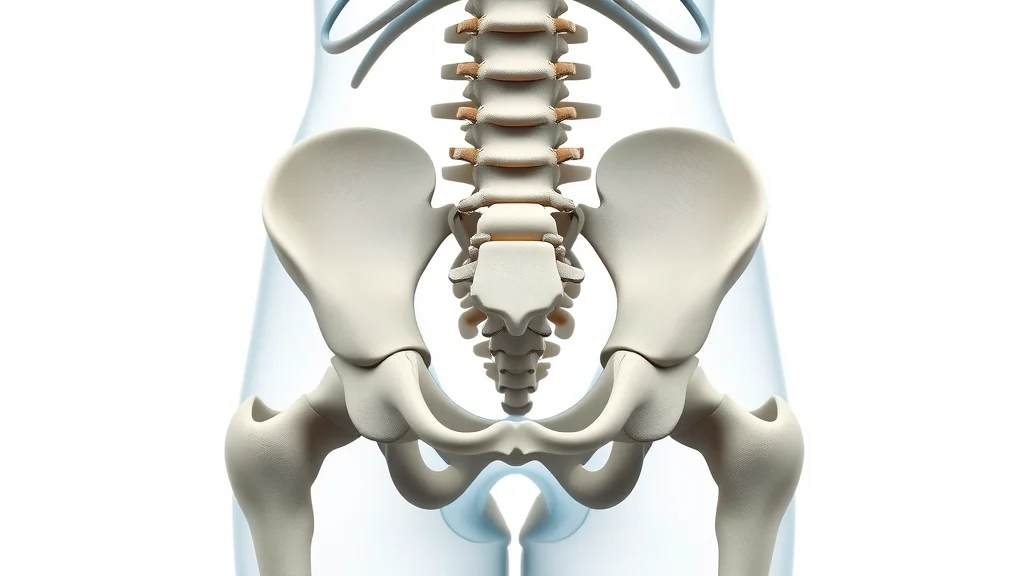
Ever wondered why lower back and hip pain so often strike together, causing discomfort that seems to move seamlessly from one area to the other? You’re not imagining it—these pains truly are connected, and understanding this powerful link could be key to finding lasting relief. This article uncovers why these pains coincide, what it means for your health, and why seeking a holistic, natural approach in the Gig Harbor area can be life-changing for your well-being. Curiosity Unveiled: Why Do Lower Back and Hip Pain Often Occur Together? For many, lower back and hip pain develop at the same time, making daily activities difficult and reducing overall quality of life. This isn’t a coincidence—the lower back, pelvis, and hips are intricately linked both anatomically and functionally. The joints, muscles, and connective tissues that form your core are designed to work together, supporting movement, stability, and posture. When one part is strained or injured, the impact can travel quickly to neighboring regions, often compounding discomfort and complicating recovery. The connection between lower back and hip pain is frequently overlooked in conventional care, where symptoms are sometimes treated in isolation. In reality, pain occurs most efficiently when both regions are addressed holistically. Holistic and natural approaches focus on restoring balance throughout the hips and spine, addressing root causes rather than simply masking symptoms. If you live near Gig Harbor and are seeking answers or lasting relief, exploring these interconnections could be your first step toward a fuller, more active life. Exploring the Connection Between Lower Back and Hip Pain Understanding why lower back and hip pain frequently coexist requires a dive into our body’s interconnected architecture. The lumbar spine, pelvis, and hip joint are not just neighbors; they’re part of a collective system stabilized and mobilized by shared muscles such as the glutes, hip flexors, and the core. The sacroiliac joint, which bridges the lower spine and pelvis, plays an especially pivotal role—when inflamed or misaligned, it can trigger pain that radiates into both the lower back and hips. Nerves stemming from the lumbar spine branch out to supply both regions, so pinching or irritation here may cause symptoms in the hip as well as the low back. When lower back pain arises, compensatory shifts in movement often place extra strain on the hip joint, and vice versa. For example, if hip mobility becomes limited—due to arthritis, injury, or prolonged sitting—the lumbar spine may attempt to perform movements outside its usual range. Over time, this compensation leads to tightness, joint pain, or even nerve impingement in the lower back and hips. This cycle highlights why comprehensive, integrative care is so vital: Only by recognizing these relationships can practitioners provide effective, lasting treatment options for back and hip pain. For those looking to complement holistic care with gentle movement, incorporating practices like yin yoga can be especially beneficial for easing hip discomfort and supporting lower back health. Discover how targeted yin yoga routines can help transform sore hips and promote healing movement in Gig Harbor by exploring the benefits of yin yoga for sore hips. How Lower Back Pain Impacts Hip Mobility Lower back pain often sets off a chain reaction that restricts hip movement and overall mobility. When you experience pain in the lower back, it’s natural for your body to limit activity in surrounding areas as a form of protection. Unfortunately, this healthy instinct can quickly reduce flexibility and joint health. The hips, crucial for bearing weight and maintaining balance, may lose range of motion or develop compensatory tightness, further exacerbating discomfort. For instance, lumbar spine dysfunction or herniated discs may cause muscles near the hip joint to spasm or tighten. Over time, these changes can lead to an altered walking pattern, stiffness with sitting or standing, and even difficulty rising from a chair. The result is often a vicious cycle, as immobility in the hips places even more load on the lower back and pelvis. Early, holistic intervention targeting both the lower back and hips can break this cycle, restoring comfort and freedom of movement in daily life. What You’ll Learn About Lower Back and Hip Pain Understand causes of lower back and hip pain Recognize signs and symptoms Learn holistic treatment options Discover when to seek a natural health practitioner Explore preventive strategies Understanding Lower Back and Hip Pain: Anatomy and Common Causes A solid understanding of the anatomy behind lower back and hip pain can empower you to make informed decisions about your health. The lumbar spine forms the lower back and is made up of vertebrae, discs, ligaments, and muscles; the hips are built around the hip joint and pelvis, connected by muscles that also support the lower back. Vulnerabilities or disruptions anywhere in this intricate system can trigger discomfort that radiates, migrates, or lingers. The most common reasons for pain in this region include muscle strain, sacroiliac joint dysfunction, herniated discs, and arthritis—issues that often overlap. Recognizing how these structures interact, and differentiating between hip pain and low back pain, is essential for successful long-term treatment, especially when using natural and holistic solutions. Key Structures of the Lower Back and Hip The lumbar spine, pelvis, sacroiliac joint, and hip joint serve as anchors for the body’s movement and support. The lumbar spine houses the spinal canal and nerves, while the sacroiliac joint connects the sacrum at the base of the spine to the hip bones, mitigating movement between the lower back and pelvis. The hip joint, a sturdy ball-and-socket, carries much of the body’s weight in motion. Muscles such as the gluteus medius, piriformis, and iliopsoas act as critical bridges—quite literally—connecting the hips and spine, and maintaining proper function and flexibility. When any of these structures become strained, inflamed, or misaligned, pain can radiate from one area to another, reinforcing the idea that lower back pain and hip pain are rarely isolated incidents. Addressing these key anatomical elements together is fundamental to achieving sustainable relief. Common Causes of Lower Back and Hip Pain Several factors can trigger pain in the lower back and hip region, with muscle strain from heavy lifting, poor posture, and prolonged sitting among the most frequent. Degenerative processes such as arthritis or age-related joint change, herniated discs, spinal stenosis, and sacroiliac joint dysfunction also rank high as root causes. Each of these conditions can initiate compensatory mechanisms elsewhere in the body, often resulting in combined lower back and hip pain. Sports injuries, falls, or sudden increases in activity level may also spark discomfort stretching from the back to the hip joint. In some cases, repetitive stress can inflame or destabilize the sacroiliac joint or overstress the supporting musculature, producing radiating pain that toggles between the lower back and hips. Recognizing these underlying causes is crucial for determining the right treatment options and for knowing when it's time to seek out an expert holistic health practitioner in Gig Harbor or nearby areas. How Back and Hip Pain Interact in the Body Lower back and hip pain are closely tied due to the body’s need to compensate when one area loses function or becomes injured. When muscles supporting the spine are weakened or fatigued, the pelvis may tilt or rotate, shifting pressure onto the hip joint. Conversely, hip dysfunction—from impingement, arthritis, or muscle tightness—can spark overuse in the lumbar spine or sacroiliac joint, resulting in a ripple effect of discomfort. This interconnectedness means that treating only one symptom or area is unlikely to yield long-term relief. Instead, integrative strategies that support healthy movement, strengthen core musculature, and restore joint stability are essential. By reflecting on how back and hip pain interact, holistic practitioners can develop tailored care plans that address the true source of pain, empowering you to return to an active, pain-free lifestyle. Symptoms and Diagnostic Clues of Lower Back and Hip Pain Recognizing the subtle differences—and striking similarities—between lower back and hip pain can make all the difference in achieving relief. Symptoms may include persistent soreness, aching, sharp pain with movement, stiffness after inactivity, or pain radiating from the lumbar region to the hip joint or vice versa. Symptoms often intensify after prolonged sitting, standing, or even gentle movement if underlying inflammation or misalignment is unaddressed. The involvement of the sacroiliac joint can be a telltale clue, as pain may radiate across the buttocks or down the leg, often mimicking sciatic pain. Differentiation between joint pain, muscle strain, and nerve irritation is best done in partnership with a holistic care team or practitioner, ensuring a clear diagnosis and targeted, natural care strategies. Recognizing Joint Pain, Radiating Pain, and Sacroiliac Joint Involvement Joint pain in the lower back and hips may present as deep aching, tenderness on movement, or pain that seems to ‘travel’ along the pelvis or thigh. Sacroiliac joint pain, in particular, is recognized by discomfort in the buttocks, lower back, or even the groin area, often exacerbated by standing up from a seated position or twisting the torso. Radiating pain—a hallmark of nerve irritation—can complicate diagnostic efforts since symptoms may appear in areas distant from the injury. If pain seems to switch sides, migrate, or remains unaffected by changes in position, this usually points to joint or nerve involvement. Awareness of these distinctions not only aids in prompt identification but also ensures the most suitable holistic treatment pathway is chosen for your unique symptoms. Differentiating Between Low Back Pain and Hip Pain Determining whether your pain originates from the lower back or hip joint can be challenging, as both regions share nerves, muscles, and supportive connective tissue. Lower back pain often accompanies stiffness, tingling, or shooting sensations along the leg (sciatica), while hip pain typically manifests as discomfort in the groin, outer hip, or buttocks, occasionally radiating to the thigh. Observing when and how the pain occurs is key: Activities like ascending stairs, standing from a seated position, or rotating your torso can provide clues about which structure is primarily affected. However, because the hips and lower back are so closely connected by muscles and nerves, collaborating with a holistic health professional can provide the detailed assessment needed to develop a precise, effective care plan. Natural and Holistic Approaches for Lower Back and Hip Pain Holistic care offers a gentle, whole-body solution to lower back and hip pain, focusing on correcting imbalances, strengthening core musculature, and restoring natural mobility. Unlike traditional approaches, which may rely heavily on prescription medications or minimally invasive procedures, natural therapies consider how lifestyle, nutrition, movement, and emotional well-being collectively impact pain and recovery. For those near Gig Harbor, a holistic practitioner may craft a personalized care plan addressing everything from posture and diet to manual therapy and mindfulness. Treatment options can range from nutritional and lifestyle adjustments to targeted manual therapies and guided exercise programs. The aim is not only to alleviate acute symptoms but to prevent future flare-ups by nurturing resilient, adaptable structures in both the back and hip. This approach supports lifelong mobility and improves your overall quality of life. Nutritional and Lifestyle Support for Back and Hip Health Your diet and daily routines play powerful roles in your musculoskeletal health. Nutrient-rich foods, rich in anti-inflammatory properties and essential minerals like magnesium and calcium, can strengthen bones and aid the repair of worn tissue. Staying well-hydrated, practicing stress management, and prioritizing restful sleep boost your body’s natural ability to recover and minimize the risk of chronic joint pain in the lower back and hips. Holistic practitioners often recommend incremental lifestyle changes rather than drastic overhauls, helping you integrate healthy habits that last. Maintaining an active lifestyle—with gentle, regular movement—and avoiding prolonged sitting are crucial in preventing stiffness, supporting circulation, and ensuring joint change is gradual, not abrupt. Small steps in nutrition, sleep, and daily activity can deliver substantial and sustainable benefits for back and hip pain prevention and recovery. Manual Therapies: Chiropractic, Massage, and Physical Therapy Natural and holistic manual therapies are increasingly recognized as effective and gentle pathways to relieve back and hip pain. Chiropractic adjustments realign the spine, reducing pressure on nerves and restoring natural joint motion. Massage therapy eases muscle tension and improves blood flow, directly targeting areas of tightness that aggravate pain in the lower back and hips. Meanwhile, physical therapy uses carefully planned exercises and stretches to strengthen the core, increase flexibility, and retrain the body’s movement patterns. A skilled care team will design a therapy plan tailored to your specific needs, utilizing non-invasive techniques to engage the body’s healing capacities. These hands-on methods are not just about reducing symptoms in the short term—they’re focused on building long-term resilience, mobility, and comfort, empowering you to move freely again. Movement Practices: Gentle Exercise, Stretching, and Mindfulness Maintaining the health of your lower back and hips requires consistent, mindful movement. Gentle exercises, such as yoga, Pilates, or tai chi, enhance joint stability and mobility without adding undue strain. Stretching routines that specifically target the hips, piriformis, glutes, and lower back help counteract tightness from daily life or sedentary habits, while breath-centered practices bring balance to the nervous system—an essential aspect of long-term pain management. Incorporating mindfulness, whether through guided meditation or awareness during movement, helps reduce the impact of stress on the body. By engaging in regular, restorative movement, you not only decrease discomfort but also prevent recurrence, creating a foundation for whole-body health. With professional guidance, these practices can become transformative tools on your journey to a pain-free life. "Holistic approaches empower you to not only relieve pain but also restore balance in your body and life." Watch an educational walkthrough with a certified holistic practitioner as they demonstrate integrative care for lower back and hip pain. This video covers a patient case example, hands-on therapies, and essential lifestyle advice for natural healing in the Gig Harbor area. [Insert educational video walkthrough here] Evidence-Based Benefits of Holistic Treatment for Lower Back and Hip Pain The shift toward natural, holistic care is supported by a growing body of evidence demonstrating improvements in pain relief, mobility, and overall well-being. Patients frequently report superior results, fewer side effects, and improved quality of life compared to conventional pharmaceutical approaches. By focusing on root causes and comprehensive healing, holistic practitioners address underlying dysfunctions in the hips and spine, reducing the likelihood of recurrent pain. Expert insights show that strategies such as guided physical therapy, chiropractic care, nutrition optimization, and stress management can minimize joint pain while restoring healthy movement. Such individualized approaches are especially valuable for those in the Gig Harbor region seeking alternatives to medication or surgery, and wanting sustainable, whole-person wellness. Success Stories and Expert Insights Countless individuals have reclaimed their lives through holistic approaches to lower back and hip pain. From those sidelined by years of chronic discomfort to athletes seeking peak performance, natural care strategies have helped many return to work, hobbies, and sports without the cycle of pain meds and missed activities. Testimonials from patients and practitioners alike highlight improvements in daily function, sleep, mood, and energy. These outcomes are possible when care is tailored to your precise needs and guided by professionals who see the body as an integrated whole. As more people near Gig Harbor choose holistic therapy, the message is clear: Relief is real, lasting, and achievable without invasive interventions or dependency on pharmaceuticals. Table: Comparison of Conventional vs. Holistic Approaches for Back and Hip Pain See how conventional medical treatments differ from holistic approaches when it comes to addressing lower back and hip pain. Understanding these differences can help you make the best choice for your health and long-term mobility. Approach Key Techniques Focus Common Outcomes Conventional Medications, steroid injections, minimally invasive surgery Managing symptoms, short-term pain relief Temporary comfort, possible side effects, recurring pain for some Holistic Nutrition, manual therapies, lifestyle counseling, exercise programs, stress reduction Addressing root causes, whole-body healing Long-term relief, improved function, enhanced well-being, reduced recurrence Prevention and Self-Care Strategies for Lower Back and Hip Pain Daily mobility routines Ergonomic modifications Stress reduction and sleep hygiene Nutrition for joint health Preventing lower back and hip pain begins with small, daily choices. Commit to gentle movement routines and exercises that increase flexibility and core strength. Create an ergonomic home or work environment by aligning your chair, desk, and computer screen to promote healthy posture and decrease strain. Prioritize stress-relieving practices and consistent sleep to aid muscle repair and overall resilience. Finally, nourish your body with foods and supplements that support joint health, such as omega-3s, leafy greens, and sufficient hydration. These preventive strategies help ensure that pain is not a recurring visitor in your life. People Also Ask: Answers to Lower Back and Hip Pain Questions How do you relieve lower back and hip pain? To relieve lower back and hip pain, begin with gentle stretching, regular movement, and supportive exercises that enhance flexibility in both regions. Incorporate practices like heat application, self-massage, or mindful movement (such as yoga or tai chi) to ease stiffness. For ongoing or severe cases, working with a holistic practitioner can help address underlying imbalances and provide tailored guidance for natural recovery and long-term joint health. Natural Relief Methods for Lower Back and Hip Pain Natural relief focuses on lifestyle changes, such as anti-inflammatory nutrition, improved sleep hygiene, and daily movement. Therapies like chiropractic care, massage, acupuncture, and gentle physical therapy have shown promise in managing pain without medications. Always listen to your body, progress gradually, and seek advice from a holistic health professional to develop a program that supports sustained relief for both back and hip pain. What are red flags for back and hip pain? Red flags include sudden, severe pain; loss of bladder or bowel control; numbness or weakness in the legs; fever or unexplained weight loss; and pain following trauma. These symptoms may indicate a more serious condition requiring immediate medical attention. If you notice any of these signs, consult with a healthcare provider or orthopedic surgeon without delay rather than solely relying on holistic care. Recognizing When Lower Back and Hip Pain Needs Immediate Attention If pain is accompanied by neurological symptoms, progressive weakness, loss of sensation in the groin or legs, or if daily function rapidly declines, seek urgent evaluation. Severe, unrelenting joint pain with other systemic symptoms warrants immediate care, as early intervention can prevent long-term complications and ensure the best possible outcome for your lower back and hips. When to worry about hip and back pain? Persistent pain lasting several weeks, pain that worsens with rest, or pain interfering with sleep and daily activities should not be ignored. If conservative measures fail, or if the discomfort is associated with numbness, weakness, or systemic symptoms, consult a holistic practitioner or care team for thorough evaluation and treatment options. Understanding When Lower Back and Hip Pain Requires a Holistic Practitioner If conventional treatments are not providing lasting relief, or if you’re seeking a drug-free, whole-body solution, consider consulting a holistic health practitioner. They can perform a detailed assessment to identify root causes, design integrative care plans, and help you restore balance through natural therapies customized to your body's needs. How to decompress lower back and hips? Decompression can be achieved through gentle stretches such as child’s pose, hip bridges, or supported spinal twists. Inversion (using a yoga swing or gently hanging), foam rolling, and physical therapy guidance can also help relieve tension in these areas. Always perform decompression exercises slowly and within a comfortable range of motion, and seek input from a holistic or physical therapist if discomfort persists. Decompression Techniques for Lower Back and Hip Pain Techniques like supported bridge pose, gentle lumbar rotations, and active decompression on an exercise ball can alleviate pressure on the spine and hip joint. Manual therapies provided by holistic practitioners, such as traction or specific chiropractic adjustments, may further enhance decompression and provide relief from chronic pain, especially for those seeking natural solutions near Gig Harbor. Experience a guided, gentle yoga flow designed to stretch and strengthen the hips and lower back. This beginner-friendly routine may help soothe pain, increase flexibility, and support overall back and hip wellness. [Insert gentle yoga routine video here] FAQs on Lower Back and Hip Pain Can holistic approaches help chronic lower back and hip pain? Yes, many people find that sustained, natural therapies—including chiropractic, nutrition, and lifestyle counseling—provide lasting relief from chronic lower back and hip pain. These approaches address root causes and help prevent flare-ups. How often should you see a natural health practitioner? The frequency depends on your symptoms and goals, but many benefit from regular re-evaluations (every few weeks or months) to monitor progress and adjust care plans as mobility and function improve. What lifestyle changes best support lower back and hip health? Prioritize consistent movement, ergonomic workspaces, anti-inflammatory diets, stress reduction, and quality sleep. Holistic practitioners can offer specific recommendations based on your health profile and daily routine. Key Takeaways: Your Path to Relief from Lower Back and Hip Pain Lower back and hip pain are often interconnected due to shared anatomy Holistic, natural therapies can provide lasting relief Early intervention can prevent chronic pain Consulting a qualified holistic practitioner in the Gig Harbor area is a step toward a pain-free life Ready to Experience Lasting Relief? Book Your Assessment with a Holistic Practitioner Near Gig Harbor Today Don’t let lower back and hip pain dictate your life. Take action—schedule an assessment with a trusted holistic practitioner in the Gig Harbor area and start your journey toward natural, lasting comfort and wellness. Conclusion: Taking Charge of Lower Back and Hip Pain Through Holistic Health By understanding the connection between lower back and hip pain and embracing holistic care, you can reclaim your mobility, reduce discomfort, and live each day to the fullest. If you’re inspired to deepen your journey toward pain-free living, consider exploring additional holistic movement practices that nurture both body and mind. Embracing modalities like yin yoga not only supports hip flexibility but also enhances overall well-being and resilience. For those in Gig Harbor, discovering new approaches to healing movement can open doors to greater comfort and vitality. Take the next step and learn how mindful movement can be a cornerstone of your holistic health strategy by visiting this guide to yin yoga for sore hips—your path to lasting relief and renewed energy may be closer than you think.

08.31.2026

Lower Back Pain After Standing: What Causes It?

Ever stepped away from the kitchen counter or stood at your desk only to be met by a nagging ache in your lower back? You’re not alone. Lower back pain after standing is a common symptom that disrupts daily routines and impacts quality of life. Whether you’re supporting your family, thriving in your career, or simply enjoying the lush beauty of the Pacific Northwest, understanding why back pain when standing arises—and knowing your options for relief—can be the first step to living pain-free. This article explores root causes, effective holistic strategies, and expert guidance, especially crafted for those in and around Gig Harbor, Washington, who are considering a shift toward natural wellness. Your Guide to Lower Back Pain After Standing What You'll Learn in This Lower Back Pain After Standing Guide: Root causes of lower back pain after standing Symptoms and types of pain explained Effective natural and holistic relief methods When to seek help from a holistic care provider Essential prevention strategies for a pain-free lifestyle Expert insights for making informed health choices Common Scenarios: Why Lower Back Pain After Standing Affects So Many Picture the start of a typical morning—sipping your coffee as you stand at the kitchen counter, only to feel a familiar ache begin to creep into your lower back. This isn’t just an isolated annoyance; it’s a reality that impacts countless people. Lower back pain after standing can occur during seemingly harmless activities: prepping meals, gardening, or chatting with friends at community gatherings. Back pain when standing isn’t reserved for those doing manual labor—it affects office workers, parents, and active adults alike, often as a result of unseen factors like posture, muscle fatigue, or workplace ergonomics. The high prevalence is why so many seek answers and sustainable solutions. The friction point lies in how everyday standing—something most of us do without thought—can quickly become uncomfortable or even debilitating. You may experience back pain after standing for shorter or longer periods of time, and the pain can range from mild tension to sharp discomfort. If you or someone you know faces persistent lower back pain after standing, exploring the root causes is essential. Addressing these issues holistically can help break the cycle, restoring your freedom to move, participate, and thrive. Back Pain When Standing: A Day in the Life Imagine you’re at your standing desk aiming to support your back health but find yourself shifting your weight, gently massaging your lower back, or occasionally sitting back down to ease discomfort. For some, this pattern is a daily ritual, leading to frustration and concern. Back muscles are meant to support the spine during all activities—including standing—but accumulated fatigue, back muscle strain, or underlying postural habits can aggravate the situation. These moments can become more than passing discomfort; they may signal a need for holistic change, especially if you experience back pain when standing as a common symptom of your day-to-day life. Even those who enjoy an active lifestyle in the Gig Harbor area can find their lower back muscles taxed after gardening, walking, or community events. The good news? Recognizing these patterns offers an opportunity to intervene early with natural, holistic strategies—from simple stretches to consulting a care provider focused on your long-term wellness. For individuals seeking gentle, restorative movement to complement their back care routine, exploring practices like yin yoga can be especially beneficial. In fact, incorporating yin yoga for sore hips may help release tension in the lower body and support overall spinal health, making it a valuable addition to holistic pain management strategies. How Lower Back Pain Presents Itself Lower back pain after standing can feel different for everyone. For some, it’s a steady, dull ache that builds up gradually. For others, sharp twinges may occur after only a few minutes of standing or walking. The type of pain you experience—and how it transitions as you move, sit, or lie down—can provide vital clues to its origin. It’s common for discomfort to be focused around the lower back, but sometimes pain radiates into the hips or legs, or it may be accompanied by stiffness and muscle tightness. In many cases, this pain is directly linked to how back muscles respond to continuous strain. Chronic low back pain can emerge if these symptoms are ignored, underscoring the need for early and sustained attention. Pay attention to when and where you experience back pain; tracking these details can help a holistic healthcare provider pinpoint the most effective relief and prevention strategies for your unique needs. "Many people are surprised to discover that their daily habits—like prolonged standing—play a major role in their lower back pain." What Is Lower Back Pain After Standing? Lower back pain after standing refers to discomfort, stiffness, or soreness localized in the lower back region that emerges or intensifies during or after periods of standing. Unlike back pain experienced during other postures, this particular issue has unique triggers—many rooted in the physiological demands placed on back muscles, ligaments, and spinal structures during upright positioning. Some individuals may find relief when they transition to sitting, while others feel ongoing discomfort that lingers regardless of movement. Understanding the type of pain and its frequency, duration, and severity is vital in distinguishing it from more serious conditions or other causes of back discomfort. Lower back pain after standing commonly stems from a mixture of muscle fatigue, postural imbalances, and lifestyle factors. However, it may sometimes be a symptom of underlying conditions such as spinal stenosis or chronic back issues. Early recognition is key to choosing the right treatment options—ideally those tailored to the body, lifestyle, and holistic health values of the individual. Types of Pain When Standing or Walking Pain after standing, or pain when standing or walking, can reveal itself in several ways. Some experience mild tension or tightness that eventually subsides with movement or rest. Others endure persistent aching, burning sensations, or sharp pains that worsen the longer they remain on their feet. These sensations might be isolated to the lumbar (lower back) area, or radiate toward the hips, thighs, or even down the legs—a hint that nerves may be involved. Recognizing your specific type of pain helps guide both self-care and professional evaluation, making it easier to achieve lasting relief. Muscle strain is a prevalent cause, often resulting from prolonged periods of time spent standing without adequate support or movement. The body’s back muscles and ligaments can become fatigued, inflamed, or even slightly injured, especially when compensating for poor posture or weak core muscles. Chronic low back pain, on the other hand, tends to develop over weeks or months and may require the intervention of a holistic or traditional healthcare provider to establish an effective treatment plan. Regardless of the source, standing or walking remains a significant trigger for lower back pain in many adults. Identifying Pain When Standing Versus Walking or Sitting One key to managing lower back pain is understanding how and when symptoms arise. For some, discomfort only occurs while standing in place—think cooking, doing dishes, or chatting at gatherings. Others might notice back pain intensifies during walking, while some feel it more acutely after sitting for a long period. These patterns offer hints about underlying causes—such as muscle fatigue, spinal alignment problems, or degenerative conditions like spinal stenosis. Distinguishing pain when standing from pain when sitting or walking provides a roadmap to better relief. For example, if your pain eases while moving but worsens when stationary, it could point toward muscle fatigue or posture issues. Conversely, pain that persists regardless of position or grows more severe may signal the need for a professional evaluation. If you’re in the Gig Harbor area and find that your pain patterns impact daily life or enjoyment of the outdoors, consulting with a holistic healthcare provider can help identify and address root causes for sustainable healing. Understanding the Causes of Lower Back Pain After Standing Pinpointing the root cause of lower back pain after standing is the foundation for sustainable relief. While every individual’s experience is unique, the most frequent factors include muscular strain, postural habits, underlying anatomical differences, and daily lifestyle patterns. Back muscles, particularly those in the lumbar region, play a critical role in keeping you upright. When these muscles are overworked, weak, or imbalanced, discomfort quickly follows. Meanwhile, factors such as workplace ergonomics, footwear, and even the surface you stand on can amplify stress on the muscles and ligaments of the lower back. If left unaddressed, chronic strain and muscle fatigue may lead to longer-term issues—such as chronic low back pain or spinal misalignment—that diminish quality of life. By taking a closer look at how your back muscles, posture, and lifestyle choices interact, you can start moving toward natural, lasting solutions. Below, we explore these key contributors in detail and provide expert insights drawn from holistic health best practices to empower your journey back to comfort and vitality. How Back Muscles and Back Muscle Strain Contribute to Back Pain Your back muscles act as stabilizers for the entire spine, particularly during upright postures. Standing for long periods of time requires constant, subtle engagement of various muscle groups—including those that support your core, hips, and lower back. When muscles become overused or fatigued, microscopic tears, inflammation, and tightness can develop, leading to pain after standing or walking. This cycle of back muscle strain often goes unnoticed until discomfort escalates to a level that interferes with daily activities. The risk increases if you have weak or imbalanced core muscles, improper lifting or bending technique, or a sedentary lifestyle punctuated by sudden periods of standing or activity. Chronic back muscle tightness can develop, making minor irritations feel much more severe. Luckily, interventions like mindful stretching, physical therapy, and regular low-impact exercise can steadily restore resilience to these muscles, helping to prevent back pain from recurring. The Role of Posture in Lower Back Pain After Standing Posture is a powerful yet often overlooked determinant of spinal health. Standing with slouched shoulders, an arched lower back, or uneven weight distribution places undue stress on your lower back. Over time, this pressure on the spine and supporting structures causes muscle fatigue and pain. Correct posture, supported by core strengthening and ergonomic workspace adjustments, can make a profound difference. Individuals who stand for work or during daily routines—think retail, teaching, or caregiving—are especially susceptible if their posture slips during longer periods of time. Even healthy adults can quickly experience back pain when standing if they do not routinely check and adjust their stance. Regular posture assessments and support from a care provider with expertise in holistic spinal health can transform your experience, turning hours of discomfort into pain-free productivity and greater mobility. Common Anatomical Factors Behind Lower Back Pain Beyond muscle strain and postural habits, anatomical factors also contribute notably to lower back pain after standing. These might include spinal misalignment from scoliosis, disc degeneration, spinal stenosis (narrowing of the spinal canal), or inherited differences in bone or muscle structure. These issues may increase sensitivity to pressure on the spine and surrounding muscles, resulting in pain even after brief periods of standing. For example, spinal stenosis often causes pain that intensifies while standing or walking, sometimes radiating into the legs or buttocks. Chronic back issues may begin subtly and become more disruptive over time. If pain persists or is accompanied by other symptoms such as numbness, tingling, or weakness, it becomes especially important to consult a healthcare provider or holistic practitioner experienced in recognizing and addressing both functional and anatomical contributors to lower back discomfort. Impact of Lifestyle and Work Habits on Lower Back Health Modern routines can make it surprisingly challenging to maintain a healthy back. Sedentary desk jobs, frequent driving, long hours on your feet without breaks, and even recreational activities such as hiking or gardening can all add up. Consistently wearing unsupportive footwear, neglecting regular stretching, or ignoring early signs of discomfort increases your risk for chronic low back pain. Environmental elements like concrete floors or non-ergonomic workstations further contribute. However, positive lifestyle shifts have significant power. Regular physical activity, optimal hydration, supportive footwear, and scheduled posture checks are foundational habits. Integrating holistic health practices, such as yoga or mindfulness exercises, adds another level of prevention and self-care. By working with a dedicated holistic healthcare provider, especially one local to Gig Harbor, you gain the benefit of tailored recommendations based on your individual routines and risk factors. Comparison of Common Causes of Lower Back Pain After Standing Cause Description Common Symptom Triggers Holistic Treatment Options Muscle Strain Overuse or injury to lower back muscles from standing, lifting, or repetitive use. Pain after standing for periods of time, soreness, tension. Stretching, rest, heat/cold therapy, gentle physical activity. Poor Posture Slouched, arched, or uneven body positions while standing. Discomfort worsening throughout the day; pain when standing or walking. Posture correction, ergonomic adjustments, strengthening core muscles. Spinal Issues (e.g., spinal stenosis) Anatomical narrowing or misalignment affecting nerves/spine. Nerve pain, numbness, pain radiating to legs or hips, worsens with standing. Mobility exercises, holistic therapies, medical assessment if severe. Lifestyle/Work Habits Prolonged standing, lack of movement breaks, or unsupportive footwear. Generalized lower back soreness, especially after shifts or long days. Movement routines, supportive shoes, anti-fatigue mats, daily stretches. Natural and Holistic Approaches to Relief for Lower Back Pain After Standing For many, the most satisfying recovery from lower back pain after standing comes from gentle, holistic methods. Natural therapies reduce reliance on medication and focus on restoring balance throughout the body. By embracing proven home remedies, mind-body techniques, and the expertise of holistic practitioners, you can alleviate discomfort, build back support, and protect against future flare-ups. A holistic approach goes beyond symptom relief; it considers your movement patterns, environment, and overall wellbeing. Working with a care provider experienced in alternative or integrative health ensures that your treatment plan is safe, sustainable, and personalized—essential for those seeking true, long-term healing in the Gig Harbor community. Safe Home Remedies for Lower Back Pain Gentle home care is often the first step towards relief. Simple remedies such as applying a warm compress or cold pack can soothe muscle tension and reduce inflammation. Gentle stretching of back muscles—using slow, mindful movements or guided yoga poses—improves flexibility and circulation. Focused breathing exercises can relax both the body and mind, reducing stress-related muscle tightness. Incorporating regular low-impact activity, such as walking or swimming, further helps prevent back pain from escalating. Ergonomic tools like supportive pillows, standing mats, and comfortable footwear can additionally minimize strain during daily routines. If initial measures fail to ease discomfort, connecting with a holistic care provider is recommended to explore additional treatment options such as massage, acupuncture, or customized exercise regimens. The Benefits of Holistic Health Practices Holistic health approaches address both the symptoms and root causes of lower back pain after standing. Practices like yoga, Pilates, mindfulness, and functional movement therapy support the body’s natural alignment, enhance core strength, and retrain posture. These modalities improve not only physical wellbeing but also mental resilience—with many patients in the Gig Harbor area reporting better mobility, mood, and energy alongside pain relief. A holistic care provider will look beyond isolated back muscle issues, considering digestion, stress, sleep, and even diet as contributors to chronic discomfort. By tailoring guidance to your life, values, and wellness goals, they empower you to reclaim an active, pain-free lifestyle. Many experience back pain less frequently and enjoy improved overall health when holistic care is integrated into their wellness journey. When to Consult a Holistic Care Provider or Healthcare Provider If you find that back pain after standing persists, worsens, or is accompanied by other symptoms—such as tingling, numbness, or weakness—it’s time to consult an expert. Holistic practitioners excel at crafting individualized treatment plans, often combining natural therapies and lifestyle guidance with conventional evaluation where needed. In certain cases, collaboration with a traditional healthcare provider may be advised, especially when pain could indicate an underlying condition requiring further investigation. Early intervention is crucial. By seeking help from a knowledgeable holistic care provider near Gig Harbor, you not only address current symptoms, but also set the stage for lasting relief, enhanced mobility, and renewed confidence in your body’s ability to heal. "Holistic practitioners can offer tailored solutions that address both symptoms and causes of lower back pain after standing." Prevent Lower Back Pain After Standing: Lifestyle & Daily Habits Preventing back pain when standing is all about proactive habits that support your back muscles, posture, and holistic wellness. Integrating new routines doesn’t require drastic changes—often, it’s the simple, consistent actions that have the biggest impact. Whether you’re at home, work, or out enjoying Gig Harbor’s vibrant community, these strategies help you maintain flexibility, alignment, and back support throughout the day. Incorporate regular stretching for the back muscles Practice good posture throughout your day Alternate between standing and sitting when possible Use supportive footwear and anti-fatigue mats Schedule holistic wellness check-ins Small changes can yield powerful results. Setting reminders to stretch or move every hour, adjusting your workstation ergonomics, and checking posture in mirrors (or with friendly family feedback!) all help prevent chronic back pain. Collaborating with a holistic care provider furthers your progress—by receiving tailored advice and hands-on support, you make every day a step toward lifelong spinal health. Tips to Prevent Back Pain When Standing for Long Periods Start your day with gentle stretching, focusing on warming up the lower back and hips. Use supportive footwear—ensure your shoes are cushioned and have a stable base—and consider anti-fatigue mats if you stand for extended periods. Maintain conscious awareness of your posture and core engagement, especially during tasks like cooking, working, or socializing while standing. Alternate regularly between sitting, standing, and moving to keep back muscles from becoming stagnant. Finally, prioritize regular check-ins with a holistic health practitioner. They can help identify your risk factors, offer correction on movement habits, and create a plan that fits your schedule and goals. These approaches help prevent back pain before it can start—helping you remain active, comfortable, and empowered to enjoy everything the Gig Harbor region has to offer. Demonstration: Simple Stretches to Relieve and Prevent Lower Back Pain After Standing Consider adding a daily stretching routine based on expert demonstrations. Focus on gentle lower back and hamstring stretches, pelvic tilts, and gentle twisting movements. For visual learners, look for video guides from trusted holistic practitioners in your area to ensure safe form and maximum benefit. When to Seek Professional Help: Recognizing Serious Back Pain When Standing Most cases of lower back pain after standing can be managed at home or with the support of a holistic practitioner. However, certain symptoms warrant immediate attention from a healthcare provider. Recognizing these warning signs ensures your safety and maximizes your ability to return to pain-free living as quickly as possible. Developing a relationship with a qualified care provider rooted in holistic health is key—especially for those with chronic back pain, unexplained changes in symptoms, or concerns about overall spinal wellness. In the Gig Harbor area, many practitioners are skilled at blending natural therapies with conventional care, providing a full spectrum of relief and prevention. Warning Signs You Should Not Ignore If your back pain after standing is accompanied by numbness, tingling, loss of strength in your legs, or changes to your bladder or bowel habits, prompt evaluation is necessary. Consult a healthcare provider if pain is severe, unrelenting, does not improve with rest, or results from an accident. In such cases, more advanced imaging or interventions may be needed to rule out serious underlying issues. Persistent pain despite home remedies or holistic care also signals the need for a professional review. A timely assessment ensures that underlying causes—such as spinal stenosis or nerve compression—are addressed before complications develop. Remember, holistic practitioners can serve as partners in your care, helping direct you to emergency services if necessary and supporting your recovery every step of the way. Choosing the Right Holistic Healthcare Provider for Lower Back Pain Selecting a care provider with experience in natural healing, posture correction, and whole-person care ensures that your back pain management is based on best practices and your unique needs. Look for practitioners specializing in holistic health, integrative medicine, or functional movement therapy. Check for active listening, clear communication, and a willingness to coordinate with other members of your healthcare team. Providers who offer thorough assessments, listen to your history, and create a personalized treatment plan—including lifestyle and prevention advice—are best positioned to support your journey. Many holistic experts in Gig Harbor offer consultations designed to identify underlying patterns behind your back pain when standing, creating a comfortable, caring environment for your healing process. People Also Ask About Lower Back Pain After Standing What can be mistaken for lower back pain? Lower back pain can often be confused with hip, pelvic, or even digestive system discomfort. It's important to assess symptoms carefully or consult a holistic healthcare provider for accurate identification. How to release back tension? Gentle stretches, yoga, focused breathing, and holistic therapies like massage or acupuncture can all help release back muscle tension naturally. When is back pain serious? Back pain should be considered serious if it is severe, does not improve with rest or self-care, or is accompanied by symptoms such as numbness, weakness, or loss of bladder/bowel control. Why does my lower back hurt when I sit but not standing? Pain when sitting but not standing may suggest postural issues, muscle imbalance, or spinal alignment problems. A holistic practitioner can help identify and address the root cause. Frequently Asked Questions About Lower Back Pain After Standing Can natural remedies ease lower back pain after standing? Yes, gentle stretching, rest, mindful movement, and holistic therapies may all reduce discomfort and support healing. Are there specific exercises to prevent lower back pain? Core strengthening, targeted lower back stretches, gentle yoga, and dynamic posture exercises are particularly effective for prevention. Is standing worse than sitting for back pain? Both can trigger pain if posture is poor or back muscles are weak. Alternating between both, while focusing on correct posture and regular movement, is best. How can a holistic care provider help with back pain? They assess your unique patterns, provide personalized care plans, and may use modalities like massage, movement therapy, and wellness coaching. What daily changes can make a difference? Prioritize posture checks, movement breaks, ergonomic workspace setup, hydration, and regular holistic check-ins for a proactive approach. Key Takeaways: Living Pain-Free with Holistic Solutions Lower back pain after standing is common but manageable. Identifying underlying causes is crucial for effective relief. Holistic and natural approaches offer gentle, sustainable solutions. Partnering with a qualified holistic health practitioner can transform your wellness journey. Ready for Relief? Find the Right Natural Holistic Practitioner for Lower Back Pain After Standing Schedule a Consultation With a Trusted Holistic Expert in the Gig Harbor Area If you’re ready to move beyond short-term fixes and embrace comprehensive wellness, it’s time to connect with a holistic practitioner who understands your goals. Book a consultation with a trusted expert in the Gig Harbor area—taking the first step toward lasting, pain-free living. If you’re interested in expanding your holistic wellness toolkit, consider exploring how mindful movement practices can address not only lower back discomfort but also related issues like hip tightness and overall mobility. Techniques such as yin yoga offer a gentle yet powerful way to nurture your body, release deep-seated tension, and support long-term healing. By integrating these approaches, you can create a more resilient foundation for your daily activities and enhance your quality of life. For a deeper dive into restorative movement and its benefits for both hips and back, discover how healing movement can transform your experience in Gig Harbor by visiting this guide to yin yoga for sore hips. Conclusion: Empowering You to Overcome Lower Back Pain After Standing Holistic solutions put your health and comfort first. Take proactive steps today to manage back pain, enhance mobility, and enjoy each day with confidence—guided by natural care and expert support.

08.29.2026

Lower Back Pain After Driving: Why Does It Flare Up?

Imagine this: You’re stepping out of your car at the end of a long drive, and a sharp ache radiates across your lower back. Whether it’s the daily commute or an epic road trip, many of us have experienced lower back pain after driving. But what if you could not only understand why this happens—but finally discover natural, holistic strategies that help you drive pain-free for life? Understanding Lower Back Pain After Driving Lower back pain after driving is a common issue for drivers of all ages. Often, symptoms include stiffness, a dull ache, or even sharp discomfort that appears after spending extended periods behind the wheel. Sometimes, this pain is accompanied by tight muscles, radiating aches into the hips or even the neck and shoulder area. Distinguishing between simple back discomfort—which may resolve with a gentle stretch—and recurrent lower back pain is important. While occasional soreness often results from mild posture mishaps, chronic or frequent pain can signal deeper issues such as ongoing muscle tension, nerve impingement, or misalignment in the lower back. Common symptoms of lower back pain after driving Distinguishing lower back pain from back discomfort Why back pain is more prevalent during road trips and long drives What makes driving so risky for our lower back? Extended periods of sitting, reduced movement, and poor posture place extra stress on the lumbar region. The fixed position, constant grip on the steering wheel, and even the design of your car seat can all exacerbate lower back pain. Long road trips magnify these effects, especially when breaks are infrequent. If you are preparing for a long drive or recovering from one, understanding these triggers is the first step to reduce back pain naturally. What You'll Learn About Lower Back Pain After Driving Identifying the causes of lower back pain after driving Expert techniques for reducing back discomfort Holistic strategies for long-term pain relief How to choose a natural holistic practitioner in Gig Harbor Why Does Lower Back Pain Flare Up After Driving? Many drivers ask why lower back pain seems inevitable after a long drive. The answer is rooted in how traditional car seats fail to support the natural curve of your lower back. Most car seats, even those with some lumbar support, encourage a rounded posture, putting pressure on spinal discs and compressing soft tissue. During road trips, you’re also less likely to move or shift weight, causing tight muscles and muscle fatigue, particularly in the lumbar area. Even the consistent vibration from roads—felt subtly through the car seat and steering wheel—can increase tension, amplifying discomfort. For those with a history of back pain or body weight imbalances, prolonged sitting during a road trip can further exacerbate chronic back pain or lead to issues like sciatica. The combination of poor posture, an improperly positioned seat, and lack of movement is a cocktail for back discomfort. The more time you spend driving without mindful adjustments, the more likely these issues will persist and even worsen over time. Back Pain Triggers During Long Drives Several factors contribute to lower back pain after driving long periods. Poor posture, such as slouching while driving or sitting with shoulders rounded forward, places unbalanced strain on the lower back and spine. Insufficient lumbar support in car seats, or neglecting to use a lumbar pillow or rolled towel, means your back isn’t supported in its natural curve. Additionally, tightly gripping the steering wheel creates muscle tension throughout the arms and up into the lower back, reducing back comfort. Traveling over bumpy or uneven roads further adds to muscle fatigue—these vibrations travel through the car seat, increasing your risk of discomfort. Poor posture and seat positioning Lack of lumbar support and spinal alignment Muscle fatigue and tension from steering wheel grip Effect of vibrations and uneven roads on back discomfort Long drives demand focus, but repetitive strain from improper positioning and lack of movement plays a significant role in chronic back pain. The design of your seat and the way you interact with the steering wheel matter. Even the smallest misalignments can trigger or prolong lower back pain, making natural relief strategies and mindful car ergonomics essential. It's also worth noting that lower back pain after driving often radiates into the hips, making hip flexibility and mobility an important factor in overall comfort. For those seeking targeted relief, exploring gentle practices like Yin Yoga for sore hips can complement your back care routine and help address tension that builds up during long drives. How Natural and Holistic Approaches Address Lower Back Pain After Driving When it comes to lasting pain relief, natural and holistic approaches focus on the root causes—not just symptoms—of lower back pain after driving. Unlike over-the-counter medications, holistic strategies integrate the mind-body connection and emphasize gentle, sustainable pain management. Taking breaks for mindful movement, using breathwork, and practicing gentle stretches can drastically reduce back pain and support your health during and after a road trip. These approaches may also include professional therapies such as chiropractic adjustments, myofascial release, or yoga, ensuring your lower back regains its natural curve and spinal alignment. Practitioners in Gig Harbor offer personalized plans that teach you to listen to your body, tune in to early signs of tension, and choose natural pain relief every time you hit the road. Over time, these holistic techniques not only reduce back discomfort but build overall resilience, reducing the likelihood of flare-ups after long drives. Holistic Strategies to Reduce Back Pain A successful holistic approach blends simple techniques you can practice on your own with expert guidance from natural health practitioners. Mind-body awareness is foundational: slow, intentional movement during rest stops—such as gentle twists, hip openers, or brisk walking—can reverse the effects of prolonged sitting. Natural pain management includes warm compresses, herbal oils, and tension-relieving self-massage, as well as daily practices like stretching or yoga to keep muscles flexible and strong. Mind-body awareness and gentle movement during breaks Natural pain management techniques Role of stretching, yoga, and breathwork Benefits of chiropractic and alternative therapies Chiropractic care and holistic therapies help optimize spinal alignment and reduce chronic back pain caused by driving. These sessions, often tailored to your unique needs, address muscle imbalances, teach breathwork for stress relief, and promote lasting healing. Integrating these holistic strategies into your routine—especially before and after a long trip—can drastically reduce back pain and transform your driving experience. Optimal Car Ergonomics: Reduce Back Pain and Discomfort Improving the ergonomics of your car is one of the most impactful steps in preventing lower back pain after driving. Start with seat and steering wheel adjustments to preserve your spine’s natural curve. Having adequate lumbar support—via your car’s built-in feature or a separate lumbar pillow—proactively reduces back discomfort, especially during long drives. Adjust the seat height so your hips are level with or slightly higher than your knees, and keep your back flush against the seatback for best results. Proper alignment between your seat and the steering wheel prevents muscle fatigue and helps maintain good posture, which is essential for back pain relief during and after a road trip. Check your mirrors and controls before every journey to ensure they don’t require twisting or slouching. For longer drives or road trips, you might also consider breaks every hour to stand, stretch, and release tight muscles—this both improves comfort and supports your lower back’s health. Seat and Steering Wheel Adjustments for Lower Back Support Adjusting lumbar support for spinal alignment Use your car’s lumbar adjustment feature or a lumbar pillow to support the natural curve of your lower back. Setting seat height and tilt to protect your lower back Make sure your hips are slightly higher than your knees and your seat is angled to prevent sliding. Best steering wheel position for muscle relaxation Keep the steering wheel within easy reach so your elbows are slightly bent, reducing shoulder and back strain. Tips for Maintaining Good Posture During Long Drives Placing feet flat and knees slightly higher than hips Regular posture checks on road trips "Proper lumbar support and mindful adjustments can prevent much of the back discomfort experienced after long drives. " – Board-Certified Holistic Health Practitioner Stretching and Movement Routines to Prevent Lower Back Pain After Driving Developing a stretching routine is crucial for anyone serious about lower back pain relief after driving. Periodic stretching, before you get in the car and after you finish your drive, helps reset your spine and muscles. Movements such as knee-to-chest stretches, gentle torso twists, and forward folds loosen tight muscles and encourage circulation. Even brief movement during fuel or rest stops on a long trip can reduce muscle fatigue and prevent chronic back pain. Recommended stretches before, during, and after long drives: Knee-to-chest stretch Seated torso twist Standing hamstring stretch Side bends (gentle) Simple in-car exercises to release lower back tension: Pelvic tilts while seated Neck rolls and shoulder shrugs Ankle circles to improve circulation Prioritize stopping at least every hour for a brisk walk or a quick stretch, especially on long drives. These small changes help maintain good posture and alleviate the effects of prolonged sitting. Table: Comparing Natural Remedies for Lower Back Pain After Driving Remedy Description When to Use Gentle stretching Improves flexibility and circulation Before and after driving Lumbar support cushions Supports spine and reduces strain During all trips Breathwork exercises Relieves tension and stress At stops and during traffic Hydrotherapy Eases muscle aches naturally After long drives Expert Insights: How Holistic Practitioners in Gig Harbor Address Lower Back Pain After Driving "Holistic care addresses not just the pain, but its root causes—empowering people in Gig Harbor to live pain-free naturally. " – Local Alternative Health Expert Assessment of lifestyle, posture, and driving habits Customized treatment plans with natural therapies Integration of mind-body approaches for comprehensive healing Choosing the best natural holistic practitioner means more than temporary pain relief—it means a personalized journey toward long-term wellness. In Gig Harbor, practitioners typically start with a thorough assessment of your habits, from your daily driving posture to your stretching and movement routines. Using this information, they create customized plans with a mix of natural therapies, breathwork, gentle adjustments, and targeted stretching—helping you build resilience against future episodes of back pain. People Also Ask How to fix lower back pain after driving? Incorporate mindful movement and stretching before and after trips Use ergonomic supports and adjust car seating for optimal lower back comfort Consult with a holistic health practitioner for personalized pain management strategies Lower back pain after driving can be eased with gentle stretches, regular breaks, and ergonomic improvements in your car seat. Focusing on lumbar support and seat adjustments, along with holistic care, provides both immediate and long-term relief. Is it normal for the back to hurt after driving? Temporary back discomfort after driving is common due to muscle fatigue and poor posture Persistent pain should be evaluated by an alternative health expert A mild ache or discomfort after a long drive is common, especially if you have not moved or stretched. Chronic back pain, however, is not normal and signals the need for expert holistic evaluation and treatment. How to release lower back tension? Try gentle lower back stretches and focused breathwork Take frequent breaks during long drives to move and reset posture Simple exercises such as standing hamstring stretches or pelvic tilts, coupled with deep breathwork, can help release tight lower back muscles during or after driving. Why does one side of my lower back hurt? Asymmetrical driving posture or uneven support can lead to one-sided pain A holistic practitioner can identify and correct underlying imbalances Favoring one hip, leaning into the center console, or sitting with uneven support can cause one-sided lower back pain. Holistic practitioners in Gig Harbor are trained to assess these patterns and restore structural balance naturally. This expert-led demonstration teaches three simple and effective stretches designed to relieve lower back pain after extended periods of driving. Follow along for quick relief and long-term comfort. Learn step-by-step how to adjust car seats and steering wheel positions for optimal lumbar support, supporting your lower back on every road trip or commute. Frequently Asked Questions About Lower Back Pain After Driving What are the best natural remedies for lower back pain after a road trip? How often should I take breaks on long drives? Can lumbar support devices really help prevent back pain? Natural remedies include gentle stretching, warm compresses, breathwork, and using a lumbar pillow or support cushion. For long drives, aim to take a break every 60–90 minutes to walk and stretch. Yes, using lumbar support devices is proven to reduce back discomfort and helps maintain a healthy spinal posture, especially during extended periods of sitting. Key Takeaways for Living Pain-Free and Holistically in Gig Harbor Lower back pain after driving is often preventable with mindful adjustments Holistic approaches provide long-term relief and support overall wellness Consulting a natural health practitioner can accelerate your recovery By following these steps, you can experience reduced back pain and discover lasting, natural relief tailored for your life in Gig Harbor. Ready to Experience Holistic Relief? Schedule Your Natural Back Pain Assessment Near Gig Harbor Today Don’t wait for another drive to trigger lower back pain. Book your holistic assessment today and start your journey toward pain-free, energized living with expert natural care near Gig Harbor. If you’re inspired to take your holistic wellness journey even further, consider exploring how mindful movement practices can support not just your back, but your entire body. Techniques like Yin Yoga are especially effective for releasing tension in the hips—a common area of discomfort for drivers—which in turn can enhance your overall mobility and comfort on the road. Discover how embracing healing movement can complement your back care routine and unlock new levels of well-being by visiting our guide on transforming sore hips with Yin Yoga in Gig Harbor. By integrating these advanced techniques, you’ll be better equipped to prevent pain, improve flexibility, and enjoy every drive with greater ease.

Community Business Network (CBN)

CBN boosts the online visibility of independent business owners, helping them grow a large audience of prospective customers by being recognized as a local influencer for their expertise.

CBN Builds local media channels making business owners the star they are as they become the most credible local authority and go-to source for their niche in their community.

CBN

  • Privacy Policy
  • Terms of Use
  • Advertise
  • Menu 5
  • Menu 6

CONTACT US

Website
https://cbn.media/

Email: Mark@CBN.media

Gig Harbor, Washington

MARK CLAYTON
EDITOR-IN-CHIEF


The statements and information on this website, including the statements and information contained in the videos on this website, have not been evaluated by the Food and Drug Administration. This website is offered as a public service for the reader’s informational and educational purposes only; it is not meant to substitute for medical care, prescribe treatment for any specific health condition, or diagnose, treat, cure, or prevent any disease or illness. This website has NOT verified, and does not warrant, the information listed. These listings do not constitute either an endorsement or recommendation of any practitioner or modality. This website is not liable for any act or omission of the listed practitioners, who are solely responsible for their own practice, and for the accuracy and completeness of their personal and professional information, credentials, and claims.

© 2026 CompanyName All Rights Reserved. Address . Contact Us . Terms of Service . Privacy Policy

Terms of Service

Privacy Policy

Core Modal Title

Sorry, no results found

You Might Find These Articles Interesting

T
Please Check Your Email
We Will Be Following Up Shortly
*
*
*