
Imagine waking up with a subtle ache in your neck, chalking it up to “sleeping funny,” but by afternoon, your arm feels tingly and weak. Would you know if this is a normal sprain or a red flag that needs urgent attention? Recognizing neck pain red flags—and understanding when to get help—can be life-changing. In this comprehensive guide, you’ll learn how to spot the warning signs, explore holistic strategies for relief, and discover when it’s critical to consult a specialist near Gig Harbor, Washington.
Understanding Neck Pain Red Flags: Why Paying Attention Matters
Neck pain can sneak up after a restless night, a long road trip, or an intense workout. But how can you tell when it’s serious enough to seek help? Red flags are warning signs that there may be an underlying condition needing professional attention—especially for patients with neck pain who want to prevent minor discomfort from turning major. Paying close attention to these red flag symptoms is essential because some issues—like infection, nerve compression, or spinal cord involvement—require early intervention. Understanding what constitutes a red flag can empower you to make timely decisions about your health. If you are someone exploring holistic natural health, recognizing these signs means you can take advantage of gentle, natural care before symptoms worsen, ensuring safer and more effective outcomes.
For many in the greater Gig Harbor area, the journey toward a pain-free, active life starts with learning how to listen to your body’s warning signals. By detecting early signs and symptoms of trouble, you’ll be better prepared to take the next step—whether that means trying holistic remedies, lifestyle changes, or seeking expert evaluation from a healthcare professional trained to support your neck health naturally.

Recognizing Red Flags for Neck Pain Early
The sooner you recognize red flags for neck pain, the greater your chances of avoiding complications or chronic discomfort. Early detection is especially crucial if you have any history of cervical spine problems, cancer, or immune system compromise. Sometimes red flag symptoms are subtle initially—such as mild numbness in your fingers, or persistent pain that doesn’t ease with ice, rest, or gentle neck stretches. When this happens, don’t ignore these as minor annoyances. Thoroughly observing changes in strength, sensation, or any accompanying symptoms can make a world of difference in guiding you to natural treatment or urgent care. Getting ahead of the problem leads to better management and may help you avoid stronger interventions later on.
Many patients with neck pain have reported that early warning signs were masked by day-to-day stress or poor posture habits. However, ongoing neck pain that is unrelieved by home remedies—especially if it is combined with more serious symptoms—should always be evaluated. Holistic health experts emphasize regular check-ins with your body, mindfulness, and staying connected with practitioners who respect natural approaches while being knowledgeable about when traditional medical input is vital.
While neck pain often takes center stage, it's important to remember that discomfort in other areas—such as the hips—can also impact your overall mobility and well-being. For those interested in gentle, restorative practices, exploring how Yin Yoga can ease sore hips and support healing movement may offer additional holistic strategies to complement your neck health journey.
Common Signs and Symptoms Behind Neck Pain Red Flags
You may wonder, "How can I distinguish a simple muscle ache from something more serious?" Red flags for neck pain include new or worsening numbness, tingling, or weakness in your arms or legs; pain that wakes you at night; sudden onset of headache with neck pain; or symptoms accompanied by fever or unexplained weight loss. Another crucial point is the pattern—pain that’s constant and severe, not improved by rest or natural treatments, should not be dismissed. For patients with neck pain, noticing associated signs and symptoms like difficulty swallowing or changes in your voice requires prompt evaluation. The same holds true for pain after a recent fall or accident—especially for older adults or those with osteoporosis.
Conditions such as cervical radiculopathy or possible spinal infection can result in subtle but serious signs. Holistic practitioners often look at the whole picture—including emotional health and stress—while making sure no dangerous symptoms are being missed. Use your own expertise as the first observer of your health, but trust expert opinion and seek medical care if you notice any of these warning signs.

Observational Hook: A Real-World Scenario of Missed Neck Pain Red Flags
Let’s get practical. Rachel, a busy mother and yoga enthusiast in the South Sound, began ignoring her persistent neck soreness, assuming it was linked to poor posture at her home office. As weeks passed, she noticed her right hand was becoming clumsy, dropping her coffee mug and struggling with buttoning her shirt. It wasn’t until a friend urged her to see a holistic practitioner that a serious disc herniation with nerve compression was discovered. Catching her neck pain red flags earlier might have saved her months of unnecessary struggle and stress. Real stories like Rachel’s highlight the importance of tuning in to your body, seeking guidance from integrative providers who look for both physical and lifestyle contributors to symptoms, and not delaying care when new or worsening symptoms appear. Holistic practitioners blend expert knowledge of anatomy and lifestyle with the ability to identify when a full diagnostic test or referral to a traditional specialist is absolutely necessary.
Sometimes, the difference between restoring natural function and living with permanent disability is simply acting on the red flag signs and symptoms as soon as they appear. This scenario underscores how important a timely assessment is for patients seeking long-term relief and holistic healing—not just symptom masking.
What You'll Learn from This Guide on Neck Pain Red Flags
- How to identify the key neck pain red flags
- When neck pain requires further evaluation
- Natural holistic approaches to support neck health
- Options for finding a reputable holistic health practitioner near Gig Harbor, WA

What Are Neck Pain Red Flags?
Defining Red Flags in the Context of Neck Pain
Red flags for neck pain are warning signs—either in your symptoms, medical history, or physical findings—that suggest your pain may not be simply muscular or due to routine strain. Instead, they indicate deeper issues like nerve injury, infection, cancer, or instability of the cervical spine. For patients with neck pain, these can be the difference between reassurance and rapid escalation to advanced diagnostics or emergency care. Understanding what counts as a red flag requires knowing your own risk profile. If you have a history of cancer, recent trauma, immune challenges, or unexplained systemic symptoms like fever and weight loss, your neck pain deserves prompt, thorough evaluation. Holistic practitioners are trained to assess both subtle and obvious red flag indicators, so you get integrative recommendations based on your unique needs while ensuring nothing serious is overlooked.
The definition of a red flag isn’t always black-and-white, so combining your knowledge of your body with expert input is essential. Don’t hesitate to discuss any sign or symptom that feels “off” with your healthcare professional—early, empowered conversations can protect your health and peace of mind.
Why Are Red Flags Important for Patients with Neck Pain?
Recognizing red flags is the foundation of safe and effective care. These warning signs help practitioners distinguish between routine neck pain and more dangerous conditions that demand urgent intervention. Especially for patients who value natural healing, ignoring red flags could mean missing the window for preventing complications such as permanent nerve damage or spinal cord injury. The best holistic health practitioners combine their knowledge of lifestyle, anatomy, and functional medicine with the discipline of knowing when to refer to a primary care or specialist provider. Always remember—red flags are not just theoretical; they’re actionable clues that your journey to optimal wellness may require both holistic and conventional care. Attentive listening, thorough physical exams, and judicious use of diagnostic tests are all driven by keeping you safe and empowered.
Paying attention to these red flags allows you to take charge, ensuring that natural remedies are leveraged early, and that medical emergencies get the immediate attention they deserve. If you’re ever unsure, err on the side of caution—timely evaluation saves lives and preserves long-term function.

Primary Signs and Symptoms: Recognizing Red Flags for Neck Pain
List of Major Red Flags in Neck Pain
- Severe, unrelenting pain
- Symptoms of cervical radiculopathy
- Numbness, tingling, or weakness in limbs
- Unexplained weight loss with neck pain
- History of cancer or infection
- Night pain or pain that awakens you
- Fever along with neck pain
- Recent trauma
- Difficulty swallowing or speaking
- Sudden onset of neck pain with headache
Each of the above signals demands attention. Severe unrelenting pain, for example, could be a warning sign of nerve root involvement, infection, or tumor. Cervical radiculopathy is particularly important as a red flag, since it often points to nerve compression or herniated disc demanding timely management. If you experience numbness, tingling, or muscle weakness in the arms or legs, especially combined with neck pain, consult your healthcare professional or holistic practitioner promptly. Unexplained weight loss and night sweats accompanying neck pain may suggest something more systemic, such as infection or malignancy; immediate attention is required. Don’t overlook pain after recent trauma—even a minor fall can trigger major problems in older adults or those with osteoporosis. Finally, symptoms like fever, difficulty swallowing, or a sudden headache with neck pain may represent medical emergencies. If in doubt, seek guidance or an urgent evaluation by a qualified practitioner.

Physical Exam and Its Role in Identifying Red Flags
A thorough physical exam is a key tool for both holistic and conventional practitioners in recognizing red flags for neck pain. During your visit, your provider may palpate the cervical spine, assess sensation and muscle strength in your limbs, observe your gait, and check reflexes—all of which help determine if symptoms are related to nerve, muscle, or spinal cord involvement. The physical exam is especially important for patients with neck pain who notice changes in arm or hand function, or if new symptoms develop suddenly. While holistic practitioners focus on the whole person and often include gentle hands-on therapies or natural remedies, they know when to escalate care based on physical exam findings. If any red flag is present, a referral for imaging or diagnostic test may be needed. This partnership and mutual respect between natural approaches and conventional expertise are foundational to safe, effective wellness.
Combining observational skills with tactile assessment empowers your holistic provider to rule in or out urgent conditions while still recommending gentle, evidence-based natural therapies whenever appropriate. Don’t hesitate to ask questions and ensure your provider addresses every concern.

Table: Key Red Flags for Neck Pain – Signs and Next Steps
| Red Flag | Associated Signs | Recommended Action |
|---|---|---|
| Severe, unrelenting pain | Pain not relieved by rest or natural remedies | Consult a holistic practitioner or physician urgently |
| Neurologic deficits | Numbness, muscle weakness, loss of balance, incontinence | Seek immediate medical attention |
| Fever, Weight Loss | Fever, night sweats, loss of appetite | Rule out infection or malignancy with your provider |
| Recent trauma | Pain after fall or accident | Immediate professional assessment |
Watch: Holistic practitioner discusses red flags in neck pain, demonstrates assessment techniques, and provides practical advice in a clinic setting (video with clear visuals and subtitles).
Exploring Causes: What Triggers Severe Neck Pain Without Injury?
Underlying Conditions and Red Flags for Neck Pain
Not all severe neck pain arises from injury—systemic conditions can be involved as well. Infections like spinal meningitis or abscesses may cause rapid, severe pain with fever. Autoimmune diseases, such as rheumatoid arthritis affecting the cervical spine, can also trigger pain without obvious trauma. Even stress and tension related to daily life can cause muscular neck aches, but these generally do not appear with red flag symptoms.
Recognizing the difference between benign causes and red flag conditions often requires a careful review of your medical history, physical exam, and sometimes a diagnostic test, such as imaging. Patients with neck pain who have known risk factors—such as immune suppression, recent travel, or prior cancer—must be extra vigilant. It’s also important to consider that red flag signs can develop gradually, and reporting new symptoms early maximizes your chances for natural, effective intervention.

Cervical Radiculopathy: A Key Red Flag in Neck Pain Diagnosis
Cervical radiculopathy is a condition where nerve roots in the cervical spine become compressed or irritated, most commonly due to herniated disc or age-related changes. Signs and symptoms include pain radiating to the shoulder, arm, or hand, as well as numbness, tingling, or weakness. Recognizing these red flags is crucial for timely management of cervical radiculopathy—without intervention, long-term nerve damage may occur.
For patients pursuing natural health approaches, holistic practitioners can help with gentle manual therapies, lifestyle recommendations, and stress management, but if symptoms of cervical radiculopathy worsen, urgent conventional care may be required. Combining both approaches ensures you receive comprehensive, individualized care that prioritizes both safety and your desire for holistic healing.
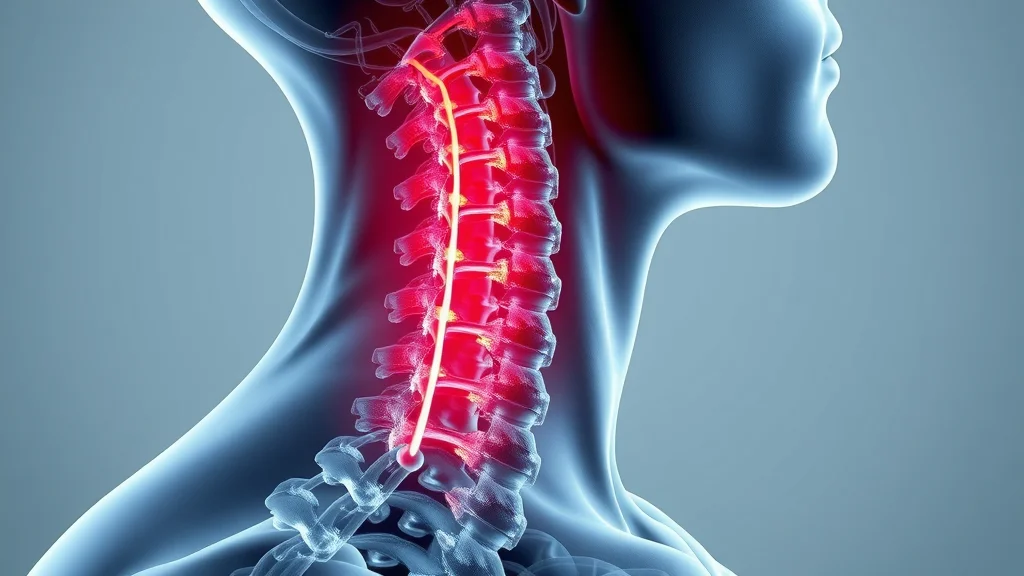
Red Flags for Neck Pain: When to Seek Immediate Help
Connecting Low Back Pain and Neck Pain Red Flags
It's important to realize that red flag symptoms may not be isolated to the neck. If you also experience low back pain with similar severe symptoms—such as loss of bladder control, numbness, or unrelenting pain—it may point to a broader issue affecting your entire spine or nervous system. Both neck and low back issues can signal nerve or spinal cord involvement. When neck pain is accompanied by low back or lower back red flags, it's a sign to consult a healthcare professional or holistic provider as soon as possible. Prompt assessment and expert opinion will determine if you need advanced imaging, a specialist referral, or urgent intervention. Never ignore overlapping symptoms or assume “it will get better” when your body is telling you something is wrong.

Patient Experiences: Quotes on Red Flag Signs and Symptoms
"I thought my neck pain was just from stress, but when I started having trouble gripping things, I knew it was time to seek help."
Stories like these drive home the importance of listening to your body’s unique warning signs and trusting your intuition—especially when simple discomfort crosses the line into new or disturbing territory. Patient experiences show that early evaluation by a compassionate, holistic practitioner can mean a return to healthy living with minimal intervention.
Holistic Approaches: Supporting Neck Health Naturally
Natural Remedies & Lifestyle for Neck Pain Prevention
Natural, holistic approaches are central to both prevention and early management of neck pain. Daily gentle stretches, such as morning yoga for neck and upper back mobility, promote circulation and resilience. Mindfulness practices help you recognize stress-induced muscle tension before it becomes chronic pain. Diet also plays a significant role—an anti-inflammatory food plan rich in leafy greens, healthy fats, and adequate hydration supports healthy muscles and joints. Ergonomic adjustments to your workspace and regular movement breaks prevent stiffness and encourage good posture. If you’re dealing with occasional neck discomfort, applying a warm compress, practicing deep breathing, or using herbal remedies (like arnica or chamomile) can offer relief.
However, natural solutions should never be used to delay evaluation if any red flag symptoms are present. Holistic practitioners in Gig Harbor excel at providing individualized, gentle recommendations—and, when the warning signs demand it, guiding you compassionately to further evaluation for safe, thorough care.

Importance of Early Intervention with Natural Health Practitioners
Acting early when you have neck pain red flags can prevent complications and ensure a smoother recovery. Holistic practitioners are trained to spot the warning signs, integrate natural therapies, and refer you for specialized medical care as needed. Don’t wait for minor aches to become major issues—early intervention is the cornerstone of lasting well-being. If you’re new to integrative care or exploring a more natural approach, seek out providers near Gig Harbor who emphasize patient education, thorough assessment, and partnerships between practitioner and patient. Proactive care leads to better outcomes, fewer interventions, and a healthier, pain-free future. Remember, recommendations are based on both clinical wisdom and the unique needs of each patient.
FAQs on Neck Pain Red Flags
What are the 5 D's for neck pain?
The "5 D's" are a recognized mnemonic used by practitioners to help identify serious red flags for neck pain, especially those related to vertebral artery dissection or spinal cord involvement. These are: Dizziness, Drop attacks (sudden falls), Diplopia (double vision), Dysarthria (slurred speech), and Dysphagia (difficulty swallowing). If you develop any of these symptoms along with neck pain, immediate medical attention is essential, as they could indicate a serious underlying condition.
How to tell if neck pain is serious?
Neck pain is considered serious if it comes with red flag symptoms such as severe, unrelenting pain; numbness or weakness in your arms or legs; unexplained weight loss or fever; difficulty swallowing or speaking; or pain after recent trauma. If you experience any of these signs and symptoms, or if your pain wakes you at night or worsens without improvement, it’s time to see a healthcare professional or holistic practitioner for further evaluation.
What causes severe neck pain without injury?
Severe neck pain without clear injury can be due to underlying issues like cervical radiculopathy (nerve root irritation), spinal infection, autoimmune inflammation such as rheumatoid arthritis, or disc herniation. Sometimes, systemic illness or even referred pain from the heart can manifest as intense neck pain. If your symptoms fit any red flag criteria, such as persistent or worsening pain, seek professional assessment right away.
What to do if neck pain doesn't go away?
If your neck pain persists despite rest, gentle exercise, and self-care, especially if it’s accompanied by other warning sign symptoms, consult a healthcare professional or holistic provider. They can determine if further testing or treatment is necessary. For ongoing issues without red flags, natural strategies such as postural correction, stress management, and gentle bodywork may help, but ongoing or progressively worsening symptoms always require evaluation to rule out more serious causes.
Key Takeaways: When Neck Pain Red Flags Require Expert Guidance
Pay attention to neck pain red flags—early recognition and seeking holistic or medical advice ensures you stay safe, empowered, and moving toward long-term neck health naturally.
Ready to Address Neck Pain Red Flags? Book Your Holistic Health Consultation Near Gig Harbor
Don’t let uncertainty or discomfort keep you from living your best life. If you notice any red flags for neck pain or need expert advice on safe, natural solutions, reach out to a trusted holistic health practitioner near Gig Harbor today. Your wellness journey begins with one empowered step—book an appointment and put your health first.
If you’re inspired to take a more proactive approach to your overall musculoskeletal health, consider expanding your self-care toolkit beyond the neck. Embracing practices like Yin Yoga not only helps with sore hips but also encourages mindful movement and deeper body awareness—key elements in preventing pain and supporting long-term vitality. To discover how gentle, restorative yoga can complement your holistic wellness plan, explore the benefits of healing movement for sore hips in Gig Harbor. By integrating these advanced techniques, you’ll be better equipped to nurture your body, address discomfort early, and enjoy a more active, balanced life.






Write A Comment