Gig Harbor Natural Holistic and Alternative Health

Heal Naturally. Live Fully.
  • Home
  • Categories
  • Top Chiropractor for Back Pain in Gig Harbor
  • Holistic Spas and Day Retreats in Gig Harbor
  • Yoga, Tai Chi, and Movement Classes Near You
  • Mind‑Body Therapy, Hypnosis, and Stress Relief
  • Holistic Stores, Herbs, and Natural Remedies
  • Discover Adventures and Treasures with Mark
  • Featured Gig Harbor Area Businesses
December 23.2025
1 Minute Read

When to See a Back Pain Chiropractor in Gig Harbor

Did you know that over 80% of adults will experience back pain during their lifetime, but only a small percentage seek professional chiropractic treatment? Acting early on back pain isn’t just smart—it’s life-changing for lasting pain relief. In Gig Harbor, seeing a qualified chiropractor could make all the difference between nagging discomfort and genuine wellness. If you're dealing with stubborn aches, uncertain about your current provider, or curious about proven, natural pain relief, this guide is your blueprint for moving forward confidently and comfortably.

Striking Facts: Why Timely Back Pain Treatment from a Chiropractor Matters in Gig Harbor

“More than 80% of adults experience back pain at some point in their lives, yet only a fraction seek professional chiropractic treatment—the earlier, the better for lasting relief.”

The reality for many Gig Harbor residents is that back pain—whether from poor posture, sports injuries, or an active lifestyle—can impact every part of life. Delaying treatment may risk chronic pain, reduced mobility, and diminished quality of life. Choosing a back pain chiropractor in Gig Harbor early can change the entire outlook of your recovery. Expert chiropractic care targets root causes while offering a holistic approach to pain relief. By stepping in before pain becomes unmanageable, you open the door to non-invasive, drug-free solutions that help restore function, support your nervous system, and keep you active doing what you love.

Professional chiropractors in Gig Harbor have deep experience supporting all ages—from athletes to office workers, seniors to teens. They use targeted chiropractic treatment plans designed for each individual, blending advanced diagnostics, hands-on adjustments, and integrative therapies. The big takeaway? Seeking early chiropractic care delivers better, faster results—often preventing minor aches from becoming a lifelong burden.

Back pain chiropractor Gig Harbor clinic, concerned adult man with lower back discomfort in clinic waiting room

What You'll Learn About Choosing a Back Pain Chiropractor in Gig Harbor

  • When to seek a back pain chiropractor in Gig Harbor
  • How chiropractic care helps with pain relief
  • What sets Gig Harbor chiropractic clinics apart
  • Expert tips on selecting the best chiropractic treatment for your needs

Understanding Back Pain: Causes and When to Seek a Back Pain Chiropractor in Gig Harbor

Understanding the source of your back pain is essential for finding lasting pain relief. Gig Harbor’s healthy, active residents often face unique demands on their bodies. Everyday stressors—whether from desk jobs, parenting, or regular workouts—mean that back pain can strike when you least expect it. Recognizing when to consult a back pain chiropractor in Gig Harbor prevents worsening symptoms, supports your overall wellness, and helps you get back to life.

Advances in chiropractic care allow practitioners at top Gig Harbor clinics to pinpoint your pain’s root cause, whether due to recent injury, chronic strain, or issues like herniated discs. Through methods like comprehensive assessments, posture analysis, and muscular evaluations, experienced chiropractors uncover the best pathway to real recovery. If you’re suffering from persistent or worsening discomfort, don’t wait—early intervention from a skilled Gig Harbor chiropractic wellness center enhances results and produces noticeable improvements in how you move, feel, and live day-to-day.

Common Causes of Back Pain in Gig Harbor Residents

  • Poor posture
  • Sports injuries
  • Degenerative disease
  • Physical strain

From weekend warriors to office professionals, no one is immune to back pain in Gig Harbor. Poor posture, in particular, puts continuous stress on the spine, gradually leading to discomfort, stiffness, and sometimes even hip pain or neck pain. Sports injuries—whether from running, tennis, or water sports common around Gig Harbor—can quickly lead to acute or lingering pain. Degenerative diseases like arthritis, as well as physical strain from lifting heavy items or repetitive movement, are also major contributors.

Chiropractors in Gig Harbor specialize in identifying these causes and offer tailored plans to restore spinal alignment, improve function, and provide targeted pain relief. They often work in conjunction with physical therapists or licensed massage therapists to maximize recovery and address all contributing factors.

Sports medicine for back pain relief in Gig Harbor, athletic young woman experiencing back discomfort after sports

Recognizing Signs You Need a Back Pain Chiropractor in Gig Harbor

  • Persistent or severe pain
  • Reduced range of motion
  • Pain interfering with daily activities
  • Acute injuries after accidents

Not all back pain requires urgent care. However, certain signs indicate you should see a back pain chiropractor in Gig Harbor as soon as possible. If you notice persistent or severe pain that lasts longer than a few days, or if everyday movements—like bending, twisting, or walking—are increasingly difficult, it’s time to take action. Difficulty completing daily tasks, such as standing for extended periods or sleeping comfortably, often signals deeper issues.

Acute injuries from car accidents, falls, or athletic activities should never be ignored. Early chiropractic evaluation allows your provider to develop a personalized treatment plan, preventing minor issues from becoming complex, chronic problems. Addressing these symptoms at a reputable Gig Harbor chiropractic wellness center ensures you receive holistic care across chiropractic adjustment, physical therapy, and even integrative sports medicine.

Comprehensive Chiropractic Treatment Options in Gig Harbor

When you visit a back pain chiropractor in Gig Harbor, you’ll discover a range of evidence-based options for lasting pain relief. Leading clinics combine traditional chiropractic care with modern therapies, recognizing that every patient requires a unique approach. Physical therapy and sports medicine are integrated to address soft tissue injuries, improve range of motion, and maximize function in both everyday life and athletic pursuits.

For many patients, the combination of spinal adjustments, posture correction, therapeutic exercises, and soft tissue work is a game changer. These treatments are designed not just to relieve pain but to restore your body’s natural alignment and empower your nervous system’s healing capacity. Experienced chiropractors also use advanced diagnostics, such as digital X-rays and computerized posture scans, to inform their decisions and track your progress over time—offering a truly comprehensive solution unlike anywhere else in Gig Harbor.

Whether you suffer from recent injury or chronic pain, choosing a clinic that offers chiropractic care alongside physical therapy and sports medicine introduces you to a new standard of health and wellness—one where lasting relief and improved quality of life are possible.

Chiropractic Care, Physical Therapy, and Sports Medicine for Pain Relief

Treatment Type Benefits Typical Candidates
Chiropractic Treatment Spinal adjustment, posture correction Chronic/acute back pain
Physical Therapy Rehab, exercises, strength training Injury recovery
Sports Medicine Injury prevention, performance Athletes, active adults

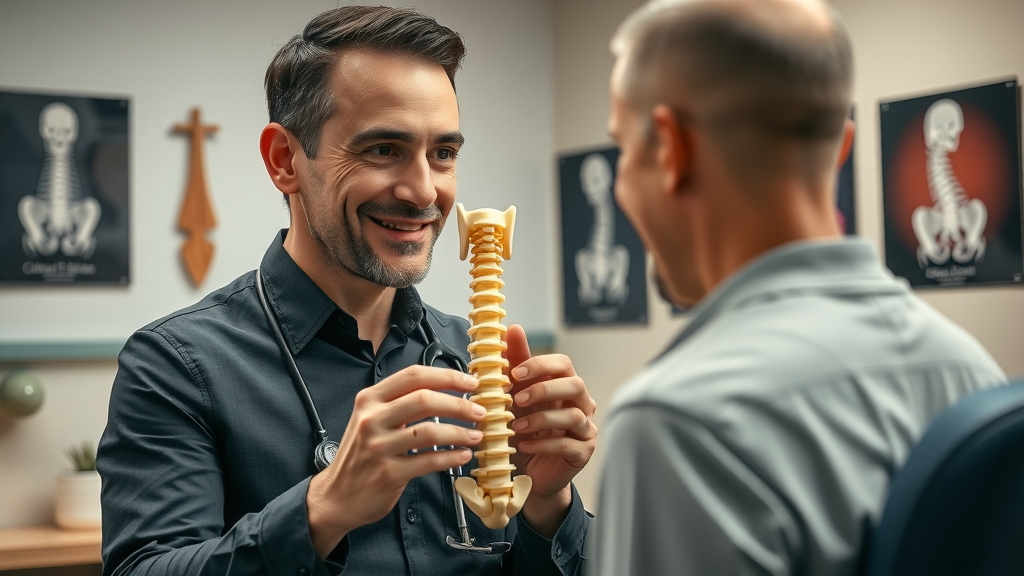
Back pain chiropractor Gig Harbor, professional explaining spinal health to patient in wellness center

What to Expect from a Gig Harbor Chiropractic Wellness Center

  • Personalized wellness plans
  • Modern diagnostic tools
  • Integrative pain relief options

At a leading chiropractic wellness center in Gig Harbor, expect care to start with a thorough evaluation—history, lifestyle, and movement assessments. Providers customize your wellness plan for your specific symptoms, goals, and activity level, whether you need relief from back pain, neck pain, hip pain, or another issue. Modern diagnostic tools and digital health records allow for precise diagnoses and trackable progress, ensuring effective results.

Clinics often include integrative pain relief options like massage therapy, soft tissue mobilization, and patient education alongside traditional adjustments. These holistic solutions go far beyond short-term relief by addressing the “whole person.” Many Gig Harbor chiropractic wellness centers stress the importance of patient partnerships, including you in every step of your recovery. They also offer workshops, health and wellness seminars, and practical advice for posture, movement, and self-care at home.

Top Benefits of Visiting a Back Pain Chiropractor in Gig Harbor

  • Targeted pain relief treatments
  • Non-invasive and drug-free solutions
  • Improved range of motion and posture
  • Enhanced overall wellness and quality of life

The most compelling reason to visit a back pain chiropractor in Gig Harbor is the emphasis on targeted pain relief. Unlike generic medication or passive “wait-and-see” approaches, chiropractic care is proactive: focusing on restoring spinal balance, reducing inflammation, and activating your body’s natural healing response. These non-invasive, drug-free techniques are ideal for anyone who wants to avoid the side effects of medication or unnecessary surgery.

Significant improvements in range of motion and posture are typical outcomes, with many patients reporting better sleep, higher energy, and a noticeable boost in daily function. Over time, regular visits to your chiropractor promote enhanced wellness, helping you participate more fully in the activities and sports Gig Harbor residents love—whether hiking, kayaking, golfing, or simply enjoying time with family.

Gig Harbor chiropractic care for back pain relief, satisfied woman stretching in bright home

How to Choose the Best Back Pain Chiropractor in Gig Harbor

With so many options, finding the right back pain chiropractor in Gig Harbor can feel overwhelming. It’s not just about qualifications; it’s about finding a provider who delivers a blend of advanced clinical skills, personal care, and holistic health philosophy. Look for clinics that offer a comprehensive evaluation process, listen closely to your concerns, and customize each treatment plan to align with your goals and lifestyle.

The top chiropractic clinics in Gig Harbor are known for patient-centered service, transparency, and outstanding local reputations. They combine traditional chiropractic adjustments with new technologies, integrative therapies, and a genuine commitment to wellness. Seeking feedback through online reviews, recommendations from friends, or testimonials from highly satisfied patients (“highly recommen...”) can also help you find a clinic that goes above and beyond. Remember, your provider should feel like a partner in your journey, not just a service provider.

Traits of Leading Gig Harbor Chiropractic Clinics

  • Experienced, licensed professionals
  • Comprehensive evaluation process
  • Patient-centered philosophy
  • Positive reviews and local reputation
“A quality back pain chiropractor in Gig Harbor combines state-of-the-art care with a genuine commitment to patient wellness.”

When evaluating chiropractic clinics in the Gig Harbor region, pay close attention to the credentials, professional training, and experience levels of the practitioners. Do they collaborate with other providers—like massage therapists or physical therapists—for integrated care? Do they spend time educating you on your condition, tracking your improvement, and adjusting your treatment plan as needed?

A strong local reputation, especially reflected in positive reviews, community engagement, and visible outcomes, usually indicates a practice that truly invests in every patient’s long-term health and happiness. Look for clinics that offer educational resources or free guides—it’s a sign that they put your well-being first and help you feel confident in your decision.

People Also Ask About Back Pain Chiropractors in Gig Harbor

Is it worth going to a chiropractor for back pain?

  • Chiropractic care can provide lasting relief for many back pain sufferers, offering personalized, non-invasive treatments that target the root cause.

Absolutely. For millions, routine visits to a back pain chiropractor in Gig Harbor have transformed quality of life. Personalized care—with spinal adjustments, soft tissue therapies, and functional movement plans—means you address the pain at its source rather than masking it with drugs or temporary fixes. Over time, patients frequently report less pain, improved range of motion, and better overall health.

Why do doctors discourage chiropractors?

  • Some doctors may have concerns about certain chiropractic techniques or lack familiarity with advancements in chiropractic wellness. Many medical professionals advocate for collaborative care, where chiropractic treatment complements medical therapies.

While some traditional physicians remain skeptical of certain chiropractic practices, the landscape is changing fast. Many doctors now refer patients for chiropractic care and recognize its value—especially when focused on evidence-based, functional outcomes. Collaborative care models—where chiropractors and medical doctors coordinate—produce the best results, blending pain management, functional improvement, and holistic health strategies for the patient’s benefit.

What is a red flag in chiropractic?

  • Red flags include excessive treatment recommendations, disregard for underlying medical issues, or lack of certification. Always choose a reputable back pain chiropractor in Gig Harbor.

The top concern is encountering providers who are not fully certified, or who push unnecessary, high-frequency treatments without genuine assessment. Reputable Gig Harbor chiropractors conduct thorough exams, avoid “one-size-fits-all” protocols, and communicate openly about realistic outcomes and plans. Always verify credentials and choose a clinic with strong community trust.

How long does it take for a chiropractor to fix lower back pain?

  • Duration varies based on condition complexity, but many patients notice improvement after a few sessions. Your chiropractor in Gig Harbor creates a personalized plan for optimal pain relief.

Many patients experience significant relief after just a handful of chiropractic visits. However, the exact course of action depends on what’s causing your pain, your individual goals, and your overall health. At top Gig Harbor clinics, you’ll receive a customized treatment plan focused on long-term, sustainable results—reducing pain and boosting your range of motion, not just masking symptoms for a few days.

Why Back Pain Chiropractor Gig Harbor Clinics Are Different

  • Commitment to holistic chiropractic wellness
  • Advanced pain relief modalities
  • Integration with physical therapy and sports medicine

What distinguishes Gig Harbor chiropractic clinics from the rest? Their unwavering dedication to holistic care. Beyond just temporary pain relief, the best clinics focus on long-term spinal health and general well-being. They offer advanced pain relief options, such as cutting-edge diagnostics, licensed massage therapy, soft tissue techniques, and rehabilitative exercise—all integrated within your personalized plan.

This collaborative approach—with access to sports medicine experts, physical therapists, and even nutrition and wellness counselors—means you benefit from a multi-disciplinary team that addresses every facet of health. These clinics embrace ongoing education, holistic philosophies, and open communication, setting a standard that ensures lasting, life-changing improvements for their patients in Gig Harbor.
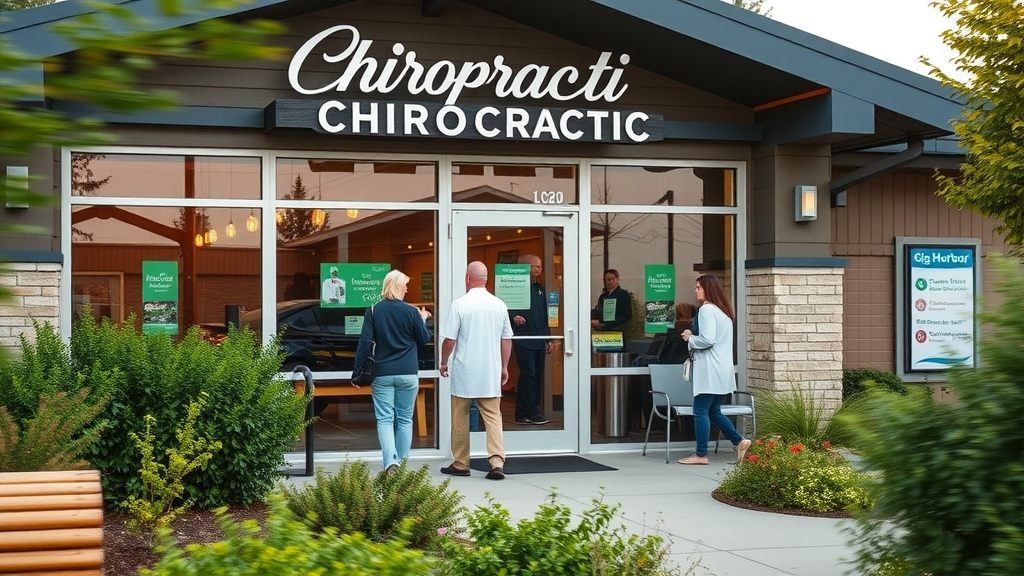
Best chiropractic wellness clinic for back pain Gig Harbor, modern clinic exterior, patients entering and leaving

Making Your First Appointment with a Back Pain Chiropractor in Gig Harbor

  • How to prepare for your visit
  • Questions to ask your chiropractor
  • What to bring: health history, insurance info, questions

Your first chiropractic appointment is an important step toward pain relief and restored function. Prepare by organizing your health history, noting past injuries, surgeries, or chronic pain patterns. Gather insurance information to streamline the intake process.

During the visit, expect a detailed conversation about your pain, activities, and goals. Be ready to ask your chiropractor about their experience with cases similar to yours, their approach to creating a treatment plan, and what integrative therapies might be recommended. Clinics appreciate patients who are proactive, involved, and eager to partner in their own care—qualities that help you achieve better, faster results.

Caption: What to Expect at Your First Back Pain Chiropractic Visit in Gig Harbor.

“The path to living pain-free starts with a single decision—choosing the right back pain chiropractor in Gig Harbor.”

Key Takeaways for Selecting a Back Pain Chiropractor in Gig Harbor

  • Seek care early for optimal pain relief
  • Choose a chiropractor with a holistic, evidence-based approach
  • Download our free guide for insider advice on chiropractic care in Gig Harbor

Remember, finding lasting relief and living a higher quality, pain-free life starts with selecting the right provider and taking action early. Don’t wait—start your journey to improved wellness and movement today.

Frequently Asked Questions About Back Pain Chiropractors in Gig Harbor

  • Do I need a referral to see a back pain chiropractor in Gig Harbor?
    In most cases, you don’t need a referral. You can contact your chosen chiropractor directly to schedule an appointment. Certain insurance plans may benefit from a referral—confirm with your provider.
  • What conditions can a chiropractor treat?
    Chiropractors address a range of conditions, including back pain, neck pain, hip pain, headaches, sciatica, sports injuries, and even chronic pain related to posture or degenerative disease.
  • Can children and seniors benefit from chiropractic care?
    Yes! Providers tailor care for children, teens, adults, and seniors—using age-appropriate techniques to promote healthy growth, prevent falls, or manage longstanding conditions.
  • Are there risks with chiropractic treatment?
    Chiropractic care is extremely safe when performed by licensed professionals. Like any treatment, minor side effects such as mild soreness can occur but are temporary. Always verify your provider’s credentials for full peace of mind.

Conclusion: Take the First Step Towards Pain Relief with the Best Back Pain Chiropractor in Gig Harbor

“Whether you’re new to chiropractic care or thinking about switching, our free guide is your best first step. Download it today.”

Ready to experience the difference a leading chiropractor makes? Download our free guide and take your first step toward a pain-free, active life in Gig Harbor.


Top Chiropractor for Back Pain in Gig Harbor

50 Views

0 Comments

Write A Comment

*
*
Please complete the captcha to submit your comment.
Related Posts All Posts
11.21.2026

Neck Pain Red Flags: When Should You See a Doctor?

Imagine waking up with a subtle ache in your neck, chalking it up to “sleeping funny,” but by afternoon, your arm feels tingly and weak. Would you know if this is a normal sprain or a red flag that needs urgent attention? Recognizing neck pain red flags—and understanding when to get help—can be life-changing. In this comprehensive guide, you’ll learn how to spot the warning signs, explore holistic strategies for relief, and discover when it’s critical to consult a specialist near Gig Harbor, Washington. Understanding Neck Pain Red Flags: Why Paying Attention Matters Neck pain can sneak up after a restless night, a long road trip, or an intense workout. But how can you tell when it’s serious enough to seek help? Red flags are warning signs that there may be an underlying condition needing professional attention—especially for patients with neck pain who want to prevent minor discomfort from turning major. Paying close attention to these red flag symptoms is essential because some issues—like infection, nerve compression, or spinal cord involvement—require early intervention. Understanding what constitutes a red flag can empower you to make timely decisions about your health. If you are someone exploring holistic natural health, recognizing these signs means you can take advantage of gentle, natural care before symptoms worsen, ensuring safer and more effective outcomes. For many in the greater Gig Harbor area, the journey toward a pain-free, active life starts with learning how to listen to your body’s warning signals. By detecting early signs and symptoms of trouble, you’ll be better prepared to take the next step—whether that means trying holistic remedies, lifestyle changes, or seeking expert evaluation from a healthcare professional trained to support your neck health naturally. Recognizing Red Flags for Neck Pain Early The sooner you recognize red flags for neck pain, the greater your chances of avoiding complications or chronic discomfort. Early detection is especially crucial if you have any history of cervical spine problems, cancer, or immune system compromise. Sometimes red flag symptoms are subtle initially—such as mild numbness in your fingers, or persistent pain that doesn’t ease with ice, rest, or gentle neck stretches. When this happens, don’t ignore these as minor annoyances. Thoroughly observing changes in strength, sensation, or any accompanying symptoms can make a world of difference in guiding you to natural treatment or urgent care. Getting ahead of the problem leads to better management and may help you avoid stronger interventions later on. Many patients with neck pain have reported that early warning signs were masked by day-to-day stress or poor posture habits. However, ongoing neck pain that is unrelieved by home remedies—especially if it is combined with more serious symptoms—should always be evaluated. Holistic health experts emphasize regular check-ins with your body, mindfulness, and staying connected with practitioners who respect natural approaches while being knowledgeable about when traditional medical input is vital. While neck pain often takes center stage, it's important to remember that discomfort in other areas—such as the hips—can also impact your overall mobility and well-being. For those interested in gentle, restorative practices, exploring how Yin Yoga can ease sore hips and support healing movement may offer additional holistic strategies to complement your neck health journey. Common Signs and Symptoms Behind Neck Pain Red Flags You may wonder, "How can I distinguish a simple muscle ache from something more serious?" Red flags for neck pain include new or worsening numbness, tingling, or weakness in your arms or legs; pain that wakes you at night; sudden onset of headache with neck pain; or symptoms accompanied by fever or unexplained weight loss. Another crucial point is the pattern—pain that’s constant and severe, not improved by rest or natural treatments, should not be dismissed. For patients with neck pain, noticing associated signs and symptoms like difficulty swallowing or changes in your voice requires prompt evaluation. The same holds true for pain after a recent fall or accident—especially for older adults or those with osteoporosis. Conditions such as cervical radiculopathy or possible spinal infection can result in subtle but serious signs. Holistic practitioners often look at the whole picture—including emotional health and stress—while making sure no dangerous symptoms are being missed. Use your own expertise as the first observer of your health, but trust expert opinion and seek medical care if you notice any of these warning signs. Observational Hook: A Real-World Scenario of Missed Neck Pain Red Flags Let’s get practical. Rachel, a busy mother and yoga enthusiast in the South Sound, began ignoring her persistent neck soreness, assuming it was linked to poor posture at her home office. As weeks passed, she noticed her right hand was becoming clumsy, dropping her coffee mug and struggling with buttoning her shirt. It wasn’t until a friend urged her to see a holistic practitioner that a serious disc herniation with nerve compression was discovered. Catching her neck pain red flags earlier might have saved her months of unnecessary struggle and stress. Real stories like Rachel’s highlight the importance of tuning in to your body, seeking guidance from integrative providers who look for both physical and lifestyle contributors to symptoms, and not delaying care when new or worsening symptoms appear. Holistic practitioners blend expert knowledge of anatomy and lifestyle with the ability to identify when a full diagnostic test or referral to a traditional specialist is absolutely necessary. Sometimes, the difference between restoring natural function and living with permanent disability is simply acting on the red flag signs and symptoms as soon as they appear. This scenario underscores how important a timely assessment is for patients seeking long-term relief and holistic healing—not just symptom masking. What You'll Learn from This Guide on Neck Pain Red Flags How to identify the key neck pain red flags When neck pain requires further evaluation Natural holistic approaches to support neck health Options for finding a reputable holistic health practitioner near Gig Harbor, WA What Are Neck Pain Red Flags? Defining Red Flags in the Context of Neck Pain Red flags for neck pain are warning signs—either in your symptoms, medical history, or physical findings—that suggest your pain may not be simply muscular or due to routine strain. Instead, they indicate deeper issues like nerve injury, infection, cancer, or instability of the cervical spine. For patients with neck pain, these can be the difference between reassurance and rapid escalation to advanced diagnostics or emergency care. Understanding what counts as a red flag requires knowing your own risk profile. If you have a history of cancer, recent trauma, immune challenges, or unexplained systemic symptoms like fever and weight loss, your neck pain deserves prompt, thorough evaluation. Holistic practitioners are trained to assess both subtle and obvious red flag indicators, so you get integrative recommendations based on your unique needs while ensuring nothing serious is overlooked. The definition of a red flag isn’t always black-and-white, so combining your knowledge of your body with expert input is essential. Don’t hesitate to discuss any sign or symptom that feels “off” with your healthcare professional—early, empowered conversations can protect your health and peace of mind. Why Are Red Flags Important for Patients with Neck Pain? Recognizing red flags is the foundation of safe and effective care. These warning signs help practitioners distinguish between routine neck pain and more dangerous conditions that demand urgent intervention. Especially for patients who value natural healing, ignoring red flags could mean missing the window for preventing complications such as permanent nerve damage or spinal cord injury. The best holistic health practitioners combine their knowledge of lifestyle, anatomy, and functional medicine with the discipline of knowing when to refer to a primary care or specialist provider. Always remember—red flags are not just theoretical; they’re actionable clues that your journey to optimal wellness may require both holistic and conventional care. Attentive listening, thorough physical exams, and judicious use of diagnostic tests are all driven by keeping you safe and empowered. Paying attention to these red flags allows you to take charge, ensuring that natural remedies are leveraged early, and that medical emergencies get the immediate attention they deserve. If you’re ever unsure, err on the side of caution—timely evaluation saves lives and preserves long-term function. Primary Signs and Symptoms: Recognizing Red Flags for Neck Pain List of Major Red Flags in Neck Pain Severe, unrelenting pain Symptoms of cervical radiculopathy Numbness, tingling, or weakness in limbs Unexplained weight loss with neck pain History of cancer or infection Night pain or pain that awakens you Fever along with neck pain Recent trauma Difficulty swallowing or speaking Sudden onset of neck pain with headache Each of the above signals demands attention. Severe unrelenting pain, for example, could be a warning sign of nerve root involvement, infection, or tumor. Cervical radiculopathy is particularly important as a red flag, since it often points to nerve compression or herniated disc demanding timely management. If you experience numbness, tingling, or muscle weakness in the arms or legs, especially combined with neck pain, consult your healthcare professional or holistic practitioner promptly. Unexplained weight loss and night sweats accompanying neck pain may suggest something more systemic, such as infection or malignancy; immediate attention is required. Don’t overlook pain after recent trauma—even a minor fall can trigger major problems in older adults or those with osteoporosis. Finally, symptoms like fever, difficulty swallowing, or a sudden headache with neck pain may represent medical emergencies. If in doubt, seek guidance or an urgent evaluation by a qualified practitioner. Physical Exam and Its Role in Identifying Red Flags A thorough physical exam is a key tool for both holistic and conventional practitioners in recognizing red flags for neck pain. During your visit, your provider may palpate the cervical spine, assess sensation and muscle strength in your limbs, observe your gait, and check reflexes—all of which help determine if symptoms are related to nerve, muscle, or spinal cord involvement. The physical exam is especially important for patients with neck pain who notice changes in arm or hand function, or if new symptoms develop suddenly. While holistic practitioners focus on the whole person and often include gentle hands-on therapies or natural remedies, they know when to escalate care based on physical exam findings. If any red flag is present, a referral for imaging or diagnostic test may be needed. This partnership and mutual respect between natural approaches and conventional expertise are foundational to safe, effective wellness. Combining observational skills with tactile assessment empowers your holistic provider to rule in or out urgent conditions while still recommending gentle, evidence-based natural therapies whenever appropriate. Don’t hesitate to ask questions and ensure your provider addresses every concern. Table: Key Red Flags for Neck Pain – Signs and Next Steps Red Flag Associated Signs Recommended Action Severe, unrelenting pain Pain not relieved by rest or natural remedies Consult a holistic practitioner or physician urgently Neurologic deficits Numbness, muscle weakness, loss of balance, incontinence Seek immediate medical attention Fever, Weight Loss Fever, night sweats, loss of appetite Rule out infection or malignancy with your provider Recent trauma Pain after fall or accident Immediate professional assessment Watch: Holistic practitioner discusses red flags in neck pain, demonstrates assessment techniques, and provides practical advice in a clinic setting (video with clear visuals and subtitles). Exploring Causes: What Triggers Severe Neck Pain Without Injury? Underlying Conditions and Red Flags for Neck Pain Not all severe neck pain arises from injury—systemic conditions can be involved as well. Infections like spinal meningitis or abscesses may cause rapid, severe pain with fever. Autoimmune diseases, such as rheumatoid arthritis affecting the cervical spine, can also trigger pain without obvious trauma. Even stress and tension related to daily life can cause muscular neck aches, but these generally do not appear with red flag symptoms. Recognizing the difference between benign causes and red flag conditions often requires a careful review of your medical history, physical exam, and sometimes a diagnostic test, such as imaging. Patients with neck pain who have known risk factors—such as immune suppression, recent travel, or prior cancer—must be extra vigilant. It’s also important to consider that red flag signs can develop gradually, and reporting new symptoms early maximizes your chances for natural, effective intervention. Cervical Radiculopathy: A Key Red Flag in Neck Pain Diagnosis Cervical radiculopathy is a condition where nerve roots in the cervical spine become compressed or irritated, most commonly due to herniated disc or age-related changes. Signs and symptoms include pain radiating to the shoulder, arm, or hand, as well as numbness, tingling, or weakness. Recognizing these red flags is crucial for timely management of cervical radiculopathy—without intervention, long-term nerve damage may occur. For patients pursuing natural health approaches, holistic practitioners can help with gentle manual therapies, lifestyle recommendations, and stress management, but if symptoms of cervical radiculopathy worsen, urgent conventional care may be required. Combining both approaches ensures you receive comprehensive, individualized care that prioritizes both safety and your desire for holistic healing. Red Flags for Neck Pain: When to Seek Immediate Help Connecting Low Back Pain and Neck Pain Red Flags It's important to realize that red flag symptoms may not be isolated to the neck. If you also experience low back pain with similar severe symptoms—such as loss of bladder control, numbness, or unrelenting pain—it may point to a broader issue affecting your entire spine or nervous system. Both neck and low back issues can signal nerve or spinal cord involvement. When neck pain is accompanied by low back or lower back red flags, it's a sign to consult a healthcare professional or holistic provider as soon as possible. Prompt assessment and expert opinion will determine if you need advanced imaging, a specialist referral, or urgent intervention. Never ignore overlapping symptoms or assume “it will get better” when your body is telling you something is wrong. Patient Experiences: Quotes on Red Flag Signs and Symptoms "I thought my neck pain was just from stress, but when I started having trouble gripping things, I knew it was time to seek help." Stories like these drive home the importance of listening to your body’s unique warning signs and trusting your intuition—especially when simple discomfort crosses the line into new or disturbing territory. Patient experiences show that early evaluation by a compassionate, holistic practitioner can mean a return to healthy living with minimal intervention. Holistic Approaches: Supporting Neck Health Naturally Natural Remedies & Lifestyle for Neck Pain Prevention Natural, holistic approaches are central to both prevention and early management of neck pain. Daily gentle stretches, such as morning yoga for neck and upper back mobility, promote circulation and resilience. Mindfulness practices help you recognize stress-induced muscle tension before it becomes chronic pain. Diet also plays a significant role—an anti-inflammatory food plan rich in leafy greens, healthy fats, and adequate hydration supports healthy muscles and joints. Ergonomic adjustments to your workspace and regular movement breaks prevent stiffness and encourage good posture. If you’re dealing with occasional neck discomfort, applying a warm compress, practicing deep breathing, or using herbal remedies (like arnica or chamomile) can offer relief. However, natural solutions should never be used to delay evaluation if any red flag symptoms are present. Holistic practitioners in Gig Harbor excel at providing individualized, gentle recommendations—and, when the warning signs demand it, guiding you compassionately to further evaluation for safe, thorough care. Importance of Early Intervention with Natural Health Practitioners Acting early when you have neck pain red flags can prevent complications and ensure a smoother recovery. Holistic practitioners are trained to spot the warning signs, integrate natural therapies, and refer you for specialized medical care as needed. Don’t wait for minor aches to become major issues—early intervention is the cornerstone of lasting well-being. If you’re new to integrative care or exploring a more natural approach, seek out providers near Gig Harbor who emphasize patient education, thorough assessment, and partnerships between practitioner and patient. Proactive care leads to better outcomes, fewer interventions, and a healthier, pain-free future. Remember, recommendations are based on both clinical wisdom and the unique needs of each patient. FAQs on Neck Pain Red Flags What are the 5 D's for neck pain? The "5 D's" are a recognized mnemonic used by practitioners to help identify serious red flags for neck pain, especially those related to vertebral artery dissection or spinal cord involvement. These are: Dizziness, Drop attacks (sudden falls), Diplopia (double vision), Dysarthria (slurred speech), and Dysphagia (difficulty swallowing). If you develop any of these symptoms along with neck pain, immediate medical attention is essential, as they could indicate a serious underlying condition. How to tell if neck pain is serious? Neck pain is considered serious if it comes with red flag symptoms such as severe, unrelenting pain; numbness or weakness in your arms or legs; unexplained weight loss or fever; difficulty swallowing or speaking; or pain after recent trauma. If you experience any of these signs and symptoms, or if your pain wakes you at night or worsens without improvement, it’s time to see a healthcare professional or holistic practitioner for further evaluation. What causes severe neck pain without injury? Severe neck pain without clear injury can be due to underlying issues like cervical radiculopathy (nerve root irritation), spinal infection, autoimmune inflammation such as rheumatoid arthritis, or disc herniation. Sometimes, systemic illness or even referred pain from the heart can manifest as intense neck pain. If your symptoms fit any red flag criteria, such as persistent or worsening pain, seek professional assessment right away. What to do if neck pain doesn't go away? If your neck pain persists despite rest, gentle exercise, and self-care, especially if it’s accompanied by other warning sign symptoms, consult a healthcare professional or holistic provider. They can determine if further testing or treatment is necessary. For ongoing issues without red flags, natural strategies such as postural correction, stress management, and gentle bodywork may help, but ongoing or progressively worsening symptoms always require evaluation to rule out more serious causes. Key Takeaways: When Neck Pain Red Flags Require Expert Guidance Pay attention to neck pain red flags—early recognition and seeking holistic or medical advice ensures you stay safe, empowered, and moving toward long-term neck health naturally. Ready to Address Neck Pain Red Flags? Book Your Holistic Health Consultation Near Gig Harbor Don’t let uncertainty or discomfort keep you from living your best life. If you notice any red flags for neck pain or need expert advice on safe, natural solutions, reach out to a trusted holistic health practitioner near Gig Harbor today. Your wellness journey begins with one empowered step—book an appointment and put your health first. If you’re inspired to take a more proactive approach to your overall musculoskeletal health, consider expanding your self-care toolkit beyond the neck. Embracing practices like Yin Yoga not only helps with sore hips but also encourages mindful movement and deeper body awareness—key elements in preventing pain and supporting long-term vitality. To discover how gentle, restorative yoga can complement your holistic wellness plan, explore the benefits of healing movement for sore hips in Gig Harbor. By integrating these advanced techniques, you’ll be better equipped to nurture your body, address discomfort early, and enjoy a more active, balanced life.

11.20.2026

Can Neck Pain Cause Dizziness or Balance Problems?

Imagine waking up to a stiff, aching neck—only to discover, as the day unfolds, that the room spins slightly every time you turn your head. This unsettling combination—neck pain and dizziness—is more common than you might think. But why do these symptoms often appear together, and what can you do about it? If you’re near Gig Harbor and looking for natural, holistic answers, read on to discover the expert insights and practical solutions you’ve been searching for. Exploring the Connection: Neck Pain and Dizziness in Holistic Health The intricate relationship between neck pain and dizziness, often viewed through a holistic health perspective, is receiving increased attention from both patients and practitioners. Unlike symptoms that exist in isolation, neck pain and dizziness often intersect due to the complex anatomy of the neck, connections to the nervous and vestibular systems, and responses to lifestyle factors like posture or stress. Understanding this link is crucial for those seeking natural ways to restore balance and well-being. Holistic health approaches emphasize treating the body as an interconnected system. When the neck experiences pain—whether from tight neck muscles, poor alignment, or trauma—it can disrupt blood flow, nerves, and proprioceptive signals that keep us balanced. These disruptions may manifest as cervicogenic dizziness or cervical vertigo. Addressing both symptoms together rather than separately often yields the best results and can significantly improve your quality of life. Opening Scenario: When Neck Pain Meets Dizziness Picture this: After a long day working on your laptop, you notice your neck feels tense, and suddenly, an unexpected wave of dizziness washes over you. This scenario is familiar to many who experience neck pain and dizziness at the same time. Whether triggered by poor posture, injury, or chronic muscle tightness, the resulting discomfort isn’t just a nuisance—it may signal deeper imbalances in your body’s alignment and sensory systems. A holistic perspective recognizes these patterns, guiding you toward solutions that address both the immediate symptoms and their root causes. For those seeking additional natural strategies to relieve musculoskeletal discomfort, incorporating gentle movement practices can be highly beneficial. Exploring approaches like Yin Yoga for sore hips may offer complementary relief, supporting flexibility and relaxation throughout the body. What You'll Learn About Neck Pain and Dizziness The latest expert perspectives on neck pain and dizziness How cervicogenic dizziness and cervical vertigo may affect you Signs, symptoms, and red flags to watch for Holistic approaches for relief, recovery, and prevention When professional help is needed for neck pain and dizziness Defining Key Terms: Cervicogenic Dizziness, Cervical Vertigo, and Neck Pain What is Cervicogenic Dizziness? Cervicogenic dizziness refers to dizziness that originates from problems in the neck, particularly the cervical spine. This often accompanies neck pain, stiffness, or restricted range of motion. The underlying mechanism is thought to involve disrupted proprioceptive and sensory input from neck joints and muscles to the brain—impacting the body’s balance system. Patients with cervicogenic dizziness may describe feeling unsteady, lightheaded, or as though their head is spinning, especially with certain neck movements or changes in head position. Symptoms include not only dizziness but also associated neck discomfort, headaches, and sometimes visual disturbances or altered eye movement. Recognizing this connection enables targeted, holistic interventions—helping patients in Gig Harbor and beyond regain confidence in their daily activities and lessen their dependence on medications or invasive treatments. Understanding Cervical Vertigo in Relation to Neck Pain and Dizziness Cervical vertigo is another term used to describe dizziness arising from dysfunction in the cervical spine. While clinically similar to cervicogenic dizziness, cervical vertigo highlights the role of neck movement, alignment, and joint position errors in disrupting balance. When the neck’s sensory receptors send conflicting signals (a phenomenon known as sensory mismatch) to the brain’s vestibular system, symptoms like dizziness, disorientation, and even nausea may occur. This interplay between neck pain, cervical spine issues, and the brain’s balance centers underscores the importance of integrated treatment. Manual therapy, gentle exercises, and postural retraining—cornerstones of holistic care—can help to average out these “mixed signals” and restore normal sensation. Many patients notice marked improvement in both pain and dizziness when these approaches are applied consistently. How Neck Pain Contributes to Dizziness Neck pain doesn’t merely cause discomfort; it can also directly impair balance and spatial orientation. The upper neck is rich in proprioceptive sensors, which send information to the brain about joint position, movement, and body orientation. When the neck becomes stiff, inflamed, or injured, these sensory messages may be distorted, leading to dizziness or a sensation of movement even while still. This is often referred to as a proprioceptive mismatch. Furthermore, tension in the neck can restrict blood flow to the brainstem and inner ear—critical areas for maintaining equilibrium. Muscular tightness, poor posture, or lingering injuries may contribute to this disruption, raising the risk for dizziness that worsens with quick head movements. By addressing the root causes of neck pain and dizziness, patients can experience long-term relief and restoration of balance. Why Am I Dizzy and My Neck Hurts? (People Also Ask) Answering: Causes of Simultaneous Neck Pain and Dizziness Experiencing both neck pain and dizziness at the same time is often rooted in a disturbance of the neck’s structures that affects the nervous and vestibular systems. Common causes include muscle strain, joint irritation in the cervical spine, poor posture, or even mild injuries such as whiplash. These disruptions can send faulty proprioceptive input to your brain, interfering with your inherent sense of balance. At the same time, tension or inflammation may reduce blood flow to sensitive balance centers, heightening dizziness, especially during certain neck movements. Lifestyle factors, such as chronic stress, long hours at a desk, or inadequate sleep, can intensify the risk and persistence of these symptoms. By recognizing the signs early and seeking a holistic assessment, you can address both the underlying causes and improve your quality of life more rapidly. What Is a Red Flag for Neck Pain? (People Also Ask) Answering: When to Seek Immediate Help for Neck Pain and Dizziness While most cases of neck pain and dizziness are not life-threatening, certain “red flag” symptoms demand immediate attention. Severe, sudden-onset neck pain, persistent dizziness that doesn’t improve with rest, or associated symptoms such as weakness, numbness, difficulty speaking, loss of consciousness, vision changes, or severe headache may point to serious conditions like stroke, vertebral artery dissection, or spinal cord compression. If you notice these symptoms, seek emergency care rather than waiting. For individuals in the Gig Harbor area, it’s essential to be proactive about your health. Seeking timely intervention when red flags appear can prevent complications and ensure prompt, effective solutions. Don’t hesitate to reach out to a qualified healthcare provider if you are unsure or concerned about your symptoms. How Long Does It Take for Cervicogenic Dizziness to Go Away? (People Also Ask) Answering: Recovery Timeline and Natural Healing for Neck Pain and Dizziness The recovery timeline for cervicogenic dizziness varies depending on the underlying cause, individual health status, and the holistic treatment plan employed. Many patients experience episodes that last from minutes to hours, while others may have persistent, recurring symptoms over weeks or months. For most, a focused combination of gentle manual therapy, restorative stretches, postural correction, and stress management accelerates recovery—often noticeable within a few weeks of holistic intervention. However, ongoing collaboration with your holistic healthcare provider is key. Patience and consistency are vital because healing involves retraining your balance system, restoring full range of motion, and lessening muscle tension. If your symptoms don’t improve within a reasonable timeframe, or if they become more severe, further evaluation and adjustment of your treatment plan may be necessary. Why Do I Have Neck Pain That Won't Go Away? (People Also Ask) Answering: Persistent Neck Pain and Ongoing Dizziness Chronic or unrelenting neck pain and dizziness can be distressing and disruptive. Common reasons for persistent symptoms include unresolved neck stiffness, repetitive strain from poor posture or workplace ergonomics, or underlying conditions such as cervical spondylosis. When the root causes aren’t fully addressed, ongoing irritation of nerves, muscles, and joints can maintain a “sensory mismatch,” perpetuating dizziness even after acute pain subsides. In these cases, adopting a personalized, holistic approach is especially beneficial. High-quality, natural treatments—ranging from manual therapy and supervised exercise to stress reduction and ergonomic changes—can break the cycle of pain and dysfunction. Regular check-ins with an experienced holistic practitioner near Gig Harbor help tailor your care for lasting recovery and improved quality of life. Anatomy and Physiology: How the Neck Affects Your Balance The Role of Cervical Nerves and Blood Flow in Neck Pain and Dizziness The neck’s sophisticated network of nerves, blood vessels, and joints makes it a crucial hub for both mobility and balance. The upper cervical spine houses proprioceptive receptors that track the orientation and movement of your head. These signals are blended with information from your eyes and inner ear’s vestibular system to create an accurate sense of balance and spatial awareness. When neck injury, tension, or poor movement patterns distort these signals, dizziness and loss of balance can result. Restricted or irregular blood flow in the neck due to muscle spasms or vascular compression further exacerbates symptoms. Since the brainstem and cerebellum require constant oxygenation to function optimally, any interruption can impair coordination, trigger dizziness, or even cause visual disturbances. Supporting healthy neck function—through holistic care and lifestyle adjustments—can restore nervous system harmony and prevent recurrence of these uncomfortable symptoms. How Poor Posture and Neck Tension Affect Quality of Life Today’s tech-driven lifestyles often demand prolonged sitting or looking at screens, adding chronic stress to the neck’s delicate structures. Slouched posture can weaken or shorten vital neck muscles, compromise joint mobility, and set the stage for both pain and sensory disruption. As tension builds, the risk of cervicogenic dizziness and associated discomfort grows, making daily activities more challenging and reducing overall comfort. But the impacts reach further, affecting your sense of confidence, social interactions, and energy levels. Small postural improvements, regular movement, and targeted relaxation techniques can restore your sense of balance, helping you return to a full, pain-free life. Common Causes of Neck Pain and Dizziness Cervicogenic Dizziness and Cervical Vertigo: Triggers and Aggravators The most frequent triggers of cervicogenic dizziness and cervical vertigo include sudden trauma (like whiplash), chronic muscle tension, and degenerative changes in the cervical spine. These conditions disrupt the way the brain integrates proprioceptive signals with input from the eyes and inner ear, resulting in a sensory mismatch and symptoms like dizziness, lightheadedness, or unsteadiness. Even minor neck injuries can set off these responses, especially if not addressed early with natural, manual therapy. For patients with cervicogenic dizziness, certain neck movements or sustained postures often act as aggravators. Activities that require turning the head repeatedly—such as driving or certain sports—can bring on symptoms. Early, holistic intervention focusing on gentle mobilization, neck strength, and balance training can significantly reduce the frequency or severity of these dizzy spells. Lifestyle Factors: Sleep, Ergonomics, and Stress Daily lifestyle choices significantly impact the development and persistence of neck pain and dizziness. Lack of restorative sleep impairs tissue healing and muscular function, making it harder for your body to recover from minor strains. Poor workplace ergonomics, such as low monitor height or unsupportive seating, encourage unhealthy posture, tightening neck and shoulder muscles over time. Chronic stress further compounds the issue, ramping up muscle tension and altering breathing patterns. Consciously shifting habits—using an ergonomic chair, adjusting desk height, taking regular movement breaks, and practicing stress reduction—offers powerful, natural protection against both neck pain and dizziness. These foundational changes pay dividends over the long term, making them essential for anyone seeking lasting relief and a higher quality of life. Underlying Health Conditions That Impact Neck Pain and Dizziness Several underlying health conditions can increase your risk of experiencing neck pain and dizziness. Degenerative disc disease or cervical spondylosis may compromise nerve and blood vessel function in the neck. Vestibular disorders—problems with the inner ear’s balance system—sometimes overlap with neck-related symptoms, making diagnosis and treatment more complex. Systemic issues like autoimmune disease or migraines may also manifest with both neck and vestibular symptoms. Holistic practitioners take these factors into account, examining the entire individual rather than isolated complaints. This approach ensures that hidden causes aren’t overlooked and that your treatment plan supports not only symptom relief but also overall health and vitality. Holistic, Natural Approaches to Managing Neck Pain and Dizziness Hands-On Therapies: Chiropractic, Massage, and Physical Therapy Gentle, hands-on therapies are a foundation of holistic care for neck pain and dizziness. Chiropractic adjustments target misalignments in the cervical spine, reducing nerve irritation and restoring range of motion. Massage relieves chronic tension, improves blood flow, and downregulates the nervous system, making it especially effective when combined with bodywork such as craniosacral therapy or myofascial release. Physical therapy offers personalized exercises and movement retraining, addressing joint position errors and building resilience. Manual therapy also reinforces healthy joint position sense and corrects proprioceptive deficits in patients with cervicogenic dizziness. A skilled holistic therapist will tailor interventions to your unique body, prioritizing gradual progress and safety. This reduces the risk of exacerbating symptoms while moving steadily toward full pain and dizziness relief. Breathwork, Mindfulness, and Relaxation Techniques Breathing deeply and mindfully has a powerful effect on relaxing the neck and calming the body’s stress response. Mindfulness-based practices, such as meditation or gentle guided imagery, support the nervous system by lowering cortisol levels, improving focus, and reducing muscle tension. Practicing these techniques regularly allows your body to “reset” and optimizes the process of healing from neck pain and dizziness. Incorporating relaxation routines—using methods like progressive muscle relaxation, aromatherapy, or gentle music—can further enhance results when combined with manual therapy. Partners or family members can be involved, creating a supportive, healing environment and reinforcing positive habits over time. Safe Stretches and Exercises for Cervical Vertigo and Neck Pain Targeted stretching and movement exercises are key for restoring flexibility, balance, and healthy nerve signaling. Simple neck stretches, chin tucks, gentle rotations, and scapular movements can alleviate muscle tension and support correct joint positioning. For those struggling with cervical vertigo, vestibular rehabilitation—guided by a physical therapist—helps retrain the brain’s balance systems and corrects sensory mismatches. Consistency is essential—spending just a few minutes daily on carefully chosen exercises can lead to significant reductions in both neck pain and dizziness over time. Working under supervision ensures the exercises are safe and appropriately scaled for your individual condition, minimizing the risk of overexertion or aggravation. When to Consult a Healthcare Provider Near Gig Harbor for Neck Pain and Dizziness Finding the Best Natural Holistic Practitioner for Your Needs Seeking help from a knowledgeable healthcare provider is essential if your neck pain and dizziness persist, worsen, or significantly impact your quality of life. A skilled holistic health practitioner—such as a naturopath, chiropractor, or manual therapist—will conduct a thorough evaluation, identify underlying patterns, and craft a treatment plan that supports recovery on all levels. Residents near Gig Harbor benefit from a community rich in integrative health resources. Look for practitioners who listen carefully, offer evidence-based holistic interventions, and collaborate with you as an active participant in your healing. This approach ensures you receive care tailored to your unique needs and promotes a smoother, more sustainable journey back to balance. Neck Pain and Dizziness: Quality of Life and Long-Term Recovery Maintaining a Pain-Free, Balanced Lifestyle The ultimate goal of holistic care for neck pain and dizziness is to restore not just comfort, but also confidence and joy in everyday living. Long-term success comes from adopting healthy habits, regular movement, and ongoing body awareness. With expert support, most people can resume activities they love—whether that’s hiking, gardening, or simply enjoying time with family—without fear of recurring pain or dizzy spells. Remember: Every small change brings you closer to a healthier, more balanced life. Invest in yourself through holistic care and open the door to richer, pain-free days ahead. Expert Quotes on Neck Pain, Dizziness, and Holistic Healing “Addressing neck pain holistically can reduce dizziness and restore both mobility and confidence in daily life.” Helpful Tables for Neck Pain and Dizziness Table: Comparing Causes and Solutions for Neck Pain and Dizziness Cause Common Triggers Holistic Solution Cervicogenic Dizziness Neck injury, whiplash, poor posture, muscle tension Manual therapy, postural training, stretches Cervical Vertigo Joint position error, sensory mismatch, cervical spine disease Vestibular rehab, chiropractic care, balance exercises Lifestyle Factors Prolonged sitting, bad ergonomics, stress Workstation adjustment, stress management, regular breaks Table: Holistic Treatments vs Conventional Approaches Approach Holistic Treatments Conventional Treatments Manual Therapy Chiropractic, massage, gentle stretching Pain medication, injections Exercise & Movement Tailored stretches, movement re-education General physical therapy routines Whole-body Care Stress reduction, sleep, nutrition, mindfulness Symptom monitoring, lifestyle recommendations Quick Reference Lists: Symptom Checkers and Remedies for Neck Pain and Dizziness Top holistic remedies at home Warning signs to see your healthcare provider nearby Simple postural habits to reduce neck pain and dizziness Frequently Asked Questions About Neck Pain and Dizziness What are the most common natural treatments for neck pain and dizziness? Natural treatments include gentle manual therapies (like chiropractic and massage), individualized exercise and stretching routines, postural correction, breathwork, and stress management. These approaches address both pain and dizziness by restoring balance to the nervous system and correcting underlying biomechanical issues. Always seek advice from a qualified holistic practitioner to ensure the best results for your unique body. How do I know if my dizziness is from my neck or something else? If your dizziness is closely linked to neck movements or is accompanied by neck pain or stiffness, cervicogenic dizziness may be the cause. Other types of dizziness may have different triggers, such as inner ear dysfunction or blood pressure changes. A complete evaluation by a holistic healthcare provider—including assessment of your neck, balance system, and overall health—can clarify the underlying cause and direct you to appropriate care. Can cervical vertigo and cervicogenic dizziness be prevented? Prevention is possible through mindful posture, regular movement, ergonomic working environments, adequate sleep, and proactive stress management. Early attention to minor neck aches and investing in holistic self-care routines may reduce your risk. For those with a history of neck injuries or chronic pain, ongoing maintenance visits with a holistic practitioner and a consistently healthy lifestyle offer the strongest defense. Video Resource: Visualizing Neck Pain and Dizziness Relief Techniques Watch a demonstration of gentle neck mobility exercises and self-massage for dizziness relief, performed by a healthcare professional in a peaceful, well-lit therapy room. Step-by-step guidance and close-up tips ensure safety and maximum benefit. Video Tutorial: Simple At-Home Neck Mobility and Balance Exercises Add these simple neck stretches and gentle balance drills to your daily routine for long-term comfort and confidence—perfect for any fitness or mobility level. Key Takeaways for Anyone Experiencing Neck Pain and Dizziness Neck pain and dizziness are commonly linked, often through cervicogenic dizziness and cervical vertigo Adopting natural, holistic strategies can restore comfort, function, and peace of mind Trusting your journey to a holistic health professional can transform your quality of life Your Path Forward: Book a Holistic Consultation for Neck Pain and Dizziness Relief Ready to feel balanced, comfortable, and truly well again? Connect with a trusted holistic provider near Gig Harbor today and take the first step toward lasting relief from neck pain and dizziness. If you’re inspired to deepen your holistic wellness journey, consider exploring how mindful movement and restorative practices can benefit other areas of your body as well. For example, gentle modalities like Yin Yoga not only help with hip discomfort but also foster overall flexibility and relaxation, which can positively influence your neck and balance health. Discover more about embracing healing movement and how it can support your path to lasting comfort by visiting our guide on transforming sore hips with Yin Yoga in Gig Harbor. Taking a holistic approach to movement and self-care can unlock new levels of vitality and resilience for your entire body.

11.18.2026

Neck Pain and Jaw Pain: Could They Be Connected?

Imagine waking up with an ache in your neck, only to realize that your jaw feels tense as well. For many individuals living near Gig Harbor, these discomforts aren't isolated. Instead, they reveal a deeper, anatomical and functional link—one that natural and holistic health practitioners recognize and address. Exploring the complex relationship between neck pain and jaw pain could be your first step toward genuine relief and a healthier, pain-free life. Exploring the Link Between Neck Pain and Jaw Pain “Many clients in holistic practices find relief when both neck and jaw pain are addressed together, rather than in isolation.” The connection between neck pain and jaw pain is more common than you might think. If you notice discomfort in the neck that seems to coincide with tightness, pain, or clicking in the jaw, you’re not alone. Many people experience concurrent neck and jaw pain, which can reduce your quality of life and make even simple activities exhausting. This pairing often results from shared anatomy—muscles and nerves that channel tension or dysfunction from one area to the other. Understanding this link is crucial: addressing only neck or jaw discomfort separately may not yield lasting results, which is why holistic practitioners take a comprehensive approach to assessment and care. Holistic health experts in the Gig Harbor area often see clients frustrated by symptoms that seem disconnected, but are actually intertwined. By looking at the body as an integrated system rather than siloed parts, these professionals find the root causes of pain, taking into account posture, stress, lifestyle, and habits. They empower you with education and targeted strategies, helping you recognize how your jaw and neck work in tandem—and how restoring balance can lead to relief from both jaw pain and neck pain. How Neck and Jaw Pain Often Occur Together Neck and jaw pain tend to flare up simultaneously because of the proximity and interdependence of surrounding structures. Muscles connecting your jaw and neck—such as the sternocleidomastoid, masseter, and temporalis—may spasm or grow tight due to stress, poor posture, or inflammation. This can lead to cascading effects: tense jaw muscles may limit neck movement, while neck disability can alter how the jaw aligns and functions. Importantly, what begins as minor discomfort can evolve into chronic issues if left unchecked. To better understand how this plays out, consider how jaw clenching from daily stress creates additional strain on the neck. This can manifest as headaches, radiating facial pain, or overall head and neck discomfort. Holistic practitioners use specific assessment tools to spot these patterns, looking for signs not just of isolated jaw dysfunction or neck pain, but their shared impact on your daily life. By addressing both simultaneously, the entire system can be restored to function more harmoniously, offering longer-lasting relief. In addition to holistic approaches for neck and jaw discomfort, incorporating gentle movement practices can further support your recovery. For example, targeted routines like Yin Yoga for sore hips have been shown to ease muscle tension and improve overall mobility, which may indirectly benefit posture and reduce strain on the neck and jaw. Observing Concurrent Neck and Jaw Pain in Natural Health Practices Natural practitioners near Gig Harbor increasingly observe the trend of concurrent neck and jaw complaints. Whether clients are experiencing acute jaw pain, signs of a temporomandibular disorder (TMD), or persistent discomfort in the neck and jaw, holistic health assessments dig deeper than just the painful area. Practitioners evaluate posture, body mechanics, and even breathing patterns to map out how daily life might be straining the head and neck muscles. Through techniques such as gentle palpation, range-of-motion tests, and listening carefully to a full health history, holistic providers develop a clear understanding of how issues in the jaw could be fueling neck pain or vice versa. They might find that clients with jaw dysfunction also report stiffness or soreness when turning their head or that headaches worsen with chewing. This approach isn’t about chasing symptoms—it’s about empowering clients with knowledge and providing whole-person solutions, so relief from neck and jaw pain is truly sustainable. What You'll Learn About Neck Pain and Jaw Pain The anatomical and functional link between neck and jaw pain Common causes and risk factors Natural and holistic assessment and treatment options When to seek further help How to choose a practitioner near Gig Harbor Understanding the Anatomy: Why Neck and Jaw Pain Are Connected The Importance of Jaw and Neck Structures The jaw and neck are structurally and functionally intertwined, forming a complex web of muscles, nerves, ligaments, and bones that must coordinate smoothly. The temporomandibular joints (TMJs), located just in front of the ears, connect the lower jaw (mandible) to the skull. These joints, together with the muscles around the jaw and neck, allow for movements such as chewing, speaking, and turning your head. A problem affecting the jaw often initiates changes in posture, prompting muscles in your head and neck to overcompensate. This pattern can foster pain not only in the jaw muscles but also in the neck and shoulder region. In fact, disturbances in the alignment or function of the jaw can lead to loss of normal curvature in the cervical spine, making the neck disability more likely. Recognizing these anatomical links empowers practitioners and clients to address jaw pain and neck pain comprehensively. Nerves and Muscles Involved in Jaw Dysfunction and Neck Disability The trigeminal nerve is the primary nerve innervating the jaw and passing through crucial head and neck areas. When irritated by jaw dysfunction or neck inflammation, this nerve can transmit pain signals to various regions—leading to headaches, facial pain, or radiating discomfort. Muscles such as the masseter, temporalis, and pterygoids (linked to chewing) often tighten in response to neck tension, perpetuating a cycle of pain and dysfunction. The sternocleidomastoid and trapezius, key neck muscles, not only influence neck motion but also interact dynamically with jaw mechanics. Chronic tightness in these muscles may result in jaw pain as well as neck pain, further exacerbating issues like headaches or restricted mobility. A holistic approach, often employed by practitioners near Gig Harbor, takes all these structures into account to design a treatment plan that helps break this cycle and restore healthy jaw and neck function. Signs and Symptoms of Neck and Jaw Pain Stiffness or soreness in neck or jaw Clicking, popping, or locking of the jaw Difficulty moving the neck Headaches related to neck or jaw tension Pain radiating from jaw into the neck or vice versa Recognizing Symptoms of Temporomandibular Disorders (TMD) Temporomandibular disorders encompass a broad group of problems affecting the TMJ, muscles of the jaw, and sometimes the neck. Common symptoms of TMD extend beyond the jaw itself and frequently include concurrent neck pain, headaches, and even soreness spreading to the shoulders. Clicks, pops, or a sense of “locking” in the jaw are hallmarks of TMD, often accompanied by stiffness or difficulty chewing and speaking. It’s not uncommon for clients in holistic clinics to report that their jaw pain seemed to appear after a period of neck discomfort, or vice versa. This overlap isn’t accidental; TMDs may stem from bruxism (nighttime clenching), misaligned bite, whiplash, prolonged computer work, or emotional stress. Recognizing the range and overlap of these symptoms is critical for both practitioners and clients—early detection allows for holistic interventions before pain becomes chronic, leading to a dramatic improvement in day-to-day comfort and long-term well-being. How to Identify Jaw Dysfunction and Neck Pain Together Identifying jaw dysfunction in combination with neck pain relies on careful observation of overlapping symptoms and risk factors. Patients may experience pain while chewing or yawning, accompanied by a stiff or sore neck after prolonged computer use or poor posture. A significant indicator is if jaw movement aggravates neck discomfort, or if turning the head increases jaw pain—clear signs that these areas are functionally linked. Natural practitioners go beyond isolated symptom-checklists by performing functional assessments. They may have clients perform gentle jaw opening and lateral neck movement to observe pain patterns, ask about any popping or weakness in the jaw, and explore stress triggers. Recognizing how dysfunction and neck disability “communicate” within the body enables individualized treatment plans, ensuring that strategies like posture correction, soft tissue release, and mindfulness training directly support sustainable relief. Common Causes of Neck Pain and Jaw Pain Jaw Dysfunction and Posture-Related Neck Pain One of the leading causes of concurrent neck and jaw pain is a combination of jaw dysfunction and poor posture. When the jaw is out of alignment, the entire head and neck region compensates—which can fatigue both the jaw muscles and the supporting muscles in your upper back. Over time, this compensation causes not just jaw pain, but significant neck pain, headaches, and stiffness. For many, habitual factors such as slouching at a desk or constantly looking down at mobile devices can compound this issue, straining both the jaw and neck. In cases of jaw dysfunction (such as TMD), clenching or grinding teeth at night may unknowingly tighten the neck and shoulder muscles, making morning discomfort a recurring reality. Holistically minded practitioners pay close attention to these patterns, looking at your posture during sleep, work, and daily activities. By addressing both jaw mechanics and neck posture through natural therapy, significant progress towards find relief from neck and jaw pain can be made. Stress and Muscle Tension: Impact on Neck and Jaw Chronic stress is a pervasive contributor to muscle tension in both the neck and jaw. Feelings of anxiety and emotional overload can result in jaw clenching, teeth grinding, and subconscious tightening of the neck and shoulders. This cycle not only triggers episodes of pain but may also perpetuate chronic tmd symptoms, making it hard to distinguish where the tension originates. A holistic practitioner will often help you become more aware of your body’s stress responses, teaching supportive techniques such as mindfulness, deep breathing, and relaxation exercises. The goal isn’t simply to eliminate stress (which is unrealistic) but to empower you with skills that reduce the physical impact on jaw and neck muscles. Over time, this mindful awareness supports healthier muscle patterns—reducing strain on the jaw, improving posture, and safeguarding your quality of life. Concurrent Neck and Jaw Issues in Holistic Health Context Holistic practitioners in the Gig Harbor region frequently observe that clients with unexplained neck pain are actually experiencing subtle jaw dysfunction, and vice versa. Common daily activities—like extended screen time, holding a phone between ear and shoulder, or even wearing ill-fitting dental devices—can each contribute to a recurrent cycle of tension. These factors may initiate a domino effect, causing the jaw and neck to reinforce one another’s discomfort instead of healing. Addressing this cycle requires a comprehensive evaluation of movement, stress, and underlying inflammation. Practitioners might identify previously overlooked contributors such as weak neck stabilizers, restricted TMJs, or compensatory breathing habits. By targeting both the cause and the effect, the holistic approach breaks the cycle of pain and supports long-term health and vitality in the head and neck. How Natural and Holistic Treatments Address Neck and Jaw Pain “Natural therapies focus on addressing the root causes of jaw dysfunction and neck disability, empowering the body’s own healing process.” Physical Therapy for Jaw and Neck Pain Relief Physical therapy is a foundational treatment in managing jaw and neck pain, especially when both present at once. Highly skilled physical therapists use gentle, targeted exercises to restore movement, reduce inflammation, and retrain muscles that have compensated unsuccessfully. Exercises may include gentle jaw opening and closing, neck rotations, and posture alignment drills. The focus is not just symptom relief but restoration of healthy jaw and neck mechanics so that you see meaningful improvements in comfort, function, and overall well-being. A holistic physical therapy approach also involves educating clients on daily habits, ergonomics, and stress-reduction strategies. By empowering individuals to actively participate in their recovery, the results tend to be longer-lasting. Many clients notice a gradual drop in both jaw pain and neck pain as muscle patterns normalize and mobility increases. For those in the Gig Harbor area, seeking a physical therapist with a specialty in head and neck pain can make all the difference in crafting a successful, customized treatment plan. Osteopathy, Chiropractic, and Other Manual Therapies for Jaw and Neck Manual therapies—including osteopathy and chiropractic care—are essential components of a holistic solution to concurrent neck and jaw pain. Osteopaths assess the body’s natural alignment, gently manipulating joints and soft tissue to restore balance and improve flow between the jaw and neck. Chiropractic care may involve carefully adjusting the cervical spine or jaw, helping to decrease muscle tension, enhance mobility, and relieve pain. Other manual techniques might include myofascial release, craniosacral therapy, or soft tissue mobilization. These modalities address the root cause of dysfunction, rather than masking symptoms. Practitioners near Gig Harbor frequently blend these natural approaches, creating individualized plans based on a client’s unique anatomy and functional needs. The result is a supportive, whole-body healing environment—one where neck pain and jaw pain are addressed together, not separately. Mindfulness, Stress Reduction, and Nutritional Support Mindfulness training and stress reduction are critical partners in natural healing for neck and jaw pain. Techniques such as guided relaxation, deep breathing, restorative yoga, and meditation help clients recognize and dissolve patterns of chronic tension. Beyond helping you respond to stress, these tools can teach your nervous system to “reset,” so muscle tension in the jaw and neck diminishes over time. Practitioners may also offer nutritional support, focusing on anti-inflammatory foods, adequate hydration, and essential nutrients for muscle and nerve health. Avoiding excessive caffeine or processed sugars can reduce facial pain and muscle irritation, while magnesium, calcium, and omega-3 fatty acids support tissue repair. When these holistic strategies are woven together in a personalized plan, many find relief that is sustainable and leads to an improved, pain-free quality of life. In this expert interview, a holistic practitioner clarifies the anatomical and functional ties between neck pain and jaw pain, using animated diagrams and real-life examples to deepen your understanding. Assessment Techniques for Neck Pain and Jaw Pain The 3 Finger Test for Jaw Pain The 3 finger test is a reliable, at-home method to screen for limited jaw mobility. Simply stack three fingers and try to place them vertically between your upper and lower front teeth. If you cannot accomplish this without pain or restriction, it suggests your jaw opening is less than normal—a potential indicator of jaw dysfunction. Difficulty performing this task, especially if you also have neck pain, may indicate the need for holistic evaluation by a practitioner experienced in temporomandibular and cervical issues. This test is a quick way for individuals to self-assess, but it is not a substitute for expert assessment by a holistic or physical therapist. Still, bringing these insights to your practitioner can facilitate a more targeted and effective treatment plan, especially when addressing neck and jaw pain together. Other Common Evaluation Methods in Holistic Practice Holistic practitioners utilize a suite of assessments to thoroughly evaluate jaw dysfunction and neck pain. They may observe jaw tracking (the way your lower jaw moves), palpate head and neck muscles for tenderness, listen for joint noises, and assess posture from head to toe. Range-of-motion testing, bite evaluation, and even breathing assessments are integrated to uncover hidden contributors to pain. Together, these tools enable practitioners near Gig Harbor to tailor interventions for each unique presentation—whether you’re struggling with acute tension, chronic headaches, or a long-standing tmj disorder. Accurate diagnosis is the foundation for creating a plan that addresses the entire system and maximizes your chances for sustainable, pain-free living. Signs of Temporomandibular Disorder A holistic assessment for temporomandibular disorder looks beyond obvious jaw symptoms. Red flags include persistent jaw pain, locking, or asymmetrical jaw movement, as well as headaches, earaches, dizziness, and trouble opening the mouth fully. Neck stiffness and pain often present simultaneously, and in some cases, pain may radiate upward into the head or downward into the shoulders. Careful observation and open communication with your practitioner regarding onset, severity, and triggers are essential. Timely identification of these symptoms leads to early intervention—critical for preventing chronic pain patterns and restoring quality of life. Tables: Comparing Common Conditions Causing Neck and Jaw Pain Condition Main Features Symptoms Holistic Approach Temporomandibular Disorders (TMD) Jaw dysfunction, joint clicking, muscle tightness Jaw pain, neck pain, headaches, facial pain Manual therapy, physical therapy, stress reduction Poor Posture/Forward Head Syndrome Rounded shoulders, head juts forward Neck stiffness, jaw tension, upper back pain Posture re-education, ergonomic corrections, stretching Bruxism (Teeth Clenching/Grinding) Nocturnal jaw clenching, worn teeth Jaw soreness, neck discomfort, disrupted sleep Mindfulness, mouthguards, stress management Cervical Disc Issues/Nerve Compression Disc degeneration, nerve impingement Neck pain, radiating pain to jaw/shoulder, numbness Manual therapy, gentle traction, targeted exercises When to Seek Professional Help for Neck and Jaw Pain Red Flags for Jaw Pain That Should Not Be Ignored While many cases of neck and jaw pain are mild and respond well to holistic care, certain symptoms require immediate professional attention. If you develop sudden, severe jaw pain without a clear cause, especially if accompanied by chest pain, difficulty breathing, vision changes, or significant facial swelling, you should seek emergency medical evaluation. These red flags may signal a more serious underlying condition—such as infection, cardiac issues, or neurological problems—and timely intervention is critical for your health. Likewise, persistent jaw pain that interferes with eating, speaking, or daily activities deserves careful assessment. Holistic practitioners are well-equipped to identify when collaborative or referral care is necessary for your safety. What Neck Pain Radiating to Jaw May Indicate If you notice that your neck pain is radiating into your jaw, it may point to more than a simple muscle strain. This symptom can be a sign of temporomandibular disorder, cervical disc problems, or nerve involvement. In some rare situations, pain in the neck and jaw can mimic symptoms of cardiac or major dental issues, making it doubly important to seek professional guidance if symptoms are severe or persistent. Holistic practitioners near Gig Harbor will conduct a thorough history and examination to guide the safest and most effective next steps. Don't ignore radiating pain—being proactive can prevent escalation and speed your recovery. Guidance for Residents in Gig Harbor Considering Holistic Practitioners If you live in or around Gig Harbor and are exploring natural, holistic solutions for neck and jaw pain, choosing the right practitioner is crucial. Look for professionals who specialize in head, neck, and TMJ disorders, and who take a whole-person approach to assessment and treatment. They should listen deeply, conduct comprehensive exams, and offer therapies tailored to your individual needs—from physical therapy and hands-on manual work to lifestyle advice and mindfulness coaching. Ask about their training, experience working with concurrent neck and jaw pain, and philosophies around holistic healing. Many practitioners happily provide consultations, answering questions about how their approach could benefit your unique situation. Taking this step can open the door to sustainable relief and a healthier, more vibrant way of living. People Also Ask: What is the 3 Finger Test for Jaw Pain? The 3 finger test is a practical, at-home method to assess jaw mobility. By stacking three fingers and placing them vertically between your front teeth, you can evaluate if you have normal jaw opening. Difficulty performing this may suggest limited jaw function or underlying jaw dysfunction. People Also Ask: When Should I Be Worried About Jaw Pain? Jaw pain may require prompt attention if it is severe, occurs with other symptoms like chest pain or swelling, is persistent, or is linked to difficulty eating, chewing, or speaking. Sudden, unexplained jaw pain accompanied by fever, swelling, or neurological changes should be evaluated immediately by a professional. People Also Ask: What Neck Pain Radiates to the Jaw? Neck pain radiating to the jaw can be a sign of issues like temporomandibular disorder, cervical disc problems, or nerve compression. Holistic practitioners look for patterns of pain and muscle tension to determine the underlying cause and appropriate treatment. People Also Ask: What is a Red Flag for Jaw Pain? Red flags for jaw pain include sudden onset without clear cause, jaw pain with chest pain, difficulty breathing, vision changes, or significant swelling. Such symptoms may signal urgent medical issues and should prompt immediate professional assessment. Watch this practical video guide for gentle self-assessment techniques you can do at home. Learn safe ways to check your jaw and neck mobility and better understand your body's unique needs before scheduling with a holistic provider. Natural Holistic Self-Care Strategies for Neck and Jaw Pain Gentle stretching routines Mindful posture correction Soft tissue self-massage Heat and cold therapy Holistic stress management practices “Holistic approaches acknowledge the mind-body connection, empowering you to take control of your own healing journey.” Key Takeaways on Neck Pain and Jaw Pain Neck and jaw pain share anatomical and functional links Holistic assessment can reveal underlying dysfunctions Early intervention and proactive self-care are crucial Comprehensive natural treatments address body, mind, and lifestyle Seek a trusted holistic practitioner in Gig Harbor for tailored solutions FAQs on Neck Pain and Jaw Pain Q: Can neck pain cause jaw dysfunction? A: Yes, dysfunction in the neck can lead to compensatory jaw problems and vice versa, especially when posture and muscle imbalances are present. Q: Is physical therapy effective for neck and jaw pain? A: Physical therapy can be highly effective when a practitioner tailors treatment to address both jaw and neck function, posture, and individual needs. Q: What natural remedies can help neck and jaw pain? A: Natural remedies may include relaxation techniques, gentle movement, mindful posture, and soft tissue work, ideally with guidance from a natural holistic practitioner. Ready to Find Relief? Book Your Consultation With a Trusted Holistic Practitioner in Gig Harbor If you’re ready to address neck pain and jaw pain at the root, don’t wait. Reach out to a reputable, experienced natural holistic practitioner near Gig Harbor today—and take the first step on your journey to lasting relief and vibrant health. As you continue your journey toward holistic well-being, remember that addressing interconnected pain often requires a blend of targeted therapies and mindful movement. Exploring practices like Yin Yoga can be a gentle yet powerful way to release tension, improve flexibility, and support your body's natural healing processes. If you're interested in expanding your self-care toolkit and discovering how mindful movement can complement your recovery from neck and jaw pain, consider learning more about healing movement and Yin Yoga for sore hips. This approach not only nurtures your physical health but also fosters a deeper sense of balance and resilience for the long term.

Community Business Network (CBN)

CBN boosts the online visibility of independent business owners, helping them grow a large audience of prospective customers by being recognized as a local influencer for their expertise.

CBN Builds local media channels making business owners the star they are as they become the most credible local authority and go-to source for their niche in their community.

CBN

  • Privacy Policy
  • Terms of Use
  • Advertise
  • Menu 5
  • Menu 6

CONTACT US

Website
https://cbn.media/

Email: Mark@CBN.media

Gig Harbor, Washington

MARK CLAYTON
EDITOR-IN-CHIEF


The statements and information on this website, including the statements and information contained in the videos on this website, have not been evaluated by the Food and Drug Administration. This website is offered as a public service for the reader’s informational and educational purposes only; it is not meant to substitute for medical care, prescribe treatment for any specific health condition, or diagnose, treat, cure, or prevent any disease or illness. This website has NOT verified, and does not warrant, the information listed. These listings do not constitute either an endorsement or recommendation of any practitioner or modality. This website is not liable for any act or omission of the listed practitioners, who are solely responsible for their own practice, and for the accuracy and completeness of their personal and professional information, credentials, and claims.

© 2026 CompanyName All Rights Reserved. Address . Contact Us . Terms of Service . Privacy Policy

Terms of Service

Privacy Policy

Core Modal Title

Sorry, no results found

You Might Find These Articles Interesting

T
Please Check Your Email
We Will Be Following Up Shortly
*
*
*